On Passeig de Mallorca, Mombo occupies a stretch of Palma that bridges the old city's residential quietude with its more animated dining corridor. The address places it squarely within the kind of neighbourhood where locals eat rather than tourists perform, and the format reads as a casual counterpoint to the tasting-menu formality that defines much of the island's upper tier.
Pearl is the En Primeur Club membership app — saves, bookings, and concierge access live there. Same editors, same standards.
- Address
- Pg. de Mallorca, 3, Ponent, 07011 Palma, Illes Balears, Spain
- Phone
- +34682013909
- Website
- mombopalma.es
- Directions
- Get directions
 Saves & bookings on Pearl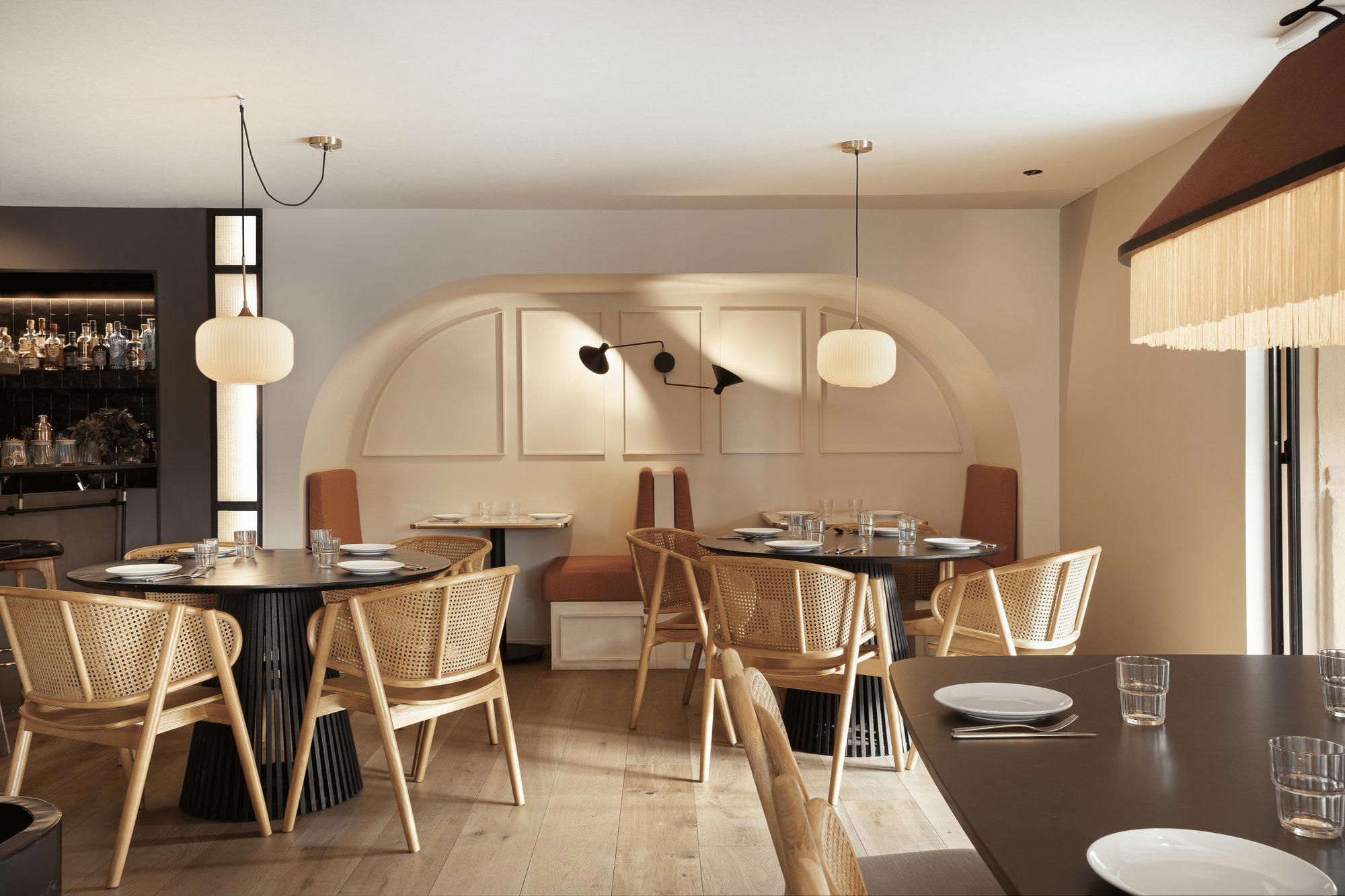
A Corner of Palma Where the City Eats for Itself
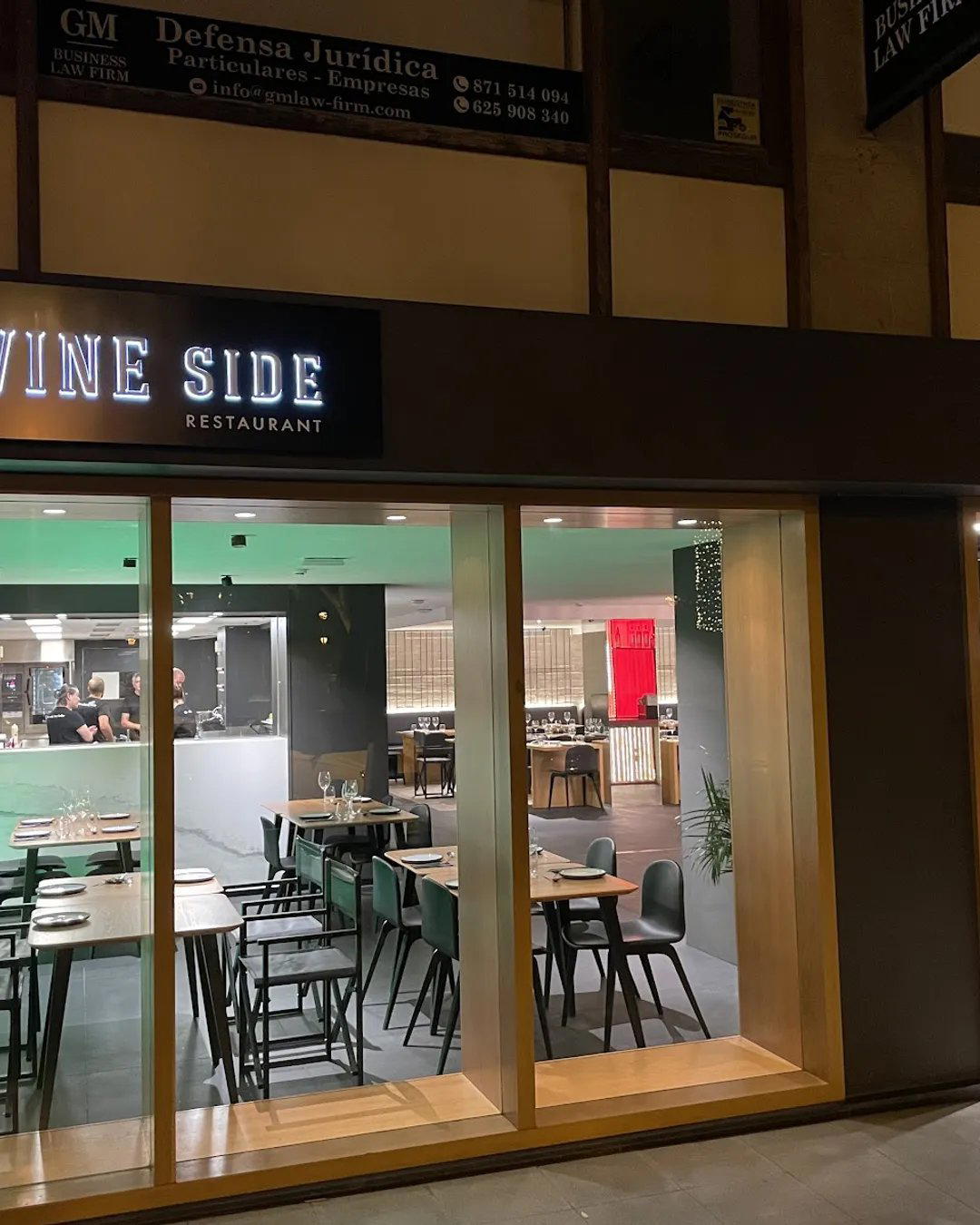
Passeig de Mallorca runs like a spine through the western edge of Palma's old centre, lined with mature plane trees and the kind of low-rise residential fabric that discourages coach parties. The boulevard belongs, functionally, to the people who live here rather than those passing through, and the restaurants along it tend to reflect that orientation. Mombo sits at number 3, in the Ponent district, at a point on the promenade where the pavement widens and the pace slows. Before you consider what is on the plate, the address itself is an editorial statement: this is not the tourist circuit, and the clientele tends to know the difference. Mombo is a modern Mediterranean bistro in Palma's Ponent district, with.
That neighbourhood character matters in Palma right now. The city's dining conversation has bifurcated sharply. On one side sit the tasting-menu destinations, Zaranda, Marc Fosh, Adrián Quetglas, where four figures per head and advance reservations are the baseline. On the other side sits a more grounded register: neighbourhood restaurants where the sourcing is serious, the format is relaxed, and the room fills with locals rather than hotel concierge referrals. Mombo operates closer to that second register. Its position on Passeig de Mallorca anchors it in a part of the city that rewards pedestrian exploration rather than destination dining logistics.
The Mallorcan Sourcing Argument, Made Quietly
Mallorca's agricultural and maritime infrastructure is more substantial than the island's resort reputation suggests. The Tramuntana foothills yield olive oil, almonds, and citrus. The central plains around Inca and Sa Pobla produce sobrassada, tomàtiga de ramellet, and a range of legumes that appear on serious menus across the island. The waters around the Balearics deliver red prawns from Sóller, sea urchin, and a rotation of fish tied directly to seasonal availability rather than import calendars. The restaurants that take this sourcing framework seriously tend to use it quietly, not as a marketing posture but as a structural constraint that shapes what appears on the menu each week.
Palma's better casual addresses operate within that constraint by default. The proximity to producers, the short supply chains, and the island's long tradition of eating what the land and sea offer at a given moment make ingredient provenance less of a talking point and more of a baseline assumption. Where venues like Aromata and Bàrbar have built recognisable identities around specific sourcing commitments, the neighbourhood tier tends to absorb those same principles without the formal signalling. Mombo's placement on the promenade, with its local residential catchment, suggests it operates within that quieter tradition.
For broader context on the Spanish sourcing conversation at the highest level, it is worth noting that Spain's most technically ambitious restaurants, El Celler de Can Roca in Girona, Mugaritz in Errenteria, Azurmendi in Larrabetzu, Aponiente in El Puerto de Santa María, have built international reputations in part by treating regional ingredients as conceptual raw material rather than background texture. That conversation permeates downward through Spanish dining culture, and even casual addresses in cities like Palma, València, and Barcelona tend to carry some version of it.
Reading Palma's Mid-Tier Dining Correctly
One of the more useful distinctions for visitors to Palma is between restaurants oriented toward the seasonal resident and visitor economy versus those that exist primarily because the neighbourhood needs them. The former tend to cluster around the Santa Catalina market area and the Passeig del Born. The latter spread outward into the residential arteries, including Passeig de Mallorca. Restaurants in that second category rarely need to compete on spectacle. They compete on consistency, on price-to-quality ratios that locals will test repeatedly, and on the kind of familiarity that makes a place a habit rather than an event.
Palma's acknowledged fine dining tier, which includes Zaranda at the creative-Mallorcan end and Marc Fosh in the modern European register, prices at the €€€€ tier and operates on a fundamentally different model. Adrián Quetglas sits at €€€, bridging creative technique with slightly lower thresholds. Below that, the city has a functioning mid-market layer that the island's culinary reputation often obscures. Mombo's address and neighbourhood positioning place it within that layer, where the argument is made through repetition and reliability rather than ambition and occasion.
Internationally, the equivalent conversation plays out at different price points: at Le Bernardin in New York City, sourcing rigour operates at stronger examples from the market; at Atomix, also in New York, it anchors a tasting-menu format where provenance is explicit and narrated. In Palma, the same underlying logic filters through to the neighbourhood tier in a less formalised way, which is a more useful model for day-to-day dining.
Planning a Visit
Mombo is located at Passeig de Mallorca, 3, in the Ponent district of Palma. The address is walkable from the historic centre and accessible by public transport from most parts of the city. As with most neighbourhood restaurants in this part of Palma, arriving without a reservation on weekend evenings carries some risk, particularly during the spring and autumn shoulder seasons when the resident population is at its most active. The boulevard itself rewards an approach on foot from the old town, taking roughly ten to fifteen minutes from the cathedral quarter. Other useful reference points in the creative-modern tier include Adrián Quetglas and Aromata, both of which operate at a higher price point but share the neighbourhood-oriented sourcing logic that defines Palma's better addresses.
In Context: Similar Options
Comparable venues nearby, for context on price, style, and recognition.
| Venue | Cuisine | Price | Awards | Notes |
|---|---|---|---|---|
| MomboThis venue — the venue you are viewing | Modern Mediterranean Bistro | $$$ | Not listed | Not listed |
| Calma y Caos Restaurant | Modern Mediterranean Signature Cuisine | $$$$ | Not listed | Palma de Mallorca |
| Ca n'Ela Vegan Restaurant | Creative Vegan Mediterranean | $$ | Not listed | Lonja |
| Bàrbar | Modern Mediterranean Tapas | $$$ | Michelin Plate | old quarter |
| Quadrat | Modern Mediterranean with Mallorcan influences | $$$ | Michelin Plate | Centre |
| Adrián Quetglas | Modern Mediterranean with Argentinian and International Influences | $$$ | Michelin Plate | Distrito Centro |
At a Glance
- Elegant
- Sophisticated
- Cozy
- Modern
- Intimate
- Date Night
- Special Occasion
- Open Kitchen
- Chefs Counter
Current opening hours
- Monday
- 1:30–3:30 PM, 7:15–11:30 PM
- Tuesday
- 1:30–3:30 PM, 7:15–11:30 PM
- Wednesday
- 1:30–3:30 PM, 7:15–11:30 PM
- Thursday
- 1:30–3:30 PM, 7:15–11:30 PM
- Friday
- 1:30–3:30 PM, 7:15–11:30 PM
- Saturday
- 1:30–3:30 PM, 7:15–11:30 PM
- Sunday
- Closed
Hours can change for holidays and private events. Last verified .
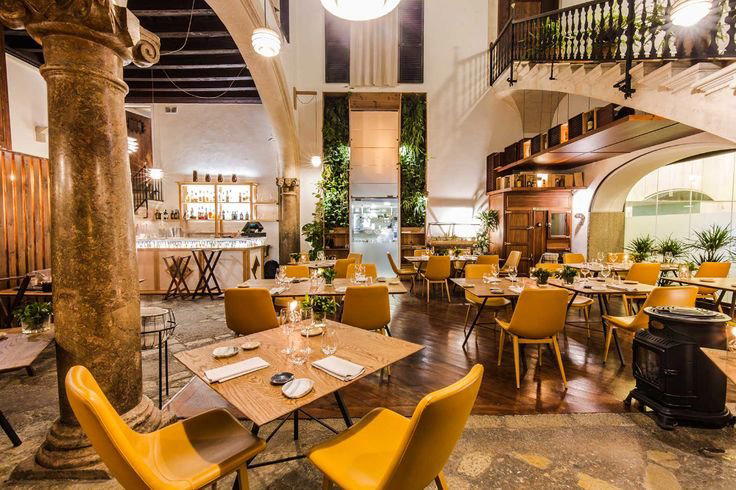
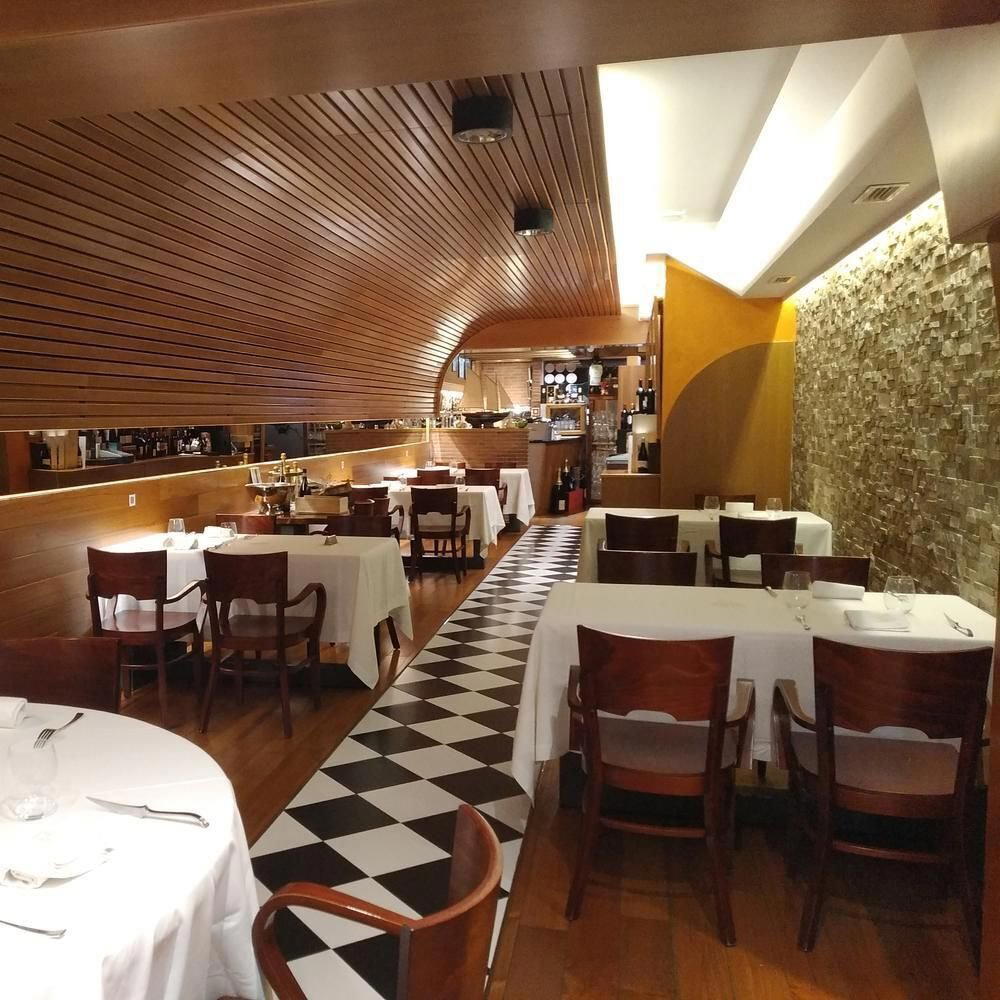
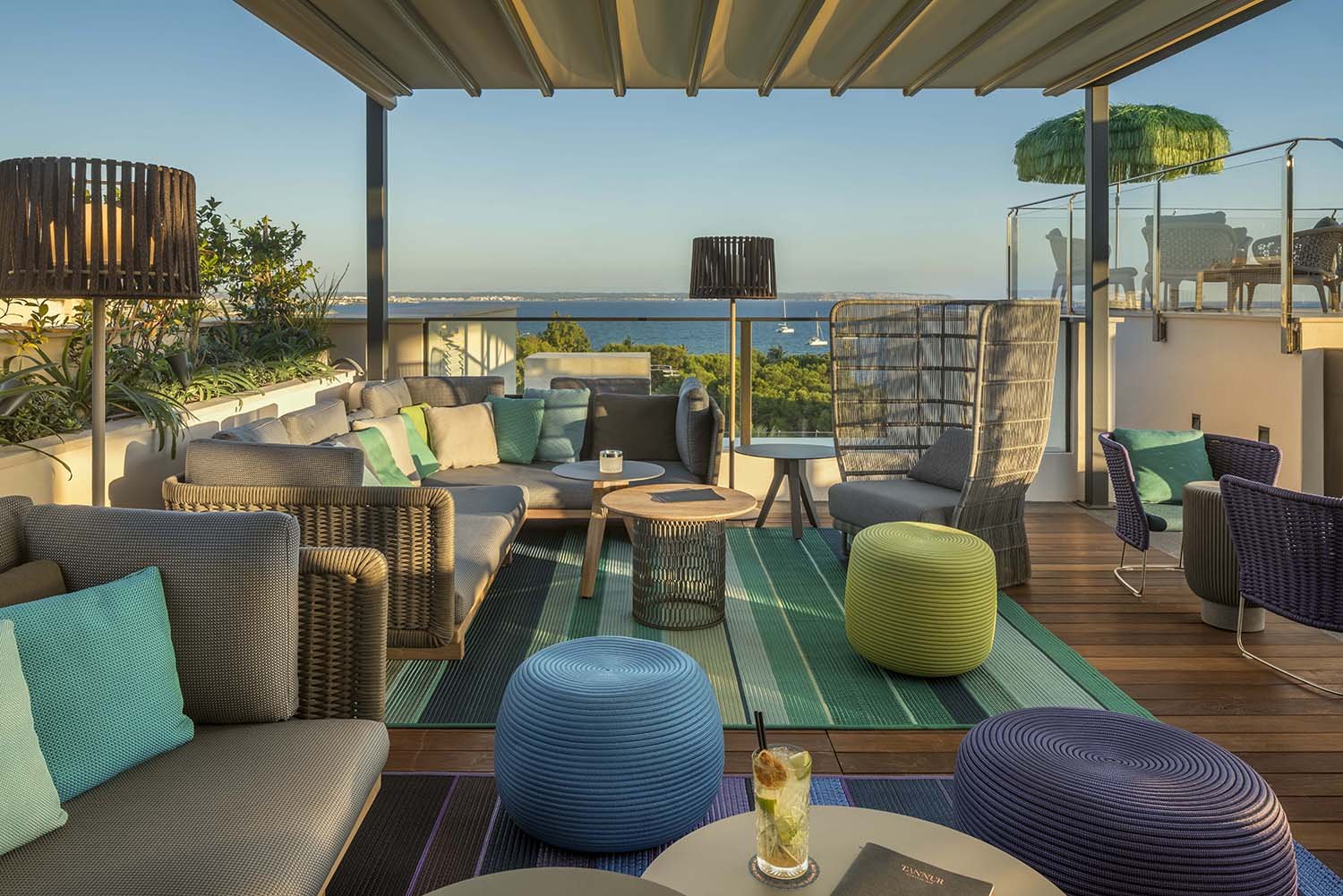
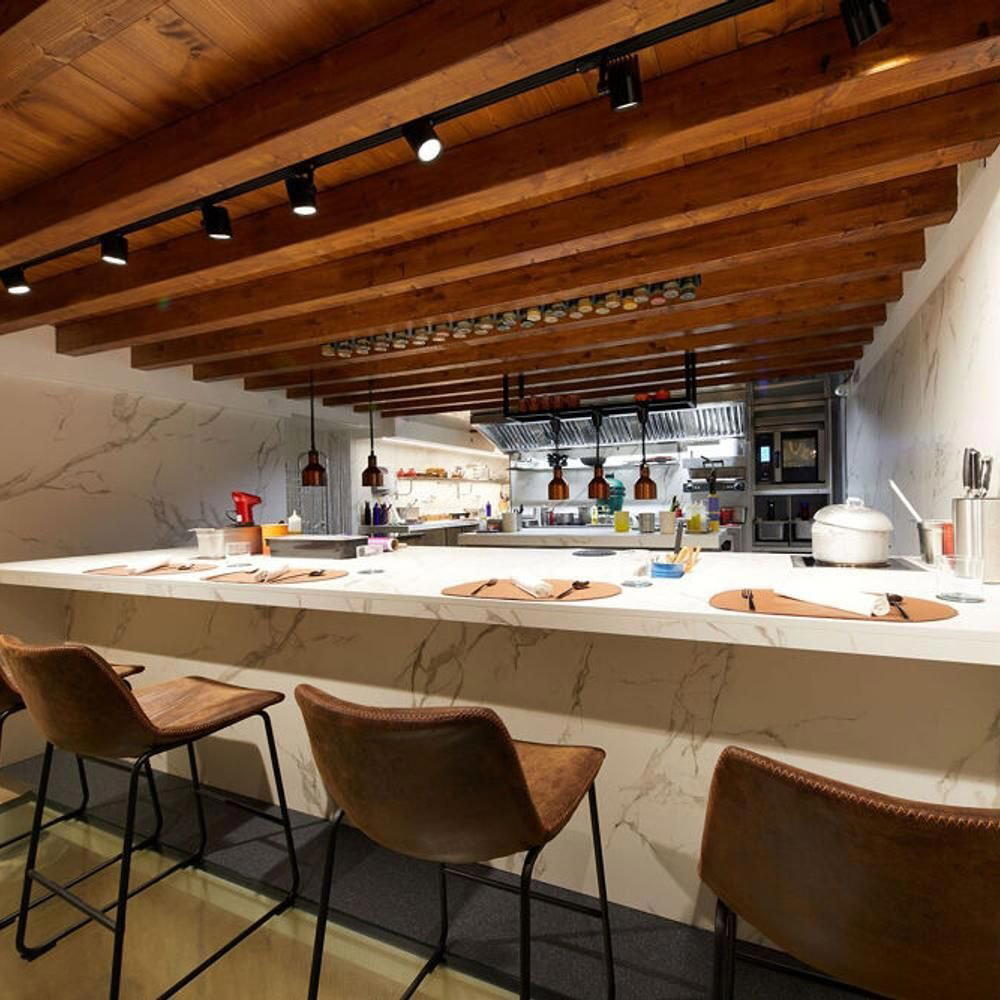
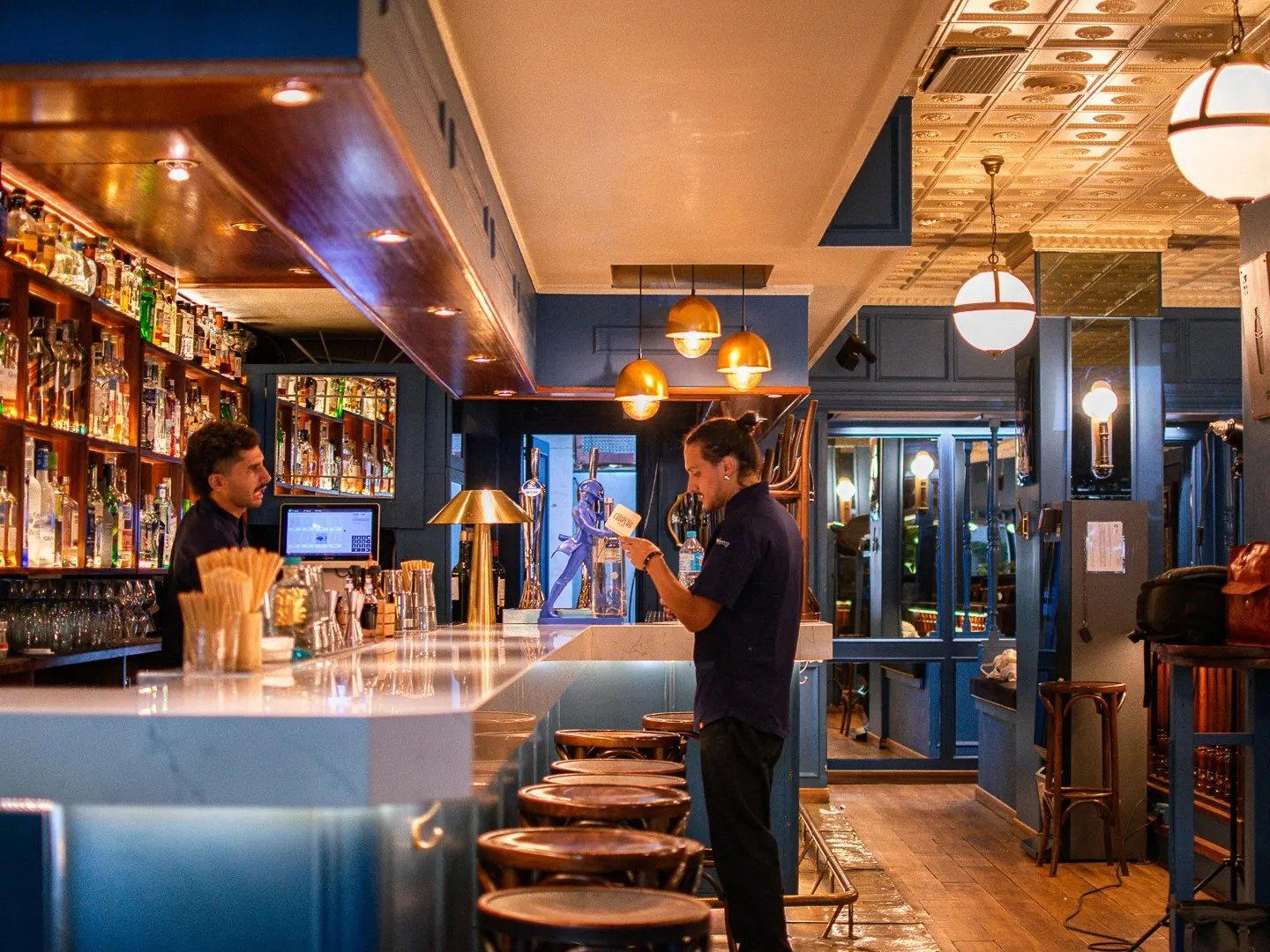
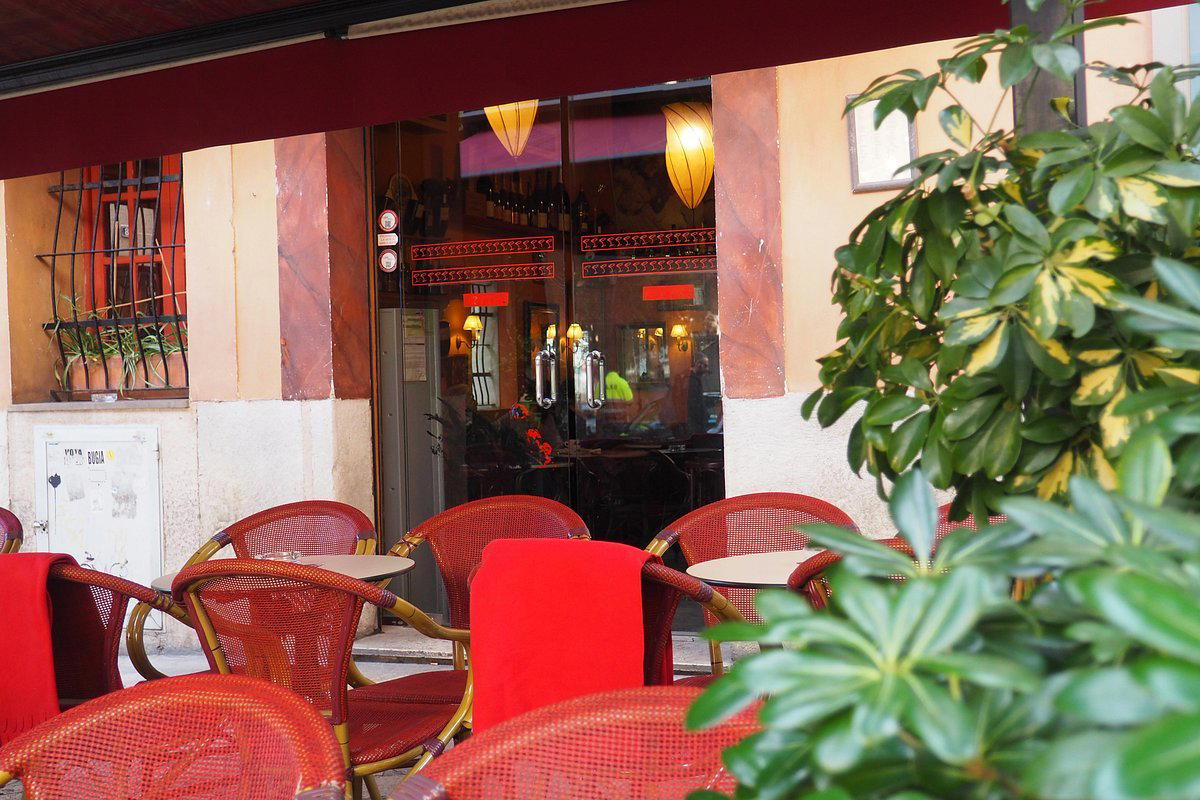
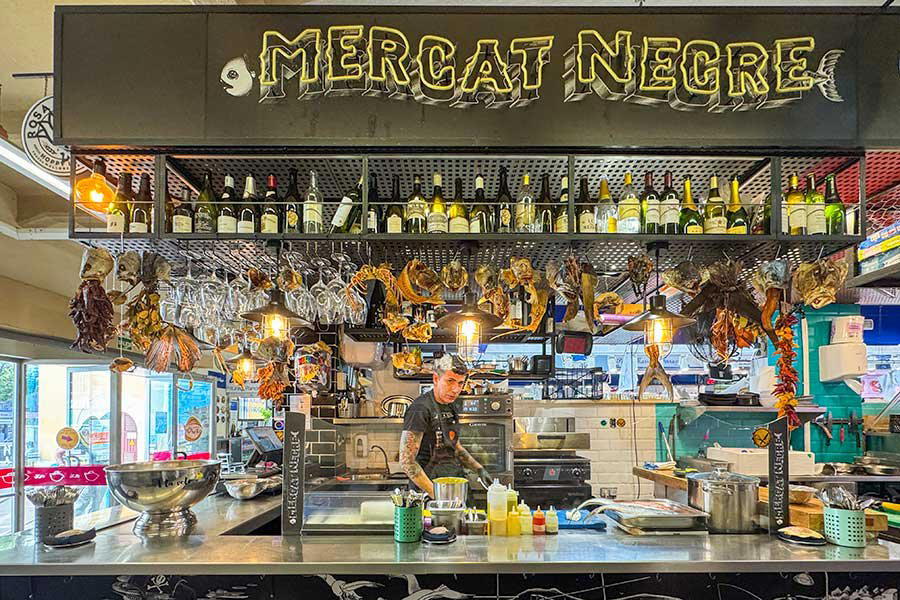
Elegant-urban-cozy atmosphere with stylish decor, open kitchen, and warm, engaging service.