
Ca l'Estevet occupies a corner of Ciutat Vella where Barcelona's older dining identity still holds ground. The address on Carrer de Valldonzella places it within reach of the Raval's working streets, and the room reads as a place that has traded on continuity rather than reinvention. For those working through Barcelona's broader restaurant scene, it represents a counterpoint to the city's wave of creative tasting-menu formats.
Pearl is the En Primeur Club membership app — saves, bookings, and concierge access live there. Same editors, same standards.
- Address
- Carrer de Valldonzella, 46, Ciutat Vella, 08001 Barcelona, Spain
- Phone
- +34933012939
- Website
- restaurantestevet.com
- Directions
- Get directions
 Saves & bookings on Pearl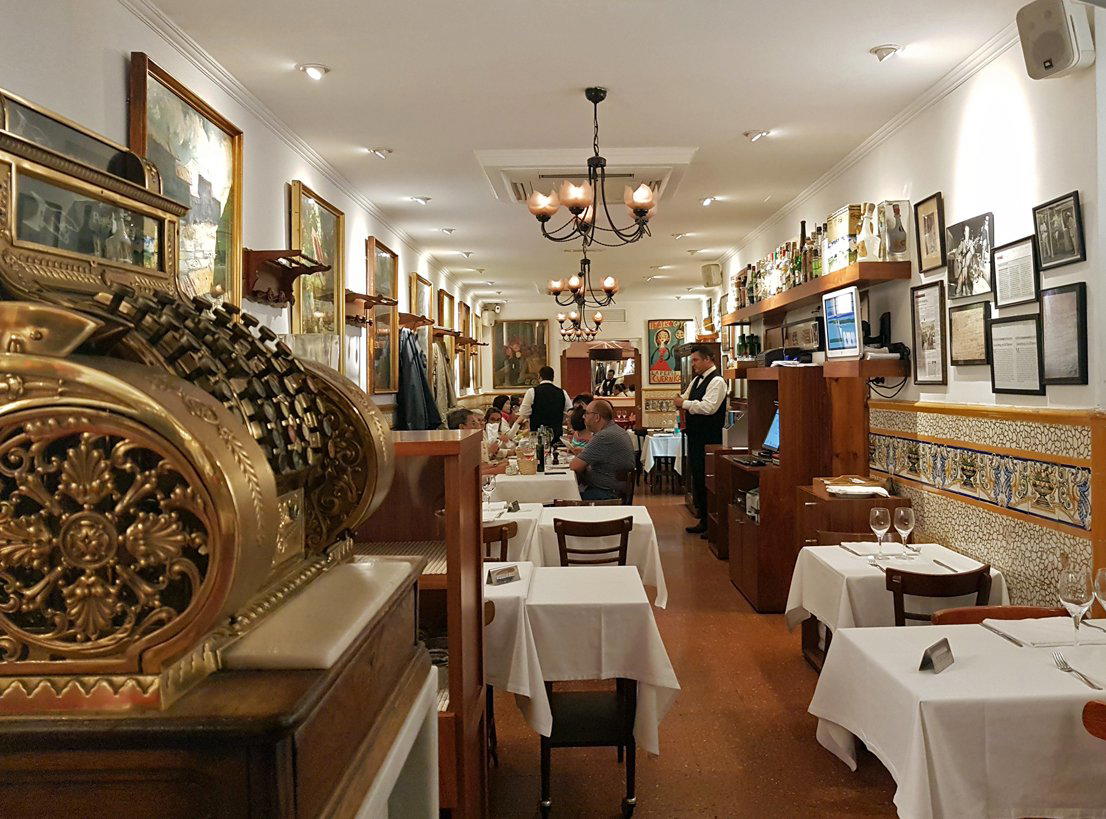
A Room That Resists the Renovation Cycle
Barcelona's restaurant scene has spent the past two decades in an almost continuous state of self-reinvention. The city that gave the world Ferran Adrià's molecular laboratory has since produced a generation of chefs competing on conceptual ambition: tasting menus built around editorial themes, courses that arrive as puzzles, dining rooms designed by architects rather than interior decorators. Against that backdrop, the older casas de menjar, the family-run Catalan dining rooms that fed the city before gastronomy became a spectator sport, occupy a different kind of value. Ca l'Estevet, on Carrer de Valldonzella in Ciutat Vella, sits in that older tradition. Its address places it a short walk from the MACBA and the edges of the Raval, a neighbourhood that has itself undergone considerable transformation without fully losing the texture of an earlier Barcelona.
The evolution question with a place like this is less about menu pivots and more about survival posture: how does a traditional Catalan dining room hold its position as the city around it changes? The answer, in most cases, is through a consistent regulars base, pricing that remains accessible relative to the tasting-menu tier, and a kitchen that treats continuity as a form of argument.
Ciutat Vella and the Character of the Street
Carrer de Valldonzella runs through the northern edge of Ciutat Vella, where the Raval meets the Eixample Esquerra. It is not a tourist thoroughfare in the way that the Barri Gòtic streets are, and that distinction matters for understanding what Ca l'Estevet represents. This part of the city has been absorbing demographic change for decades: waves of immigration, the gentrification pressure that followed MACBA's arrival in 1995, the subsequent arrival of design studios and specialty coffee shops alongside the older hardware stores and Moroccan grocers. Restaurants that survive this kind of neighbourhood churn tend to do so because they have a clear local identity that new arrivals want access to, not despite it.
The broader pattern holds across the city. Barcelona's most interesting dining tension is not between Michelin-starred restaurants, it is between the creative fine-dining tier and the older Catalan cooking tradition that precedes it. Dishes built around escudella, cargols, or salt cod preparations occupy a different register than the tasting-menu format, and the rooms that serve them read differently too: tiled walls, zinc bars, paper tablecloths or pressed linen, menus that change with market availability rather than with seasonal editorial decisions. Ca l'Estevet fits that description.
Where This Fits in the Spanish Dining Conversation
Spain's restaurant identity at the highest level is now distributed across several cities and regions, each with a distinct culinary character. El Celler de Can Roca in Girona represents the Catalan creative tradition at its most formally ambitious. Arzak in San Sebastián and Martin Berasategui in Lasarte-Oria anchor the Basque side of that conversation. Azurmendi in Larrabetzu, Mugaritz in Errenteria, Quique Dacosta in Dénia, Aponiente in El Puerto de Santa María, Ricard Camarena in València, and DiverXO in Madrid all occupy the upper tier of Spain's dining map. None of them are relevant comparison points for the restaurant. The relevant comparison is with other Catalan casas, the corner restaurants in Gràcia, Sant Pere, and Poble Sec that have maintained a similar register over similar timelines.
Internationally, the category has its parallels. The neighbourhood bistro in Paris, the trattoria in Florence, the izakaya in a residential Tokyo ward, these are all formats that survive because they serve a function that prestige dining cannot: a regular meal, in a familiar room, at a price that allows for frequency. Le Bernardin in New York City and Lazy Bear in San Francisco represent the opposite end of that spectrum, destination formats that command planning months in advance. The restaurant operates in a different time signature entirely.
The Evolution Argument
The more interesting question for any long-running Catalan restaurant is what kind of evolution it has undergone, and whether that evolution has been towards the market or away from it. Barcelona's dining scene has created enormous pressure on mid-tier and traditional restaurants. Real estate costs in Ciutat Vella have risen sharply over the past decade. Tourism has reshaped the composition of dining rooms across the old city, and the risk for traditional restaurants is that they either drift upmarket to capture tourist spending or maintain their original positioning and watch their local clientele thin out as rents push residents to outer districts.
The restaurants that have handled this shift most successfully are those that have updated their physical environment without abandoning their kitchen identity, or those that have found ways to remain legible to both returning regulars and first-time visitors with some knowledge of Catalan cooking. The risk of the opposite, a room that has calcified, that reads as dated rather than traditional, is real, and it is the primary editorial risk for any longstanding address in a neighbourhood as changed as Ciutat Vella. How the restaurant has managed that balance is, ultimately, the substantive question a visiting diner should ask.
Know Before You Go
- Address: Carrer de Valldonzella, 46, Ciutat Vella, 08001 Barcelona, Spain
- Neighbourhood: Northern Raval, close to MACBA and the Eixample border
- Category: Traditional Catalan dining room
- Price tier: Accessible
- Booking: Reservation recommended
- Hours: Mon: 1–5 PM, 7:30–11:40 PM; Tue: 1–5 PM, 7:30–11:45 PM; Wed: 1–5 PM, 7:30–11:45 PM; Thu: 1–5 PM, 7:30–11:45 PM; Fri: 1–5 PM, 7:30 PM–12 AM; Sat: 1–5 PM, 7:30 PM–12 AM; Sun: 1–5 PM
- Getting there: Universitat (L1/L2) is the nearest Metro stop; the address is walkable from most of Ciutat Vella
Pricing, Compared
Comparable venues nearby, for context on price, style, and recognition.
| Venue | Cuisine | Price | Notes |
|---|---|---|---|
| Ca l'EstevetThis venue — the venue you are viewing | el Raval, Traditional Catalan | $$ | Not listed |
| Gabatxo | Not listed | $$ | l'Antiga Esquerra de l'Eixample, Spanish-French Fusion Tapas & Cocktails |
| Maysi Restaurant Barcelona | Not listed | $$ | l'Antiga Esquerra de l'Eixample, Mediterranean & Spanish Cuisine |
| Pepa Tomate | la Vila de Gracia, Modern Catalan Tapas | $$ | Not listed |
| Bodegó del Pop | Not listed | $$ | el Putxet i el Farro, Traditional Spanish Tapas |
| Can Martí Restaurant | Not listed | $$ | Vallvidrera, el Tibidabo i les Planes, Traditional Catalan Grill |
Recognition history
Dated appearances from independent guides and award organizations, with the underlying list record or original source where available.
Macarfi 6.6 Food Rating
Macarfi
Continue exploring
More in Barcelona
Restaurants in Barcelona
Browse all →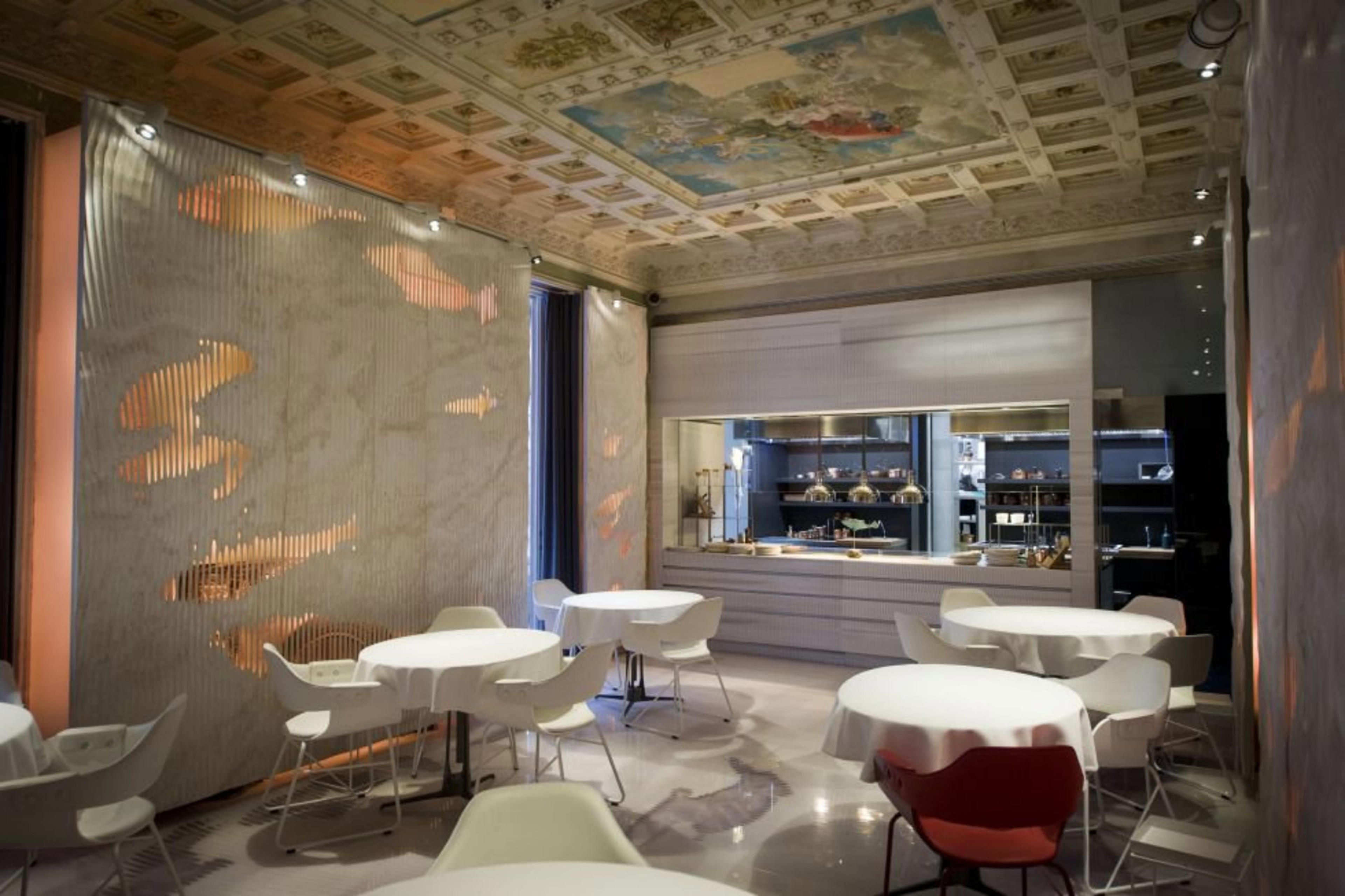
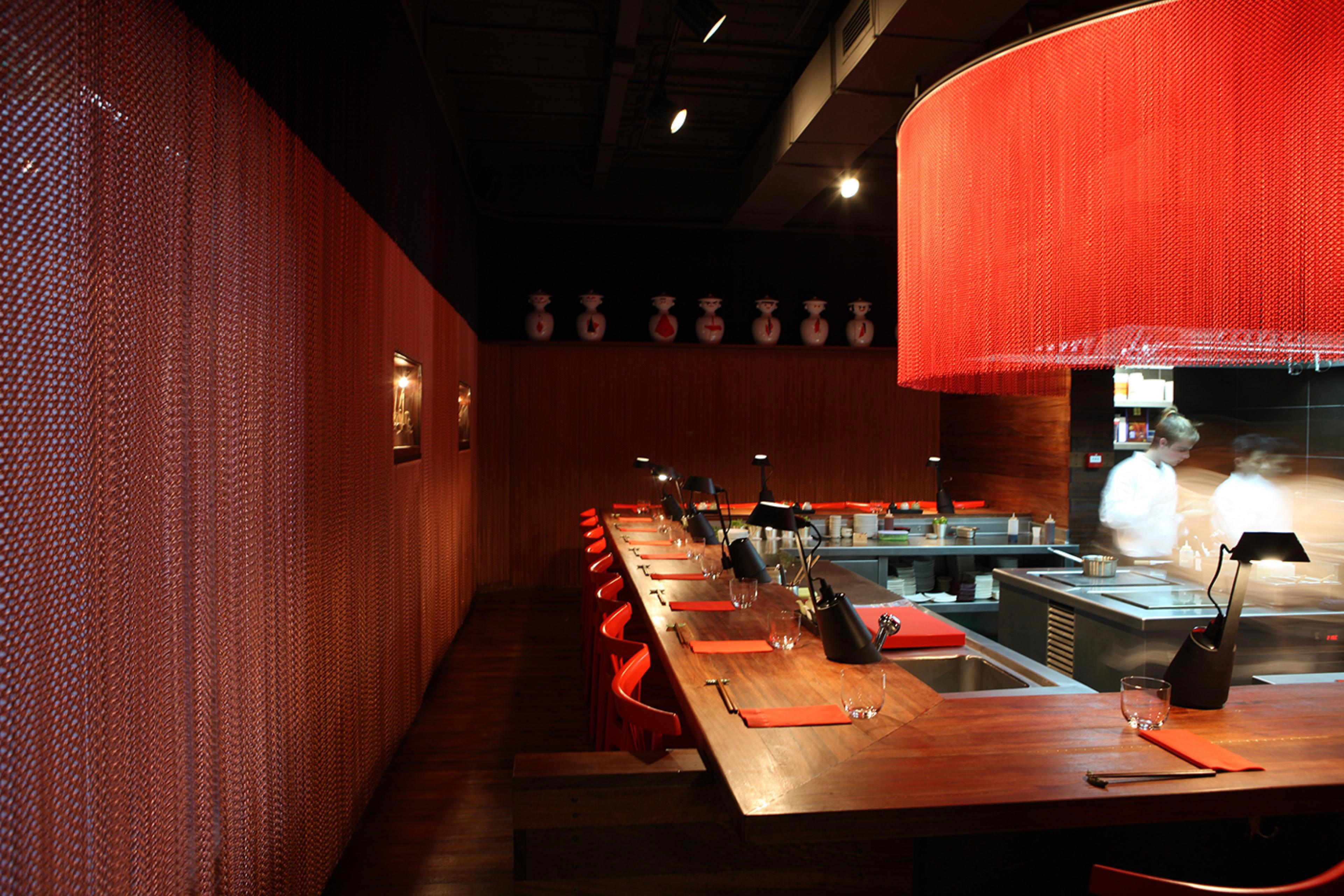
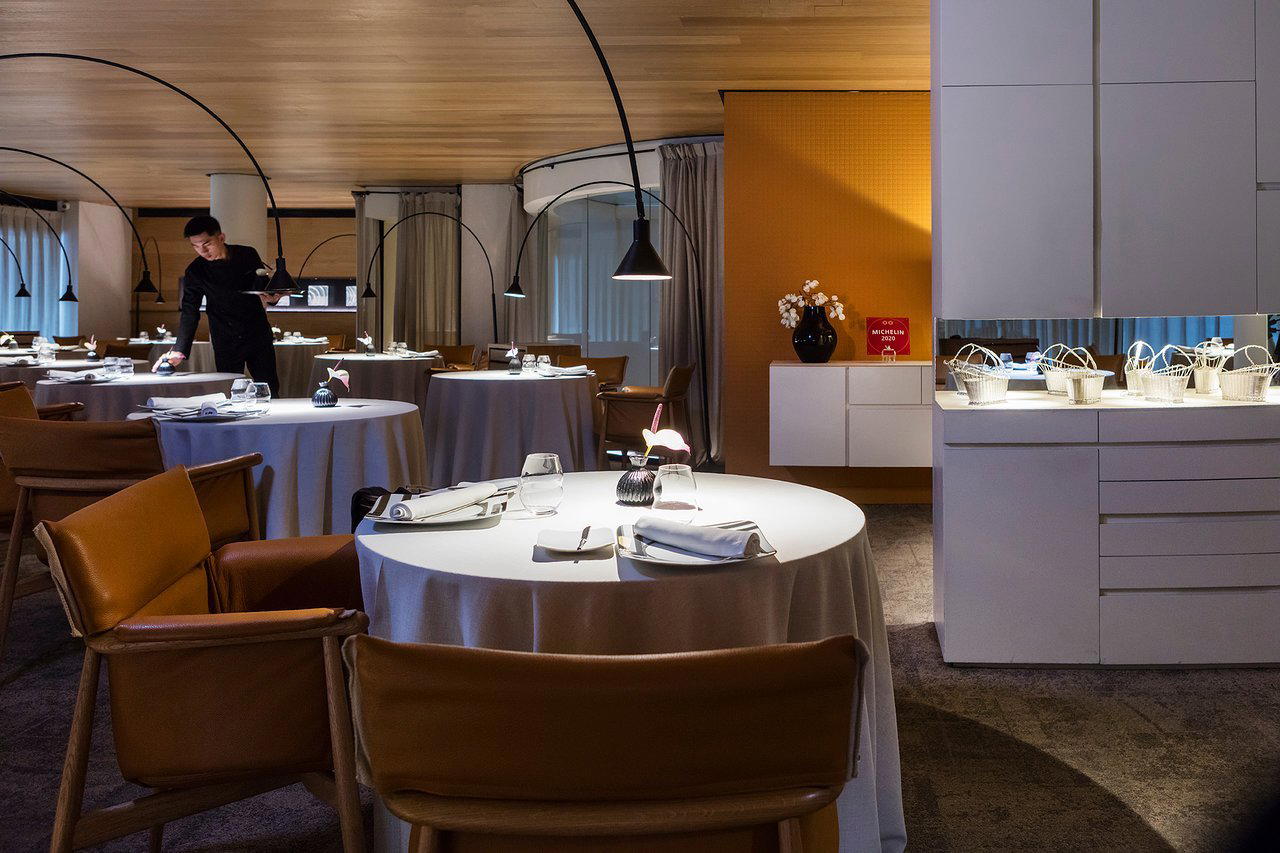
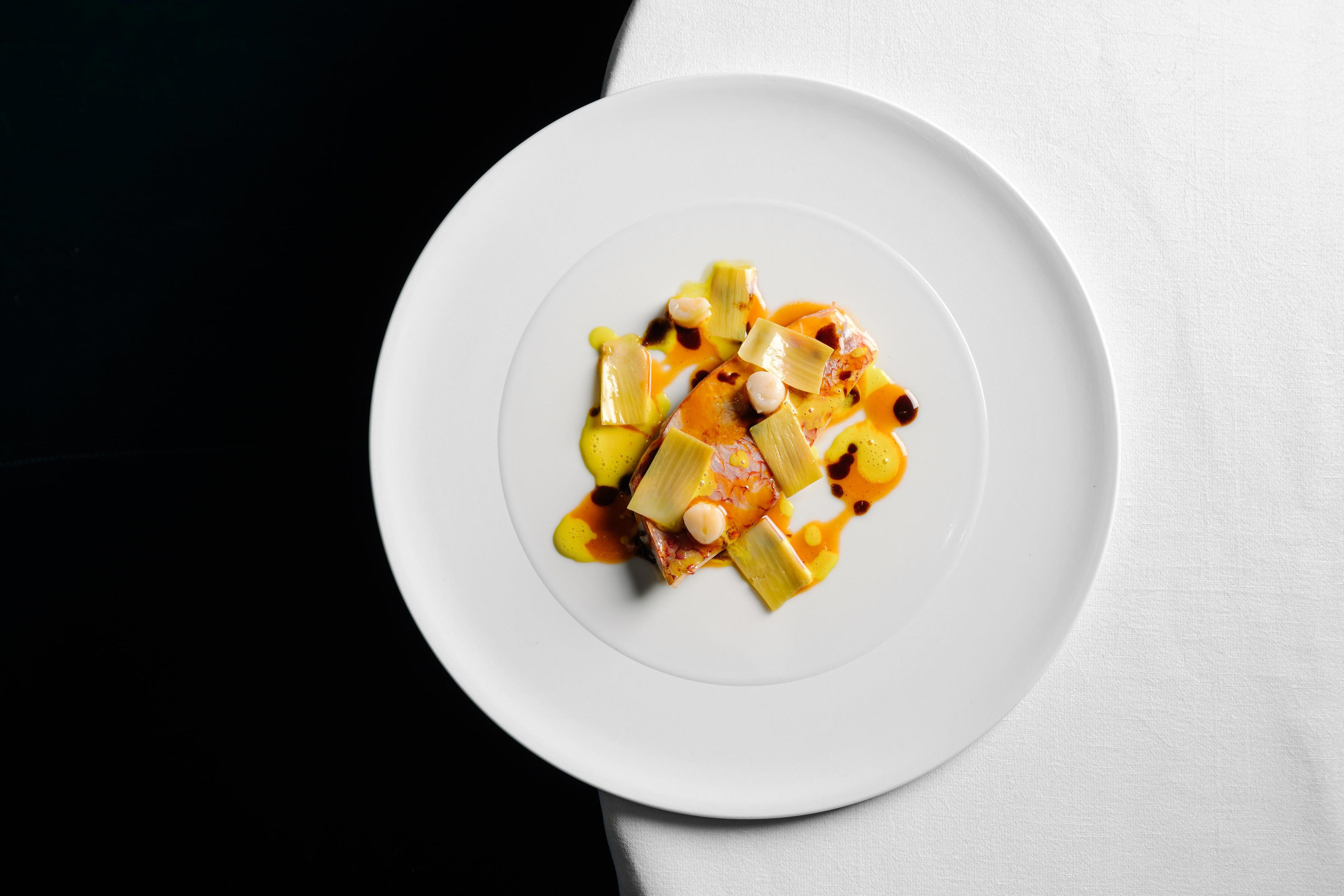
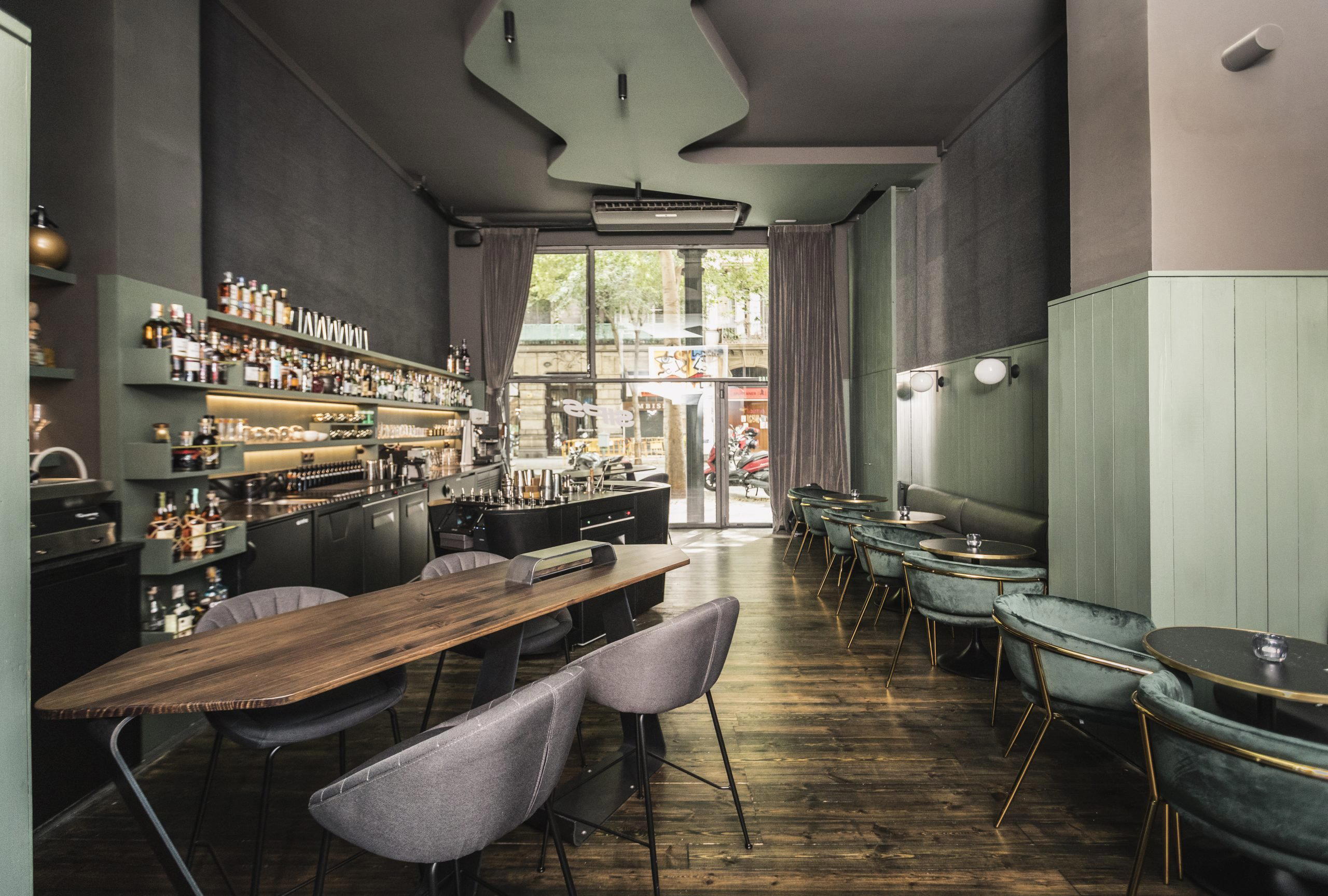
Bars in Barcelona
Browse all →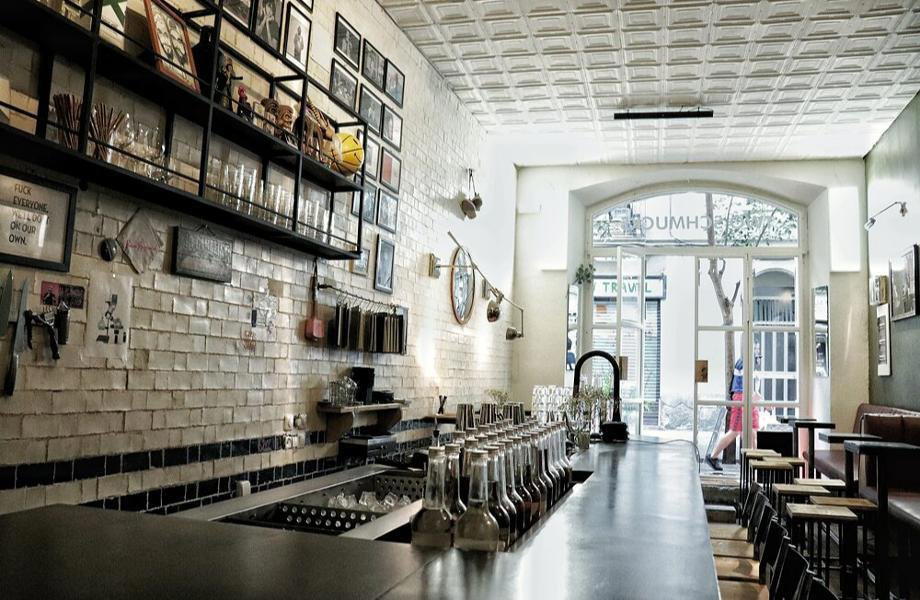
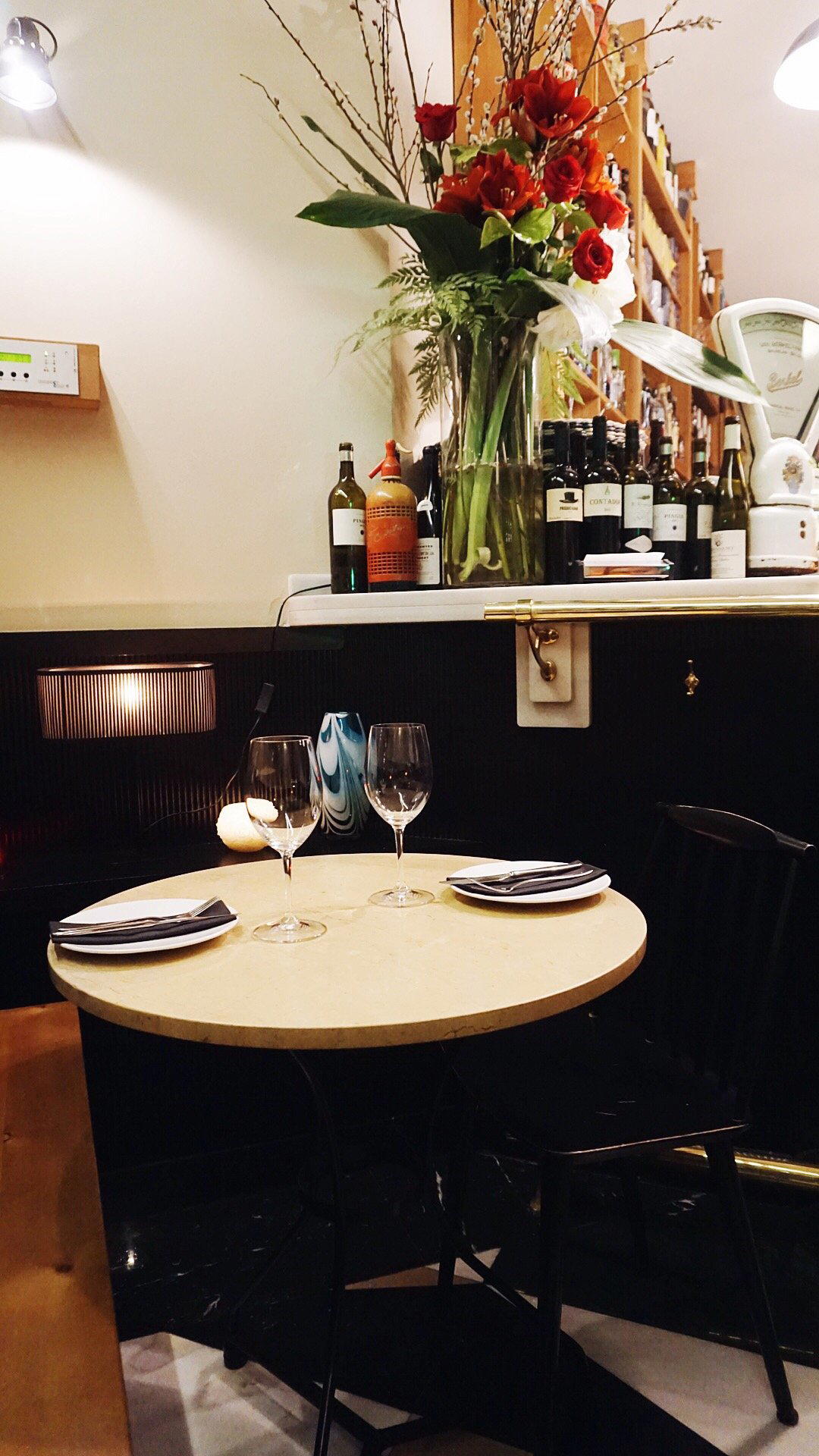
Hotels in Barcelona
Browse all →
At a Glance
- Classic
- Cozy
- Intimate
- Special Occasion
- Family
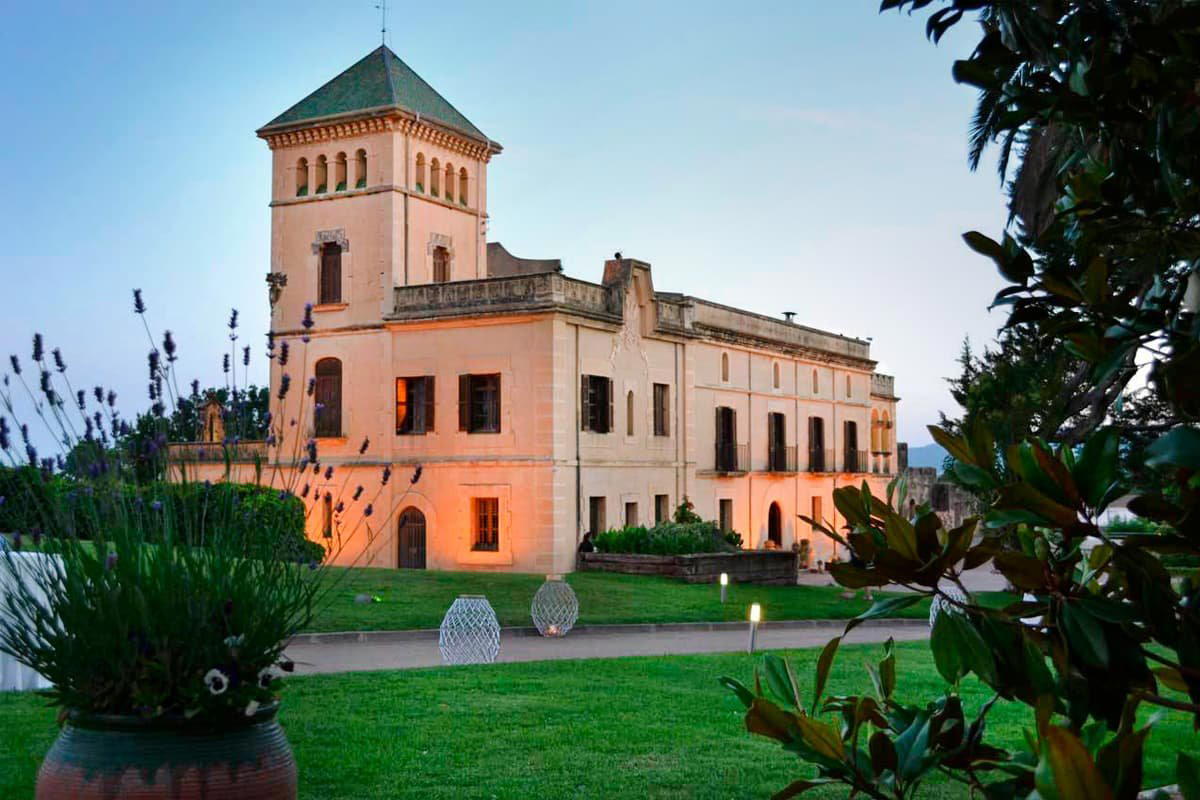
- Historic Building
- Local Sourcing
Current opening hours
- Monday
- 1–5 PM, 7:30–11:40 PM
- Tuesday
- 1–5 PM, 7:30–11:45 PM
- Wednesday
- 1–5 PM, 7:30–11:45 PM
- Thursday
- 1–5 PM, 7:30–11:45 PM
- Friday
- 1–5 PM, 7:30 PM–12 AM
- Saturday
- 1–5 PM, 7:30 PM–12 AM
- Sunday
- 1–5 PM
Hours can change for holidays and private events. Last verified .
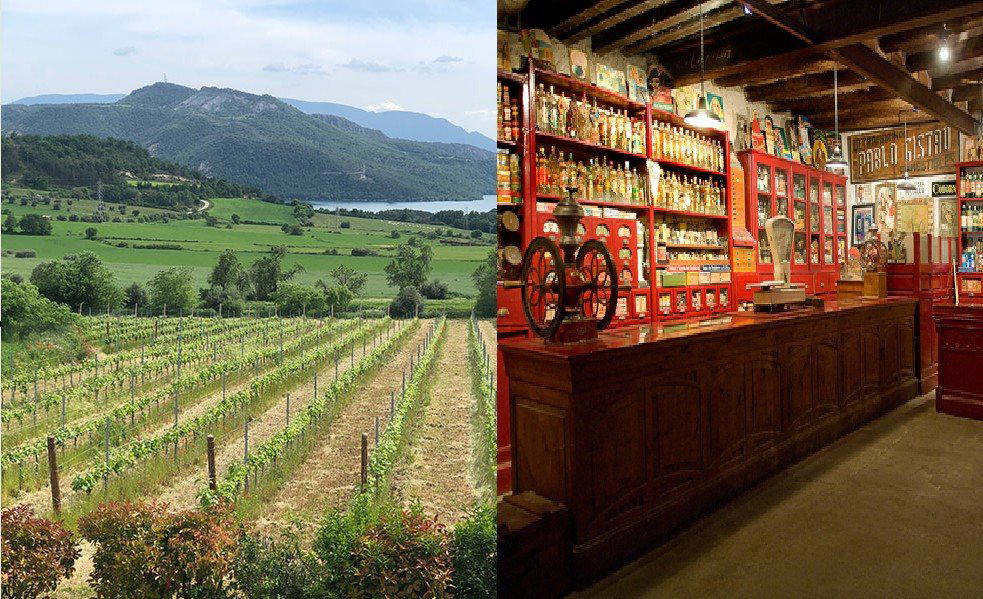
Modest, warm, homey atmosphere with white tablecloths and a nostalgic, authentic feel.