Can Martí occupies a quiet passageway in Sarrià-Sant Gervasi, one of Barcelona's most residential upper districts, where the dining register tends toward the considered rather than the conspicuous. The address places it well outside the tourist corridors of Eixample and the Gothic Quarter, positioning it instead within a neighbourhood tradition of family-run restaurants that have long served the city's professional classes.
- Address
- Passatge de la Font del Mont, 4, Sarrià-Sant Gervasi, 08017 Barcelona, Spain
- Phone
- +34 934 06 91 95
- Website
- canmarti.info
- Directions
- Get directions
A Residential Quarter With Its Own Dining Logic
Barcelona's upper-left districts, Sarrià and Sant Gervasi, operate on a different frequency from the city's better-documented restaurant corridors. Where Eixample concentrates its creative firepower in places like Cocina Hermanos Torres, Disfrutar, and Lasarte, and where the city's highest-profile addresses tend to cluster around the Passeig de Gràcia axis, Sarrià-Sant Gervasi answers to a quieter constituency. The neighbourhood's restaurants generally serve a local professional population that values discretion over spectacle. That context matters when reading any address in this postcode: the ambition here is rarely telegraphed through design or noise levels, but through the quality of what arrives on the plate and, critically, where that produce comes from.
Can Martí sits on Passatge de la Font del Mont, a passage rather than a main thoroughfare, which is itself a signal about the venue's relationship to the wider city. Addresses on Barcelona's named passages, small lanes running off primary streets, tend to attract repeat local visitors rather than foot traffic from visitors consulting discovery apps. That positioning, away from the main drag and dependent on word-of-mouth rather than location algorithms, defines a certain kind of Barcelona institution: one that earns loyalty through consistency and sourcing rather than through marketing cycles.
Ingredient Sourcing as the Central Argument
In the Catalan restaurant tradition, the relationship between kitchen and market is not a trend or a selling point, it is the structural premise of the cuisine. The city's wholesale market at Mercabarna and, at the retail level, the Boqueria and the neighbourhood mercats that serve districts like Sarrià, define the daily rhythm of serious kitchens. A restaurant operating in this tradition begins its culinary argument at the point of purchase, not at the point of cooking. What the kitchen buys in the morning determines what the kitchen can say by evening.
This sourcing-led philosophy places Can Martí within a long Catalan lineage of restaurants that treat the market visit as editorial, not administrative. The same logic drives the region's most decorated addresses: El Celler de Can Roca in Girona has maintained its relationship to Catalan producers as a central part of its identity across three decades. Further south, Quique Dacosta in Dénia has built an entire creative language around the specific marine ingredients of the Costa Blanca. At the neighbourhood scale, the same principle applies: a kitchen that takes sourcing seriously will change its offer according to what is available, which means a menu that reflects the season more faithfully than one built around fixed signatures.
In Spain's broader fine dining conversation, ingredient provenance has become an increasingly audible claim. Kitchens from Azurmendi in Larrabetzu to Aponiente in El Puerto de Santa María have made the origin of their raw material central to their critical identity. For a neighbourhood restaurant in Sarrià-Sant Gervasi, the claim is less theatrical but no less substantive: the produce speaks through the simplicity of its preparation, not through elaborate technique.
The Sarrià-Sant Gervasi Setting
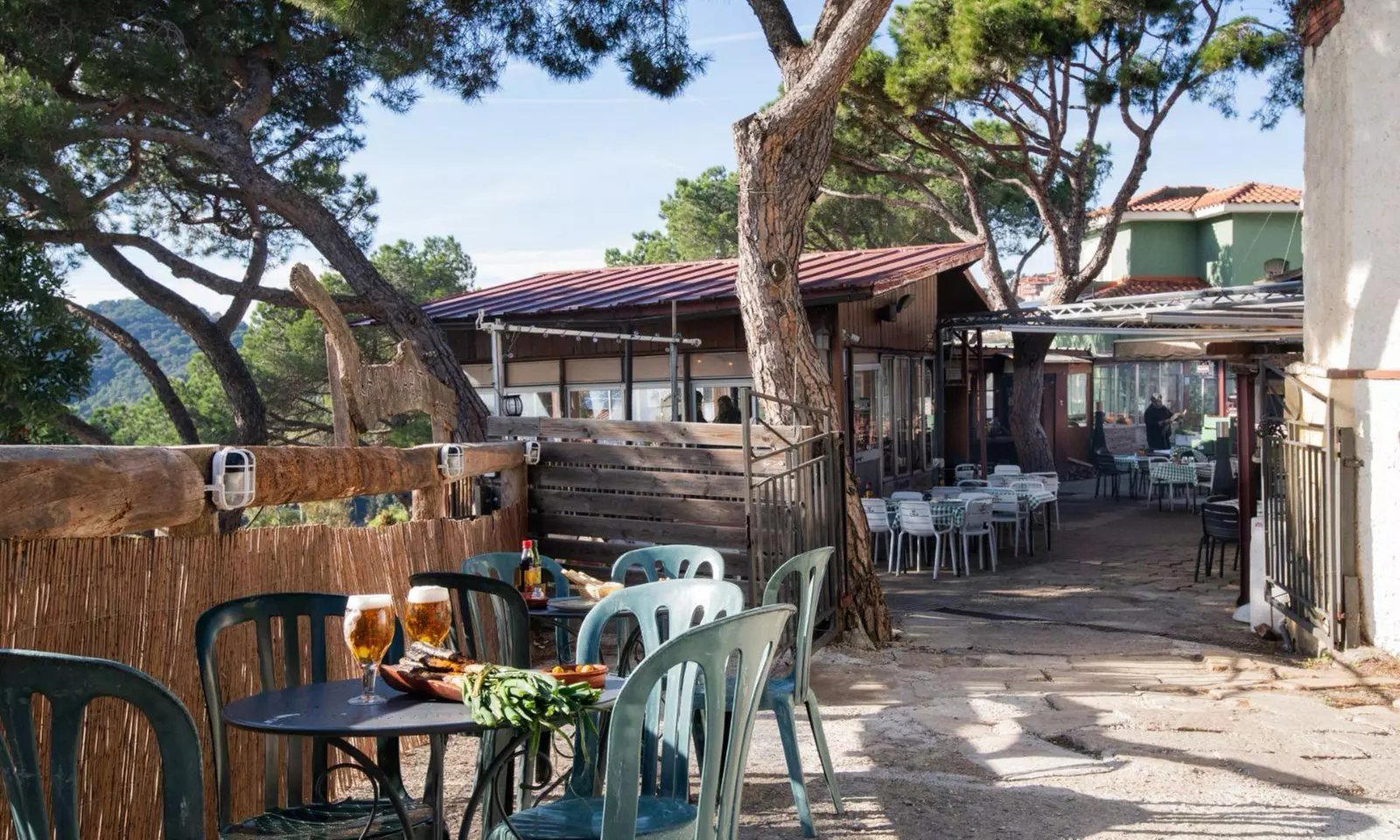
The physical approach to Passatge de la Font del Mont gives the experience a distinctly residential character that separates it from Barcelona's more stage-managed dining environments. This part of the city, rising toward the Collserola hills above the main urban grid, was historically a separate municipality before its absorption into Barcelona in 1921, and it retains something of that village-within-the-city quality in its street scale and architecture. Dining rooms in this district tend to reflect the neighbourhood's domestic register: proportionate rooms, measured lighting, the kind of acoustic environment that allows conversation rather than competing with it.
That environmental quality positions Can Martí in a different tier from the destination restaurants that draw visitors from across the city or from abroad. Addresses like ABaC and Enigma are explicit destination propositions, with design and format calibrated for an audience making a specific culinary pilgrimage. Can Martí operates in the register of the local institution, a place where the dining room's character is incidental rather than engineered, and where that lack of self-consciousness is precisely the point.
Where Can Martí Sits in the Spanish Dining Picture
Spain's restaurant culture spans an unusually wide range, from the hyper-technical creativity of DiverXO in Madrid and the Basque formalism of Arzak in San Sebastián and Martin Berasategui in Lasarte-Oria, down to the neighbourhood trattoria-equivalent that feeds the same postcodes week after week. The middle tier, restaurants with genuine culinary seriousness but without the infrastructure or ambition of destination dining, is one important and least discussed stratum in any city's food culture. These are the places that maintain culinary standards outside the award cycle, where the pressure is daily rather than annual and the audience is local rather than global.
Internationally, similar dynamics play out in places like Lazy Bear in San Francisco, where the distinction between neighbourhood institution and destination address has become genuinely blurred. At the luxury end of the international spectrum, kitchens like Le Bernardin in New York City or Ricard Camarena in València show how ingredient discipline can coexist with technical precision at any scale. Spain also has Mugaritz in Errenteria and Atrio in Cáceres as markers of what the country's most deliberate kitchens look like at the extreme end. Can Martí occupies a different position: it is not competing in that conversation, but it is sustained by the same underlying respect for the primary ingredient that defines Spain's serious cooking at every level.
Planning a Visit
Can Martí is located at Passatge de la Font del Mont 4 in Sarrià-Sant Gervasi, Barcelona 08017. The address sits in the upper residential belt of the city, accessible by FGC train to Sarrià station or by taxi from the Eixample in approximately fifteen minutes depending on traffic. Given the passage address and the neighbourhood's quiet character, visiting during daylight hours for lunch gives a clearer sense of the physical environment. Booking in advance is recommended.
Reputation First
Comparable venues nearby, for context on price, style, and recognition.
| Venue | Cuisine | Price | Notes |
|---|---|---|---|
| Can Martí RestaurantThis venue — the venue you are viewing | Traditional Catalan Grill | $$ | Not listed |
| La Muriel | Modern Spanish Tapas with Cultural Events | $$ | la Vila de Gracia |
| Can Culleretes | Traditional Catalan | $$ | Barri Gotic |
| El Pintxo De Petritxol | Authentic Basque Pintxos & Spanish Tapas | $$ | Barri Gotic |
| Tapes La Bona Sort | Modern Catalan Tapas | $$ | Sant Pere, Santa Caterina i la Ribera |
| Santa Magdalena | Traditional Catalan | $$ | la Vila de Gracia |
Continue exploring
More in Barcelona
Restaurants in Barcelona
Browse all →
Bars in Barcelona
Browse all →

Hotels in Barcelona
Browse all →
At a Glance
- Rustic
- Cozy
- Scenic
- Family
- Group Dining
- Casual Hangout
- Terrace
- Open Kitchen
- Skyline
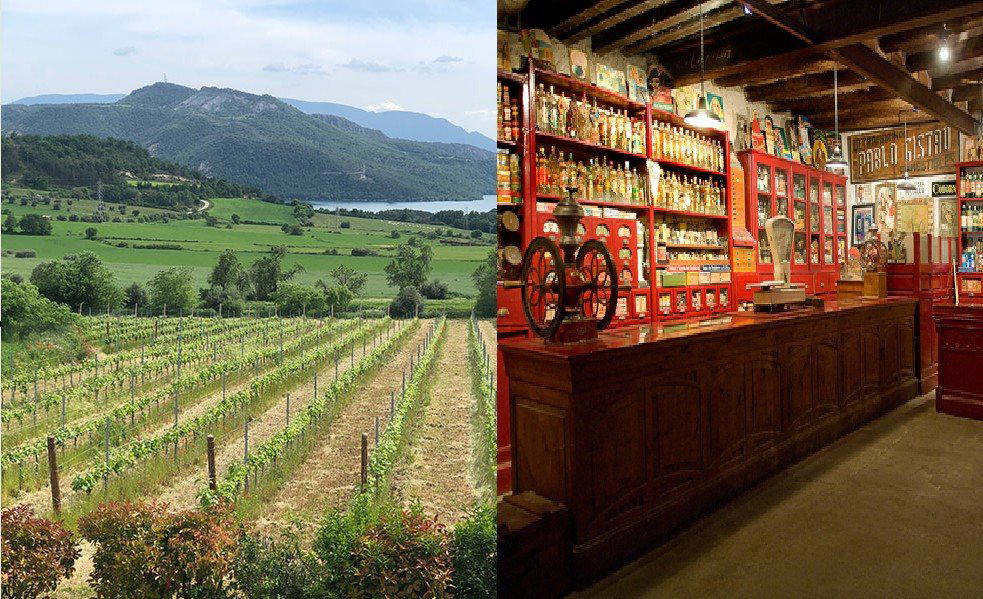
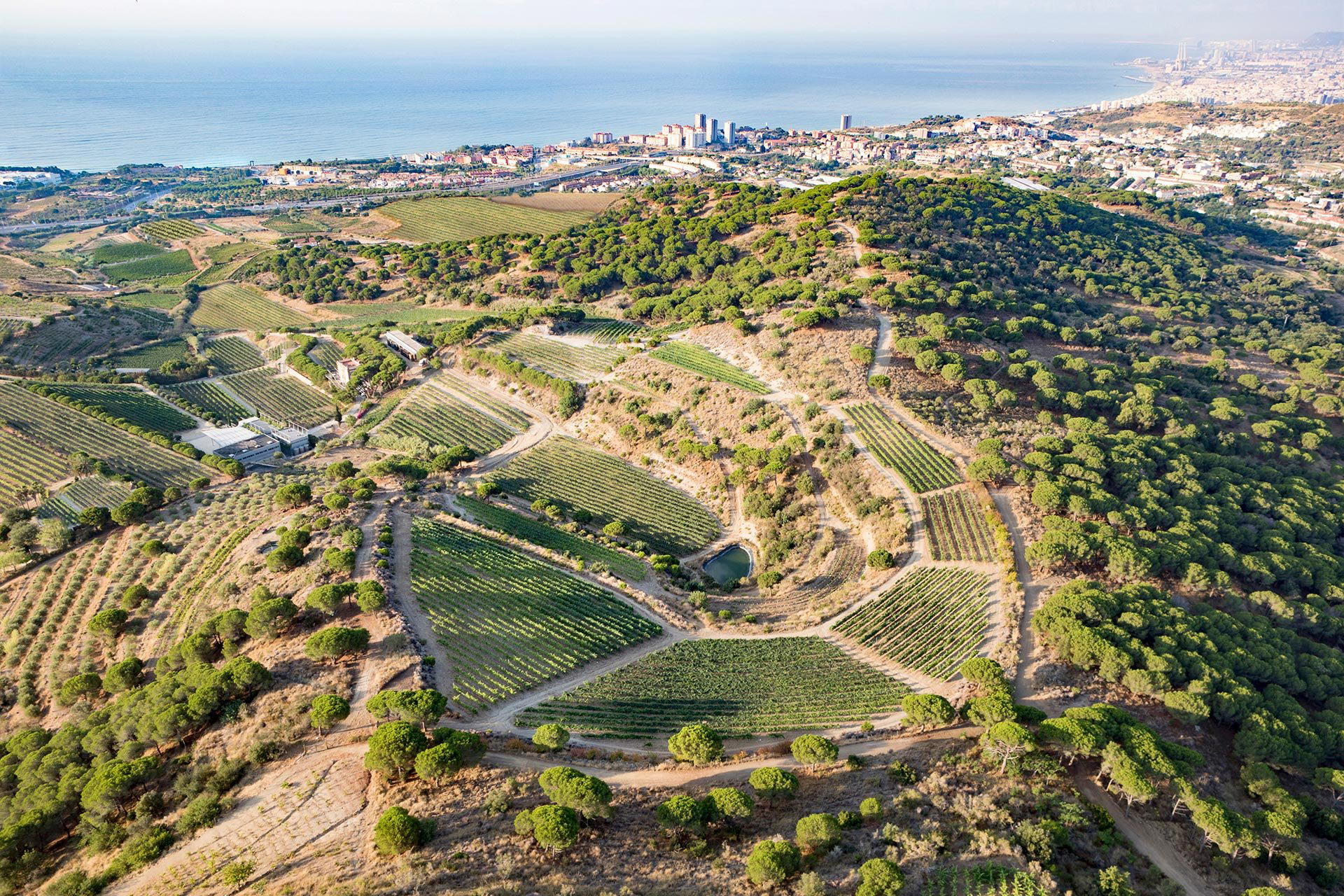
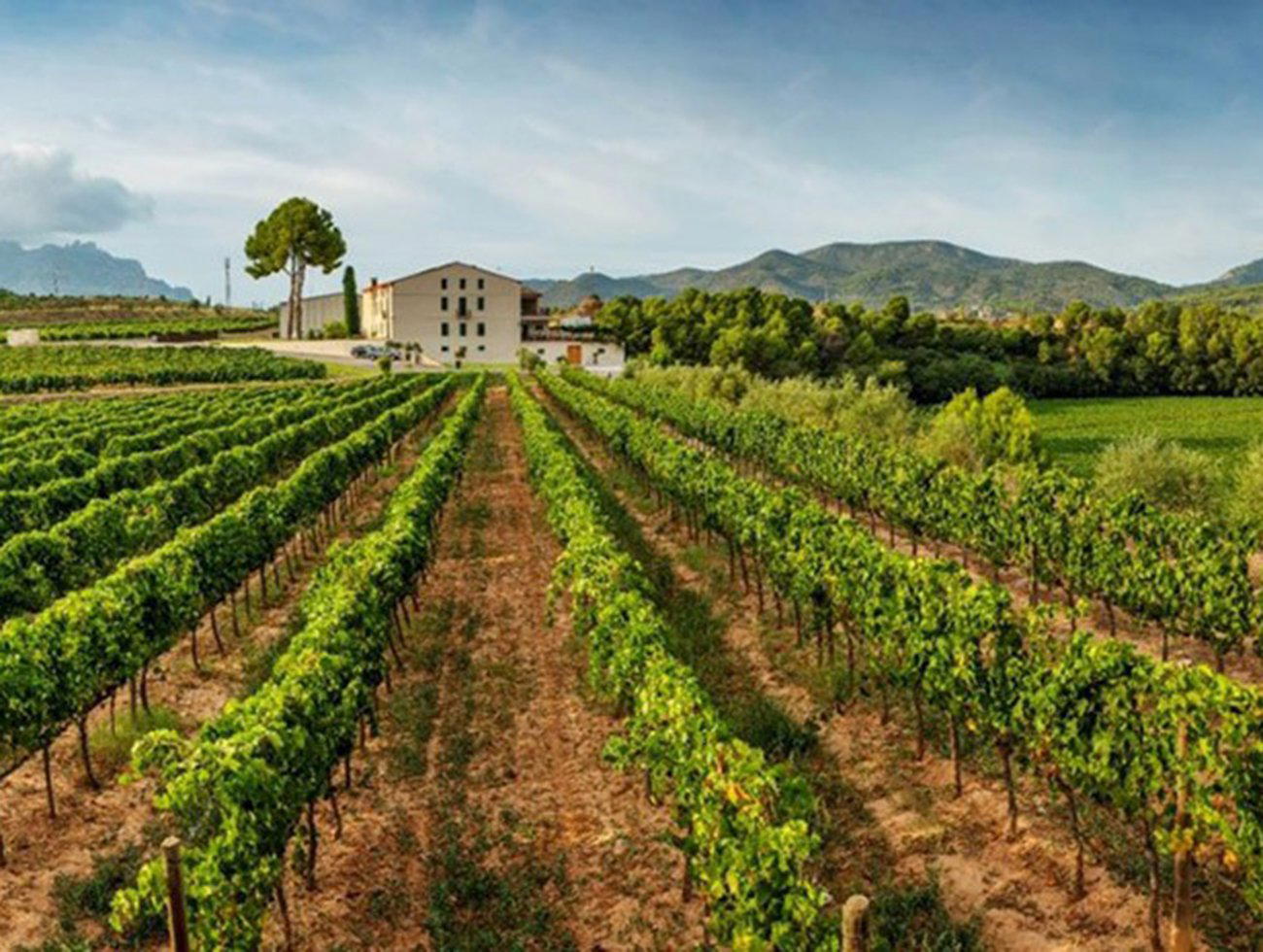
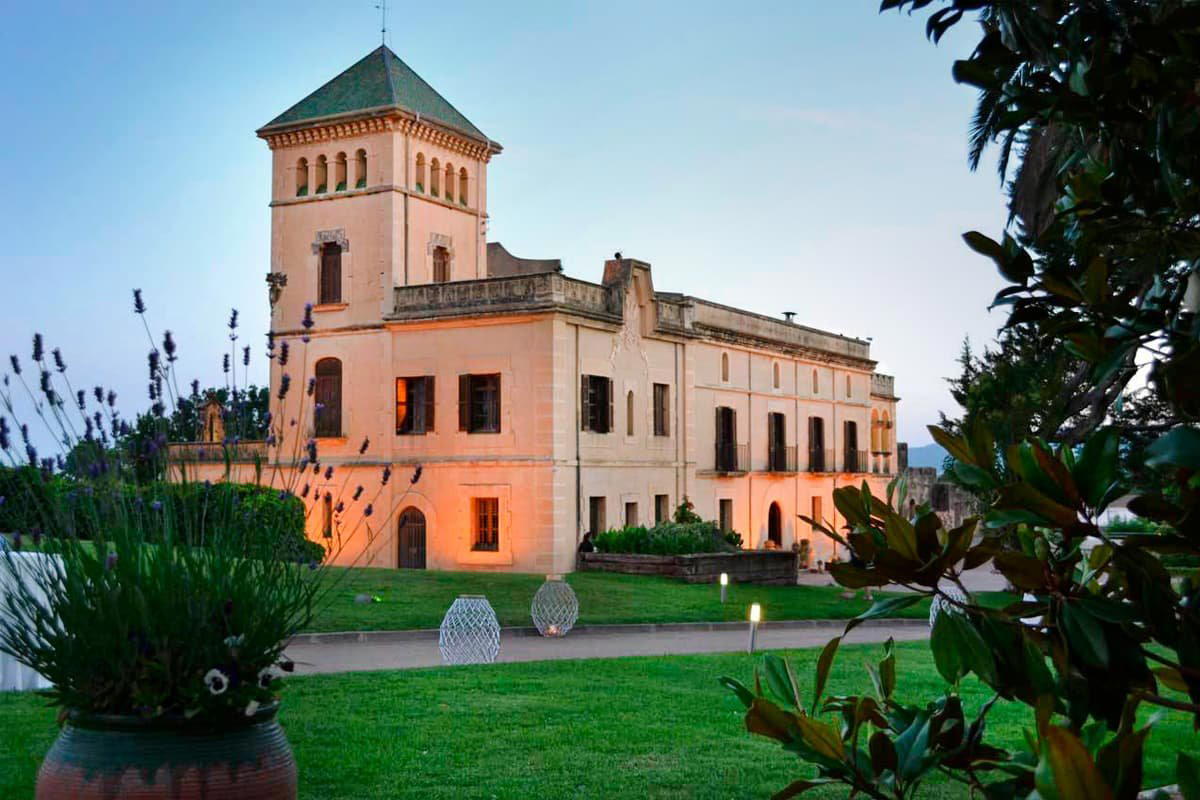
Informal, traditional, and rustic atmosphere amidst nature on Collserola mountain.