
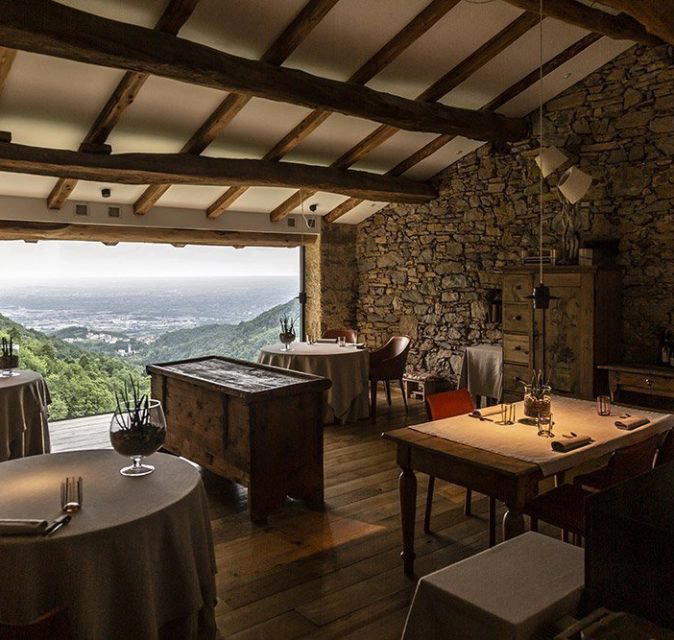
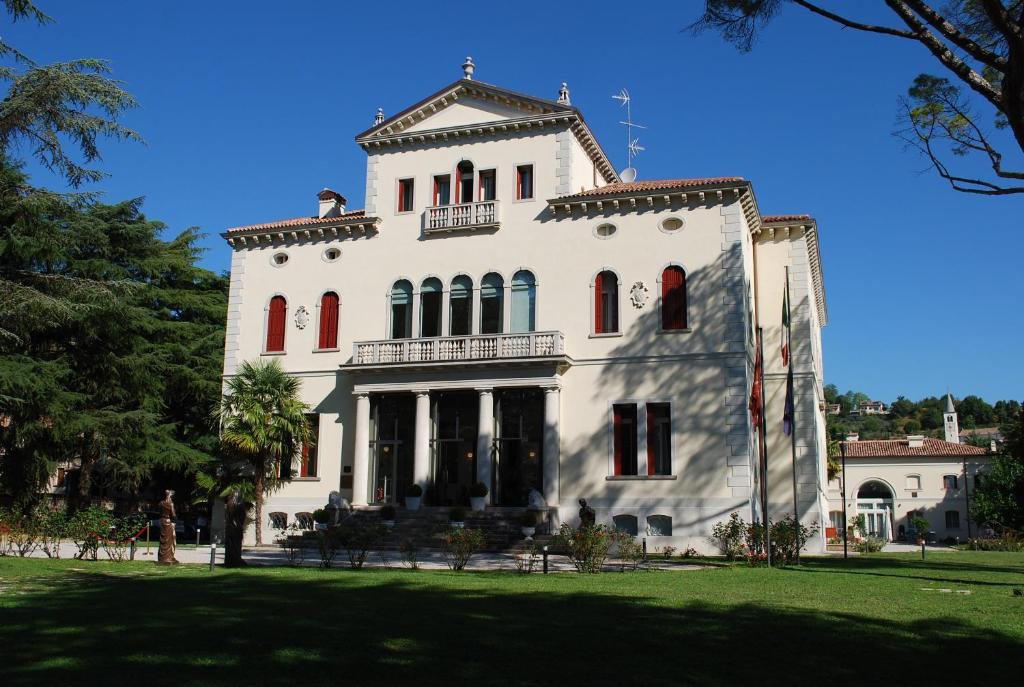
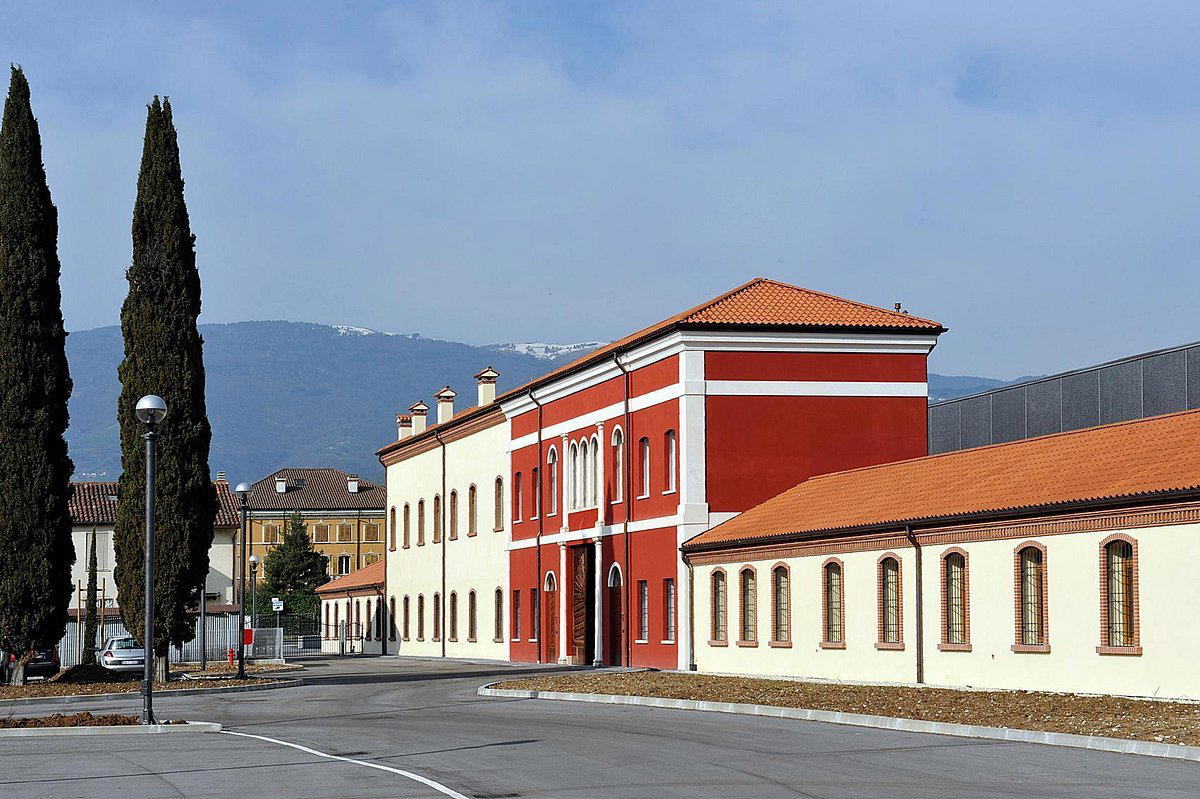
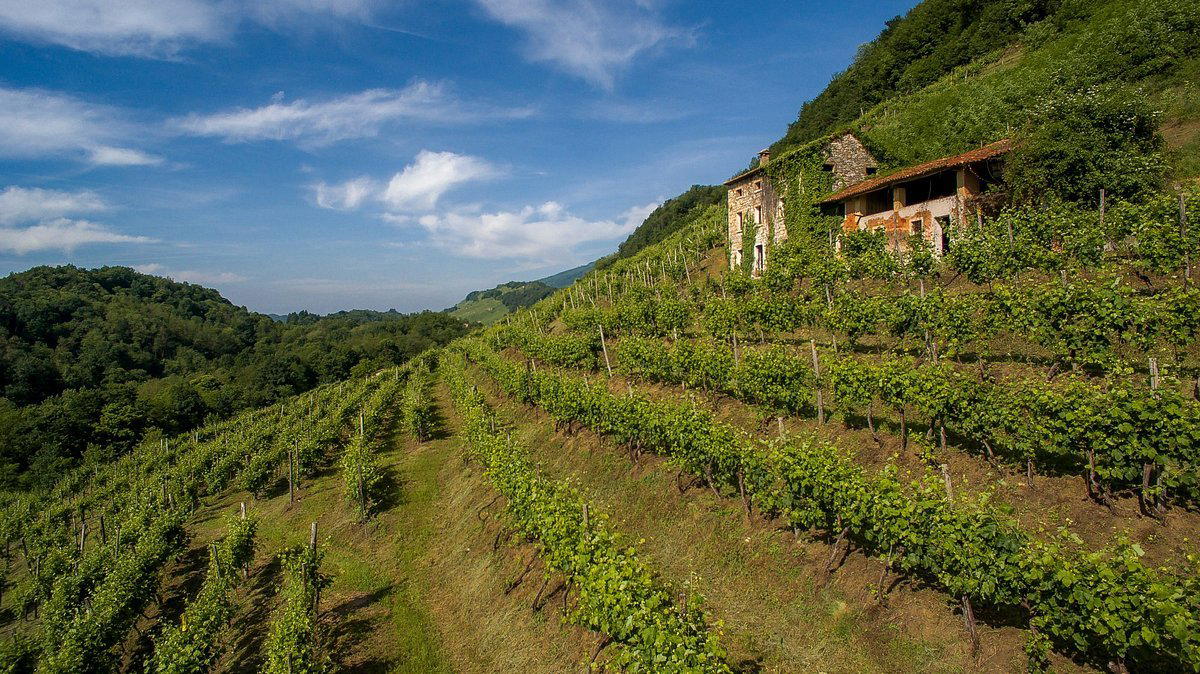
Ca' Apollonio Gourmet occupies an estate at the foot of Monte Grappa, reached by a 1,000-foot avenue through vineyards and meadows. Two tasting menus, one rooted in regional comfort, one oriented toward sea and garden, anchor a Michelin Plate-recognised kitchen in the Veneto foothills. A cellar of around 800 labels from small and large producers gives the wine program unusual range for the format.
Pearl is the En Primeur Club membership app — saves, bookings, and concierge access live there. Same editors, same standards.
- Address
- Via Molinetto, 5/A, 36060 Romano d'Ezzelino VI, Italy
- Phone
- +39 0424 191 0054
- Website
- caapollonio.com
- Directions
- Get directions
 Saves & bookings on Pearl
Arriving at the Foothills: What the Approach Tells You
The Veneto countryside around Romano d'Ezzelino occupies a specific register in Italian dining geography: far enough from Venice to operate outside the tourist circuit, close enough to the Dolomite approaches that its ingredients carry alpine and Po Valley signatures in the same breath. At the foot of Monte Grappa, where the landscape shifts from flat agricultural plain to the first serious gradient of the Grappa massif, a handful of serious tables have emerged over the past two decades to serve this terrain on a plate. Ca' Apollonio Gourmet sits among that cohort, and the physical approach does a lot of the interpretive work before a dish arrives.
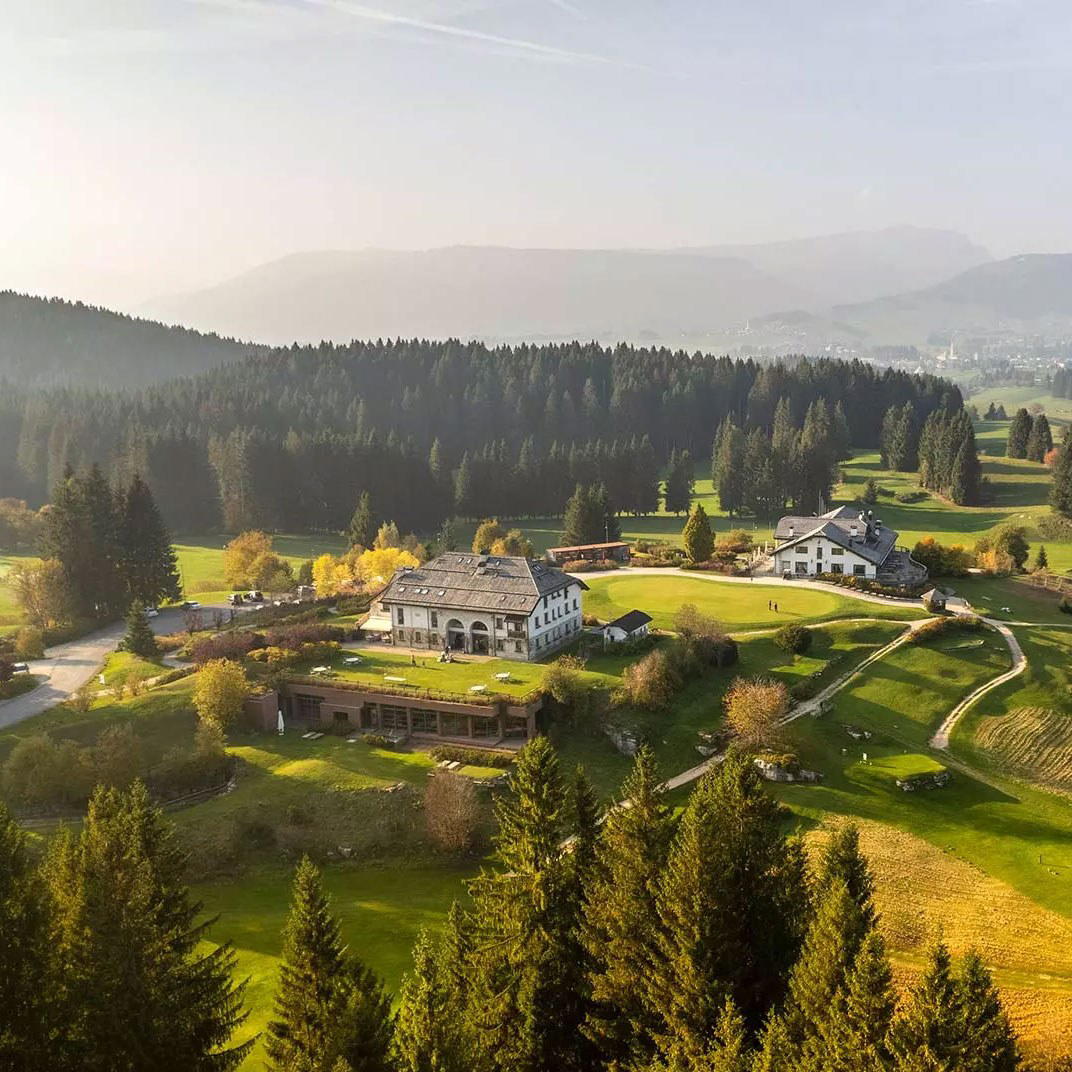
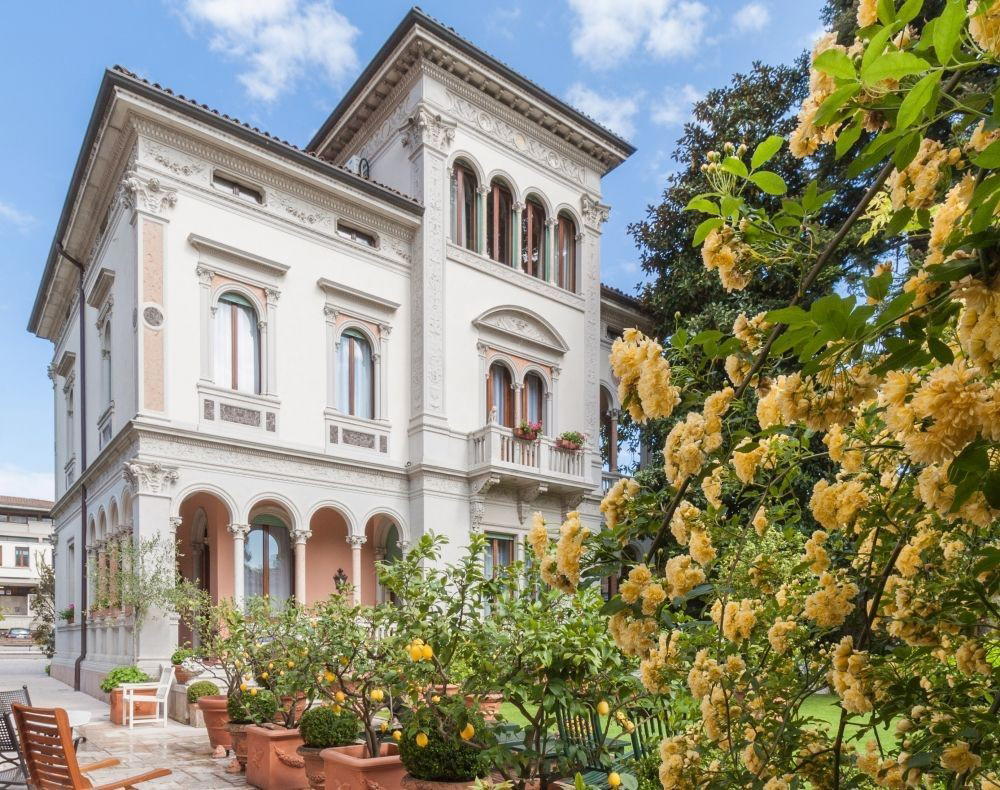
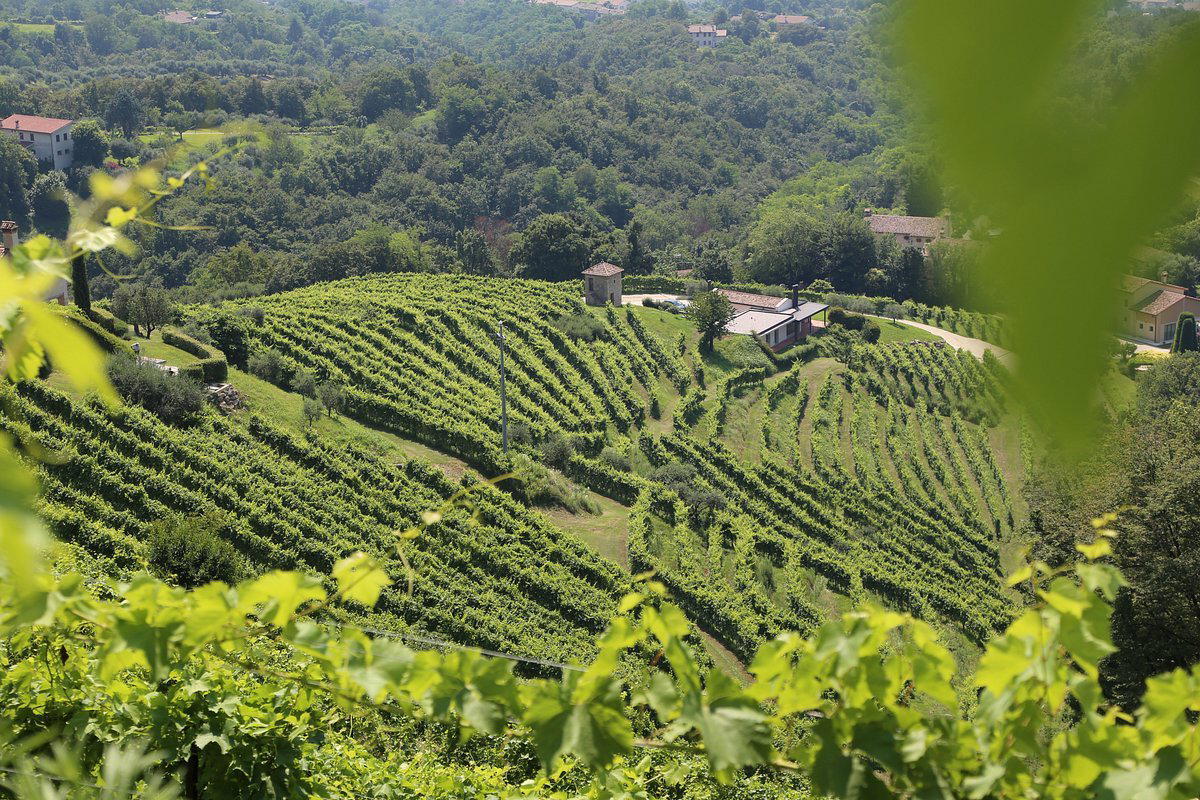
Passing through the main gate and traveling the 1,000-foot avenue lined by the estate's vineyards and trees, the arrival sequence is already a statement about what kind of meal follows. Properties at this tier in the Italian northeast, comparable in physical ambition to Le Calandre in Rubano or the estate settings around Modena occupied by Osteria Francescana, tend to use their grounds as an extension of the hospitality argument. The grounds here, with vineyards, meadows, and tree cover visible from the approach, frame a meal that is explicitly place-bound.
Two Menus, One Argument About Locality
Ca' Apollonio Gourmet offers two tasting menus, selected at the time of booking, and the distinction between them is a useful editorial lens. The Familiarity menu orients around what the kitchen calls "home" flavors: regional comfort cooking interpreted through a creative kitchen's precision. The Conjunction menu moves toward the sea and the garden, pulling in coastal Adriatic influences alongside what the estate and its immediate geography produce.
This two-track structure has become a recognisable format among Italian creative restaurants operating at the €€€€ price point. The logic is sound: a single menu risks forcing sea-averse diners through courses built on Adriatic catches, or vice versa for guests who come specifically for that maritime register. The format places Ca' Apollonio Gourmet alongside Italian creative tables that have built enough booking volume to sustain parallel kitchen outputs, a signal of operational confidence independent of award tier.
For context, Rome's Michelin-recognised creative table Enoteca La Torre and contemporary Italian addresses like All'Oro and Glass Hostaria each operate tighter, single-track omakase-style formats in the capital. The Veneto estate model allows for a different hospitality structure, one where physical space and setting make a dual-menu offer logistically and experientially coherent.
The Cellar as a Competitive Signal
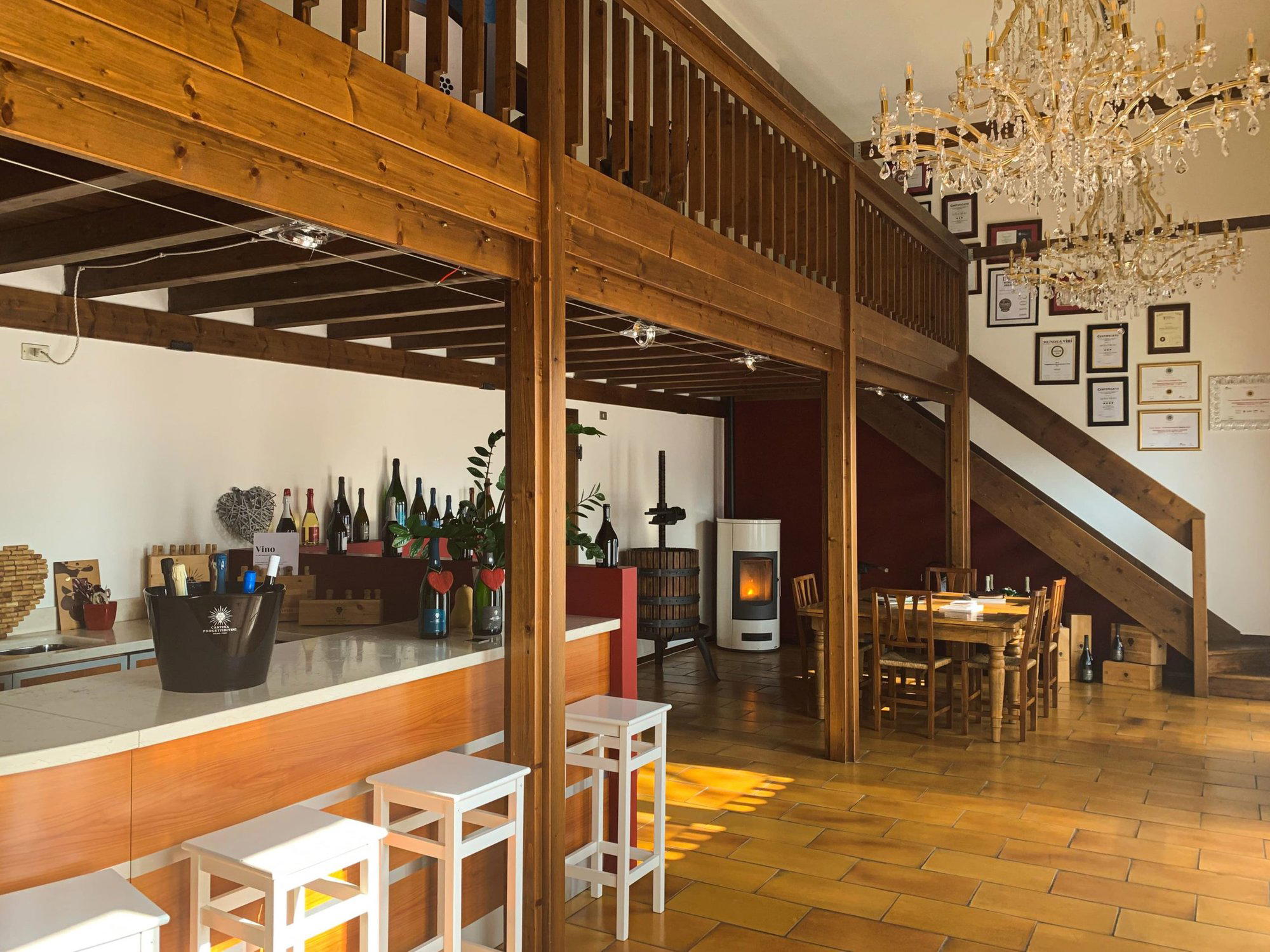
Around 800 labels, drawn from both small producers and larger houses, give the wine program at Ca' Apollonio Gourmet a breadth that exceeds what most single-menu restaurant cellars of comparable size tend to carry. In northern Italy, where the Veneto, Alto Adige, and Friuli wine regions converge within a few hours' drive, an 800-label cellar is as much a geographic argument as an aesthetic one. It signals that the kitchen's relationship to local viticulture is taken seriously, not merely decorative.
Estate-adjacent wine programs in this part of Italy often privilege Valpolicella, Soave, and local Prosecco appellations as a baseline, with more adventurous northern Italian selections filling the upper tiers. Without published detailed selections from the Ca' Apollonio cellar, direct comparison is speculative, but the inclusion of small producers alongside large houses suggests a buying philosophy that looks for depth across production scales. This is the same structural approach found in the ambitious cellars at Enoteca Pinchiorri in Florence and, to a lesser extent, in the wine-forward programming at Enrico Bartolini in Milan.
For creative tables at the Michelin Plate tier, a cellar of this scale is an overperformance relative to expectation. The Plate recognition in both 2024 and 2025 signals a kitchen cooking at a standard the Guide considers worthy of attention without yet assigning a full star, a position that describes a significant number of Italy's most interesting regional restaurants, including several in the Veneto foothills that operate outside the gravity of any major city.
Regional Position: Where Ca' Apollonio Gourmet Sits in the Italian Creative Scene
Italian creative dining at the highest tier concentrates in a few known clusters: Rome's Michelin-dense centro storico and Parioli neighborhoods, Milan's design-district restaurant circuit, the Modena-Bologna axis in Emilia-Romagna, and the trio of landmark Veneto addresses anchored by Le Calandre. Outside those clusters, serious creative kitchens operate with less critical infrastructure around them, which both limits their exposure and gives them latitude to develop a distinct identity without constant comparison pressure.
The restaurant sits in this latter category. Romano d'Ezzelino is not a dining destination in the sense that Rubano or Modena are; the area draws visitors primarily through its connection to Monte Grappa, the Bassano del Grappa artisan food culture, and the broader Veneto agritourism circuit. A creative kitchen positioned here reaches a clientele that includes serious regional diners, estate visitors, and travellers moving between the Dolomites and Venice, but not the international tasting-menu tourist that drives covers at Atelier Moessmer Norbert Niederkofler in Brunico or Dal Pescatore in Runate.
That regional insularity is not a weakness at this format. It tends to produce kitchens more tightly calibrated to their immediate ingredient environment, less pressured by the internationalism that can blur the geographical specificity of a menu. The Familiarity menu at the restaurant reads as a direct product of that condition.
Those drawn to the creative format in a European context, comparing it against city-based addresses like Alléno Paris au Pavillon Ledoyen or Arpège in Paris, will find the restaurant operating on a quieter register, deliberate, grounded in the agricultural textures of the Grappa foothills rather than technically aspirational for its own sake.
Planning the Visit
The restaurant is located at Via Molinetto, 5/A, Romano d'Ezzelino, approximately 30 kilometres north of Vicenza and within an hour of both Venice and Verona by car. The estate setting and the menu selection process at time of booking, choosing between Familiarity and Conjunction before arrival, mean advance planning is built into the format. Booking ahead with a clear sense of which menu register suits your party is the practical starting point. The restaurant operates at the €€€€ price tier, consistent with tasting-menu creative dining in this part of Italy, and the wine cellar gives the pairing decision meaningful breadth. For those building a wider Veneto itinerary, it pairs logically with Bassano del Grappa and the Monte Grappa area to the north.
The restaurant is located at Via Molinetto, 5/A, Romano d'Ezzelino, in Veneto. For other Rome creative tables, Acquolina, Achilli al Parlamento, and All'Oro each represent distinct positions within the capital's creative tier.
What Regulars Order
What do regulars order at Ca' Apollonio Gourmet?
What the menu structure does indicate is that regulars with a preference for regionally rooted cooking tend to favour the Familiarity menu, while those who value the interplay of Adriatic seafood with estate garden ingredients lean toward Conjunction. The choice is worth making deliberately at booking, as the two menus represent genuinely different kitchen arguments rather than variations on the same theme. On the wine side, a cellar of around 800 labels means the sommelier program has enough range to match either menu direction with serious depth, and asking for a pairing anchored in small Veneto producers is a reasonable request given the cellar's stated composition.
Standing Among Peers
Comparable venues nearby, for context on price, style, and recognition.
| Venue | Cuisine | Price | Awards | Notes |
|---|---|---|---|---|
| Ca' Apollonio GourmetThis venue — the venue you are viewing | Modern Creative Italian | $$$$ | Michelin Plate | Not listed |
| CiPASSO | Modern Roman Contemporary | $$$ | Michelin Plate | Campo Marzio |
| Diana's Place | Modern Italian Bistrot | $$$ | Michelin Plate | Castro Pretorio |
| Il Ristorante Alain Ducasse Roma | Contemporary Mediterranean Fine Dining | $$$$ | Michelin Plate | Campo Marzio |
| Mater Terrae | Organic Vegetarian Fine Dining | $$$$ | Michelin Plate | Ponte |
| Gelateria La Romana | Artisanal Italian Gelato | $$ | Not listed | Sallustiano |
Recognition history
Dated appearances from independent guides and award organizations, with the underlying list record or original source where available.
Michelin Plate
Michelin
Michelin Plate
Michelin
Michelin Plate
Michelin
Continue exploring
More in Rome
Restaurants in Rome
Browse all →
Bars in Rome
Browse all →
Hotels in Rome
Browse all →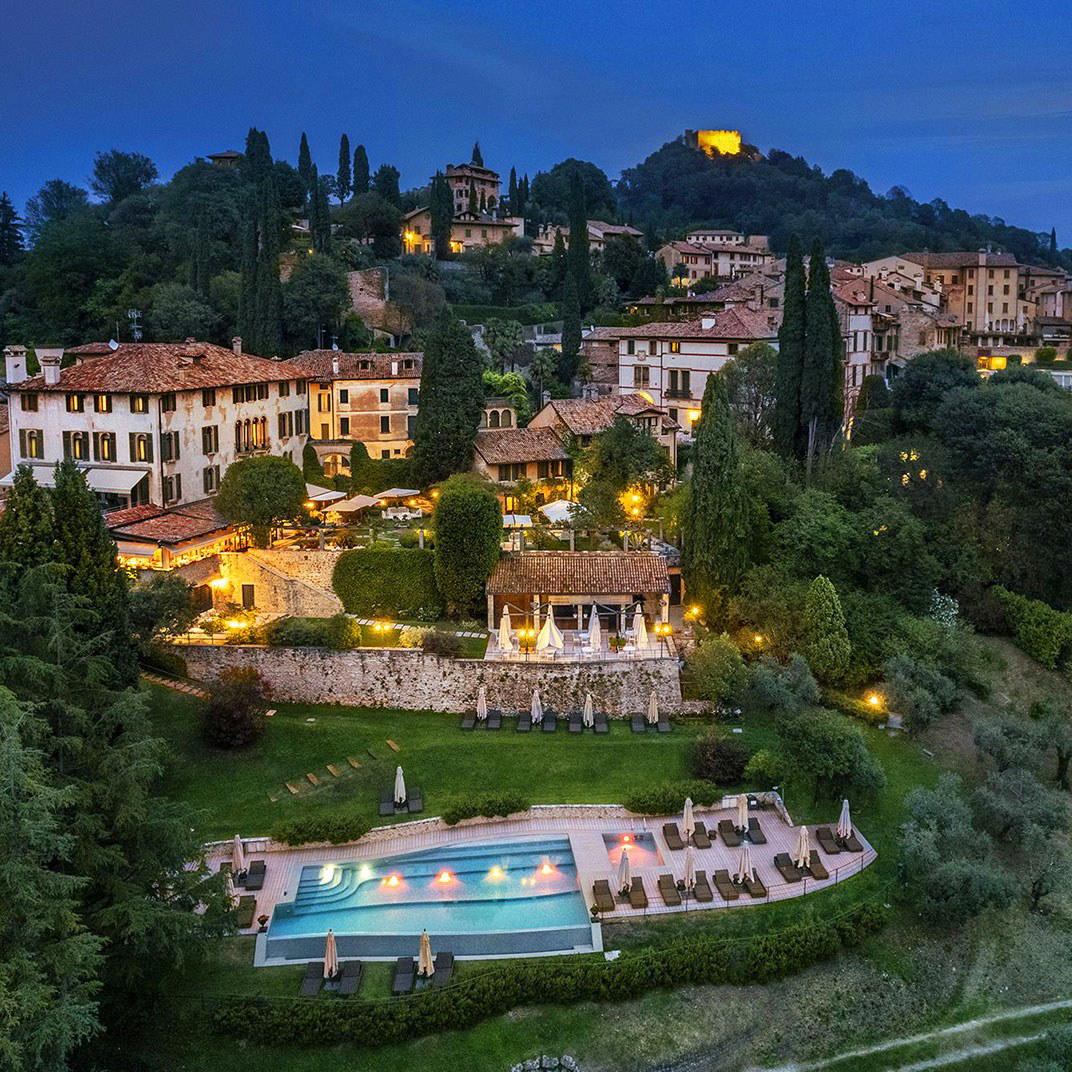
At a Glance
- Elegant
- Sophisticated
- Intimate
- Classic
- Date Night
- Special Occasion
- Historic Building
- Garden
- Extensive Wine List
- Sommelier Led
- Farm To Table
- Local Sourcing
- Garden
- Mountain
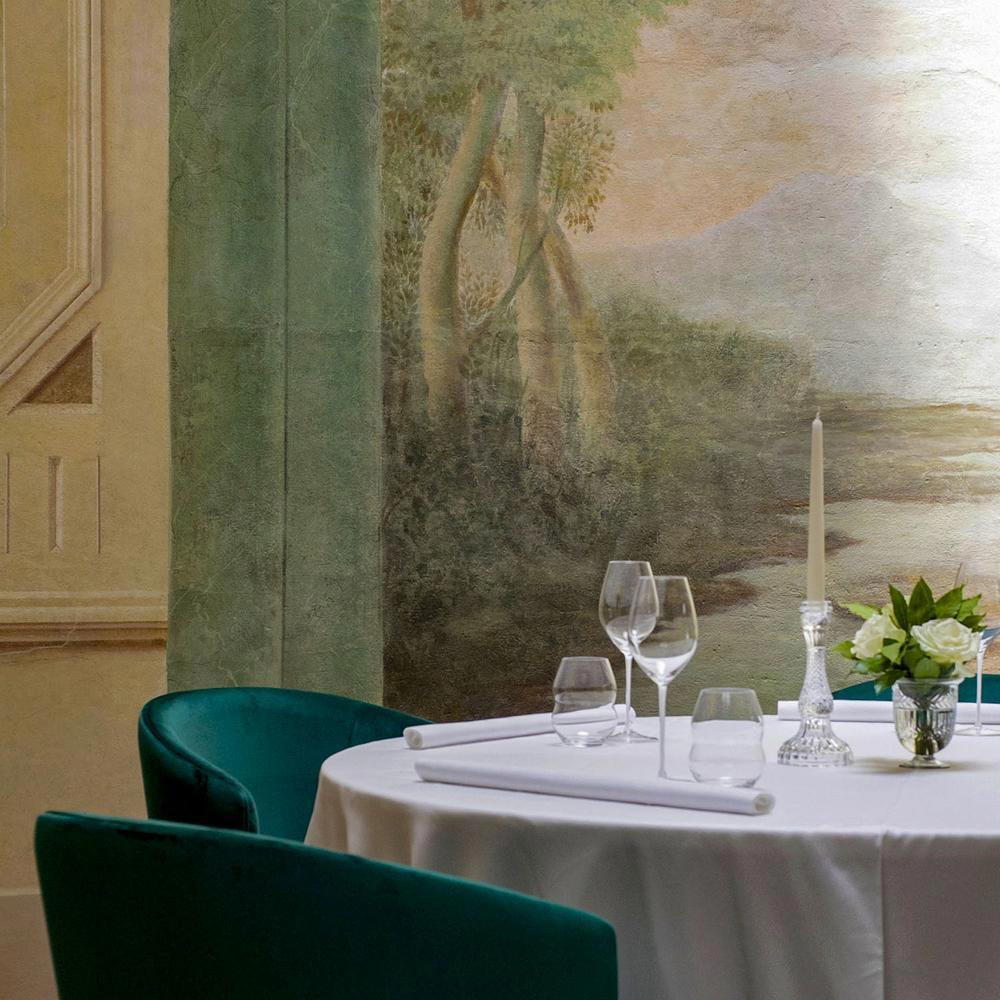
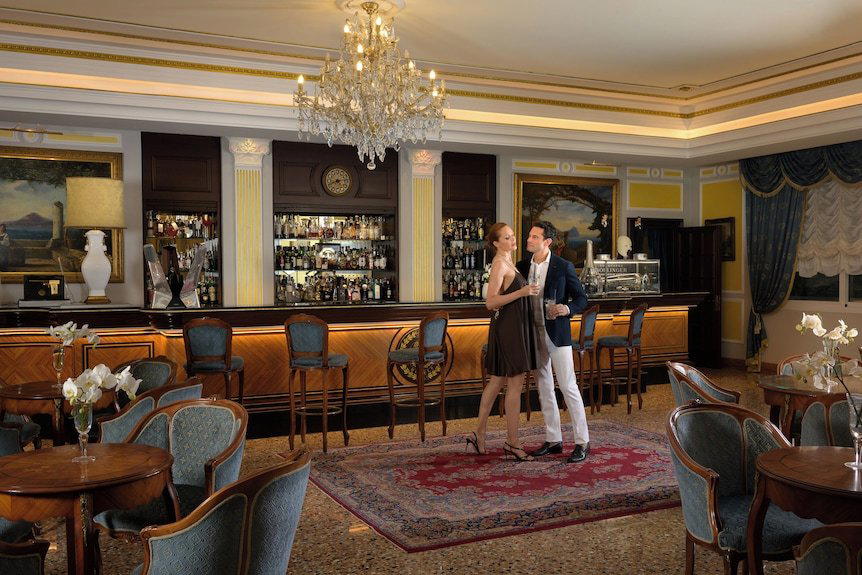
Hushed grandeur with pale stucco, frescoed ceilings, softly pooled light on parquet floors, and disarming elegance.