
Michelin Selected
Venice is of course a wonderful place, but it can be a bit much; beautiful, delicate, and crumbling, it is besieged by tourists year-round. So why not stay where the Venetians themselves have historically gone to get away from it all? Asolo is a small medieval town in the hills an hour from Venice, favored destination of the Venetian upper class and of English poet Robert Browning, who made his home in this villa. Even today, this is where the beautiful people come to escape the sandals-and-black-socks crowd that has overrun the canals and piazzas of Venice. Hotel Villa Cipriani was once a private residence, and despite the fact that it is a thoroughly modern operation (run by Starwood, in fact), it still feels like a home. Though it dates back to the 15th century, the decor is tasteful and unassuming, going rather light on the gilt and glitz one might expect from Venice. The views are spectacular, the rooms are luxurious if not exactly palatial, and the dining, unsurprisingly, is excellent, with a panoramic view from the retaurant that is not to be missed. Asolo has many attractions of its own: the town's Renaissance villas exude old-world charm, and the nightlife is surprisingly lively. Shops here are quite a bit more chic than one may expect to see in a medieval village, and the antique market convenes one weekend a month, bringing buyers and sellers from all over Italy. And the more crowd-averse can always escape to the Rocca, the ancient stone fort that defends the town, for an unusual view of the town, the mountains, and the Venetian plain.

Pearl is the En Primeur Club membership app — saves, bookings, and concierge access live there. Same editors, same standards.
- Address
- Via Canova, 298, 31011 Asolo TV, Italy
- Phone
- +39 0423 523411
- Website
- villacipriani.it
- Directions
- Get directions
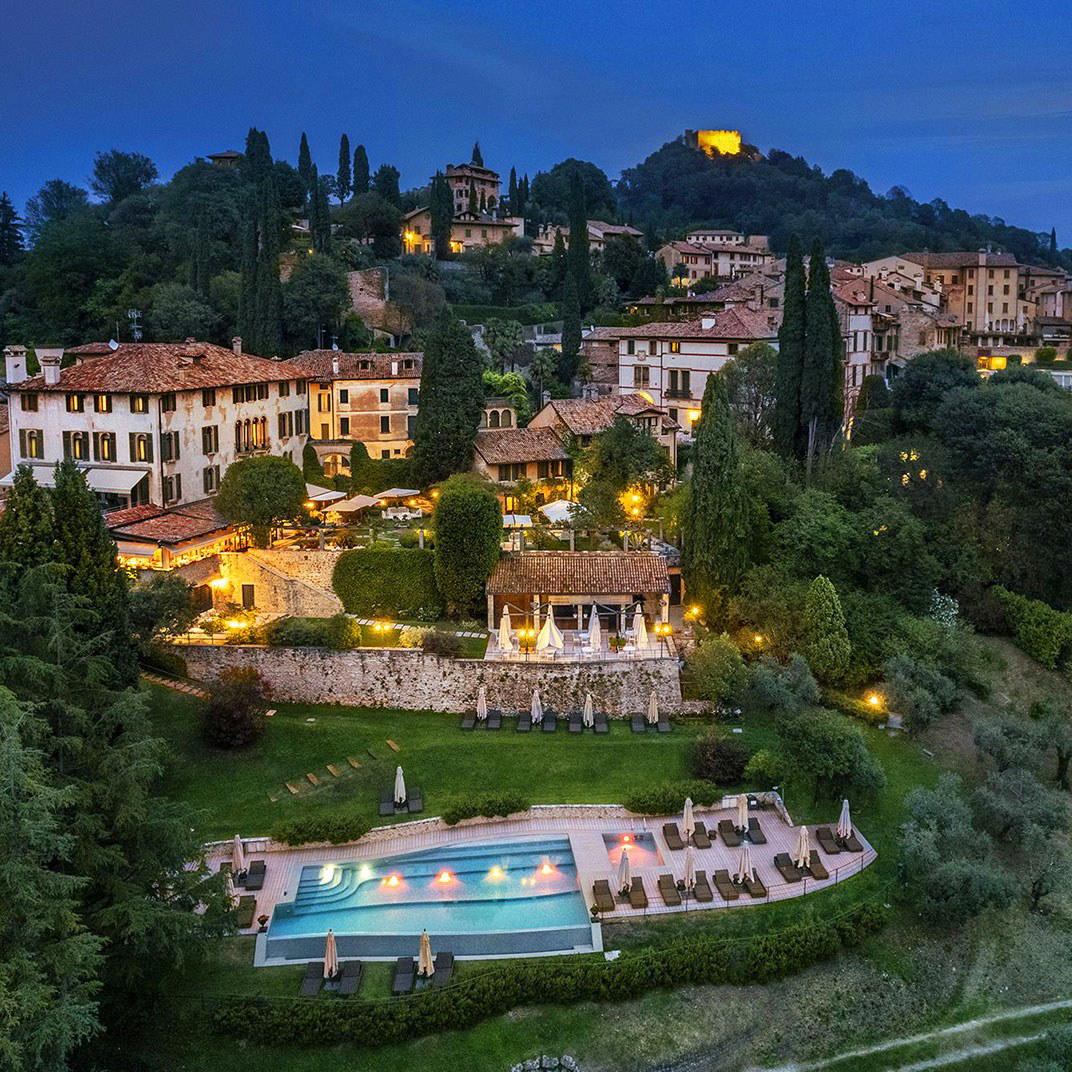
A Villa at the Edge of the Veneto Hill Towns
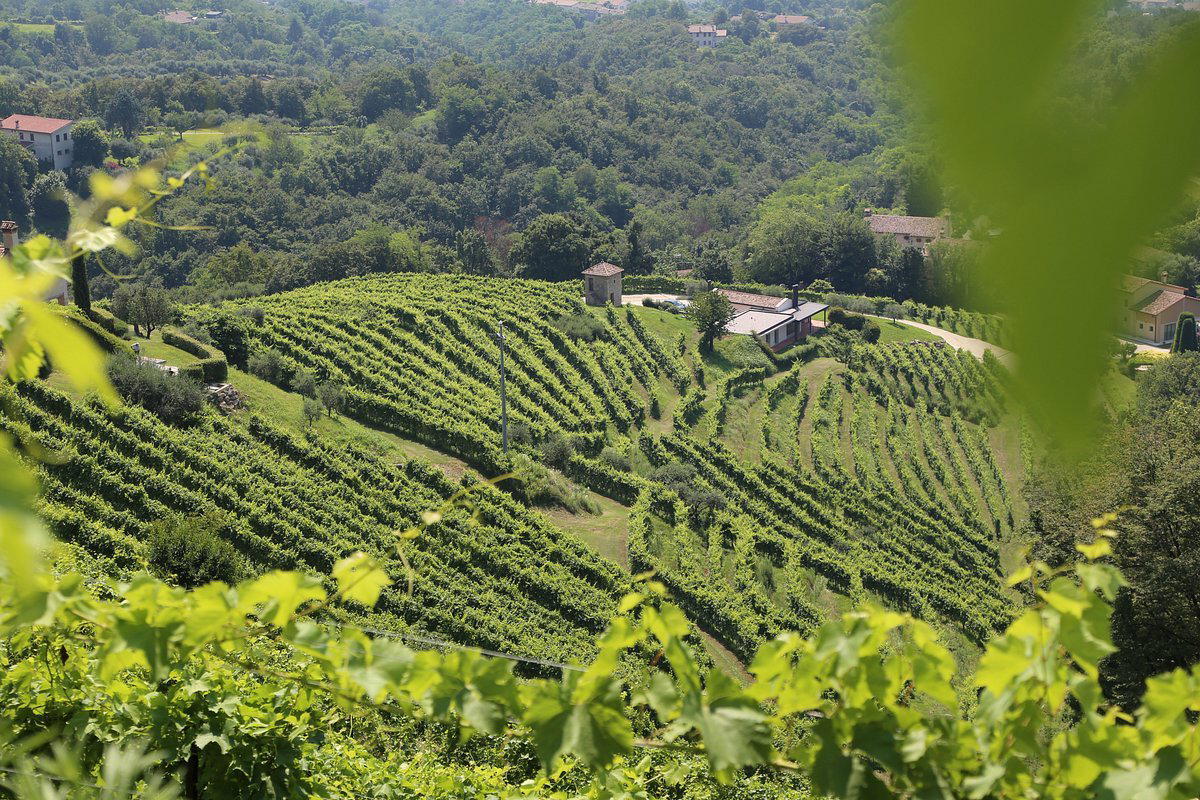
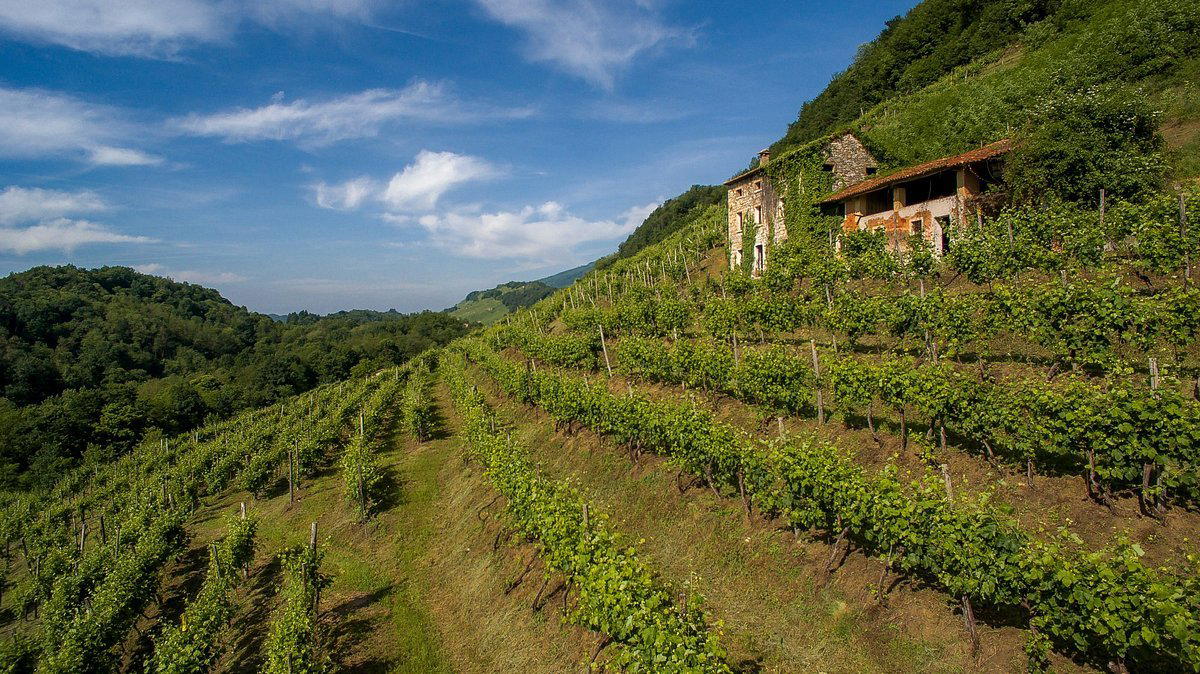
Approaching Asolo from the Treviso plain, the road tilts upward through terraced vineyards and cypress lines before the town resolves into a cluster of ochre facades and bell towers. Hotel Villa Cipriani sits within this architecture rather than apart from it. The building is a genuine Renaissance villa, its proportions set long before the concept of a hotel existed here, which means the spatial logic follows domestic rather than hospitality convention. Rooms open onto corridors that feel borrowed from a private residence; the garden descends in stepped terraces that pre-date any landscaping brief. For travellers accustomed to purpose-built luxury properties, the adjustment is immediate and deliberate.
Asolo itself occupies a particular position in the Veneto's hierarchy of hill towns. It is smaller and quieter than Marostica or Montagnana, closer in character to the scholarly retreats that attracted writers and poets during the nineteenth century. Queen Caterina Cornaro held court here after ceding Cyprus to Venice in 1489; the English poet Robert Browning spent extended periods in the town; Eleonora Duse, the theatre actress, is buried here. That accumulated cultural weight is not incidental to understanding Villa Cipriani. The property is Michelin Selected in the 2025 guide, a designation that signals consistent standards across service, comfort, and hospitality rather than culinary distinction alone, and it positions the hotel within a tier of Italian properties that combine historical substance with operational reliability.
The Architecture as the Primary Argument
Villa Cipriani's architectural identity derives from restraint rather than intervention. The villa's original structure has been preserved with enough fidelity that the building reads as a historic residence first and a hotel second. Stone thresholds, ceiling heights calibrated for Renaissance proportions, and window placements that prioritise garden views over corridor efficiency all point to a design philosophy that refused to normalise the space into standard room configurations.
The garden is the property's most legible architectural statement. Laid out on a slope, it uses the natural gradient of the Asolani hills to create distinct levels connected by stone steps and low hedging. From the upper terraces, the view extends across the plain toward Treviso on clear days. This is not incidental scenery; it is the spatial logic the villa was positioned to exploit when it was first built. The garden's design places Villa Cipriani in a tradition of Veneto country houses where the relationship between built structure and cultivated land was treated as a compositional problem of equal weight to the interior. Properties like Castello di Reschio in Lisciano Niccone operate from a similar premise in Umbria, where the landscape setting and the building's historical fabric are treated as inseparable from the guest experience.
Within Italy's broader luxury hotel category, the approach at Villa Cipriani sits well away from the intervention-heavy renovations that have defined recent openings in major cities. Bulgari Hotel Roma and Four Seasons Hotel Firenze in Florence represent the archival-and-contemporary model, where significant design investment is applied to historic structures to bring them into alignment with international luxury standards. Villa Cipriani belongs to a different tendency: the preservation-led approach, where the building's age and accumulated character are the primary offering rather than a surface onto which contemporary design is projected.
Where Asolo Sits in the Veneto's Accommodation Map
The Veneto is not short of historically significant hotel properties, but the geography distributes them unevenly. Venice concentrates the flagship addresses, from Aman Venice in the Palazzo Papadopoli to the Cipriani on Giudecca. The hill towns of the Marca Trevigiana, of which Asolo is the most culturally prominent, receive a fraction of that traffic despite sitting within ninety minutes of the city by car. That disparity is partly what defines the experience at Villa Cipriani: the town operates at a pace and a volume that the canal city cannot offer.
Within Asolo itself, Villa Cipriani shares the upper end of the accommodation tier with Albergo Al Sole, a property with its own historical character in the town centre. The two operate from different spatial premises: Al Sole is embedded in the urban fabric of the piazza, while Villa Cipriani uses its peripheral position and garden to create separation from the town's rhythms. Neither is a resort property in the conventional sense; both function as bases for exploring the Marca Trevigiana, the Palladio villas of the Brenta Riviera, and the prosecco country of the Conegliano Valdobbiadene DOCG zone, which begins roughly twenty kilometres to the north.
For guests extending northeast toward Trieste or the Julian Alps, Savoia Excelsior Palace Trieste represents the logical coastal counterpart to Asolo's inland position. For those routing south toward the Adriatic or further into central Italy, the hill-town properties of Umbria and Tuscany offer a comparable register: Rosewood Castiglion Del Bosco in Montalcino and Corte della Maestà in Civita di Bagnoregio operate from the same tradition of converting significant rural properties into hotel use without erasing what made them significant in the first place.
Seasonal Considerations and Practical Planning
The Veneto's hill-town season runs longest in spring and early autumn. Between April and June, the lower slopes of the Asolani hills carry wisteria and the garden is at its most legible as a designed space. September and October bring the prosecco harvest to the valleys below and reduce the tourist pressure that accumulates in the peak summer weeks. Winter in Asolo is quiet in the way that genuinely off-season Italian towns are quiet: the town operates on its own schedule, the restaurants serve the local population rather than a visitor demographic, and the piazza's afternoon rhythm reasserts itself without competition. For the right traveller, that register is an asset rather than a liability.
Reservations for the spring and early autumn periods at Villa Cipriani are advisable well in advance, given the limited room count that the villa's historic footprint dictates. The property's address is Via Canova 298, a reference to the sculptor Antonio Canova, born in nearby Possagno, whose name runs through the civic geography of this part of the Treviso province.
For those building a longer itinerary across northern Italy's smaller cities and historic properties, Asolo functions as a natural pause between Venice and the Dolomites or between Venice and the Lake Garda corridor. Properties like Il Sereno in Torno and Grand Hotel Tremezzo in Tremezzo serve the Lake Como end of that northern arc, while Castel Fragsburg in Merano anchors the Alto Adige approach to the same mountains. Villa Cipriani occupies its own coordinates on that map: a Michelin Selected villa in one of the Veneto's most historically layered small towns, at the point where the plain gives way to the first serious hills of the Marca Trevigiana. For a fuller picture of where to eat and what to do in the area, see our full Asolo restaurants guide.
Comparable Spots, Quickly
Comparable venues nearby, for context on price, style, and recognition.
| Venue | Cuisine | Price | Awards | Notes |
|---|---|---|---|---|
| Hotel Villa CiprianiThis venue — the venue you are viewing | Historic Renaissance villa converted to luxury boutique hotel, preserving original Palladian architecture and aristocratic heritage while offering modern amenities. | $300–500 | Michelin Selected | Not listed |
| Albergo Al Sole | Five-star luxury boutique hotel in a restored 16th-century palace | $200–300 | Michelin Selected | Asolo historic center |
| Quellenhof Luxury Resort Passeier | Luxury alpine resort combining multiple 5-star hotels with innovative wellness and family facilities | Not listed | Michelin Selected | San Martino in Passiria |
| Alpin Garden Luxury Maison | Modern alpine luxury wellness retreat | Not listed | Michelin Selected | Val Gardena |
| Metropole Taormina Maison D'Hotes | Historic boutique maison d'hôtes blending 18th-century architecture with contemporary luxury | Not listed | Michelin Selected | Taormina City Centre |
| Abano Grand Hotel | Modern spa palace with classical opulence | $100–200 | Michelin Selected | Abano Terme |
Recognition history
Dated appearances from independent guides and award organizations, with the underlying list record or original source where available.
Michelin Selected
Michelin
Continue exploring
More in Asolo
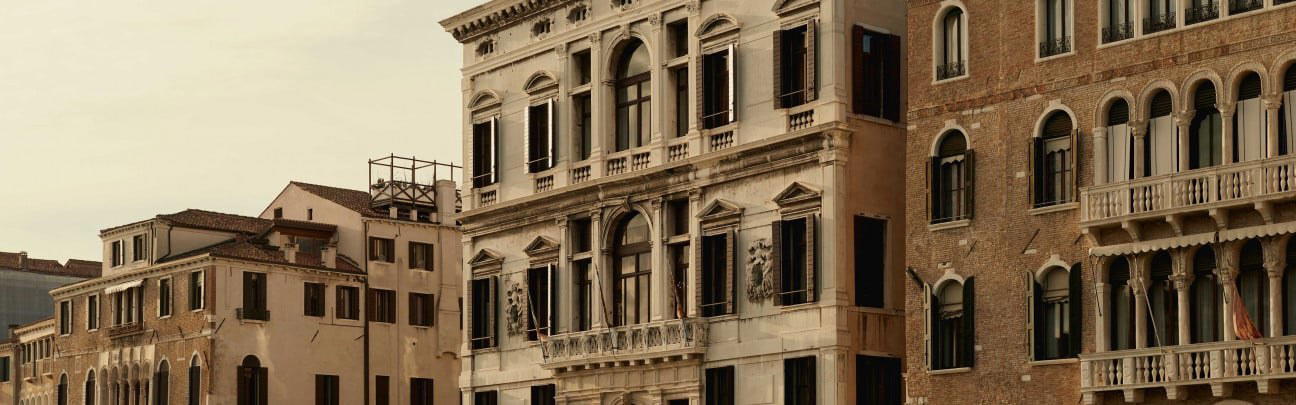
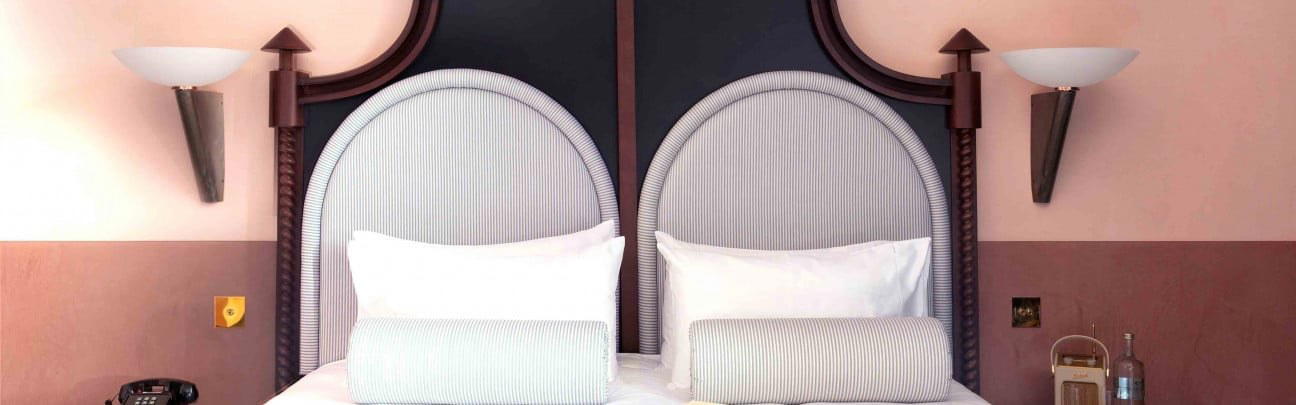
Hotels in Asolo
Browse all →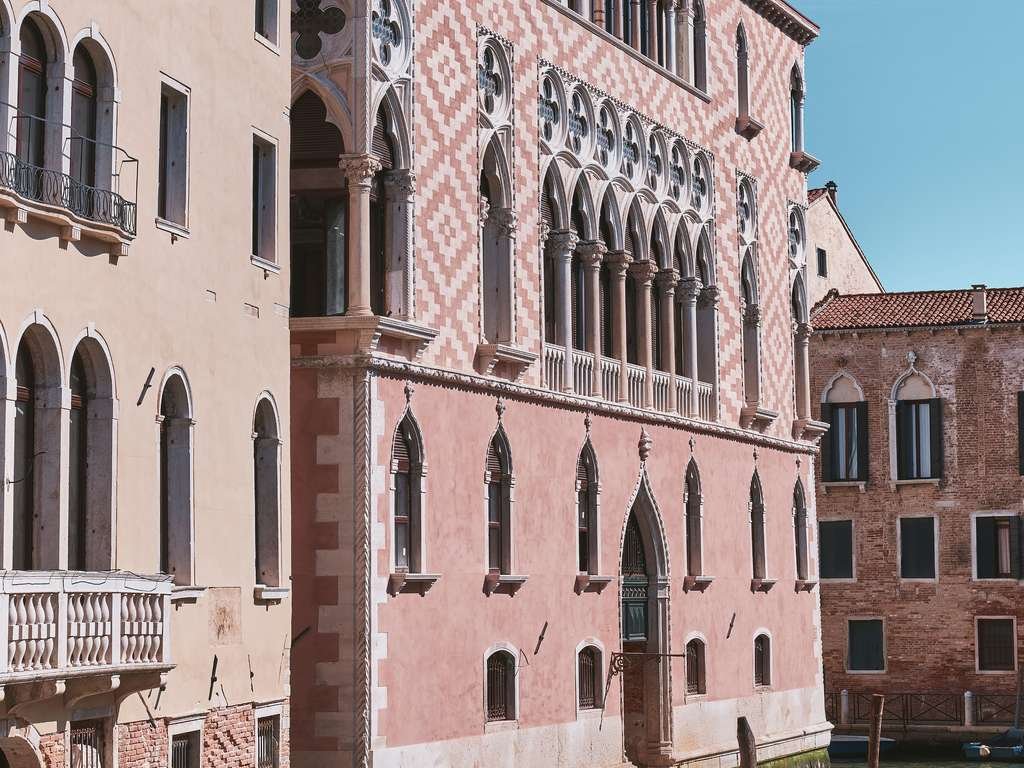
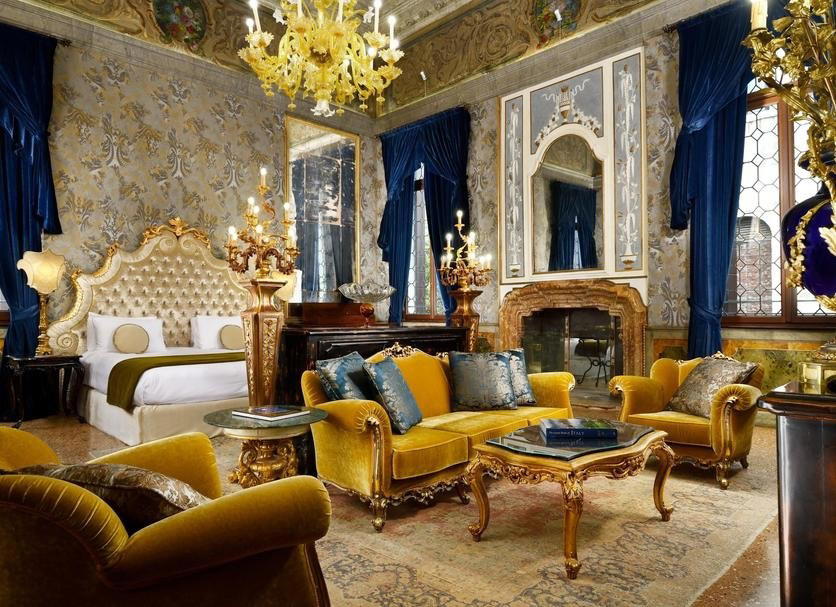
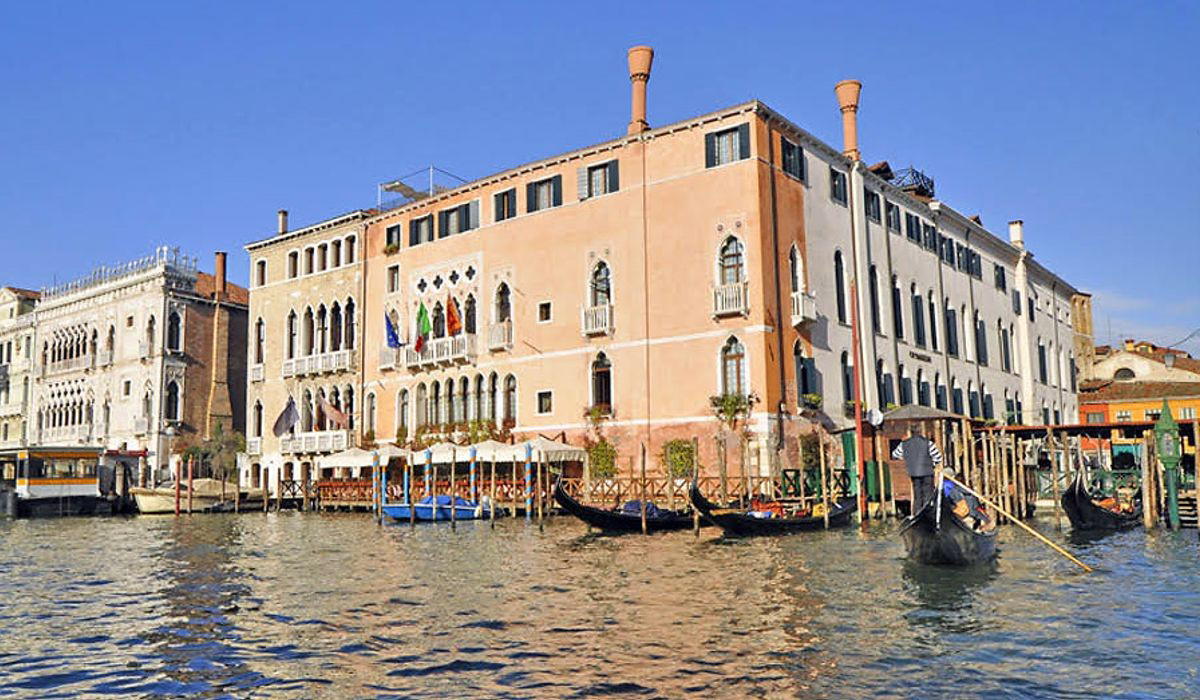
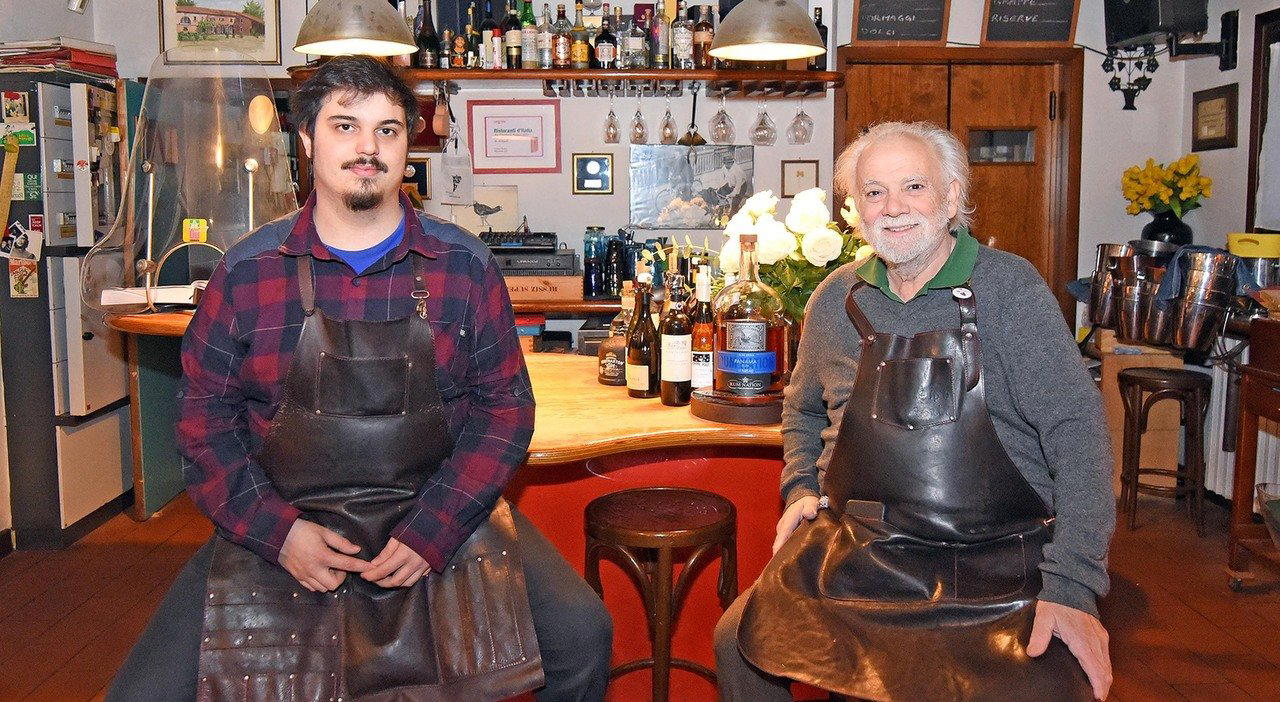
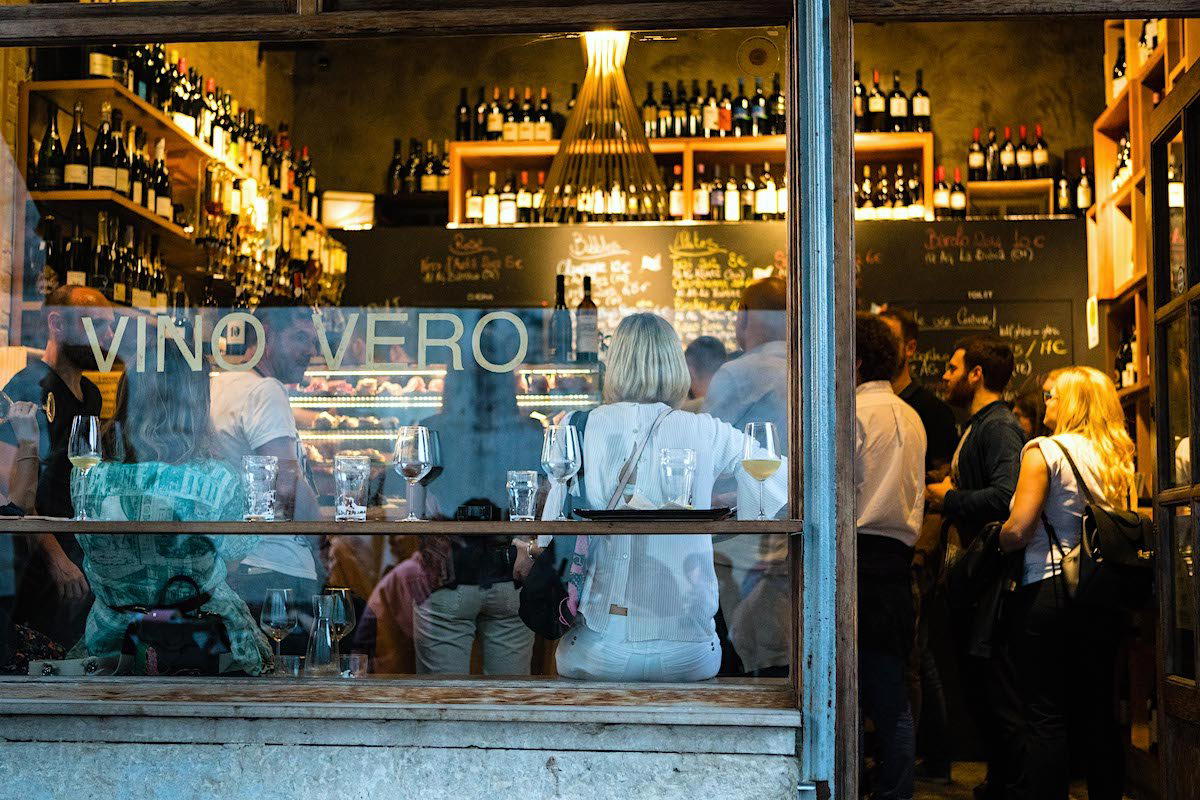
Bars in Asolo
Browse all →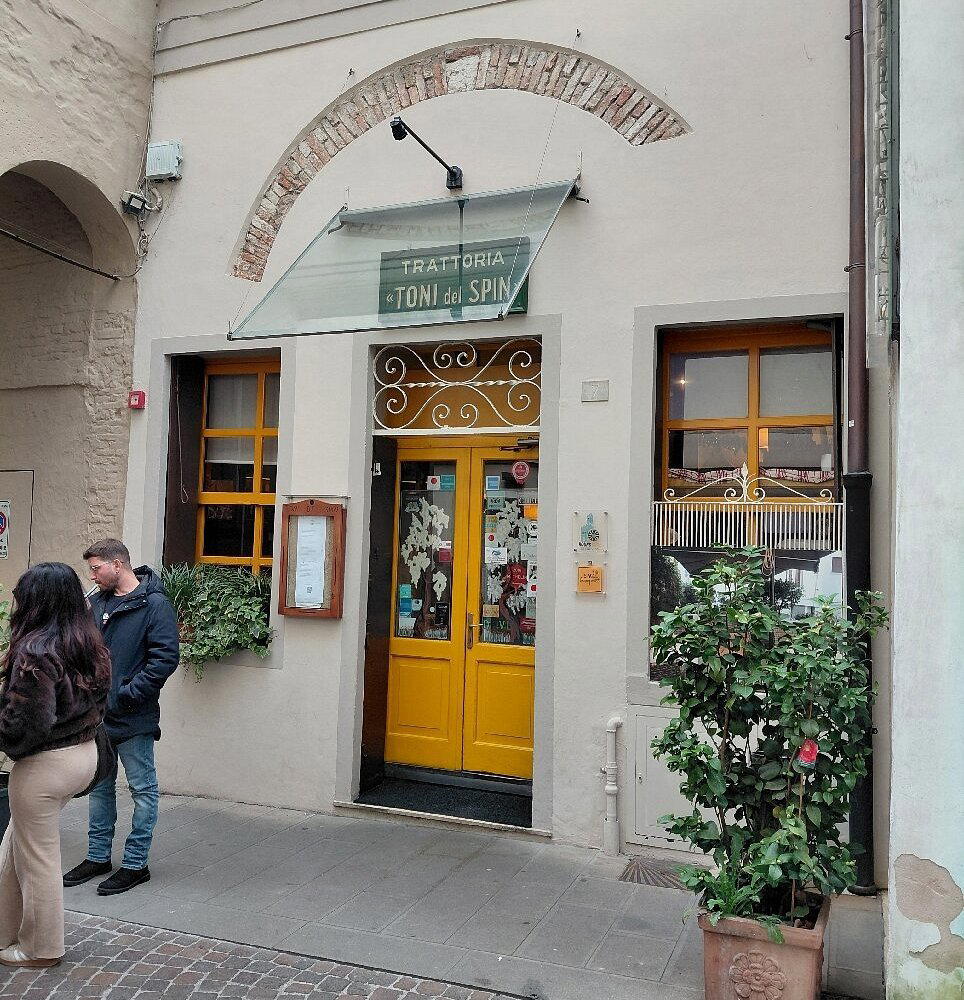
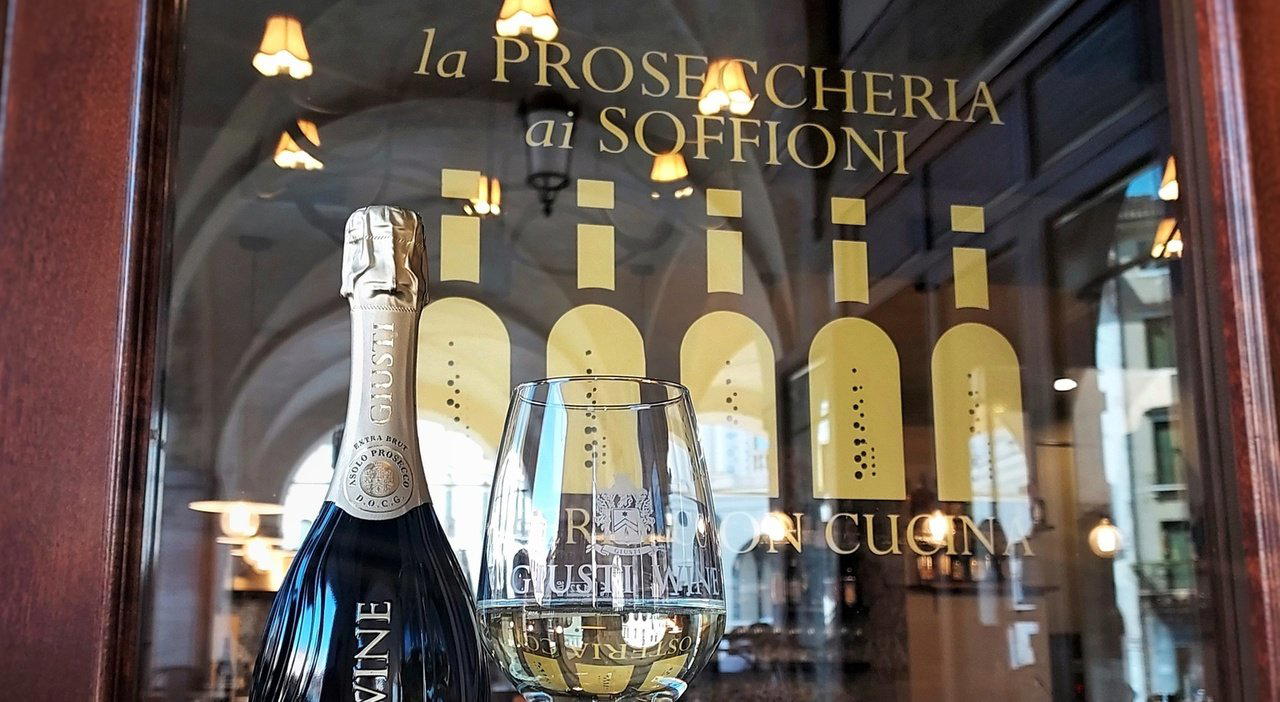

Restaurants in Asolo
Browse all →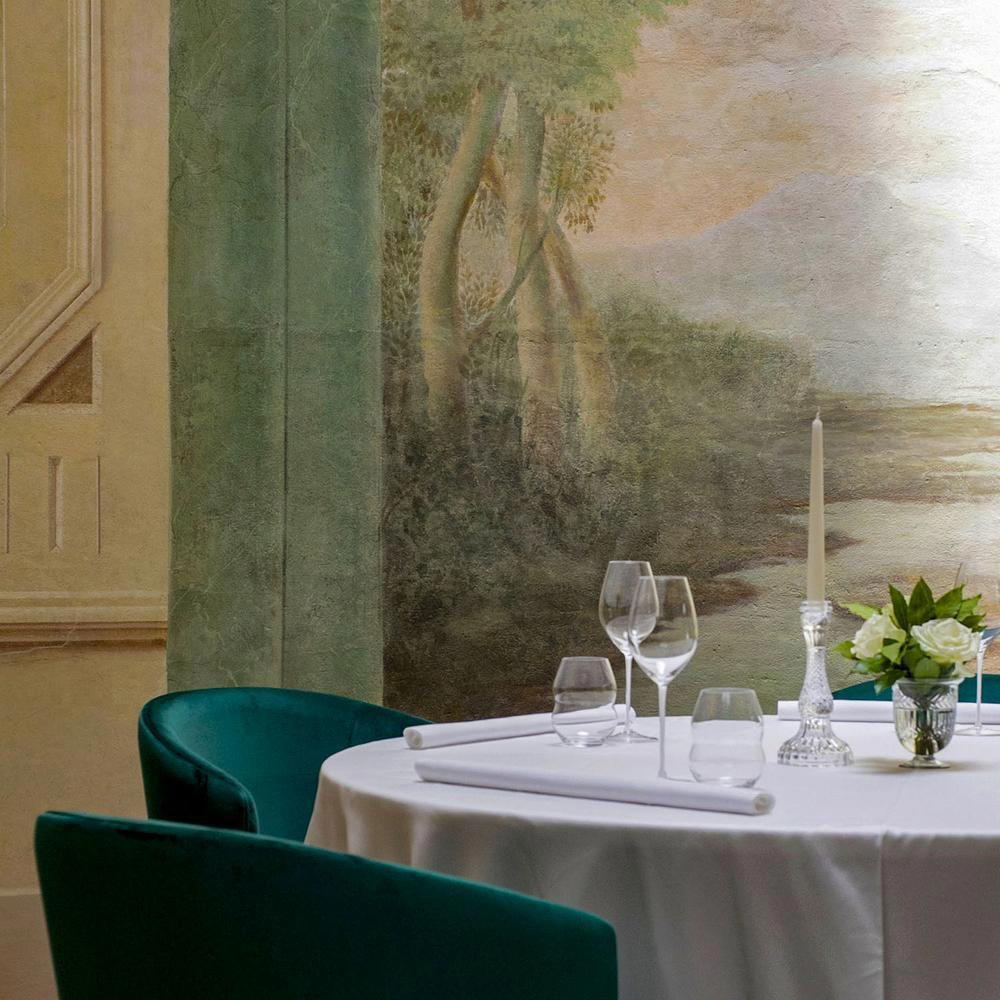
Details
- Romantic
- Classic
- Elegant
- Scenic
- Quiet
- Romantic Getaway
- Anniversary
- Destination Wedding
- Wellness Retreat
- Historic Building
- Garden
- Terrace
- Panoramic View
- Private Dining
- Infinity Pool
- Wi Fi
- Pool
- Spa
- Fitness Center
- Restaurant
- Bar
- Garden
- Tennis Court
- Garden
- Mountain
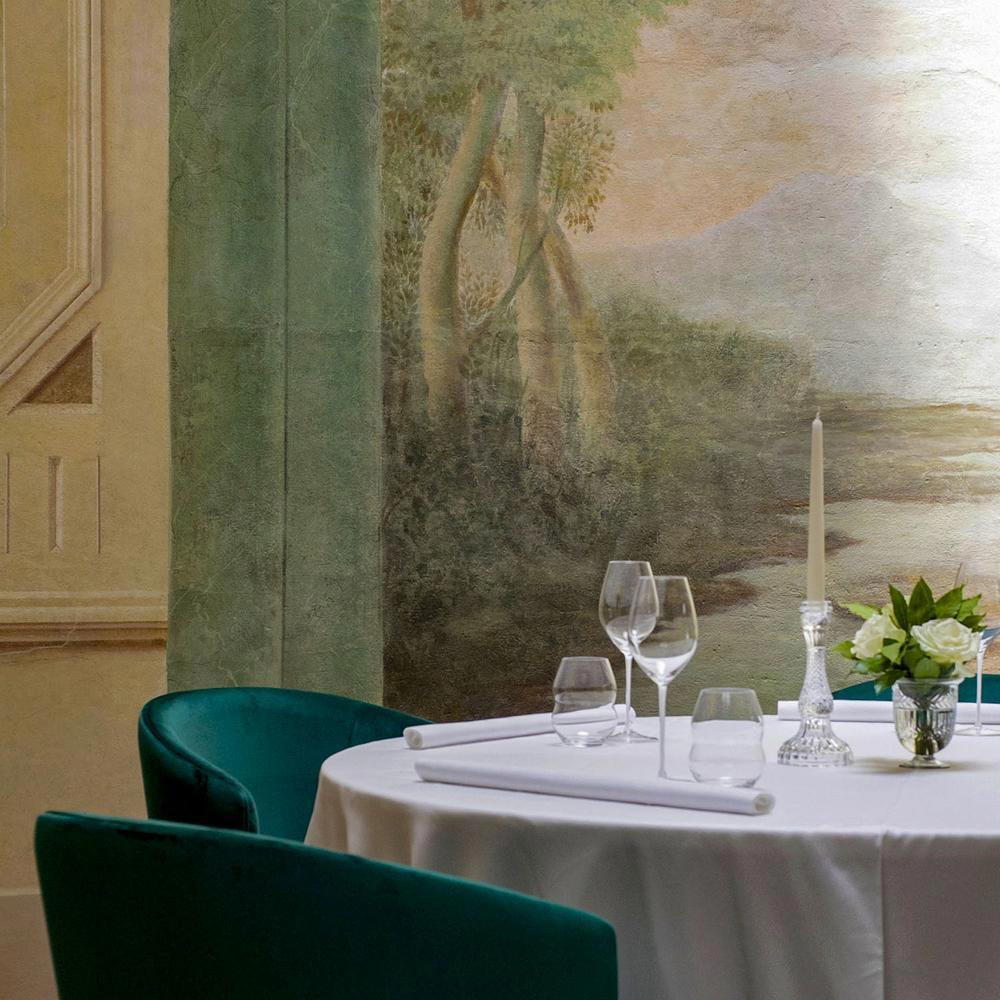
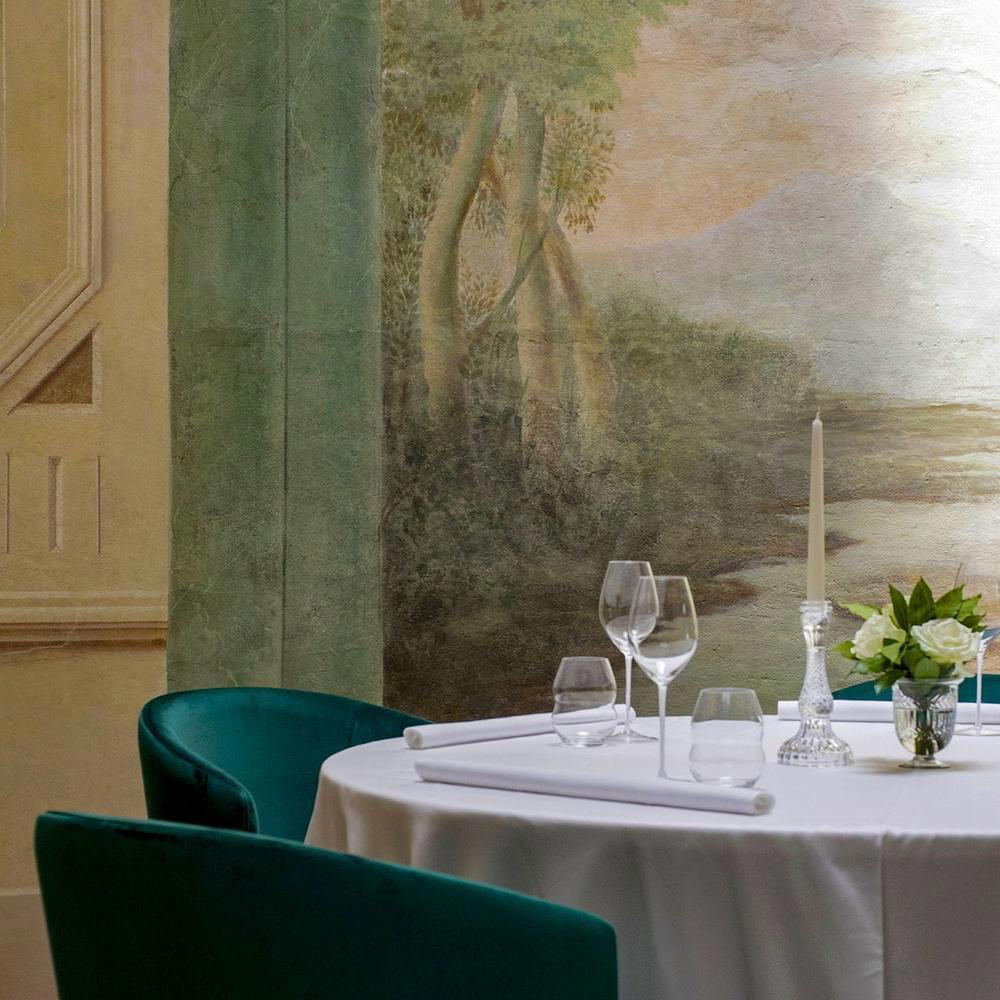
Tastefully elegant with traditional Italian decor, fresh flower arrangements, marble antiques, and gilded mirrors; bright and airy with spectacular panoramic views of surrounding hills and valleys.