
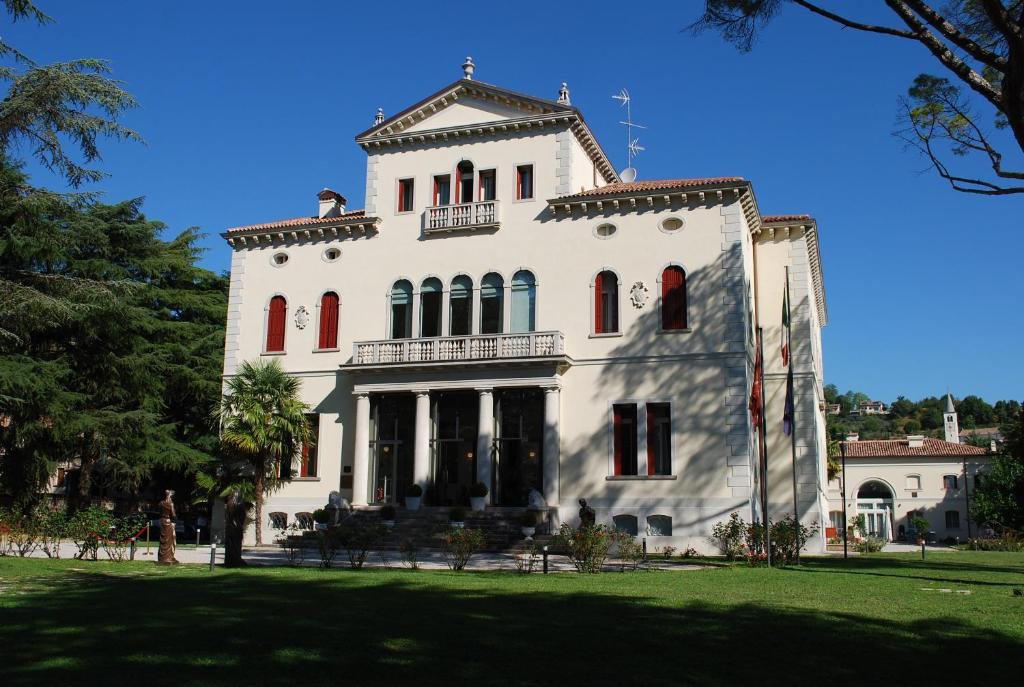
A Relais & Châteaux property set within a restored abbey in Follina's Prosecco hills, Villa Abbazia operates at the more intimate, family-run end of Italy's premium hotel tier. Rates from US$321 per night place it well below the flagship palazzo properties while delivering the kind of unhurried hospitality that larger hotels cannot administratively replicate.
Pearl is the En Primeur Club membership app — saves, bookings, and concierge access live there. Same editors, same standards.
- Address
- Via Martiri della Libertà, 4, 31051 Follina TV
- Phone
- +39 0438 971277
- Website
- hotelabbazia.com
- Directions
- Get directions
 Saves & bookings on Pearl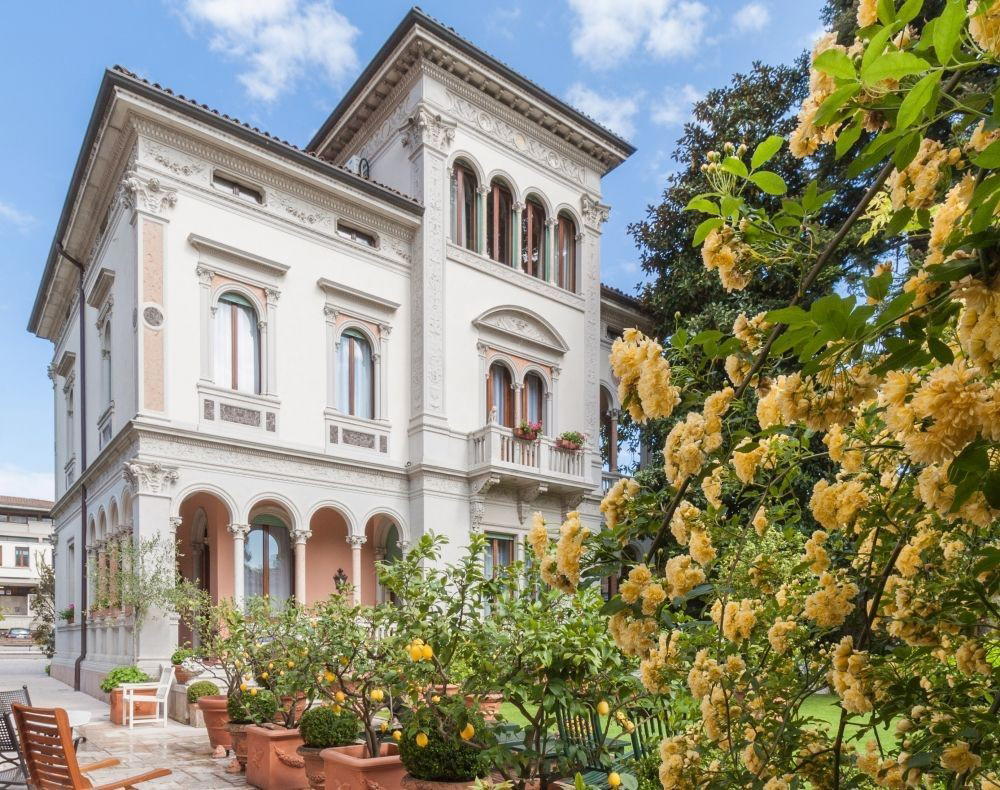
Stone, Cloister, and the Treviso Hills: What Villa Abbazia Represents
The Veneto's premium accommodation tier has long been dominated by the grand canal-side palazzos of Venice, where properties like Aman Venice operate at price points that reflect waterfront real estate as much as hospitality. Follina sits in a different register entirely. This small hill town in the Treviso province is better known for its Cistercian abbey than for any hotel, and Villa Abbazia has built its identity around that adjacency rather than competing with it. The property is a Relais & Châteaux member, placing it within a curated international network that prizes architectural character and locally rooted service over brand uniformity.
Relais & Châteaux membership, earned rather than purchased, signals that the property has passed a defined threshold for design integrity and hospitality standard. In Italy, that network includes some of the country's most architecturally significant small hotels, from converted farmhouses in Tuscany to hillside estates in Umbria. Villa Abbazia operates within that tradition: a restored historic structure repurposed for contemporary comfort without erasing its original character.
The Architecture as the Primary Argument
Historic abbey conversions present a specific set of design challenges that distinguish them from purpose-built luxury hotels or even from rural farmhouse restorations. The structural grammar of monastic architecture, thick stone walls, narrow fenestration, cloistered courtyard proportions, creates a physical environment that either works for or against the hospitality use depending on how sensitively the conversion has been handled.
Villa Abbazia's address on Via Martiri della Libertà places it within the village's historic centre, directly in the shadow of the twelfth-century Cistercian abbey that defines Follina's character. That proximity is the property's central argument. Guests are not arriving at a hotel that references history decoratively; they are staying inside a structure that shares the same stone vocabulary as one of the Veneto's most intact medieval religious complexes. The experience of moving between interior and exterior here carries a spatial weight that contemporary design-led properties, however accomplished, cannot replicate.
For a comparison point, consider how purpose-built properties in the same Relais & Châteaux network approach history as aesthetic reference, while an authentic conversion like this one delivers it structurally. The distinction matters to a specific kind of traveller: those for whom architectural authenticity is a primary criterion, not an amenity.
Follina and the Prosecco Hills Context
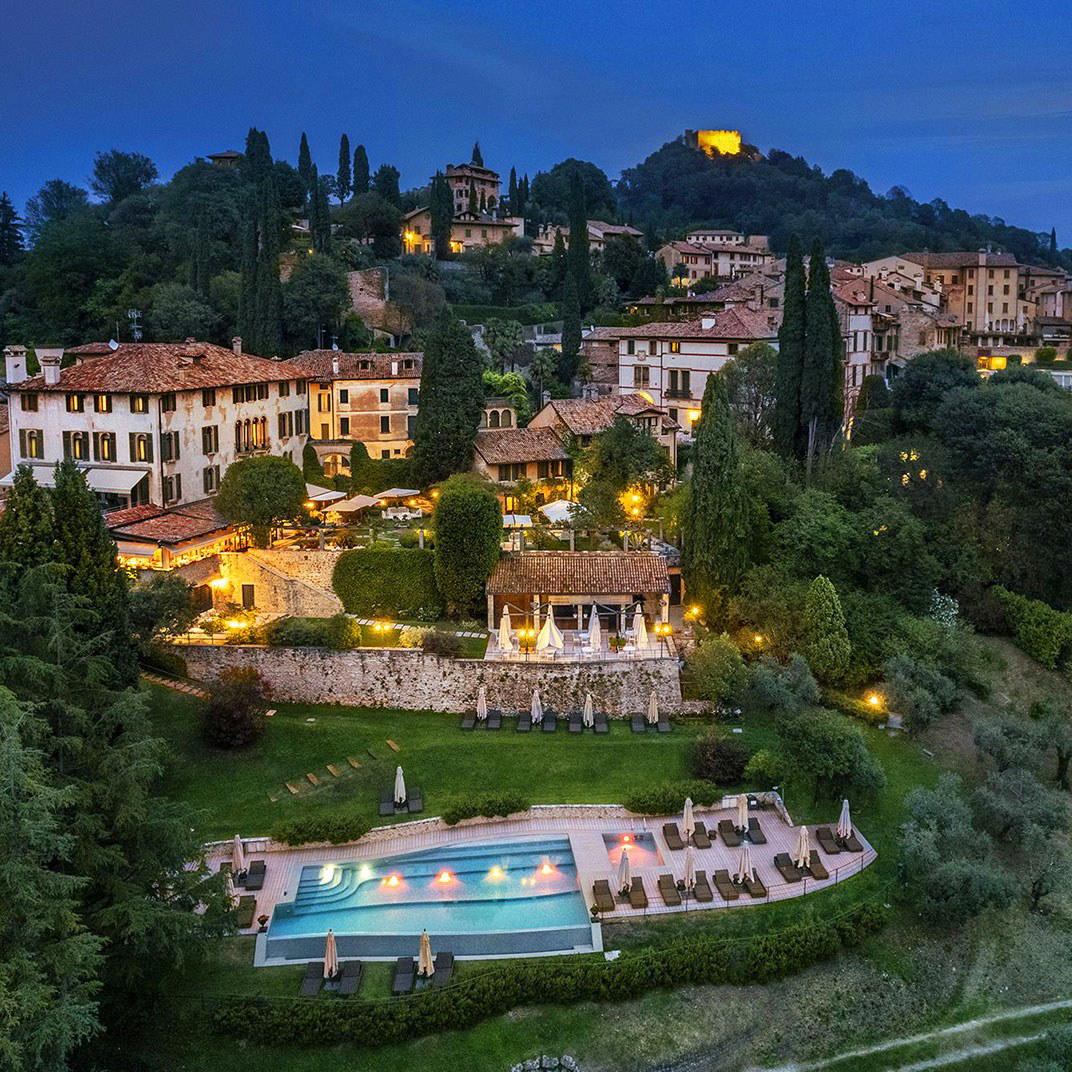
The broader territory matters here. Follina sits within the Conegliano Valdobbiadene Prosecco Superiore DOCG zone, a UNESCO World Heritage landscape since 2019. The hills that surround the town are planted almost continuously with the Glera vines that produce Valdobbiadene Prosecco, and the visual character of the area, steep vine rows, small hilltop villages, morning fog in the valley, is entirely distinct from the flat agricultural plains of much of the Veneto.
This is not a hotel that expects guests to remain on premises. The surrounding territory is the amenity, and the hotel functions as a base for engaging with it. That orientation aligns with a broader trend among serious small properties in wine-producing regions: the leading ones understand that their competitive advantage is geographical and cultural access, not room count or spa square footage.
Compare this territorial approach with how a property like Rosewood Castiglion Del Bosco in Montalcino positions itself around the Brunello landscape, or how Borgo San Felice in Castelnuovo Berardenga integrates guests into the rhythms of a working Chianti estate. The hotel occupies a comparable philosophical position in the north, where the Prosecco hills have received significantly less international hotel investment than Tuscany's wine country despite their equal UNESCO recognition.
Family-Run at This Price Point: What It Actually Means
Family-run operation here means consistent decision-making from people with direct ownership stakes rather than rotation-based professional management teams. Family management at this tier typically means consistent decision-making from people with direct ownership stakes rather than rotation-based professional management teams. It means the hospitality is less procedurally uniform and more personally calibrated. It also means that service anomalies, when they occur, are resolved with discretion rather than through escalation ladders.
At rates from US$321 per night, the hotel occupies a significant price gap below the flagship properties of the Italian premium tier. Aman Venice and Four Seasons Hotel Firenze both operate at multiples of that rate, targeting an entirely different buyer. The hotel's pricing positions it instead against properties like Castel Fragsburg in Merano or Corte della Maestà in Civita di Bagnoregio: architecturally significant small hotels in non-primary Italian destinations that offer Relais & Châteaux quality without the headline city premiums.
Small properties with demanding clientele typically see sharper rating variance than larger hotels, where averaging effects smooth out individual experience differences. A stable 4.5 at this review count suggests consistent delivery rather than a few notable experiences inflating the aggregate.
Placing Villa Abbazia in Italy's Broader Small Hotel Tier
Italy's small luxury hotel sector has become increasingly stratified over the past decade. At the leading, marquee names attract international press and carry price tags that reflect their brand value as much as their room quality. Below that, a tier of serious independent and Relais & Châteaux properties offers comparable architectural interest and more personalised service at materially lower rates, in exchange for locations that require more deliberate travel planning.
Follina is not on the way to anywhere else in the standard tourist circuit. That access requirement functions as a filter: the guests who choose the hotel have made an active decision to orient a trip around this specific corner of the Veneto rather than treating it as an afterthought. That guest profile tends to match well with a family-run property offering territorial depth over conventional luxury amenities.
For those building a multi-property Italian itinerary around architectural character and wine-producing landscapes, the logical extensions from Follina run in multiple directions. South into Tuscany, properties like Castelfalfi and Borgo San Felice occupy similar territory. North into the Dolomites, Forestis Dolomites represents the alpine counterpart. On the lakes, Grand Hotel Tremezzo and EALA My Lakeside Dream offer entirely different relationships with northern Italian landscape. And for those who want to anchor the broader region in Venice before or after Follina, Aman Venice sets a high watermark that clarifies why a property like Villa Abbazia occupies a genuinely different category rather than a lesser one.
Planning Your Stay
Reservations and enquiries go through the Relais & Châteaux central system at abbazia@relaischateaux.com or directly by phone at +39 0438 97 12 77; the property website is hotelabbazia.com. Rates begin at US$321 per night, placing the entry point in the mid-range of the Relais & Châteaux Italy portfolio. The Prosecco hills are at their most photogenic in September and October, when harvest activity brings additional texture to the vineyard landscape, and again in late spring when the vine growth has fully established. Winter visits are quieter and suit the contemplative character of the architecture, though some territorial activities operate on reduced schedules outside the growing season.
Comparable Venues
Comparable venues nearby, for context on price, style, and recognition.
| Venue | Cuisine | Price | Awards | Notes |
|---|---|---|---|---|
| Villa AbbaziaThis venue — the venue you are viewing | Restored 12th-century Cistercian abbey with 17th-century palazzo and Art Nouveau annexe | $$$$ | 4-Star | Not listed |
| Torre Fiore Hotel Masseria | Restored 16th-century fortified masseria blending historic farmhouse architecture with contemporary luxury. | $$$$ | 4-Star | Pisticci |
| Tenuta di Canonica | Historic country estate with medieval tower and Roman foundations | $$$$ | 4-Star | Località Canonica |
| Hotel Saltus | Eco-conscious family-run mountain retreat blending tradition and modern wellness | $$$$ | 4-Star | Jenesien |
| 1477 Reichhalter | Historic gasthaus with minimalist restoration preserving original stone and wood. | $$$$ | 4-Star | Lana |
| Una Hotel Siracusa | Urban design hotel with heritage chic loft elements and wellness oasis. | $$$ | 4-Star | Grottasanta |
Recognition history
Dated appearances from independent guides and award organizations, with the underlying list record or original source where available.
Relais Chateaux Award
Relais Chateaux

At a Glance
- Romantic
- Quiet
- Elegant
- Classic
- Scenic
- Cozy
- Sophisticated
- Romantic Getaway
- Honeymoon
- Anniversary
- Weekend Escape
- Historic Building
- Garden
- Terrace
- Panoramic View
- Wi Fi
- Pool
- Spa
- Room Service
- Concierge
- Bicycle Rental
- Restaurant
- Massage
- Hot Tub
- Garden
- Mountain
- Wi Fi
- Pool
- Spa
- Room Service
- Concierge
- Bicycle Rental
- Restaurant
- Massage
- Hot Tub
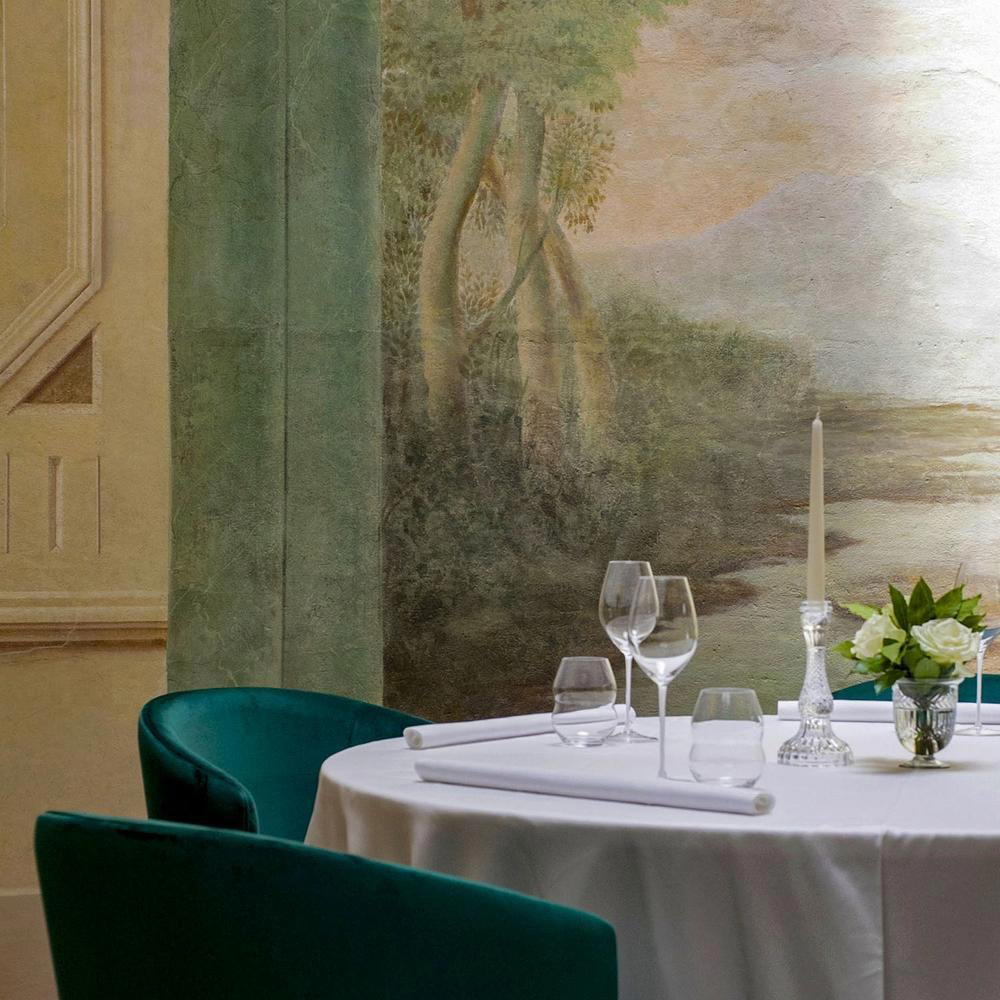
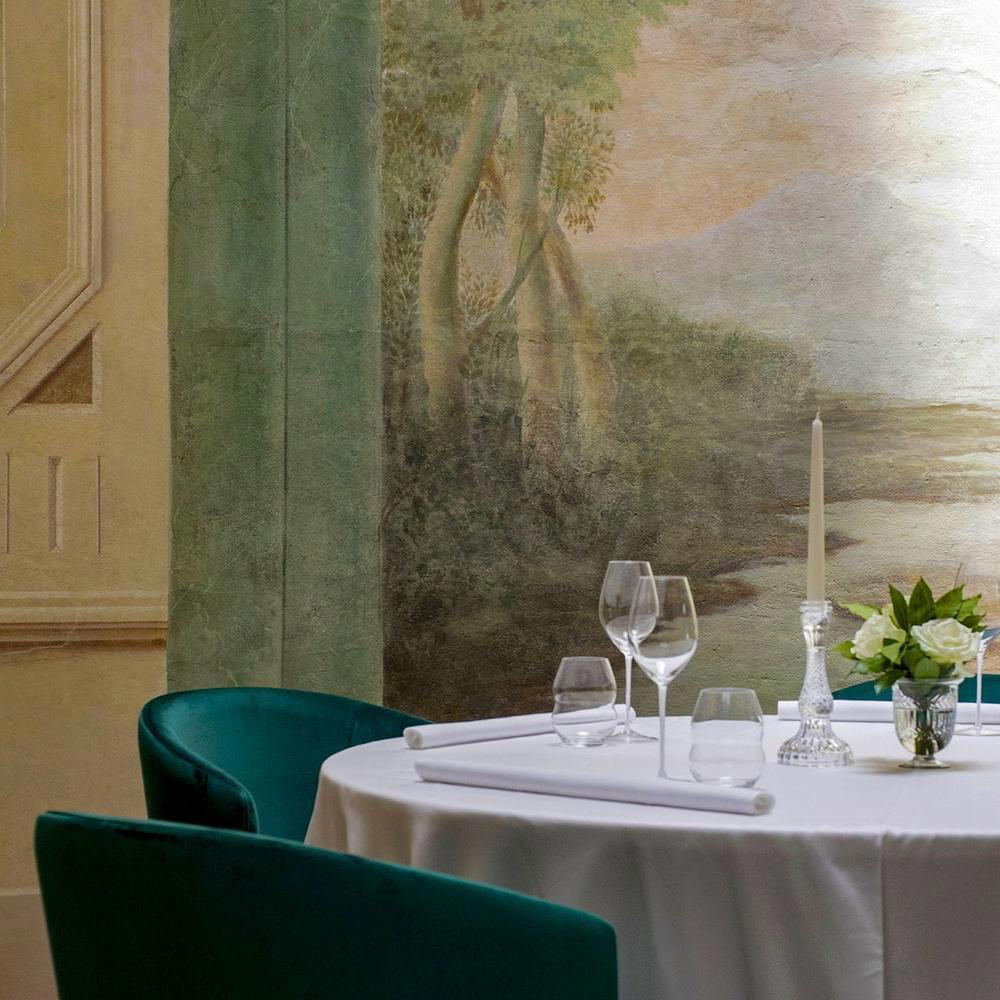
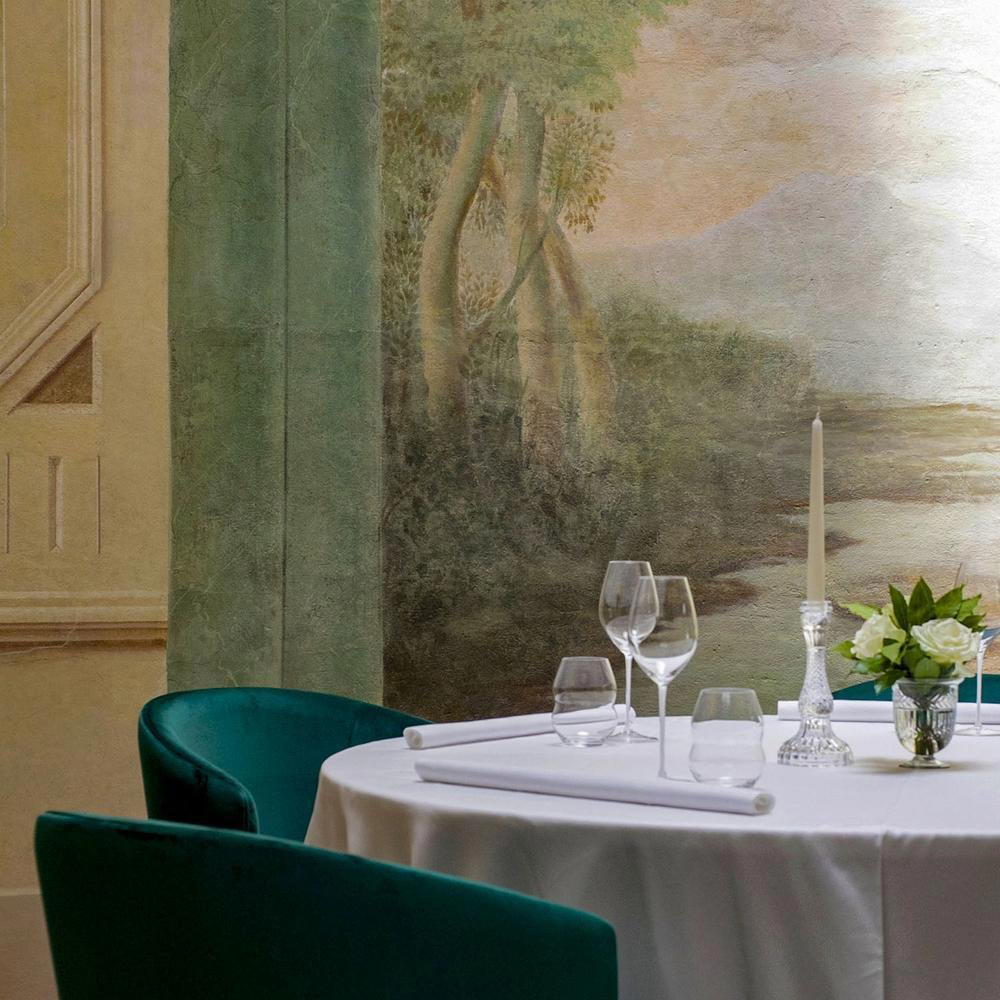
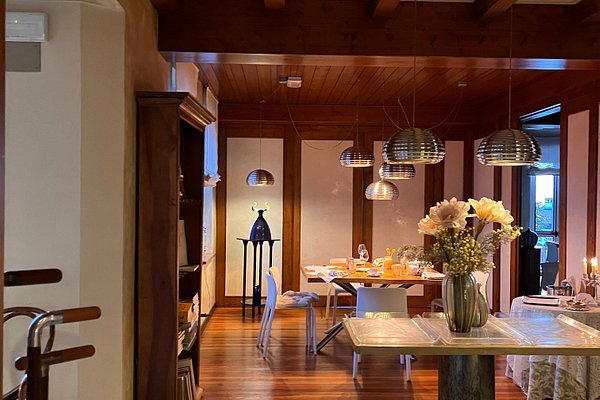
Serene elegance with historic frescoes, period furnishings, antiques, floral accents, and peaceful courtyard and river views, creating a tranquil old-world charm.