Our verdict
æçå± ç´: æç理屋 ç´ runs as a Lotteria fast-food counter in Chuo Ward, Sapporo, at 28 Chome-2-18 Kita 1 Jonishi, making it a practical quick bite for breakfast, lunch, or dinner.

Pearl is the En Primeur Club membership app, where members save venues, book tables and use the concierge.
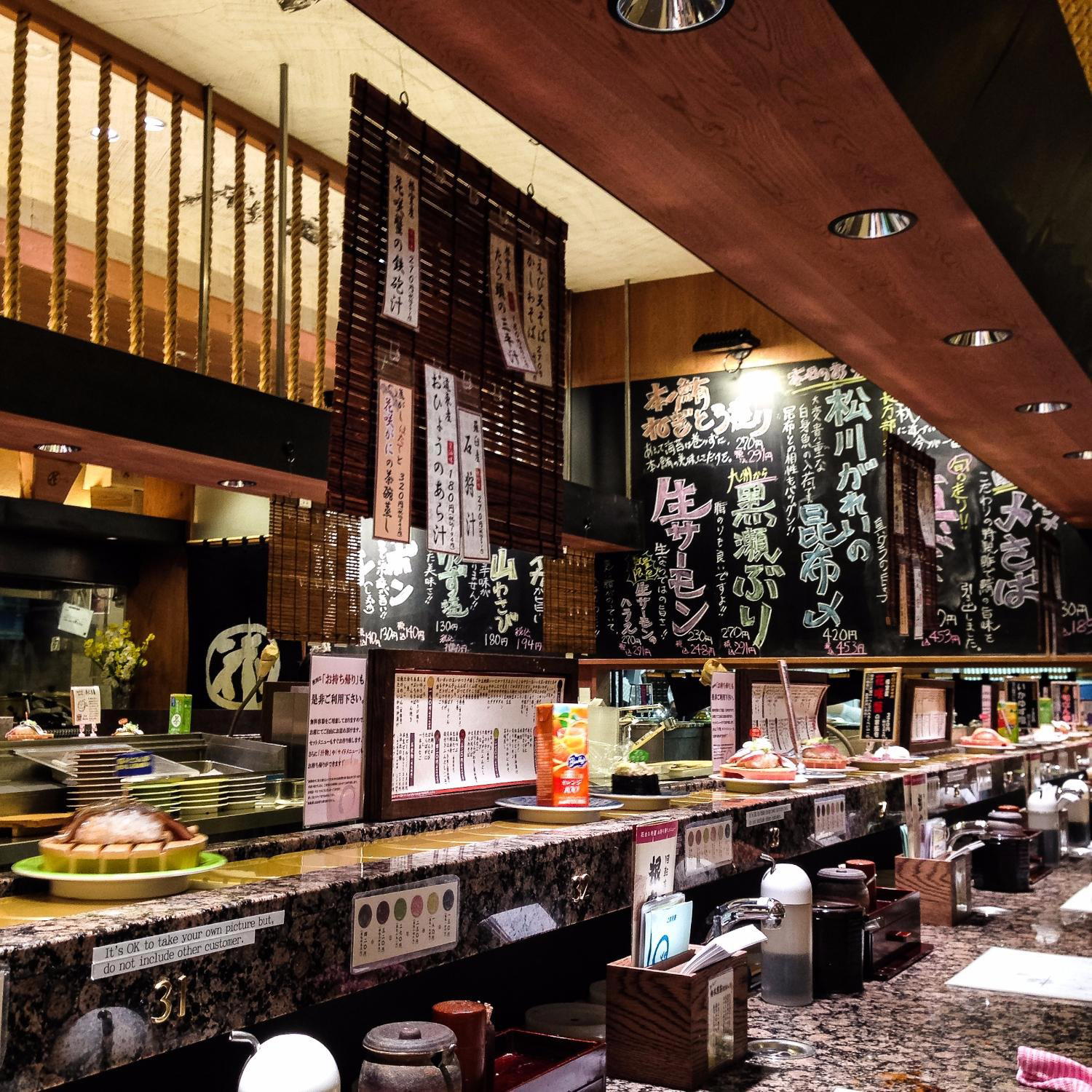
Hokkaido at the Table: What Sapporo's Ingredient-Led Dining Scene Looks Like
Hokkaido occupies a particular position in Japanese food culture that has little to do with restaurant marketing and everything to do with geography. The island's cold, nutrient-rich coastal waters produce some of Japan's most sought-after seafood, its dairy farming tradition is unmatched on the mainland, and its agricultural interior, long seasons permitting, yields produce with a density and sweetness that chefs across Tokyo and Osaka have been quietly sourcing for decades. In Sapporo, the prefectural capital, a smaller tier of restaurants has formed around the premise that proximity to these ingredients is itself the editorial argument, that being here, at the source, changes what ends up in the bowl or on the plate. Aichiya Jun sits inside that logic.
The Address and the Approach
The restaurant occupies a spot in Chuo Ward, Sapporo's commercial and gastronomic core, at 28 Chome-2-18 Kita 1 Jonishi. Chuo Ward holds the greatest concentration of serious dining in the city, running from the upscale corridors near Odori Park out through the denser restaurant streets of Susukino. It is a neighbourhood where the range between a bowl of Sapporo ramen and a multi-course kaiseki or sushi counter can be a few city blocks, and where regulars tend to be exacting about the difference. That physical proximity to peers matters: restaurants in this part of the city price and position themselves against a genuinely competitive local set, not against tourist expectation.
Sapporo's premium dining scene has grown more specific over the past decade. Where it once leaned heavily on generic Japanese fine dining formats, it has developed defined sub-categories: sushi counters drawing on Hokkaido-specific seafood, kaiseki formats integrating local dairy and mountain produce, and a smaller cohort of restaurants, of which Aichiya Jun is one, building their identity around the sourcing argument itself. Visitors familiar with the top end of other Japanese cities will find Sapporo's register quieter in terms of global recognition, but no less serious in execution. Counters like Arima (Sushi) and Hanakoji Sawada (Kaiseki) represent the city's most formally recognised tiers, while restaurants such as Higebozu, Hidetaka, and aki nagao fill out a deep and varied field.
The Sourcing Framework That Defines This Category
The central claim of ingredient-led restaurants in Hokkaido is verifiable in a way that few regional identities are. Hokkaido accounts for roughly 20 percent of Japan's total agricultural output despite covering a fraction of the country's landmass proportionally. Its sea urchin, particularly from Rishiri and Shakotan, commands premium prices at Tsukiji and its successor market Toyosu. Its scallops, snow crab, and hairy crab set seasonal rhythms that Sapporo kitchens plan months around. Its dairy, most visibly through the cooperative farms of the Tokachi and Furano regions, produces butter and cream with fat ratios that mainland sourcing rarely matches.
For a restaurant building its identity around this supply chain, the argument is not aesthetic but structural. The cooking method, the format, and the presentation exist to make the case for what arrived that morning. This is a different orientation from the kaiseki tradition, which foregrounds technical transformation and seasonal poetry, or from the sushi counter model, where the itamae's hand and the rice are equally part of the proposition. Ingredient-led formats ask the kitchen to step back. The discipline is in restraint and in the sourcing relationships themselves, often with specific farms and coastal fisheries rather than wholesale markets.
Nationally, this model has produced recognised results. Goh in Fukuoka built its reputation partly on Kyushu ingredient relationships. HAJIME in Osaka has taken a different route entirely, but the conversation about ingredient provenance remains central to how Japan's most discussed kitchens are evaluated. In Hokkaido, where the raw material case is already exceptional, the question becomes which restaurants are actually executing on that premise rather than simply trading on the island's reputation.
Sapporo in Context: A City Worth the Journey Alone
Visitors who arrive in Sapporo expecting a scaled-down version of Tokyo's dining scene consistently find something else: a city with its own internal logic, its own price tiers, and its own seasonal rhythms that dictate what serious restaurants are doing at any given time. Winter, which runs long here, brings the hairy crab and snow crab season, the richest sea urchin windows, and the hearty Jingisukan lamb-grill tradition that has nothing to do with premium dining but is entirely of this place. Spring and summer shift the argument toward seafood variety and the first agricultural produce from the inland farms. Autumn brings Hokkaido's prized mushroom foraging season, which feeds into kitchens at every tier.
The comparisons that matter for understanding where Sapporo's leading end sits are probably not Tokyo or Kyoto. Gion Sasaki in Kyoto operates in a city where the kaiseki grammar is centuries deep. Harutaka in Tokyo sits inside a sushi counter hierarchy that is among the most competitive on earth. Sapporo is a different calculation: a city where ingredient proximity, rather than formal lineage or critical density, is the primary structural advantage. Restaurants that use that advantage deliberately belong to a more coherent peer group than their Michelin tally might immediately suggest. affetto akita in Akita and Ajidocoro in Yubari District represent analogous regional-ingredient arguments in other parts of northern Japan, and the pattern holds: proximity to exceptional raw material creates a category of its own.
Planning a Visit
Chuo Ward is walkable from Sapporo Station and well-connected by the city's subway network, with Odori Station serving as the practical hub for this part of the ward. For visitors combining Sapporo dining with the wider island, the Shinkansen extension to Hokkaido reached Sapporo planning stages that will eventually tighten the Tokyo connection, though current travellers arrive primarily by New Chitose Airport, roughly 40 minutes from the city centre. For a broader orientation to the city's dining options across price points and formats, our full Sapporo restaurants guide covers the range in detail, including comparators such as Arima and the ramen and crab-specialist traditions that define the city's wider food identity.
Restaurants operating at this tier in Sapporo tend to book ahead, particularly during the crab season windows in late autumn and winter, which draw both domestic and international food-focused travellers. Arriving without a reservation during those months is a gamble even at mid-range establishments; at ingredient-focused counters, it rarely works. Building an itinerary around the seasonal calendar, rather than treating it as background detail, is the practical argument for understanding what ingredient-led dining here actually means.
Frequently asked questions
How do I find æçå± ç´?
æçå± ç´ is located at 28 Chome-2-18 Kita 1 Jonishi, Chuo Ward, Sapporo, Hokkaido 064-0821, Japan, Sapporo.
What should I order at 柔石屋 紘?
The kitchen at 柔石屋 紘 sits within a Sapporo dining scene defined by Hokkaido's agricultural output, so the strongest choices will follow what the prefecture is producing at that moment. Hokkaido supplies roughly 20 percent of Japan's total food output, which means seafood from the surrounding cold waters and dairy-influenced dishes are structurally central to restaurants in this category. Confirm the current menu format when you book, as the selection will shift with the season.
Can I walk in to æçå± ç´?
Reservations are recommended for æçå± ç´ in Sapporo. Confirm current policy via the venue's official channels.
What's the defining dish or idea at æçå± ç´?
æçå± ç´ is best approached by focusing on the core concept and signature offerings.
Do they accommodate allergies at æçå± ç´?
Dietary accommodations can vary. Flag restrictions in advance via the venue's official channels.
Comparable Spots, Quickly
Comparable venues nearby, for context on price, style, and recognition.
| Venue | Cuisine | Price | Awards | Notes |
|---|---|---|---|---|
| æçå± ç´This venue (the venue you are viewing) | Fast Food | Not listed | Not listed | Not listed |
| Univers S. | Retro Showa-style Western (yoshoku) restaurant | Not listed | Tabelog 100 #47 | Nishi |
| North Continent Machi No Naka | Hokkaido-sourced Hamburg Steak & Western Grill | $20–30 | Tabelog 100 #63 | Chūō |
| Keyaki (けやき) | Sapporo miso ramen shop | $10–20 | Tabelog 100 #85 | Susukino |
| Yum cha Haru no Sora | Dim sum and Chinese congee | $30–50 | Tabelog 100 #93 | Chūō |
| SOUL STORE | Sapporo soup curry house | $10–20 | Tabelog 100 #63 | Chūō |
Continue exploring
More in Sapporo
Restaurants in Sapporo
All restaurants in Sapporo →
Bars in Sapporo
All bars in Sapporo →

Details
- Casual Hangout
- A La Carte