森森çè æ°ç«¹æ¸ 大åº
Where Guangfu Road Meets the Forest On Section 2 of Guangfu Road in Hsinchu City's East District, the address itself signals something about the dining proposition. This stretch sits within a part of the city that has seen considered restaurant...
Pearl is the En Primeur Club membership app — saves, bookings, and concierge access live there. Same editors, same standards.
- Address
- No. 151號, Section 2, Guangfu Rd, East District, Hsinchu City, Taiwan 300
- Phone
- +88635745338
- Website
- inline.app
- Directions
- Get directions
 Saves & bookings on Pearl
Where Guangfu Road Meets the Forest
On Section 2 of Guangfu Road in Hsinchu City's East District, the address itself signals something about the dining proposition. This stretch sits within a part of the city that has seen considered restaurant openings over the past decade, where operators tend to build around a specific concept rather than broad-audience convenience. 森森御膳 新竹漁大坊 fits that pattern: the name alone, combining forest imagery with the language of refined cuisine and seafood sourcing, telegraphs a kitchen that wants you to think about where its ingredients originate before you lift a chopstick.
Taiwan's premium restaurant scene has developed a consistent thread around provenance transparency. At the upper end of the market, from logy in Taipei to JL Studio in Taichung, the sourcing story has become as central to the dining experience as the cooking technique. 森森御膳 新竹漁大坊 operates within that broader current, positioning seafood, particularly fish native to Taiwan's coastal waters, as both the starting point and the editorial argument of the menu.
The Sourcing Argument in Hsinchu
Hsinchu sits on Taiwan's northwestern coast, and that geography matters to any kitchen that takes seafood seriously. The waters off this stretch of the Taiwan Strait have historically supplied local fishing communities with species that rarely travel far inland to metropolitan tables. A restaurant anchoring its identity around local catch, as the 漁 (fish/fishing) character in this venue's name suggests, is making a claim about access: proximity to the source, relationships with boat operators, and a menu cadence that responds to what actually comes in rather than what a standardised supplier delivers weekly.
This model contrasts with how many mid-range seafood restaurants in Taiwan's cities operate. The latter tend to work with consolidated distributors who aggregate catch from multiple ports and standardise availability. The alternative, practiced at a smaller number of kitchens, involves direct relationships with fishers or dedicated fish market buyers. When it works, the difference shows on the plate in texture and flavour specificity that commodity supply chains rarely preserve. For context, restaurants like Akame in Wutai Township have built international reputations precisely on this kind of hyper-local sourcing logic, demonstrating that geography-rooted ingredient philosophy translates into meaningful culinary distinction across Taiwan's regions.
The 御膳 component of the name, a classical Chinese term historically associated with imperial-quality cuisine, adds a second layer to the positioning. It signals that the kitchen is not presenting casual seafood dining but something in the prepared, composed register. The combination of 御膳 formality with 漁大坊 fishing-house directness describes a format that several successful Taiwanese restaurants have found traction with: sourcing integrity at the fishing port level, cooking ambition at the fine-dining level.
Hsinchu's Restaurant Scene in Context
Hsinchu is often read primarily through its technology industry, the Hsinchu Science Park draws a professional population with both the income and the international exposure to support a more considered dining scene than the city's size might otherwise sustain. That demographic has shaped what gets opened on addresses like Guangfu Road. The street is not a traditional night market strip but a more considered corridor where restaurants tend to build around a specific format and a repeat customer base.
Across the city, the range of serious dining options has widened. Garden.V represents the vegetarian fine-dining end of the spectrum. Dongmen Rice Noodle Soup anchors the traditional Hsinchu comfort food tradition, rice noodle being a regional specialty the city is genuinely known for. Chang Chang Kitchen and Cat House occupy different points on the casual-to-mid-range arc. CHILLIESINE covers international cuisine. 森森御膳 新竹漁大坊 sits at a different coordinate from all of them: premium seafood with a sourcing-led concept, the kind of format that competes less with its Hsinchu neighbours and more with the coastal seafood restaurants of the broader northwest Taiwan region.
For comparison points further afield, the sourcing-led seafood positioning places this kitchen in a conversation with venues like Shen Yen in Yilan, a county where the relationship between coastal geography and restaurant identity is well established. Even internationally, the insistence on direct sourcing as a culinary statement is a logic that operations like Le Bernardin in New York City have built decades-long reputations on. The scale is different; the underlying argument about ingredient quality is the same.
Planning a Visit
The restaurant sits at No. 151, Section 2, Guangfu Road, East District, Hsinchu City. From Hsinchu Station, Guangfu Road is accessible by taxi or local bus.
The Wider Taiwan Sourcing Circuit
The sourcing-led seafood format 森森御膳 新竹漁大坊 represents is part of a broader movement across Taiwan's dining scene. Restaurants in the mountains work with indigenous highland producers; coastal kitchens build direct fisher relationships. Bebu in Hsinchu County and Chi Yuan in New Taipei operate within adjacent frameworks. Amei in Tainan represents how southern coastal sourcing traditions have found fine-dining expression. GEN in Kaohsiung anchors a different point on the southern seafood spectrum. Volando Urai Spring Spa and Resort in Wulai District demonstrates how ingredient sourcing becomes a hospitality philosophy as much as a kitchen policy. Across all of these, the underlying logic is consistent: Taiwan's geographical diversity gives serious kitchens access to an ingredient range that rewards direct relationships over distributor convenience. 森森御膳 新竹漁大坊 appears to be working within that tradition from a coastally-adjacent base in northwest Taiwan.
At-a-Glance Comparison
Comparable venues nearby, for context on price, style, and recognition.
| Venue | Cuisine | Price | Awards | Notes |
|---|---|---|---|---|
| 森森çè æ°ç«¹æ¸ 大åºThis venue — the venue you are viewing | Japanese Robatayaki | $$$ | Not listed | Not listed |
| Jun | Modern Japanese | $$$ | Michelin Plate | Hsinchu City |
| 廟口鴨香飯 | Taiwanese Stinky Tofu | $$ | Not listed | East District |
| TAIVII | Modern Hakkanese Taiwanese | $$$ | Michelin Plate | East District |
| CHILLIESINE 淇里思印度餐廳-新竹店 Indian Restaurant Hsinchu | 道地印度料理 | $$ | Not listed | 東區 |
| Duan Chun Zhen | Traditional Taiwanese Beef Noodles with Sichuan Flavors | $$ | Not listed | East District |
Continue exploring
More in Hsinchu City
Restaurants in Hsinchu City
Browse all →
Bars in Hsinchu City
Browse all →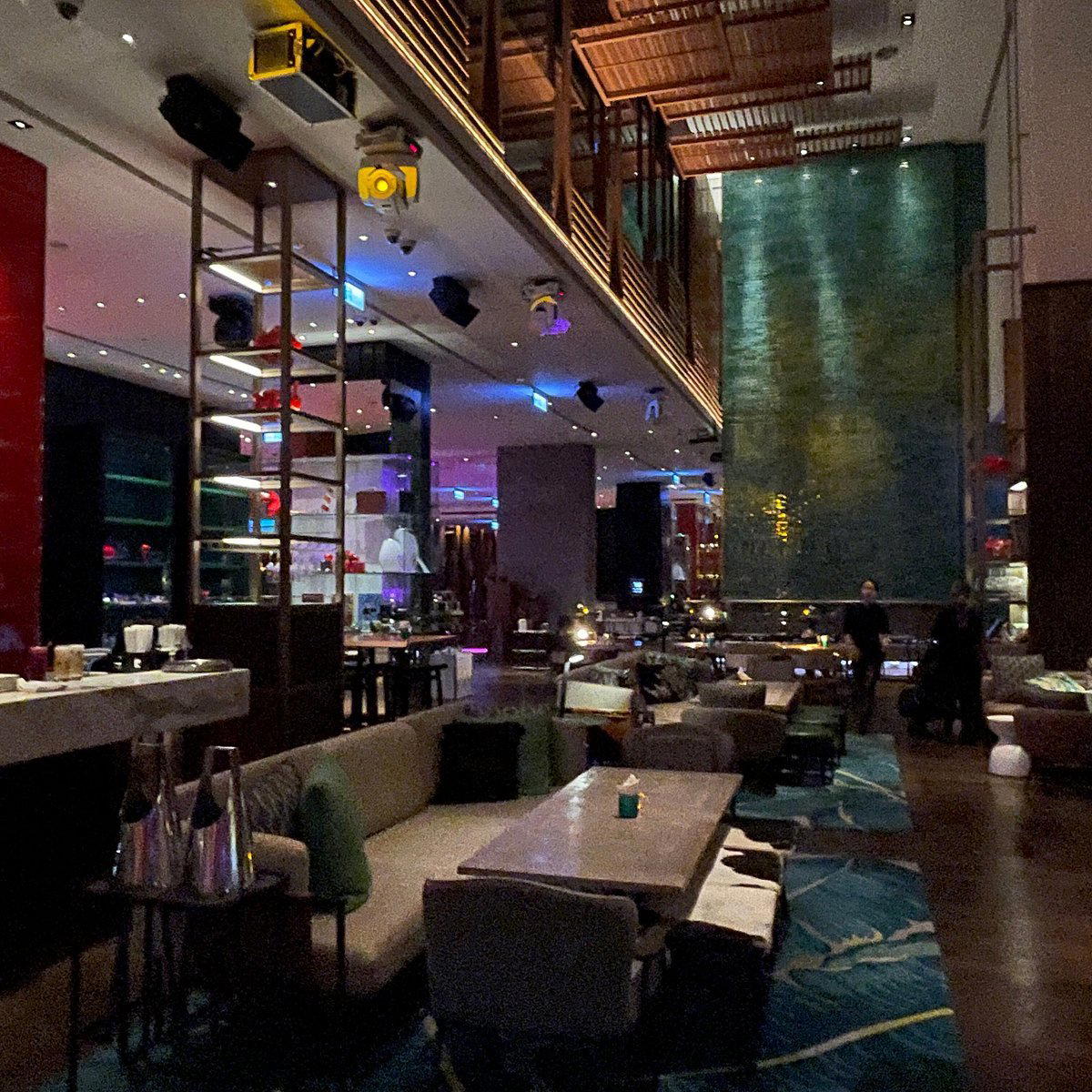
At a Glance
- Cozy
- Intimate
- Rustic
- Date Night
- Group Dining
- Casual Hangout
- Open Kitchen
- Sake Program
- Craft Cocktails
Cozy and warm with dim lighting, charcoal grill aromas, and a rustic wooden interior evoking a traditional Japanese robata-yaki experience.