Located in Tainan's Nanxi District, 橙果 氣氛 sits within a city that has long anchored Taiwan's most direct relationship between farmland and table. The restaurant draws on the southern agricultural belt that supplies much of the island's produce, positioning itself inside a small but growing cohort of Tainan venues where ingredient provenance shapes the menu rather than decorates it. For travelers already tracking Taiwan's serious dining scene, this is a Nanxi address worth investigating.
Pearl is the En Primeur Club membership app — saves, bookings, and concierge access live there. Same editors, same standards.
- Address
- 715, Taiwan, Tainan City, Nanxi District, 1-5號
- Phone
- +88665751617
- Website
- plumchang.com
- Directions
- Get directions
 Saves & bookings on Pearl
Where Southern Taiwan's Agricultural Identity Meets the Plate
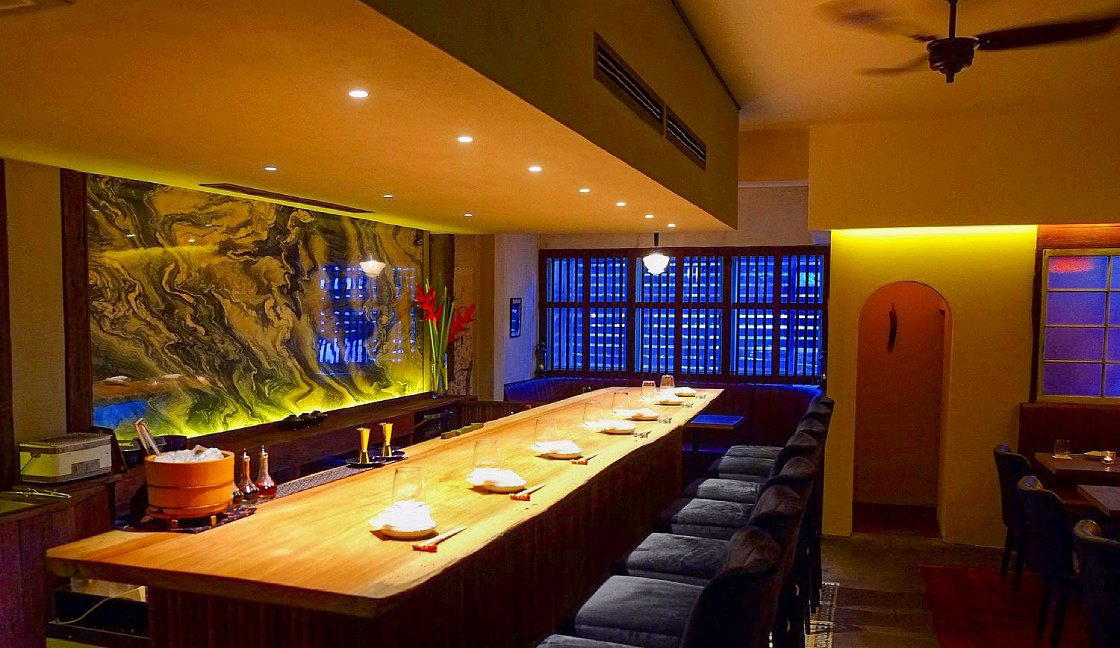
Tainan's Nanxi District sits at a remove from the old city's temple-dense centre, and that distance is partly the point. The southern plains stretching inland from Tainan have supplied the island with rice, vegetables, and aquaculture products for centuries, and a cluster of restaurants in the outer districts has begun to treat that supply chain as a genuine editorial premise rather than a talking point. 橙果 氣氛, addressed at 1-5號, Nanxi District, is a casual cafe in Tainan's Nanxi District, and it operates within that context: a neighbourhood where the gap between field and kitchen is measurably shorter than it is in Taipei or Taichung, and where that proximity has started to generate a recognisable dining character.
Taiwan's south has always maintained a different food culture from the capital. Where Taipei's fine dining tier has consolidated around international technique, with Michelin-starred kitchens at logy in Taipei signalling ambition through French and Japanese frameworks, Tainan has traditionally expressed quality through ingredient fidelity and portion generosity. The city's most respected small-eats counters, from the beef soup stalls on Baoan Road to the Taiwanese oden specialists who have occupied the same sites for decades, derive authority from sourcing discipline and consistency rather than technique complexity. 橙果 氣氛 enters that lineage at a point where ingredient-sourcing is being articulated more explicitly across Tainan's newer venues.
Nanxi and the Southern Produce Belt
The agricultural zone surrounding Tainan's outer districts produces a range of ingredients that, by the time they reach northern Taiwan, have already spent hours in transit. Locally, that freshness differential is significant: Nanxi-area restaurants with direct supplier relationships can work with produce at ripeness stages that are simply unavailable to kitchens further up the island. This is the structural advantage that a venue at this address can exploit, and it shapes what ingredient-led dining means in this specific location versus what it means in, say, JL Studio in Taichung, where the sourcing story is more deliberately constructed around a hybrid Southeast Asian identity.
Tainan's outer districts also sit close to the island's aquaculture zones. The coastal areas west of the city supply milkfish, oysters, and shrimp that feed both the city's street-level economy and its sit-down restaurants. For a venue in Nanxi, sourcing from these networks is less a brand decision than a practical default, which is precisely why ingredient quality here can arrive without the premium pricing that accompanies provenance-marketing in more metropolitan markets. Compare that with GEN in Kaohsiung, which operates at a higher price tier and a more explicitly curated sourcing model, and the Nanxi position becomes clearer: lower friction between producer and kitchen, with pricing that reflects local supply rather than imported positioning.
Tainan's Small-Eats Gravity and Where 橙果 氣氛 Sits
Any honest account of dining in Tainan has to reckon with the city's small-eats infrastructure, which remains the dominant reference point for locals and informed visitors alike. A Cun Beef Soup on Baoan Road, A Hai Taiwanese Oden, and A Hsing Congee represent a tier of precision cooking that has operated for generations without the vocabulary of fine dining, and they set a sourcing standard that newer venues have to acknowledge rather than ignore. A Ming Zhu Xing on Baoan Road demonstrates how small-format Tainan kitchens can maintain ingredient specificity at modest price points, a model that informs the expectations of the local dining audience even when they walk into something more structured.
橙果 氣氛 in Nanxi occupies a position somewhat outside this street-level gravity, in a district where the audience skews toward residents rather than the tourist circuits that concentrate around Tainan's historic core. That separation allows for a different rhythm: fewer walk-ins driven by guidebook traffic, more deliberate visits by diners who have sought the address out. Taiwan's regional dining scene has seen this pattern before, most visibly at Akame in Wutai Township, where geographic remove from urban centres became an asset rather than a liability, concentrating a committed audience and permitting a sourcing model built on hyper-local indigenous ingredients.
The Broader Taiwan Ingredient-Led Moment
Ingredient sourcing as an explicit dining narrative has gathered pace across Taiwan over the past several years, and it is not confined to the Michelin-tracked tier. Bebu in Hsinchu County and Shen Yen in Yilan both demonstrate how regional restaurants outside the main cities are using local agricultural identity as a coherent proposition, while venues like Chi Yuan in New Taipei show that even peri-urban kitchens can build credible sourcing stories when supplier relationships are prioritised. In the south, Volando Urai Spring Spa and Resort in Wulai District demonstrates how hospitality properties with embedded dining can anchor the experience around landscape-specific ingredients, a template that resonates with what more independent venues in agricultural districts are attempting at smaller scale.
Globally, the conversation around sourcing has moved well past novelty. Kitchens at Le Bernardin in New York City and Lazy Bear in San Francisco have demonstrated that rigorous provenance work and serious dining ambition are not competing priorities. In Taiwan's context, the interesting development is that this discipline is filtering into mid-tier and neighbourhood venues rather than remaining confined to destination restaurants, and Tainan's agricultural geography makes it a natural site for that diffusion.
Getting There and Planning Your Visit
Nanxi District is located southeast of central Tainan, and while the city's public transport covers the inner districts well, reaching outer addresses typically requires a taxi or ride-share from the main station or city centre. Visitors using Tainan as a base for exploring southern Taiwan's dining scene will find the Nanxi address more accessible by private vehicle. For context on the wider Tainan eating picture before planning your itinerary, the full Tainan restaurants guide maps the city's key dining neighbourhoods and price tiers. Those with a specific interest in Tainan's Japanese-influenced dining strand should also note Gui Tian Hotel Capitalists Japanese Garden Restaurant, which operates at a different register but reflects the same city-wide attention to setting and ingredient specificity.
Comparable Venues
Comparable venues nearby, for context on price, style, and recognition.
| Venue | Cuisine | Price | Notes |
|---|---|---|---|
| ææ¢ åæ°£This venue — the venue you are viewing | Casual Cafe | $$ | Not listed |
| 川泰號虱目魚丸 | other | $$ | Tainan |
| çé¦¨å± | :null | Not listed | Not listed |
| 鮮蒸蝦仁肉圓 | Traditional Tainan Pork Meatballs | $$ | West Central District |
| é飯å·é£å å°åæååº | :null | Not listed | Not listed |
| Tan Zuo Ma Li Tainan Fuqian Branch | Japanese Grill & Yakiniku | $$ | Anping District |

At a Glance
- Casual Hangout
- After Work
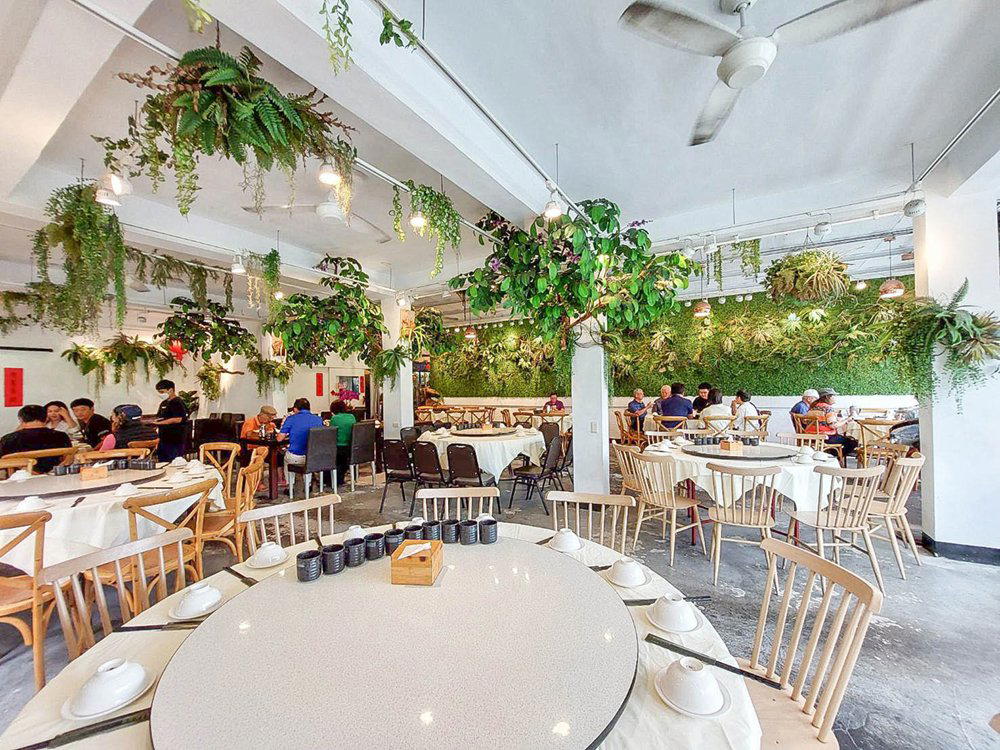
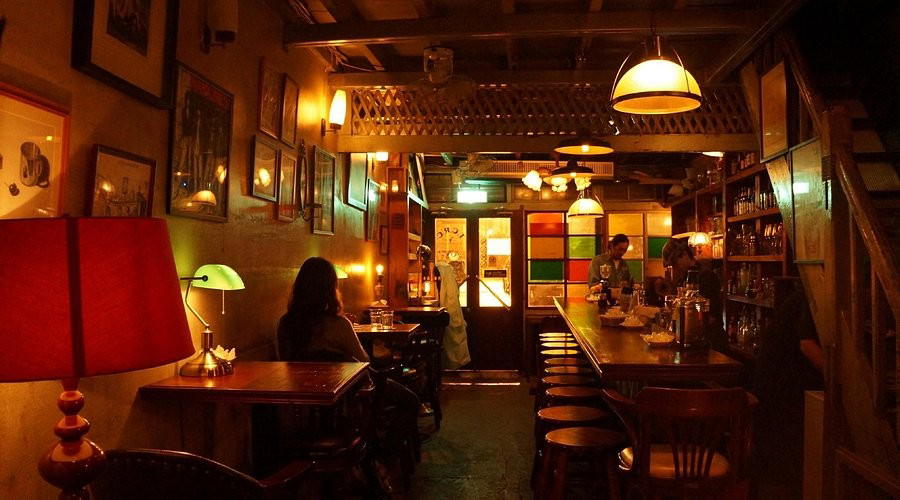
Casual daytime dining atmosphere with table service available.