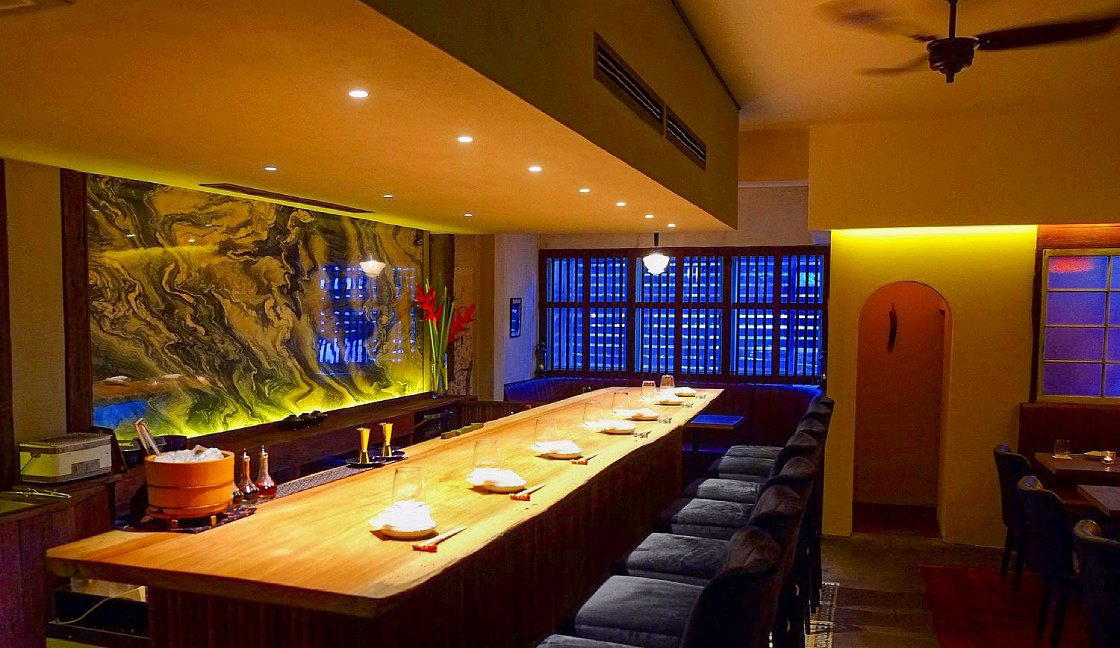
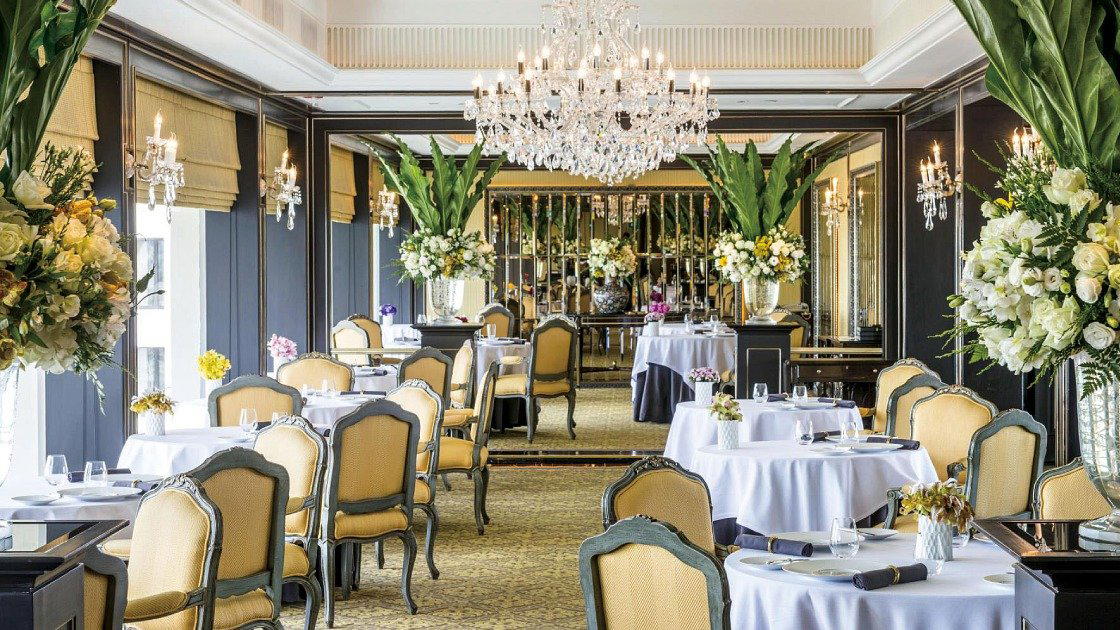
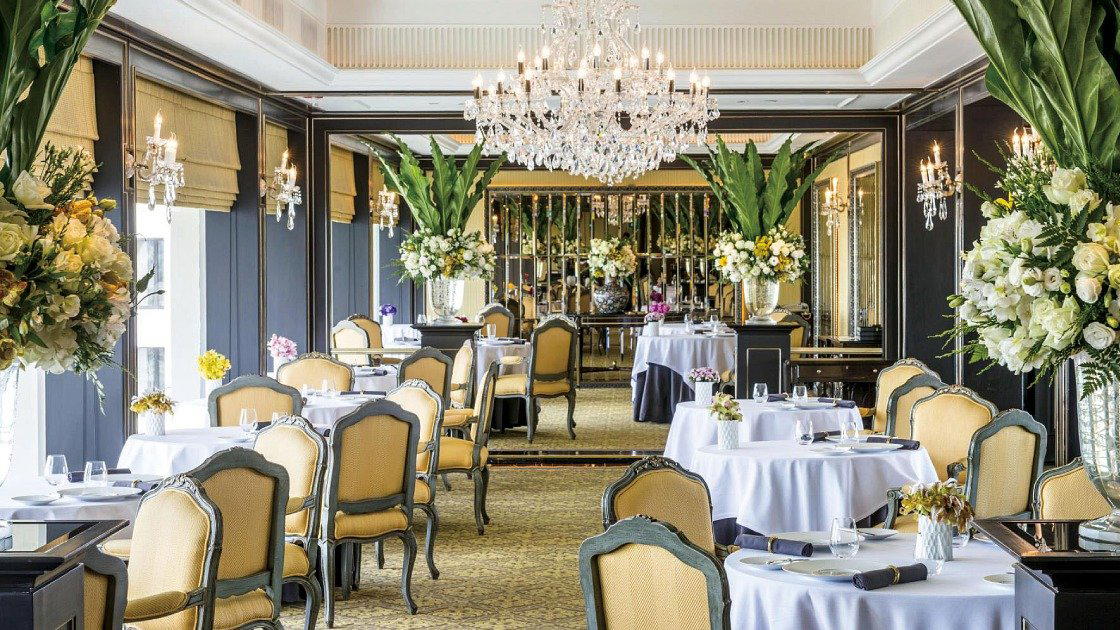
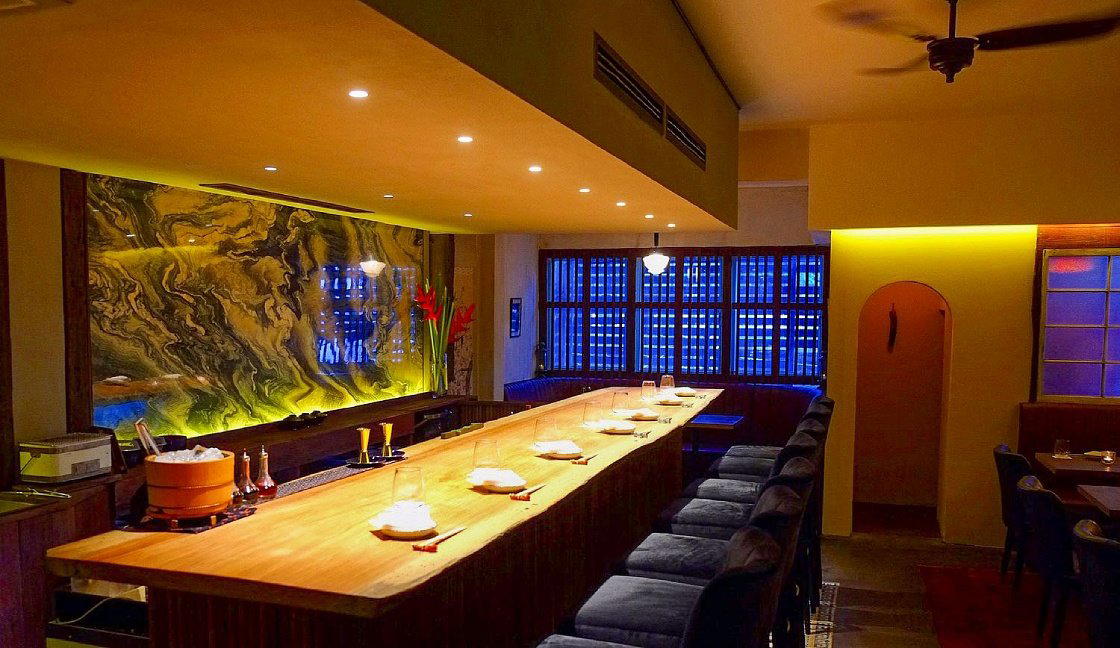
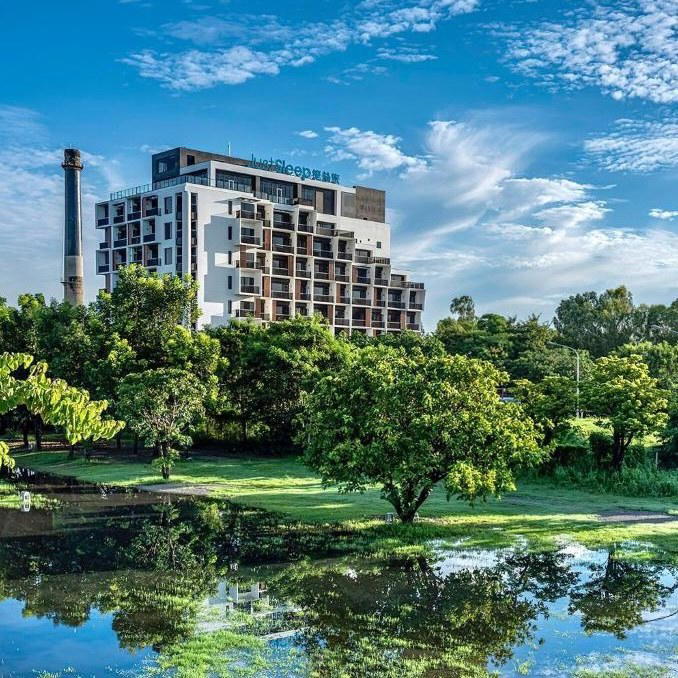
On Qianfeng Road in Tainan's East District, this address sits within a city that has long defined Taiwan's street-food identity, where the line between casual eating and serious cooking has always been blurred. Compared to the city's heritage noodle shops and small-eats counters, this spot occupies a distinct corner of that conversation. Visitors exploring Tainan's dining depth will find it worth placing on their itinerary alongside the city's better-documented institutions.
Pearl is the En Primeur Club membership app — saves, bookings, and concierge access live there. Same editors, same standards.
- Address
- 701005, Taiwan, Tainan City, East District, Qianfeng Rd, 210號6樓
- Phone
- +88662086222
- Website
- kaifun.com.tw
- Directions
- Get directions
 Saves & bookings on Pearl
Qianfeng Road and the East District's Place in Tainan's Eating Order
Tainan has a strong claim to being Taiwan's culinary baseline. The dishes that define Taiwan's national food identity, milkfish congee, danzai noodles, beef soup, oyster vermicelli, were largely codified here, in the narrow lanes of the old city and the market streets of the East District. That weight of tradition shapes every eating decision in Tainan, from the morning queues at A Hsing Congee to the afternoon crowds around A Cun Beef Soup on Baoan Road. Against that backdrop, Qianfeng Road in the East District operates at a slight remove from particularly tourist-mapped corridors, which tends to mean a local-to-visitor ratio that tilts noticeably toward the former.
The East District is not Tainan's oldest quarter, that distinction belongs to the Anping and West Central precincts, but it carries its own coherent dining character: mid-scale neighbourhood restaurants, long-running family operations, and the kind of small-eats spots, like A Hai Taiwanese Oden and A Ming Zhu Xing on Baoan Road, where the menu fits on a laminated card and the regulars know every item by number. Eating here tends to feel less staged than in the city's heritage precincts, where tourist footfall has pushed some operations toward a performance of authenticity rather than the thing itself.
The Physical Address as Context
At 210, Lane 6, Qianfeng Road, the location itself communicates something before any dish arrives. Lane addresses in Taiwanese cities typically signal a step back from main-road commercial density: slightly quieter approaches, fewer passing shoppers, the kind of foot traffic that suggests destination rather than impulse. In Tainan's East District, that spatial grammar tends to correspond with a dining room that functions for the neighbourhood first and for visitors who have done some research second.
Taiwan's mid-tier neighbourhood restaurants, the category that sits between street-food stalls and the formal dining rooms now attracting international attention, have historically concentrated in exactly these kinds of side-street positions. The physical container for that category of eating tends toward the functional: tiled walls, strip lighting, round tables suited to group ordering, the kind of room that prioritises throughput and ease over aesthetic composition. The lane position and East District context suggest a functional neighbourhood room. For a different Tainan dining environment, the Gui Tian Hotel Capitalists Japanese Garden Restaurant operates in a different register entirely, where the room is as considered as the menu.
Tainan Within Taiwan's Wider Dining Conversation
The international conversation about Taiwanese dining has shifted considerably in recent years. Taipei attracts documented attention, with restaurants like logy demonstrating what happens when European fine-dining technique is applied with rigorous local sourcing. Taichung has built a parallel reputation, anchored partly by JL Studio's Southeast Asian-inflected approach. Further south, GEN in Kaohsiung has added to a growing case that Taiwan's culinary ambition is not concentrated in the capital.
Tainan's contribution to that national picture is different in character. The city's dining authority rests less on formal innovation and more on the density and consistency of its traditional formats. The argument for eating in Tainan has always been that nowhere else in Taiwan maintains this concentration of heritage techniques across so many categories simultaneously. That argument holds whether the reference point is the city's danzai noodle tradition, its milkfish preparations, or the small-eats circuit that pulls serious food travellers back for multiple visits. For context on how that kind of regional specificity plays out elsewhere in Taiwan, Dongmen Rice Noodle Soup in Hsinchu City and Shen Yen in Yilan both illustrate how strongly individual cities anchor their own food identities.
Taiwan's dining geography also extends into more remote territory. Akame in Wutai Township draws visitors willing to travel specifically for the table, a model of destination eating that differs substantially from the density-driven logic of a city like Tainan. Spa-anchored dining at properties like Volando Urai Spring Spa and Resort in Wulai District represents yet another distinct strand of the Taiwanese hospitality offer. Closer to Tainan's own comparable set, operations like Bebu in Hsinchu County and Chi Yuan in New Taipei show how mid-scale Taiwanese dining takes different forms across the island's cities.
The international frame matters too. At the formal end of global dining, institutions like Le Bernardin in New York City set the standard against which technique-led cooking worldwide is measured. Closer in spirit to Taiwan's communal eating culture, Lazy Bear in San Francisco has built a reputation on the kind of convivial, format-bending approach that resonates with how Taiwanese restaurants have always treated the meal as a shared rather than solitary act. And for those drawn to the live-fire traditions that Abura Yakiniku in Taichung City represents, there is a clear through-line to how Taiwanese dining at every price point treats heat and smoke as primary rather than incidental.
Planning a Meal in the East District
Tainan rewards itinerary structure more than almost any other Taiwanese city, because the eating is spread across districts, price tiers, and meal times in ways that require some navigation. The East District sits roughly 15 to 20 minutes from the historic centre by scooter or taxi, which places it within easy reach of a half-day circuit that might also include the heritage temple precincts and the Shennong Street cafe strip.
For the Qianfeng Road address specifically, the lane position suggests that checking current hours before visiting is sensible, particularly for weekend evenings when neighbourhood restaurants across the East District tend to fill early with local families and groups. Tainan operates on meal times that skew earlier than Taipei, with dinner services often beginning before 6pm and tables turning over by 8pm at established neighbourhood spots.
The Short List
Comparable venues nearby, for context on price, style, and recognition.
| Venue | Cuisine | Price | Notes |
|---|---|---|---|
| é飯å·é£å å°åæååºThis venue — the venue you are viewing | Not listed | Not listed | Not listed |
| Huangjia Eel Noodles | Not listed | $$ | West Central District, Tainan Eel Noodles |
| 葉家小卷米粉(10/26-11/3店休九天) | Not listed | Not listed | Tainan, Taiwanese Small Rice Flour Restaurant |
| 毛房 | 東區, 蔥柚 Hotpot with Chilled Meat | $$ | Not listed |
| 開元紅燒𩵚魠魚羹(1/13、14休息) | Not listed | $ | North District (北區), Traditional Taiwanese Spanish Mackerel Soup |
| Jyu Dim | East District, Hong Kong-style Dim Sum | $$ | Not listed |