Our verdict
On Yunong Road in Tainan's East District, 鮮踴躍仔魚鍋 sits within a city that has long treated seafood as both pantry staple and daily ritual. The menu is structured around fresh catch presented in hot-pot format, placing the venue squarely in Tainan's broader tradition of ingredient-led, low-intervention cooking. Booking ahead is advisable, particularly on weekends when local demand is high.

Pearl is the En Primeur Club membership app, where members save venues, book tables and use the concierge.
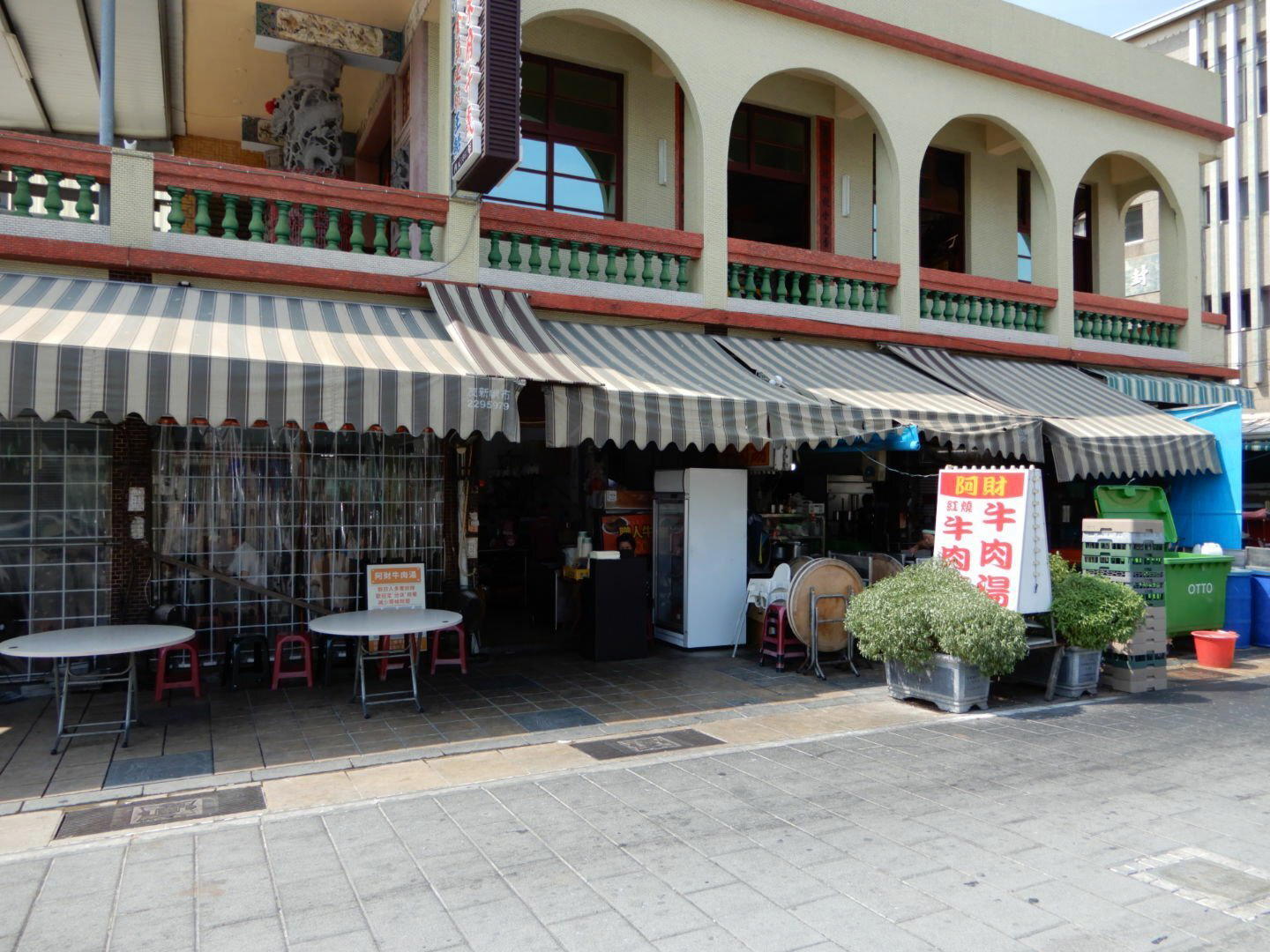
Seafood Hot Pot on Yunong Road: Where Tainan's Ingredient Logic Shows Up Most Clearly
Tainan's relationship with seafood is older than most of its temples, which is saying something. The city sits at the southwestern edge of Taiwan, close to the tidal flats and fishing ports of the Taiwan Strait, and its cooking has always been shaped by proximity to the catch rather than by culinary fashion. The result is a city where the freshest ingredient tends to arrive with the fewest embellishments, a philosophy that runs from the dawn beef soup stalls on Baoan Road (see A Cun Beef Soup) through to more substantial sit-down formats like 鮮踴躍仔魚鍋 on Yunong Road in the East District.
Hot-pot formats have proliferated across Taiwan over the past two decades, but the version practised in Tainan carries a different emphasis from the stock-forward broths of Taipei or the heavy-spiced variants that arrived from Sichuan influence. Here, the broth tends to be a vehicle for the seafood rather than the star of the bowl. The fish, shellfish, or crustacean is the argument; the liquid around it is the supporting clause.
How the Menu Is Built, and What That Tells You
The menu architecture at 鮮踴躍仔魚鍋 follows a logic common to Tainan's better seafood operations: the starting point is what arrived that day, and the structure radiates outward from there. This is not a menu that stays fixed across seasons. Tainan's wet markets, particularly those near the historic core, turn over stock with the tides, and kitchens that source directly from them build menus that reflect supply rather than impose a static list on available ingredients.
In practical terms, this means the hot-pot selection at any given visit is likely to differ from the one described by a previous diner. What holds constant is the category logic: fresh whole fish (the name 仔魚 points to small, juvenile fish species prized for their delicate flesh), shellfish as secondary protein, and a rotating cast of vegetables and tofu that absorb the broth rather than compete with it. Across Taiwan's seafood hot-pot scene, the venues that earn sustained local loyalty, rather than tourist-cycle traffic, are those where this category discipline is applied consistently.
Compare this architecture to the more elaborate tasting-menu constructions at places like JL Studio in Taichung or logy in Taipei, where the menu is a structured editorial statement from the kitchen, and the contrast becomes instructive. 鮮踴躍仔魚鍋 operates in the opposite register: the menu is responsive rather than authored, and the kitchen's judgment is expressed in sourcing decisions rather than plating philosophy. Neither approach is superior; they answer different questions about what a restaurant should be.
Tainan's East District and the Yunong Road Setting
Yunong Road sits in the East District, away from the densest concentration of Tainan's historic sites and tourist-facing eateries in the Anping and old city core areas. This is a neighbourhood where Tainan residents eat, which tends to produce a different kind of dining environment than areas shaped by visitor traffic. Restaurants here calibrate to local expectations: consistent quality, value relative to the city's modest price norms, and formats that work for repeat visits rather than one-off occasions.
The East District has seen gradual commercial development over the past decade, but it remains primarily a residential and working neighbourhood. That context shapes the restaurants operating within it. The standards are set by regulars who return weekly, not by crowds cycling through on a three-day itinerary. For reference, Tainan's dining scene as a whole runs considerably more affordable than Taipei's at equivalent quality levels, a pattern visible across categories from the small-eat stalls around A Hai Taiwanese Oden and A Ming Zhu Xing through to more substantial formats.
For broader orientation across the city's dining options, the full Tainan restaurants guide maps the categories and neighbourhoods in detail.
Tainan in the Context of Taiwan's Wider Dining Scene
Taiwan's restaurant scene has attracted sustained international attention over the past five years, driven partly by Michelin's expansion to Taipei and Taichung, and partly by the performance of Taiwanese-rooted chefs at venues like GEN in Kaohsiung and Akame in Wutai Township. That attention has mostly concentrated on fine-dining and tasting-menu formats. What it has been slower to capture is the depth of Taiwan's ingredient-led, non-performative cooking, the tradition that 鮮踴躍仔魚鍋 represents.
Tainan is where that tradition is most intact. The city has a documented culinary history stretching back to the Dutch colonial period and the subsequent Ming loyalist settlement, and its food culture has been shaped by successive waves of Han migration from Fujian province, each bringing different ingredient preferences and preparation techniques. Seafood, sweet flavour profiles, and an emphasis on snacking formats rather than formal meal structures are the residue of that layered history. Small-eat venues like A Hsing Congee sit in this tradition alongside more substantial formats.
Hot-pot formats occupy an interesting position in that history. They are not native to Tainan's oldest culinary layer, but they have been absorbed and localised over decades. The version practised on Yunong Road reflects Tainan's ingredient logic more than any imported hot-pot convention. That localisation is what separates the better operators in this category from chain formats that apply a standardised broth and ingredient template regardless of what the day's catch looks like.
Planning a Visit
鮮踴躍仔魚鍋 is located at No. 609, Yunong Road, East District, Tainan City 701. The East District is accessible by taxi or scooter from the city centre in under fifteen minutes; the venue address is precise enough for navigation apps to locate directly. No phone or website details are currently listed in public databases, so the most reliable approach is to visit in person or ask hotel staff to make inquiries locally, a standard approach for neighbourhood-focused venues in Tainan that do not operate booking platforms.
Weekday lunches tend to draw a local working crowd and are likely to be the most efficient visit for those without a group. Weekend evenings at seafood hot-pot venues in Tainan typically see higher demand, particularly for tables of four or more. Arriving early in a meal period is advisable. Visitors exploring the wider East District might also consider the Gui Tian Hotel Capitalists Japanese garden restaurant as a contrasting formal option in the same general area.
For those building a longer Taiwan itinerary, the ingredient-led cooking traditions visible in Tainan have parallels elsewhere in the country: Shen Yen in Yilan and Bebu in Hsinchu County each work within analogous frameworks of local sourcing and format restraint, while Chi Yuan in New Taipei and Dongmen Rice Noodle Soup in Hsinchu City represent the noodle-format equivalent of the same philosophy. Abura Yakiniku in Taichung City offers a further Taiwan comparison point for those interested in how protein-centred formats differ across the island's cities.
Frequently asked questions
Does 鮮踴躍仔魚鍋 work for a family meal?
The shared-pot format standard to Tainan's seafood hot-pot venues scales naturally across different group sizes, making it a practical choice for family dining. The East District address on Yunong Road puts it away from the denser tourist corridors, which typically means a more locally frequented, relaxed atmosphere. Ordering is guided by the day's catch rather than a fixed set menu, so different preferences at the table can be accommodated without friction.
Is 鮮踴躍仔魚鍋 formal or casual?
Seafood hot-pot venues in Tainan's East District operate in a casual register as a rule, and 鮮踴躍仔魚鍋 on Yunong Road fits that profile. Expect the kind of straightforward neighbourhood setting where the focus is on the fish, not the formality.
What do people recommend at 鮮踴躍仔魚鍋?
In Tainan's seafood hot-pot tradition, the practical approach is to ask what arrived that morning rather than arriving with a fixed dish in mind. The East District location on Yunong Road suggests a supply chain tied to the southwestern Taiwan coast, where catch composition shifts with the season.
How does 鮮踴躍仔魚鍋's location on Yunong Road affect the dining experience?
Yunong Road sits in Tainan's East District, outside the concentrated historic and tourist zones of Anping and the old city core, which means the venue draws a predominantly local clientele rather than passing visitor traffic. For diners travelling from central Tainan, the East District is reachable by taxi or scooter in a short ride. That neighbourhood positioning is consistent with venues whose reputation rests on repeat local custom rather than tourist footfall, a common marker of kitchen-first operations in Tainan's seafood scene.
Awards and Standing
| Venue | Cuisine | Price | Awards |
|---|---|---|---|
| é®®è¸è¦ä»èåThis venue (the venue you are viewing) | Traditional Tainan Pork Meatballs | $1–10 | Not listed |
| Amei | Traditional Taiwanese Banquet | $20–30 | Michelin Bib Gourmand |
| Chang Ying Seafood House | Milkfish Seafood House | $10–20 | Michelin Bib Gourmand |
| Fu Tai Table Third Generation | Traditional Taiwanese Fan Zhuozai | $1–10 | Michelin Bib Gourmand |
| Small Park Danzai Noodles | Traditional Tainan Danzai Noodles | $1–10 | Michelin Bib Gourmand |
| L'herbe | Contemporary French with Taiwanese Fusion | $50–100 | Michelin Plate |
Continue exploring
More in Tainan
Restaurants in Tainan
All restaurants in Tainan →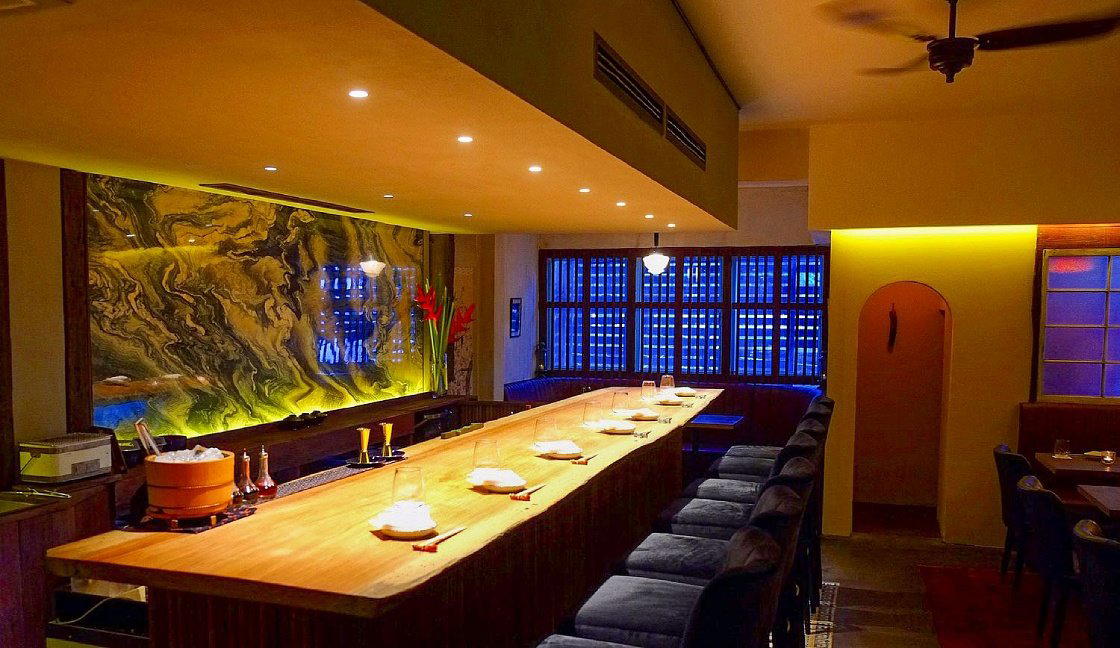
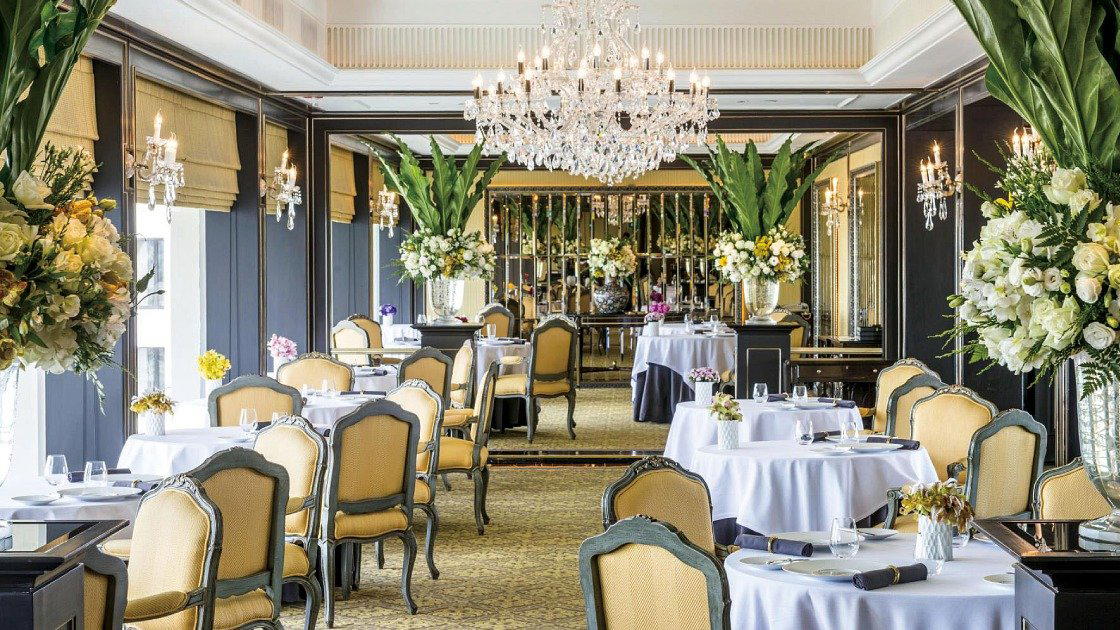
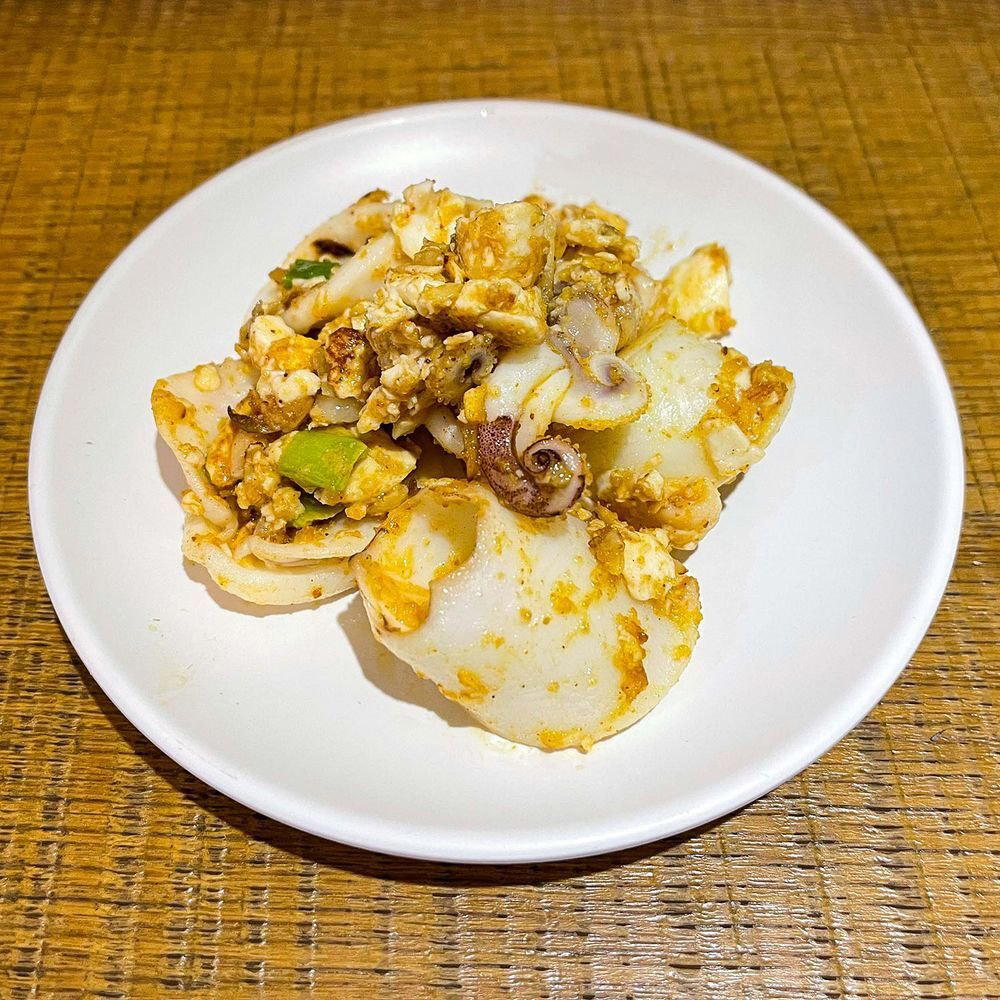
Bars in Tainan
All bars in Tainan →


Details
- Cozy
- Rustic
- Intimate
- Casual Hangout
- Family
- Solo
- Standalone
- A La Carte
Casual and bustling local eatery with simple seating, bright lighting, and an authentic Taiwanese market atmosphere.