(Gui Tian Hotel) capitalists Japanese garden restaurant serves Japanese Garden Kaiseki with garden views, a sake program, and leisurely pacing for lunch or dinner.
Pearl is the En Primeur Club membership app — saves, bookings, and concierge access live there. Same editors, same standards.
- Address
- No. 99號, Yong'an 1st St, Yongkang District, Tainan City, Taiwan 710
- Phone
- +88662434017
- Website
- tainan.queenaplaza.com
- Directions
- Get directions
 Saves & bookings on Pearl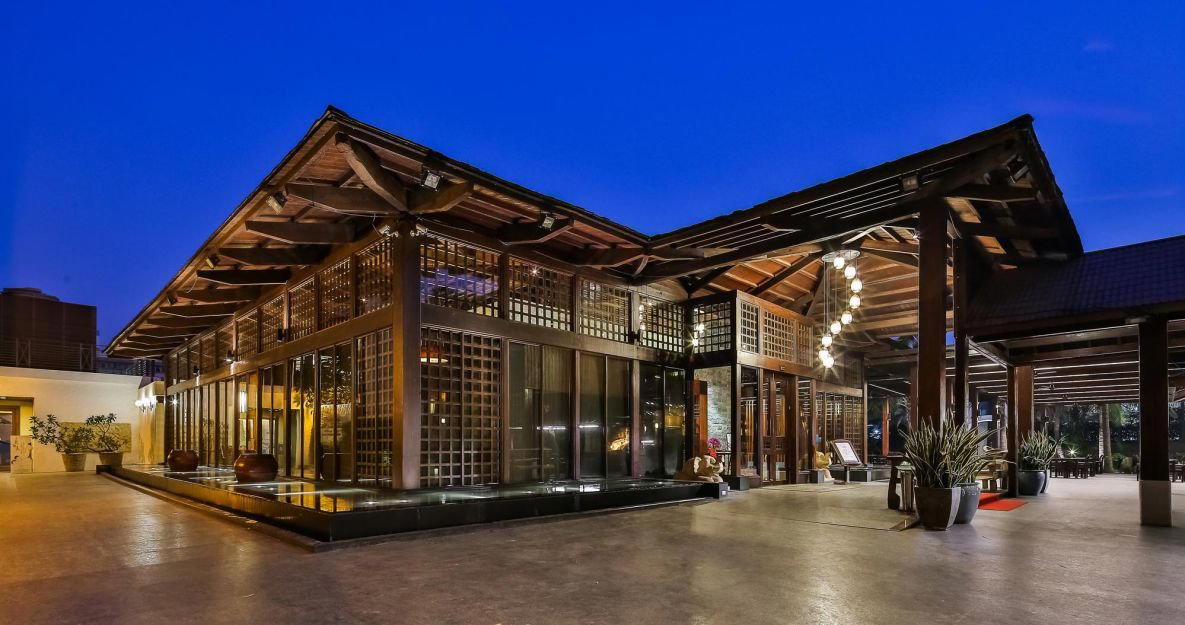
A Japanese Garden in Yongkang: Where Tainan's Dining Scene Turns Inward
Tainan is a city that wears its food culture on the street. Particularly discussed meals happen at pavement stools, inside narrow storefronts, or under fluorescent lights at stalls that have operated for generations. Gui Tian Hotel capitalists Japanese garden restaurant in Yongkang District is a Japanese Garden Kaiseki restaurant in Tainan. The address on Yong'an 1st Street places it in Yongkang District, a quieter residential and commercial corridor south of Tainan's historic core, where the density of heritage snack culture is lower and the pace shifts accordingly.
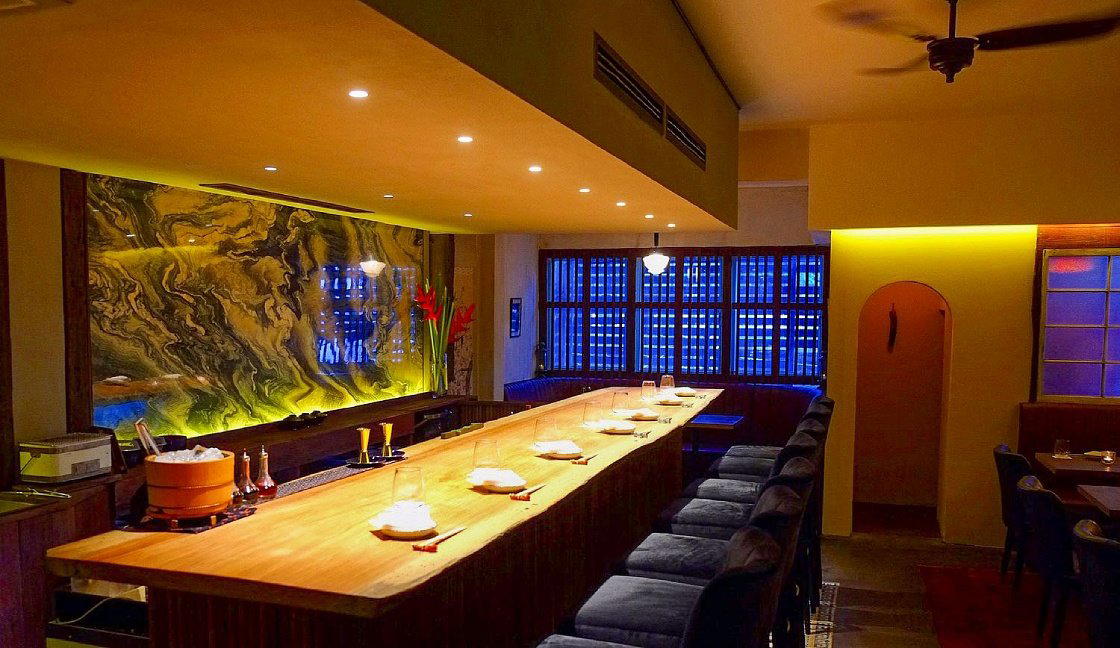
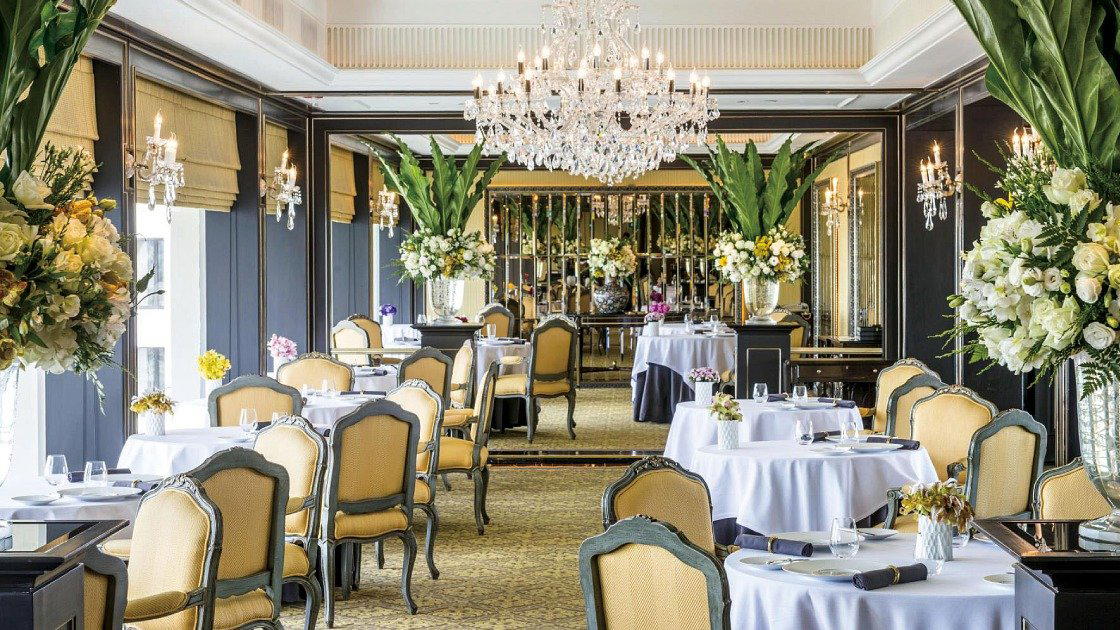
Japanese garden-style restaurant settings operate through a specific design grammar: controlled greenery, the presence of water or stone, screened sightlines that create the impression of enclosure even within an open structure, and a suppression of ambient urban noise.
The Sensory Register of a Garden Setting
The appeal of a Japanese garden restaurant lies less in any single design element than in the relationship between elements. Light filtered through canopy, the soft presence of water features, the deliberate use of natural materials: these work together to produce a sensory atmosphere that is distinct from both the casual open-air formats of Tainan's street scene and the closed, climate-controlled rooms of the city's more formal restaurants. Garden settings are inherently transitional spaces, positioned between interior and exterior, between the built and the natural.
Japanese Cuisine in Tainan's Broader Dining Context
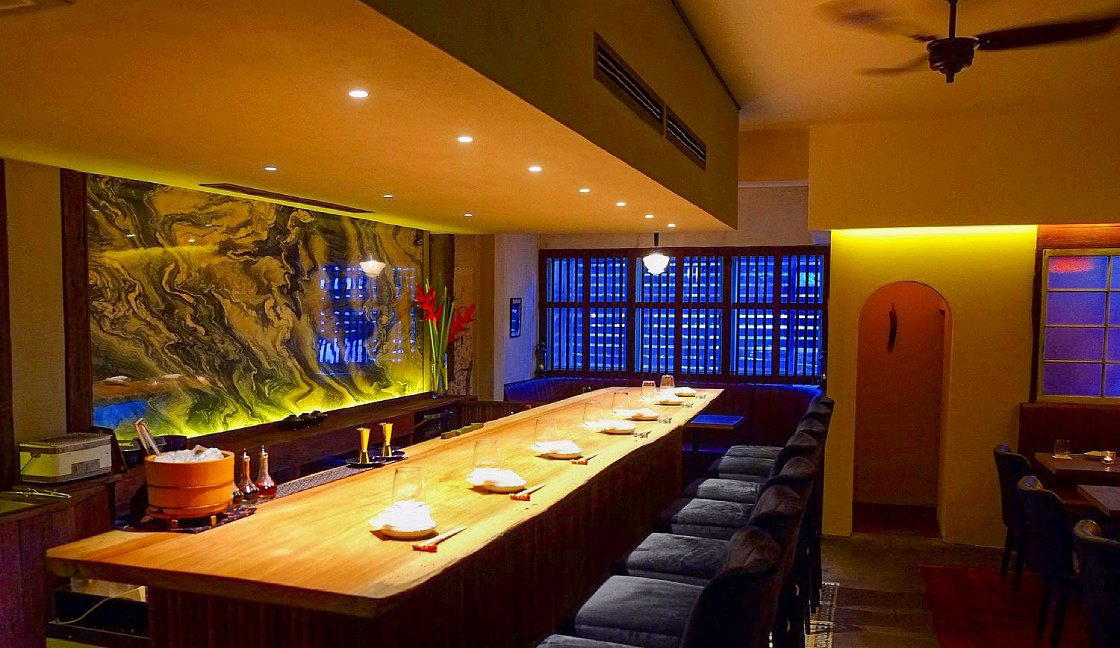
Japanese influence on Taiwanese cuisine runs deep, a legacy of the colonial period that extended from 1895 to 1945, and Tainan's dining scene reflects that history in various registers. At the street level, that influence appears in flavour sensibilities and certain ingredient traditions. At the restaurant level, Japanese cuisine in Taiwan has split into broadly distinct tiers: budget katsu and ramen operations, mid-range set-menu formats with strong bento traditions, and higher-end omakase and kaiseki-adjacent dining that competes with analogous formats in Taipei and Taichung.
Taiwan's premium Japanese dining scene has received international attention in recent years. logy in Taipei and JL Studio in Taichung represent how Taiwanese chefs have engaged with Japanese technique at the highest tier, while GEN in Kaohsiung demonstrates that premium Japanese formats are not confined to the capital. A hotel-based Japanese garden format sits within that broader trend toward experience-led dining, where setting and atmosphere carry part of the value proposition alongside the food itself.
For comparison with other garden-concept restaurant projects in Taiwan, GARDENh in Yonghe District offers a useful reference for how the garden-dining format operates at the premium end of the market in a different regional context.
Tainan's Dining Character and Where This Restaurant Fits
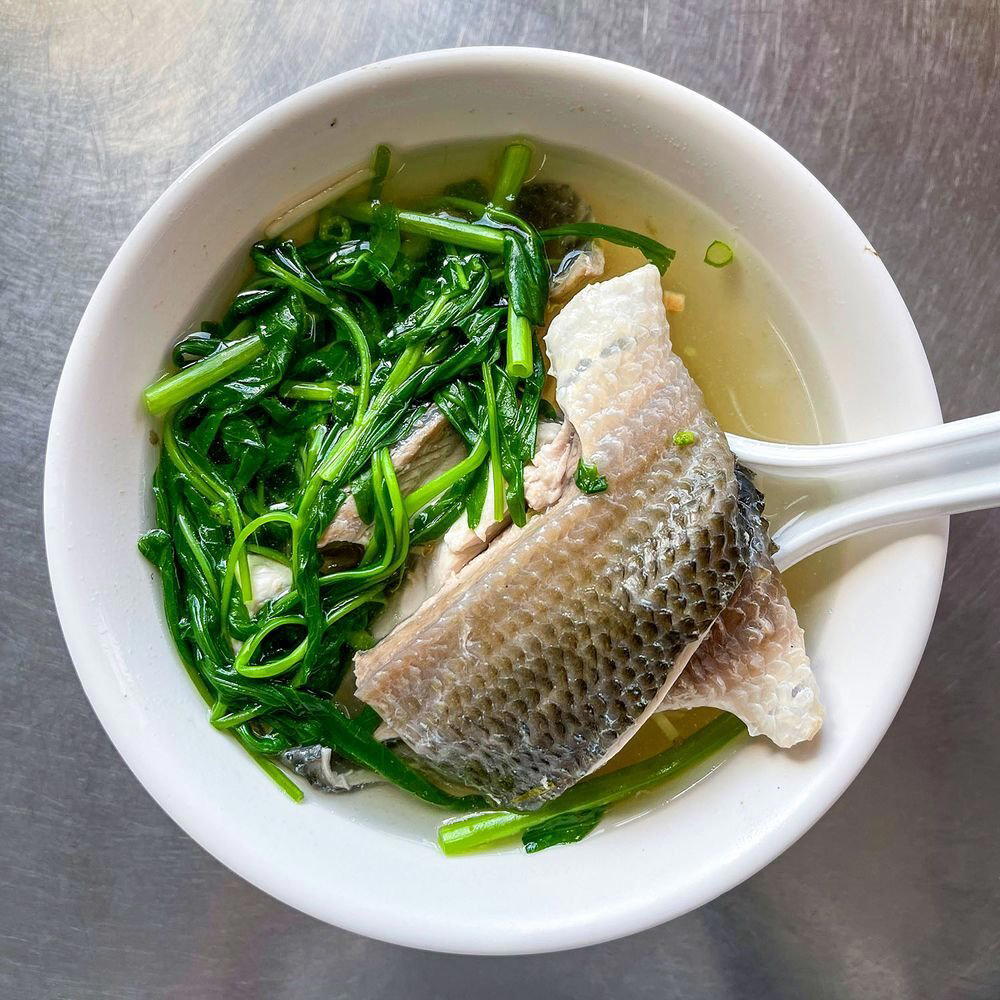
The city's food identity is built around small formats and democratic access. The venues that define Tainan's reputation nationally and internationally are places like A Cun Beef Soup, A Hai Taiwanese Oden, and A Wen Rice Cake, operations where the food is the entire proposition and the environment is secondary by design. A Hsing Congee and A Ming Zhu Xing belong to the same tradition: food-first, setting minimal.
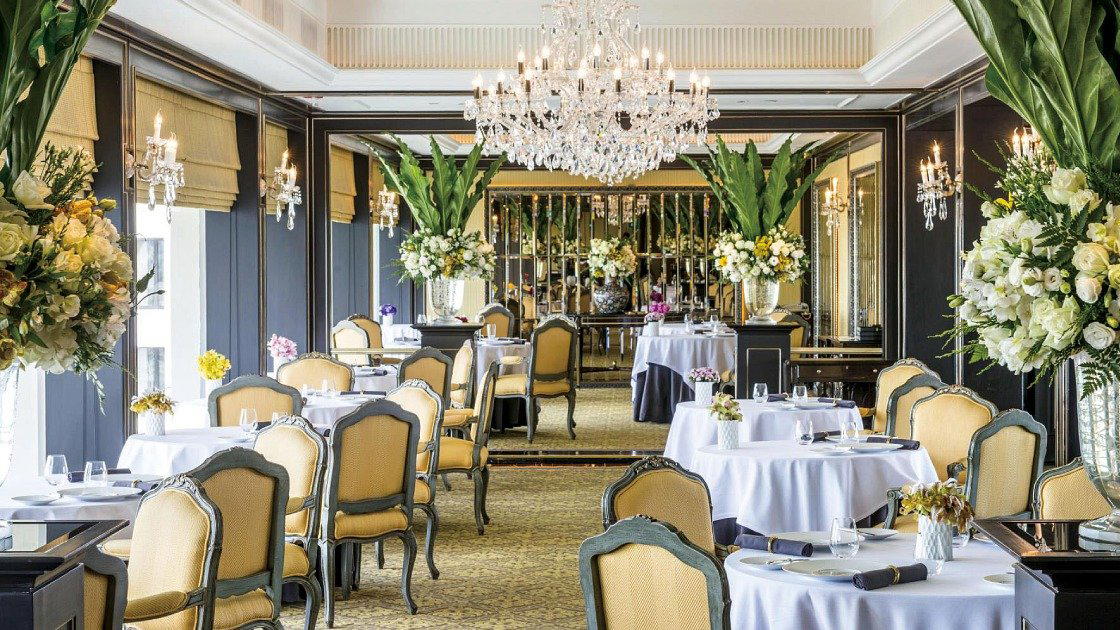
A Japanese garden restaurant in a hotel property occupies a different coordinate entirely. It trades in occasion dining, in a version of the meal where the surroundings are part of what the guest is paying for. That is not a lesser ambition than the street-food tradition, just a different one, aimed at a different decision: the business dinner, the family celebration, the visitor staying in the hotel who wants a composed experience rather than a tour of the city's stalls. Within Tainan's dining options, it represents a distinct tier, comparable in format function to a place like L'herbe at the European Contemporary end of the market, where setting and format coherence are part of the offer.
Planning a Visit
The restaurant sits within Gui Tian Hotel at No. 99, Yong'an 1st Street in Yongkang District, Tainan. Yongkang is accessible from central Tainan by taxi or rideshare in under twenty minutes depending on traffic, and the district is a practical base for visitors who prefer a quieter setting outside the historic core. Because the restaurant operates within a hotel, it tends to draw both hotel guests and local diners looking for the specific atmosphere a garden-format venue provides. Visitors travelling from other parts of Taiwan, where refined Japanese dining formats like Volcanic Rock in Zhubei City or operations in Taichung such as this Taichung restaurant set the reference point, will find the Tainan offering worth assessing on its own terms. Reservations are recommended.
Peers You’d Cross-Shop
Comparable venues nearby, for context on price, style, and recognition.
| Venue | Cuisine | Price | Notes |
|---|---|---|---|
| (Gui Tian Hotel) capitalists Japanese garden restaurantThis venue — the venue you are viewing | Japanese Garden Kaiseki | $$$ | Not listed |
| Tan Zuo Ma Li Tainan Zhonghua Branch | Japanese Yakiniku Grill | $$$ | Yongkang District |
| 好農家米糕 | Traditional Taiwanese Rice Noodle Soup | $$$ | West Central District |
| Lakeside Restaurant | Chinese Fusion Lakeside Dining | $$$ | West Central District |
| é¿è£çè涮涮é(å´å´åº)禮æä¸ äº å ¬ä¼ | Taiwanese Beef Noodle Soup | Not listed | Tainan |
| Hara Peko | French-influenced Japanese | $$$ | Snail Alley |


At a Glance
- Elegant
- Scenic
- Cozy
- Date Night
- Special Occasion
- Group Dining
- Garden
- Hotel Restaurant
- Private Dining
- Sake Program
- Garden
Current opening hours
- Monday
- 11:30 AM–2 PM, 6–9 PM
- Tuesday
- 11:30 AM–2 PM, 6–9 PM
- Wednesday
- 11:30 AM–2 PM, 6–9 PM
- Thursday
- 11:30 AM–2 PM, 6–9 PM
- Friday
- 11:30 AM–2 PM, 6–9 PM
- Saturday
- 11:30 AM–2 PM, 6–9 PM
- Sunday
- 11:30 AM–2 PM, 6–9 PM
Hours can change for holidays and private events. Last verified .
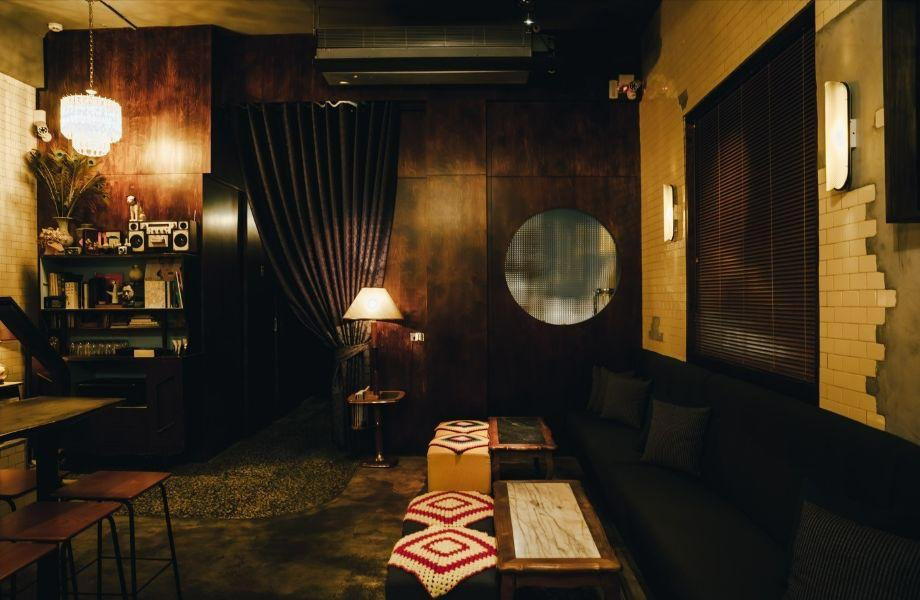
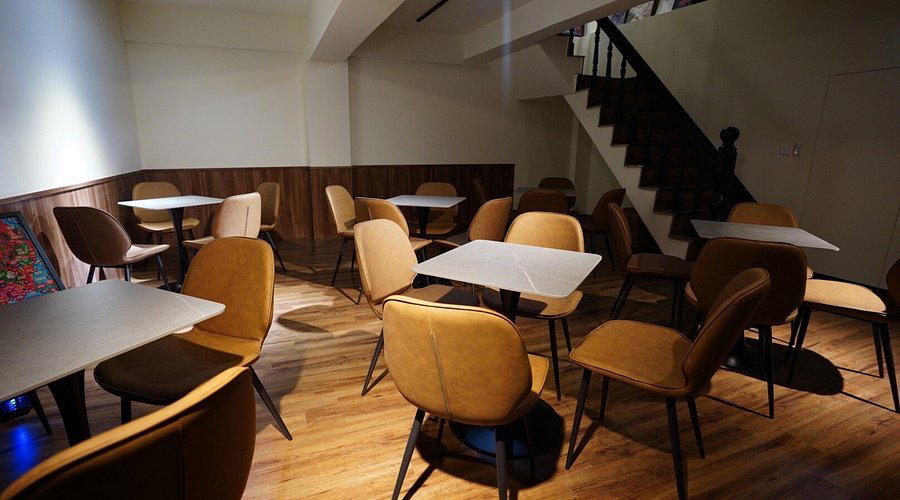
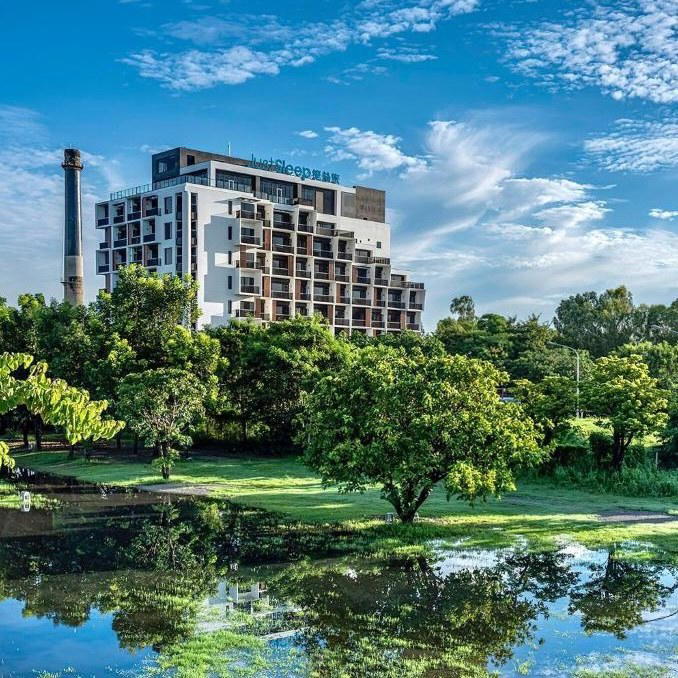
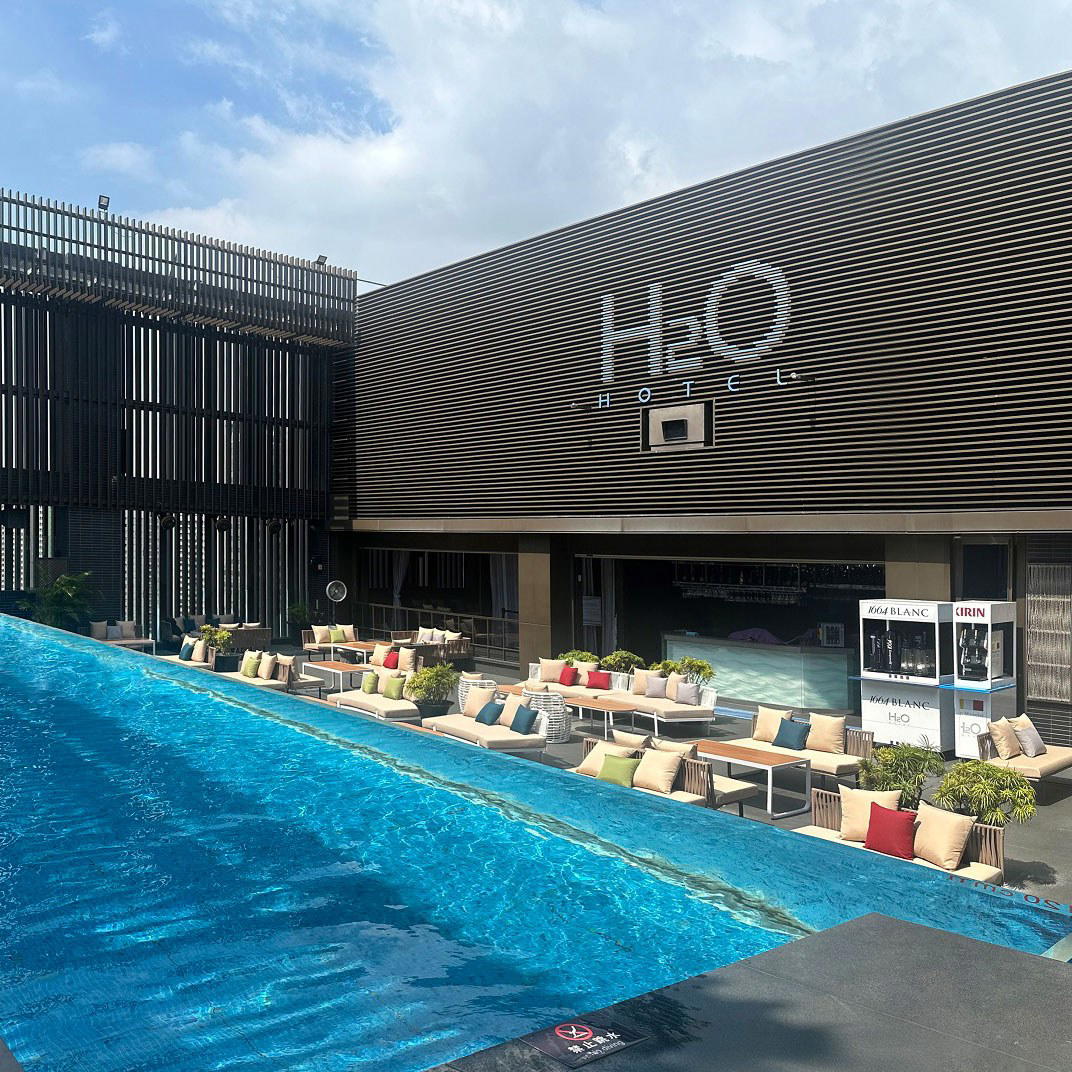
Serene garden atmosphere with elegant Japanese garden setting and attentive service.