
On Ximen Road in Tainan's South District, The Han-jia occupies a stretch of the city where traditional craft and serious ingredient sourcing have long defined the local table. Tainan's food culture rewards patience and specificity, and this address sits within that tradition. Check availability and logistics directly before visiting, as operational details are not widely published.
Pearl is the En Primeur Club membership app — saves, bookings, and concierge access live there. Same editors, same standards.
- Address
- No. 669號, Section 1, Ximen Rd, South District, Tainan City, Taiwan 702
- Phone
- +88662257669
- Website
- facebook.com
- Directions
- Get directions
 Saves & bookings on Pearl
Where Tainan's Ingredient Culture Takes Shape
Tainan has a stronger claim than any other Taiwanese city to being the country's most ingredient-conscious food destination. The argument isn't about restaurant density or award tallies, it's structural. The city's position in southern Taiwan places it within reach of some of the island's most productive agricultural zones: the tidal flats around Qigu for shellfish and milkfish, the alluvial plains of Jianan for rice and seasonal vegetables, and the fishing ports that have supplied local tables for centuries. Restaurants here, from the A Cun Beef Soup (Baoan Road) stalls that open at dawn to more composed dining rooms, tend to reflect this geography in what they serve and when. The Han-jia, at No. 669號, Section 1, Ximen Rd, South District, Tainan City, Taiwan 702, sits within this food culture rather than apart from it.
The Character of Ximen Road
Ximen Road is not Tainan's most photographed corridor, but it carries a particular kind of local authority. The South District runs at a slower register than the historic core around Chihkan Tower or the temple precincts of Anping. Streets here tend to serve residents rather than tourist circuits, which means the restaurants that endure do so on repeat local trade rather than foot traffic from visitors. That dynamic shapes what ends up on the table: sourcing tends to be habitual and seasonal rather than curated for an outside audience, and menus shift with what's actually available rather than what reads well on a printed card. Across Tainan's broader dining scene, from A Hai Taiwanese Oden to the A Hsing Congee shops that anchor early-morning routines, this kind of neighbourhood accountability has historically produced more honest cooking than the alternatives.
Ingredient Sourcing as Editorial Frame
The broader conversation about sourcing in Tainan isn't new, but it has sharpened in recent years as Taiwan's fine dining tier, represented by addresses like JL Studio in Taichung and logy in Taipei, has begun pointing more explicitly to named producers and regional specificity. Those restaurants operate at a different price tier and with a different audience, but the underlying impulse connects: Taiwanese ingredients are good enough to carry a menu without heavy intervention, and the leading cooking on the island tends to acknowledge that directly. At the neighbourhood level, this plays out less formally. A bowl of congee or a plate of oden derives its quality from the freshness of a few core components, not from technique layered on top of mediocre raw material. A Ming Zhu Xing (Baoan Road) is a useful reference point for how small-format Tainan dining keeps sourcing implicit but central.
For contrast within Taiwan's broader scene, the approach taken at restaurants like GEN in Kaohsiung shows how the island's southern food traditions can be reframed for a more composed format without abandoning their ingredient logic. The Han-jia's positioning on Ximen Road places it in a different register, rooted in the daily rather than the ceremonial, but the same sourcing geography applies.
Tainan at the Table: Context and Comparison
Understanding where any Tainan restaurant sits requires some map-reading. The city's food culture is stratified less by price than by format and occasion. At one end, dawn markets and single-dish specialists like the beef soup houses represent Tainan at its most compressed: a single ingredient, a single technique, refined over decades. At the other, newer wave restaurants have begun to engage with that tradition from a more composed position. The Gui Tian Hotel Capitalists Japanese Garden Restaurant represents the crossover point where local setting meets more considered plating. Internationally, the appetite for this kind of rigorous ingredient-led cooking is reflected in the continued recognition of places like Le Bernardin in New York City, where sourcing and precision define the proposition, and Atomix in New York City, where Korean ingredient culture has been brought into a high-attention format. The Han-jia operates in a more local key, but the underlying logic, that what you source determines what you can cook, is consistent across these different contexts.
Elsewhere on the island, Golden Formosa Taiwanese Cuisine in Shilin and Good Good Hainan Chicken Rice in Xinyi each show how ingredient specificity travels across format and geography within Taiwanese cooking broadly. The GARDENh in Yonghe District takes a different approach again, using controlled sourcing within a more structured setting.
Planning a Visit to The Han-jia
The address, No. 669, Section 1, Ximen Road, South District, Tainan City 702, is direct to reach from central Tainan by taxi or scooter, with the South District sitting a short distance from the historic core. Tainan's food scene generally rewards early visits: the city's most active meal periods are breakfast and lunch, with dinner often quieter across neighbourhood restaurants compared to Taipei or Kaohsiung. Confirming hours and availability in advance is advisable. The restaurant is priced at about $35 per person. Dress is smart casual.
In Context: Similar Options
Comparable venues nearby, for context on price, style, and recognition.
| Venue | Cuisine | Price | Notes |
|---|---|---|---|
| The Han-jiaThis venue — the venue you are viewing | Modern Cocktail Pairing with European Tapas | $$$ | Not listed |
| 川泰號虱目魚丸 | other | $$ | Tainan |
| 好農家米糕 | Traditional Taiwanese Rice Noodle Soup | $$$ | West Central District |
| Tan Zuo Ma Li Tainan Zhonghua Branch | Japanese Yakiniku Grill | $$$ | Yongkang District |
| Mao Fun Hot Pot | Taiwanese Hot Pot | $$ | East District |
| Guo Hua Street Minced Pork Rice | Taiwanese Minced Pork Rice | $$ | Guohua Street |
Recognition history
Dated appearances from independent guides and award organizations, with the underlying list record or original source where available.
World's 50 Best Asia's Best Bars #59
World's 50 Best
World's 50 Best Asia's Best Bars #79
World's 50 Best
At a Glance
- Elegant
- Sophisticated
- Industrial
- Date Night
- Special Occasion
- Private Dining
- Craft Cocktails
- Sake Program
Current opening hours
- Monday
- 6 PM–12 AM
- Tuesday
- 6 PM–12 AM
- Wednesday
- 6 PM–12 AM
- Thursday
- 6 PM–12 AM
- Friday
- 6 PM–1 AM
- Saturday
- 6 PM–1 AM
- Sunday
- 6 PM–12 AM
Hours can change for holidays and private events. Last verified .
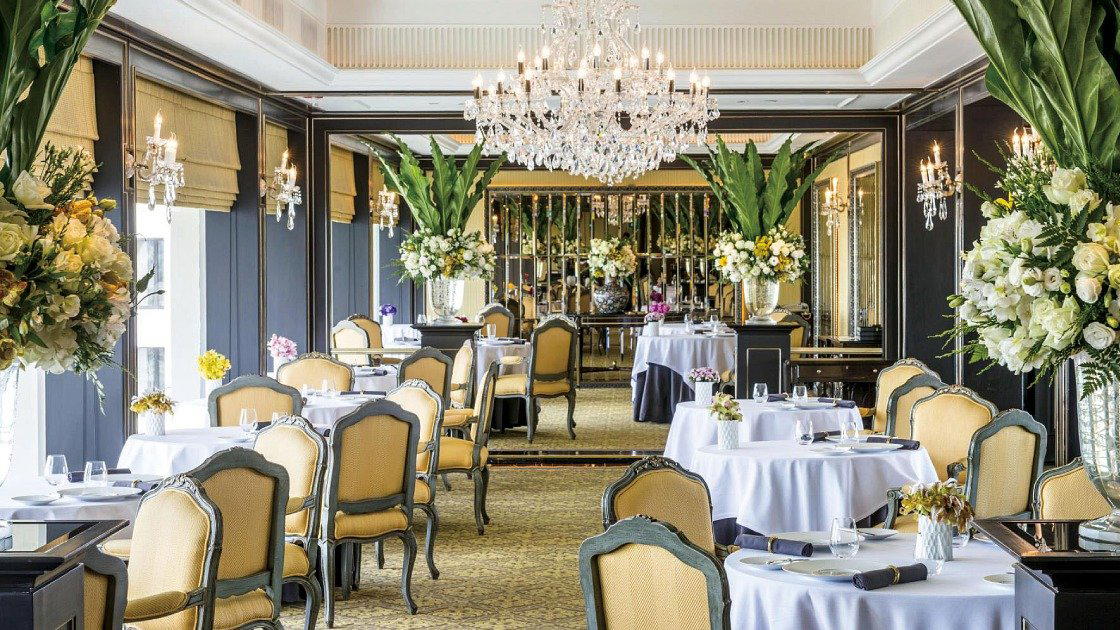
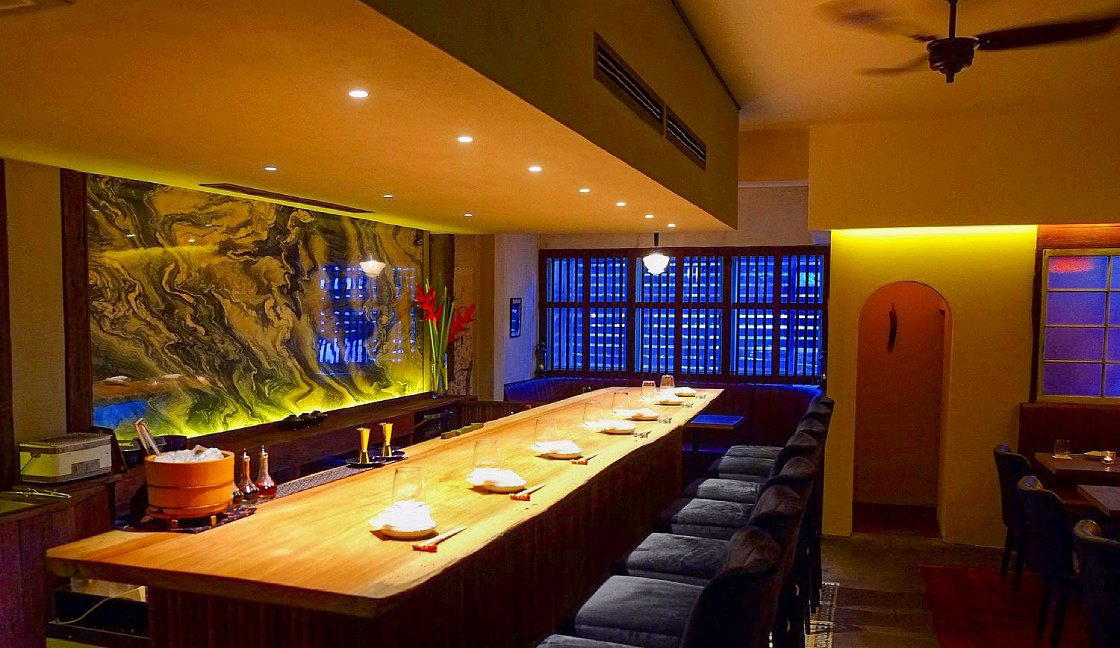
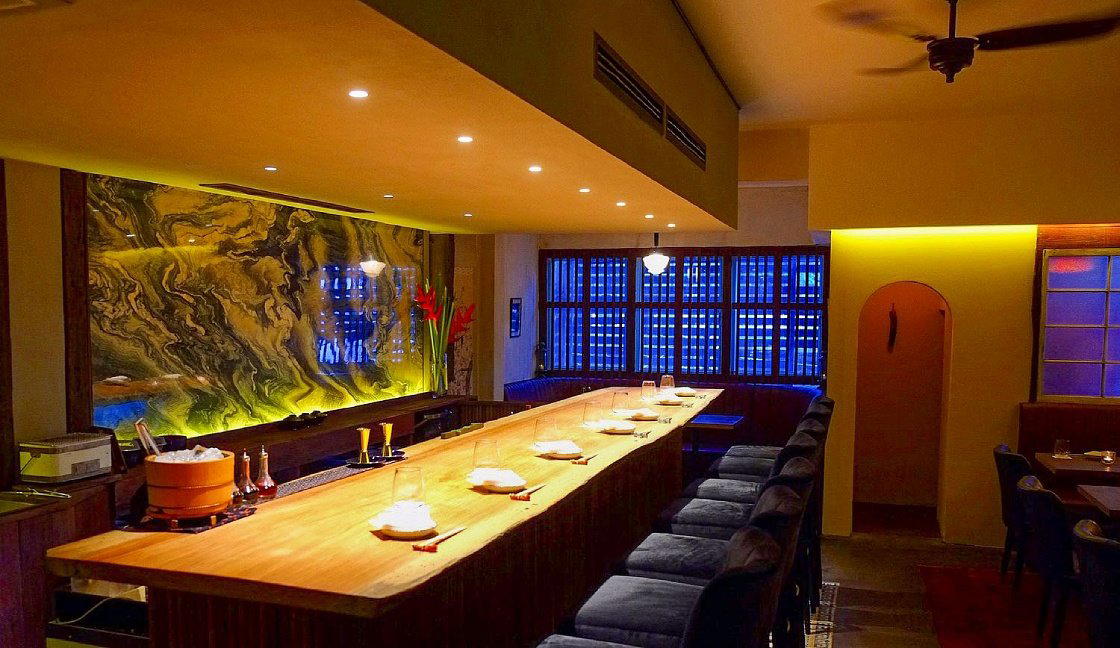
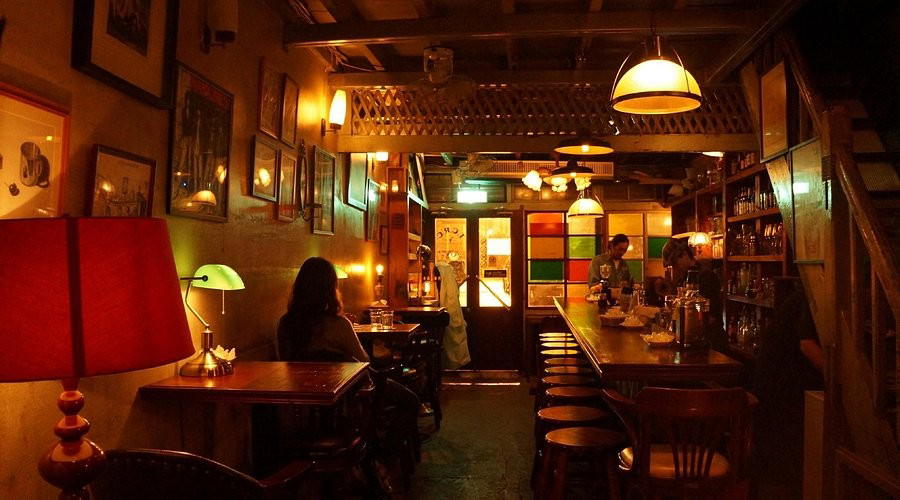
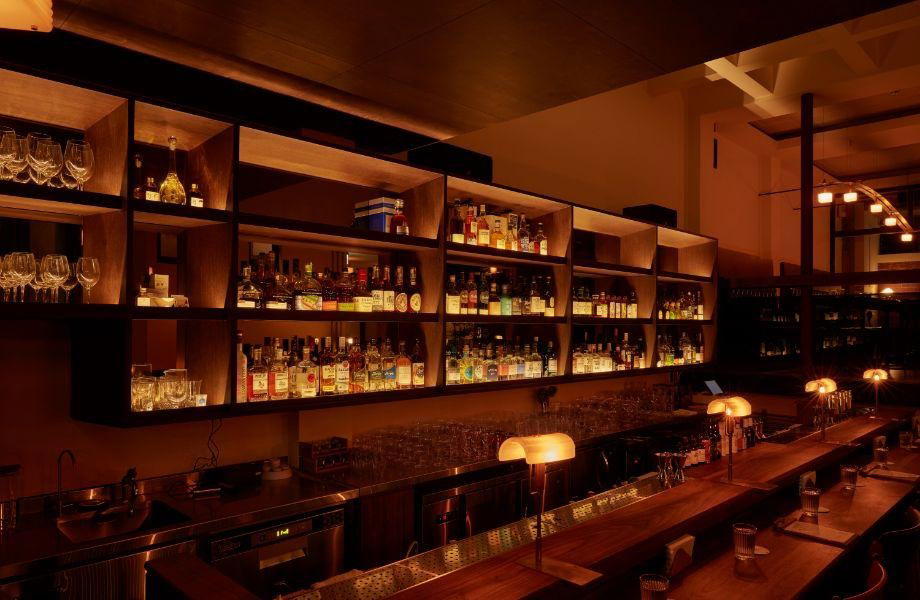
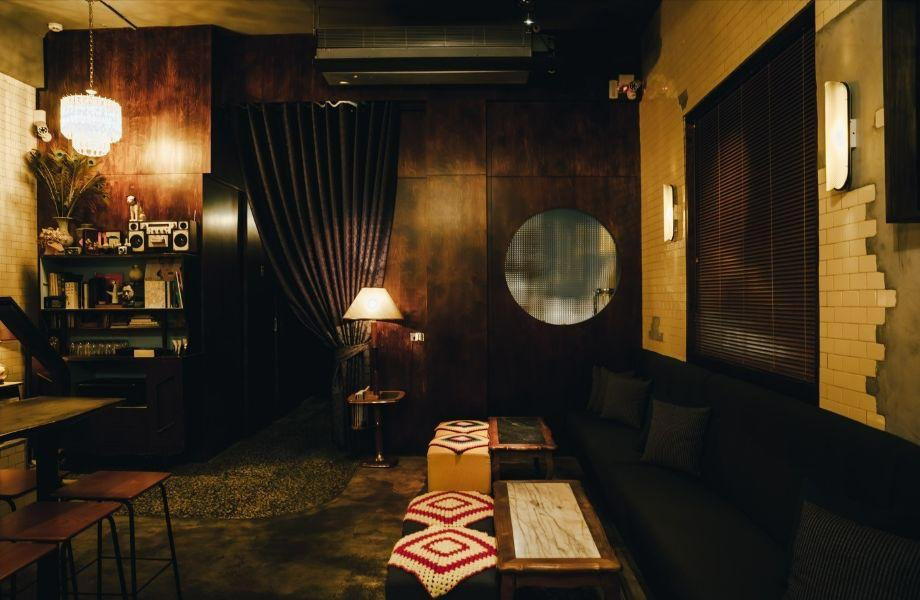
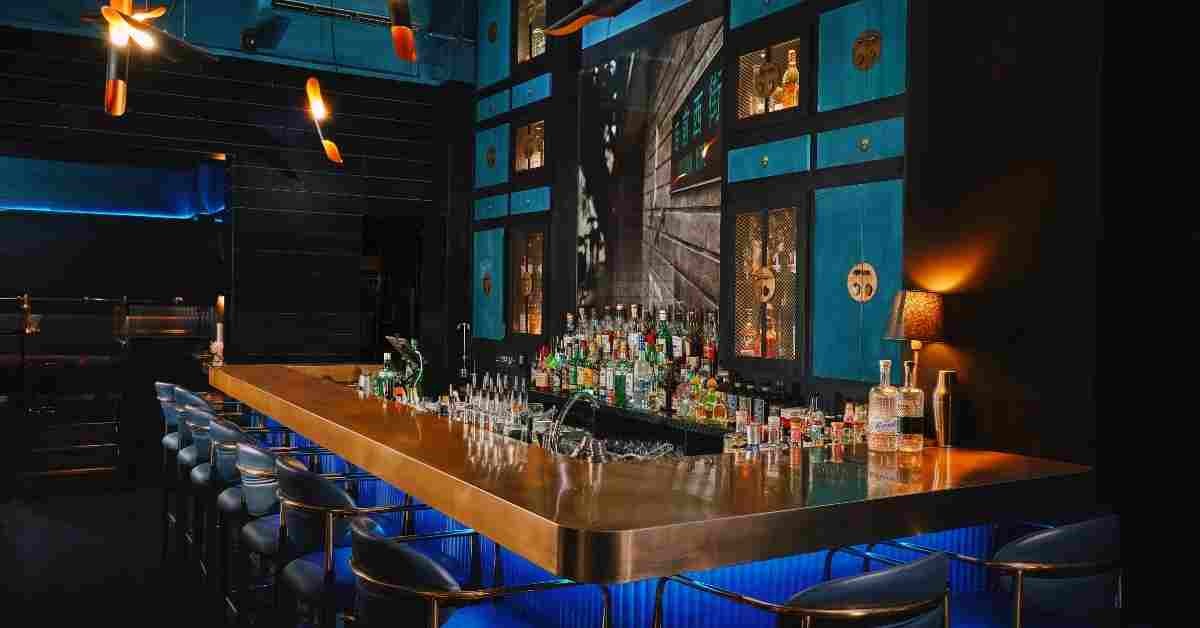
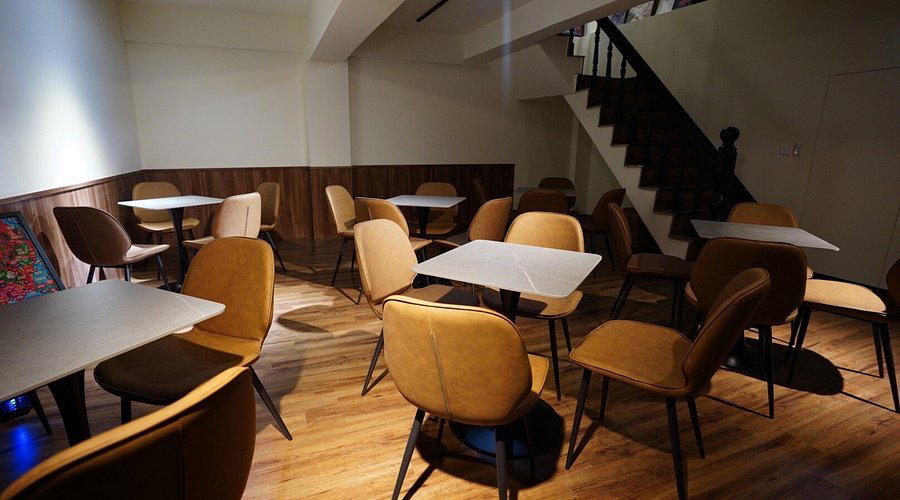
Luxurious and spacious with high ceilings, exposed brick, velvet banquettes, and crystal chandeliers, well-lit for a sophisticated atmosphere.