C Comme operates in the Franco-Belgian middle ground that defines Mouscron's dining identity, sitting at Rue Julien Mullie 3 in a town minutes from the French border. The address belongs to a register of Belgian kitchens where sourcing discipline and classical technique carry more weight than spectacle. For the broader Mouscron scene, the EP Club city guide maps the full competitive set.
Pearl is the En Primeur Club membership app — saves, bookings, and concierge access live there. Same editors, same standards.
- Address
- Rue Julien Mullie 3, 7711 Mouscron, Belgium
- Phone
- +32498548406
- Website
- chocolaterie-c-comme.be
- Directions
- Get directions
 Saves & bookings on Pearl
Mouscron's Quiet Dining Register
Rue Julien Mullie cuts through a residential quarter of Mouscron with little to announce itself. That restraint is, in a sense, the point. Belgian dining at its most considered has long operated this way: away from the self-promotion of capital-city addresses, in towns where a kitchen's reputation travels by word of mouth rather than press release. C Comme sits at number 3 on that street, and the address alone tells you something about the tier of dining that Mouscron, positioned at Belgium's Franco-Flemish border, quietly sustains.
Mouscron occupies a particular geography that shapes what ends up on the plate across its better kitchens. The town sits minutes from the French border, close enough that the sourcing logic of northern French producers filters into local menus, yet firmly within the Belgian tradition of allowing the ingredient to lead without theatrical intervention. The result, across the restaurants that have earned local loyalty here, is food that reads as Franco-Belgian in character: technically grounded, regionally anchored, without the self-conscious reinvention that defines larger urban scenes.
The Case for Ingredient-Led Cooking in Border Country
The Franco-Belgian border corridor has always been an interesting sourcing zone. Producers on both sides supply into the same regional kitchens, and the blurring of national culinary identity that results is less a compromise than a genuine third register. Kitchens in this corridor draw from Flemish vegetable growing traditions, French artisan cheesemaking, and the shared fishing heritage of the Channel coast without needing to declare an allegiance to either national canon.
At the level of a small address like C Comme, that sourcing logic matters more than in a larger operation. In a compact kitchen, every supplier relationship is visible on the plate. There is no volume purchasing to obscure origin; what comes in shapes what goes out. This is the underlying logic of ingredient-led cooking in smaller Belgian towns, and it places C Comme within a wider pattern visible across the country's most seriously regarded mid-scale addresses. Venues like Willem Hiele in Oudenburg and La Durée in Izegem operate with similar sourcing discipline, building menus around what the region produces rather than what a global supply chain can deliver on demand.
Where C Comme Sits in the Belgian Dining Picture
Belgium's serious restaurant scene has consolidated at a high level in recent years. Addresses like Hof van Cleve in Kruishoutem, Boury in Roeselare, and Zilte in Antwerp occupy the upper tier of the national scene with sustained recognition and defined creative identities. Below that, a second layer of addresses operates with genuine culinary seriousness but without the infrastructure of a major city or the marketing apparatus of an internationally recognized name. This is where the restaurant belongs, alongside addresses such as Vrijmoed in Gent, d'Eugénie à Emilie in Baudour, and Ralf Berendsen in Neerharen: kitchens that earn loyalty through consistency and sourcing rather than spectacle.
Within Mouscron specifically, the restaurant shares the dining conversation with Au Petit Château, which holds closer to the classic French register, and le Vugo, which leans into a more contemporary idiom. The restaurant's position between those two poles, if the name's French syntax is any guide, suggests an address comfortable in the Franco-Belgian middle ground that defines the town's broader dining identity. For a fuller read on the Mouscron scene, the EP Club Mouscron restaurants guide maps the full competitive set.
The contrast with larger Belgian cities is instructive. Bozar Restaurant in Brussels and Le Chalet de la Forêt in Uccle operate in environments where dining is partly an act of cultural visibility. In Mouscron, no such pressure applies. The dining here is functional in the leading sense: it exists because the town's residents and visitors want to eat well, not because a media ecosystem demands content. That context tends to produce more honest cooking.
The Franco-Belgian Tradition and What It Demands of a Kitchen
Cooking in this tradition is less forgiving than it appears. A braised preparation or a direct fish course reveals the kitchen's relationship with its suppliers and its command of heat and timing far more directly than an elaborate composed plate. Addresses that operate in this mode, from La Table de Maxime in Our to De Jonkman in Sint-Kruis, understand that the register they work in leaves nowhere to hide.
The comparison with internationally recognized French-influenced kitchens is also worth making. Le Bernardin in New York City and Lazy Bear in San Francisco represent what happens when this tradition of ingredient primacy scales up and acquires global recognition. The underlying logic, that what you source determines what you can cook, is the same. The difference is context, audience, and the economic model that surrounds the kitchen. In Mouscron, that model is local, relatively modest in scale, and more directly accountable to a repeat-visitor clientele than to international reviewers. That accountability is, in practice, a discipline of its own. Also worth noting in the Belgian creative space: Cuchara in Lommel demonstrates how far the modern European register can stretch without losing its regional anchor, a useful reference point for understanding where kitchens like C Comme position themselves on the spectrum between tradition and invention.
Planning a Visit
The restaurant is located at Rue Julien Mullie 3 in Mouscron, reachable by road from Lille in under twenty minutes and from Ghent or Bruges within an hour. Mouscron is served by rail connections to Kortrijk, which links to the broader Belgian network.
Comparable Spots, Quickly
Comparable venues nearby, for context on price, style, and recognition.
| Venue | Cuisine | Price | Awards | Notes |
|---|---|---|---|---|
| C CommeThis venue — the venue you are viewing | Artisanal Chocolaterie | $ | Not listed | Not listed |
| le Vugo | Modern French Fine Dining | $$$$ | Michelin Plate | Mouscron |
| Au Petit Château | Classic French Bistro | $$$ | Bib Gourmand | Mouscron |
| Jann Chocolates | Funky Artisan Chocolates | $ | Not listed | Maldegem |
| The Cacao Tree | Belgian Chocolatier | $ | Not listed | Sint-Genesius-Rode |
| Atelier Rosa | Artisanal Belgian Chocolatier | $ | Not listed | Menen |


At a Glance
- Cozy
- Intimate
- Casual Hangout
- Standalone
- Local Sourcing
Current opening hours
- Monday
- 2–6 PM
- Tuesday
- 2–6 PM
- Wednesday
- Closed
- Thursday
- 10 AM–12:30 PM, 2–6 PM
- Friday
- 10 AM–12:30 PM, 2–6 PM
- Saturday
- 10 AM–12:30 PM, 2–6 PM
- Sunday
- Closed
Hours can change for holidays and private events. Last verified .
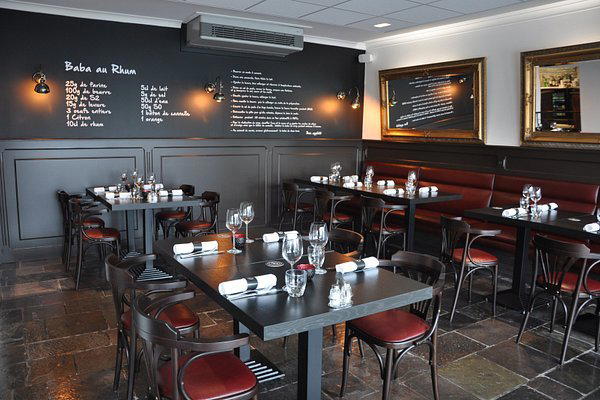
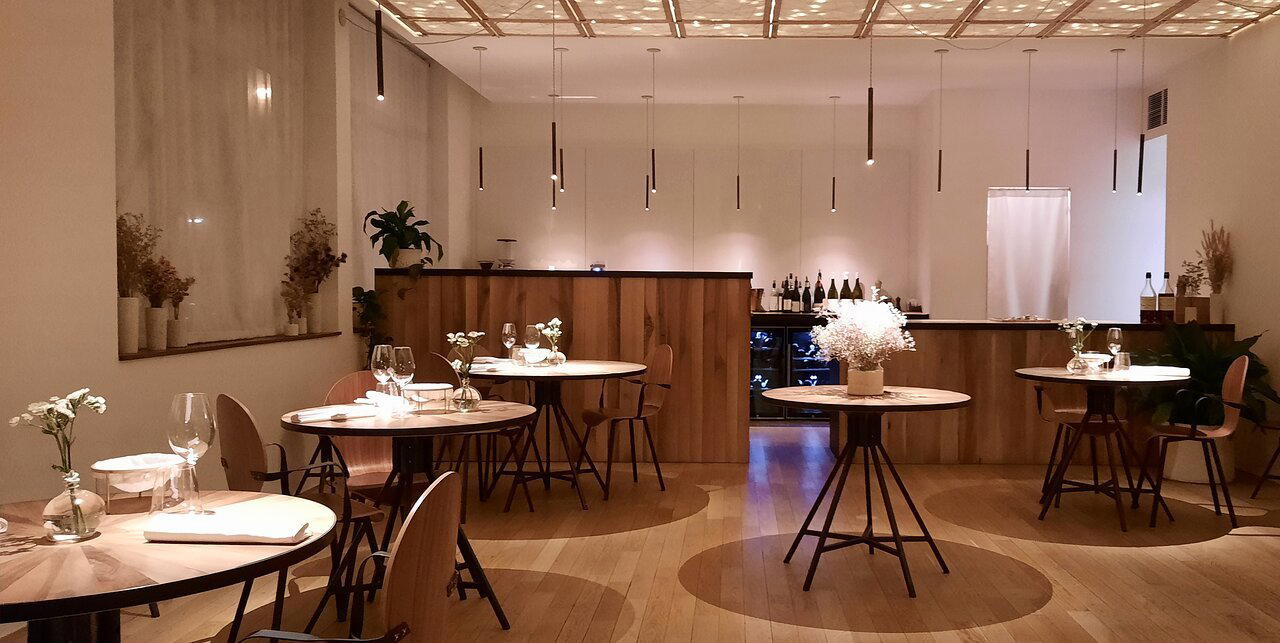
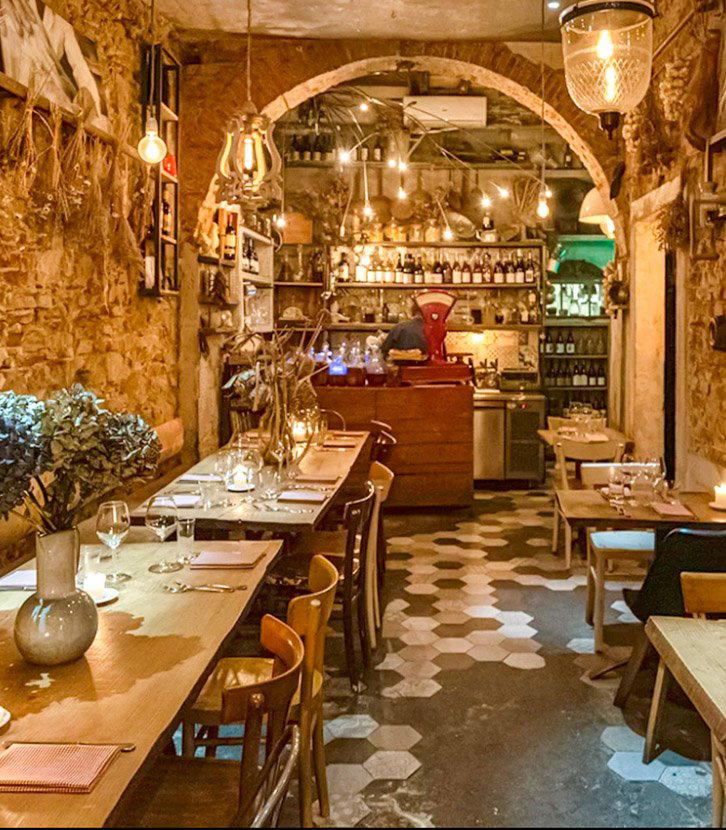
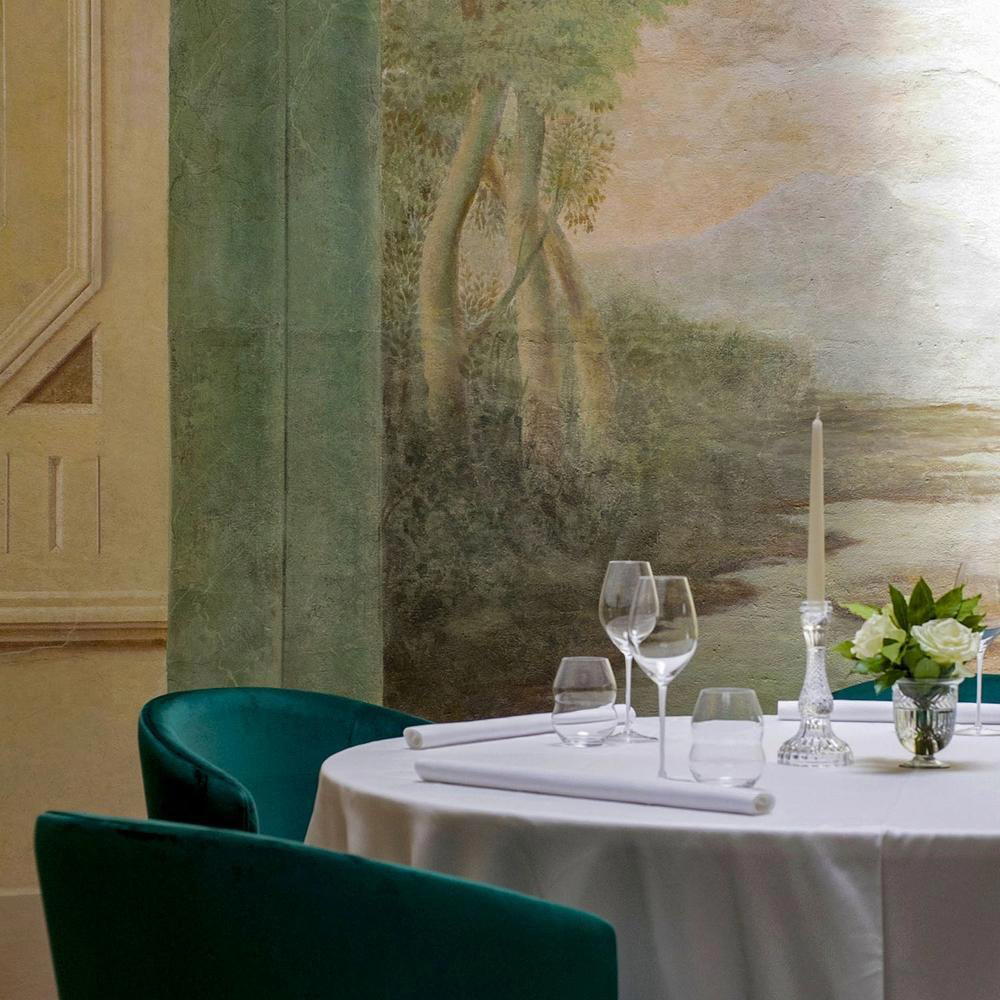
Cozy boutique atmosphere with welcoming service and view into the on-site workshop.