The Cacao Tree
The Cacao Tree sits on Zoniënwoudlaan in Sint-Genesius-Rode, a quiet commune at the edge of the Sonian Forest south of Brussels. The name signals a chocolate-forward identity in a country where cacao culture carries serious culinary weight. Limited public information means advance research and direct contact are advisable before visiting.
Pearl is the En Primeur Club membership app — saves, bookings, and concierge access live there. Same editors, same standards.
- Address
- Zoniënwoudlaan 363, 1640 Sint-Genesius-Rode, Belgium
- Phone
- +3223581384
- Website
- thecacaotree.be
- Directions
- Get directions
 Saves & bookings on Pearl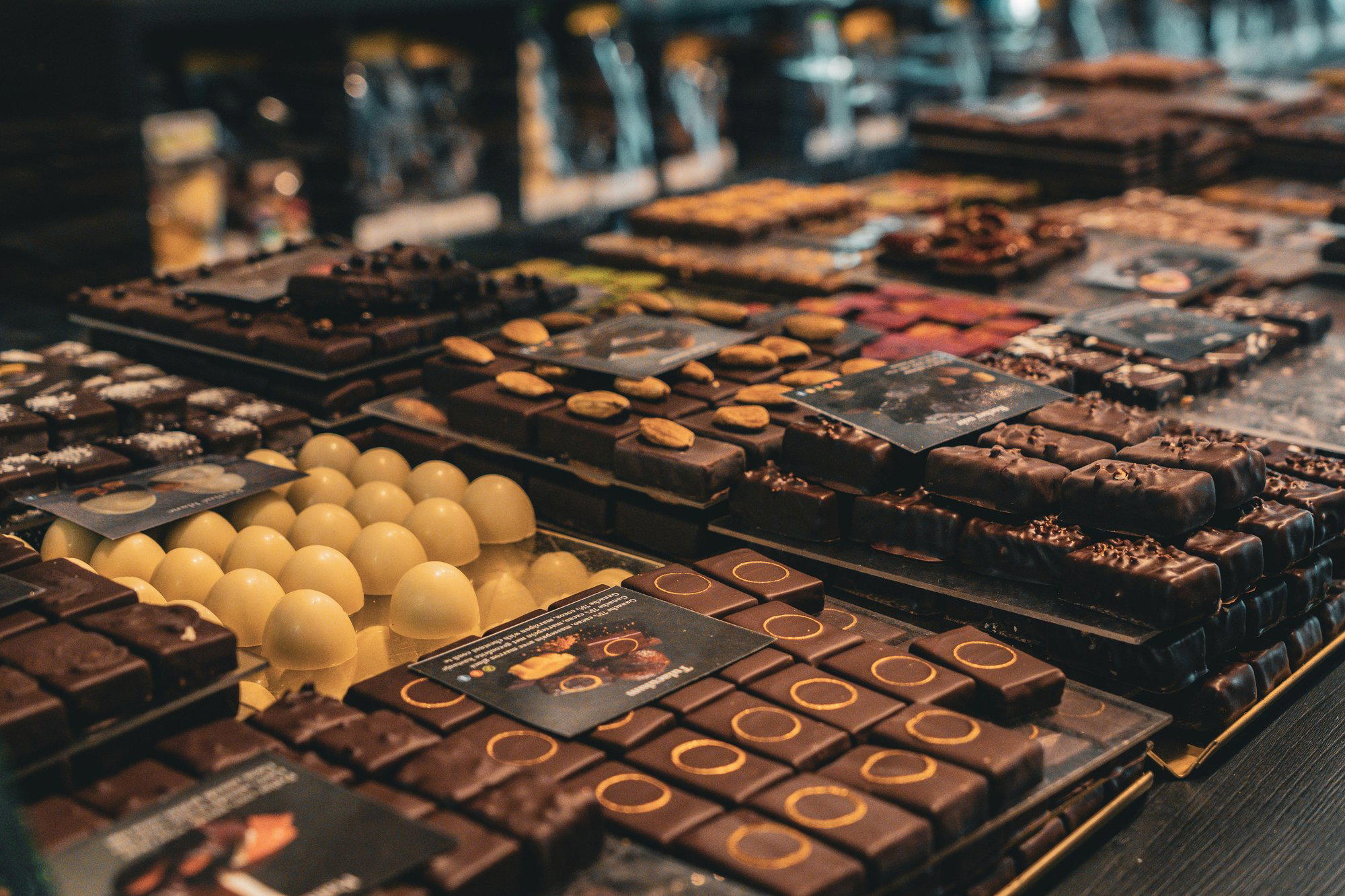
Where the Sonian Forest Meets Belgian Cacao Culture
The Cacao Tree is a Belgian Chocolatier in Sint-Genesius-Rode, Belgium, at Zoniënwoudlaan 363. The commune sits at the southern edge of the Sonian Forest, a UNESCO-recognised beech forest that gives the area a quieter register than the city it borders. Restaurants here operate in a different register from the Brussels circuit, closer in spirit to the destination-dining model that defines rural Belgian gastronomy than to the urban tasting-menu format.
The Cacao Tree, at Zoniënwoudlaan 363, takes its address from the forest road itself, placing it squarely in this woodland-adjacent corridor. The name points immediately toward Belgian cacao culture, a tradition with genuine historical and commercial depth. Belgium's relationship with chocolate is not merely a tourism talking point: the country's praline tradition, codified in the late nineteenth century, and its position as one of the world's leading chocolate processors have made cacao literacy a baseline expectation for serious confiseurs and pastry-focused establishments. A venue built around that identity in a forest-edge commune south of Brussels occupies a specific cultural niche, one that sits apart from the grand-café tradition of the city centre and the haute cuisine circuits represented by addresses like Bozar Restaurant in Brussels.
The Cacao Tradition in Belgian Context
Belgium's cacao identity is worth understanding on its own terms before arriving at any establishment that claims it as a central concept. The country's chocolate culture divides broadly into two streams: the industrial and export-oriented, dominated by large manufacturers, and the artisanal, where small producers and specialist addresses work with single-origin beans, precise tempering techniques, and flavour combinations rooted in French-Belgian pastry tradition. The artisanal stream has accelerated over the past two decades, partly in response to the bean-to-bar movement originating in the United States and Scandinavia, and partly through the continued influence of Belgian pastry training, which remains among the more technically demanding in Europe.
Addresses in this space, whether chocolate shops, patisseries, or dining establishments with a cacao focus, tend to be evaluated on sourcing transparency, technical execution, and the degree to which cacao functions as a genuine culinary language rather than a branding device. In Belgian fine dining more broadly, dessert and chocolate courses carry disproportionate weight in critical assessment, a tendency visible in the programmes of celebrated kitchens across the country. The multi-awarded dining rooms of Belgium, from Hof van Cleve in Kruishoutem to Boury in Roeselare and Zilte in Antwerp, all treat the chocolate and petit four sequence as a statement of technical ambition, not an afterthought.
Dining in Sint-Genesius-Rode: The Wider Scene
The commune's restaurant offering is modest in volume but varied in style. Yijiangnan represents the Chinese dining option in the area at an accessible price point, while Chez Eddy and marlu fill out the local dining picture with their own formats. The result is a commune where individual establishments carry more weight than in a denser urban market, and where a specialist address with a defined identity can anchor a deliberate visit rather than competing for attention on a busy dining street.
Belgian provincial and peri-urban dining has produced some of the country's most discussed addresses in recent years. Willem Hiele in Oudenburg, Bartholomeus in Heist, and De Jonkman in Sint-Kruis demonstrate that the Belgian critical conversation is not exclusively centred on major cities. Rural and peri-urban locations, often with stronger connections to local ingredient sourcing and a lower cost base than city-centre properties, have consistently attracted serious attention. Addresses like L'air du temps in Liernu and La Table de Maxime in Our reinforce the pattern. Sint-Genesius-Rode, with its proximity to Brussels and its forest-road setting, fits the geography of this trend without yet registering in the same critical tier.
Planning a Visit
Practical information for The Cacao Tree is simple enough: it is walk-in friendly and open Mon: 2-6:30 PM; Tue-Sat: 9:30 AM-6:30 PM; Sun: Closed. The address, Zoniënwoudlaan 363, 1640 Sint-Genesius-Rode, places the venue on the main forest road running through the commune, accessible by car from Brussels in well under thirty minutes and reachable by local public transport connections from the capital.
For those building a broader Belgian itinerary, the Walloon addresses d'Eugénie à Emilie in Baudour and La Durée in Izegem, alongside Flemish options like Castor in Beveren, offer points of comparison across the country's dining registers. At the international end of the spectrum, the technical ambition visible at addresses like Le Bernardin in New York City and Atomix in New York City demonstrates how specialist focus, applied with consistency, defines a dining identity across formats and geographies.
Price and Positioning
Comparable venues nearby, for context on price, style, and recognition.
| Venue | Cuisine | Price | Awards | Notes |
|---|---|---|---|---|
| The Cacao TreeThis venue — the venue you are viewing | Sint-Genesius-Rode, Belgian Chocolatier | $ | Not listed | Not listed |
| Chez Eddy | Not listed | $$ | Not listed | Rhode-Saint-Genese, Traditional Belgian Brasserie |
| marlu | Not listed | $$$ | Not listed | Rhode-Saint-Genèse, Modern French Neo-Bistro |
| Yijiangnan | Chinese | $$ | Michelin Plate | Not listed |
| The Cacao Tree | Sint Pieters Leeuw, Belgian Chocolatier | $ | Not listed | Not listed |
| Lornoy | Centrum, Chocolaterie & Desserts | $ | Not listed | Not listed |
Continue exploring
More in Sint Genesius Rode
Restaurants in Sint Genesius Rode
Browse all →
Bars in Sint Genesius Rode
Browse all →
At a Glance
- Cozy
- Classic
- Casual Hangout
- Local Sourcing
Current opening hours
- Monday
- 2–6:30 PM
- Tuesday
- 9:30 AM–6:30 PM
- Wednesday
- 9:30 AM–6:30 PM
- Thursday
- 9:30 AM–6:30 PM
- Friday
- 9:30 AM–6:30 PM
- Saturday
- 9:30 AM–6:30 PM
- Sunday
- Closed
Hours can change for holidays and private events. Last verified .
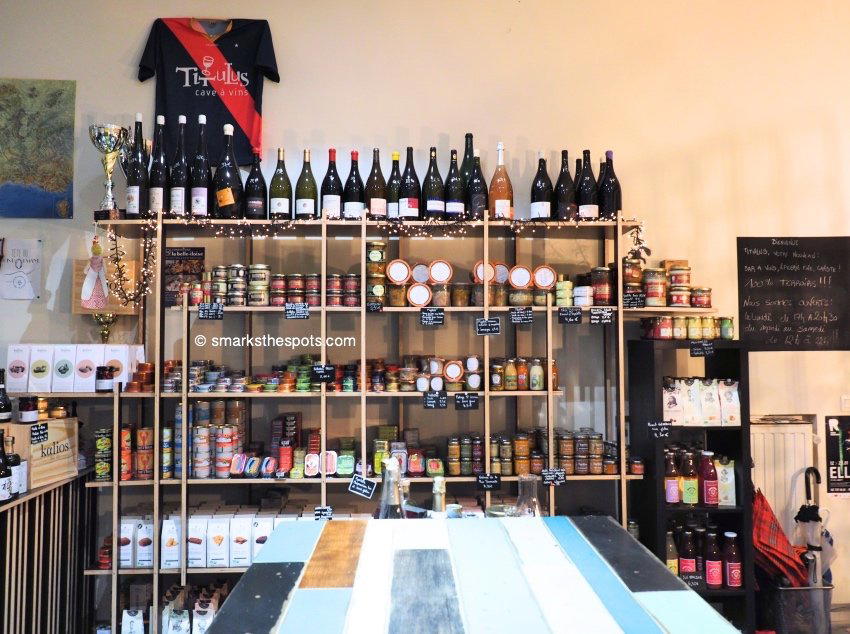
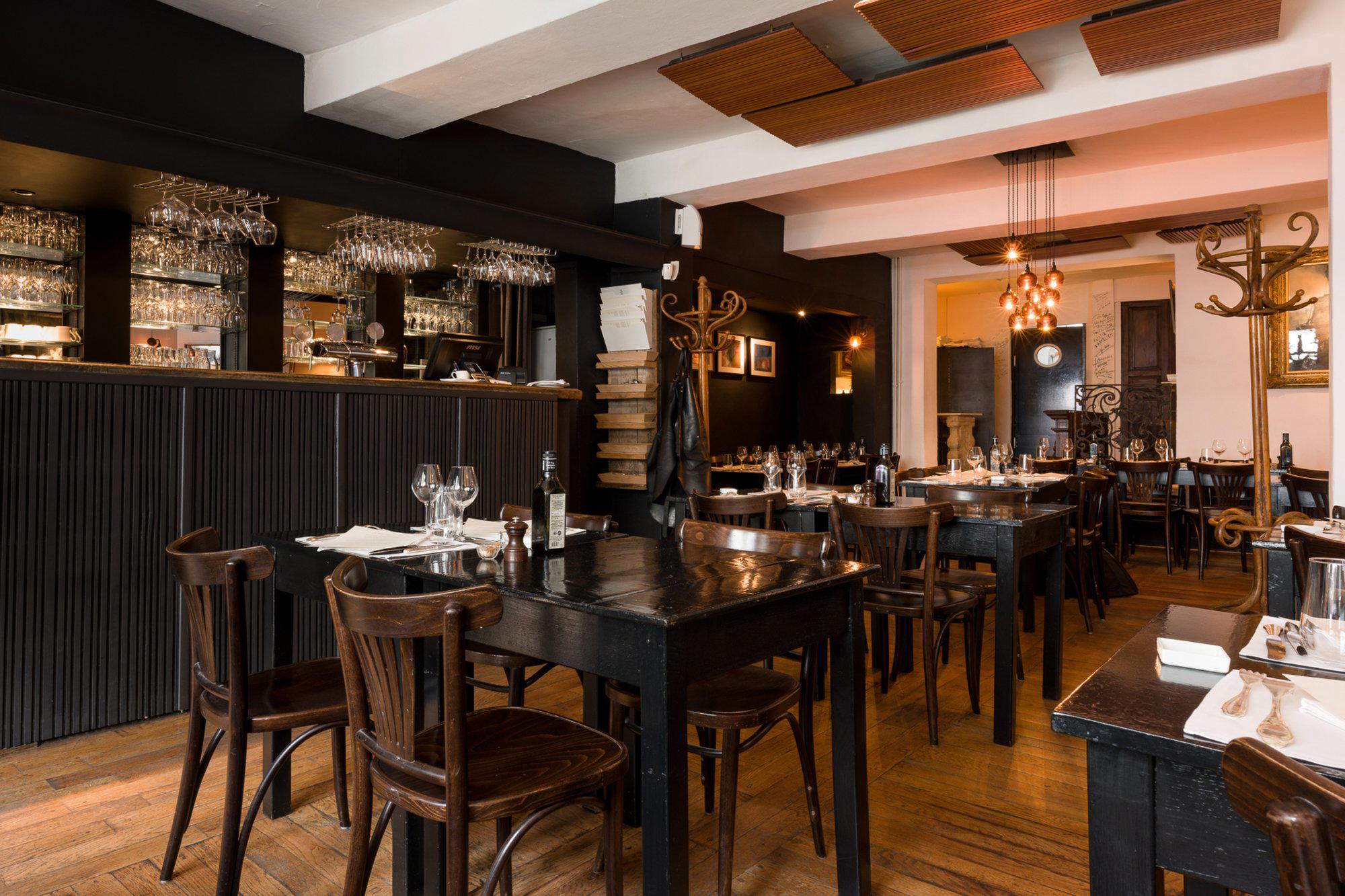
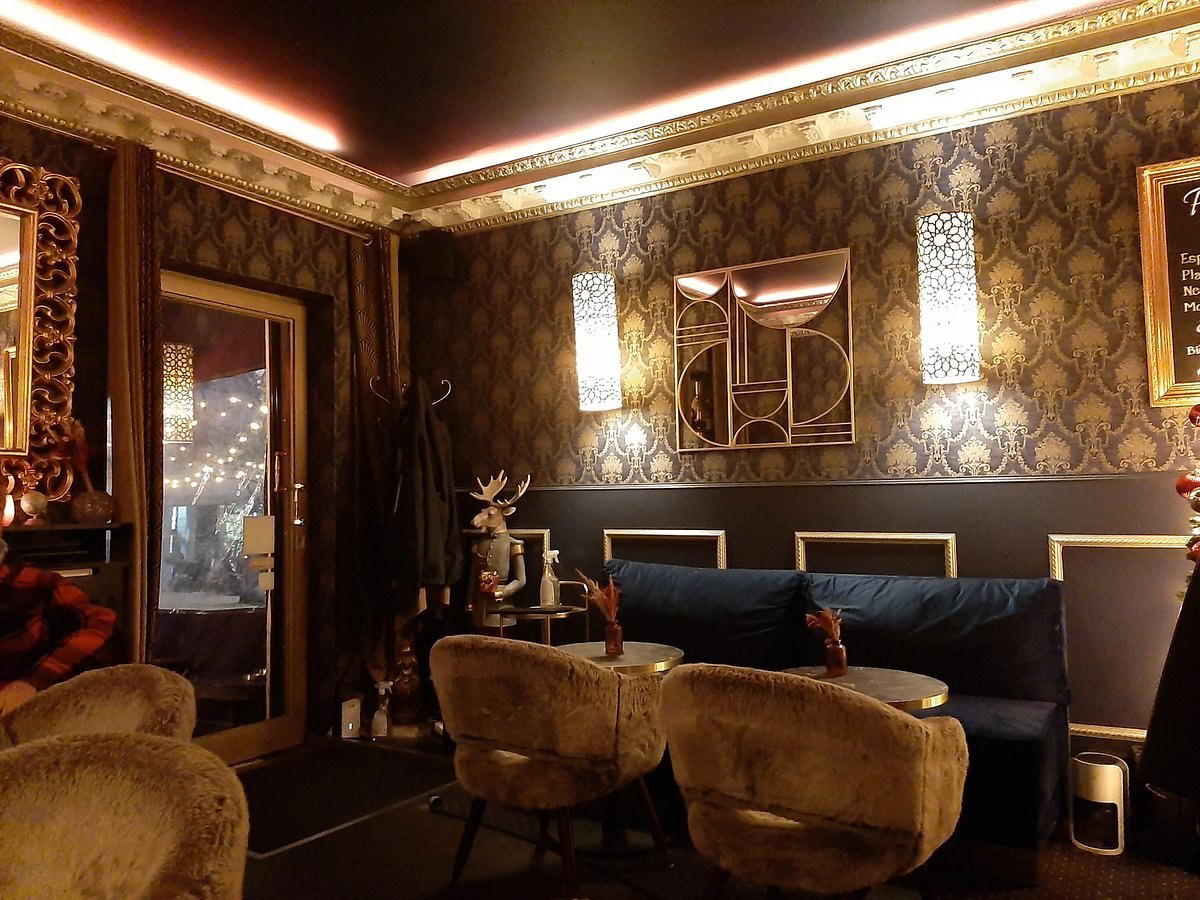
Cozy boutique atmosphere focused on artisanal chocolate making with fresh, aromatic ingredients.