Our verdict
By Sang operates out of Zetland, a suburb that sits at the edge of Sydney's inner south, where new residential density meets an emerging food culture still defining its own identity. Booking ahead is advisable for anyone planning a visit to 8 Zetland Avenue.

Pearl is the En Primeur Club membership app, where members save venues, book tables and use the concierge.

The menu
What to order
- Wagyu tartare
- Kingfish ceviche
- Fresh oyster
Zetland and the Quiet Edge of Sydney's Dining Map
Sydney's serious restaurant culture has long concentrated along a familiar axis: the CBD fringes, Surry Hills, Potts Point, and the inner east. Zetland sits at the outer rim of that radius, a suburb built more recently from apartment towers and rezoned light-industrial land than from the Victorian terraces that gave Surry Hills its character. That geography matters. Restaurants that open in Zetland are not trading on a neighbourhood's pre-existing food reputation. They are, in effect, making an argument that the suburb is worth the detour. By Sang, at 8 Zetland Avenue, is part of that argument.
This is a dining room that arrives without the press infrastructure of a Rockpool or a Saint Peter launch. There are no Michelin plates or Good Food Guide hats in the public record here, no named chef whose CV trails through marquee kitchens. What exists is an address, a growing local following, and the kind of low-profile consistency that tends to matter more to regulars than to first-visit reviewers. In a Sydney dining scene where the competition for attention is acute, operating without a publicist-driven profile is itself a kind of editorial signal.
A Scene Built Around Less Waste, More Intention
Across Australian fine dining, the question of environmental responsibility has moved from aspirational footnote to structural consideration. Places like Brae in Birregurra and Attica in Melbourne have built their identities partly on sourcing transparency and waste reduction, not as marketing devices but as kitchen disciplines that visibly shape what ends up on the plate. In Adelaide, Botanic has pursued a similar framework through hyper-regional ingredient selection. These commitments tend to produce a particular kind of menu: one that responds to availability rather than dictating it, where the dish list changes because the supply chain changes.
The broader Australian dining scene has moved toward this model faster than most markets in the Asia-Pacific region. Chefs who trained through the generation that absorbed French brigade discipline are now running kitchens where a weekly delivery from a single farm displaces a standing order from a national distributor. The implications for the diner are concrete: smaller menus, higher per-dish cost, less predictability, and often, greater reward. By Sang sits within this broader shift in Australian dining culture, where the most interesting rooms are frequently the ones operating closest to their immediate food geography.
Restaurants in the same tier as By Sang, neighbourhood-anchored, independently operated, without large-group infrastructure, tend to apply sustainability thinking at the procurement level before it reaches the menu. This means supplier relationships are often direct and local, with shorter cold chains and less reliance on imported protein or produce. In practical terms, what's on the menu on a given week reflects what's in season within reach of the kitchen. That constraint, when managed well, produces more interesting food than a menu engineered for year-round consistency.
Zetland's Food Culture in Context
Zetland's restaurant scene is worth understanding on its own terms rather than comparing it unfavourably to older Sydney precincts. The suburb's residential density has grown significantly over the past decade, bringing a local population that is younger, international in composition, and less attached to the established hierarchies of Sydney restaurant culture. This creates an opening for venues that operate with formats the inner city has largely abandoned: genuine neighbourhood pricing, menus that change with seasonal logic rather than brand strategy, and a dining room atmosphere built on return visits rather than occasion dining.
Compare this to the positioning of venues like Ormeggio at The Spit in Mosman, which operates in a destination-dining register, or the food at Pipit in Pottsville, which has built a regional identity around coastal foraging and land-to-plate integrity. By Sang operates in different territory: urban, embedded, without the scenic frame that gives destination restaurants their justification. What it offers is the kind of cooking that sustains a suburb rather than draws tourists to one.
Other venues in Sydney's independent dining tier, including 10 William St and 10 Pounds, have shown that smaller, less-announced rooms can hold loyal audiences over years. The model requires a different kind of attention: to regulars rather than to press cycles, to seasonal coherence rather than to menu photography. Internationally, this is the operational logic behind places like Lazy Bear in San Francisco, where the dining format is built around community rather than spectacle.
How to Plan a Visit
By Sang is located at 8 Zetland Avenue, Zetland NSW 2017, accessible from central Sydney via Green Square station on the Airport line. Booking ahead is advisable; independently operated rooms in Zetland do not have the seat volume to absorb walk-in demand, particularly on weekday evenings when local regulars are most active. Given the absence of a listed website or phone number in the public record, the most reliable approach is to check current booking platforms that aggregate Sydney's independent dining rooms. For broader Sydney planning, our full Sydney restaurants guide covers the range of dining tiers across the city.
Visitors who are tracking Australia's wider restaurant conversation alongside By Sang will find context in venues like Hentley Farm in Seppeltsfield, Laura at Pt Leo Estate in Merricks, and Provenance in Beechworth, all of which operate in the regional-integrity register that is reshaping how Australian restaurants think about their supply chains. For those tracing seafood-focused sustainability work, Salt Water Restaurant in Cairns offers a northern counterpoint, while Lizard Island Resort sits at the high-end remote end of the same conversation. Closer to home, 1021 Mediterranean and Rockpool provide Sydney benchmarks in very different registers, from casual coastal to long-form Australian fine dining.
Frequently asked questions
What do regulars order at By Sang?
The leading approach is to ask the room directly on arrival: restaurants operating in this mode tend to have staff who can speak to what is freshest that week. What is consistent with venues in this tier is that the menu will be shorter than a conventional restaurant list, with fewer choices per course and more precise execution within those constraints.
Should I book By Sang in advance?
In Sydney's independent dining tier, advance booking is a practical necessity rather than a precaution. Rooms of this type typically seat fewer covers than larger group-backed venues, and local regulars fill midweek evenings quickly. Given that no direct booking link or phone number appears in the current public record, checking aggregator platforms that list Sydney's neighbourhood restaurants is the most direct route. Arriving without a reservation at a venue of this scale carries genuine risk of being turned away, particularly on Thursday through Saturday.
Is By Sang suitable for guests with dietary restrictions?
Venues operating with short, seasonally driven menus in Sydney's independent dining sector typically require advance notice for dietary restrictions rather than accommodating them from a large standing menu. Given that By Sang's kitchen is likely working within a constrained ingredient selection based on what is seasonally and ethically sourced, communicating any restrictions at the time of booking rather than on arrival is the practical approach. This is standard practice across the Australian restaurants that prioritise low-waste, producer-direct sourcing, from Brae through to internationally recognised rooms that operate with tightly edited menus.
Booking and Cost Snapshot
Comparable venues nearby, for context on price, style, and recognition.
| Venue | Cuisine | Price | Notes |
|---|---|---|---|
| By SangThis venue (the venue you are viewing) | Modern Japanese Izakaya | $50–100 | Not listed |
| Kyo yakiniku | Japanese Yakiniku BBQ | $50–100 | Glebe, Japanese Yakiniku BBQ |
| Yakitori Jin | Modern Japanese Yakitori Izakaya | $30–50 | Haberfield, Modern Japanese Yakitori Izakaya |
| Robata Jones | Japanese Robata Izakaya | $30–50 | Artarmon, Japanese Robata Izakaya |
| Nikaido Mascot | Japanese Yakiniku BBQ | $50–100 | Mascot, Japanese Yakiniku BBQ |
| Osaka Trading Co. | Modern Japanese Izakaya | $50–100 | Glebe, Modern Japanese Izakaya |
Continue exploring
More in Sydney
Restaurants in Sydney
All restaurants in Sydney →
Bars in Sydney
All bars in Sydney →

Details
- Modern
- Elegant
- Trendy
- Date Night
- Special Occasion
- Open Kitchen
- Sake Program
- Craft Cocktails
- Sustainable Seafood
- Local Sourcing
- A La Carte
- Tasting Menu
- Small Plates
- Sake
- Wine
- Cocktails
Current opening hours
- Monday
- 11:30 AM–2:30 PM, 5:30–9 PM
- Tuesday
- 11:30 AM–2:30 PM, 5:30–9 PM
- Wednesday
- 11:30 AM–2:30 PM, 5:30–9 PM
- Thursday
- 11:30 AM–2:30 PM, 5:30–9 PM
- Friday
- 11:30 AM–2:30 PM, 5:30–10 PM
- Saturday
- 11:30 AM–2:30 PM, 5:30–10 PM
- Sunday
- 11:30 AM–2:30 PM, 5:30–8:30 PM
Hours can change for holidays and private events. Hours as of .
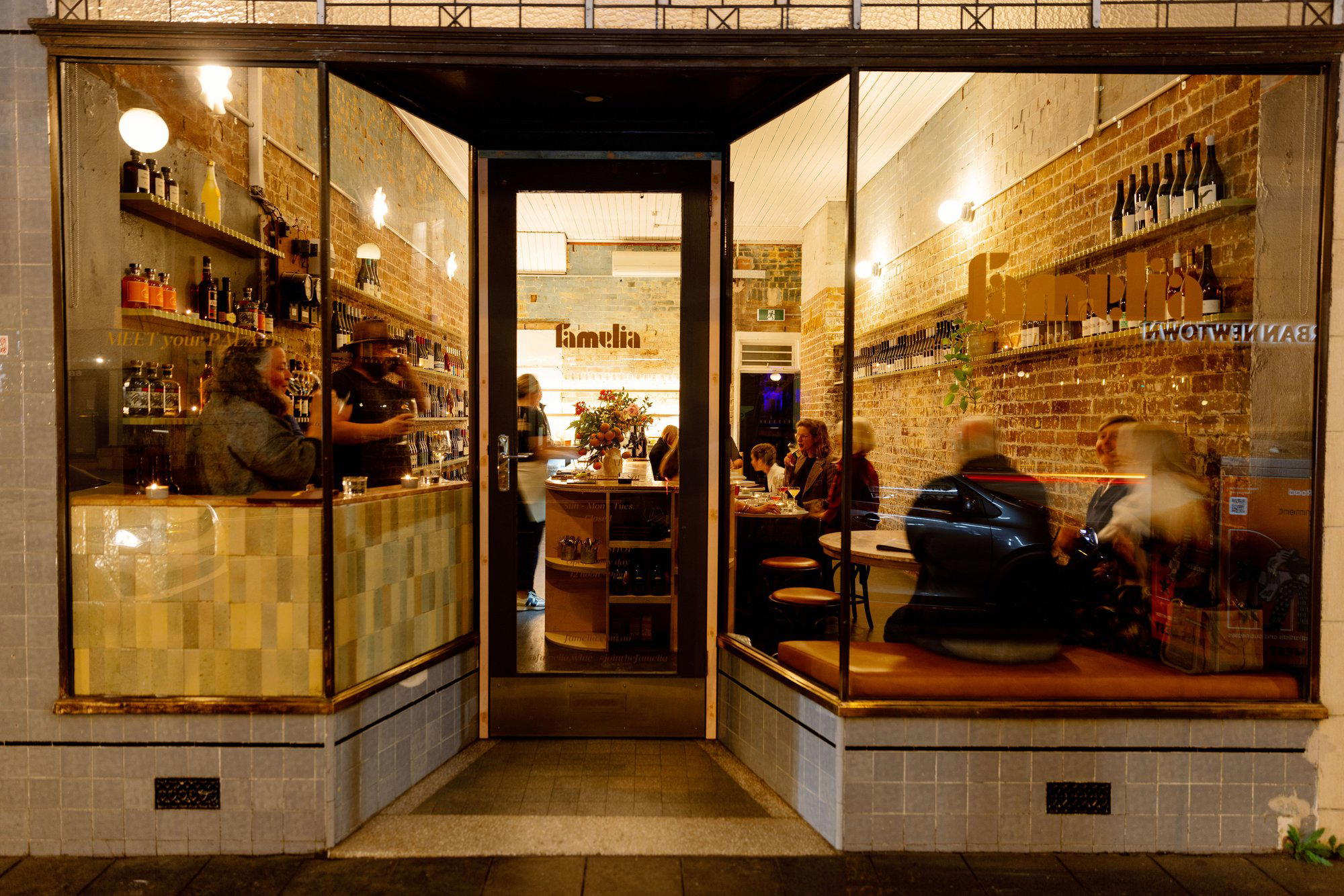
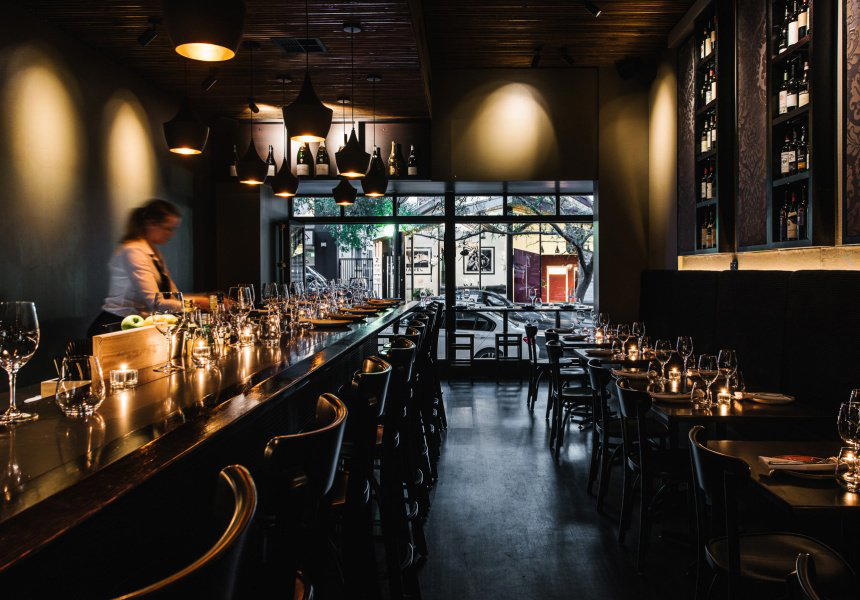
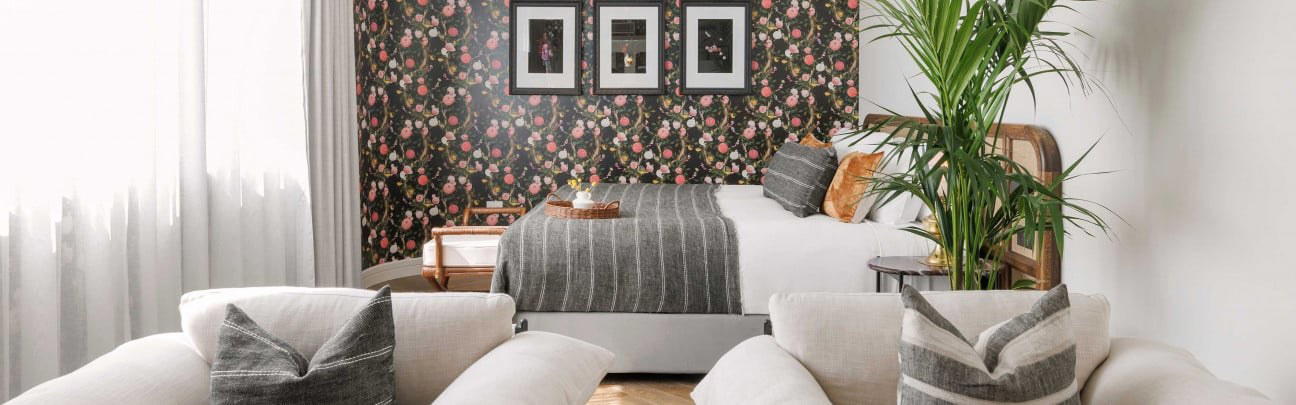
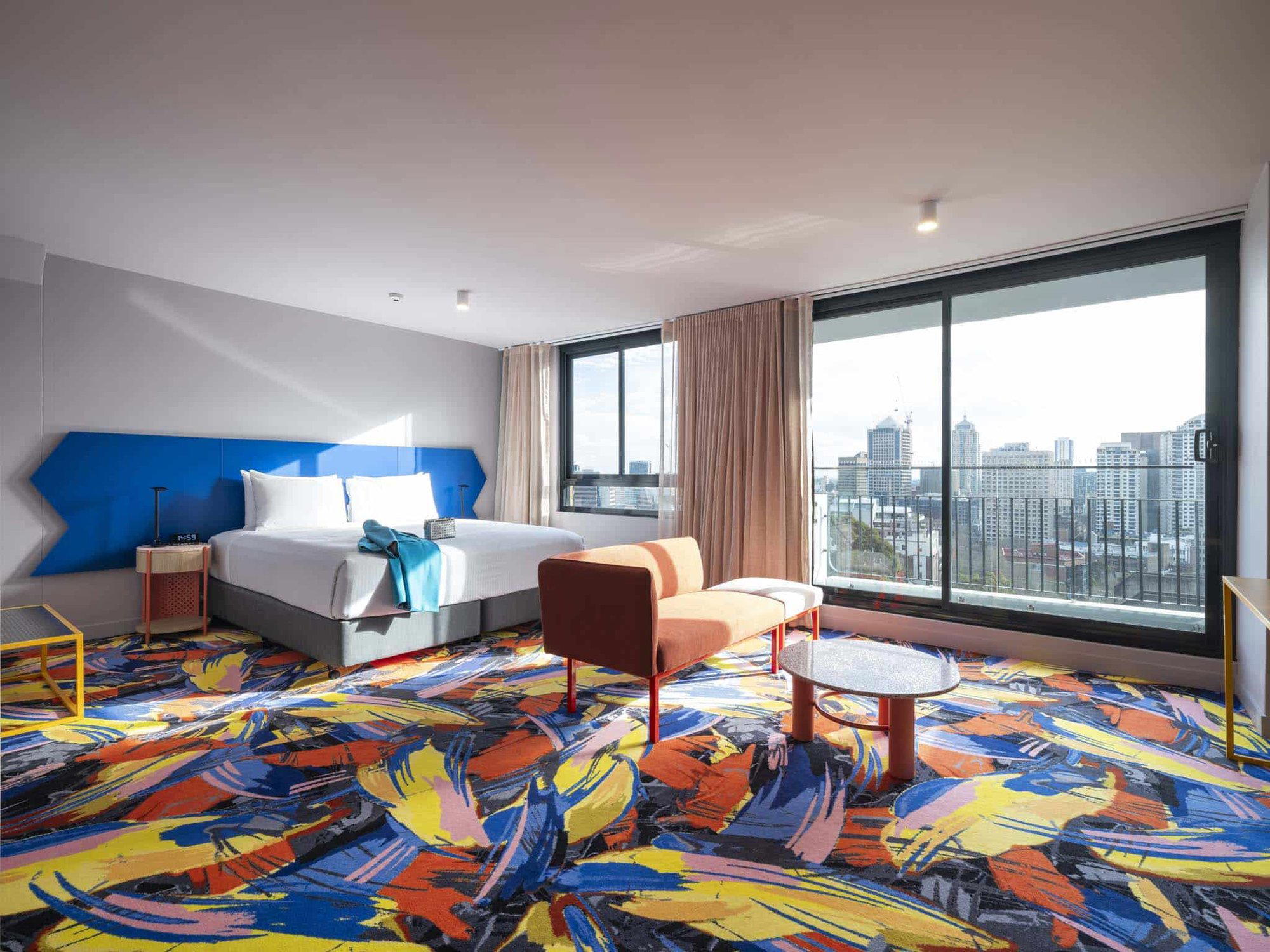
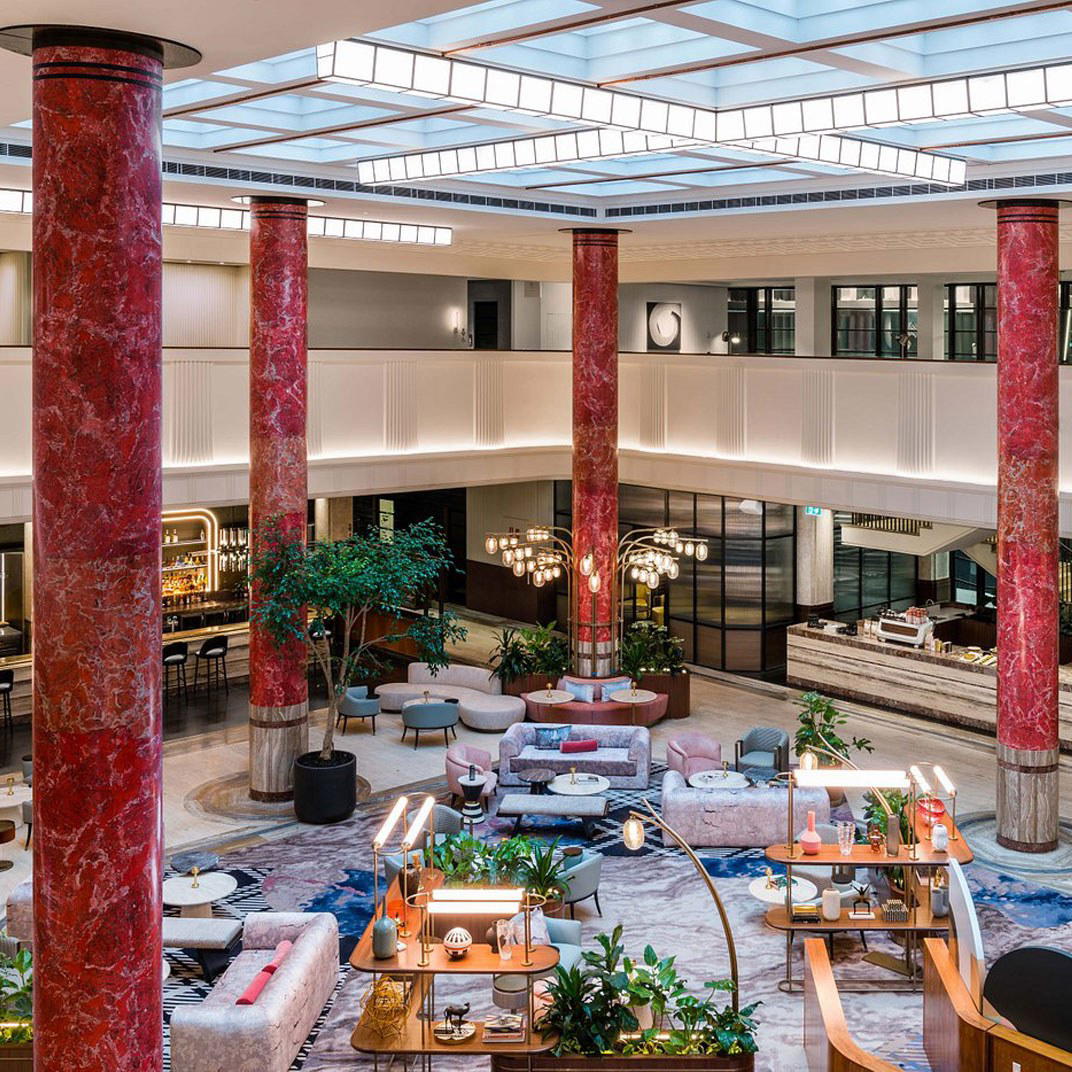
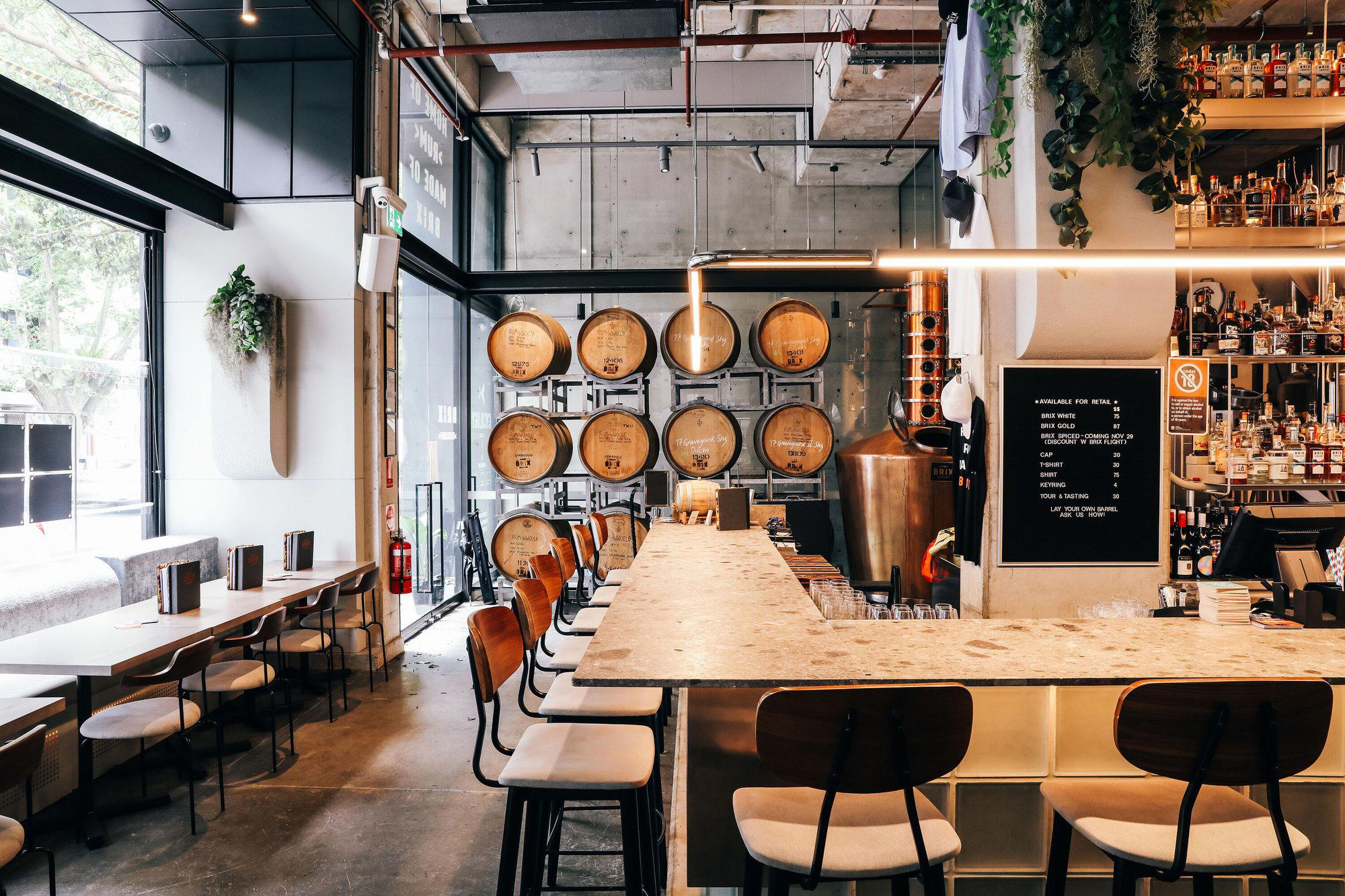
Elegant atmosphere with energetic noise levels, featuring a sophisticated bar setting for sashimi, nigiri, and char grills.