Kyo Yakiniku brings the Japanese charcoal-grill tradition to Glebe Point Road, one of Sydney's more considered dining strips. The format centers on table-side grilling, where the process of cooking is as deliberate as what ends up on the plate. It sits within a broader wave of Japanese specialty concepts reshaping how Sydney eats beyond the CBD.
Pearl is the En Primeur Club membership app — saves, bookings, and concierge access live there. Same editors, same standards.
- Address
- 73 Glebe Point Rd, Glebe NSW 2037, Australia
- Phone
- +61410378761
- Website
- opentable.com
- Directions
- Get directions
 Saves & bookings on Pearl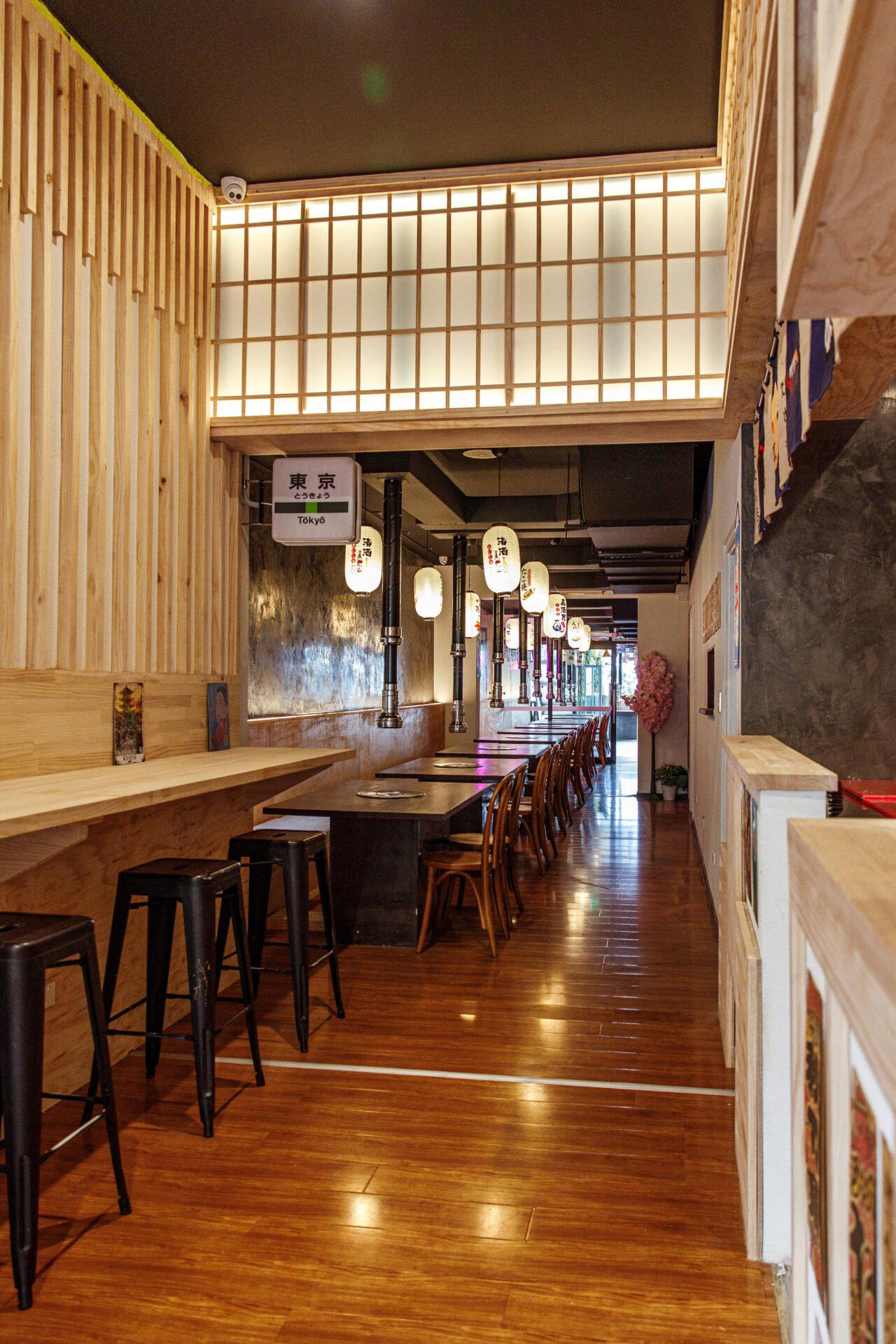
Smoke, Heat, and the Table as Kitchen
Glebe Point Road has long occupied an interesting position in Sydney's dining geography: close enough to the university precinct to attract an intellectually curious crowd, far enough from the CBD to avoid the pressure of destination-dining theatre. The street rewards return visits rather than single pilgrimages, and the venues that last here tend to do so because of consistency rather than spectacle. Kyo Yakiniku, at number 73, fits that pattern. The yakiniku format, in which diners cook marinated and unmarinated cuts over a built-in grill, shifts the locus of heat and decision-making from a distant kitchen to the table itself. That shift changes the room's atmosphere entirely: the air carries the low smell of charcoal and rendered fat, conversation competes with the soft hiss of meat meeting grate, and the pace of a meal is governed by appetite rather than a kitchen's timetable.
The yakiniku tradition in Japan emerged as a distinct category from Korean barbecue influences absorbed and refined over decades, eventually becoming its own codified practice with its own cuts, sauces, and sequencing logic. In Sydney, the category remains smaller than ramen or omakase in terms of venue count, which makes each practitioner more legible as a statement of intent. For context on how Sydney's Japanese dining scene has evolved across formats and price points, the full Sydney restaurants guide maps the broader terrain.
The Mechanics of the Grill
What distinguishes yakiniku from a casual barbecue is sequencing and restraint. Cuts arrive in a particular order, moving from lighter preparations toward richer ones, and the grill temperature matters as much as the marinade. Charcoal grilling, where it is used, produces a radiant heat that is more even and less chemically intrusive than gas, and experienced yakiniku diners learn to read the surface of the grill — when to sear quickly, when to let fat render slowly. The sensory experience is cumulative: smoke builds in the room over the course of an evening, and the act of cooking becomes a social rhythm rather than a waiting exercise.
Sydney's appetite for interactive dining formats has grown considerably over the past decade. The city's dining public, increasingly comfortable with omakase counters, shared plates, and open kitchens, has absorbed the idea that the boundary between cook and diner is permeable. Yakiniku extends that logic further than most formats — the diner is not just an observer of the kitchen but an active participant in the final cooking stage. Venues elsewhere in the city that have attracted serious attention for their format discipline include Saint Peter, where the format is tightly defined around Australian seafood, and Rockpool, which has long used the open kitchen as a trust signal.
Glebe as a Dining Address
Positioning matters in Sydney's dining geography, and Glebe sits in a tier below the Inner East's premium restaurant cluster while operating with more independence than the CBD corridor. The suburb's dining strip on Glebe Point Road is genuinely mixed in ambition and price, which creates a context where a specialist Japanese concept can find a regular clientele without competing directly against the expense-account restaurants of the CBD or the destination-dining pull of venues like 10 William St in Paddington. There is something useful about that positioning: the audience for yakiniku in a neighbourhood like Glebe tends to be people who already know the format and seek it out specifically, rather than diners stumbling in on a whim.
That dynamic is common in cities with a developed Japanese dining culture. In Melbourne, a similar separation exists between the destination tier, represented by venues like Attica and Brae further afield, and the specialist neighbourhood concepts that serve a more knowing, repeat-visit crowd. Sydney's equivalent neighbourhood specialists include places like Bayly's Bistro in Kirribilli and Johnny Bird in Crows Nest, each of which operates with a clear identity within its local geography.
The Yakiniku Format in an Australian Context
Japanese beef culture, particularly the grading systems and the emphasis on specific regional cattle breeds, arrived in Australia somewhat ahead of Australian diners' full understanding of it. Wagyu production in Australia has grown substantially, and the domestic supply of high-marble beef has made yakiniku a more viable proposition in Australian cities than it was fifteen years ago. The format is also inherently portion-controlled: because diners cook individual pieces to their own preference, the meal's rhythm discourages over-ordering and encourages a more attentive relationship with what is on the plate. That quality of attention is something yakiniku shares, in different registers, with formats like omakase in Tokyo, where Atomix in New York and comparable tasting-counter concepts have shown that diner engagement with process correlates with satisfaction in ways that passive dining sometimes does not produce.
For Sydney diners accustomed to the casual end of Japanese dining, yakiniku represents a format step up in engagement without necessarily a step up in formality. You are not required to understand every cut on arrival; the format rewards curiosity and repeated visits. Other cuisines with a strong presence on Glebe Point Road include Mediterranean-influenced venues, and for comparison within Sydney's wider culinary range, 1021 Mediterranean and 10 Pounds illustrate how different the same strip's offerings can be.
Planning a Visit
Kyo Yakiniku is located at 73 Glebe Point Road, Glebe, a short distance from Broadway and the main bus routes connecting to the CBD. Glebe Point Road is walkable from Ultimo and accessible by multiple bus lines, making the venue reachable without a car. As specific booking details, hours, and pricing information are not publicly confirmed in EP Club's verified data, contacting the venue directly before visiting is advisable, particularly on weekend evenings when yakiniku restaurants across Sydney tend to fill quickly. Walk-in availability on quieter weekday evenings is more likely, though given the format's table-setup requirements, each table has its own grill infrastructure, capacity is typically more constrained than a standard restaurant of similar square footage.
For diners building a broader Sydney itinerary, the nearby Inner West offers considerable density of independent venues worth pairing with a visit here. Further afield, bills in Bondi Beach represents a very different register of Sydney dining, while Bar Carolina in South Yarra and Barry Cafe in Northcote illustrate the Melbourne parallels for those travelling between cities. Regional options for the genuinely itinerant include Hungry Wolfs in Newcastle, Jaani Street Food in Ballarat, and Kulcha Restaurant in Wollongong. And for those benchmarking against the global tier, Le Bernardin in New York City remains a useful reference point for what format discipline at the highest level looks like.
How Kyo yakiniku Sydney compares with similar nearby venues.
| Venue | Cuisine |
|---|---|
| Hamsi Taverna | Turkish Mediterranean |
Continue exploring
More in Sydney
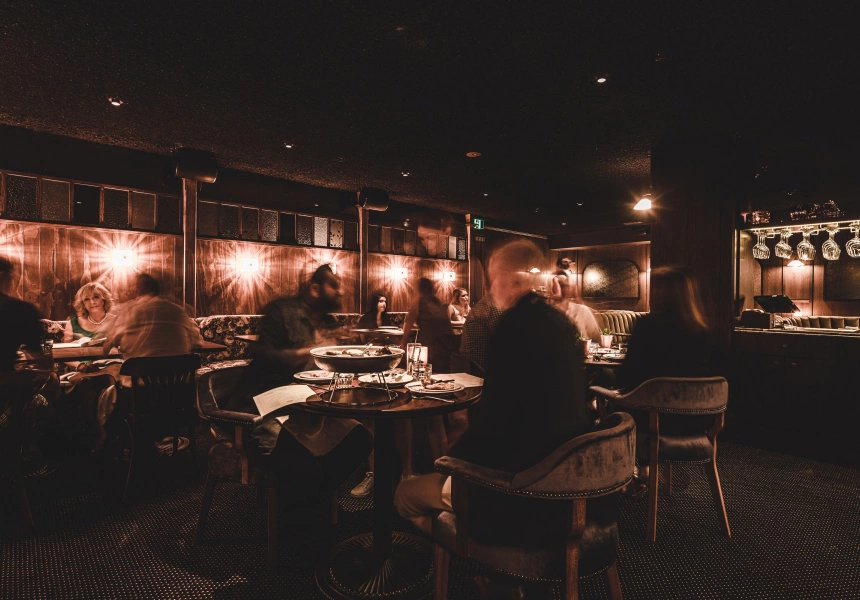
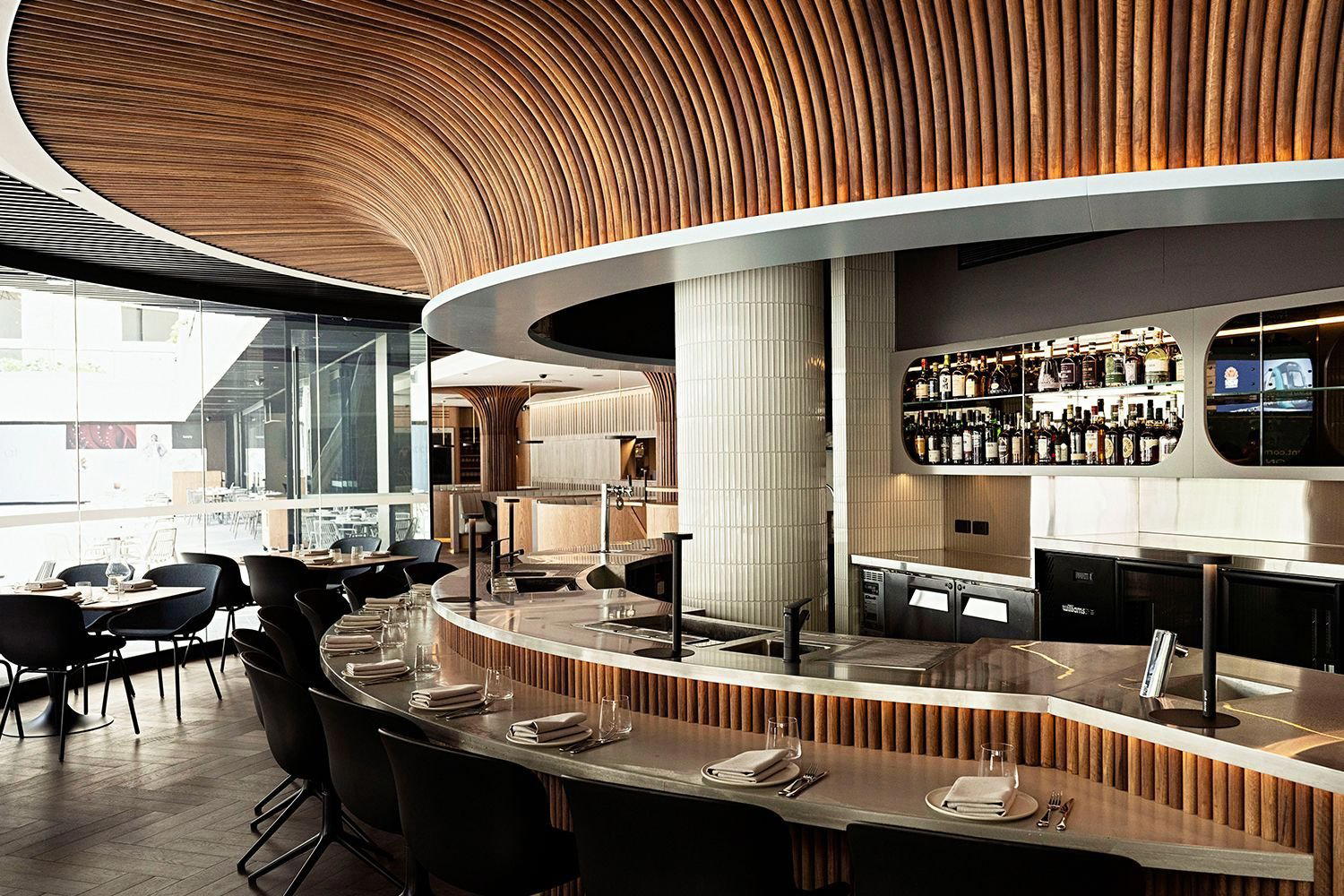
Restaurants in Sydney
Browse all →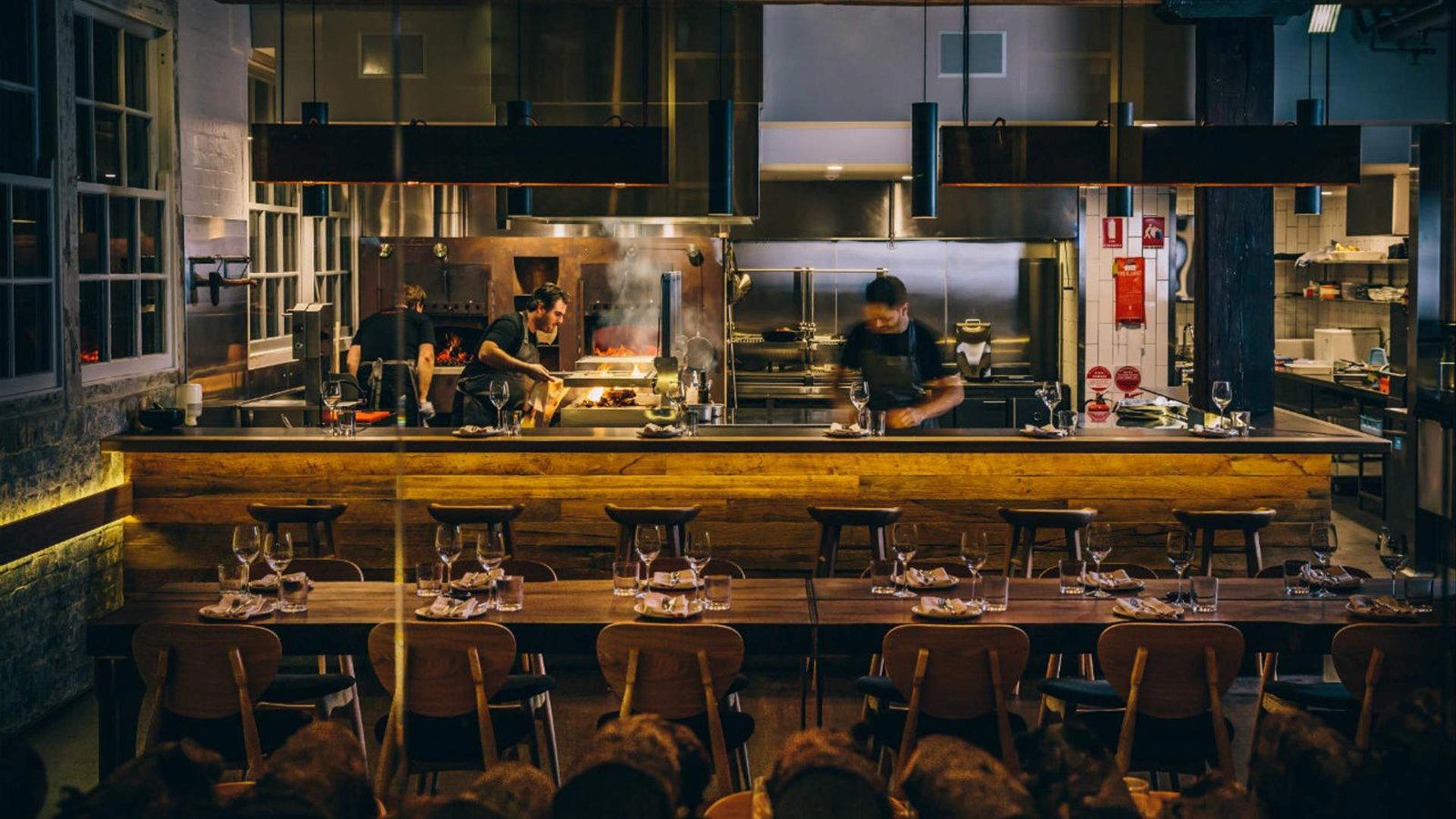
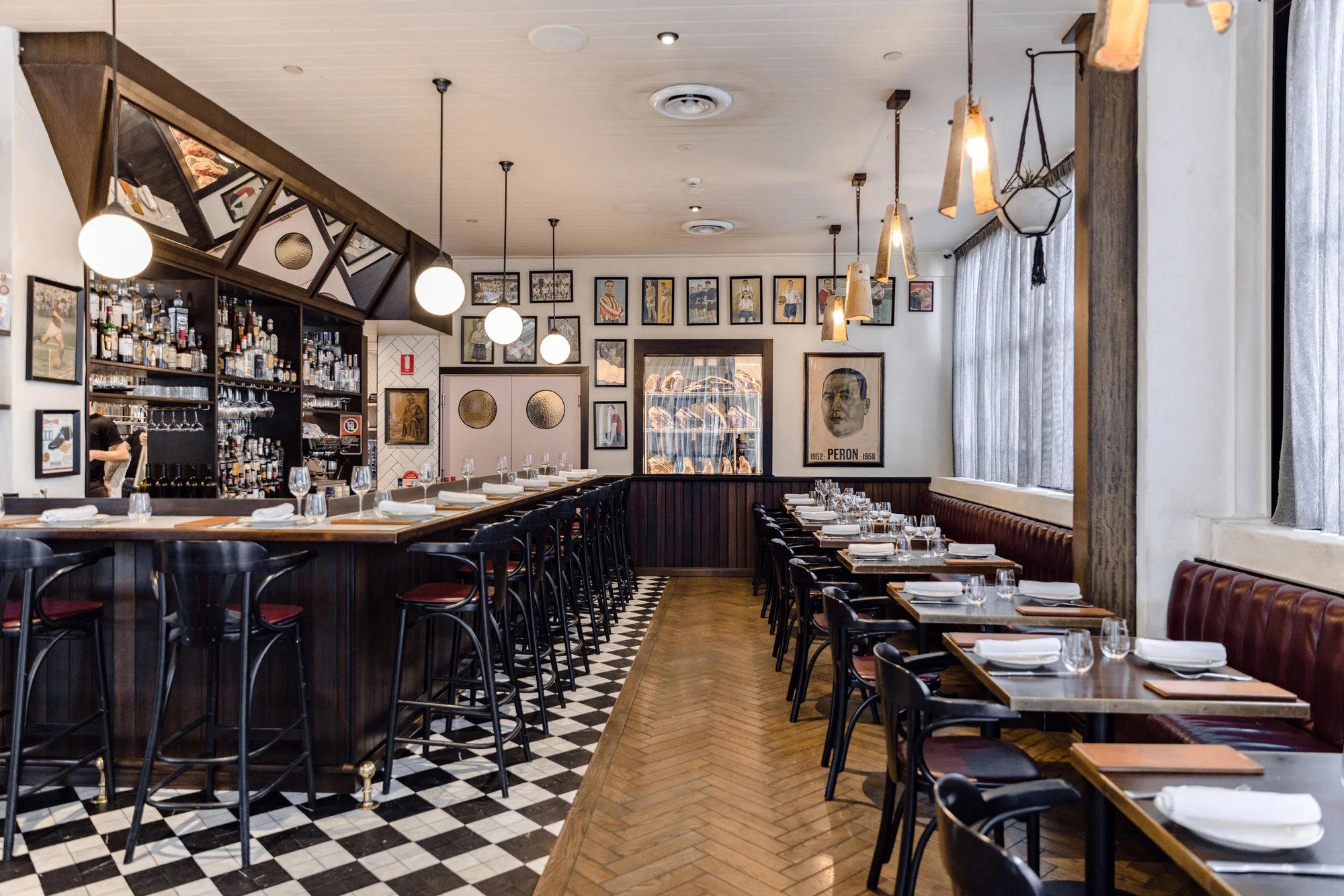
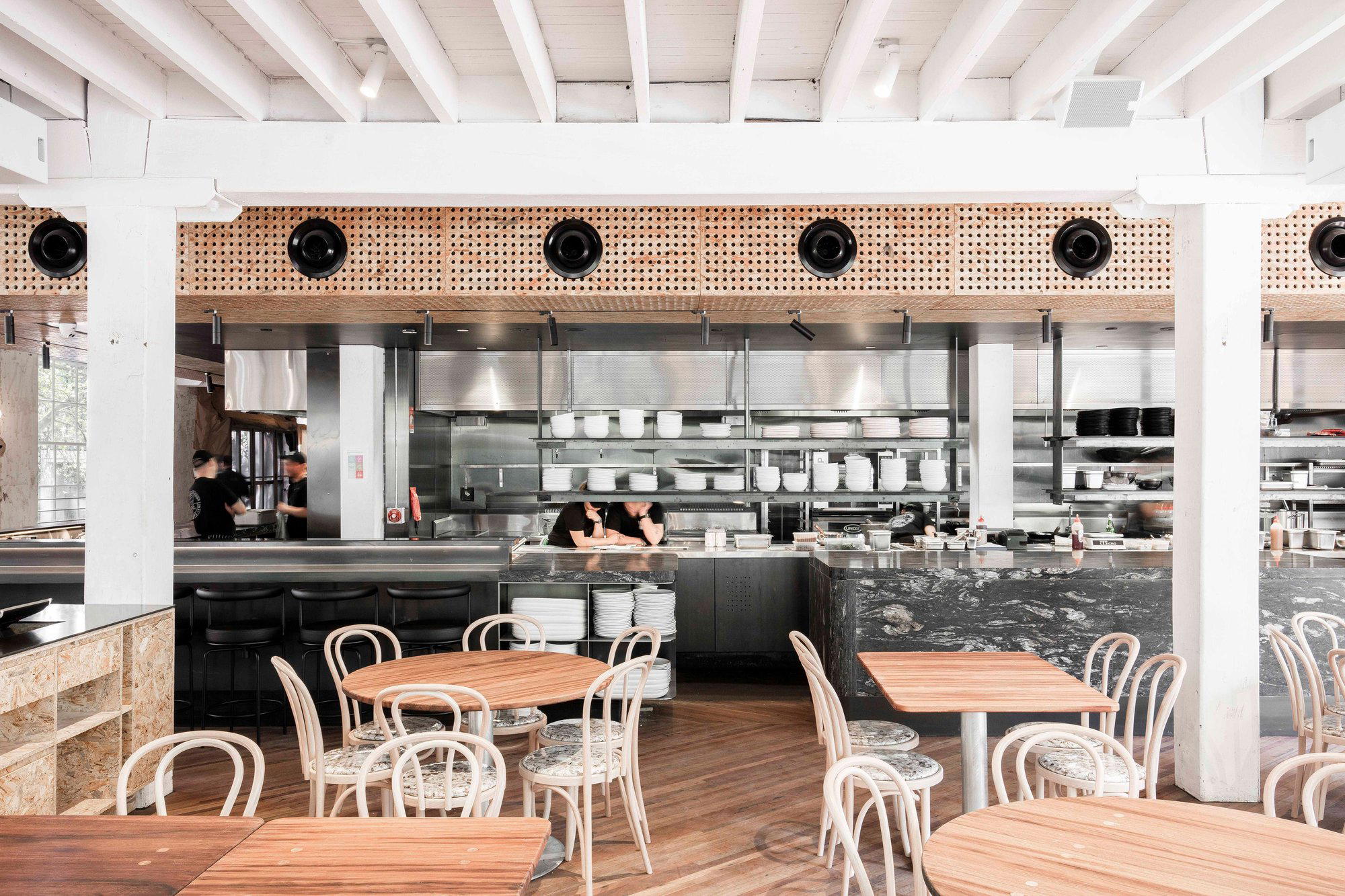
Bars in Sydney
Browse all →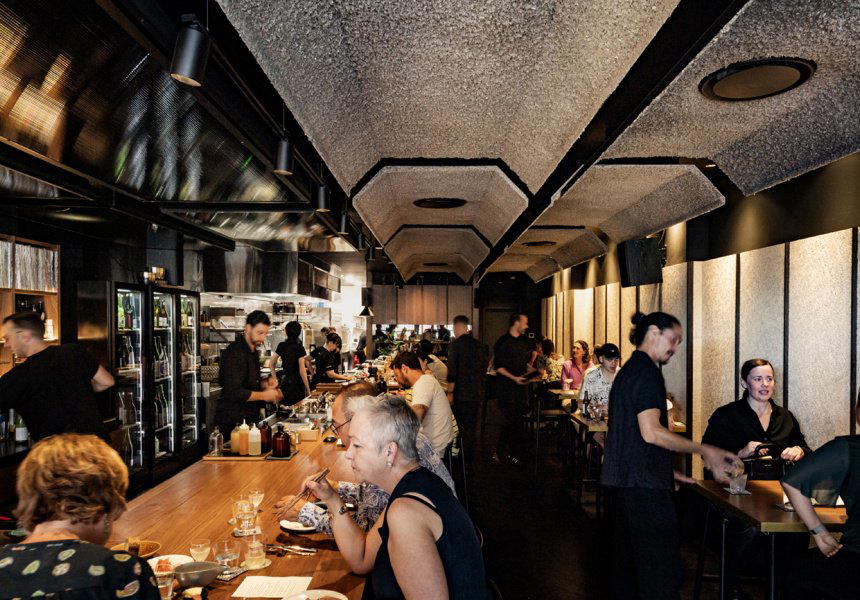
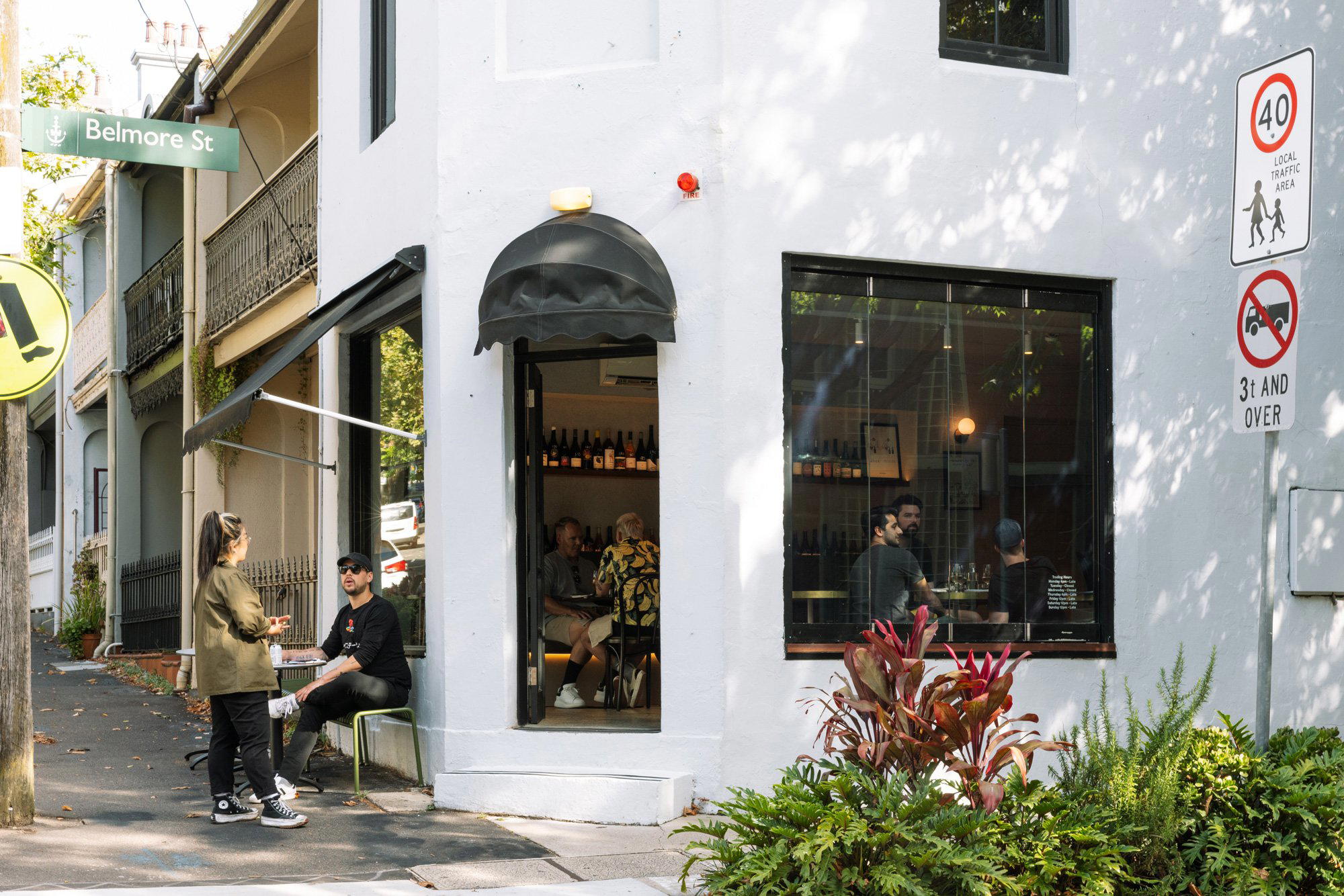
Hotels in Sydney
Browse all →

At a Glance
- Cozy
- Trendy
- Modern
- Group Dining
- Casual Hangout
- Celebration
- Open Kitchen
- Sake Program
Current opening hours
- Monday
- 5–10 PM
- Tuesday
- 5–10 PM
- Wednesday
- 5–10 PM
- Thursday
- 5–10 PM
- Friday
- 5–10 PM
- Saturday
- 12–3 PM, 5–10 PM
- Sunday
- 12–3 PM, 5–10 PM
Hours can change for holidays and private events. Last verified .
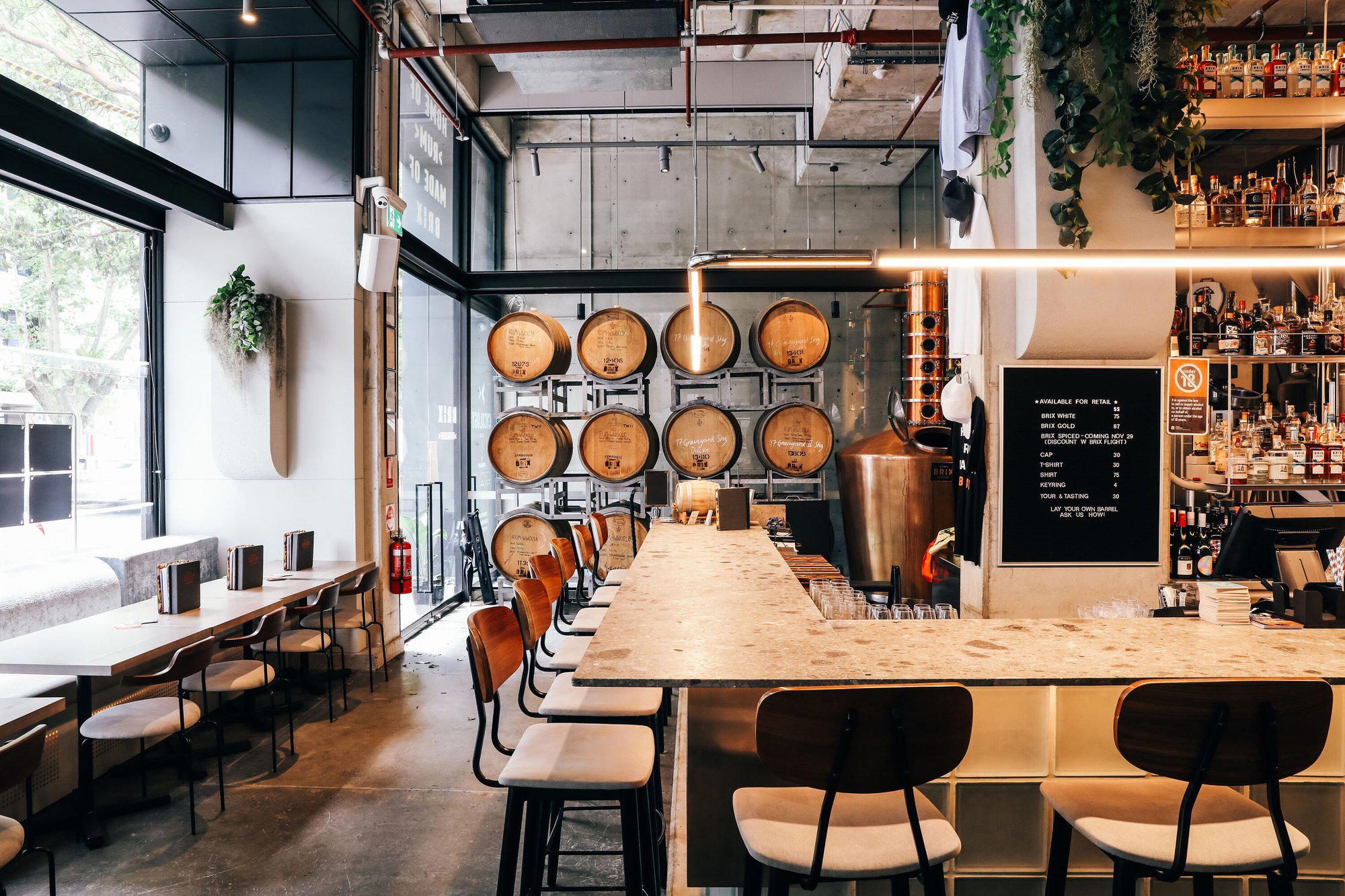
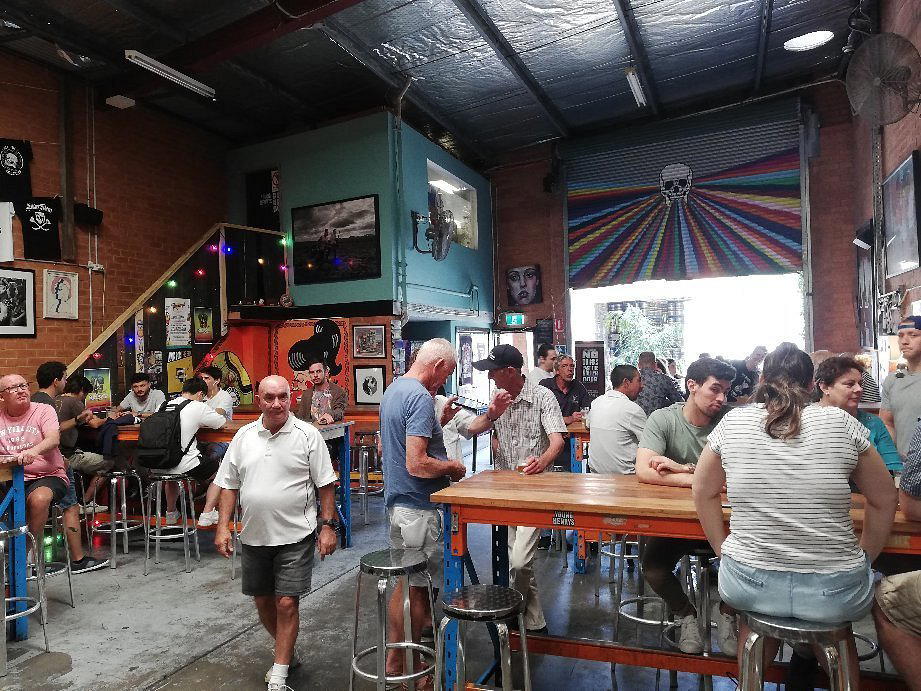
Warm, cozy, and trendy atmosphere with energetic noise levels.
Know Before You Go
- Getting there
- 73 Glebe Point Rd, Glebe NSW 2037, Australia