Osaka Trading Co. occupies a considered corner of Tramsheds in Forest Lodge, Sydney, where the repurposed tram depot setting frames a Japanese-inflected dining experience that shifts notably between day and night. The address puts it inside one of the inner west's more thoughtfully curated food precincts, alongside a range of independent operators that collectively give the area genuine dining weight.
Pearl is the En Primeur Club membership app — saves, bookings, and concierge access live there. Same editors, same standards.
- Address
- Shop 18, Tramsheds/1 Dalgal Wy, Forest Lodge NSW 2037, Australia
- Phone
- +61288800717
- Website
- osakatrading.com.au
- Directions
- Get directions
 Saves & bookings on Pearl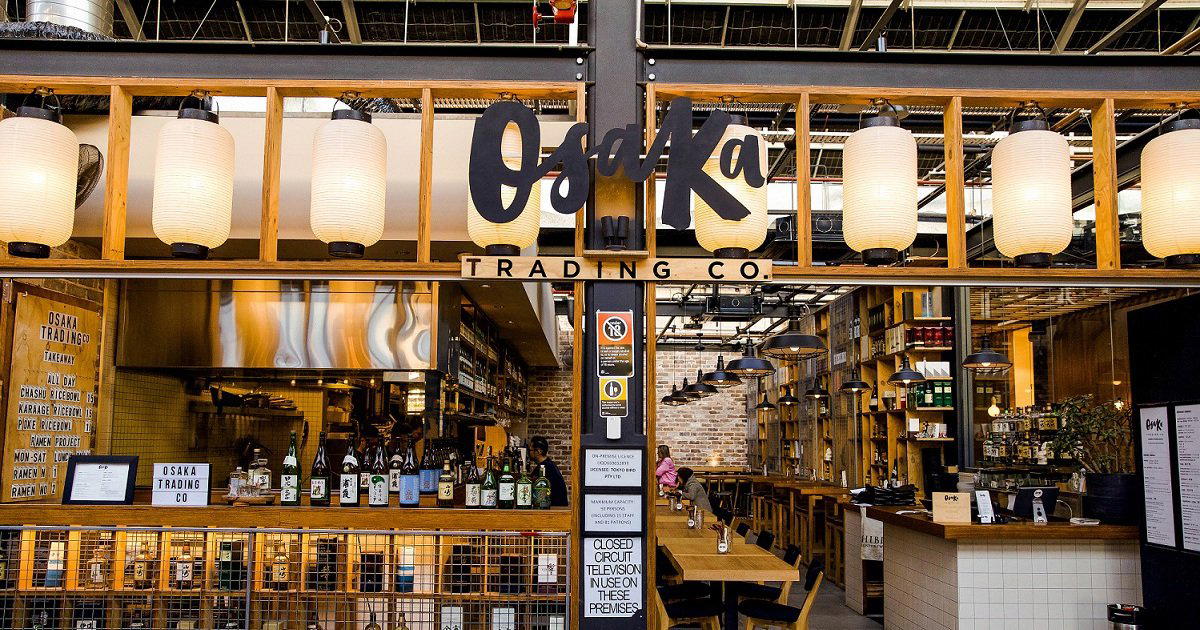
Tramsheds and the Inner West's Precinct Model
Sydney's inner west has developed a different hospitality logic from the CBD or the eastern suburbs. Rather than a strip of standalone restaurants competing for foot traffic, Forest Lodge's Tramsheds precinct operates as a curated indoor market where independent operators share a heritage industrial space — the former Rozelle Tram Depot, with its high iron ceilings and exposed structural bones — and draw from both the immediate neighbourhood and a wider city audience making deliberate trips. Osaka Trading Co. occupies Shop 18 within that structure, which means its physical context is already doing significant editorial work before a menu is considered. The setting reads differently depending on when you arrive: midday light floods through the depot's clerestory windows, and the ambient noise of a busy market precinct gives lunch a casual, social energy that evening service, with its lower light and reduced foot traffic from surrounding retailers, does not replicate.
Day Versus Night: Two Distinct Service Registers
The lunch-versus-dinner divide is one of the more useful frameworks for thinking about Tramsheds dining generally, and it applies with particular force to a venue like Osaka Trading Co. that draws on Japanese culinary references. Japanese dining traditions tend to calibrate differently across service times: lunchtime formats in Japan often offer compressed, value-leaning versions of evening menus, with set-price options that allow kitchens to control pace and reduce waste. The evening register shifts toward longer meals, more considered drink pairings, and a guest who has chosen this as a destination rather than a convenience. Whether the kitchen here applies that same structural logic is something the venue's limited publicly available data does not confirm, but the broader pattern of Tramsheds, busier, more casual at lunch; quieter and more deliberate at dinner, is consistent with that tradition.
For visitors making a trip specifically to Forest Lodge, the dinner window is likely to offer the more focused experience. The precinct's retail noise drops away in the evening, and the architectural character of the depot reads more atmospherically under artificial light. Lunch, by contrast, suits those already in the inner west, or arriving via the light rail connection that runs close to the Tramsheds site, and who want to eat well without the formality of a booked evening table.
Japanese Influences in Sydney's Restaurant Scene
Sydney's relationship with Japanese culinary influence has deepened considerably over the past decade. The city now sustains a range of registers, from high-end omakase counters in the CBD to Japanese-inflected casual operators that translate technique and ingredient discipline into more accessible formats. The latter category has grown most visibly in precincts like Tramsheds, where rent structures and foot-traffic dynamics support a different price-to-ambition ratio than a standalone restaurant in Surry Hills or Potts Point. Osaka Trading Co. sits within that broader shift, a venue where Japanese culinary references operate as a serious organising principle rather than surface-level theming.
Across Sydney's broader restaurant culture, the venues that have most successfully sustained Japanese influence at a mid-register level tend to share a few characteristics: tight, focused menus that avoid the sprawl of pan-Asian overreach, genuine attention to sourcing, and a willingness to let technique speak without heavy explanation. How Osaka Trading Co. measures against those markers in practice is beyond the confirmed data available, but the name and the Tramsheds context position it within that competitive cohort.
For a fuller picture of where Sydney's dining scene sits across cuisines and price points, the our full Sydney restaurants guide maps the key operators by neighbourhood and format. Comparable benchmarks in the Australian fine-dining bracket include Rockpool (Australian Cuisine) and Saint Peter (Australian Seafood), both of which represent the upper register of what Sydney kitchens are currently producing, though they operate in a different tier and format from a Tramsheds-based casual operator.
Within the Tramsheds precinct itself, Osaka Trading Co. competes for attention with a range of food and beverage operators that collectively make the depot a genuine dining destination rather than a food court. The precinct model rewards operators that offer something legible and distinct, a clear cuisine identity, a recognisable format, a reason to walk past adjacent options. Japanese-inflected concepts in this kind of environment tend to perform well when they anchor around a defined specialty rather than a broad menu, because the browsing dynamic of a precinct means diners are making quick comparative judgements.
Elsewhere in Sydney, operators navigating similar mid-register Japanese territory include venues across Surry Hills, Newtown, and Glebe. The inner west corridor in particular has developed a concentration of independent food operators that draw on Asian culinary traditions with varying degrees of rigour. For reference points outside Sydney, Atomix in New York City represents what Korean-Japanese fusion looks like at the highest technical level, while Attica in Melbourne and Brae in Birregurra show how Australian restaurants have built international credibility around distinctive local identity. Osaka Trading Co. operates in a different register from all of these, but they frame the broader context within which Sydney diners are making choices.
Other Sydney venues worth cross-referencing for neighbourhood and format comparison include 10 William St, 10 Pounds, and 1021 Mediterranean. Beyond Sydney, Bayly's Bistro in Kirribilli, Johnny Bird in Crows Nest, and bills in Bondi Beach represent Sydney operators with distinct format identities. For those travelling more broadly, Bar Carolina in South Yarra, Barry Cafe in Northcote, Hungry Wolfs Italian Restaurant in Newcastle, Jaani Street Food in Ballarat, and Kulcha Restaurant Wollongong in Wollongong each map a different point on the regional dining spectrum. Le Bernardin in New York City remains a useful global benchmark for how a defined cuisine focus, sustained over decades, builds institutional authority.
Planning Your Visit
Osaka Trading Co. is located at Shop 18, Tramsheds, 1 Dalgal Way, Forest Lodge NSW 2037. The Tramsheds precinct is accessible via light rail (Jubilee Street stop) and is a walkable distance from Glebe and Forest Lodge residential streets. Parking is available within the Tramsheds complex.
| Venue | Location | Format | Booking |
|---|---|---|---|
| Osaka Trading Co. | Tramsheds, Forest Lodge | Precinct operator, Japanese-inflected | Confirm direct with venue |
| Rockpool | CBD, Sydney | Formal Australian dining | Advance booking advised |
| Saint Peter | Paddington, Sydney | Seafood-focused, à la carte | Advance booking advised |
| Bennelong | Opera House, Sydney | Australian modern, landmark setting | Advance booking essential |
How Osaka Trading Co. Sydney compares with similar nearby venues.
| Venue | Cuisine |
|---|---|
| Hamsi Taverna | Turkish Mediterranean |
Continue exploring
More in Sydney
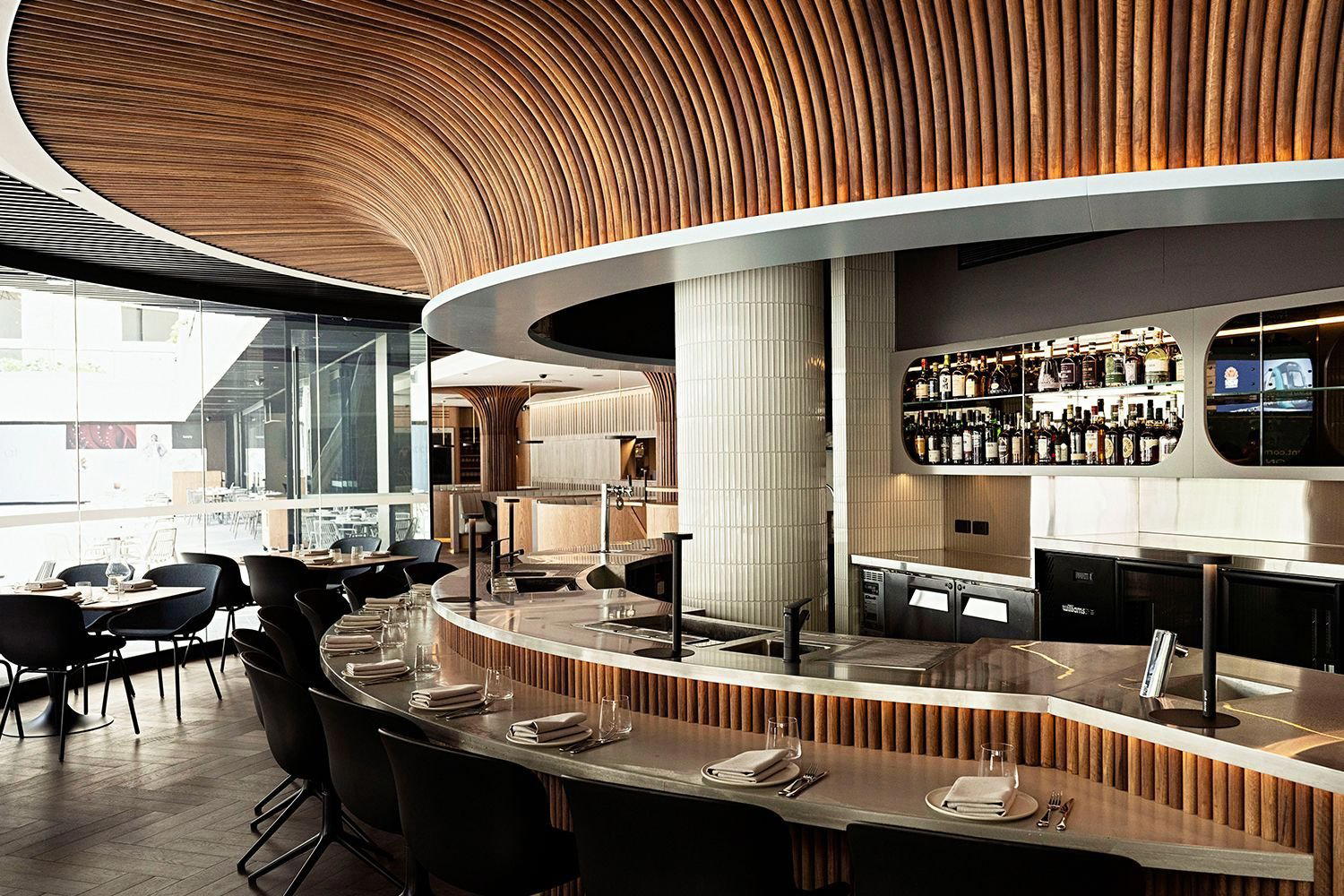
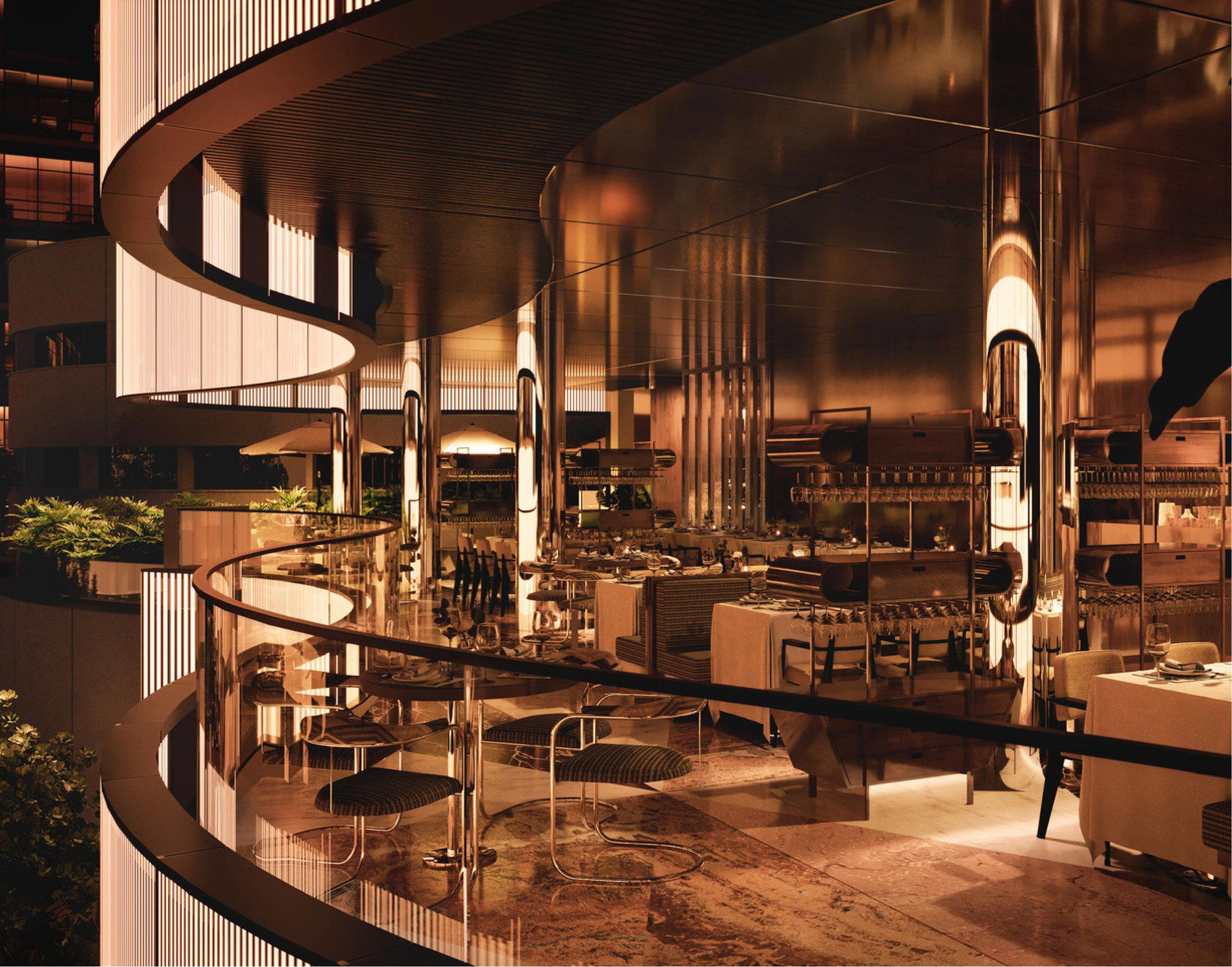
Restaurants in Sydney
Browse all →
Bars in Sydney
Browse all →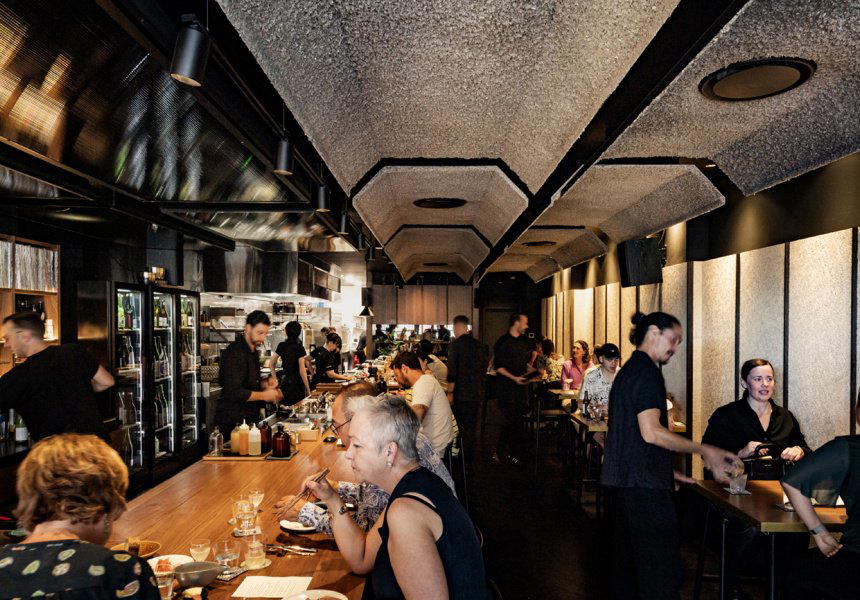
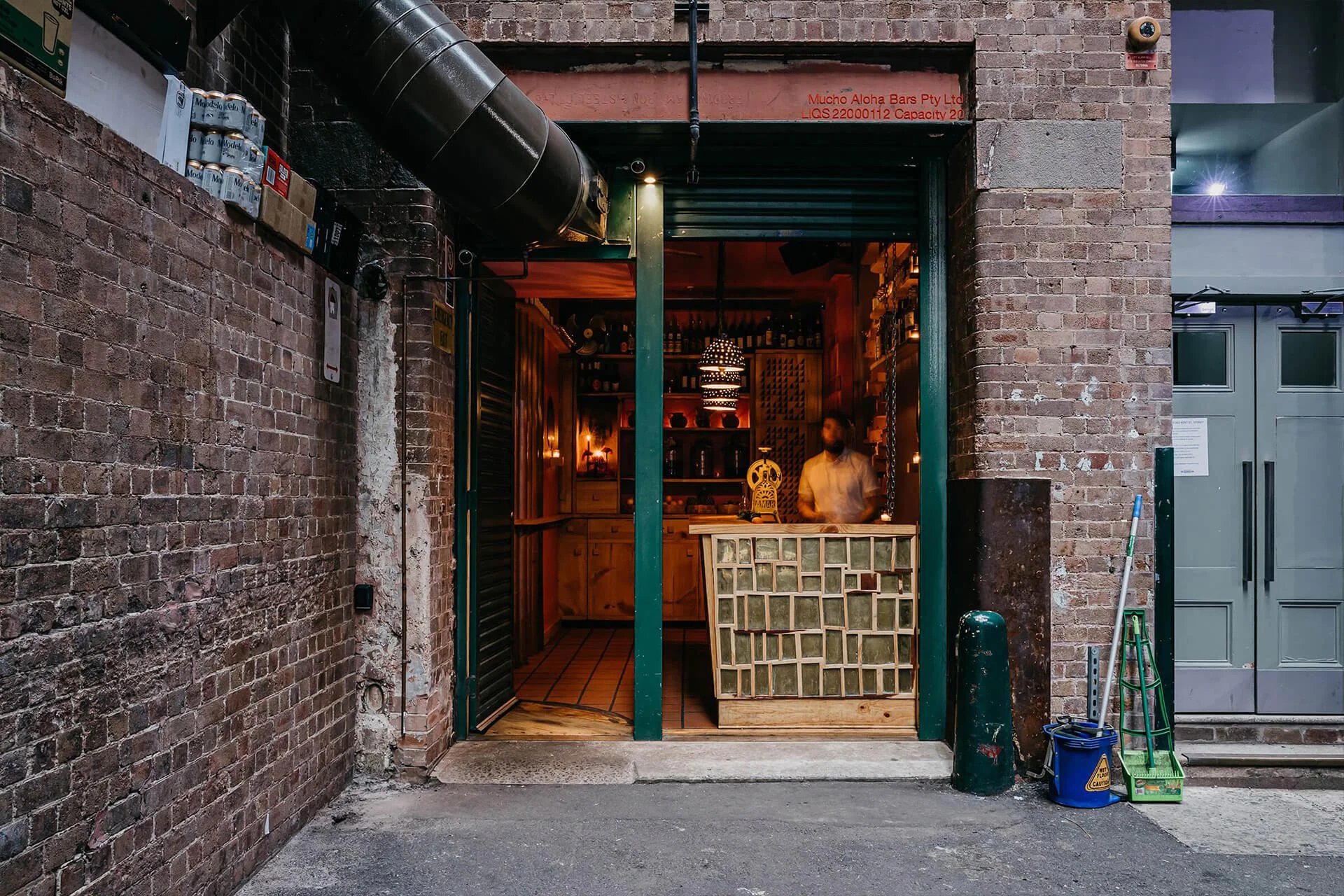
Hotels in Sydney
Browse all →
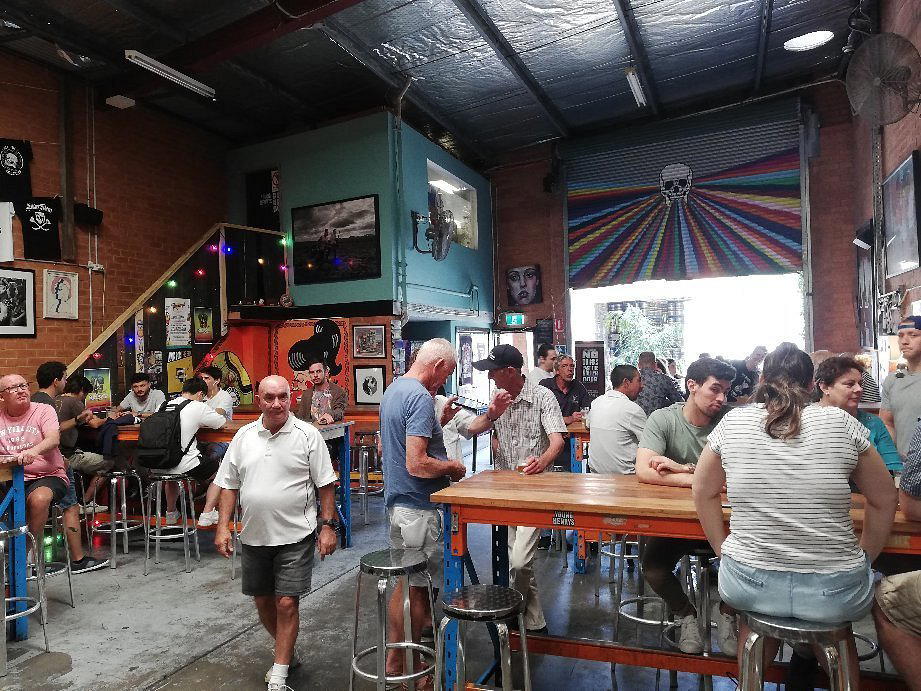
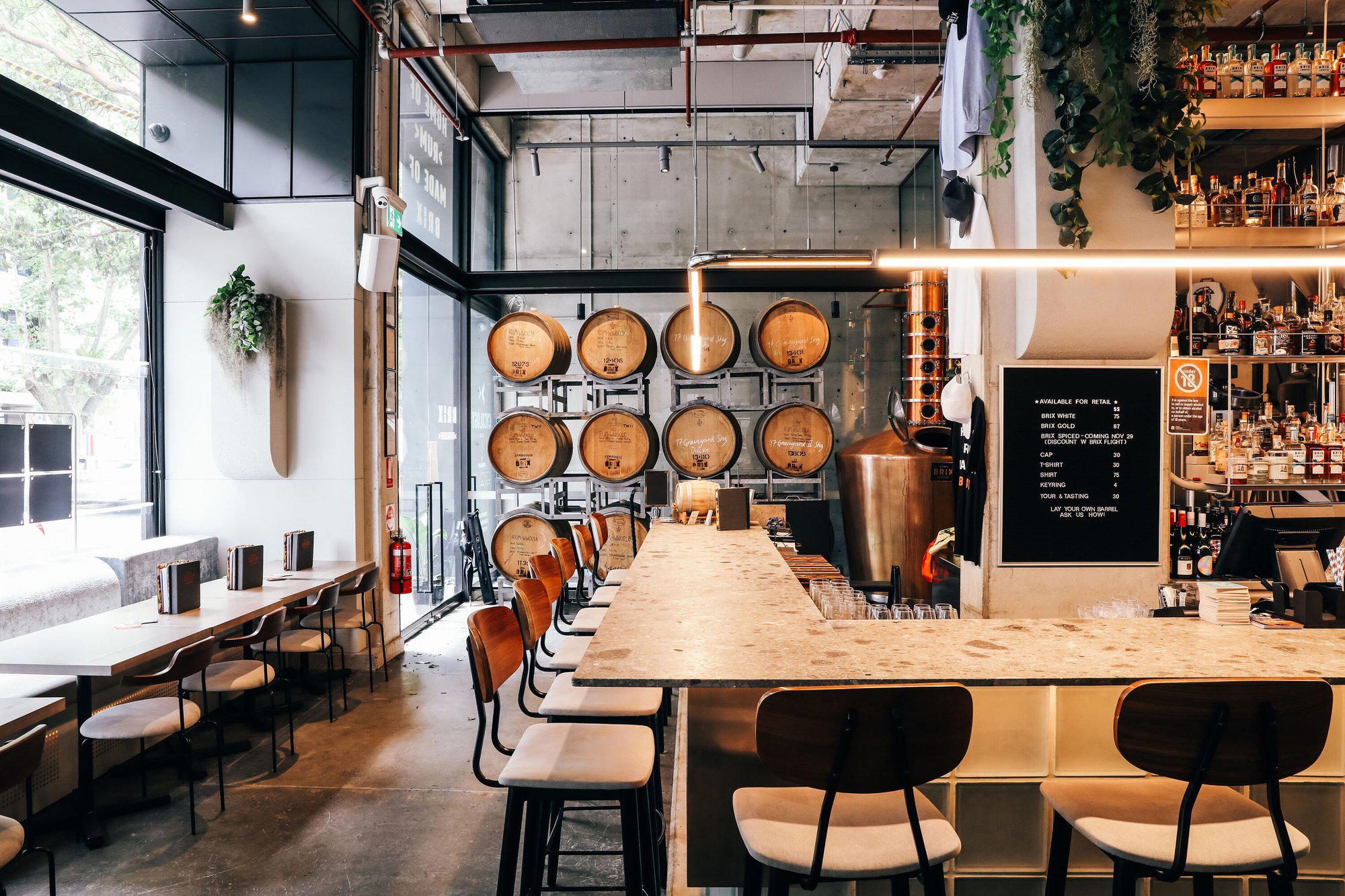

At a Glance
- Modern
- Trendy
- Lively
- Date Night
- Group Dining
- Casual Hangout
- Open Kitchen
- Sake Program
- Craft Cocktails
Current opening hours
- Monday
- 11:30 AM–3 PM, 5–8 PM
- Tuesday
- 11:30 AM–3 PM, 5–8 PM
- Wednesday
- 11:30 AM–3 PM, 5–8 PM
- Thursday
- 11:30 AM–3 PM, 5–8 PM
- Friday
- 11:30 AM–3 PM, 5–9 PM
- Saturday
- 11:30 AM–3 PM, 5–9 PM
- Sunday
- 11:30 AM–3 PM, 5–8 PM
Hours can change for holidays and private events. Last verified .
Casual yet sophisticated atmosphere with a focus on balancing food and drinks in a modern Japanese setting.
Know Before You Go
- Getting there
- Shop 18, Tramsheds/1 Dalgal Wy, Forest Lodge NSW 2037, Australia