

Wine Spectator Best of Award of Excellence · World's Best Wine Lists Awards WBWL 3-Star
Our verdict
Chin Chin Sydney brings the Melbourne original's Southeast Asian cooking to Surry Hills, holding a 3-Star Accreditation from the World of Fine Wine & Lifestyle Awards. The Commonwealth Street address puts it inside one of Sydney's most active dining neighbourhoods, where the format — high-energy, share-plate, flavour-forward — has found a natural home among the city's more serious casual operations.

Pearl is the En Primeur Club membership app — saves, bookings, and concierge access live there. Same editors, same standards.
- Address
- 69 Commonwealth St, Surry Hills NSW 2010, Australia
- Phone
- +61 2 9281 3322
- Hours
- Mon–Sat 12–11 PMSun 12–9 PM
- Website
- chinchin.sydney
- Directions
- Get directions
- Booking
- Book on OpenTable
The menu
What to order
- Barbecued cauliflower
- Egg noodles with prawn
- Pork belly
- Pad seuw
Surry Hills and the Case for Serious Casual Dining
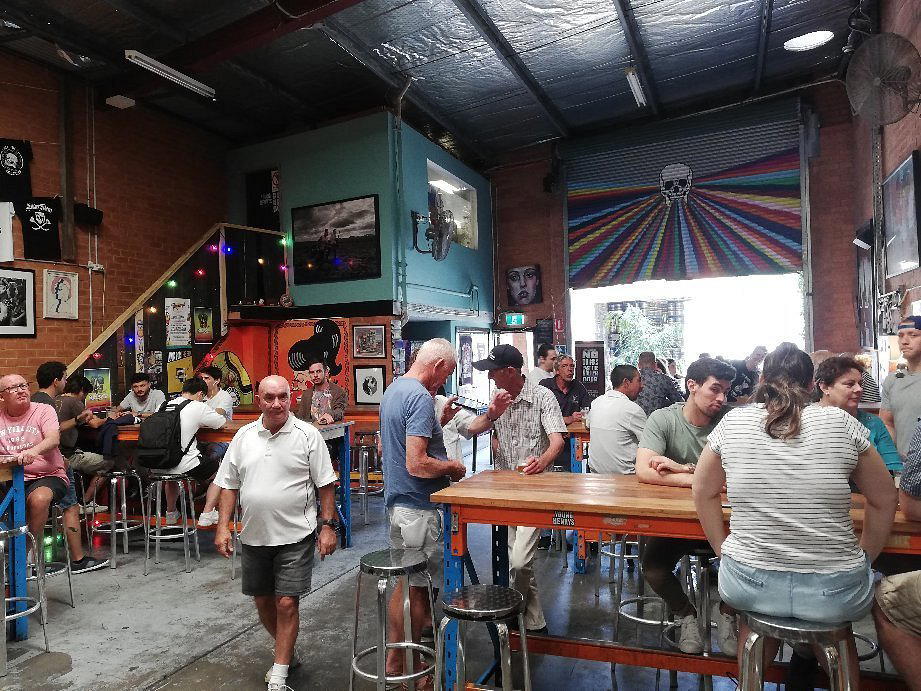
Commonwealth Street in Surry Hills sits inside a precinct that has spent the better part of two decades quietly accumulating some of Sydney's more credible restaurant addresses. The neighbourhood runs at a different register from the harbour-facing rooms of Circular Quay or the fine-dining corridor of the CBD: its buildings are lower, its footpaths are busier on a Tuesday night, and the gap between a kitchen producing technically accomplished food and one charging formal-dining prices is wider here than almost anywhere else in the city. Chin Chin Sydney occupies that gap deliberately. At number 69, the room operates at a volume and energy level that separates it from the quieter, more austere venues that share the World of Fine Wine & Lifestyle Awards' 3-Star Accreditation tier — the award the venue holds — but the cooking is positioned to be taken seriously regardless of the atmosphere surrounding it.
Across the 3-Star tier, you find operations where the wine program and food quality meet a documented threshold rather than a general sense of ambition. For a restaurant in the casual-dining register, share plates, Southeast Asian flavours, a room designed for noise rather than hushed reverence, holding that credential is a signal worth reading carefully. It is the kind of recognition that separates a popular restaurant from a well-executed one.
The Southeast Asian Casual Format in Sydney's Dining Mix
Sydney's approach to Southeast Asian cooking has moved considerably over the past decade. The category once split cleanly between inexpensive suburban specialists and a handful of fusion-leaning hotel restaurants. The middle ground, technically considered, ingredient-conscious, priced at a level that reflects kitchen investment, was thin. The expansion of that middle tier is one of the more meaningful shifts in how the city eats now, and Chin Chin sits inside it as one of the higher-profile anchors.
The format itself, share plates, a long menu designed to encourage multiple passes, a drinks program built to keep pace with spice and acidity, has become the dominant shape of casual dining in Sydney's inner suburbs. Restaurants like Saint Peter work the same general territory of ingredient-led, high-energy service, though from a coastal Australian rather than Southeast Asian base. Rockpool represents the older model: formal, singular in focus, anchored in Australian produce but in a more structured register. What Chin Chin proposes is something different from both, a room where the energy is deliberately high, the menu is built for sharing and lateral movement across the table, and the cooking earns its recognition through precision rather than pageantry.
That positioning is worth noting in the context of Sydney's broader casual tier. Operations like 10 William St work a similar remove from formality but through a wine-bar-and-pasta lens. 20 Chapel and 6HEAD operate in adjacent price territory with different culinary orientations. None of them occupy the same flavour register as Chin Chin, which makes the venue's recognition across that register more legible: it is not competing on the same axis as its Surry Hills neighbours.
Critical Reception and What the 3-Star Accreditation Signals
The World of Fine Wine & Lifestyle Awards' 3-Star Accreditation is the primary documented credential on record for Chin Chin Sydney, and it is worth reading as a statement about a specific kind of quality rather than a general endorsement. The award scheme assesses against documented standards that weight both the food and the overall experience, meaning the recognition applies to the room and its program in combination, not simply the kitchen output in isolation.
For a venue operating in the casual tier, that carries a particular implication. Critics and accreditors alike tend to apply higher scrutiny to informal-format restaurants when assessing them against award benchmarks, because the absence of tablecloth formality removes a set of conventional signals. The 3-Star result suggests the operation holds up when those conventions are stripped away. Nationally, the venues that have earned comparable recognition in the casual-dining space include 400 Gradi in Brunswick East, Amaru in Armadale, and Agrarian Kitchen in Hobart, each operating in a different format, all holding recognition that points to kitchen seriousness beneath an accessible surface.
The contrast with the city's most formally recognised rooms is instructive. Brae in Birregurra and Flower Drum in Melbourne carry deeper critical histories and operate in more conventional award-seeking formats. Chin Chin's recognition comes from a different angle, earned in a room built for throughput and energy rather than contemplative tasting-menu pacing. Internationally, the distance between that kind of casual-recognition tier and the formal critical establishment is illustrated clearly by institutions like Le Bernardin in New York City or Emeril's in New Orleans, which occupy different award ecosystems entirely. Chin Chin is not competing in that register, and the 3-Star credential is leading read as a ceiling-clearance within the casual tier, not a claim to formal-dining status.
In the broader Southeast Queensland and eastern-seaboard scene, the only comparable casual-format operation with a similarly documented recognition footprint that comes to mind readily is Bacchus in Brisbane, though that venue operates in a markedly different culinary tradition. The point is not direct comparison but calibration: Chin Chin Sydney's 3-Star standing is not common in its format category, which is precisely what makes it editorially legible as a venue worth tracking.
Planning a Visit: What to Know Before You Go
Chin Chin Sydney sits at 69 Commonwealth Street, Surry Hills, well served by bus routes from Central Station and within walking distance of the southern edge of the CBD. The neighbourhood is dense with restaurants, and the venue's profile means securing a booking in advance is the safer approach, particularly for weekend evenings and larger groups. For those exploring the full range of what Sydney's dining and hospitality scene offers beyond Commonwealth Street, EP Club's full Sydney restaurants guide, Sydney hotels guide, Sydney bars guide, Sydney wineries guide, and Sydney experiences guide provide a wider map of the city's options across all categories.
Frequently asked questions
What part of town is Chin Chin Sydney in?
Chin Chin Sydney is located at 69 Commonwealth St, Surry Hills NSW 2010, Australia, Sydney.
Is Chin Chin Sydney Michelin-listed?
Chin Chin Sydney has received recognition including: {"wbwl_source": {"slug": "chin-chin-sydney", "page_type": "star_accreditation", "category_slug": "star-accreditation", "award_result": "Accredited", "is_global_winner": "False"}, "scraped_details": {"hero_image": "
What's the signature dish at Chin Chin Sydney?
The restaurant holds a 3-Star Accreditation from the World of Fine Wine & Lifestyle Awards, which typically reflects consistency across the full menu rather than a single standout dish.
Do they take walk-ins at Chin Chin Sydney?
Given Chin Chin's profile in Sydney's Commonwealth Street dining precinct and its 3-Star World of Fine Wine & Lifestyle Accreditation, demand is steady enough that booking ahead is the safer approach, particularly on weekends.
What do critics highlight about Chin Chin Sydney?
The most documented credential on record is the 3-Star Accreditation from the World of Fine Wine & Lifestyle Awards, a programme that assesses venues against wine list quality and broader hospitality standards. Within the Surry Hills dining precinct, Chin Chin sits in a peer group that has shifted the conversation around what serious casual Southeast Asian cooking looks like in Sydney.
Comparison Snapshot
A small set of peers for context, based on recorded venue fields.
| Venue | Cuisine | Price | Awards | Notes |
|---|---|---|---|---|
| Chin Chin SydneyThis venue — the venue you are viewing | Modern South East Asian | $50–100 | Wine Spectator Best of Award of Excellence · World's Best Wine Lists Awards WBWL 3-Star | Not listed |
| Saint Peter | Modern Australian Seafood | $150–200 | World's 50 Best #66 · La Liste Top Restaurants | Australian Seafood |
| Rockpool | Modern Australian Steakhouse | $150–200 | World's 50 Best #49 · La Liste Top Restaurants | Australian Cuisine |
| BENTLEY Restaurant & Bar | Modern Australian Fine Dining | $150–200 | La Liste Top Restaurants · Star Wine List | Australian Modern |
| Bennelong | Modern Australian Fine Dining | $200–300 | La Liste Top Restaurants · Star Wine List | Australian Cuisine |
| 20 Chapel | Modern Australian Wood-Fired Grill | $100–150 | Not listed | Not listed |
Recognition history
Dated appearances from independent guides and award organizations, with the underlying list record or original source where available.
Wine Spectator Best of Award of Excellence
Wine Spectator
World's Best Wine Lists Awards WBWL 3-Star
World's Best Wine Lists Awards
Full recognition history (5 entries)
World's Best Wine Lists Awards WBWL 3-Star
World's Best Wine Lists Awards
World's Best Wine Lists Awards WBWL Category Winner
World's Best Wine Lists Awards
World's Best Wine Lists Awards WBWL 3-Star
World's Best Wine Lists Awards
Continue exploring
More in Sydney
Restaurants in Sydney
Browse all →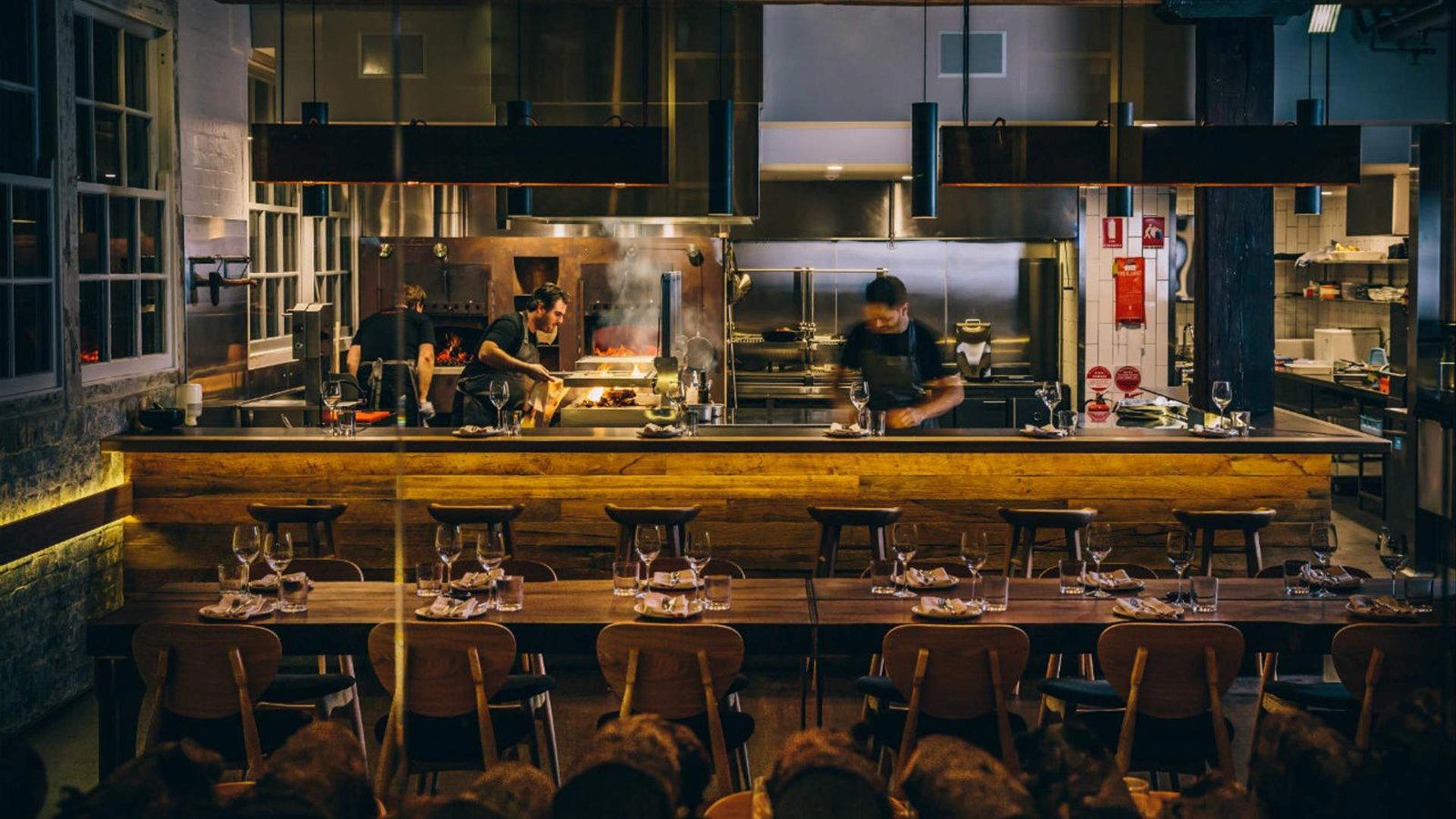
Bars in Sydney
Browse all →
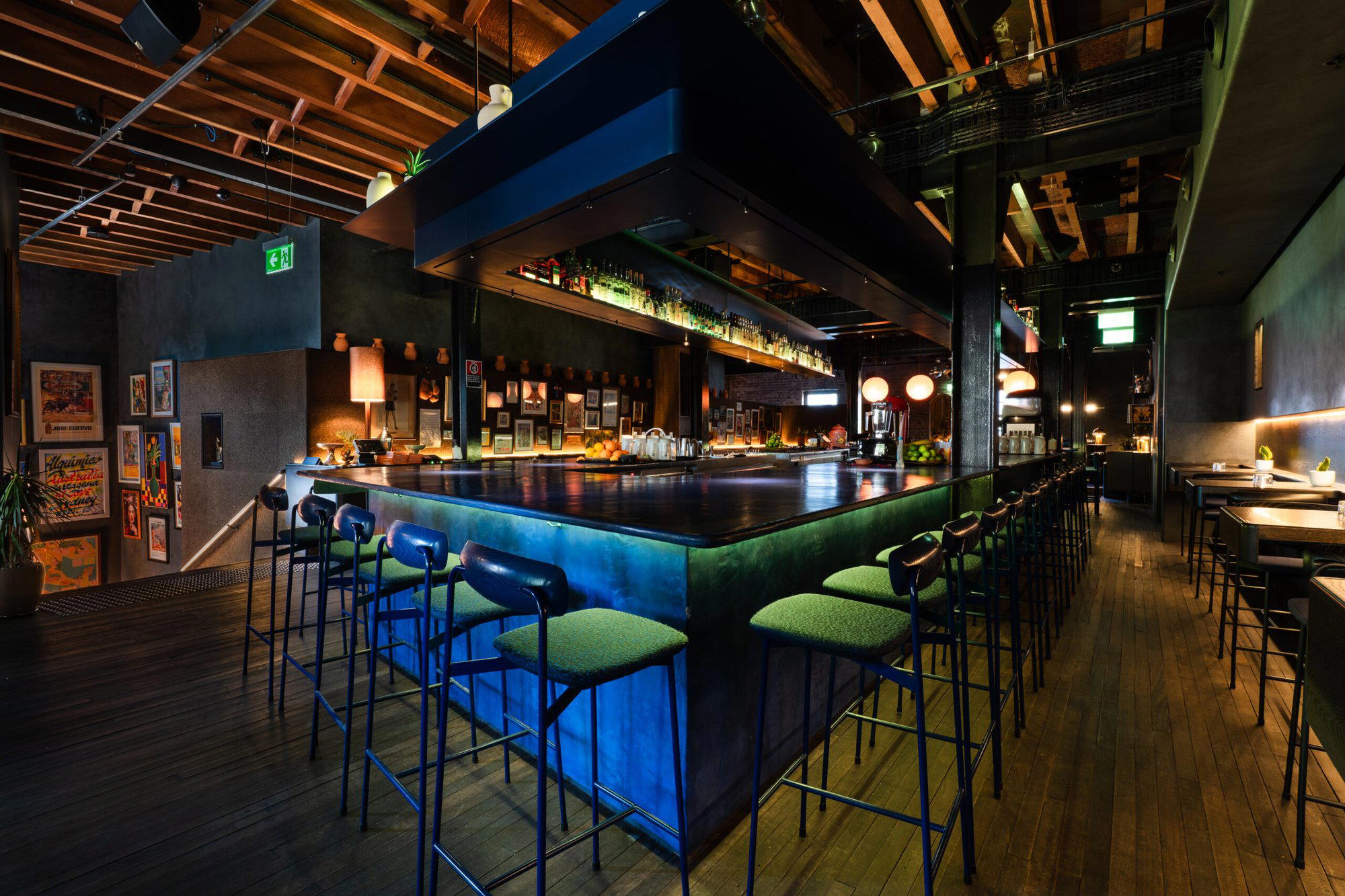
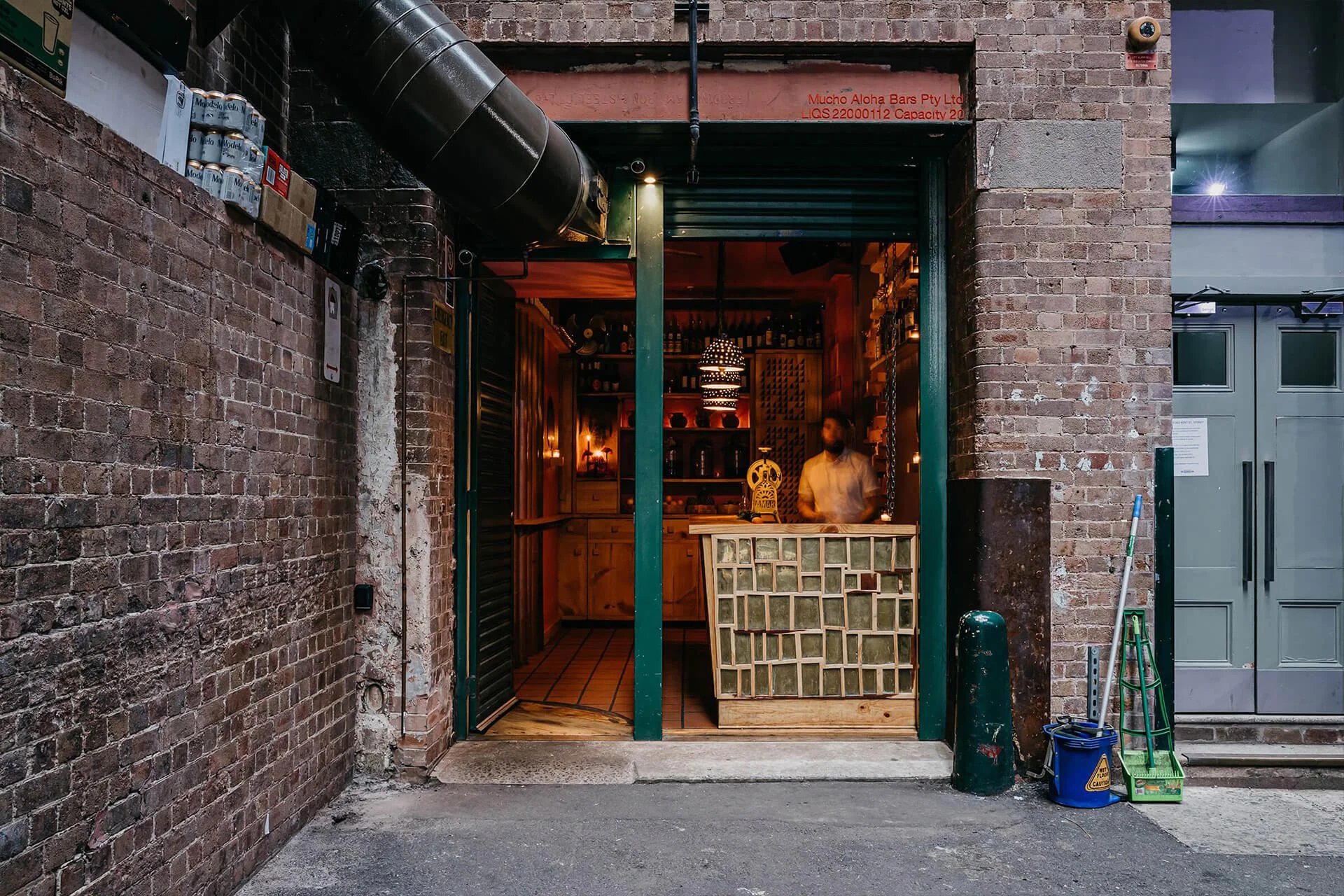
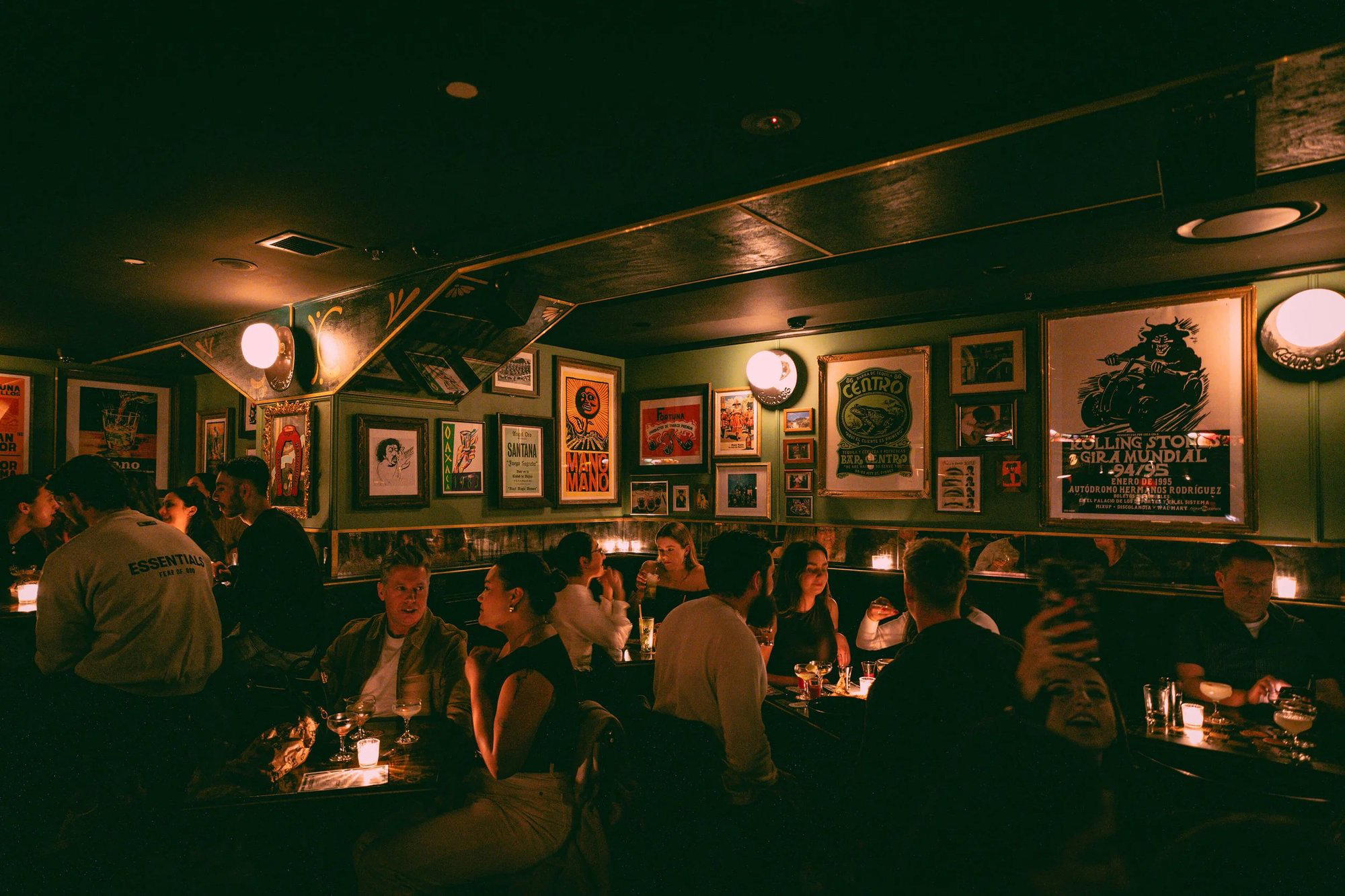
Hotels in Sydney
Browse all →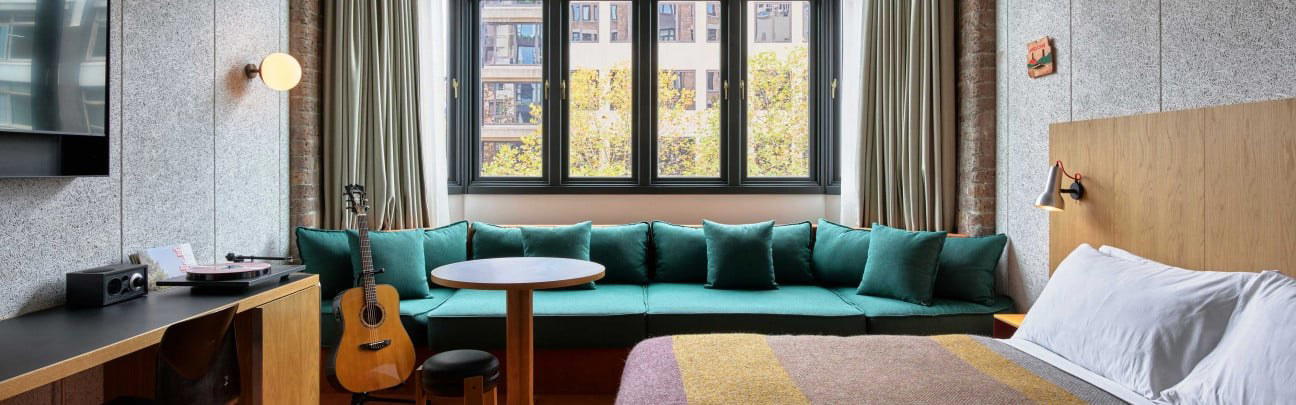


Details
- Lively
- Trendy
- Energetic
- Modern
- Group Dining
- Casual Hangout
- Celebration
- Open Kitchen
- Private Dining
- Craft Cocktails
- A La Carte
- Small Plates
- Set Menu
- Vegetarian Friendly
- Vegan Options
- Gluten Free Options
Current opening hours
- Monday
- 12–11 PM
- Tuesday
- 12–11 PM
- Wednesday
- 12–11 PM
- Thursday
- 12–11 PM
- Friday
- 12–11 PM
- Saturday
- 12–11 PM
- Sunday
- 12–9 PM
Hours can change for holidays and private events. Last verified .
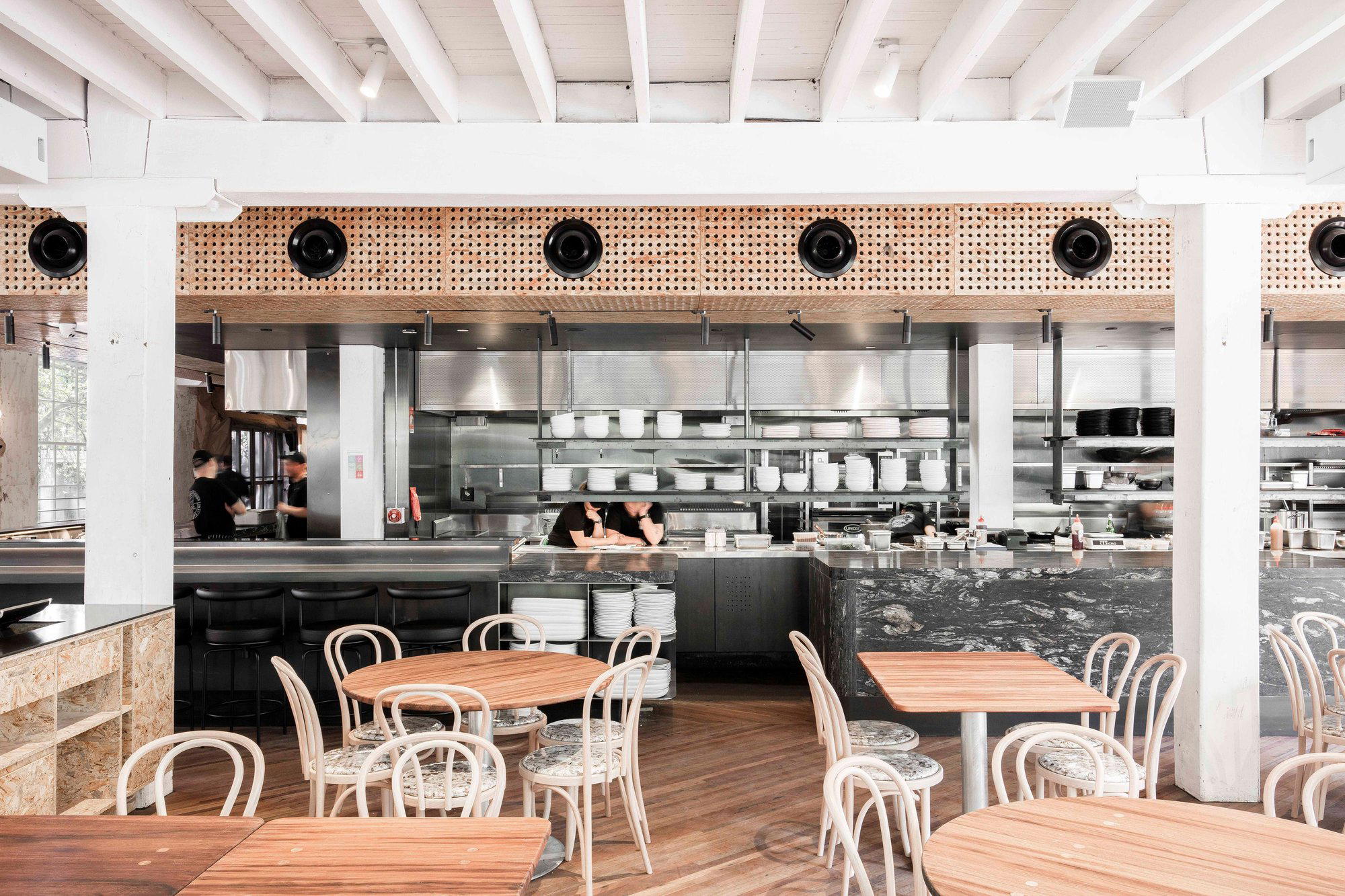
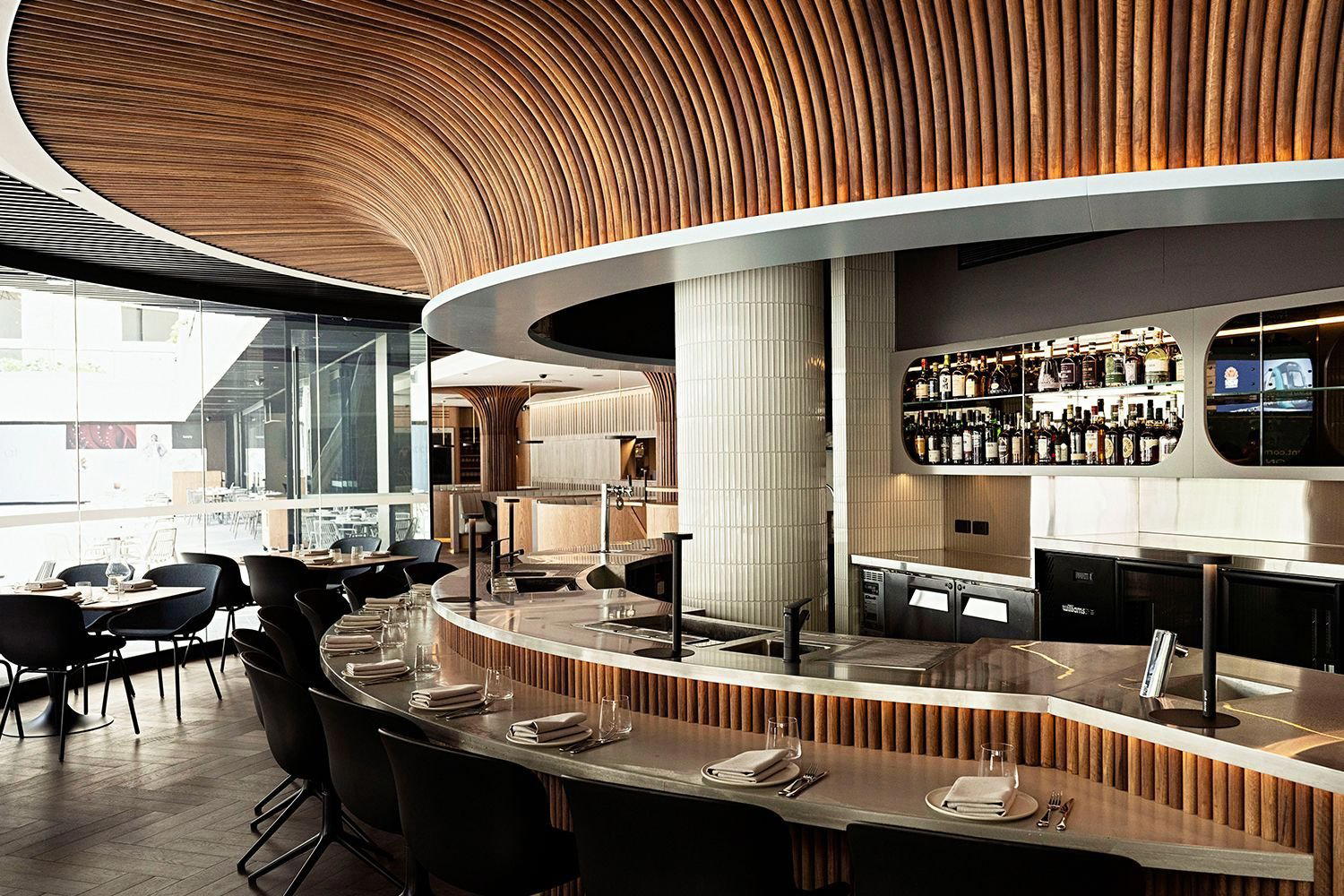
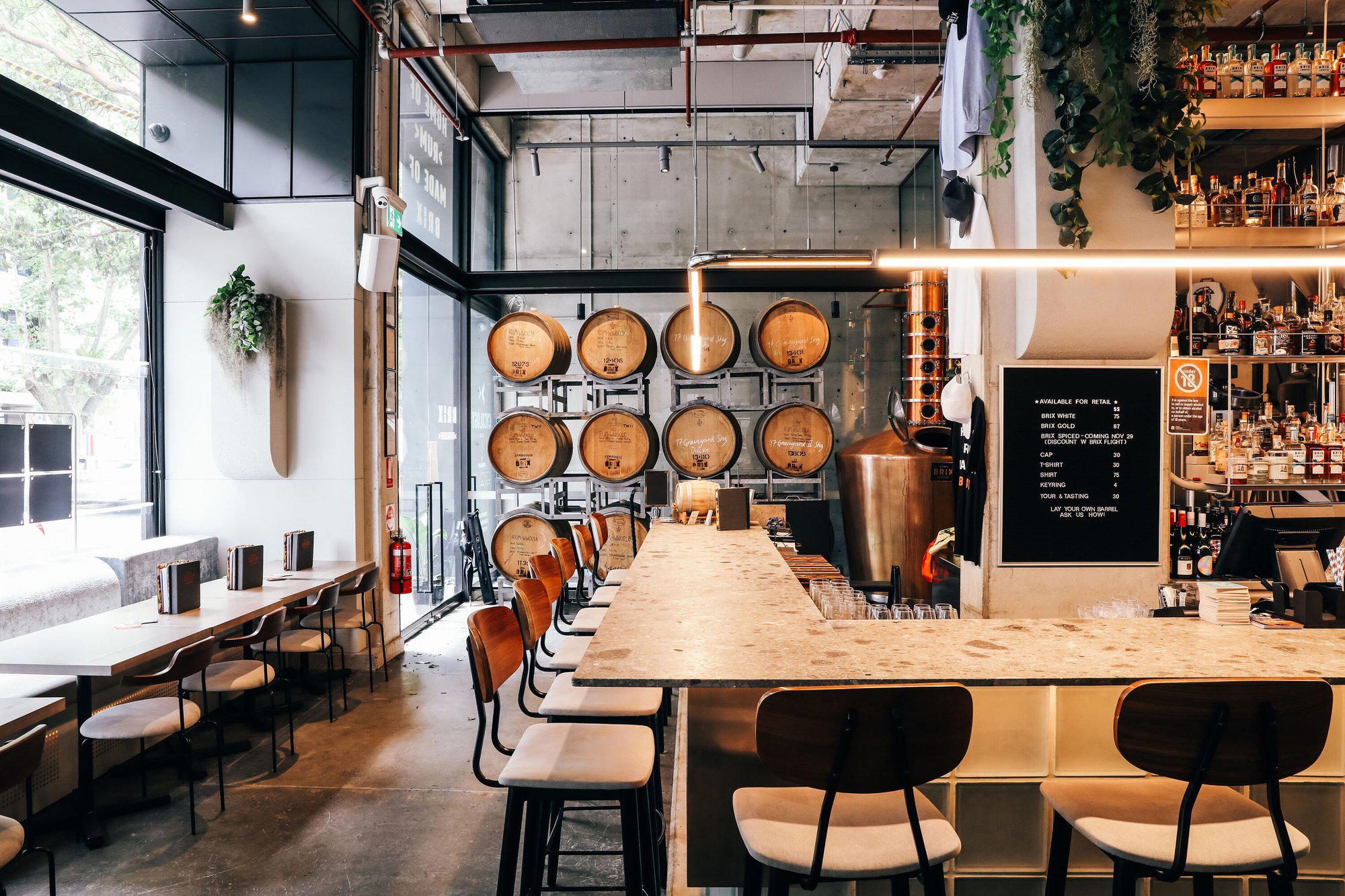
Bustling and buzzy with loud music, industrial design, natural light, booth seating, pale timber tones, and neon accents.