


La Liste Top Restaurants · Star Wine List · The Best Chef One Knife
Our verdict
Sixpenny occupies a quiet terrace on Percival Road in Stanmore, operating 34 seats across a single nightly sitting — a format that places it firmly in Sydney's most restrained fine dining tier. Chef Daniel Puskas leads the kitchen with a commitment to Australian Contemporary cuisine that has earned consecutive La Liste recognition in 2025 and 2026. For serious diners, it represents one of the inner west's most considered dining rooms.

Pearl is the En Primeur Club membership app — saves, bookings, and concierge access live there. Same editors, same standards.
- Address
- 83 Percival Rd, Stanmore NSW 2048, Australia
- Phone
- +61 2 9572 6666
- Hours
- Mon–Tue ClosedWed–Fri 6–9 PMSat 12–9 PMSun 12–5 PM
- Website
- sixpenny.com.au
- Directions
- Get directions
- Booking
- Book on OpenTable
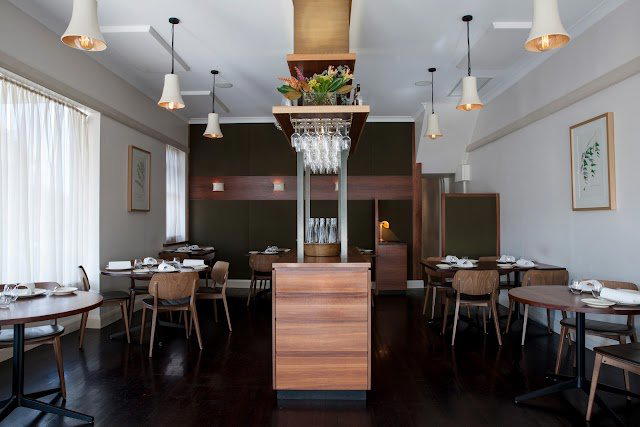
A Quiet Street, A Deliberate Choice
Sydney's fine dining geography has long favoured the harbour foreshore and the CBD fringe, where restaurants trade on views and foot traffic as much as food. The inner west tells a different story. Stanmore, a residential suburb of Federation-era terraces and narrow shopping strips, offers none of that theatre. Sixpenny, at 83 Percival Road, made exactly that trade-off by design: neighbourhood anonymity in exchange for the kind of stillness that lets the food speak without competition. Walking up Percival Road toward the restaurant, the absence of neon or canopied glamour is immediate. The building reads like the street itself — contained, domestic in scale, without performance. That restraint is the first signal of what follows inside.
For broader context on eating and drinking in this part of Sydney, our full Stanmore restaurants guide maps the neighbourhood's range from casual to formal.
The Format as Argument
Across Australian fine dining, restaurants have increasingly split between large-format destination venues — the kind that anchor a waterfront precinct or a hotel group, and small, single-sitting operations where capacity is a deliberate editorial statement. Sixpenny sits unambiguously in the second camp. At 34 seats and one sitting per night, it operates closer to the logic of a private dining room than a commercial restaurant. That structure has direct consequences for the experience: the kitchen can commit to a single service without the compression of back-to-back covers, the floor team can maintain genuine attention across every table, and the pacing of a meal can extend into something approaching leisure rather than throughput.
Comparable formats exist elsewhere in the Australian dining canon. Brae in Birregurra operates on a similar philosophy of place-specificity and controlled scale. In the city context, Firedoor in Surry Hills demonstrates how a focused format and singular technique can anchor a restaurant's identity over the long term. Sixpenny belongs to that conversation: small rooms with clear convictions, where the format itself is part of the argument the restaurant is making.
Daniel Puskas and the Australian Contemporary Kitchen
Australian Contemporary as a cuisine category has matured considerably since it emerged as a defined mode in the early 2000s. At its clearest, it means native ingredients and seasonal produce read through a European fine dining technique, with growing confidence in departing from that European frame when the produce demands it. The category now ranges widely, from the elemental fire-driven approach at Firedoor to the produce-led pastoral register of Brae, and the more urban, precision-oriented kitchens that cluster in Sydney and Melbourne.
Daniel Puskas represents the latter tendency. His training and the restaurant's positioning within Sydney's serious dining tier mark Sixpenny as a kitchen concerned with precision and restraint rather than spectacle. In a city that also has Rockpool anchoring the more classically ambitious end of Australian dining, Sixpenny operates at a different register, quieter in its ambitions, more concentrated in its execution. The chef's presence at a restaurant this size, with this format, is a credentialing signal in itself: this is not a flagship for a larger group but a focused singular project.
The Australian Contemporary scene extends beyond Sydney, of course. Amaru in Armadale and Cutler & Co. in Fitzroy represent Melbourne's contribution to the genre, while Botanic in Adelaide and Bacchus in Brisbane extend it nationally. Internationally, the cuisine type has begun to travel: Downunder by Justin Jennings in Lisbon and Heh in Phuket show how Australian cooking sensibility is being interpreted abroad. Sixpenny remains a Sydney-rooted version, but it sits within that expanding international context.
Recognition and Peer Position
La Liste, the French-compiled global restaurant ranking that aggregates critical assessments from multiple sources, placed Sixpenny at 80 points in both its 2025 and 2026 editions. Consecutive La Liste recognition at a consistent score across two years is a measure of stability rather than sudden arrival, the restaurant has not spiked into visibility on the back of a single review cycle but maintained a sustained critical position. That consistency, at a score that places it within La Liste's top tier of assessed restaurants globally, confirms Sixpenny's standing in the upper bracket of Sydney fine dining.
For comparison, other Australian restaurants that draw international critical attention include Flower Drum in Melbourne, a long-established reference point for serious dining, and Brae, which has sustained international recognition over a longer arc.
The Inner West as Dining Destination
Stanmore sits in Sydney's inner west, a band of suburbs that includes Newtown, Petersham, and Marrickville, which have built a reputation for informal eating diversity. Fine dining in this corridor is rare precisely because the neighbourhood character tends toward the unpretentious. Sixpenny's presence on Percival Road is therefore an outlier within its own postcode, a restaurant that operates at a national fine dining level without seeking the locational endorsement that comes with a CBD or waterfront address.
That positioning matters to how the restaurant functions in practice. It draws deliberately from across Sydney rather than from passing trade, meaning the room on any given night is composed of people who planned to be there, a different energy from a restaurant that captures diners on impulse. The neighbourhood provides the mood; the guests bring the intention. If you are planning a broader visit to the area, our guides to Stanmore hotels, Stanmore bars, local wineries, and Stanmore experiences can help extend the visit beyond the meal itself.
Planning a Visit
Sixpenny operates a single sitting per night, which means the booking window matters more here than at restaurants running two or three covers. At 34 seats, the room fills with a small number of tables, and the format does not lend itself to last-minute reservations at peak periods. Prospective diners should plan accordingly, particularly for weekend evenings when demand from across Sydney concentrates. The address, 83 Percival Road, Stanmore, is accessible by train to Stanmore station, making it one of the more straightforwardly reached fine dining rooms in the inner west without requiring a taxi or rideshare from the CBD. Given the single-sitting structure, arriving promptly aligns with the kitchen's rhythm.
For reference against other fine dining experiences across Australia, the roster at Dan Arnold in Fortitude Valley, 400 Gradi in Brunswick East, and Carlton Wine Rooms in Carlton offers a sense of the broader spectrum within which Sixpenny sits, each representing a distinct approach to the serious end of Australian dining.
Frequently asked questions
How do I find Sixpenny?
Sixpenny is located at 83 Percival Rd, Stanmore NSW 2048, Australia, Stanmore.
Who runs the kitchen at Sixpenny?
The chef associated with Sixpenny is Daniel Puskas.
Comparison Snapshot
| Venue | Cuisine | Awards |
|---|---|---|
| SixpennyThis venue — the venue you are viewing | Modern Australian Fine Dining | La Liste Top Restaurants · Star Wine List |
| Rockpool | Australian Cuisine | World's 50 Best |
| Saint Peter | Australian Seafood | World's 50 Best |
| Flower Drum | Cantonese | World's 50 Best |
| Attica | Australian Modern | World's 50 Best |
| Brae | Modern Australian | World's 50 Best |
Recognition history
Dated appearances from independent guides and award organizations, with the underlying list record or original source where available.
La Liste Top Restaurants
La Liste
Star Wine List
Star Wine List
The Best Chef One Knife
The Best Chef
Full recognition history (4 entries)
La Liste Top Restaurants
La Liste
Continue exploring
More in Stanmore
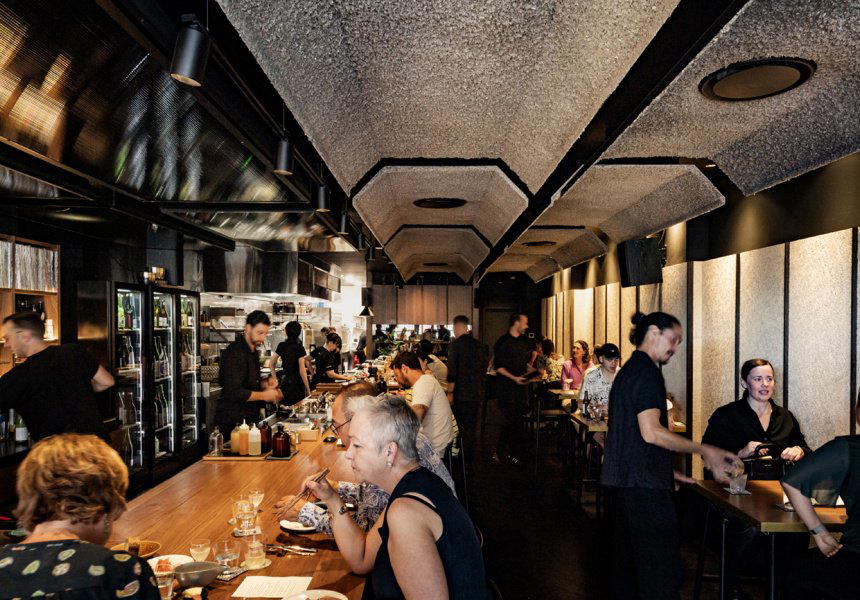
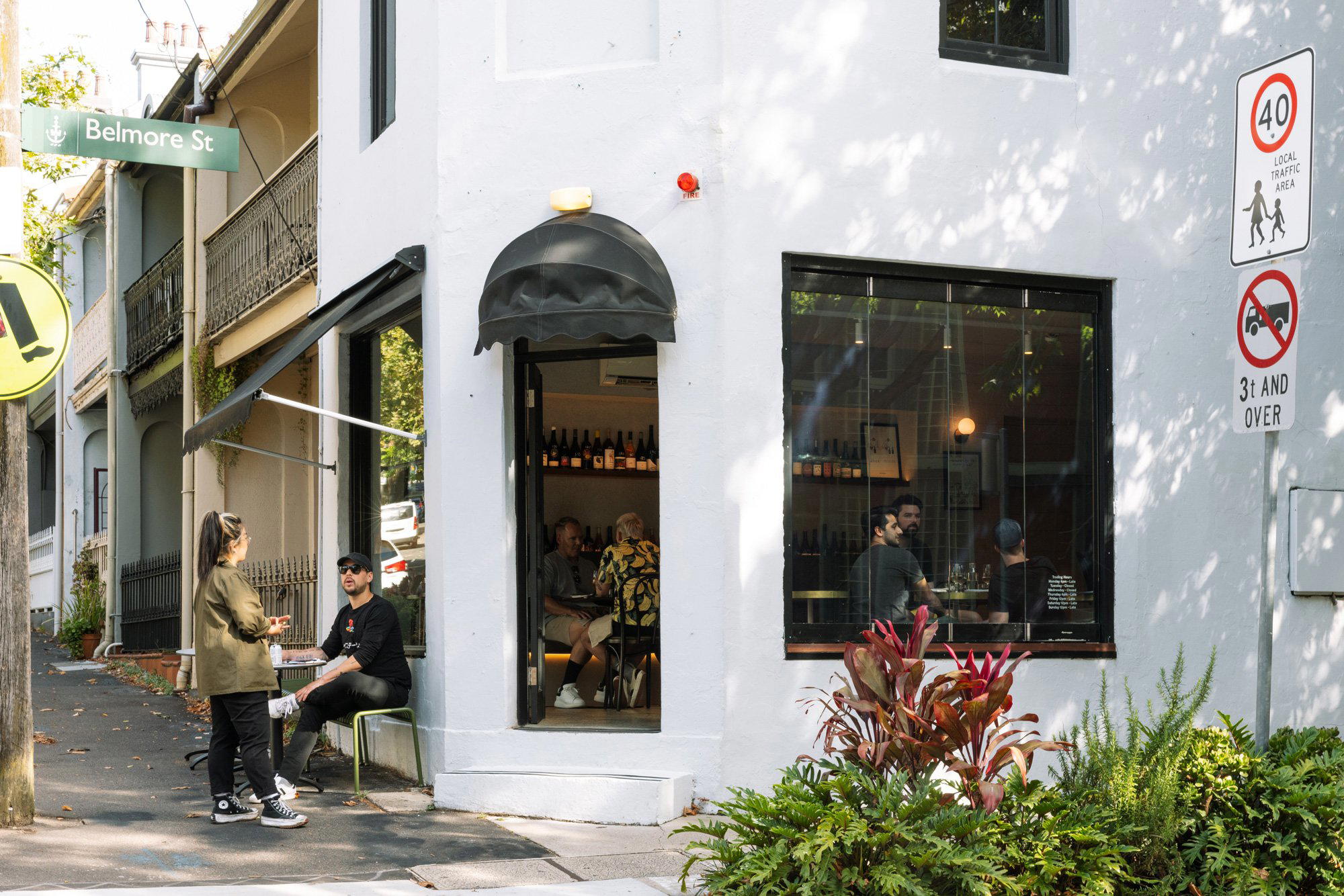
Restaurants in Stanmore
Browse all →
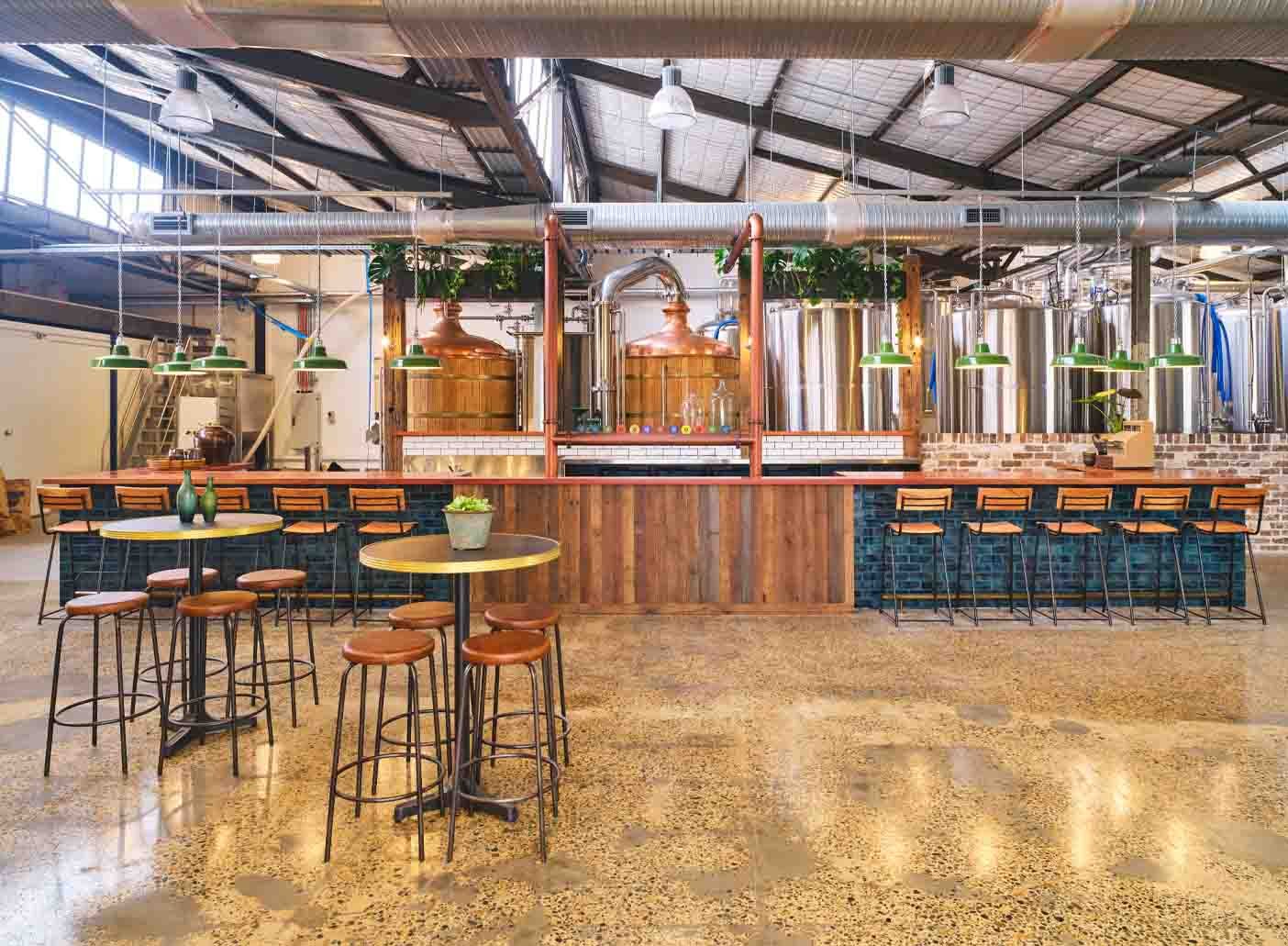
Bars in Stanmore
Browse all →
Hotels in Stanmore
Browse all →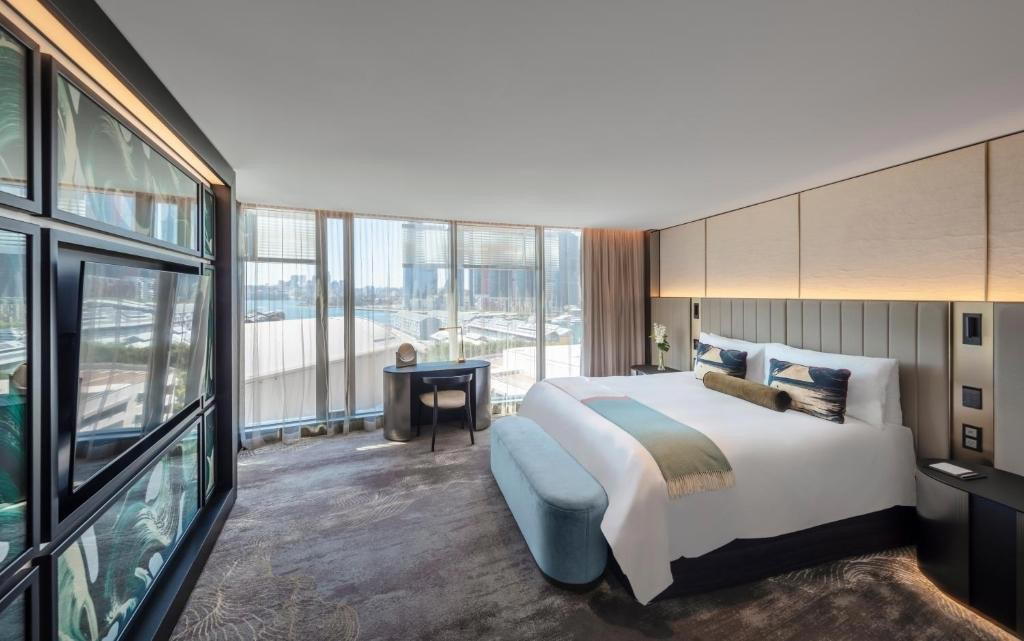

Details
- Sophisticated
- Intimate
- Elegant
- Historic
- Quiet
- Date Night
- Celebration
- Special Occasion
- Historic Building
- Standalone
- Terrace
- Extensive Wine List
- Sommelier Led
- Local Sourcing
- Farm To Table
- Tasting Menu
- Set Menu
- Wine
Current opening hours
- Monday
- Closed
- Tuesday
- Closed
- Wednesday
- 6–9 PM
- Thursday
- 6–9 PM
- Friday
- 6–9 PM
- Saturday
- 12–9 PM
- Sunday
- 12–5 PM
Hours can change for holidays and private events. Last verified .
An intimate, quietly refined dining room with a historic feel and a polished, special-occasion atmosphere.