Young Henrys
Australian Bar Awards Best Brewery Bar Finalist
Young Henrys has become a reference point for the inner-west Sydney drinking scene, operating out of a warehouse space on Wilford Street in Newtown and. The venue sits within a neighbourhood that has long attracted producers who work against category conventions, making it a useful lens on how craft production culture has taken root in Sydney's south.

Pearl is the En Primeur Club membership app — saves, bookings, and concierge access live there. Same editors, same standards.
- Address
- 76 Wilford St, Newtown NSW 2042
- Phone
- +61 2 9519 0048
- Website
- younghenrys.com
- Directions
- Get directions
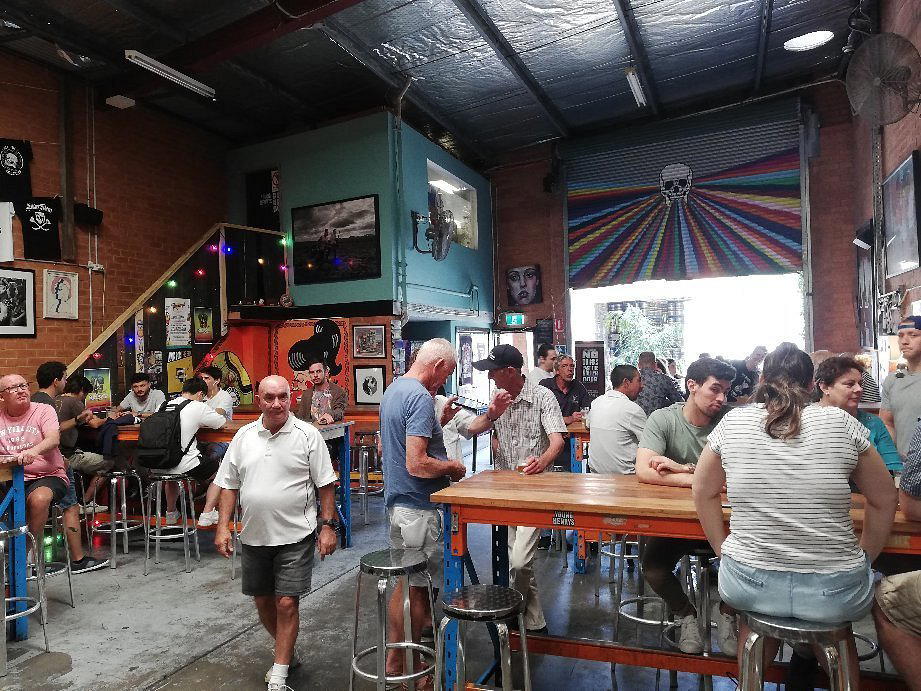
Newtown's Industrial Drinking Culture and Where Young Henrys Fits
Newtown has spent the better part of two decades becoming the most consistent address in Sydney for producers who work outside the mainstream commercial register. The neighbourhood's warehouse stock, its proximity to a dense residential population that leans younger and more experimentally inclined, and its distance from the harbour-view premium that shapes so much of Sydney's hospitality identity have made it fertile ground for a particular kind of venue: production-forward, anti-gloss, and more interested in what's in the glass than in how the room photographs.
For context on how the broader Australian drinks scene is mapped, see our full Newtown (Sydney) restaurants guide, which situates venues like Young Henrys within the neighbourhood's wider hospitality character.
The Wilford Street Warehouse: What the Space Communicates
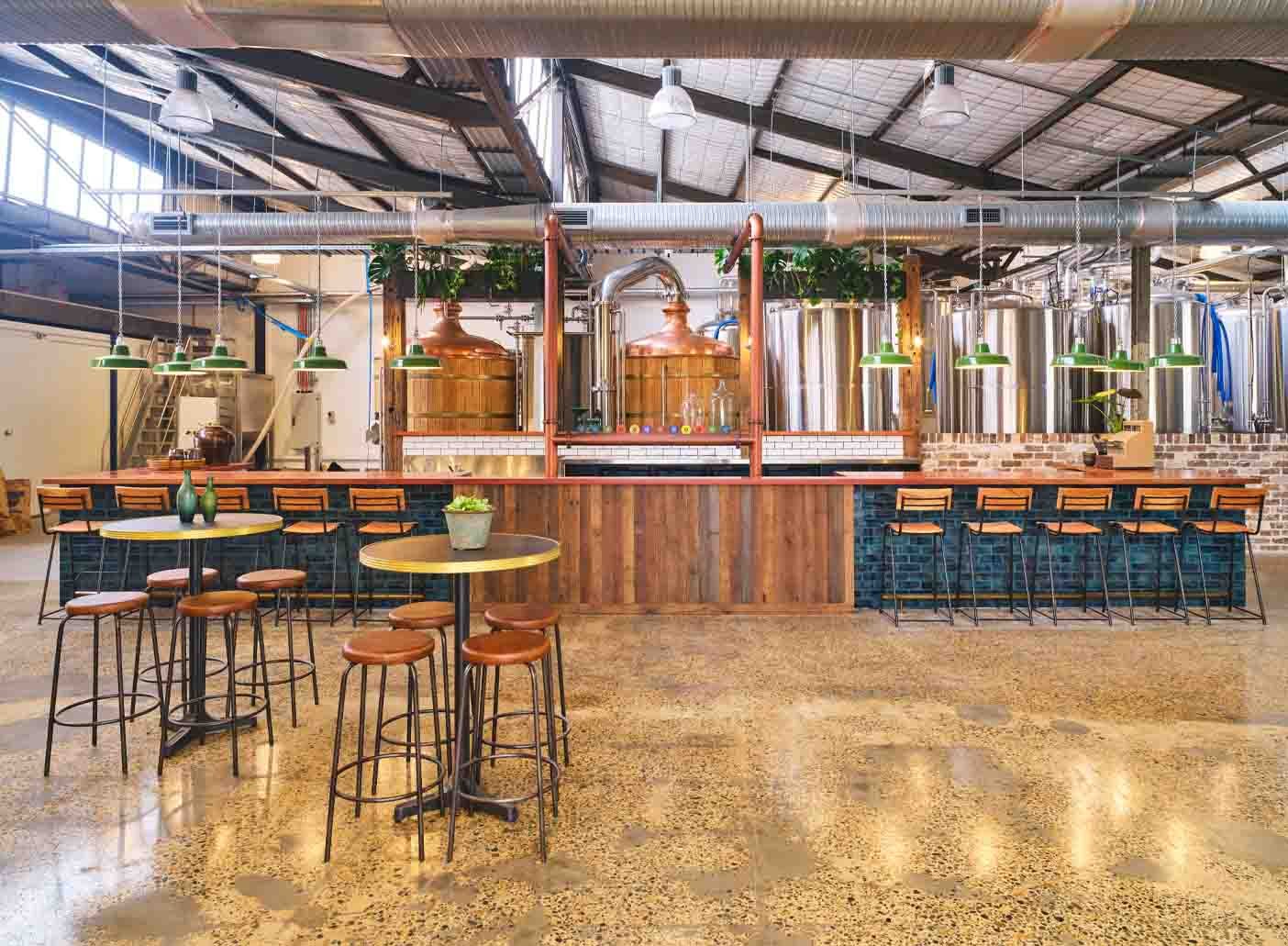
Approaching a venue like Young Henrys, the address itself does editorial work. Wilford Street is not a dining strip or a bar precinct in the conventional sense. It is a working industrial block that has been repurposed without being prettified, and the building's warehouse scale announces a set of priorities before anything is poured. Production is visible. The logic of the space is closer to a working brewery taproom than to a designed hospitality environment, which is a deliberate position in a city where the alternative, spending significantly on fit-out to signal premium, is always available.
That rawness is a statement about where value is placed. In Sydney's inner west, it reads as credibility rather than neglect. The scene here has consistently rewarded producers who put capital into what they make rather than into marble and mood lighting, and Young Henrys is among the clearest expressions of that local hierarchy.
Craft Production in the Inner West: The Terroir Argument
Discussing terroir in the context of a Sydney craft producer requires a different frame than applying the concept to Margaret River Cabernet or Gippsland Pinot Noir. For winemakers like Bass Phillip in Gippsland or Cape Mentelle in Margaret River, terroir is a soil-and-climate argument that takes decades to make. For an urban producer in Newtown, terroir is a cultural and social proposition: the character of the neighbourhood, its drinking habits, its tolerance for experimentation, and its resistance to corporate homogeneity all press on what gets made and how it gets presented.
Young Henrys exists in that tradition. The inner west's production culture is a distinct local phenomenon, with producers drawing on the density of a working-class-turned-creative neighbourhood to build audiences who care about provenance and process at a granular level. Compare that to the more institutional scale of operations like Angove Family Winemakers in Renmark or Casella Family (Yellow Tail) in Griffith, where volume and national distribution define the identity, and the distinction becomes clear. Young Henrys operates at a scale where the relationship between producer and local drinker is direct and relatively unmediated.
Sydney has other craft producers with serious recognition. Archie Rose Distilling Co has built a comparable reputation in spirits from a different part of the city, earning recognition that has extended well beyond its local base. The comparison is instructive: both occupy the tier of urban producers who have moved from novelty to credibility, where formal ratings begin to track what the local audience already knew.
For reference, producers at the highest tier of Australian drinks recognition, such as Brokenwood in Hunter Valley, Leading's Wines in Great Western, or Henschke in the Eden Valley, carry decades of critical consensus behind their standing. Young Henrys earns its rating from a different and more recent trajectory, one grounded in urban production values rather than in vine age or regional winemaking heritage. That the two tiers now share the same formal recognition framework says something useful about how Australian drinks culture has broadened.
International comparisons are worth drawing briefly. Operations like All Saints Estate in Rutherglen or Brown Brothers in King Valley have built multigenerational prestige through wine region identity. Young Henrys' prestige is built on a different axis, and its recognition reflects how the category has shifted rather than how it has always worked.
Where Young Henrys Sits Relative to Sydney's Drinks Scene
Sydney's craft beverage scene has matured to the point where the inner-west cluster, anchored around Newtown, Marrickville, and Erskineville, functions as a recognisable sub-market. Within that cluster, producers are assessed not just on what they make but on how seriously they take the production side, whether they show interest in sustainability and raw material sourcing, and whether they maintain the kind of direct venue presence that builds genuine local loyalty rather than distribution-dependent brand awareness.
Young Henrys competes and is assessed within that sub-market first, and against the broader Sydney drinks scene second. That is a meaningful transition for any urban producer: the moment when local credibility translates into formal, cross-category recognition.
Planning a Visit: What to Know
Young Henrys is located at 76 Wilford St, Newtown NSW 2042, within easy walking distance of Newtown Station on the T3 line, making it one of the more accessible production-venue addresses in Sydney without requiring a car or a pre-booked ride. The warehouse format means the visit experience is oriented around the production environment rather than a formal hospitality floor, which informs expectations: this is not a seated tasting-menu context, and the energy reads accordingly. Specific hours, booking requirements, and current pricing are best confirmed directly with the venue, as production venues at this scale often operate variable taproom hours tied to brewing schedules and private events.
Quick Comparison
Comparable venues nearby, for context on price, style, and recognition.
| Venue | Cuisine | Price | Awards | Notes |
|---|---|---|---|---|
| Young HenrysThis venue — the venue you are viewing | Winery | Not listed | Australian Bar Awards Best Brewery Bar Finalist | Not listed |
| Baldwin Distilling Company | Winery | Not listed | Not listed | Canberra |
| Archie Rose Distilling Co | Sydney | Not listed | Not listed | Rosebery |
| Mount Pleasant | Shiraz, Semillon | Not listed | Falstaff Winery - Listed | Pokolbin |
| Tamburlaine Organic Wines | Shiraz, Chardonnay | $10–20 | Not listed | Pokolbin |
| Mountain Ridge Winery | Shoalhaven Coast | Not listed | Not listed | Shoalhaven Heads / Berry – Coolangatta Mountain ridge |
Recognition history
Dated appearances from independent guides and award organizations, with the underlying list record or original source where available.
Australian Bar Awards Best Brewery Bar Finalist
Australian Bar Awards · 2026 Australian Bar Awards Venue Finalists
Continue exploring
More in Newtown (Sydney)
Wineries in Newtown (Sydney)
Browse all →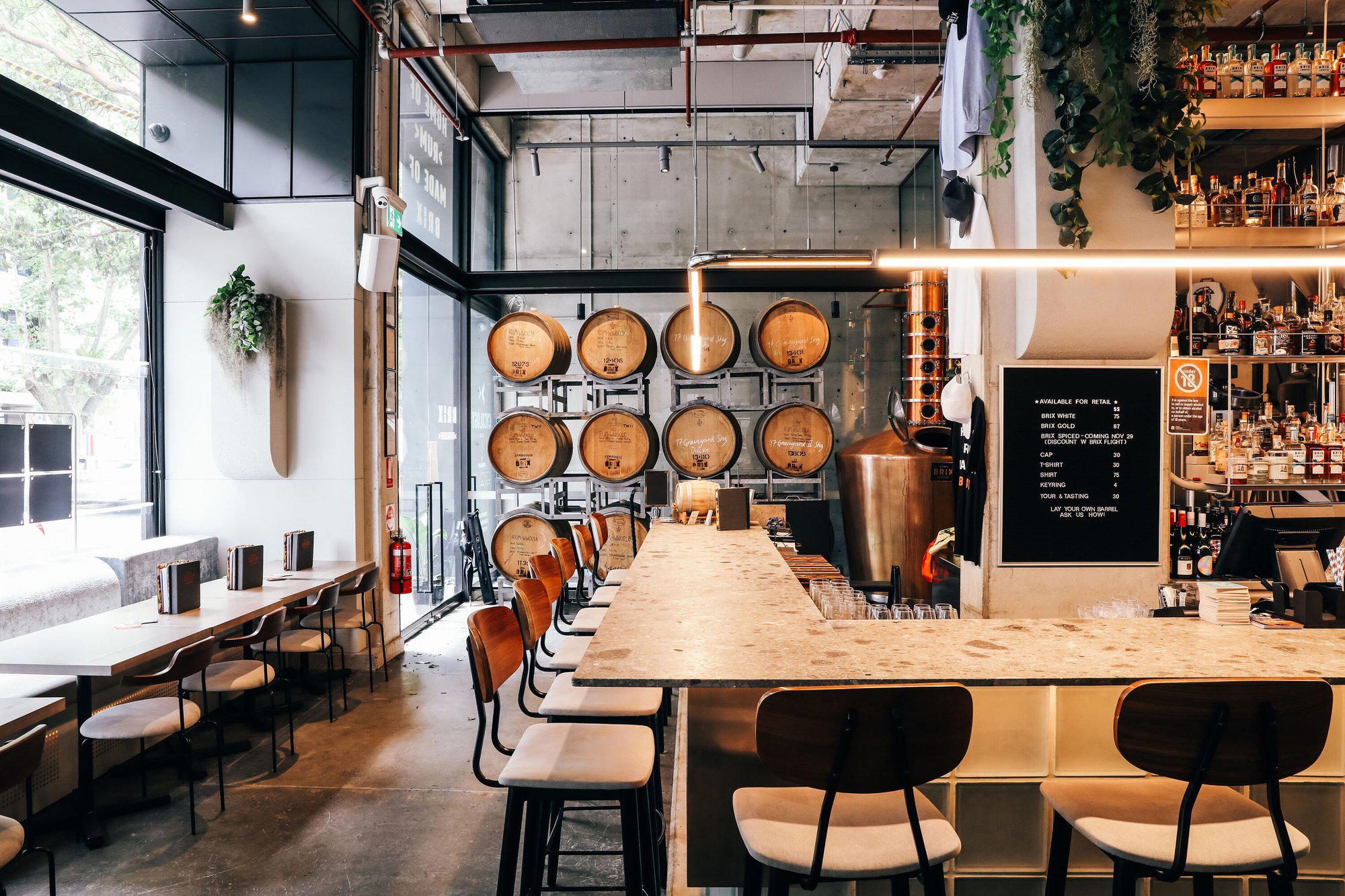

Bars in Newtown (Sydney)
Browse all →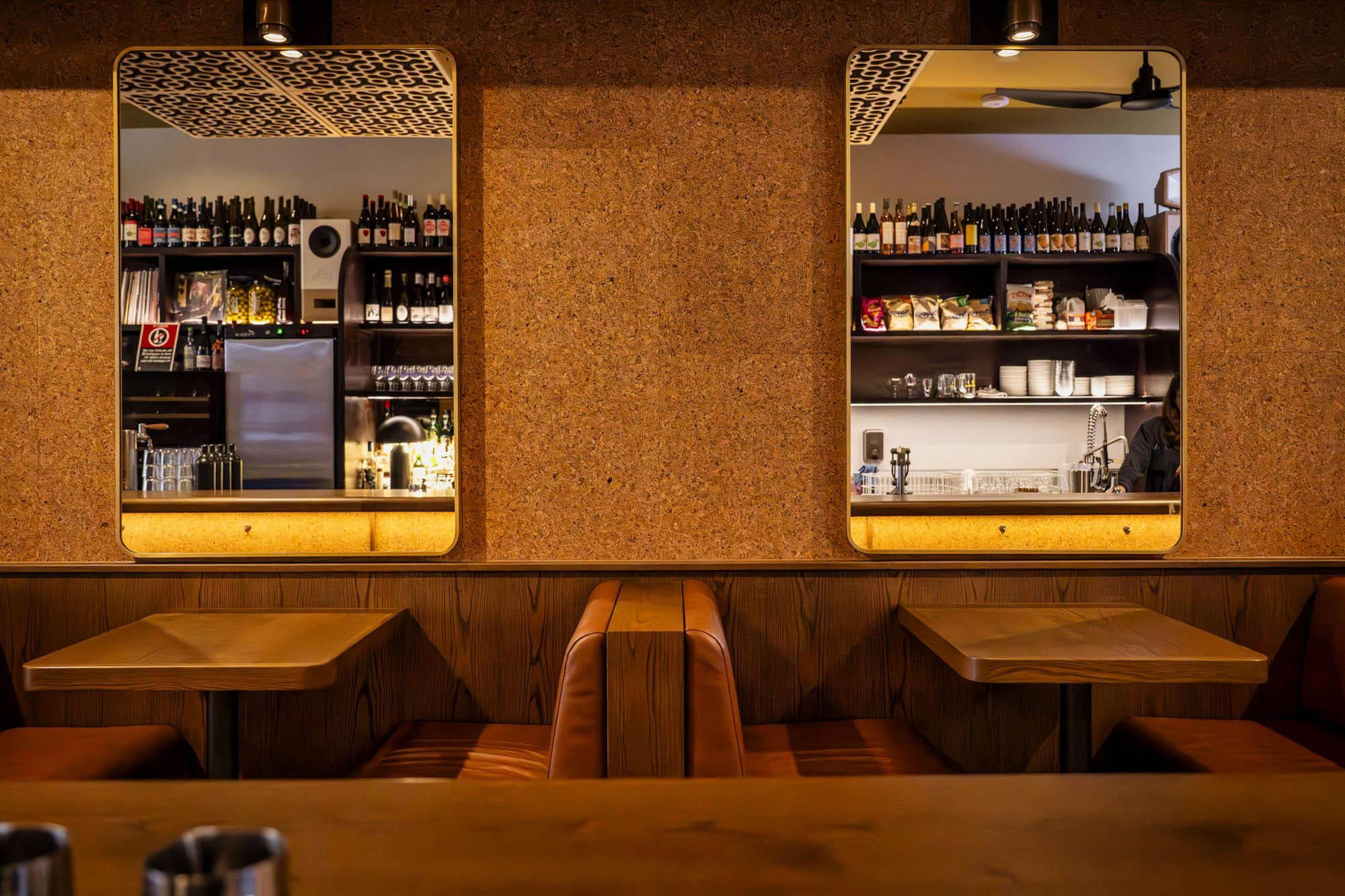
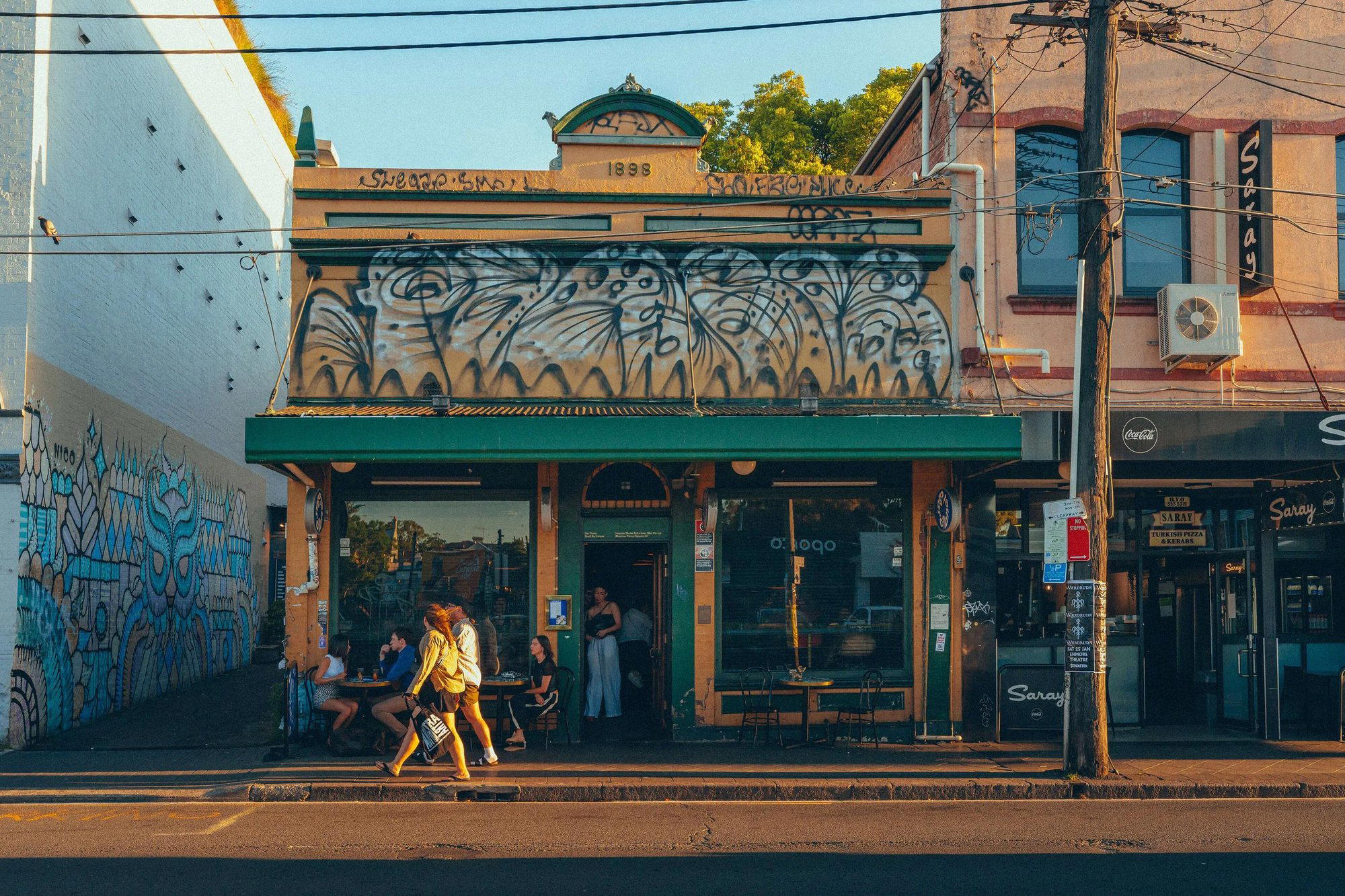
Restaurants in Newtown (Sydney)
Browse all →

Details
- Lively
- Trendy
- Industrial
- Energetic
- Group Outing
- Estate Grounds
- Sustainable