Yakitori Jin in Haberfield brings the discipline of Japanese skewer cookery to one of Sydney's most food-serious Italian neighbourhoods. The format is spare and the focus is total: charcoal-grilled chicken cuts served in a sequence that rewards patience and repetition. For the regulars who return weekly, the counter is less a restaurant than a ritual.
Pearl is the En Primeur Club membership app — saves, bookings, and concierge access live there. Same editors, same standards.
- Address
- 101 Ramsay St, Haberfield NSW 2045, Australia
- Phone
- +61280572780
- Website
- torijin.com.au
- Directions
- Get directions
 Saves & bookings on Pearl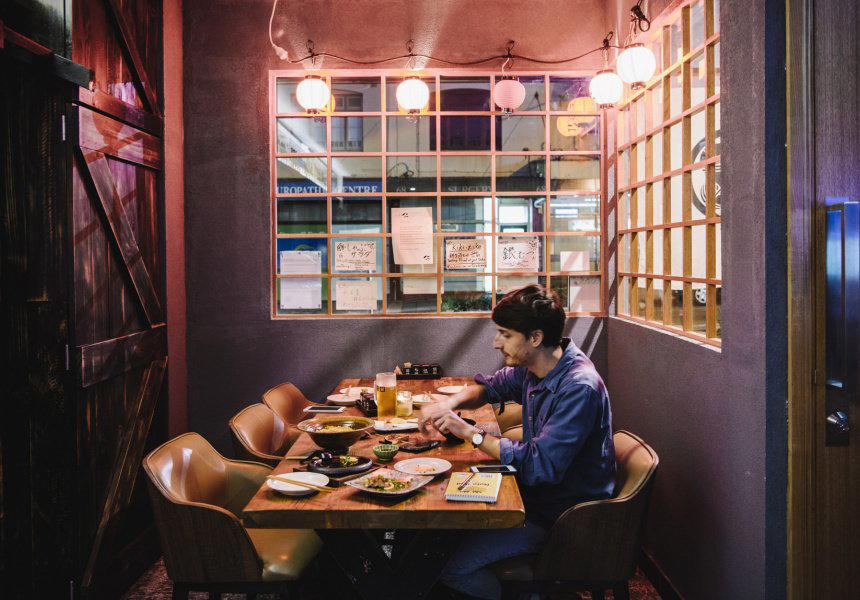
What Draws People Back to Haberfield's Yakitori Counter
Haberfield has long carried a reputation as Sydney's "Little Italy," a pocket of the inner west where the bakeries and trattorias on Ramsay Street have operated across generations rather than lease cycles. Yakitori Jin sits on that same street, and its presence there says something useful about how Sydney's mid-tier dining scene has evolved. Serious single-format Japanese restaurants no longer concentrate exclusively in the CBD or around Surry Hills. They surface where rents are tolerable and regulars are loyal, and Haberfield has become exactly that kind of address.
The yakitori format itself carries a specific set of expectations for anyone who has encountered it in Japan. The meal is built around the skewer, most often chicken, portioned into cuts that Australians rarely consider individually: the thigh, the wing tip, the heart, the neck, the skin rendered to translucency over binchotan charcoal. The sequencing matters, moving from lighter to richer, and the restraint of seasoning, typically tare or salt, is the entire point. What makes a yakitori-specialist counter distinct from a general Japanese grill is that narrowness of focus. Everything on the pass is optimised around a single protein and a single cooking method, which places enormous pressure on sourcing, heat control, and timing.
The Regulars and What They Know That First-Timers Don't
In any specialist format restaurant, the gap between a first visit and a fifth visit is significant. At a yakitori counter, that gap is particularly wide. Regulars learn quickly that the less intervention they impose on the experience, the better it tends to go. Asking for recommendations, letting the kitchen sequence the skewers, and resisting the urge to over-order early are the unwritten protocols that separate a confident regular from a hesitant newcomer.
This dynamic is common across single-format Japanese dining in Australia. At the high-commitment end of the Sydney spectrum, venues like Rockpool and Saint Peter have built loyal clientele through consistency and technical depth. The difference at a yakitori counter is that the format is more intimate and more repetitive by design: the same cuts, the same charcoal, the same sequence, visit after visit. That repetition is the draw, not a limitation. Regulars at this kind of venue are not chasing novelty. They are chasing a standard, and the pleasure comes from the kitchen meeting it every time.
The neighbourhood context reinforces this. Haberfield diners are accustomed to format loyalty. The families who return to the same pasta house twice a month understand the logic of a restaurant that does one thing and does it consistently. Yakitori Jin operates inside that same social contract, applied to Japanese charcoal cookery rather than southern Italian tradition.
Yakitori in the Broader Sydney Japanese Dining Picture
Sydney's Japanese dining scene has expanded significantly over the past decade, but it has done so unevenly. Sushi and ramen attract the highest footfall and the most visible openings. Izakayas hold the middle ground. Specialist formats, including omakase counters, tonkatsu houses, and yakitori specialists, occupy a narrower tier that tends to rely on word of mouth and repeat traffic rather than broad visibility.
That narrowness is a feature of the format, not a weakness. For Sydney diners who have spent time at more formal Japanese addresses, the comparison points extend internationally. Venues like Atomix in New York City represent how far a single-cuisine specialist format can travel when the kitchen maintains an unwavering standard. Le Bernardin in New York City offers the analogous argument for fish: extraordinary depth within a deliberately constrained remit. The yakitori specialist operates by the same logic.
Closer to home, the standard for single-minded Australian dining has been set by venues including Attica in Melbourne and Brae in Birregurra, both of which have built reputations on clarity of vision over extended periods. Those are different cuisines and different price tiers, but the underlying commitment to a defined format is the same quality that keeps regulars returning to a yakitori counter rather than casting around for something new each week.
Planning a Visit: What to Expect Logistically
Yakitori Jin is located at 101 Ramsay Street, Haberfield, in the inner west of Sydney, roughly eight kilometres from the CBD. The address sits in the commercial heart of Ramsay Street, within walking distance of Haberfield's established food precinct. For visitors coming from the city, the most practical route is by car or bus; Haberfield is not served directly by rail. Street parking on Ramsay Street follows standard council restrictions, so arriving slightly ahead of a booking is advisable.
Because the venue database does not include confirmed hours, booking methods, or current pricing, the practical advice here is general but sound: specialist yakitori counters in Sydney's mid-tier operate on relatively small seat counts, and walk-in availability on weekend evenings is limited at the most consistent addresses in this format. If Yakitori Jin follows the pattern typical of the category, booking at least a week ahead for weekends is a reasonable baseline. For those exploring Sydney's broader restaurant scene, our full Sydney restaurants guide maps the wider picture across neighbourhoods and cuisine types.
For further comparison within Sydney's more established dining tier, 10 William St and 10 Pounds represent the kind of format-focused, neighbourhood-anchored dining that shares a sensibility with single-specialist Japanese addresses, even across very different cuisines. 1021 Mediterranean in Sydney and Bayly's Bistro in Kirribilli similarly illustrate how neighbourhood-embedded restaurants build durable regulars through consistency. Outside Sydney, the same dynamic plays out at venues including Bar Carolina in South Yarra, Barry Cafe in Northcote, bills in Bondi Beach, Johnny Bird in Crows Nest, Hungry Wolfs in Newcastle, Jaani Street Food in Ballarat, and Kulcha Restaurant in Wollongong.
Continue exploring
More in Sydney
Restaurants in Sydney
Browse all →
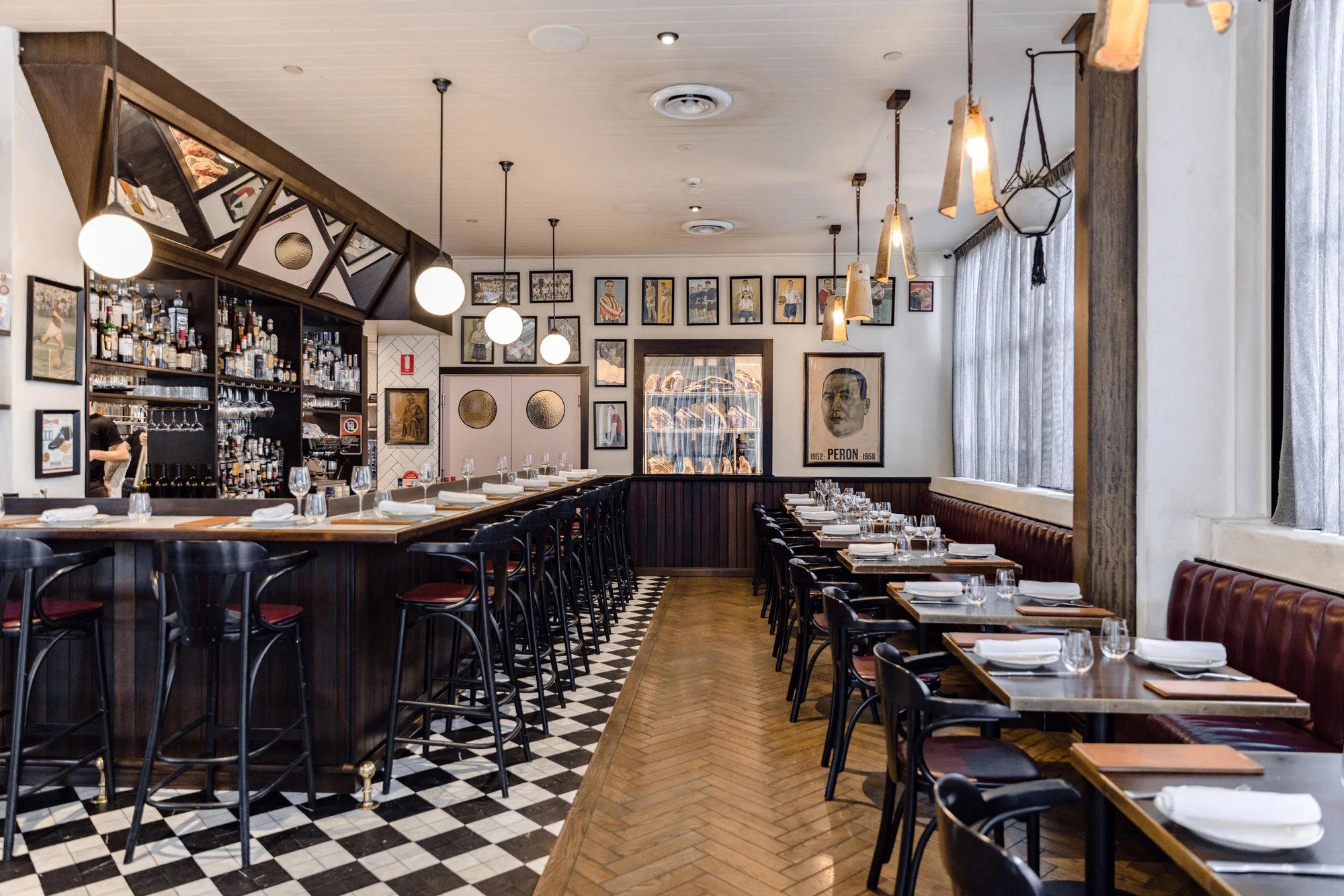
Bars in Sydney
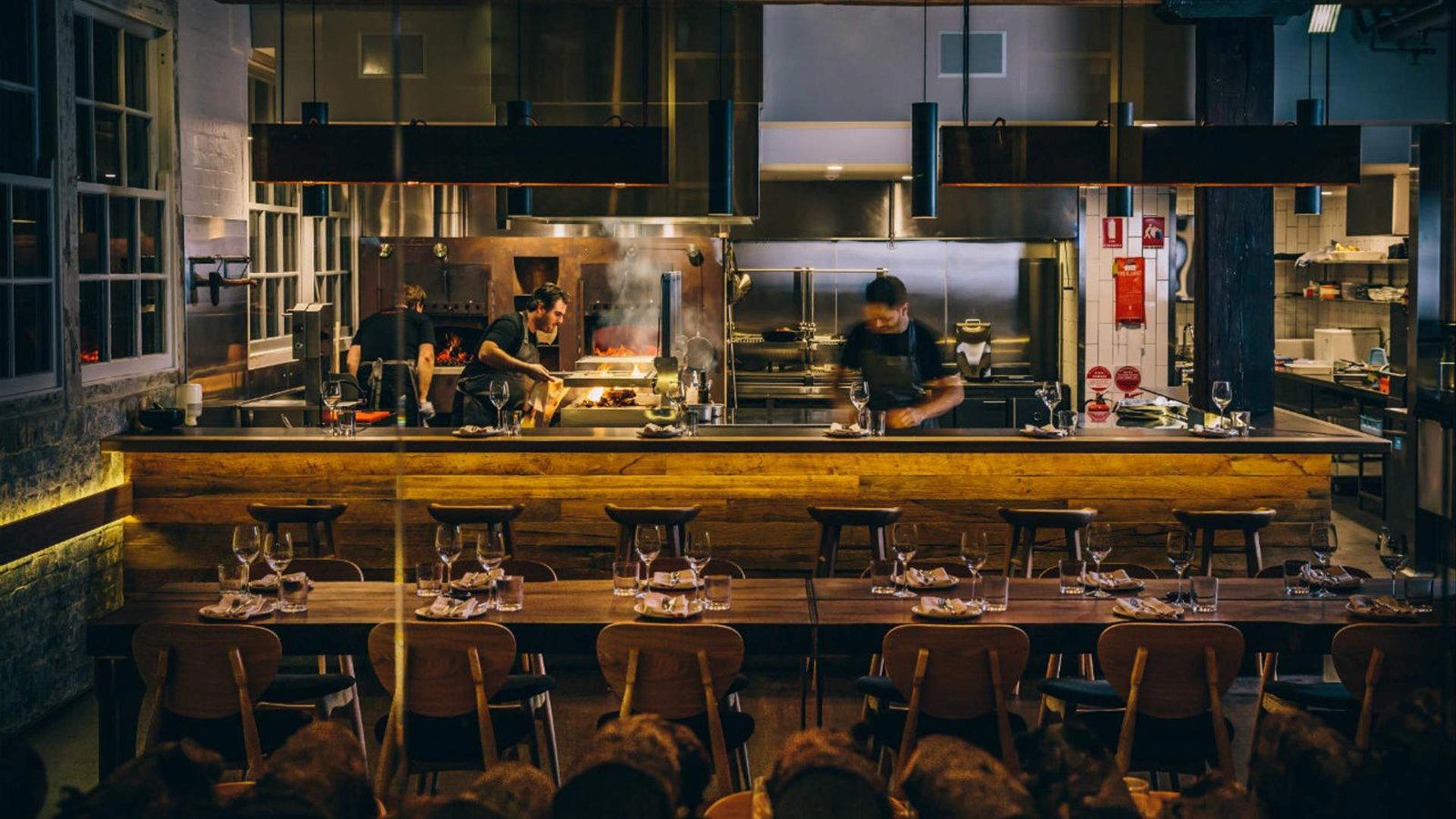
Browse all →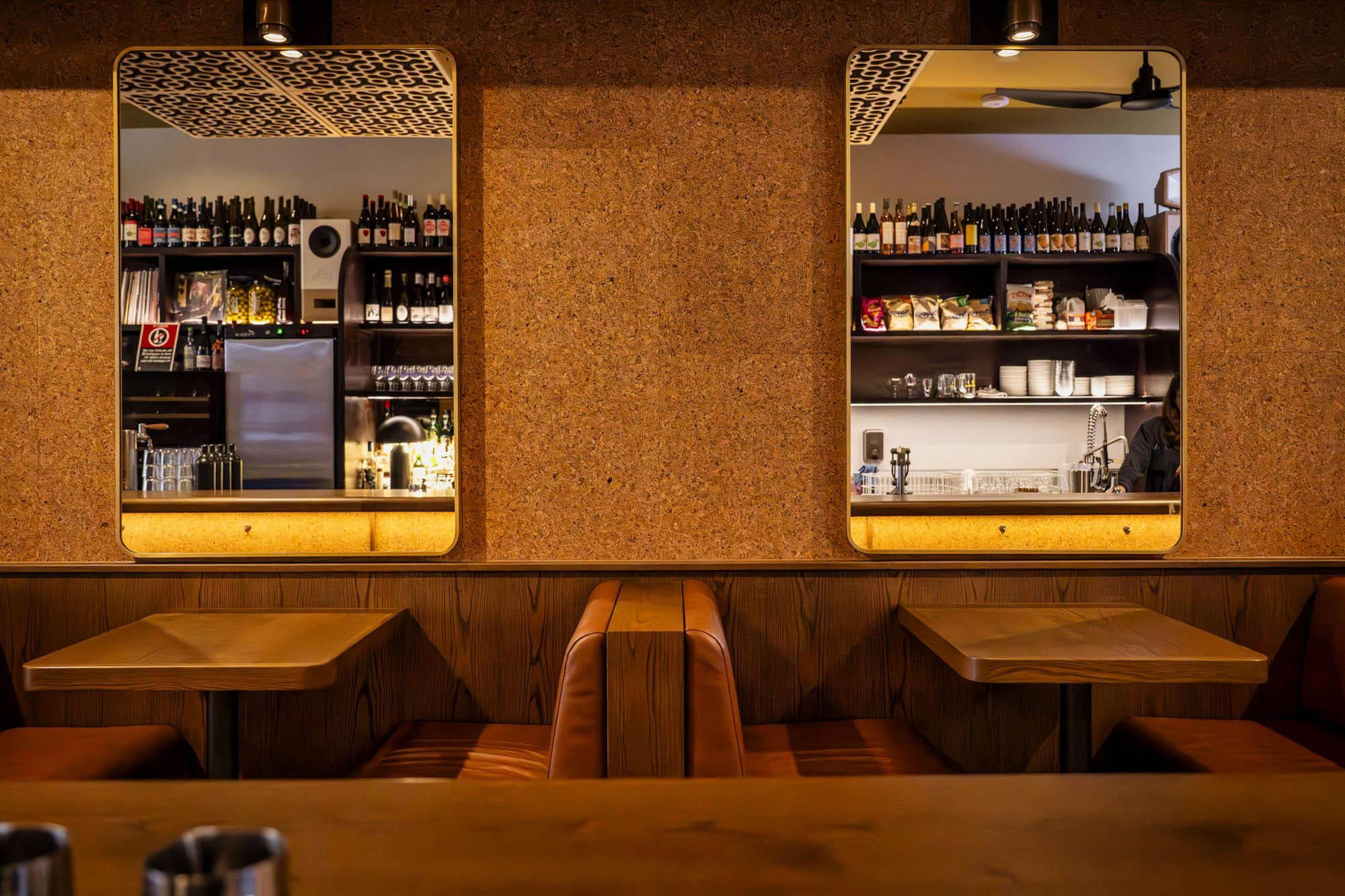
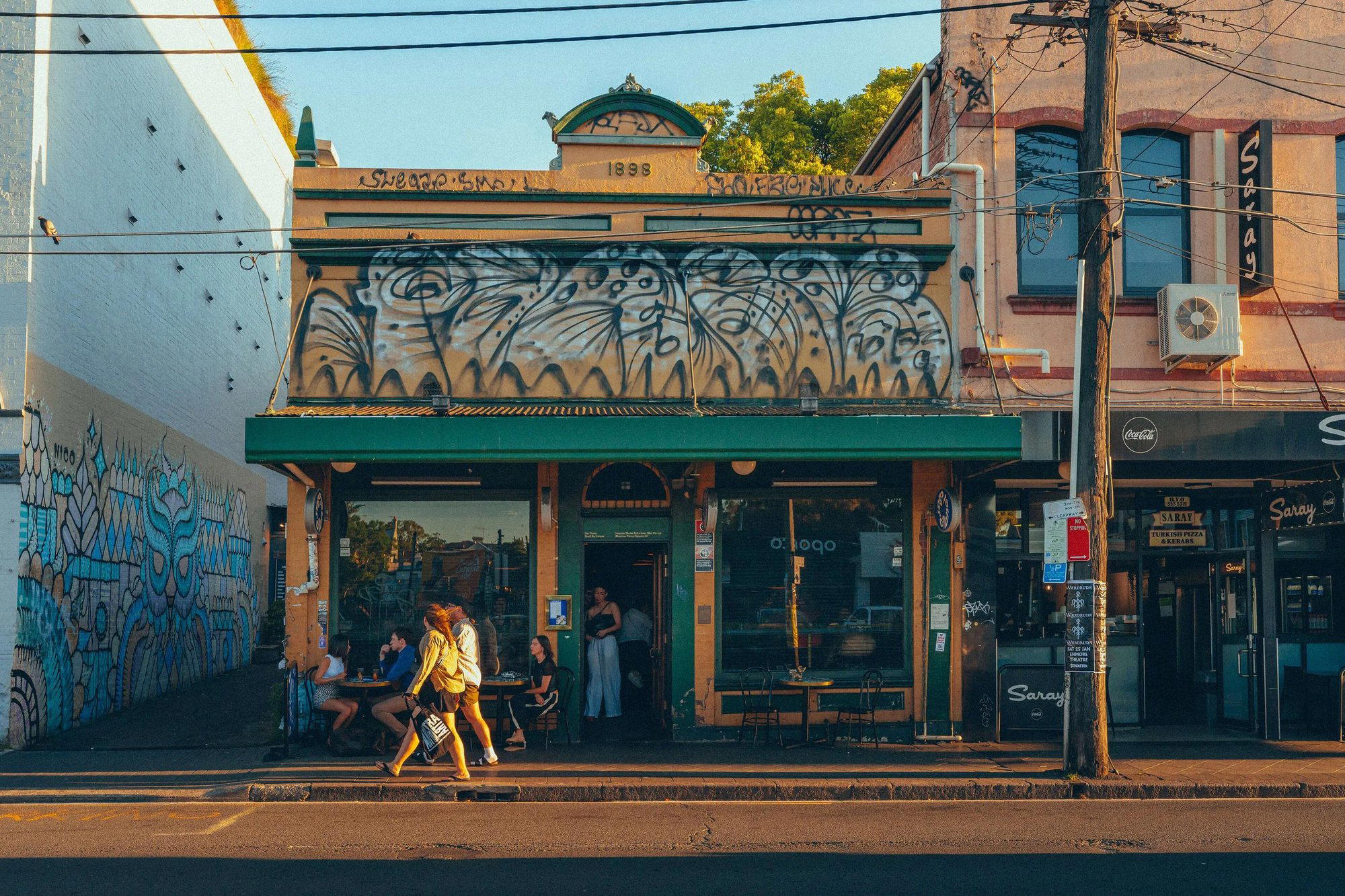
Hotels in Sydney
Browse all →

At a Glance
- Cozy
- Intimate
- Modern
- Date Night
- Casual Hangout
- Group Dining
- Open Kitchen
- Sake Program
Current opening hours
- Monday
- 5–9:30 PM
- Tuesday
- 5–9:30 PM
- Wednesday
- 5–9:30 PM
- Thursday
- 5–9:30 PM
- Friday
- 5–9:30 PM
- Saturday
- 12–2:30 PM, 5–9:30 PM
- Sunday
- Closed
Hours can change for holidays and private events. Last verified .
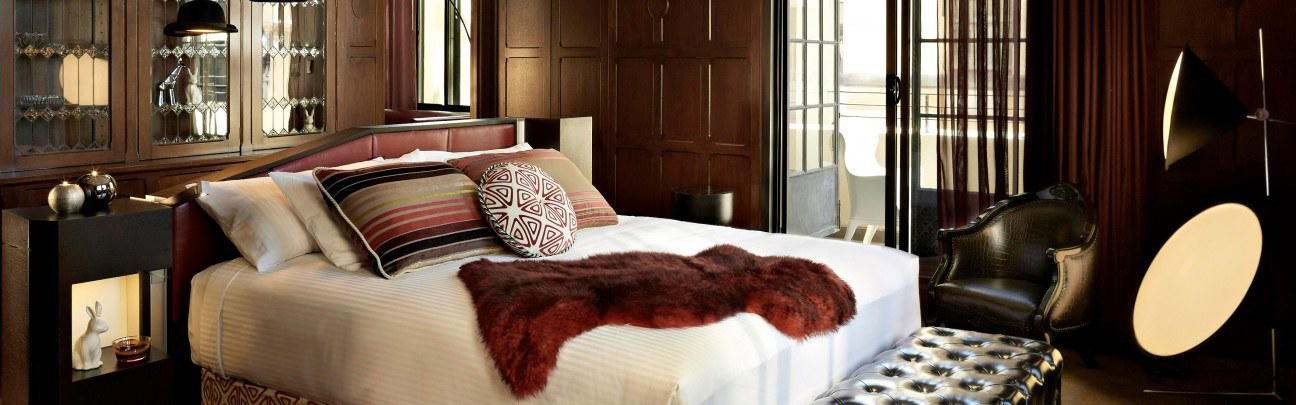
Cozy and intimate with dark wood decor, creating a welcoming slice of Japan amid Haberfield's Italian charm.
Know Before You Go
- Getting there
- 101 Ramsay St, Haberfield NSW 2045, Australia