Robata Jones brings the slow-fire discipline of Japanese robatayaki to Artarmon, one of Sydney's lower-key dining addresses on the Lower North Shore. The format centres on charcoal and patience, placing it alongside a small cohort of Sydney venues that draw from Japanese culinary tradition without operating in the CBD's high-gloss bracket. For the curious diner willing to cross the Harbour Bridge, it offers an alternative to the city's louder grill formats.
Pearl is the En Primeur Club membership app — saves, bookings, and concierge access live there. Same editors, same standards.
- Address
- 8 Wilkes Ave, Artarmon NSW 2064, Australia
- Phone
- +61292994999
- Website
- artarmonjoint.com
- Directions
- Get directions
 Saves & bookings on Pearl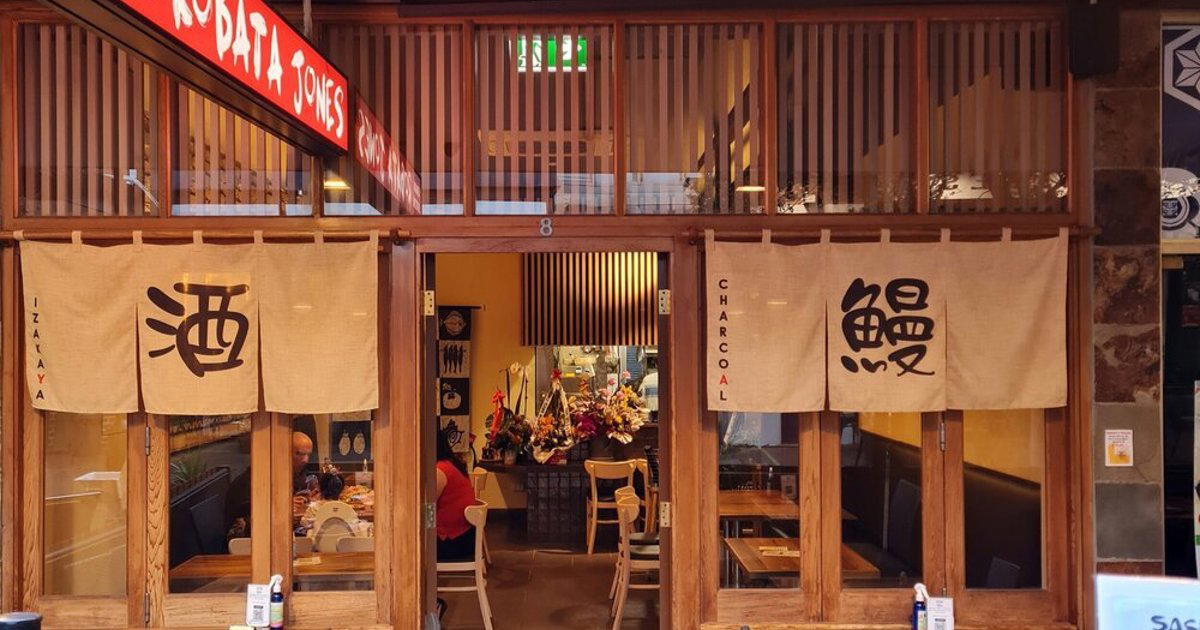
Fire, Patience, and the Ritual of the Grill
There is a particular rhythm to robatayaki that separates it from almost every other grill tradition. The cook does not rush. The charcoal does not negotiate. In Japan, the robata format evolved as a communal fireside practice, with diners seated close to the heat source and dishes arriving at an unhurried pace — one skewer, one cut of fish, one root vegetable at a time. That pacing is not incidental to the experience; it is the experience. Venues that import the format without importing the discipline produce something closer to a barbecue restaurant than a true robata house. Robata Jones, addressed at 8 Wilkes Ave in Artarmon on Sydney's Lower North Shore, operates in a suburb that does not trade on dining prestige, which in itself signals something about the venue's priorities.
Artarmon and the Case for Dining Off the Main Stage
Artarmon sits between Chatswood and St Leonards on the Pacific Highway corridor, close enough to the CBD to be accessible but removed enough that its dining scene has developed without the commercial pressures that shape venues in Surry Hills, Newtown, or the CBD proper. Sydney's dining conversation tends to cluster south of the Harbour Bridge, around restaurants like Saint Peter in Paddington for its rigorous approach to Australian seafood, or Rockpool for its place in the city's longer culinary history. The Lower North Shore equivalent has always been quieter, which means that venues operating there tend to rely on a local following and word-of-mouth rather than location-driven foot traffic. For a robata format, that neighbourhood fit is arguably appropriate — the cuisine's Japanese lineage does not depend on spectacle or prime real estate to make its case.
Comparable formats in Sydney tend to sit either at the high-end end of Japanese cuisine, where omakase and kaiseki dominate, or at the casual izakaya register, where robata elements appear alongside broader Japanese pub menus. A venue that takes the charcoal grill as its primary editorial statement occupies a middle tier that has room to breathe in this city. For comparison, venues like 10 William St in Paddington have shown that Sydney diners are comfortable with focused, format-led restaurants that do one thing with conviction. The same logic applies here.
How the Robata Ritual Works
The defining characteristic of a robata meal is sequential, unhurried arrival. Unlike a tasting menu, where the kitchen controls pacing from a distance, the robata format keeps the fire visible and the process immediate. In Japanese practice, the grill master, positioned at or near the charcoal, acts as both cook and host, reading the pace of the table rather than adhering to a fixed timeline. The charcoal used in serious robata kitchens, typically binchotan, burns longer and cleaner than standard charcoal, producing an even, intense heat that sears protein surfaces without the flare-ups that disrupt lesser grills. The result is a particular quality of char: dry on the exterior, yielding within, with a faint smokiness that does not overwhelm the ingredient.
For the diner, this means understanding that the meal is not a sprint. Ordering in waves rather than all at once, letting each item arrive at its moment, and sitting close enough to the action to observe the process, these are the habits that separate a robata meal from a missed opportunity. Sydney diners who have spent time at focused Japanese counters, whether in Tokyo or closer to home, will already understand this rhythm. Those approaching from an Australian grill tradition may need a beat to adjust their expectations. The patience required is not a limitation; it is the point.
The robata format also invites a particular kind of menu reading. Rather than constructing a meal around a single main course, the approach favours assembly: a combination of lighter vegetables, richer cuts of meat or fish, and supplementary small dishes that build a complete picture over time. This is not so different from the way that Atomix in New York structures its Korean tasting progression, or the way that omakase counters across Japan manage flow. The through-line is restraint, sequencing, and the intelligence to know when a dish is ready rather than when a timer dictates.
Locating Robata Jones in Sydney's Japanese Dining Scene
Sydney's Japanese restaurant population ranges from affordable neighbourhood sushi trains to high-commitment omakase seats in the CBD that require weeks of advance planning. The robata format sits in its own niche within that range. It is not as time-intensive as a full omakase, nor as casual as a ramen counter. In cities like Melbourne, where Attica and the broader fine-dining scene have trained diners to engage with format-led restaurants on their own terms, the robata tradition has found reasonable footing. Sydney's equivalent cohort is smaller but present, and Artarmon's position outside the immediate dining cluster means Robata Jones occupies a specific geographic niche as well as a culinary one.
For reference points across Sydney's broader scene, Bayly's Bistro in Kirribilli and Johnny Bird in Crows Nest represent the kind of neighbourhood-anchored dining that defines the Lower North Shore's character, while venues like 1021 Mediterranean and 10 Pounds show the range of format experimentation operating across the city. Within the Japanese-influenced category, the charcoal-led approach places Robata Jones closer to a specialist tradition than a generalist Japanese restaurant, which is a meaningful distinction when calibrating expectations. See our full Sydney restaurants guide for broader orientation.
Further afield, comparisons with the rigorous format discipline of Le Bernardin in New York or the produce-led focus of Brae in Birregurra illustrate a wider principle: that the most coherent restaurant experiences tend to be built around a single clear idea executed with consistency, rather than a broad menu that attempts everything. Robata, as a format, is exactly that kind of singular idea.
Planning Your Visit
Robata Jones is located at 8 Wilkes Ave, Artarmon NSW 2064. Artarmon is accessible from the CBD via the Pacific Highway or by train on the North Shore line. Reservations: Contact details are not publicly confirmed at time of writing; check current listing platforms for booking options. Dress: No dress code on record; the suburb's register suggests relaxed smart-casual is appropriate. Budget: Price range not confirmed; for context, robata-format venues in Sydney's comparable tier typically sit in the mid-to-upper casual range. Walk-ins: Policy not confirmed; for specialist grill formats, advance planning is generally advisable, particularly on weekends. Additional venues worth considering in the broader area include bills in Bondi Beach and Bar Carolina in South Yarra for Melbourne travellers extending their itinerary.
Continue exploring
More in Sydney
Restaurants in Sydney
Browse all →
Bars in Sydney
Browse all →
Hotels in Sydney
Browse all →

At a Glance
- Cozy
- Trendy
- Intimate
- Casual Hangout
- Date Night
- Group Dining
- Open Kitchen
- Sake Program
Current opening hours
- Monday
- Closed
- Tuesday
- 5–9:30 PM
- Wednesday
- 5–9:30 PM
- Thursday
- 5–9:30 PM
- Friday
- 11:30 AM–2 PM, 5–10 PM
- Saturday
- 11:30 AM–2:30 PM, 5–10 PM
- Sunday
- 11:30 AM–2:30 PM, 5–9:30 PM
Hours can change for holidays and private events. Last verified .
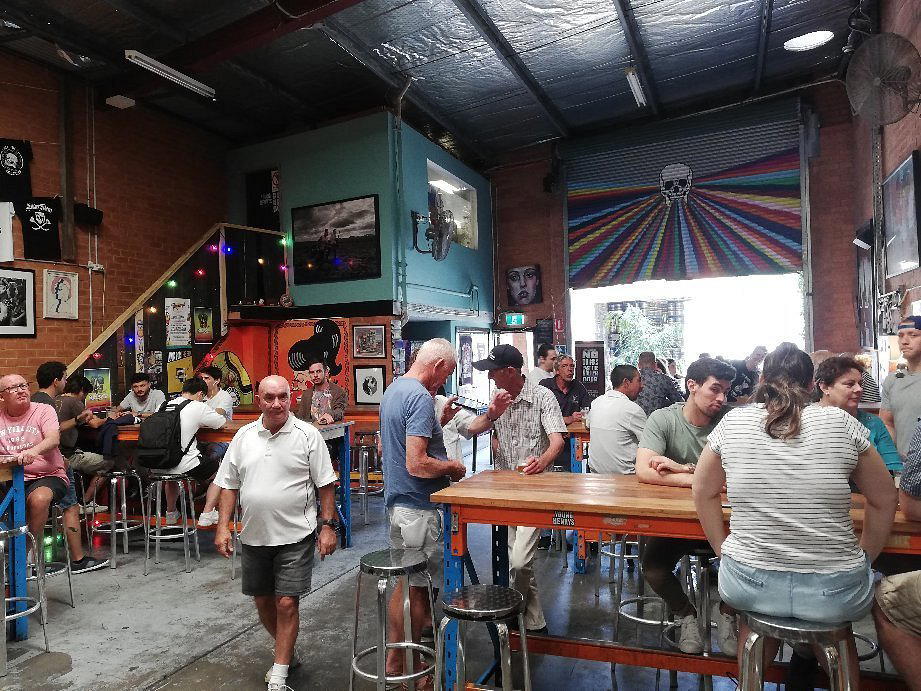
Cozy and fun Japanese izakaya vibe with a distinctive Little Tokyo feel, featuring heated outdoor seating.
Know Before You Go
- Getting there
- 8 Wilkes Ave, Artarmon NSW 2064, Australia