


Michelin Plate · Black Pearl 1 Diamond
Our verdict
Nan Xing Yuan holds a Michelin Plate and Black Pearl 1 Diamond rating for 2025, placing it among Shanghai's recognised addresses for premium Sichuan cooking. Located on Yan'an Road (M) in Jing'An, it operates at the ¥¥¥¥ tier, a price point that signals serious kitchen ambition rather than casual spice-forward dining. For those exploring Shanghai's fine Sichuan scene, it belongs in the same conversation as the city's most decorated regional Chinese tables.

Pearl is the En Primeur Club membership app, where members save venues, book tables and use the concierge.
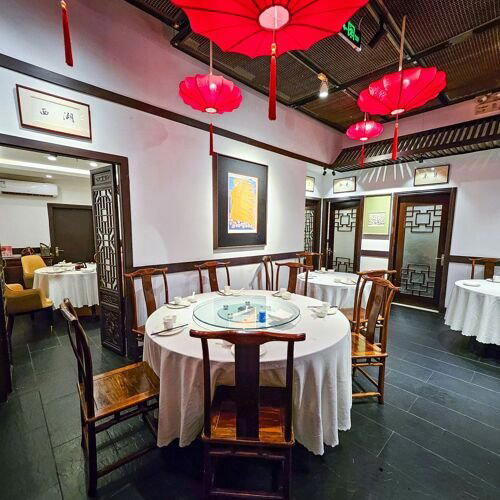
The menu
What to order
- Sliced pork belly with garlic
- Stir-fry ganba mushroom with shark's fin
- Clear soup with winter melon birds nest
- Napa cabbage in chicken consommé
- Sautéed shredded pork with green chilli
- Kung pao chicken
Sichuan at Full Volume on Yan'an Road
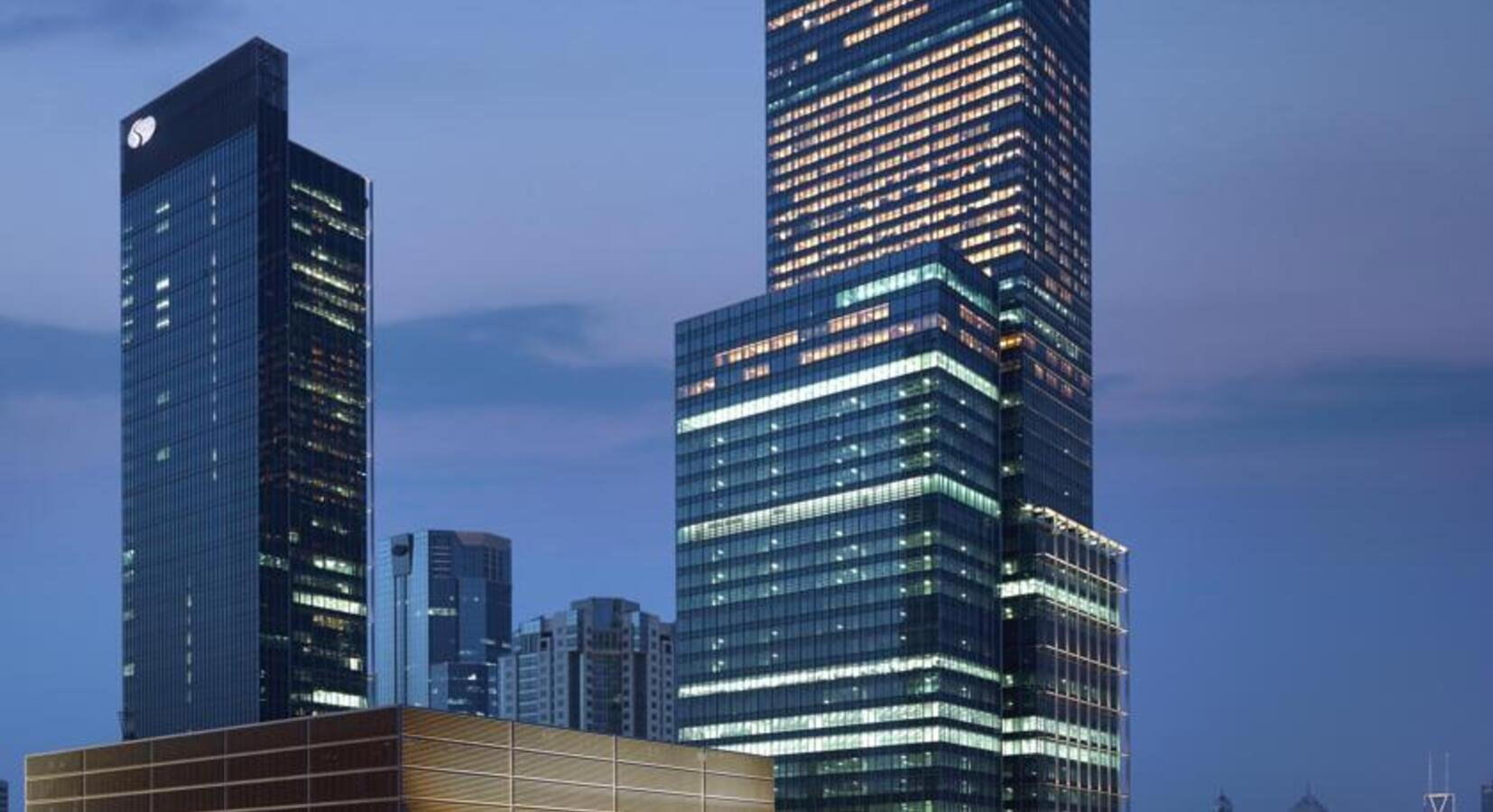
The stretch of Yan'an Road (M) running through Jing'An is Shanghai's connector between the old French Concession grain and the newer luxury retail density around Jiu Guang department store. Restaurants here do not rely on neighbourhood nostalgia or tourist foot traffic. They compete on food alone, surrounded by an audience that has eaten across Shanghai and, in many cases, across China. It is a demanding setting, and it is where Nan Xing Yuan has built its case for recognition as one of the city's serious Sichuan addresses.
That case is now formally documented. Nan Xing Yuan holds a Michelin Plate for both 2024 and 2025, and a Black Pearl 1 Diamond for 2025, the Meituan-Dianping guide's answer to Michelin, calibrated specifically for the mainland Chinese dining market. In a city where Sichuan restaurants range from sub-¥100 canteens to ¥¥¥¥ tasting formats, carrying both marks in the same calendar year places Nan Xing Yuan in a narrow tier: restaurants where the cooking is taken seriously by multiple credentialing bodies at once.
Where Nan Xing Yuan Sits in Shanghai's Sichuan Scene
Shanghai's relationship with Sichuan food is long and complicated. The city has absorbed wave after wave of Sichuan immigration, and the flavour profile, the particular numbing heat of Sichuan peppercorn against chilli oil richness, has worked its way into Shanghai's own food culture at every price point. The difficulty for a premium Sichuan restaurant is differentiation: how do you charge ¥¥¥¥ for food that a ¥¥ kitchen on any Jing'An side street also does well?
The answer, in most credentialed cases, involves precision of technique, sourcing discipline, and a service format that slows the meal down and makes it a structured event rather than a communal feed. Nan Xing Yuan operates at this upper register. At the ¥¥¥¥ tier, it sits alongside Fu He Hui (Vegetarian) and 102 House (Cantonese) in Shanghai's bracket of formally recognised, premium-priced Chinese restaurants, though its Sichuan identity gives it a distinct competitive position within that group.
Yu Zhi Lan in Chengdu and Fang Xiang Jing in Chengdu represent the home-province standard against which all premium out-of-province Sichuan kitchens are implicitly measured. Operating in Shanghai adds another layer of complexity: the ingredient supply chains are longer, the local diner base has its own opinions about what Sichuan should taste like, and the competition for the ¥¥¥¥ dinner occasion is not just other Sichuan restaurants but the full range of Shanghai's premium regional Chinese offering.
The Ritual of a Premium Sichuan Meal
Sichuan dining has its own internal logic, and understanding it matters when approaching a restaurant at this price point. The cuisine is not designed for speed. A properly structured Sichuan meal moves through cool and refreshing dishes, through intermediate preparations, to the heavier, more labour-intensive plates, a sequencing that mirrors the logic of Cantonese banquet dining but arrives at entirely different flavour destinations.
The defining sensory element is má là: the combination of numbness from Sichuan peppercorn and heat from dried chilli. At less careful kitchens, this becomes undifferentiated assault. At the level Nan Xing Yuan operates, the calibration of má against là is a technical exercise, with dishes balanced so that neither element dominates to the point of obscuring the underlying protein or vegetable. The pacing of such a meal also allows for recovery, the cool, vinegar-forward dishes that appear between courses are not incidental; they reset the palate and allow the heat to register cleanly across the full meal.
Service at premium Sichuan addresses tends to be more guiding than at equivalent Cantonese rooms. The food often demands explanation: what fermented black bean product is in a given sauce, whether a particular preparation uses the Sichuan peppercorn from Hanyuan or a different sub-region, how a dish is meant to be eaten. This is not table theatre; it is functional information. A diner at Nan Xing Yuan who engages with that guidance will extract more from the meal than one who orders independently.
Nan Xing Yuan Against Shanghai's Wider Fine Dining Map
Jing'An's restaurant density is among the highest in Shanghai, and the competition for the ¥¥¥¥ evening occasion is across all cuisines. Taian Table (Modern European, Innovative) operates in the same price tier with a fundamentally different proposition, tasting menus, European technique, a single seating format. The Sichuan case for that same budget rests on volume of flavour complexity and the communal structure of the meal, not on the omakase logic of precision minimalism.
Within Shanghai's declared Sichuan tier, the comparison worth making is with Shi Chuan Fei Chuan in Xuhui and Chaimen Hui in Pudong, both part of the same premium regional Chinese current that has emerged in Shanghai over the past decade as the city's dining culture has matured beyond its historical bias toward Shanghainese and Cantonese food. Nan Xing Yuan's dual 2025 recognition places it in that group's front row.
For those building a broader reading of China's premium dining scene, the regional context is instructive. The Sichuan category produces some of the most decorated addresses in mainland Chinese fine dining, from Chengdu's home-province institutions to out-of-province outposts in Beijing and Shanghai. Xin Rong Ji (Xinyuan South Road) in Beijing and Ru Yuan in Hangzhou represent the kind of credentialed regional Chinese dining that Nan Xing Yuan is competing alongside in cross-city terms, even if their specific cuisines differ.
For a full picture of how Nan Xing Yuan sits within Shanghai's dining options, see our full Shanghai restaurants guide. For hotels, bars, and experiences in the city, the Shanghai hotels guide, bars guide, and experiences guide cover the surrounding picture. Those extending a trip regionally will find further reference in Xin Rong Ji in Chengdu, Chef Tam's Seasons in Macau, Imperial Treasure Fine Chinese Cuisine in Guangzhou, and Dai Yuet Heen in Nanjing. The Shanghai wineries guide rounds out the picture for those with a broader interest in the region's drinking culture.
Know Before You Go
| Address | 1238 Yan'an Rd (M), Jing'An, Shanghai 200041 |
|---|---|
| Cuisine | Sichuan |
| Price range | ¥¥¥¥ |
| Awards | Michelin Plate (2024, 2025); Black Pearl 1 Diamond (2025) |
| 4.8 | |
| Booking | Contact details not publicly listed; arrive with a reservation or check current booking channels directly |
Frequently asked questions
Where exactly is Nan Xing Yuan?
Nan Xing Yuan is located at 1238 Yan'an Rd (M), 久光 Jing'An, Shanghai, China, 200041, Shanghai.
What's Nan Xing Yuan known for in terms of accolades?
Nan Xing Yuan has received recognition including: Michelin Plate (2025); Black Pearl 1 Diamond (2025); Michelin Plate (2024).
What dish is Nan Xing Yuan famous for?
No single signature dish is documented in Nan Xing Yuan's public record. What is confirmed is the kitchen's dual recognition, a Michelin Plate in both 2024 and 2025, alongside a Black Pearl 1 Diamond in 2025, placing it among the more formally accredited Sichuan addresses in Shanghai at the ¥¥¥¥ price tier.
Compact Comparison
A quick snapshot of similar venues for side-by-side context.
| Venue | Cuisine | Price | Awards | Notes |
|---|---|---|---|---|
| Nan Xing YuanThis venue (the venue you are viewing) | Elevated Sichuan Banquet Cuisine | $150–200 | Michelin Plate · Black Pearl 1 Diamond | Not listed |
| Fu He Hui | Modern Seasonal Vegetarian Fine Dining | $200–300 | 2 Michelin Stars · World's 50 Best #11 | Vegetarian |
| Ming Court | Cantonese with Shanghainese Influences | $30–50 | 1 Michelin Star · Black Pearl 1 Diamond | Cantonese |
| Polux | French Bistro | $30–50 | Michelin Bib Gourmand | French |
| Royal China Club | Cantonese Dim Sum | $100–150 | Michelin Plate · The Good Food Guide GFG Good | Chinese, Cantonese |
| Scarpetta | Refined Italian Pasta & Pizza | $50–100 | Michelin Plate · Wine Spectator Best of Award of Excellence | Italian |
Recognition history
Dated appearances from independent guides and award organizations, with the underlying list record or original source where available.
Michelin Plate
Michelin
Black Pearl 1 Diamond
Black Pearl
Opinionated About Dining Top Restaurants in Asia Ranked #136
Opinionated About Dining
Full recognition history (5 entries)
Black Pearl 1 Diamond
Black Pearl
Michelin Plate
Michelin
Continue exploring
More in Shanghai
Restaurants in Shanghai
All restaurants in Shanghai →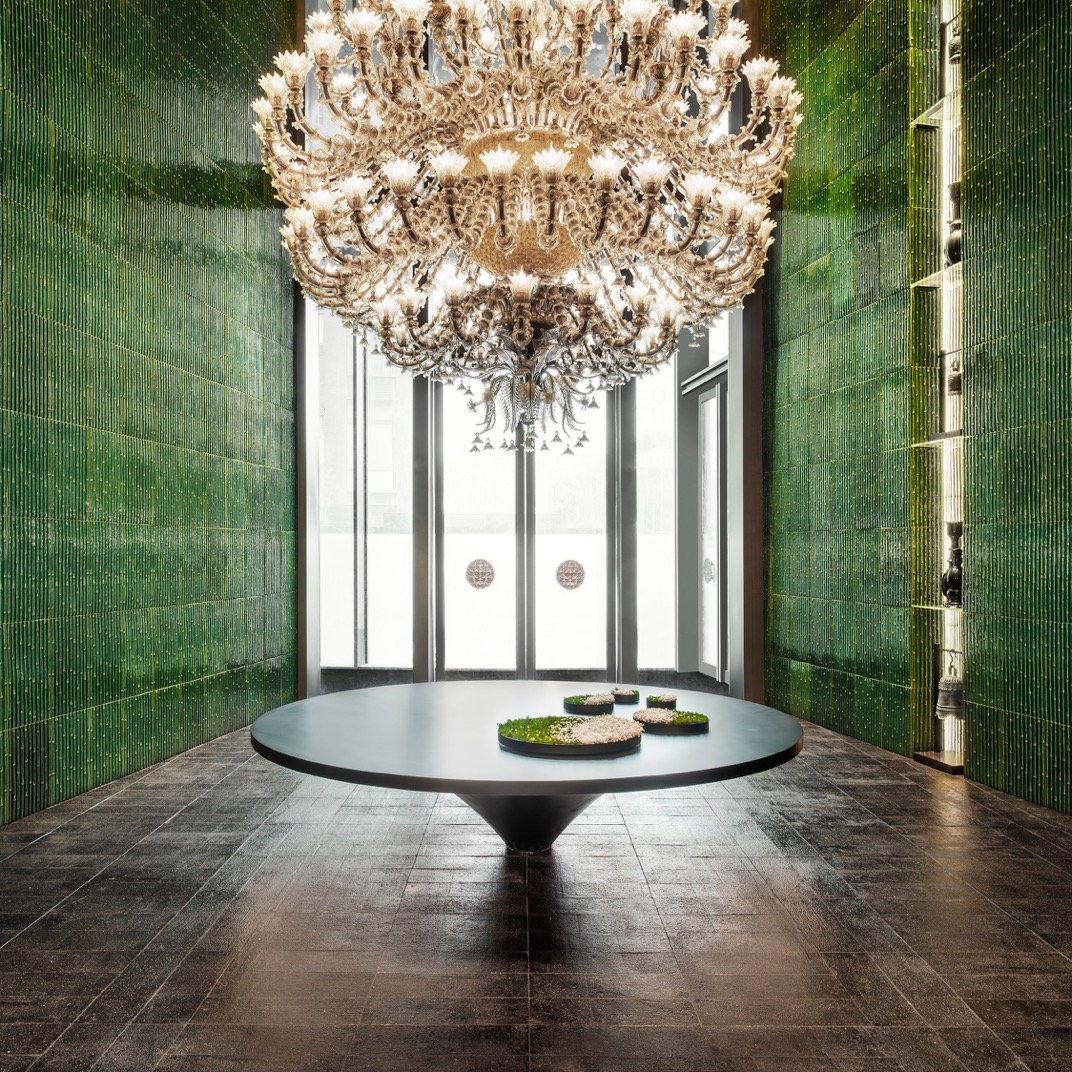
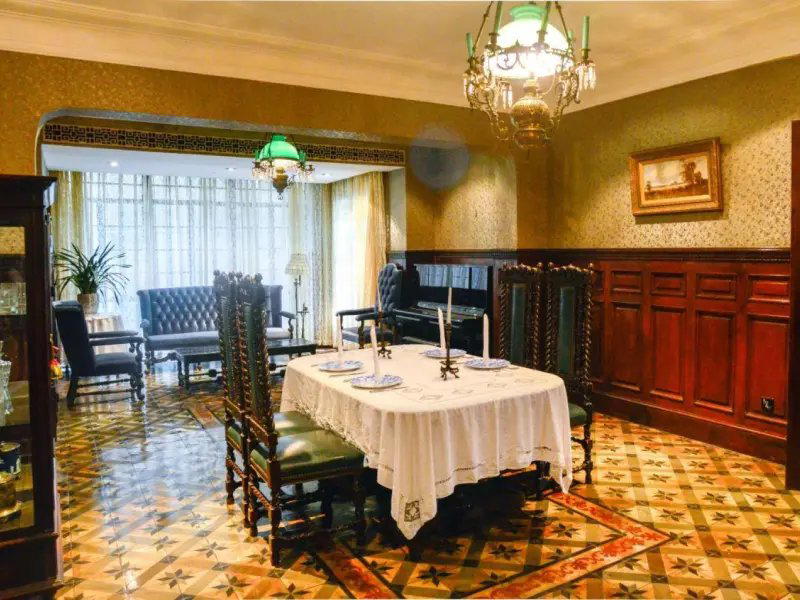
Bars in Shanghai
All bars in Shanghai →
Details
- Elegant
- Sophisticated
- Intimate
- Quiet
- Special Occasion
- Business Dinner
- Celebration
- Private Event
- Private Dining
- Open Kitchen
- Design Destination
- Extensive Wine List
- Sommelier Led
- Tasting Menu
- Set Menu
- Family Style
- Aged Pu'er
- High Mountain Oolongs
- White Teas
- Old World Wines
Current opening hours
- Monday
- 11 AM–2 PM, 5:30–9 PM
- Tuesday
- 11 AM–2 PM, 5:30–9 PM
- Wednesday
- 11 AM–2 PM, 5:30–9 PM
- Thursday
- 11 AM–2 PM, 5:30–9 PM
- Friday
- 11 AM–2 PM, 5:30–9 PM
- Saturday
- 11 AM–2 PM, 5:30–9 PM
- Sunday
- 11 AM–2 PM, 5:30–9 PM
Hours can change for holidays and private events. Hours as of .
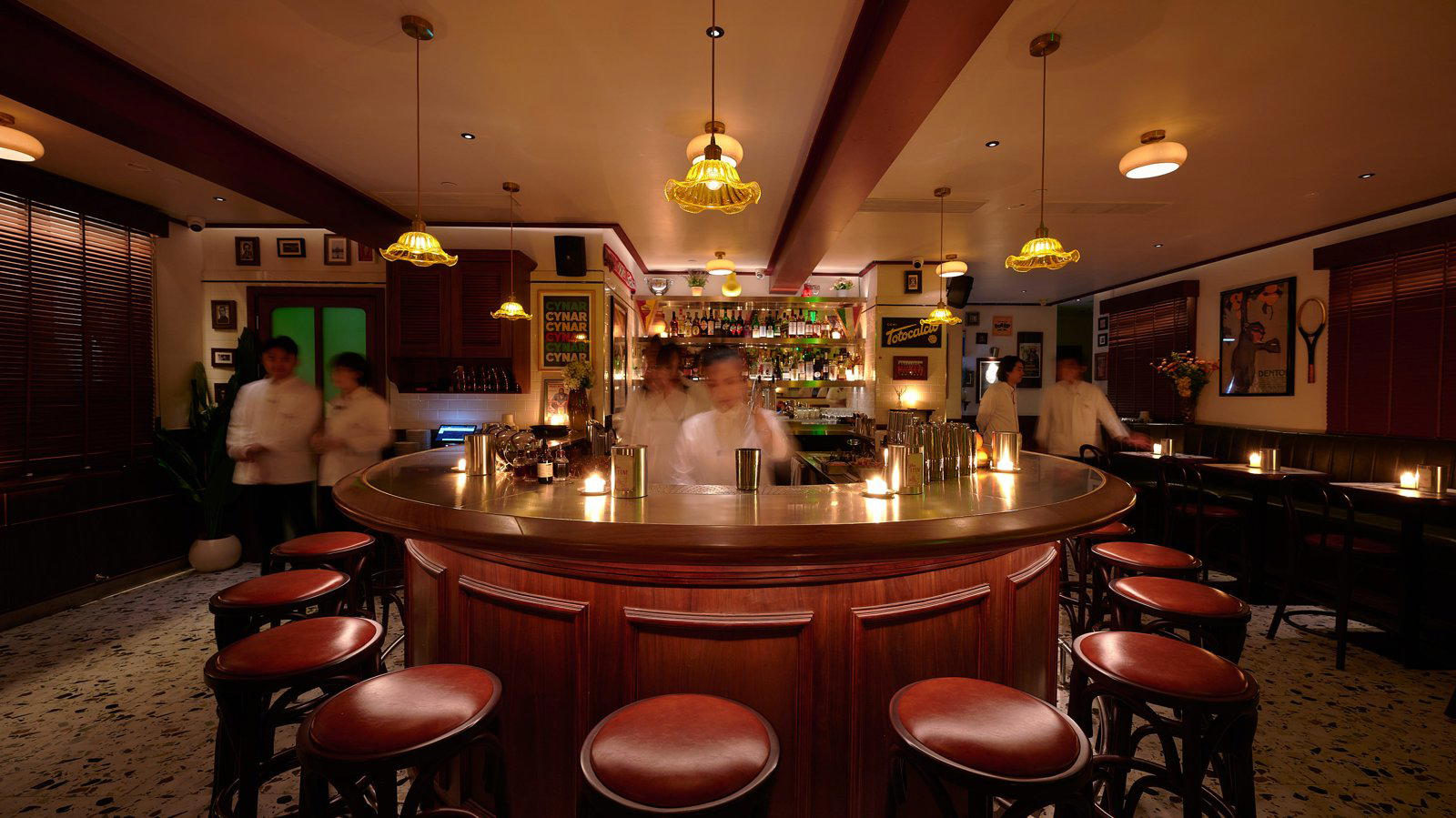
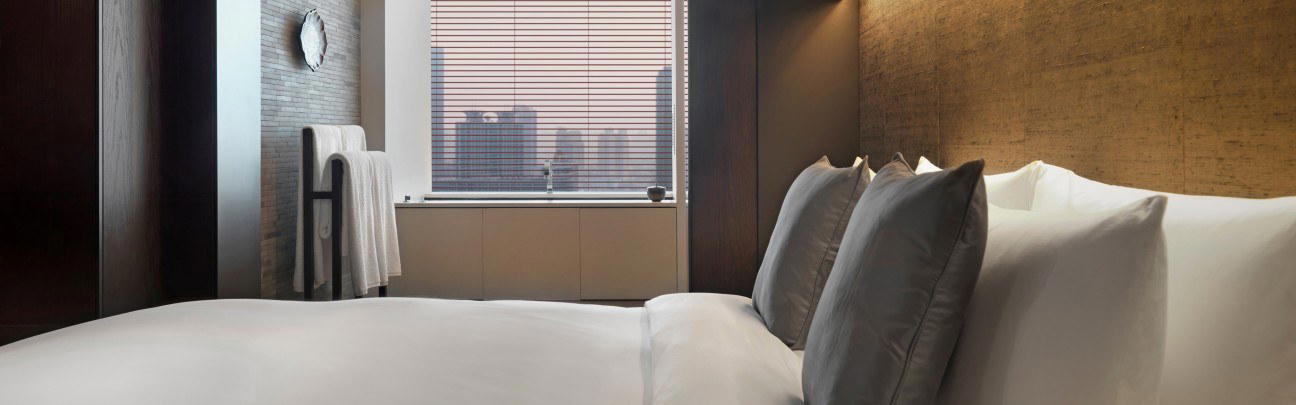
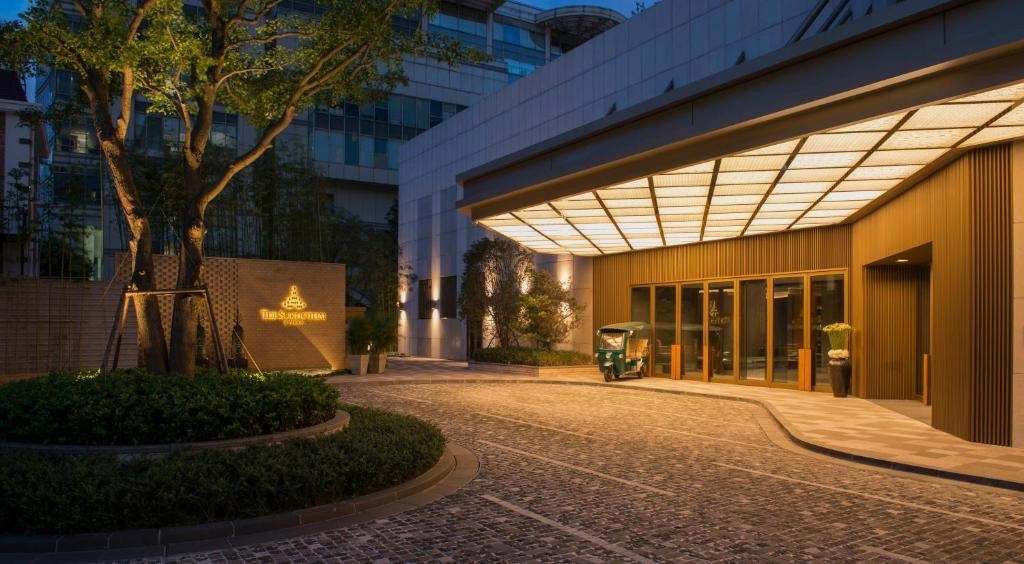
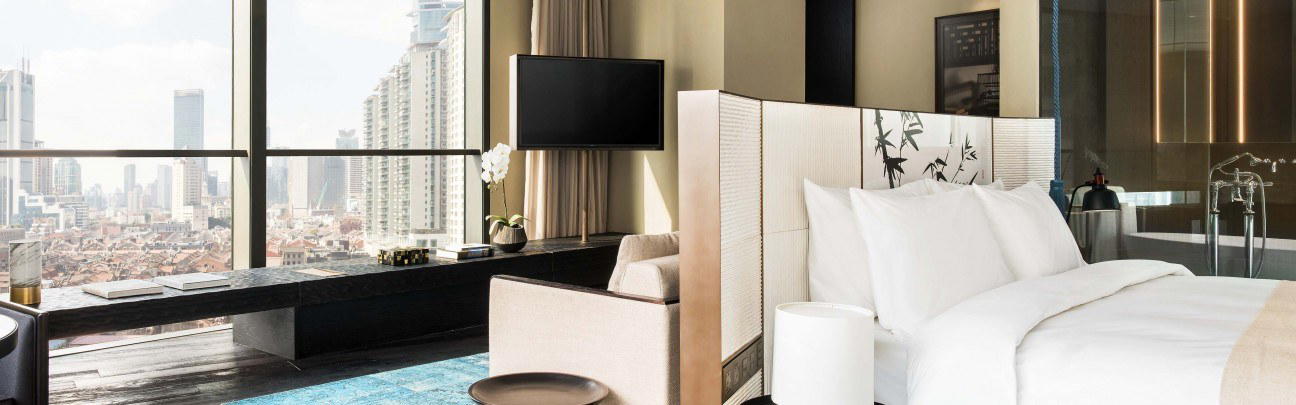
Serene contemporary sanctuary with silk-screened panels, pale timber, warm brass accents, and amber-lit lanterns creating an unhurried, refined atmosphere designed for intimate conversation.