
Haiweiguan sits in Shanghai’s Black Pearl one-diamond tier for 2026, a useful signal in a city where premium Chinese dining is judged as much on regional fluency as on luxury cues. The available public profile is lean, so the draw is clearest for travellers using the Black Pearl guide as a filter for serious local dining rather than for those seeking a fully documented tasting-menu proposition.

Pearl is the En Primeur Club membership app — saves, bookings, and concierge access live there. Same editors, same standards.
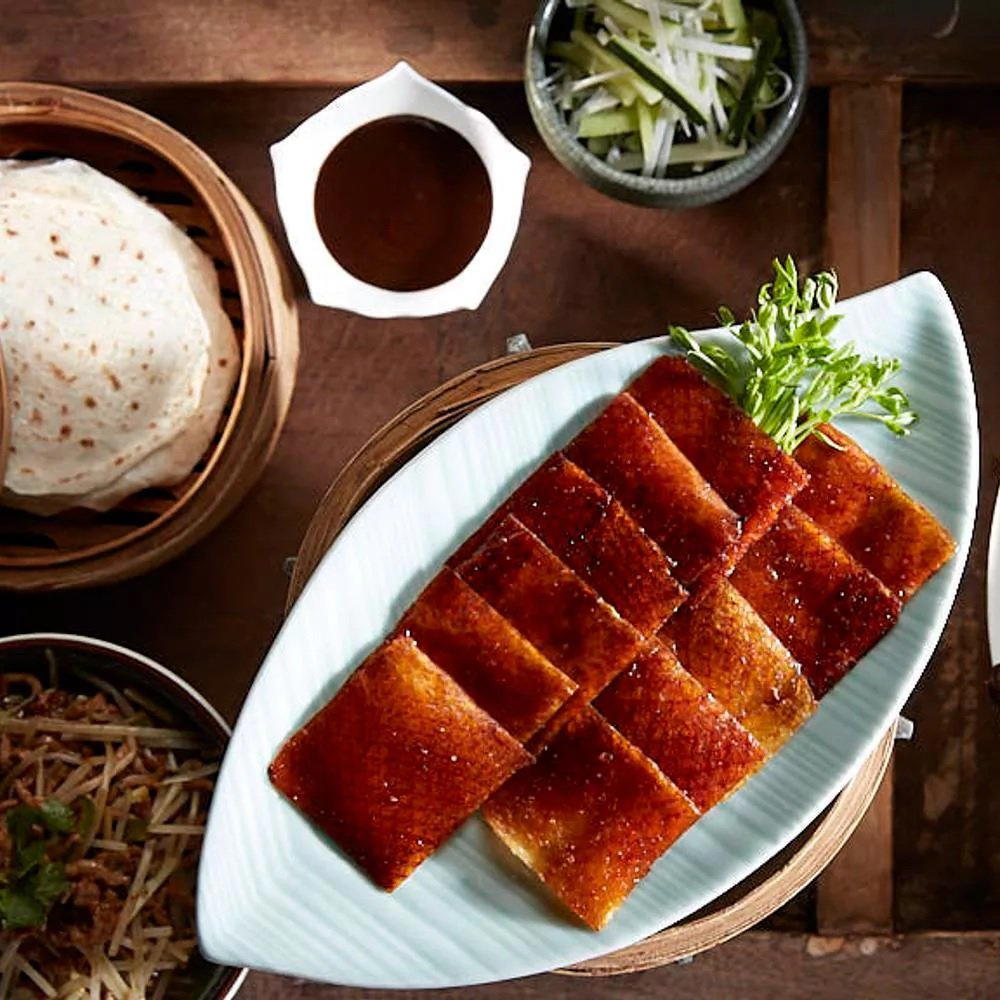
Shanghai dining announces itself in layers: polished mall restaurants, private-room banquet houses, hotel dining rooms, late-night noodle counters, and chef-led Chinese kitchens competing for attention from local regulars rather than fly-in trophy hunters. Haiweiguan belongs to the part of that ecosystem where the room matters, but the cultural code matters more. In China’s luxury dining cities, a restaurant is not judged only by tableware, lighting, or service choreography; it is judged by how convincingly it handles regional memory, seasonality, hierarchy at the table, and the quiet etiquette of ordering for a group.
The useful public signal here is specific: Haiweiguan is listed among the Black Restaurant Guide 2026 one-diamond restaurants. Black, created for the Chinese market, carries a different weight from imported award systems because it reflects how high-end dining is assessed inside China’s own restaurant culture. A one-diamond listing does not automatically mean a grand banquet experience or a chef-facing tasting counter. It means the restaurant has cleared a local benchmark in a city where premium Chinese dining is crowded, technically demanding, and sensitive to regional nuance.
Shanghai's serious Chinese dining is built around context, not spectacle
Shanghai has long been a city of borrowed appetites. Local Shanghainese cooking sits beside Cantonese banquet traditions, Jiangnan refinement, Sichuan heat, coastal seafood habits, and the hotel dining grammar imported through the Bund and Pudong. That mixture makes the city difficult for visitors: a polished room alone says little, and English-language visibility often lags behind local reputation. Black recognition helps separate restaurants with domestic critical traction from places built mainly for transient luxury traffic.
That distinction matters because Chinese fine dining does not always map neatly onto Western expectations of the tasting menu. The cultural unit is often the shared table, not the solo sequence. Value is expressed through ingredient sourcing, pacing, temperature control, knife work, soup craft, and the ability to make a meal feel calibrated to the occasion. In Shanghai, the serious end of the market rewards restaurants that understand banquet fluency as well as contemporary polish.
Haiweiguan’s one-diamond status places it inside that conversation. The absence of a heavily publicized chef narrative is not a weakness in this context; many respected Chinese restaurants are read through consistency, sourcing discipline, and local approval rather than personality branding. For travellers, that means the smarter question is not whether the room has a famous figure attached, but whether the restaurant fits the kind of meal being planned: business dinner, family table, regional exploration, or a quieter premium Chinese meal between higher-visibility bookings.
Why the Black signal carries weight in Shanghai
Shanghai is one of the hardest Chinese cities in which to read restaurant status from the outside. International visitors often arrive with Michelin habits, while local diners may give equal or greater attention to Chinese-language guides, platform ratings, and word-of-mouth among regulars. Black sits in that domestic evaluation culture. Its diamond system is especially relevant for restaurants serving Chinese cuisines, where technique and hospitality codes can be under-described in global media.
A one-diamond listing should be read as a qualified endorsement rather than a claim of extravagance. It signals that Haiweiguan has been recognized within a guide built for China’s dining public, but it does not provide enough public detail to infer a specific menu format, price band, chef background, or reservation policy. That restraint is important. In a market where luxury vocabulary is often overused, the credible position is narrower: this is a Shanghai restaurant with current Black recognition, suitable for diners who want a locally validated address and are comfortable confirming the operational details before committing a night.
For planning a broader Shanghai itinerary, category balance helps. Cantonese cooking has a strong premium presence in the city, and travellers comparing Chinese dining styles can look at 100 Century Avenue Cantonese, 102 House (Cantonese), and 102 House Shanghai as separate reference points within the wider Shanghai guide. Western-format luxury sits in a different lane, represented by addresses such as 100 Century Avenue Steakhouse and 1515 West Chophouse (Steakhouse). These links are not substitutes for the same experience; they show how fragmented the city’s premium dining map has become.
How to place it in a China dining itinerary
Haiweiguan makes the clearest sense for travellers already prioritizing Chinese dining credibility over theatrical format. Shanghai rewards that approach. A trip built only around internationally visible rooms can miss the domestic hierarchy that shapes where local hosts take clients, relatives, and visiting friends. A Black one-diamond listing gives this address a practical role: it can anchor a Chinese meal in Shanghai without requiring the restaurant to perform as a global trophy booking.
The broader China context also matters. Regional dining cities have their own prestige languages: Chengdu is read through heat, oil, and layered spice; Hangzhou through Jiangnan restraint; Beijing through courtly and northern traditions; Xiamen and Fuzhou through coastal Fujianese identities. Readers building a multi-city route can cross-reference #8 in Chengdu, 167 Shan Hai Li in Fuzhou, 1913 in Hangzhou, 1927 Dong Yuan Si Chu in Xiamen, 1949 - Duck de Chine in Beijing, and 1980烧肉粽 in 厦门市 to see how differently regional value is expressed.
Within Shanghai, use the restaurant as one component rather than the whole thesis of a trip. The city is stronger when meals are sequenced across formats: one polished Chinese dinner, one hotel dining room, one contemporary bar, and at least one lower-key local meal. For broader planning, start with our full Shanghai restaurants guide, then layer in our full Shanghai hotels guide, our full Shanghai bars guide, our full Shanghai wineries guide, and our full Shanghai experiences guide. For readers extending the route beyond China, Jōdo Saké Bar in Los Angeles and Onigiri Time in Pasadena show how East Asian casual and drinks formats translate in a different market.
In Context
Comparable venues nearby, for context on price, style, and recognition.
| Venue | Cuisine | Price |
|---|---|---|
| HaiweiguanThis venue — the venue you are viewing | Not listed | $$$ |
| Lynn | Jing'an, Modern Shanghai Cuisine | $$$ |
| Bu Chi Su | Jing'an District, Sichuan Chinese | $$$ |
| upper club | Jing'an, Modern Chinese Hot Pot | $$$ |
| Wujie | Xujiahui, Modern Vegetarian Asian Fusion | $$$ |
| NOBLE | Lao Bai Du, Modern Huaiyang | $$$ |
Recognition history
Dated appearances from independent guides and award organizations, with the underlying list record or original source where available.
Black Pearl 1 Diamond
Black Pearl
At a Glance
- Elegant
- Classic
- Sophisticated
- Quiet
- Date Night
- Business Dinner
- Group Dining
- Special Occasion
- Design Destination
- Historic Building
- Standalone
- Private Dining
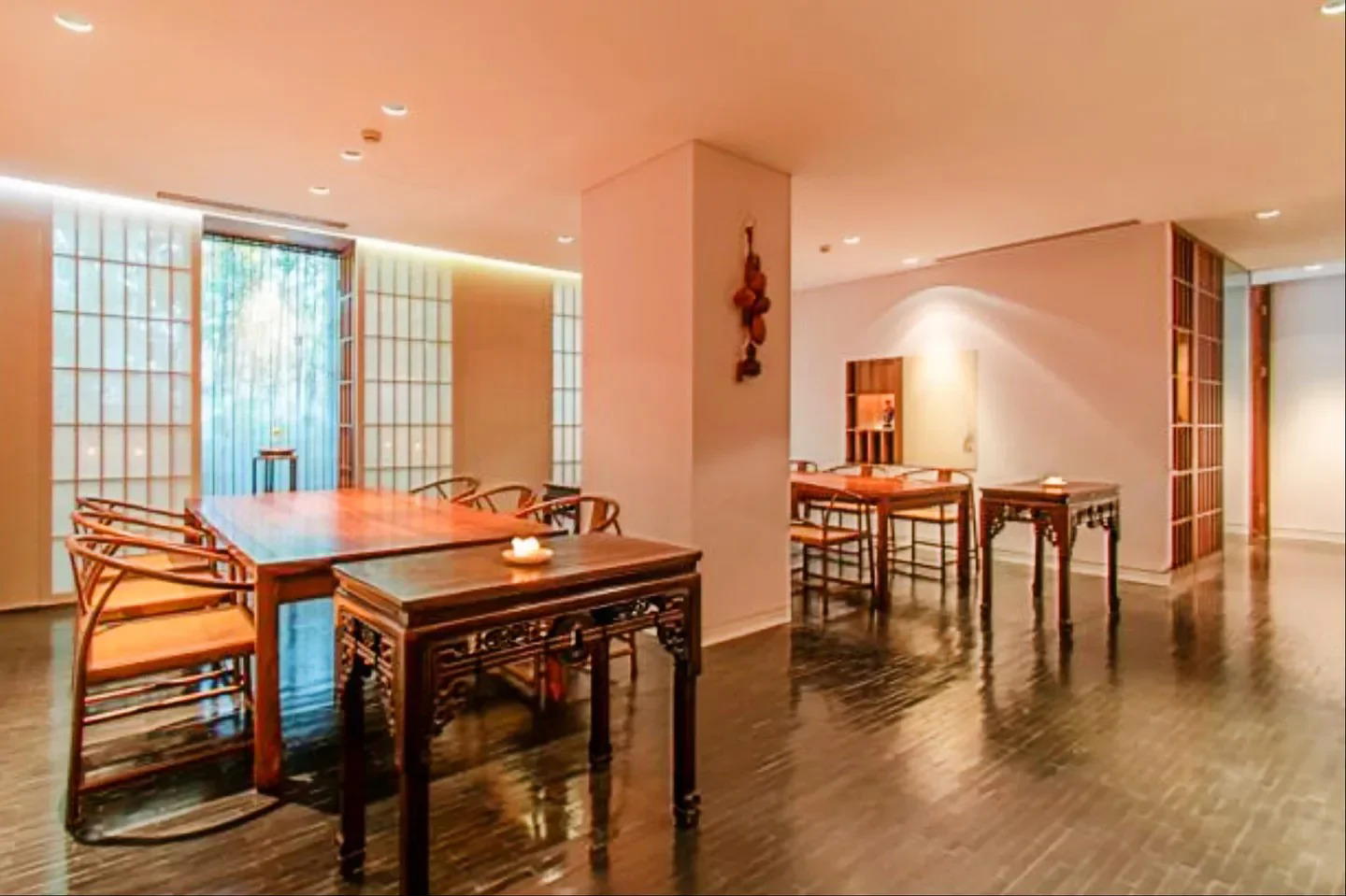
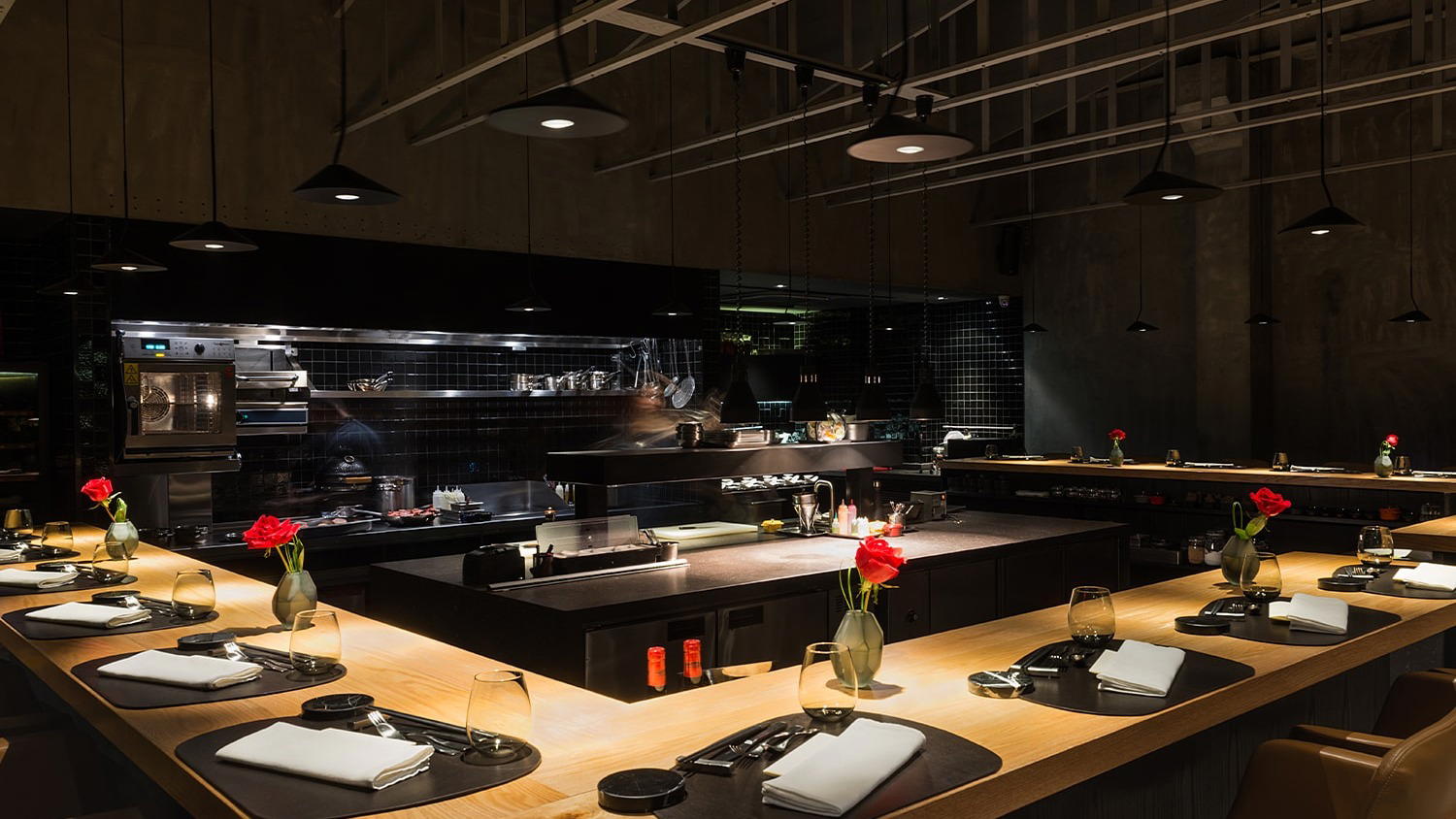
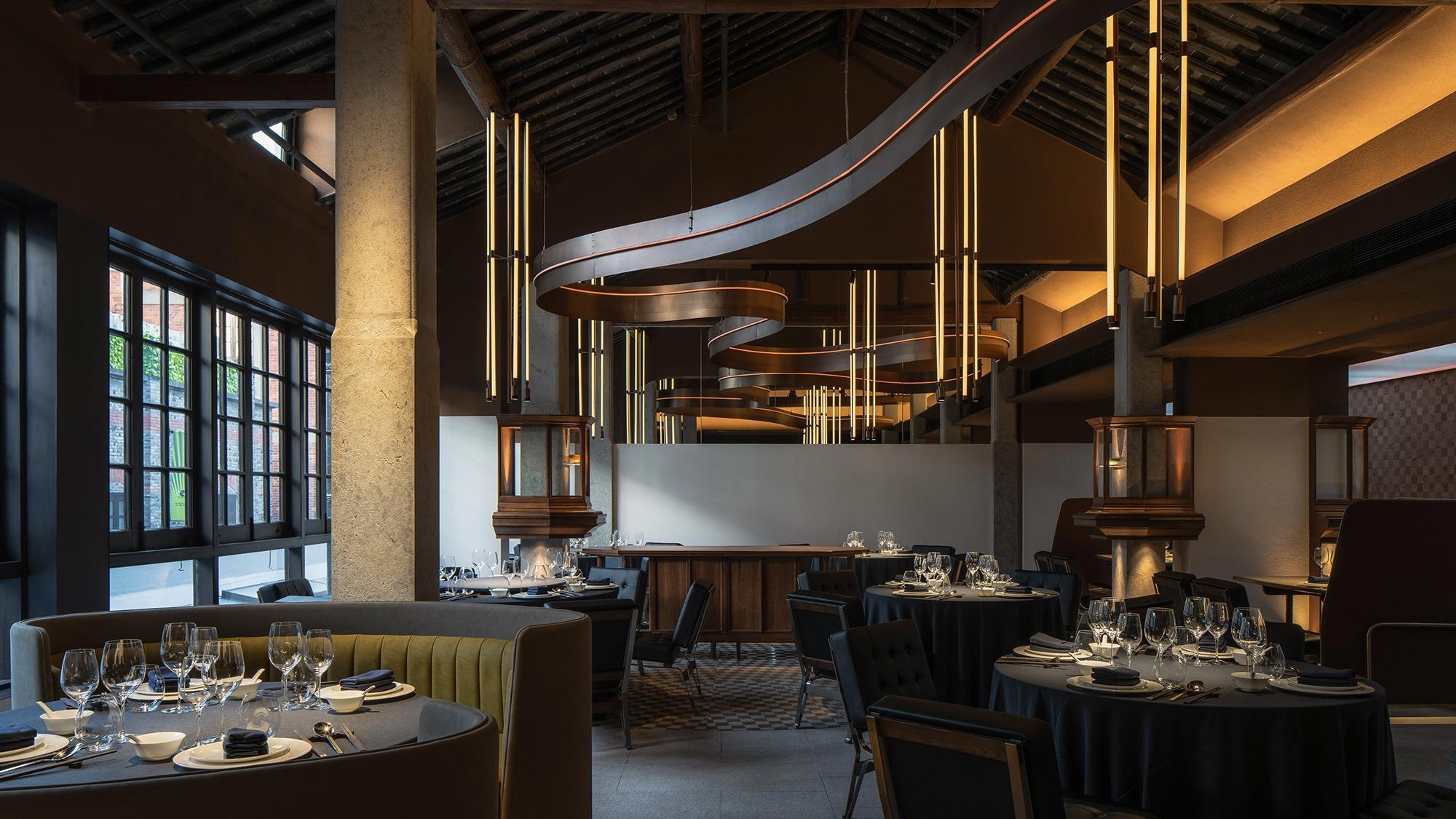
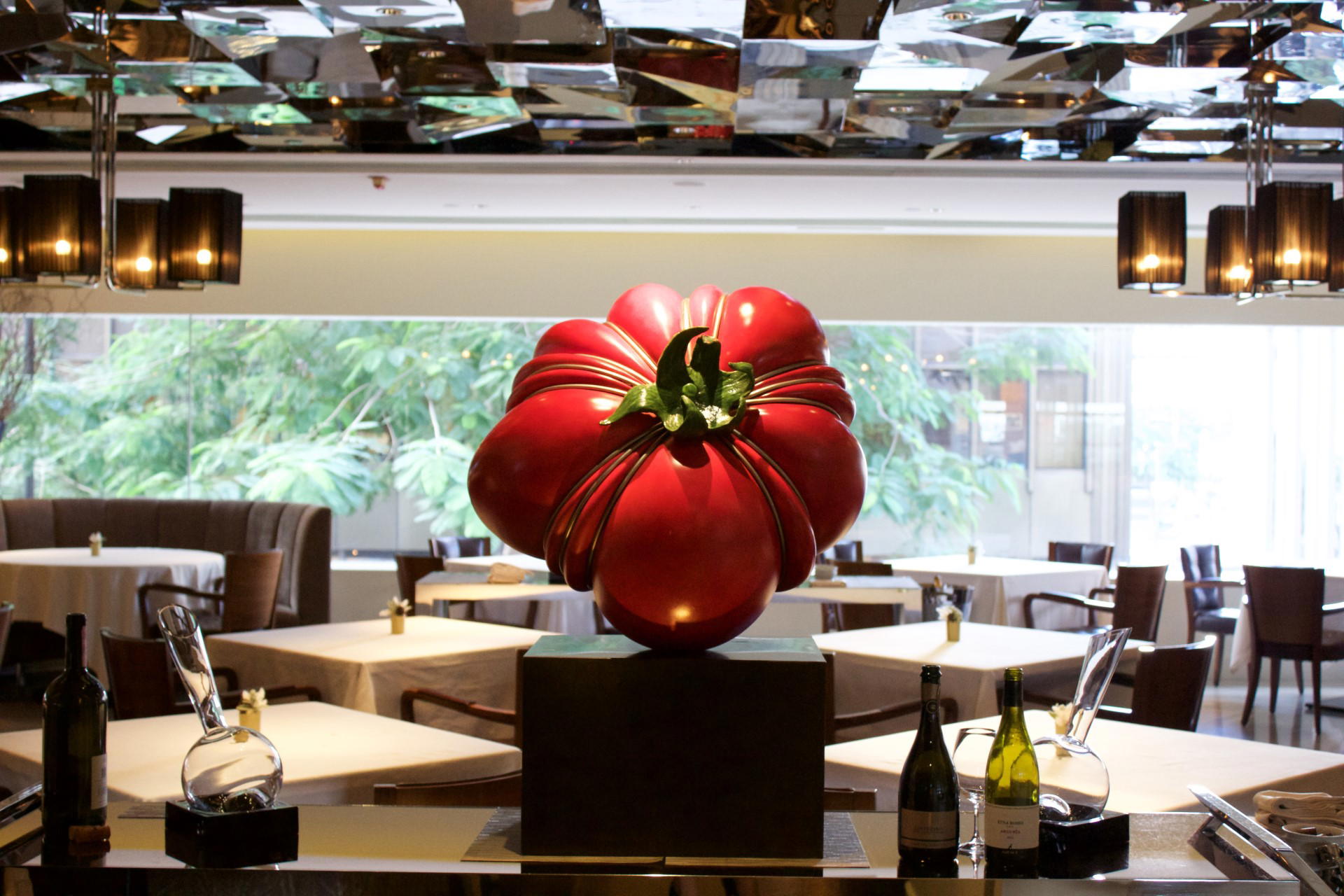
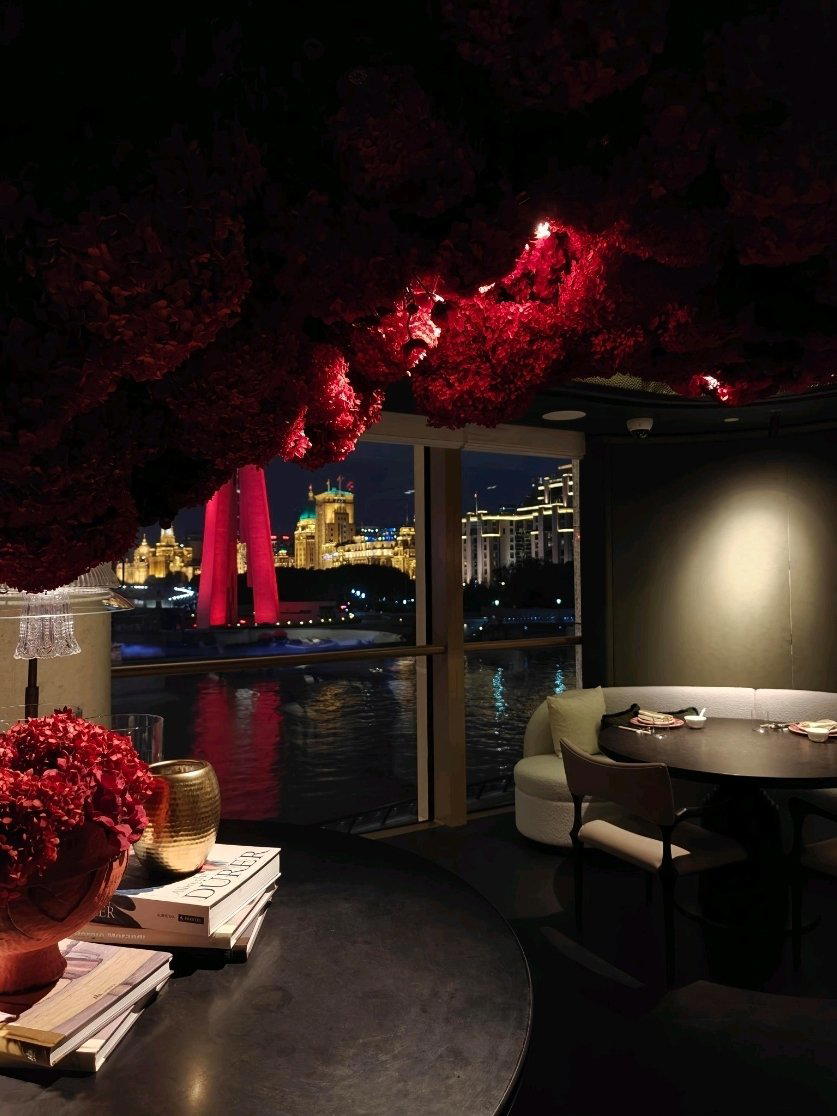
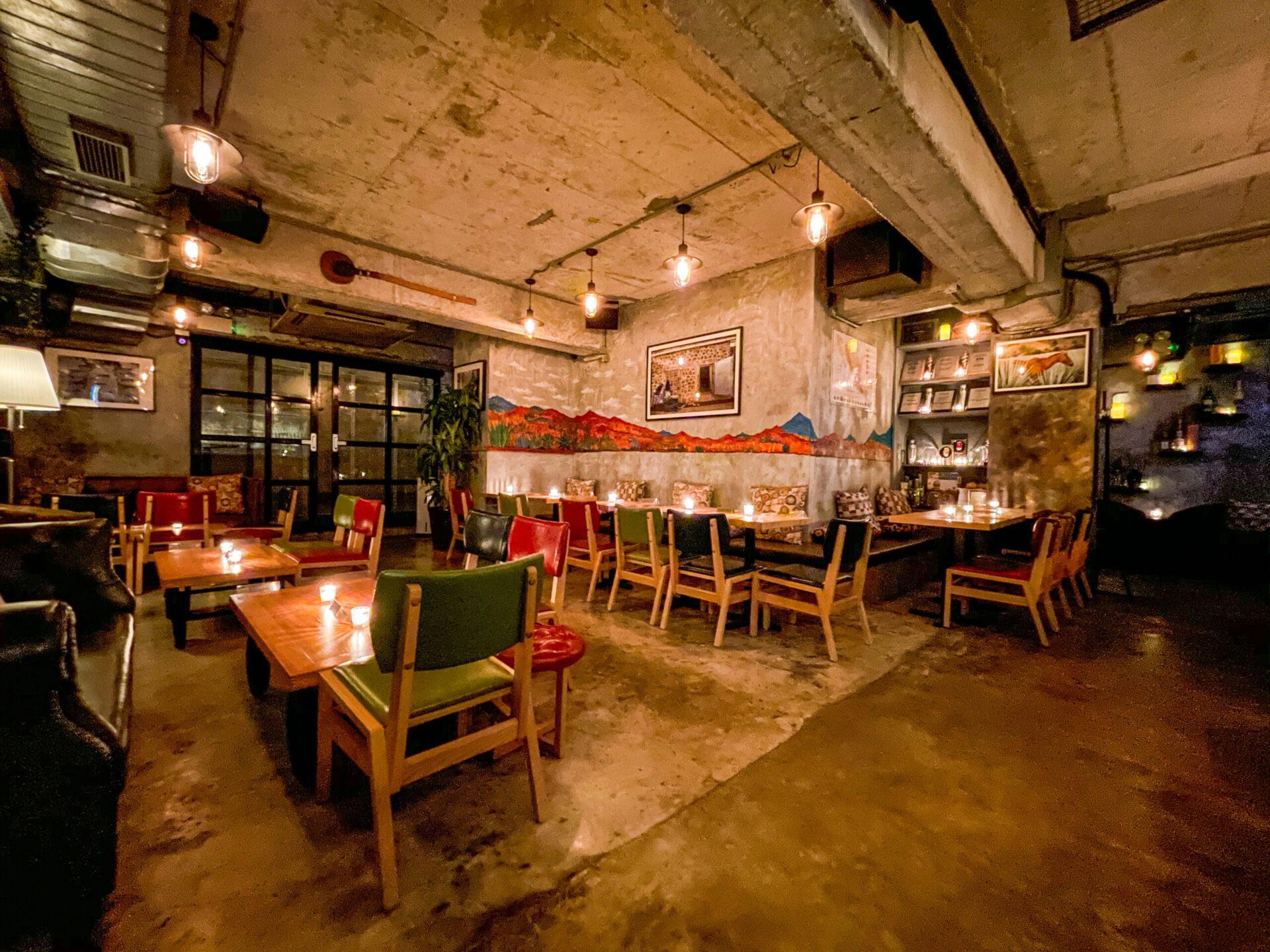
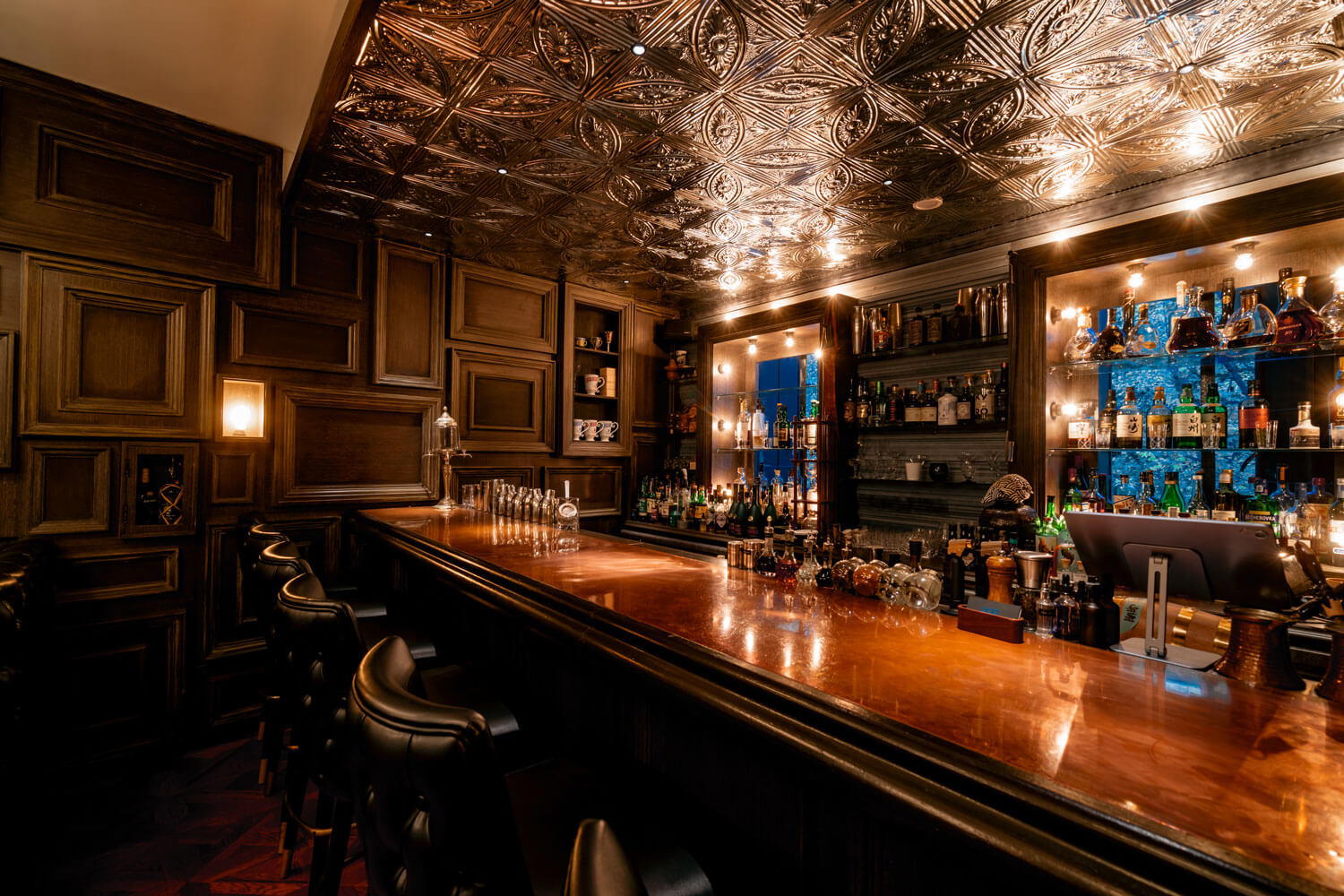
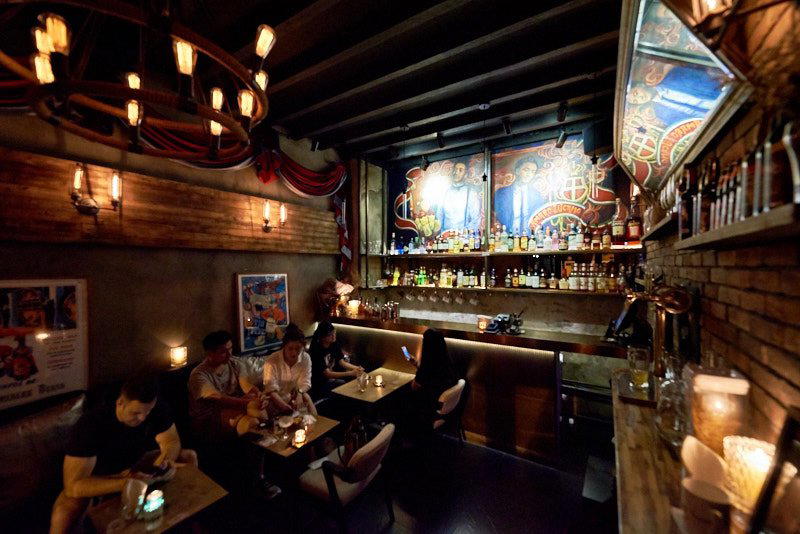
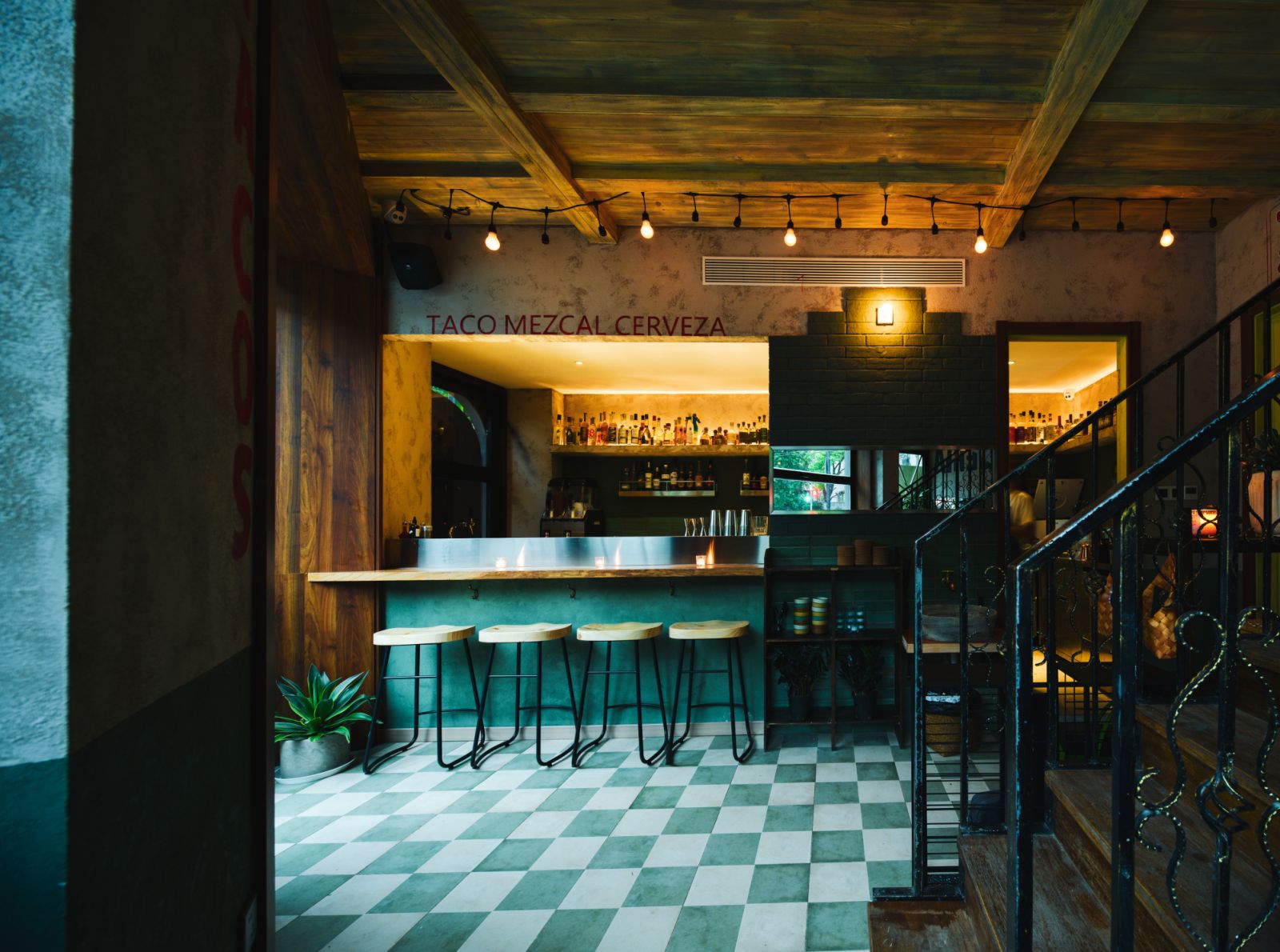
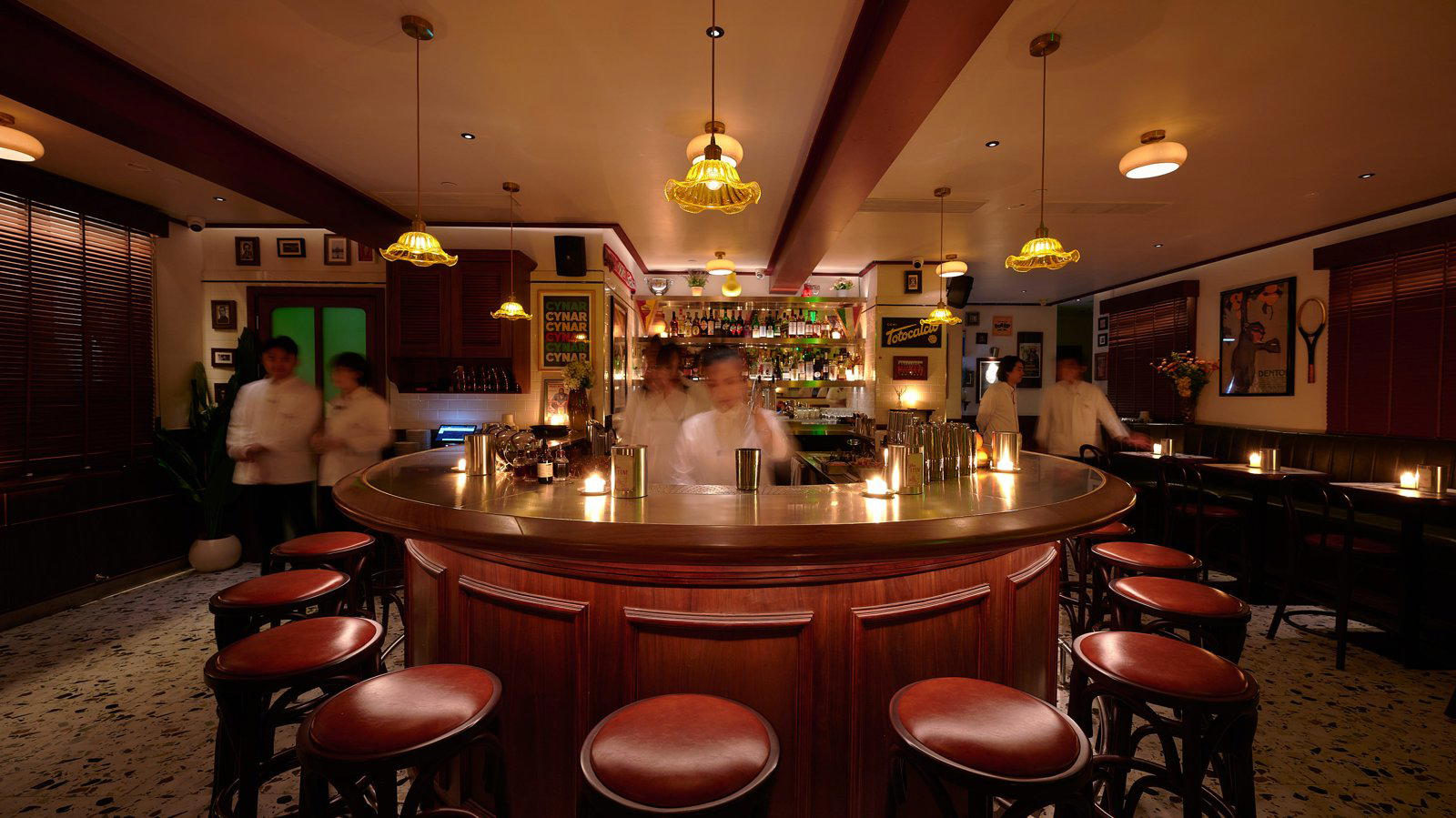
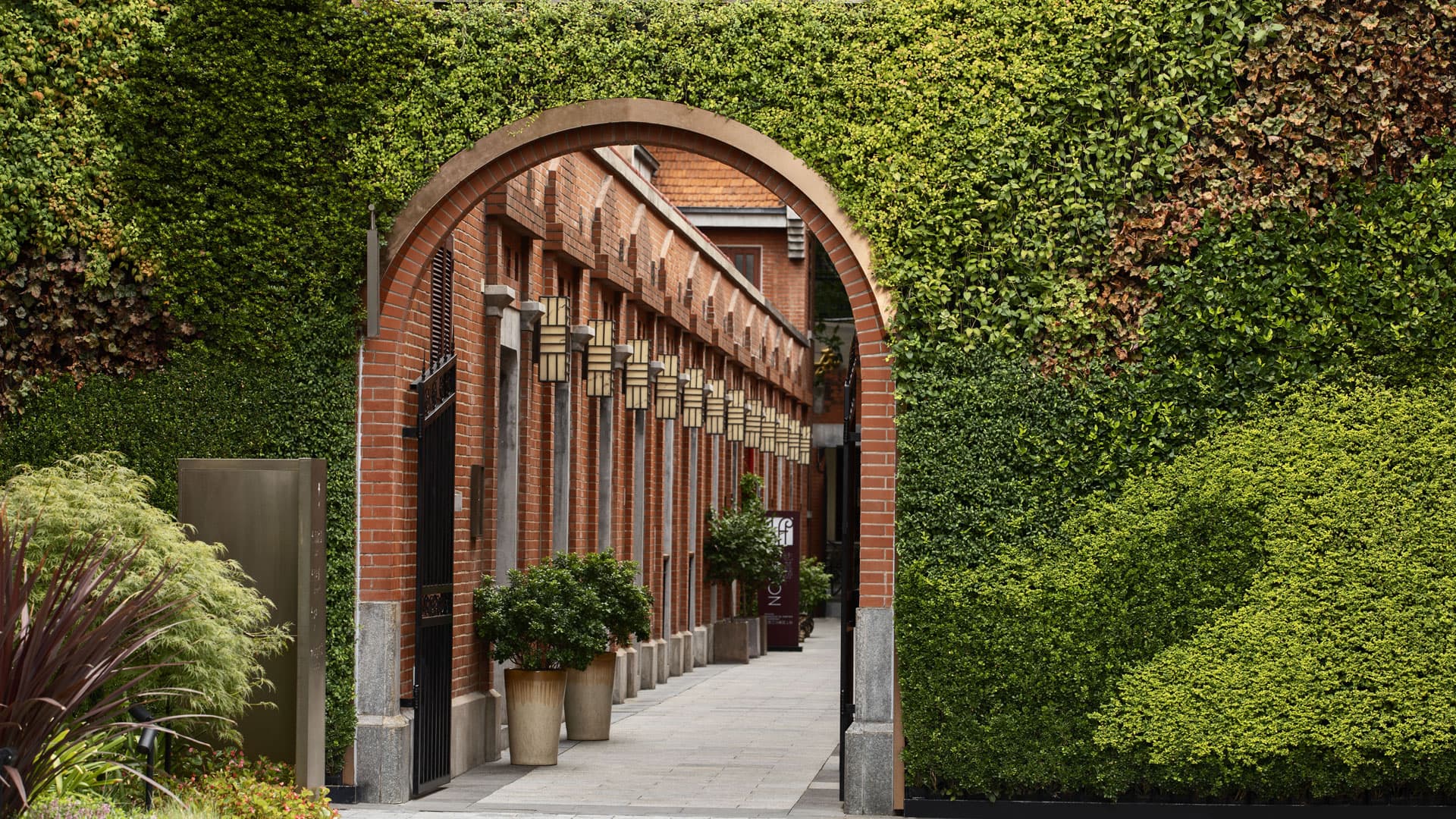
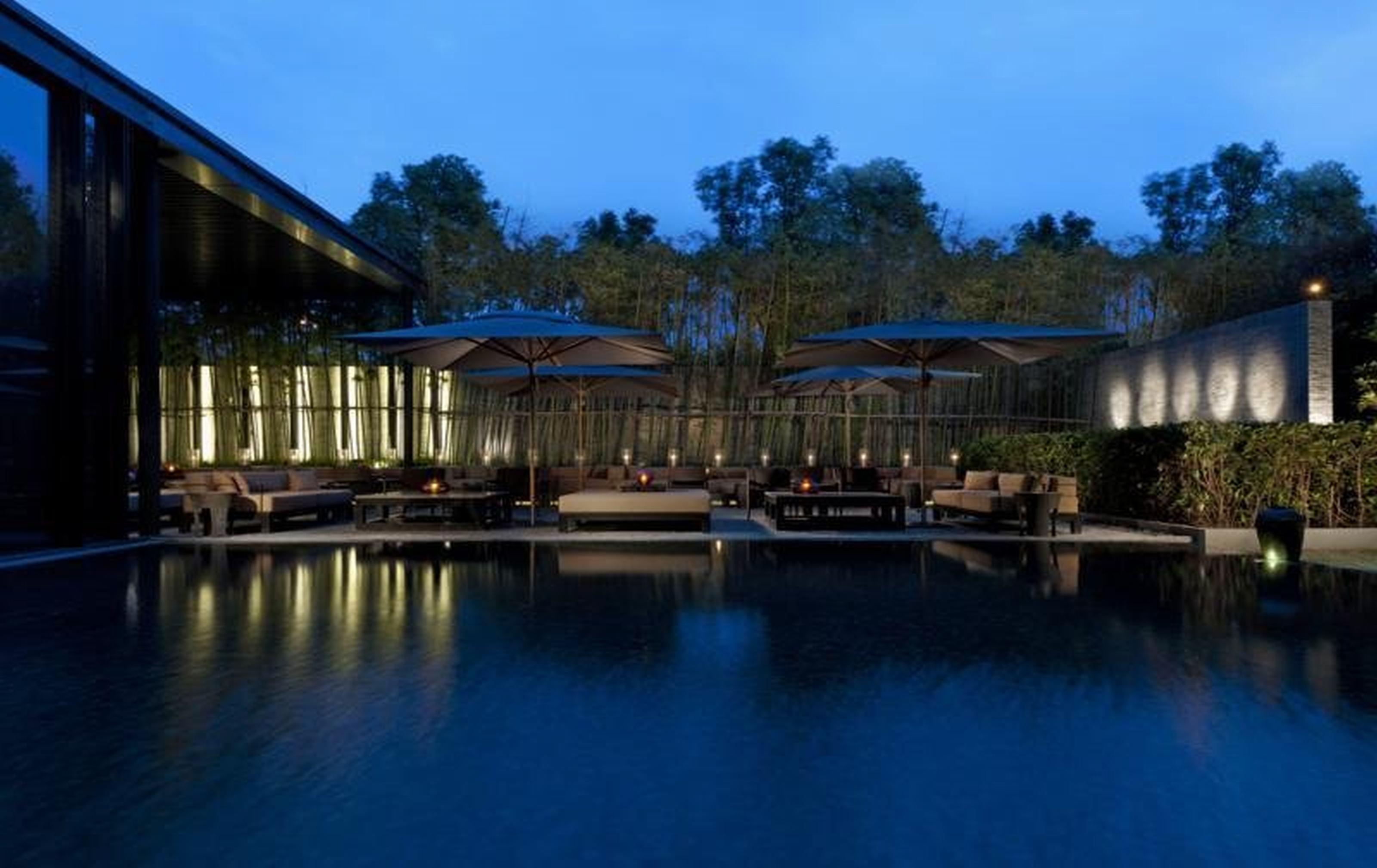
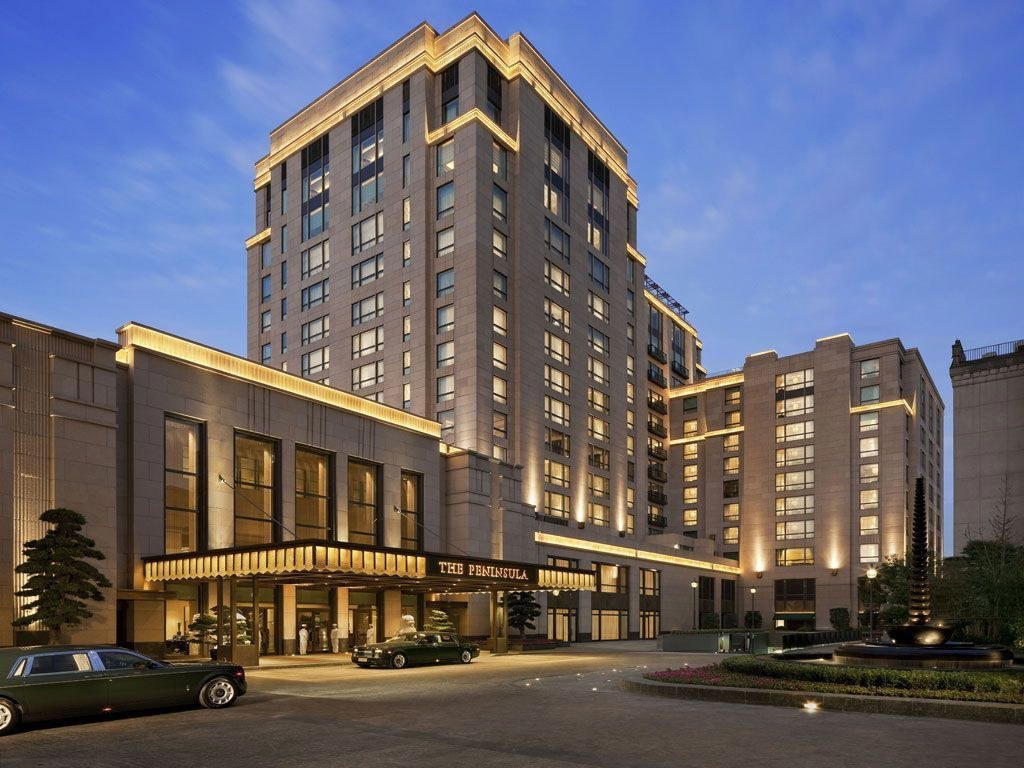
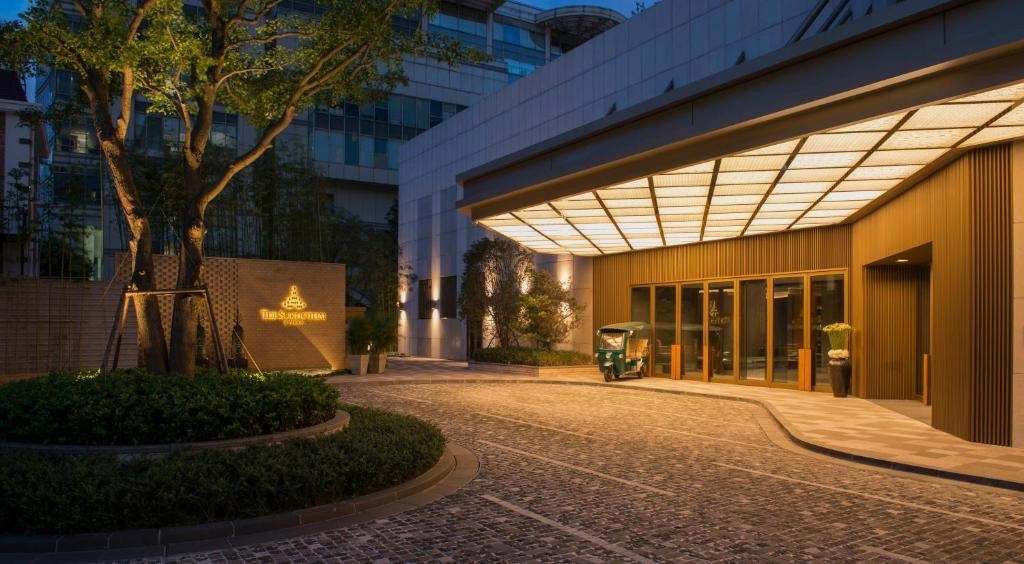
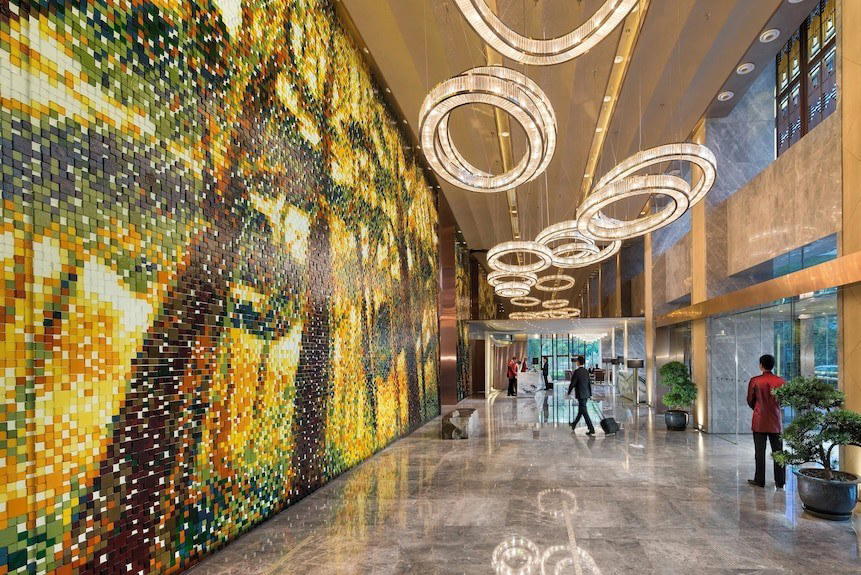
Low-key yet refined, with an old-Shanghai red-brick façade, gray wood tones, sculptural wall lamps, and carefully designed seating that create an elegant, calm, and aesthetically focused dining space emphasizing light and spatial experience.