Bruno
Bruno operates out of Howard Beach, Queens, well outside the Manhattan dining circuit that defines most conversations about New York restaurants. Situated on Cross Bay Boulevard, it occupies a neighborhood long shaped by Italian-American tradition, where the expectations around hospitality and cooking are set by decades of community practice rather than critical trend cycles.
Pearl is the En Primeur Club membership app — saves, bookings, and concierge access live there. Same editors, same standards.
- Address
- 158-22 Cross Bay Blvd, Howard Beach, NY 11414
- Phone
- +17183227866
- Website
- bruno-ristorante.com
- Directions
- Get directions
 Saves & bookings on Pearl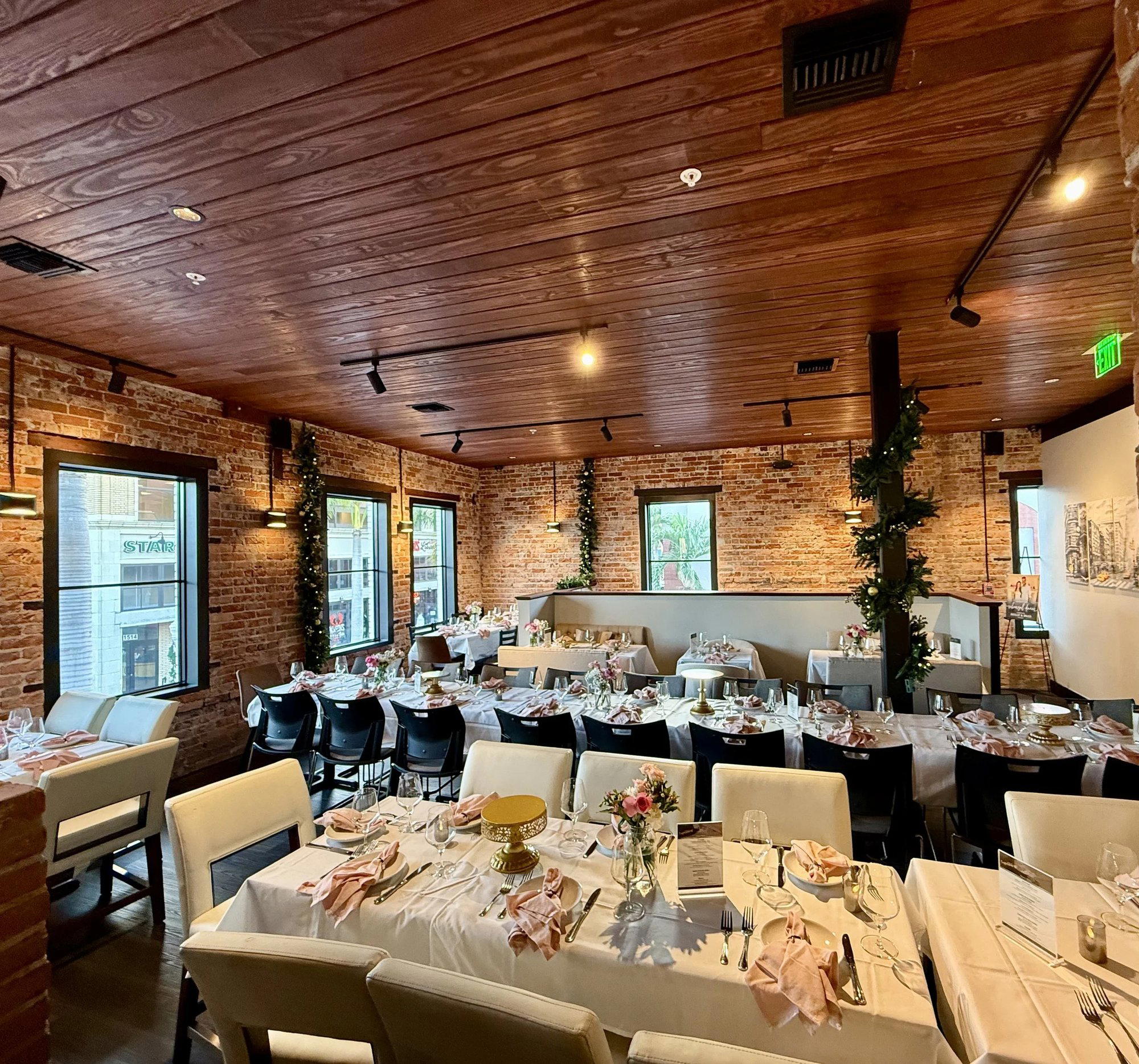
Outside the Circuit: Howard Beach and the Italian-American Table
Bruno is a restaurant in Howard Beach, Queens, serving Authentic Southern Italian food at about $40 per person. The conversation around our full New York City restaurants guide tends to orbit Midtown institutions like Le Bernardin or destination tasting-menu addresses like Eleven Madison Park, Atomix, Per Se, and Masa. Howard Beach, a residential enclave in southern Queens bordered by Jamaica Bay, exists almost entirely outside that frame. Cross Bay Boulevard is a working thoroughfare serving a neighborhood with deep Italian-American roots, and Bruno sits within that fabric rather than apart from it.
That positioning matters because it shapes what kind of restaurant Bruno is in the first place. Italian-American dining in outer-borough New York is not a subcategory of fine dining with relaxed dress codes. It is a distinct tradition with its own logic: long relationships between kitchen and regular, portions calibrated for tables of families rather than solo diners, and a conservatism around the menu that reads as stability rather than stagnation. The addresses along Cross Bay that have lasted are the ones that understood this contract.
The Sourcing Question in Neighborhood Italian Cooking
Sustainability and ethical sourcing tend to enter the restaurant conversation at the tasting-menu tier, where kitchens like Blue Hill at Stone Barns in Tarrytown or Single Thread Farm in Healdsburg have built their entire identity around farm relationships and waste reduction. The sourcing story at neighborhood Italian restaurants in Queens reads differently. It is rarely codified in press releases or stamped on menus, but the underlying logic has been present in Italian-American cooking for generations: using the whole animal, cooking seasonally by habit rather than by branding, and maintaining supplier relationships over years rather than rotating them for novelty.
Howard Beach has historically sourced heavily from the fish markets and produce distributors that feed southern Queens and Brooklyn, and proximity to Jamaica Bay has made fresh seafood a structural part of the neighborhood's cooking. That geography matters when thinking about what lands on the plate: the supply chain is shorter than it is for restaurants shipping ingredients across the country, and the relationships between kitchen and purveyor tend to be older and more direct. Venues in this part of Queens that have maintained decade-long supplier arrangements operate with a form of supply-chain accountability that predates the language now used to describe it at higher-profile addresses.
Compare this to the articulated sourcing programs at restaurants like Smyth in Chicago, Lazy Bear in San Francisco, or Addison in San Diego, where provenance is spelled out on the menu and the sourcing philosophy is part of the dining experience's architecture. The outer-borough Italian model is quieter about this, but the underlying practice is structurally similar: long-term supplier loyalty, minimal waste through whole-animal and whole-vegetable cooking, and a preference for what's in season because that's what the market has, not because a consulting chef advised it.
How Bruno Sits in Its comparable set
On a block defined by neighborhood loyalists rather than destination diners, Bruno operates in a competitive set that has nothing to do with the Michelin-starred tier. The relevant comparison is other long-standing Italian-American restaurants in southern Queens and neighboring Brooklyn neighborhoods like Ozone Park and Howard Beach itself, where tenure and regulars are the primary currency. This is a different kind of credibility than the one conferred by awards bodies, and it is not less meaningful for being different.
Restaurants that have survived and remained relevant in these neighborhoods through multiple economic cycles, including the shifts that followed 2008 and 2020, carry a form of durability that newer venues in denser, trendier parts of the city have not yet tested. Emeril's in New Orleans, The French Laundry in Napa, and The Inn at Little Washington represent what longevity looks like when it is attached to critical recognition. Bruno's version of longevity, if it holds, is measured in neighborhood loyalty rather than guidebook listings.
For calibration: the outer-borough Italian table is also where you find particularly direct lines to the original Italian-American culinary tradition that shaped New York's food identity before that identity became a subject of critical analysis. The cooking at these addresses connects to the same roots that European critics find interesting when they look at Italian-American food as a historical artifact. Frasca Food and Wine in Boulder, Dal Pescatore in Runate, and Atelier Moessmer Norbert Niederkofler in Brunico each represent the European end of Italian regional cooking executed at a high level. The outer-borough version is not competing with those addresses, but it draws from the same broad current of Italian cooking that values place, season, and tradition over spectacle.
The Providence in Los Angeles model, where sourcing ethics and seafood provenance are embedded into a high-end format, is instructive when thinking about what the neighborhood Italian seafood restaurant is doing at a structural level, even if the price point and format are entirely different.
Planning a Visit
Bruno is located at 158-22 Cross Bay Boulevard in Howard Beach, Queens. The A train reaches Howard Beach station, from which Cross Bay Boulevard is accessible on foot or by local car service. Howard Beach is not a destination neighborhood for most visitors to New York, which means the dining room tends to serve a primarily local clientele. That is not incidental to the experience; it is the experience. Expect a room calibrated for neighborhood regulars rather than out-of-borough visitors, and read the menu accordingly.
Bruno’s hours are Mon through Thu 12 to 10 PM, Fri and Sat 12 to 11 PM, and Sun 12 to 10 PM. Reservations are recommended.
Quick reference: Bruno, 158-22 Cross Bay Blvd, Howard Beach, NY 11414. A train to Howard Beach station.
Awards and Standing
Comparable venues nearby, for context on price, style, and recognition.
| Venue | Cuisine | Price | Notes |
|---|---|---|---|
| BrunoThis venue — the venue you are viewing | Authentic Southern Italian | $$ | Not listed |
| Paulie Gee’s | Neapolitan-Inspired Pizza | $$ | Gowanus |
| Balera | Modern Roman-Style Pizza & Pasta | $$ | East Williamsburg |
| Lella Alimentari | Authentic Italian Piadina Cafe | $$ | East Williamsburg |
| Giano | Modern Italian Trattoria | $$ | East Village |
| Italianissimo Ristorante | Classic Italian Trattoria | $$ | Upper East Side-Yorkville |
Continue exploring
More in New York City
Restaurants in New York City
Browse all →
Bars in New York City
Browse all →
Hotels in New York City
Browse all →




At a Glance
- Classic
- Cozy
- Elegant
- Family
- Celebration
- Special Occasion
- Private Dining
- Extensive Wine List
Current opening hours
- Monday
- 12–10 PM
- Tuesday
- 12–10 PM
- Wednesday
- 12–10 PM
- Thursday
- 12–10 PM
- Friday
- 12–11 PM
- Saturday
- 12–11 PM
- Sunday
- 12–10 PM
Hours can change for holidays and private events. Last verified .
Calming and tastefully decorated with a welcoming, old-school Italian atmosphere featuring attentive, unobtrusive service.