Balera


Michelin Plate · Grub Street Best Food of 2026 (So Far)
Our verdict
Balera brings Roman-style pizza and a focused wine program to New York City, operating in a tier of Italian casual-serious dining where the food is the point rather than the occasion. The format sits closer to a neighbourhood enoteca than a destination restaurant, making it a reliable choice when the city's grander Italian rooms feel like too much architecture around the food.

Pearl is the En Primeur Club membership app, where members save venues, book tables and use the concierge.
The menu
What to order
- Montanarina
- Insalata di mare “Balera”
- The Rossa pizza
Roman Pizza in a City That Has Tried Everything
New York's Italian dining scene has always fragmented along class lines. At one end, there are the white-tablecloth rooms where a bowl of pasta costs as much as a main at Le Bernardin, places where the occasion is doing a lot of work around the food. At the other, there are the quick-service slice joints that keep the boroughs fed. Between these poles, a smaller category has been quietly expanding: Italian spots that take the food seriously without requiring a reservation six weeks out or a bill that competes with Masa. Balera occupies this middle ground, with Roman-style pizza and a wine program that signals the room is aimed at people who think about what they drink.
Roman pizza, for those who have mainly encountered the Neapolitan model, is a different exercise in restraint. Where Neapolitan goes soft and charred at the centre, Roman pizza, particularly the al taglio style sold by weight from long rectangular trays, tends toward a crisper, more structurally consistent base. The dough is typically higher in hydration and fermented longer, which produces a lighter crumb despite the appearance of solidity. It is a format built for a city where eating standing up at a counter is not a compromise but a preference. That New York has absorbed this model comfortably should surprise nobody: the city's appetite for Italian regional specificity has been increasing steadily, moving from a general Italianate vagueness toward the kind of regional granularity you see in serious wine programs.
The Pasta Tradition and Where Pizza Sits Within It
To frame Balera purely through its pizza is to miss a broader point about Roman culinary culture. Rome has never been primarily a pasta city in the way that Bologna is, but it has a handful of pasta forms so associated with the city that ordering them elsewhere feels like a category error. Cacio e pepe, pasta with pecorino romano and black pepper, is the obvious reference point, and its apparent simplicity conceals a technique that rewards attention: the ratio of starch water to cheese emulsion, the coarseness of the pepper, the temperature management that keeps the sauce from clumping. Carbonara and amatriciana complete the canonical set, each one built around cured pork products (guanciale in both cases, ideally) and an economy of ingredients that demands precision rather than abundance.
The broader context here matters when thinking about what Italian restaurants in New York are actually doing. Spots that commit to Roman specificity, as opposed to a general Italian menu that moves through every region without committing to any, are making a claim about identity. That claim is easier to sustain in some cities than others. New York has enough of a critical mass of Italian immigrants and Italian food enthusiasts that regional specificity is rewarded rather than lost on the room. The same argument applies to the wine side: a Roman-focused wine list that runs through Frascati, Cesanese, and the other central Italian appellations that rarely appear on American lists is a more interesting editorial choice than a safe northern-Italian selection.
Where Balera Sits in New York's Italian Tier
New York's Italian restaurant field is crowded at every price point, which means that positioning matters. The rooms that attract sustained critical attention in the current cycle tend to fall into two categories: the tasting-menu format where Italian technique is applied to a progression of small courses (which can reach price parity with destinations like Per Se or Atomix), and the more casual format where the food is specific and serious but the room is designed for repeat visits rather than landmark occasions. Balera's Roman-style pizza and wine focus place it in the second category, alongside a small cohort of New York Italian spots that have effectively imported the enoteca model: wine by the glass, food that is meant to be eaten without ceremony, and a format that rewards regulars over first-time visitors looking for a showpiece meal.
Comparable formats at different price tiers exist across American cities. Blue Hill at Stone Barns operates at the opposite end of the formality spectrum, where the farm-to-table mission is embedded in the room's physical structure. Lazy Bear in San Francisco takes the dinner-party format to a ticketed extreme. Balera's model is less theatrical: the food is the event, and the room's job is to stay out of the way. For an international comparison, the Italian-accented serious dining at 8 1/2 Otto e Mezzo Bombana in Hong Kong shows what the category looks like when it scales up in ambition and price; Balera operates well below that register.
The Wine Program as Editorial Statement
A wine-forward Italian casual spot in New York is not a novel concept, but the specificity of the list matters. Roman and central Italian wine has historically underperformed its food pairing potential on American wine lists, partly because the major appellations from Lazio lack the marketing infrastructure of Tuscany or Piedmont, and partly because American diners have been slower to reach for Trebbiano or Bellone when a Soave or Vermentino is available. A wine program that commits to central Italian appellations alongside the pizza and pasta format is making an argument that the food and wine share a logic: both come from the same place and carry the same dietary philosophy, which is fundamentally about doing less to better ingredients.
For context on how wine programs function as trust signals in New York's restaurant scene, it is worth noting that several of the city's most respected Italian rooms have built their reputations as much on their lists as on their kitchens. The wine-first Italian model is not new, but it tends to work leading when the food is specific enough to give the list a clear frame of reference. Roman pizza and pasta provide that frame.
Planning a Visit
Balera's Roman-casual format puts it in the category of New York Italian spots where the visit works well if you arrive with some flexibility. The enoteca model generally means that walk-ins are worth attempting before committing to a reservation strategy, particularly during off-peak hours, though New York's Italian casual tier has tightened across the board since 2022. For visitors working through the city's Italian options alongside its higher-end rooms, Balera slots naturally as a lower-formality counterpoint to the tasting-menu format. Those building a broader New York dining itinerary should consult our full New York City restaurants guide for category context across price tiers.
Elsewhere in the US, diners who follow the Italian-serious casual format might track what Emeril's in New Orleans has done with Southern-Italian crossover, or look at how Bacchanalia in Atlanta handles the European-technique casual question from a different regional angle. At the furthest reach of the serious-dining spectrum, Alinea in Chicago, The French Laundry in Napa, Providence in Los Angeles, Addison in San Diego, Single Thread Farm in Healdsburg, The Inn at Little Washington, Jungsik New York, and Alain Ducasse at Louis XV in Monte Carlo represent the formal-dining tier that Balera deliberately steps away from. That contrast is part of the point.
Frequently asked questions
How does Balera's wine list differ from other Italian restaurants in New York City?
Balera focuses on Roman and central Italian wine, a region that has historically received less shelf space in New York than Piedmont or Tuscany. That regional specificity makes the list an editorial statement rather than a crowd-pleasing survey. For drinkers interested in Lazio producers or varieties like Cesanese and Bellone, that focus is the main reason to seek Balera out within the city's crowded Italian dining field.
What's the signature dish at Balera?
Balera's identity is built around Roman-style pizza, which positions it differently from the Neapolitan and New York slice traditions that dominate the city. Roman pizza tends toward a thinner, crispier base and is often served by weight or cut rather than by the pie. Beyond pizza, the wine program is central enough to the format that calling it a side offering would misread what Balera is doing.
Do they take walk-ins at Balera?
Balera's Roman-casual format suggests it operates with more flexibility than a reservation-only tasting menu room, but specific booking policies aren't documented in available data. Arriving with flexibility on timing, particularly outside peak dinner hours, is generally the practical approach for Italian casual spots in New York at this tier.
What It’s Closest To
A quick peer reference to anchor this venue in its category.
| Venue | Cuisine | Price | Awards | Notes |
|---|---|---|---|---|
| BaleraThis venue (the venue you are viewing) | Modern Roman-Style Pizza & Pasta | Not listed | Michelin Plate · Grub Street Best Food of 2026 (So Far) | Not listed |
| Le Bernardin | French Seafood Fine Dining | $300–500 | 3 Michelin Stars · World's 50 Best #13 | French, Seafood |
| Atomix | Modern Korean Tasting Menu | $300–500 | 2 Michelin Stars · World's 50 Best #7 | Modern Korean, Korean |
| Masa | Traditional Japanese Omakase | $500+ | 2 Michelin Stars · World's 50 Best #27 | Sushi, Japanese |
| Per Se | French Fine Dining Tasting Menu | $300–500 | 3 Michelin Stars · World's 50 Best #40 | French, Contemporary |
| Jungsik New York | Modern Korean Fine Dining | $200–300 | 3 Michelin Stars · World's 50 Best #18 | Progressive Korean, Korean |
Recognition history
Dated appearances from independent guides and award organizations, with the underlying list record or original source where available.
Michelin Plate
Michelin
Grub Street Best Food of 2026 (So Far)
Grub Street
Continue exploring
More in Brooklyn
Restaurants in Brooklyn
All restaurants in Brooklyn →
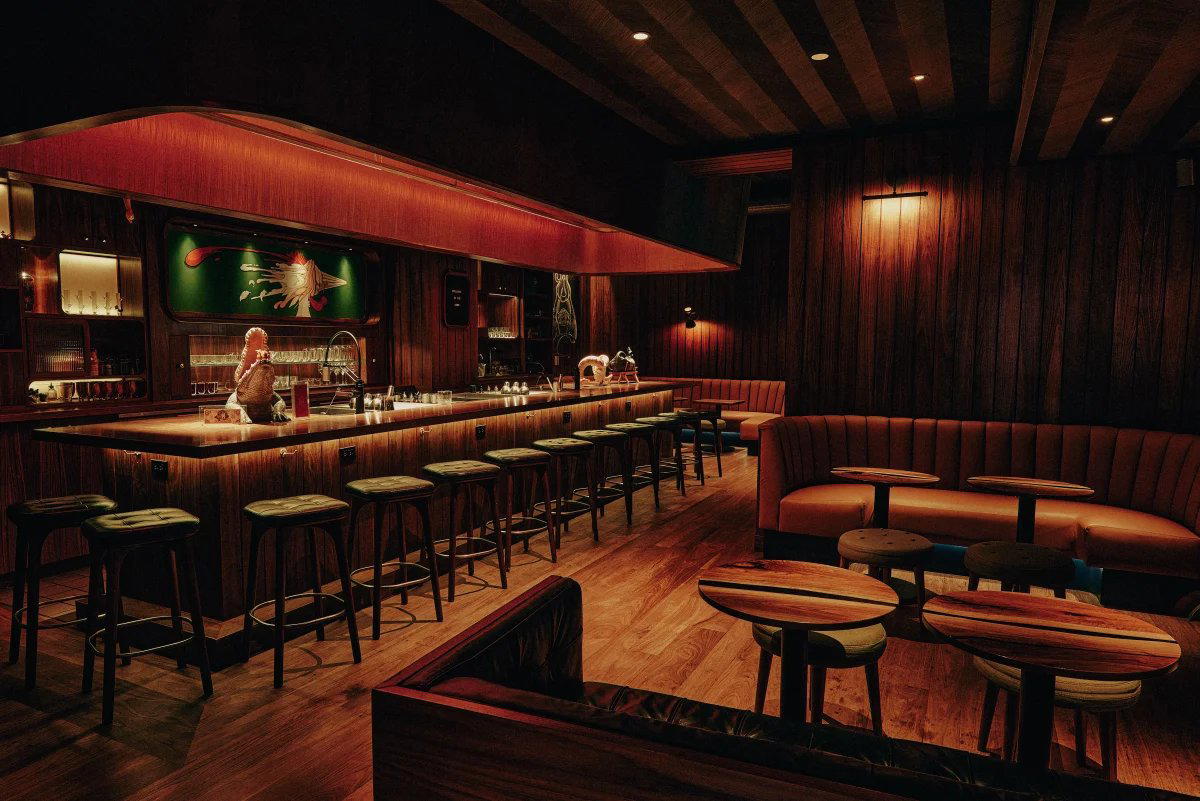
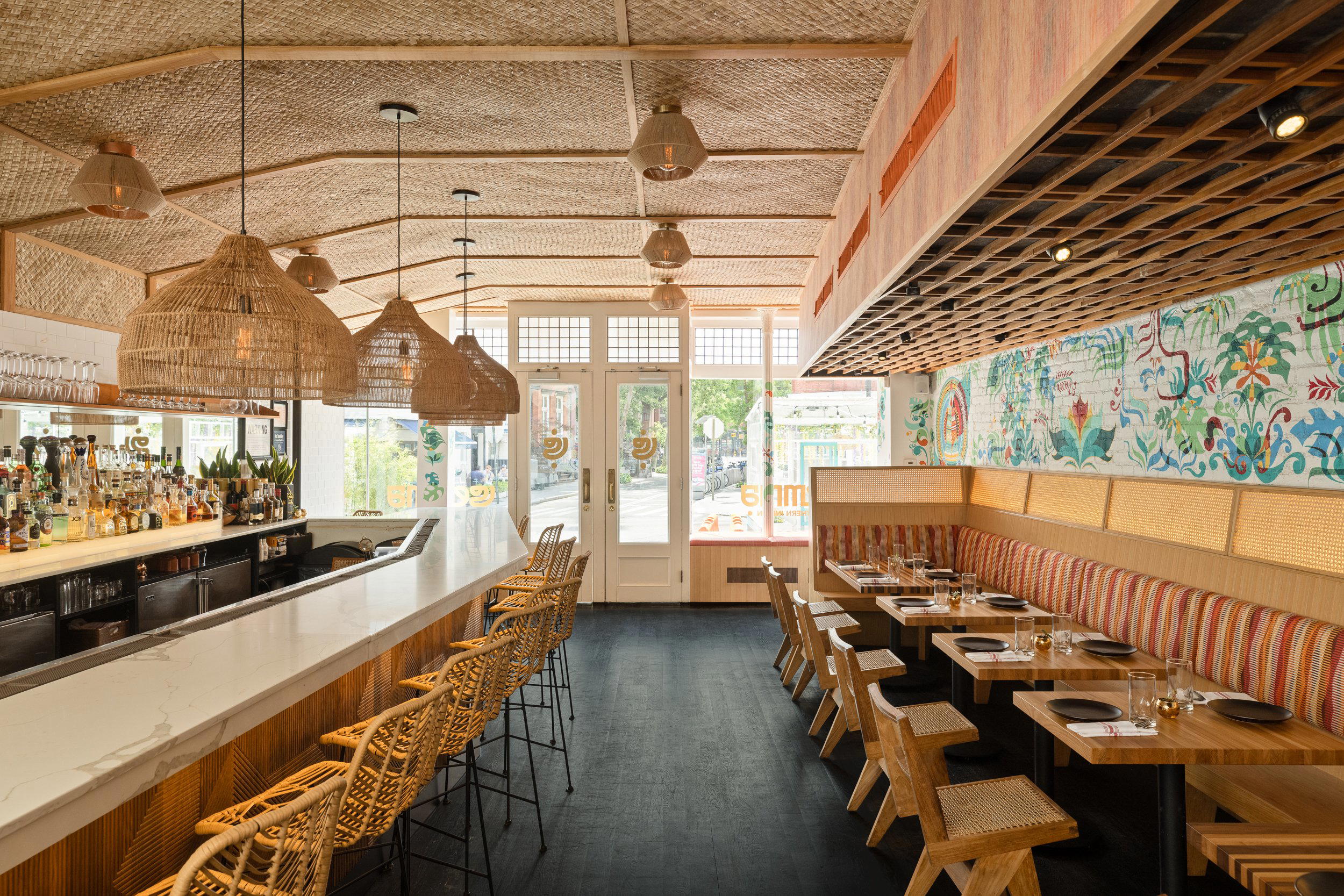
Bars in Brooklyn
All bars in Brooklyn →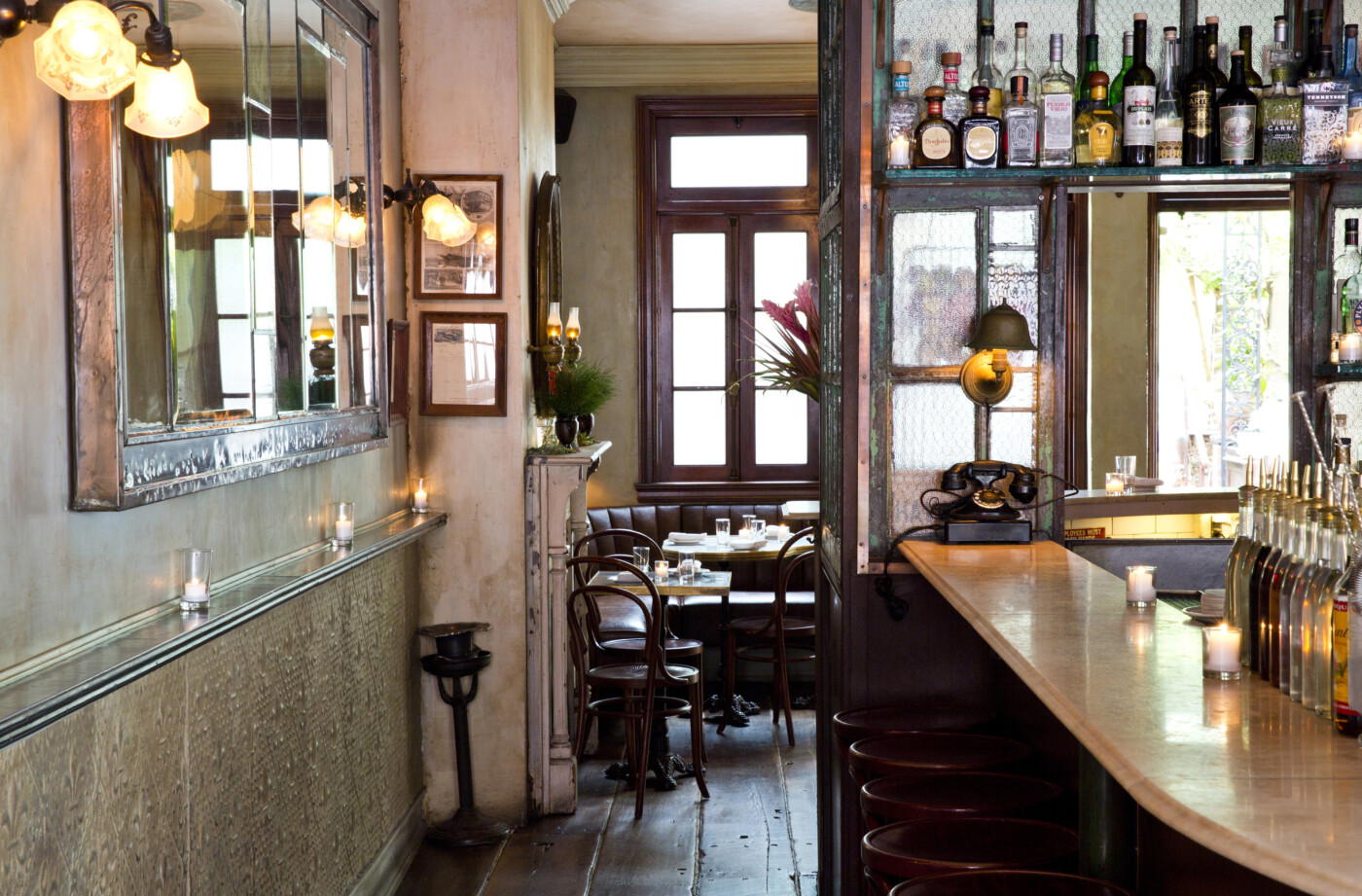
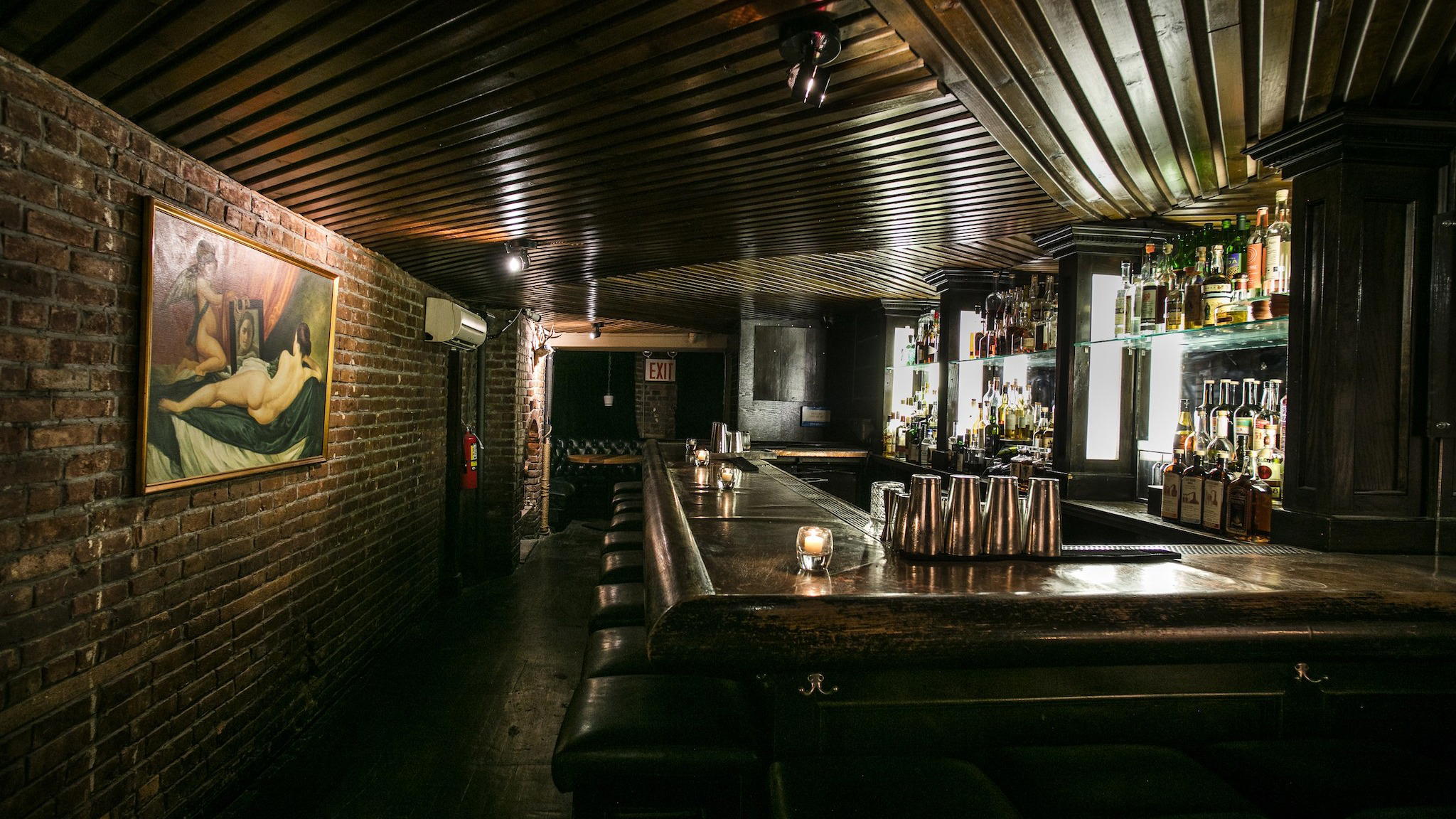





Details
- Lively
- Trendy
- Energetic
- Casual Hangout
- Late Night
- Group Dining
- Open Kitchen
- Extensive Wine List
- A La Carte
- Small Plates
- Wine
- Craft Cocktails
Current opening hours
- Monday
- Closed
- Tuesday
- Closed
- Wednesday
- 5:30–10:30 PM
- Thursday
- 5:30–10:30 PM
- Friday
- 5:30 PM–1 AM
- Saturday
- 5:30 PM–1 AM
- Sunday
- 5:30–10:30 PM
Hours can change for holidays and private events. Hours as of .
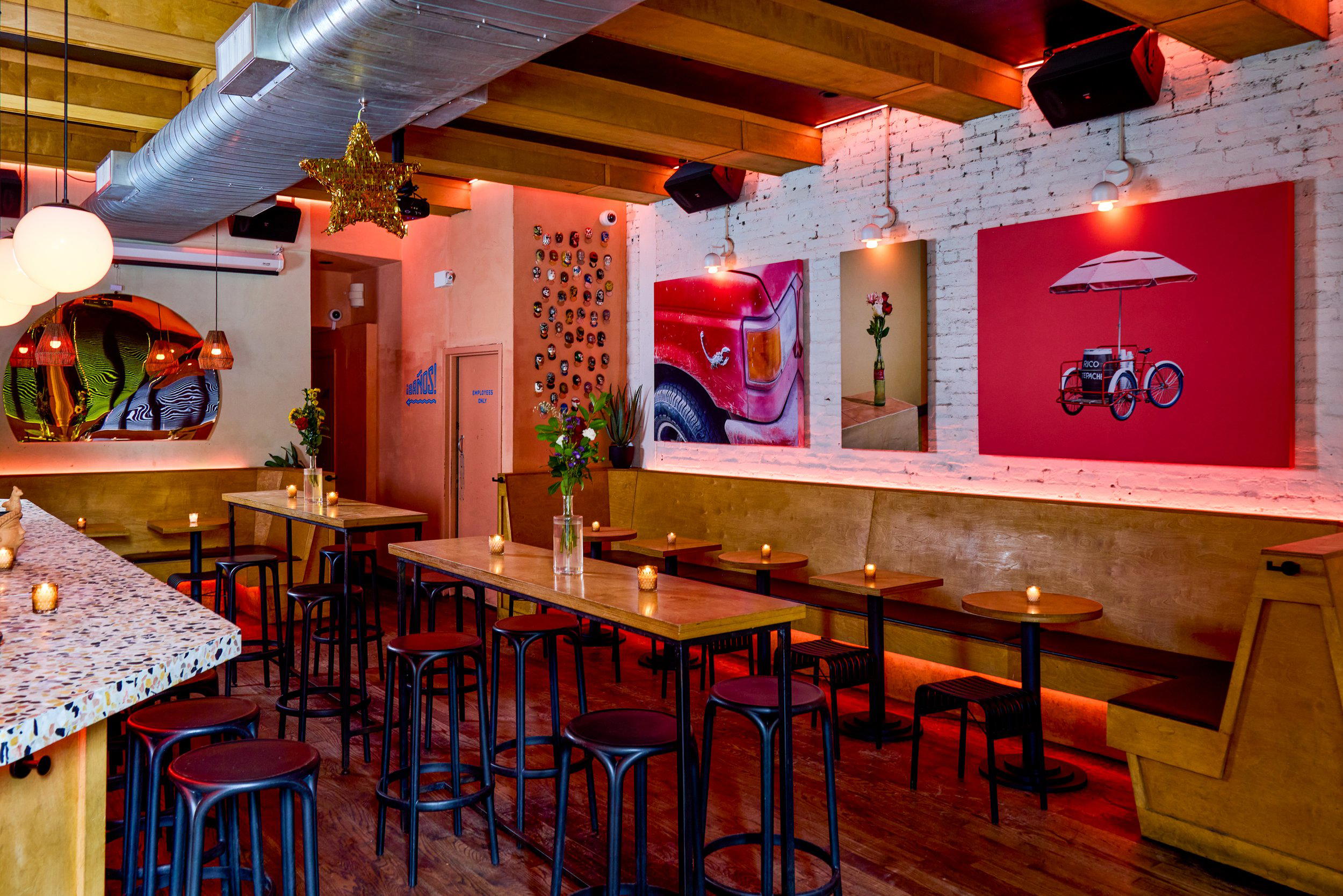
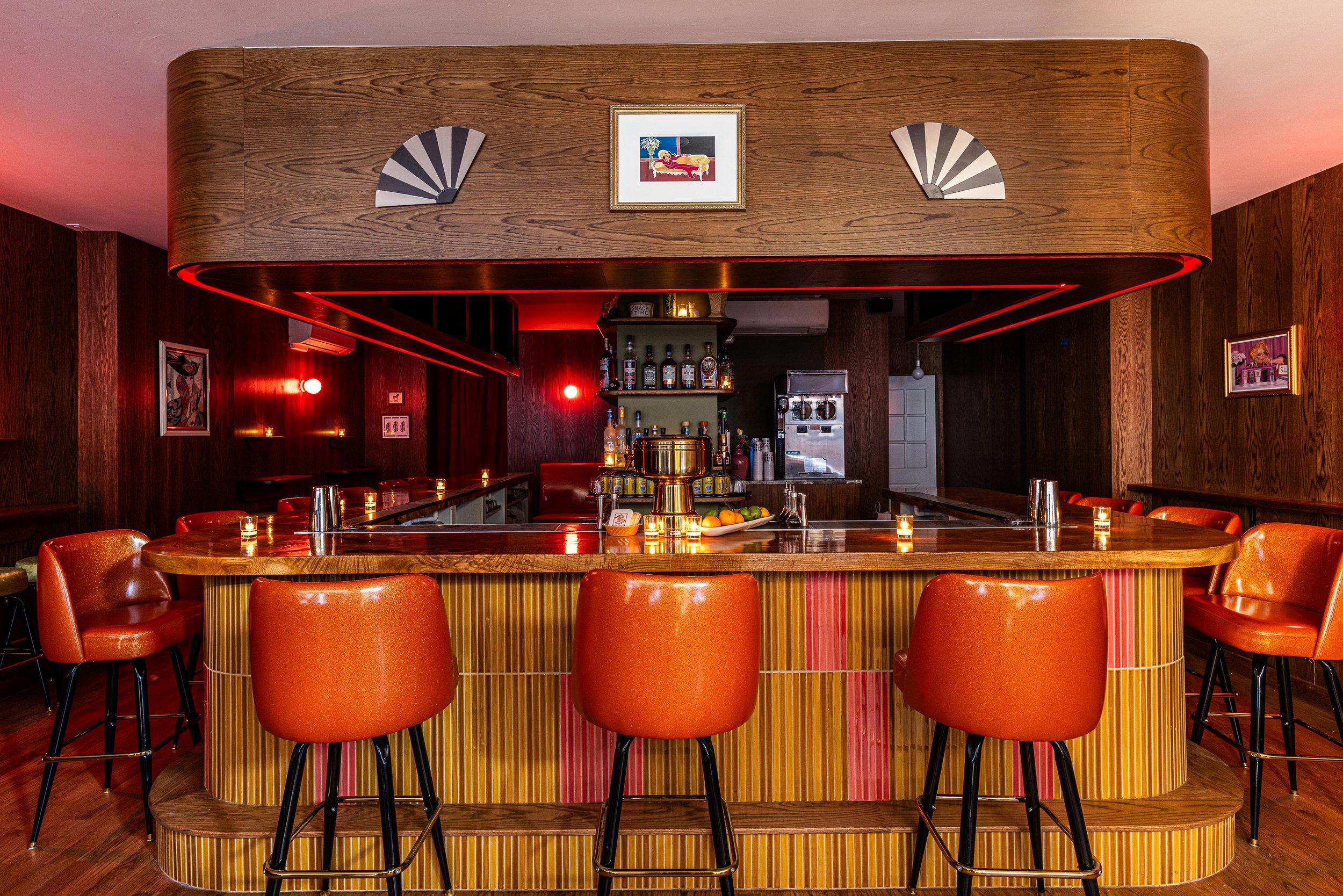
Wine-soaked, lively party atmosphere with a disco ball, casual and energetic feel evoking a homestyle Italian pizzeria.