Italianissimo Ristorante
Our verdict
On East 84th Street in Carnegie Hill, Italianissimo Ristorante occupies the quieter, residential tier of New York Italian dining, where the room does as much work as the kitchen. The address places it squarely in Upper East Side territory, away from the Midtown expense-account circuit, serving a neighbourhood that expects consistency over spectacle. It represents a category of Italian restaurant New York has always relied on: the local anchor that earns its place through repetition rather than fanfare.

Pearl is the En Primeur Club membership app, where members save venues, book tables and use the concierge.

The menu
What to order
- Fusilli Pollo e Rapini
- Gamberi Scampi
Carnegie Hill and the Italian Restaurant That Stays in Its Lane
The Upper East Side above 79th Street operates on different terms than the rest of Manhattan's dining map. Where Midtown draws the expense-account crowd and the Village courts the trend-watchers, Carnegie Hill moves at a pace set by its residents. The Italian restaurants that survive here, year after year, do so because they solve a specific problem: they are the place a neighbourhood actually uses, not the place a neighbourhood talks about. Italianissimo Ristorante, at 307 East 84th Street, belongs to that category of room. It exists in a part of the city where proximity and reliability carry more weight than a chef's press biography.
Italian dining in New York spans an extraordinary range of registers, from the cathedral-scale ambition of white-tablecloth Midtown institutions to the spare, ingredient-forward rooms that have reshaped the city's Italian identity over the past decade. Carnegie Hill sits apart from both poles. The Italian restaurants here are not competing with Le Bernardin or Per Se for the city's top-tier dining dollar, nor are they chasing the downtown naturalist wave. They serve a different function and answer to a different audience.
The Physical Container: What the Address Tells You
East 84th Street between First and Second Avenues is residential in character. The buildings are pre-war, the sidewalks are quiet by Manhattan standards, and the restaurants that line the street serve the people who live within walking distance. In this context, the physical space of a restaurant matters in a way it doesn't in, say, the Meatpacking District, where design is itself the destination. Here, the room is expected to feel like an extension of the neighbourhood rather than a departure from it.
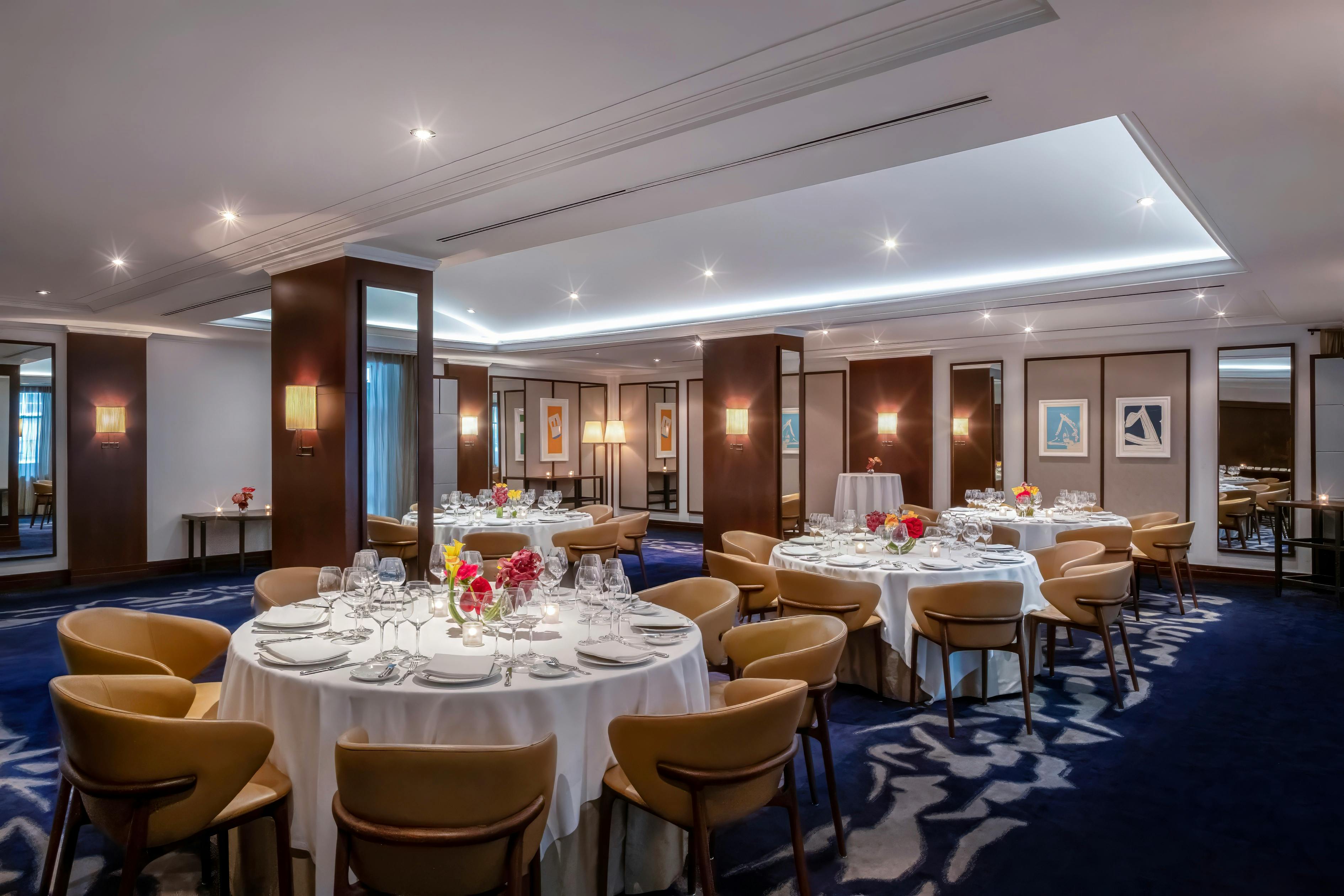
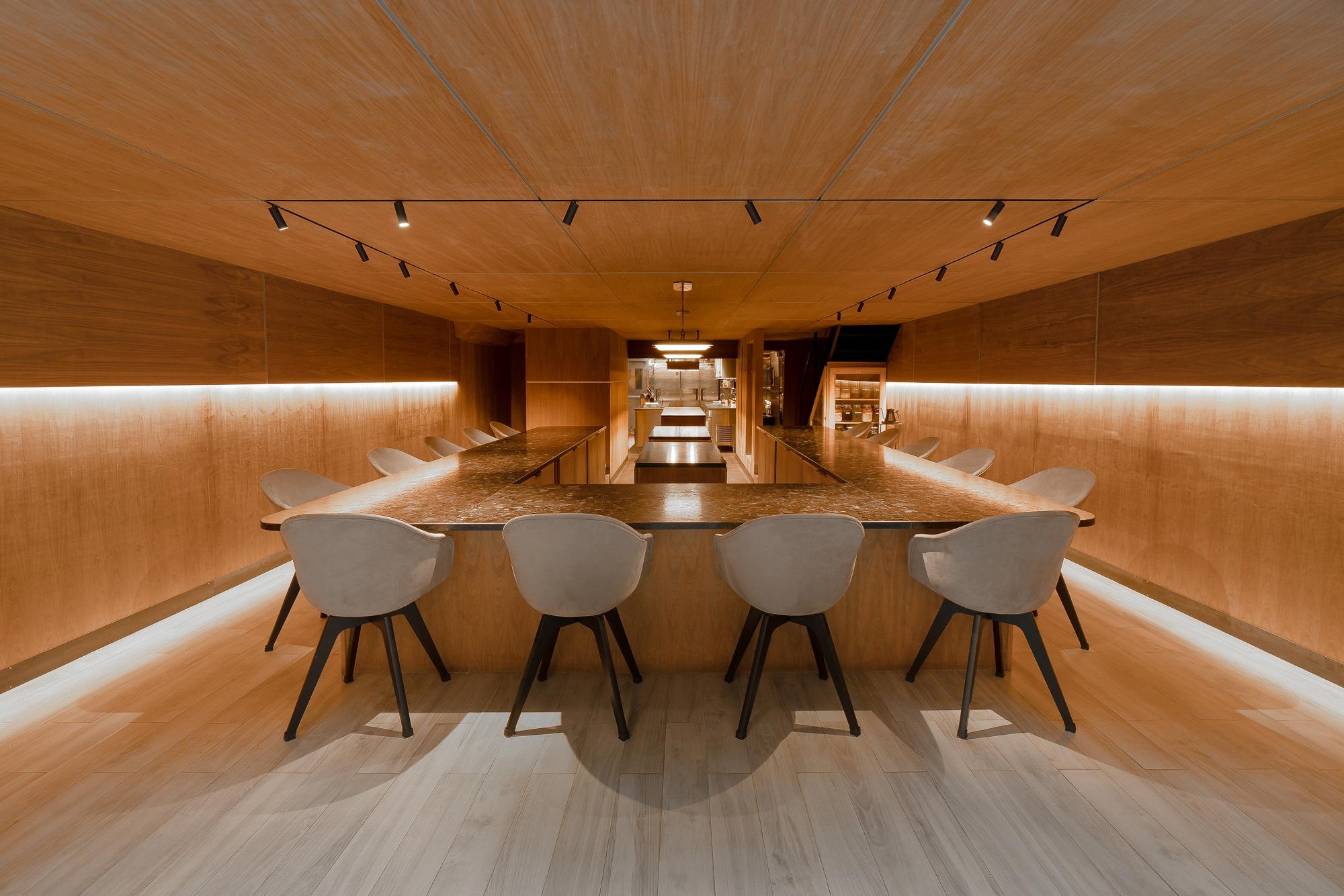
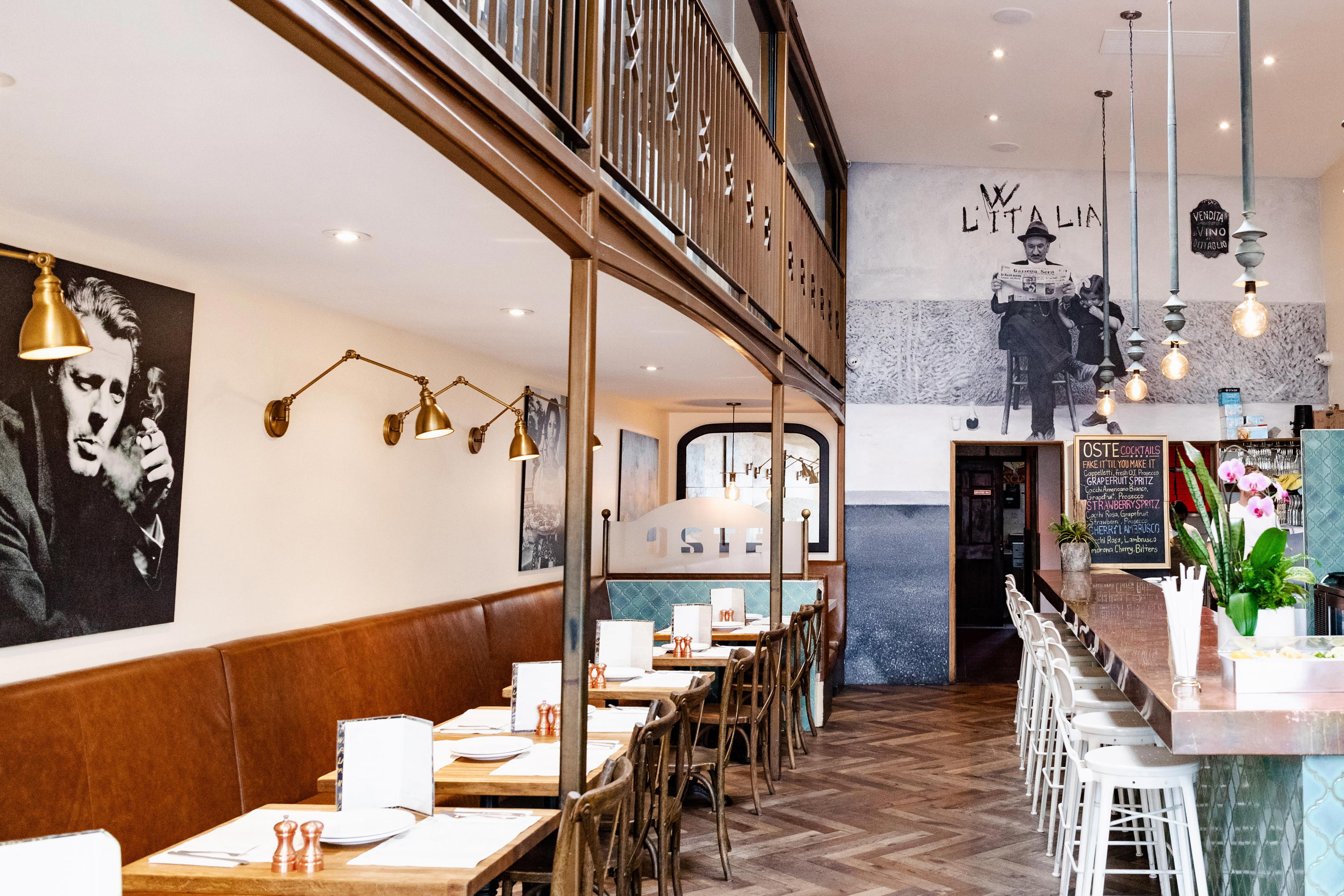
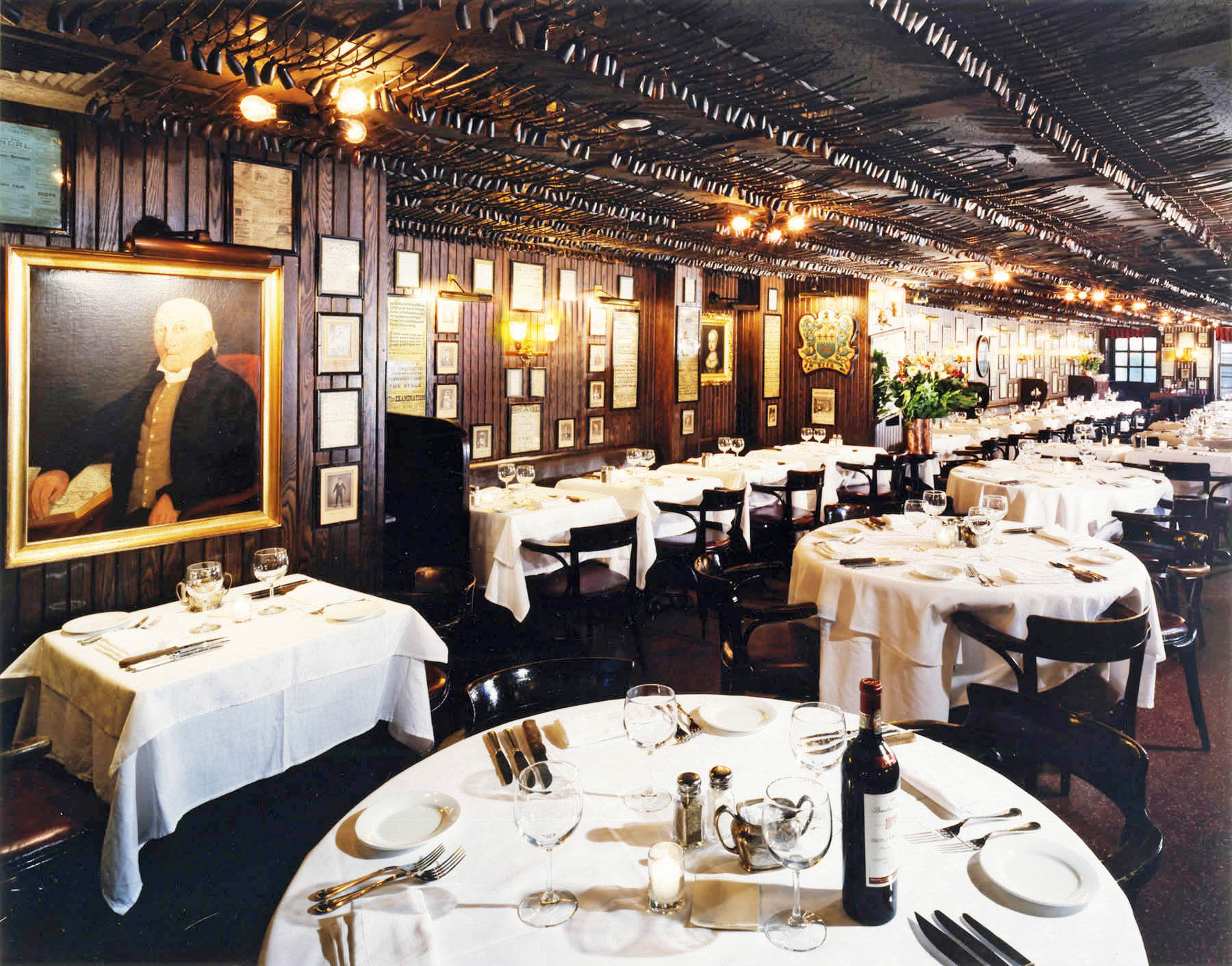
Italian restaurants built for this kind of community function tend to share certain design instincts: warmth over minimalism, framed prints or wooden panelling over industrial surfaces, lighting calibrated for conversation rather than photography. The seating is arranged to accommodate groups and regulars in equal measure, tables close enough to suggest life but not so compressed that every neighbouring conversation becomes your own. These are rooms designed for return visits, not debut performances. That design logic, wherever Italianissimo's interior falls within it, reflects a broader pattern in how Upper East Side Italian dining has sustained itself through decades of shifting downtown trends.
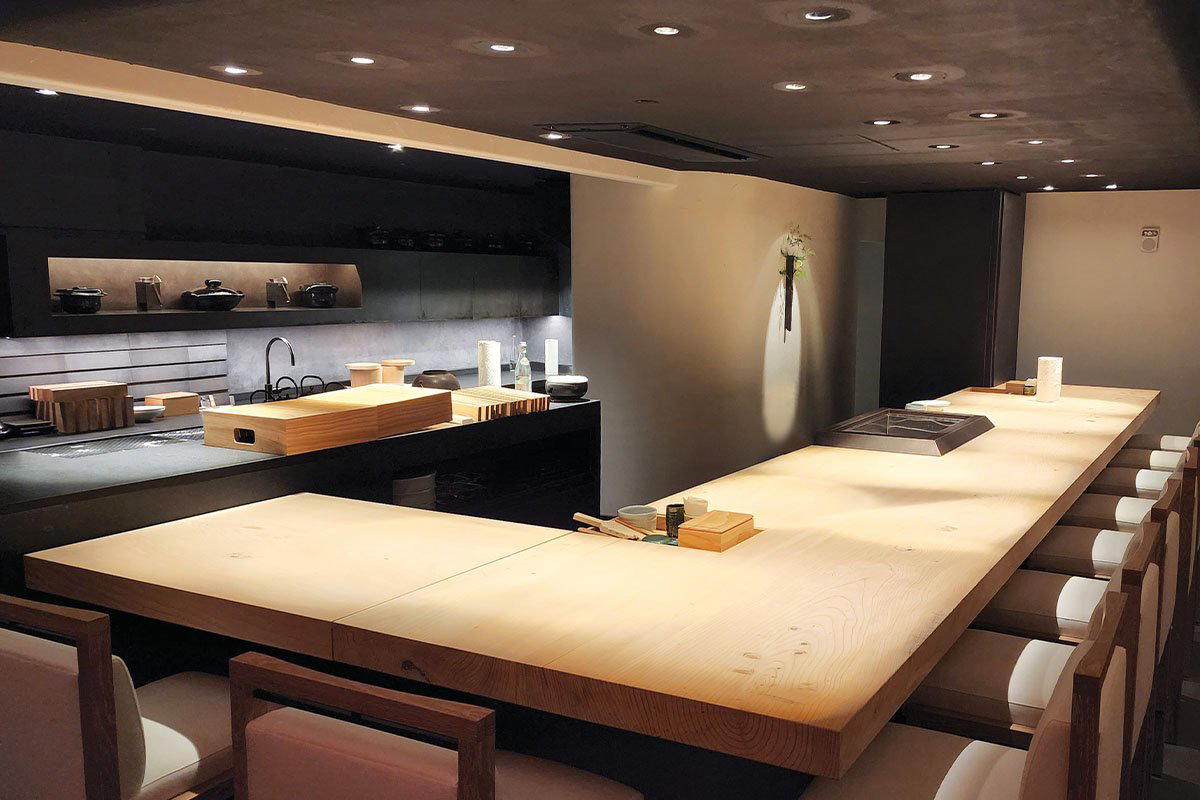
Compare this spatial philosophy to what drives the dining rooms of Atomix or Masa, where the architecture is inseparable from the tasting experience and the room itself functions as a signal of the restaurant's position in the market. In Carnegie Hill, the signal is different: the room is not asking you to be impressed by it. That restraint is its own kind of editorial statement.
New York Italian in 2025: Where This Fits
New York's Italian dining scene has bifurcated sharply over the past fifteen years. On one side, a cluster of high-concept rooms with imported pasta programs, natural wine lists, and menus that foreground regional specificity, places that treat Italian cuisine as a subject of study. On the other, a large body of neighbourhood restaurants that continue to do what they have always done: feed people well, repeatedly, without requiring those people to care about the provenance of the flour. Italianissimo sits in the latter group, which should not be read as a diminishment. That group performs an essential civic function in a city where the restaurant ecosystem depends on its anchor layer as much as its headline layer.
The Upper East Side Italian restaurants that have survived across multiple decades, through the economic cycles that closed more ambitious rooms, did so by understanding their actual competitive set. They are not competing with the Jungsik New Yorks of the city. They compete with each other, and with the very reasonable temptation to cook at home. That compression of the competitive field rewards consistency, kitchen reliability, and the kind of service relationship that only comes from a staff that recognises faces.
It is worth mapping this against Italian restaurants in other American cities with similar neighbourhood-anchor functions. Bacchanalia in Atlanta operates at the fine-dining end of its local market, while Emeril's in New Orleans built its identity around a specific chef's public persona. Neither model describes what a Carnegie Hill Italian restaurant is doing. The model here is closer to the reliable independent that anchors a neighbourhood's social life without needing external validation to do so. For a broader survey of where Italianissimo sits within New York's full dining range, the EP Club New York City guide maps the city's restaurants by neighbourhood and tier.
Planning Your Visit
East 84th Street is accessible from the 4, 5, and 6 trains at 86th Street, two blocks north, making the restaurant direct to reach from anywhere along the Lexington Avenue line. The neighbourhood is residential and generally quiet in the evenings, which means street parking is feasible by Manhattan standards, though transit remains the practical default. For visitors coming from elsewhere in the city, the Upper East Side above 79th Street is worth treating as a destination in its own right: the area around Carnegie Hill has a cluster of small restaurants operating at this register, and combining a dinner at Italianissimo with a walk through the neighbourhood gives you a reasonable sense of how the city's residential dining tier actually functions. Diners planning a broader New York evening might also consider how this part of the city connects to other experiences before committing to a starting point.
Frequently asked questions
What part of town is Italianissimo Ristorante in?
Italianissimo Ristorante is located at 307 E 84th St, New York, NY 10028, New York City.
How does Italianissimo Ristorante compare to other Italian restaurants on the Upper East Side?
New York's Italian dining scene has split between high-concept imported-ingredient rooms and long-running neighbourhood staples, and Italianissimo's Carnegie Hill address at 307 E 84th Street places it firmly in the second category. Without the foot traffic of Lexington Avenue or the visibility of a 50 Best or Michelin citation, it draws primarily from the surrounding residential blocks, which shapes both the menu expectations and the room's tempo. That local-first positioning is increasingly rare in Manhattan's Italian dining circuit.
What's the signature dish at Italianissimo Ristorante?
The kitchen's menu specifics aren't documented in detail, but Italianissimo operates as a neighborhood Italian room on East 84th Street in Carnegie Hill, a context that typically favors pasta-led cooking over high-concept plating. For current menu details, contacting the restaurant directly before your visit is the most reliable approach.
Is Italianissimo Ristorante reservation-only?
Carnegie Hill restaurants at this scale often accommodate walk-ins on quieter weeknights, but weekend seatings on the Upper East Side tend to fill. Calling ahead is advisable.
What makes Italianissimo Ristorante worth seeking out?
Its position in Carnegie Hill, above 79th Street on the Upper East Side, separates it from the louder, more trafficked Italian rooms downtown or in Midtown. East 84th Street between First and Second Avenues is a pre-war residential block where the dining pace is slower and the room is built for the neighbourhood rather than for tourists or expense accounts. That specificity of audience tends to produce more consistent, less performative cooking.
Cuisine and Awards Snapshot
Comparable venues nearby, for context on price, style, and recognition.
| Venue | Cuisine | Price | Notes |
|---|---|---|---|
| Italianissimo RistoranteThis venue (the venue you are viewing) | Classic Italian Trattoria | $30–50 | Not listed |
| Water & Wheat Upper West | Fresh Pasta & Neapolitan Pizza | $30–50 | Upper West Side (Central) |
| Sotto Le Stelle | Neapolitan Pizza | $20–30 | Sunnyside |
| Supper | Northern Italian Osteria | $30–50 | East Village |
| Paesano | Classic Italian-American Red Sauce | $30–50 | SoHo-Little Italy-Hudson Square |
| Casa Bella | Classic Italian | $30–50 | SoHo-Little Italy-Hudson Square |