Lella Alimentari
On Manhattan Avenue in Williamsburg, Lella Alimentari occupies a stretch of Brooklyn that has been quietly redefining what a neighbourhood Italian shop can be. The format sits closer to the Roman alimentari tradition than to anything resembling a full-service restaurant, making it a practical daily stop rather than a destination event. For visitors already exploring Brooklyn's food geography, it earns a place on the same itinerary as the borough's more formal dining rooms.
Pearl is the En Primeur Club membership app — saves, bookings, and concierge access live there. Same editors, same standards.
- Address
- 325 Manhattan Ave, Brooklyn, NY 11211
- Phone
- +1 718 599 2625
- Website
- lellaalimentari.com
- Directions
- Get directions
 Saves & bookings on Pearl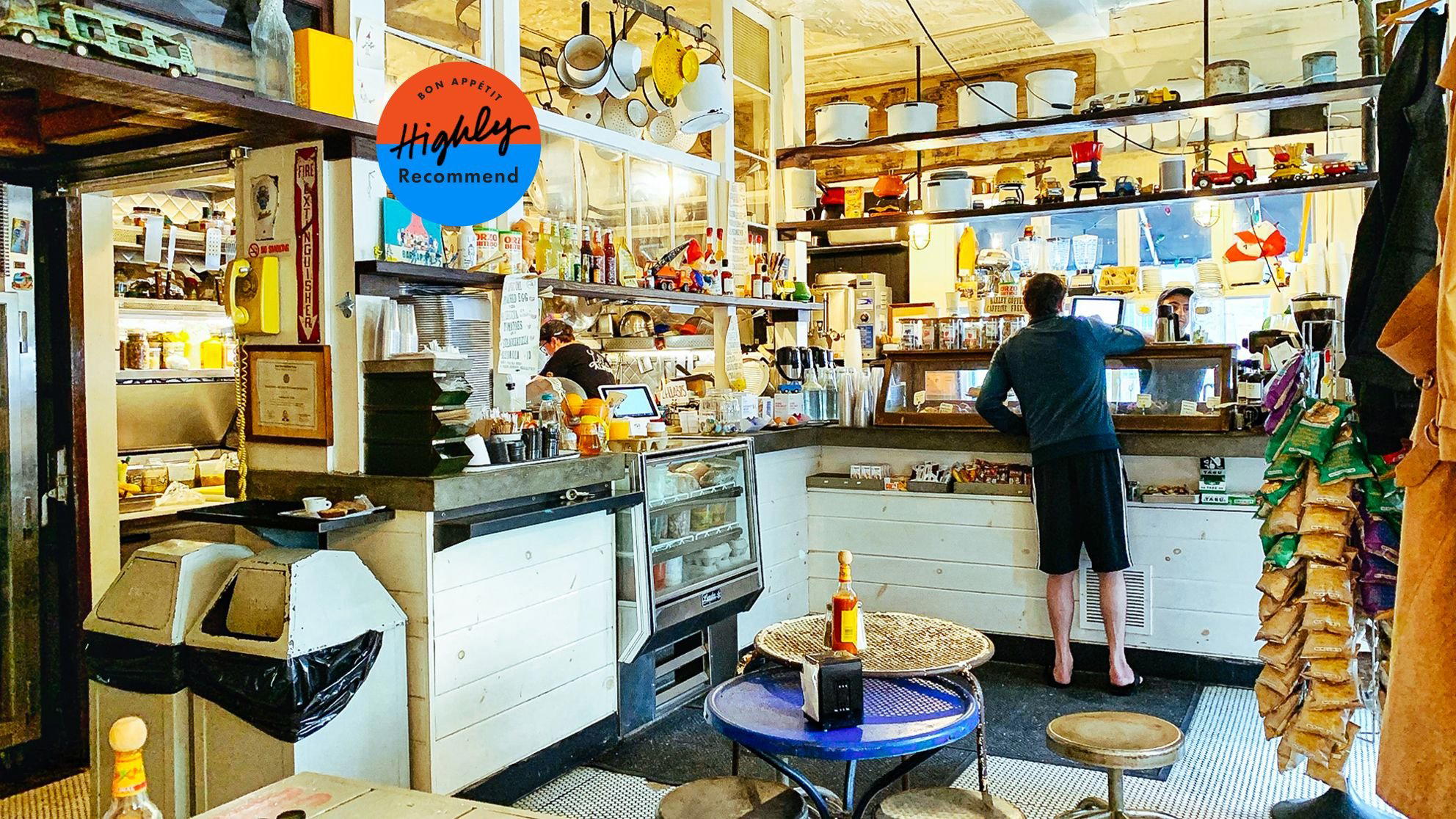
Manhattan Avenue, Williamsburg, and the Alimentari Tradition
Walk north along Manhattan Avenue on any given morning and the rhythm of the street tells you something about how Williamsburg has changed and, in certain pockets, stayed the same. The avenue runs through a part of Brooklyn that predates the neighbourhood's better-known reinvention: Polish delis, Puerto Rican bakeries, and older Italian-American provisions shops have held their ground here longer than on Bedford Avenue, a few blocks west. Lella Alimentari is an Authentic Italian Piadina Cafe at 325 Manhattan Ave, Brooklyn. The alimentari format, which in Italy describes a provisions shop that also feeds people on the spot, has a different resonance on this block than it would in a more aggressively trend-led part of the city.
The category itself is worth understanding before you visit. Across Italian cities, the alimentari operates as a civic institution: a place to buy cured meats, aged cheeses, olive oil, and dried pasta, while also eating a quick lunch at a counter or a table. It is not a trattoria, not a deli in the American sense, and not a café. New York has relatively few establishments that hold that format with any discipline. The ones that do tend to attract a mix of locals shopping for groceries and visitors who have read enough about the scene to know the difference between a theme-park Italian import and something operating with genuine category logic. Lella sits in the latter group.
The Neighbourhood as Context
Williamsburg's dining identity has split decisively over the past decade. The waterfront and Bedford Avenue corridor now support a tier of restaurants that price and present themselves against Manhattan's more formal rooms. Spots like those that draw comparisons to Le Bernardin or Eleven Madison Park in terms of ambition, if not in format or price, have found Brooklyn audiences willing to commit to tasting-menu-style evenings. Manhattan Avenue operates on a different register. The food businesses here are more likely to reward the kind of attention that sustained locals rather than out-of-borough visitors, and the alimentari format reflects that orientation.
That distinction matters for how you plan a visit. If you are building a Brooklyn food day around the kind of serious dining that characterises Atomix or the tasting-menu tier in Manhattan, Lella works better as a morning or midday stop than as a standalone evening. The neighbourhood around Manhattan Avenue is walkable from the Graham Avenue and Metropolitan Avenue subway stations, and the block itself rewards exploration on foot. Several other provisions-style businesses operate within a short walk, making the area coherent as a food geography rather than a single-destination trip.
For visitors coming from further afield, the Manhattan Avenue corridor offers a useful counterpoint to the version of New York dining represented by Per Se or Masa. Those rooms ask for a planned evening and a significant budget. The alimentari format asks for a different kind of attention: showing up, reading what is available, and eating simply and well without ceremony. Both modes are legitimate, and experienced travellers tend to build itineraries that include both.
The Alimentari Format and What It Implies for Your Visit
The provisions-and-counter model rewards visitors who approach it as Italians approach it: with flexibility. What is available on a given day depends on what came in, what was made that morning, and what has sold through. That variability is a feature of the format, not a weakness. American dining culture tends to expect static menus and guaranteed availability; the alimentari tradition assumes that the leading thing to eat today may not have existed yesterday.
This places Lella in a different comparable set from the genre-defining neighbourhood Italian restaurants that have drawn international attention over the past decade, whether that is Frasca Food and Wine in Boulder with its Friulian discipline, or the farm-to-table commitment at Blue Hill at Stone Barns in Tarrytown. Those are full-service restaurants with fixed menus and tasting formats. The alimentari is a different proposition: simpler, faster, and in some ways more demanding of the person eating, because the selection and the context are the menu.
For visitors whose New York trip has already included a formal room, or who are planning one later in the week, the alimentari stop fills a different function. It is the meal between meals: the sandwich you eat standing up before a museum, the midday plate that does not require a reservation or a two-hour window.
Italian Provisions in the Broader New York Food Scene
New York's Italian-American food culture is older and more layered than its current restaurant moment suggests. The alimentari tradition in Brooklyn specifically has roots in the large Italian immigrant communities that settled in Carroll Gardens, Red Hook, and parts of Williamsburg in the late nineteenth and early twentieth centuries. What Lella represents on Manhattan Avenue is a continuation of that provisions-shop logic, updated for a neighbourhood that now attracts a more varied daily population than it did a generation ago.
Across the country, the serious Italian restaurant tier tends to cluster around full-service formats. The comparison set for a place like Dal Pescatore in Runate or Atelier Moessmer Norbert Niederkofler in Brunico is other serious restaurants. The alimentari sits outside that comparison entirely. Its peers are the other provisions shops and counter-service operations that sustain the daily food life of a neighbourhood, and by that measure, what Lella is attempting on Manhattan Avenue connects more directly to how most Italians actually eat than any of the tasting-menu rooms that claim Italian inspiration.
For the EP Club reader planning a New York trip, the broader New York City restaurants guide covers the full range from the neighbourhood provisions tier through to the formal rooms. The context around Lella is best understood in relation to venues like Lazy Bear in San Francisco or Smyth in Chicago, not as direct comparisons but as illustrations of how different a serious provisions-shop format is from the chef-driven tasting-menu category that dominates critical conversation. They solve different problems for different moments in a travel itinerary.
Planning Your Visit
Lella Alimentari is located at 325 Manhattan Ave, Brooklyn, NY 11211, in the Williamsburg neighbourhood. The nearest subway access is via the L train at Graham Avenue or the G train at Metropolitan Avenue, both within comfortable walking distance. Dress: casual.
Peers You’d Cross-Shop
Comparable venues nearby, for context on price, style, and recognition.
| Venue | Cuisine | Price | Notes |
|---|---|---|---|
| Lella AlimentariThis venue — the venue you are viewing | Authentic Italian Piadina Cafe | $$ | Not listed |
| Paulie Gee’s | Neapolitan-Inspired Pizza | $$ | Gowanus |
| Piccola Cucina Uptown | Authentic Sicilian Italian | $$ | Upper East Side-Carnegie Hill |
| Salumeria Biellese | Traditional Italian Deli | $$ | Chelsea-Hudson Yards |
| Becco | Regional Italian Trattoria | $$ | Hell's Kitchen |
| Il Melograno | Southern Italian Sicilian | $$ | Hell's Kitchen |
Continue exploring
More in New York City
Restaurants in New York City
Browse all →
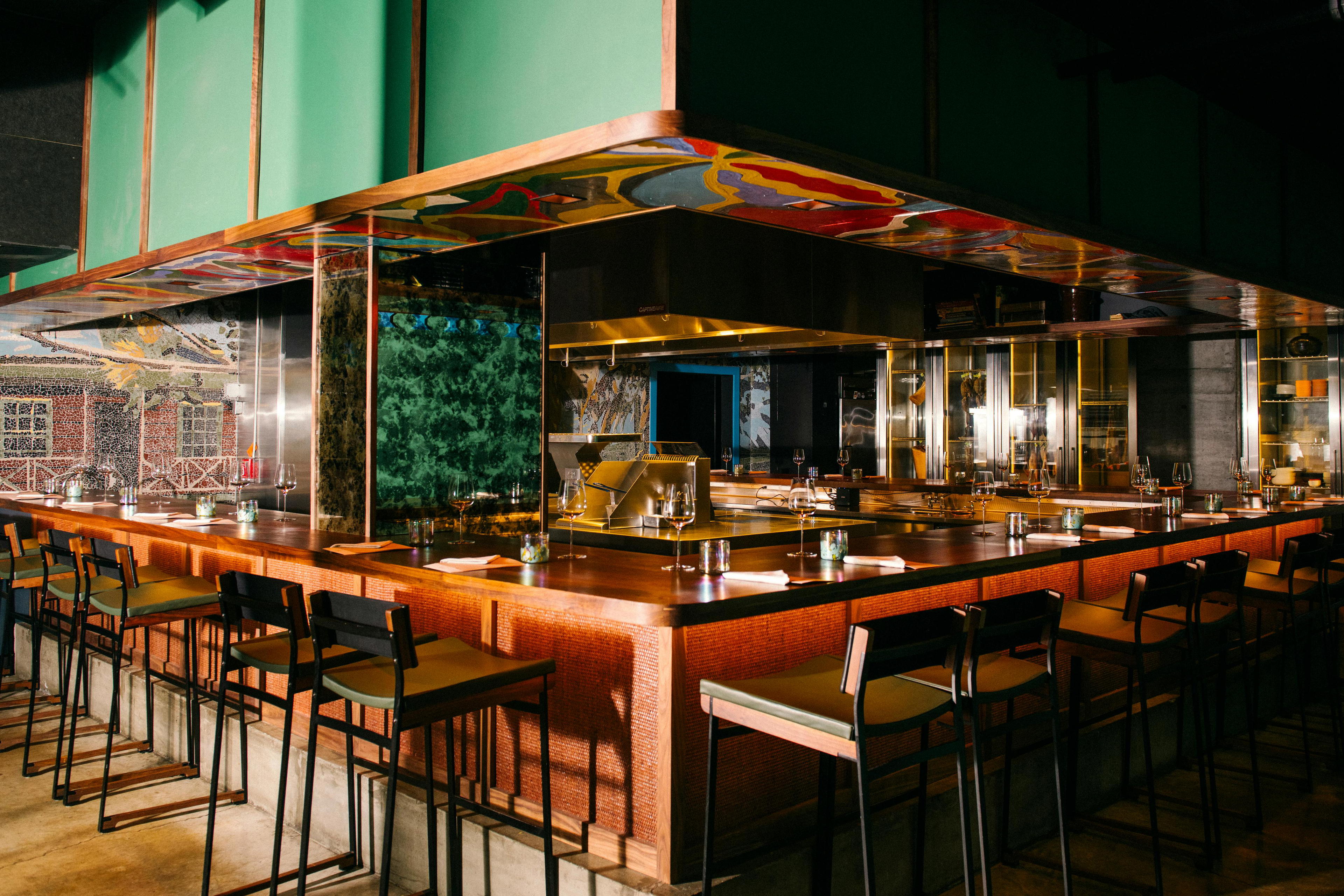
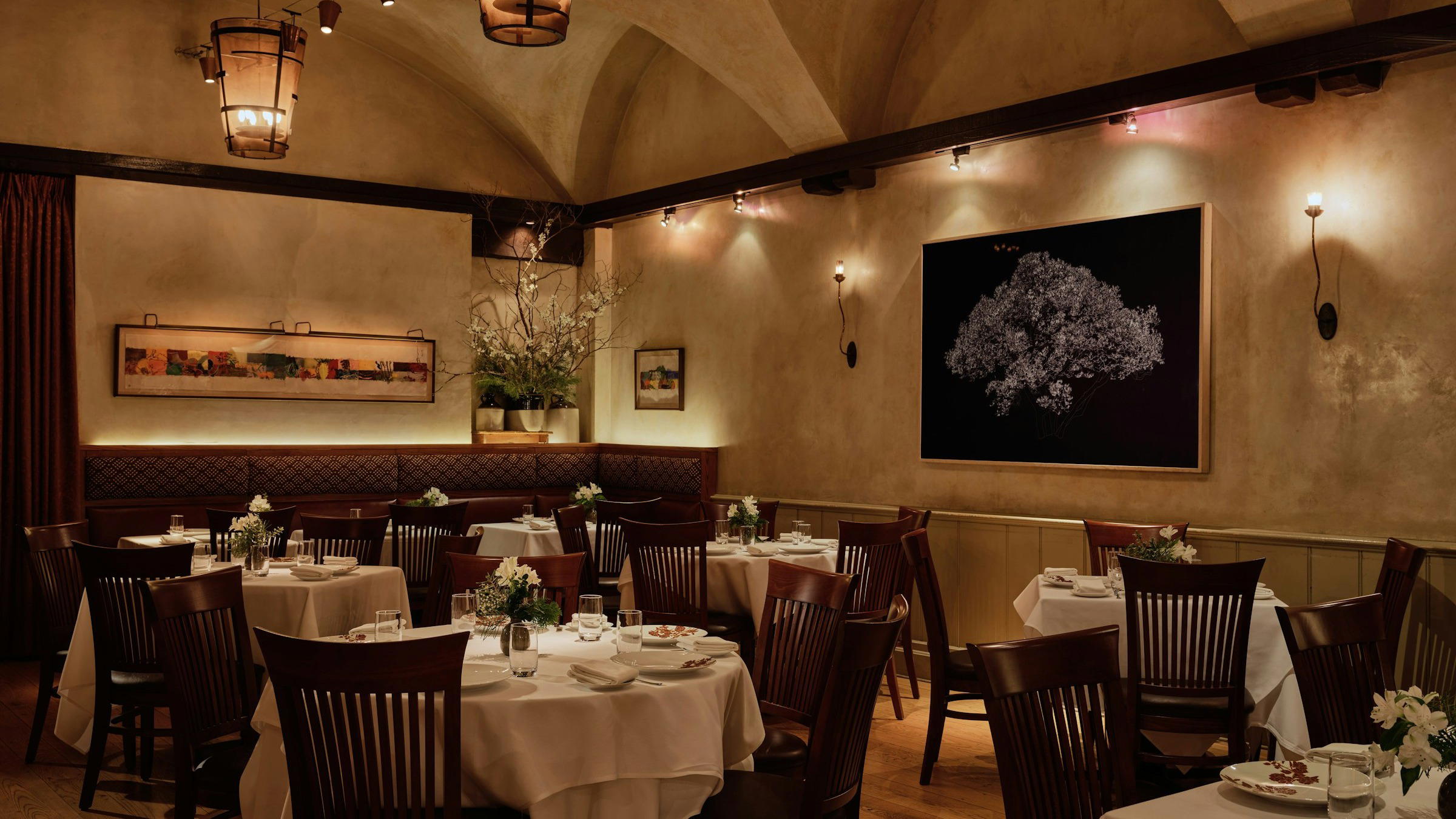
Bars in New York City
Browse all →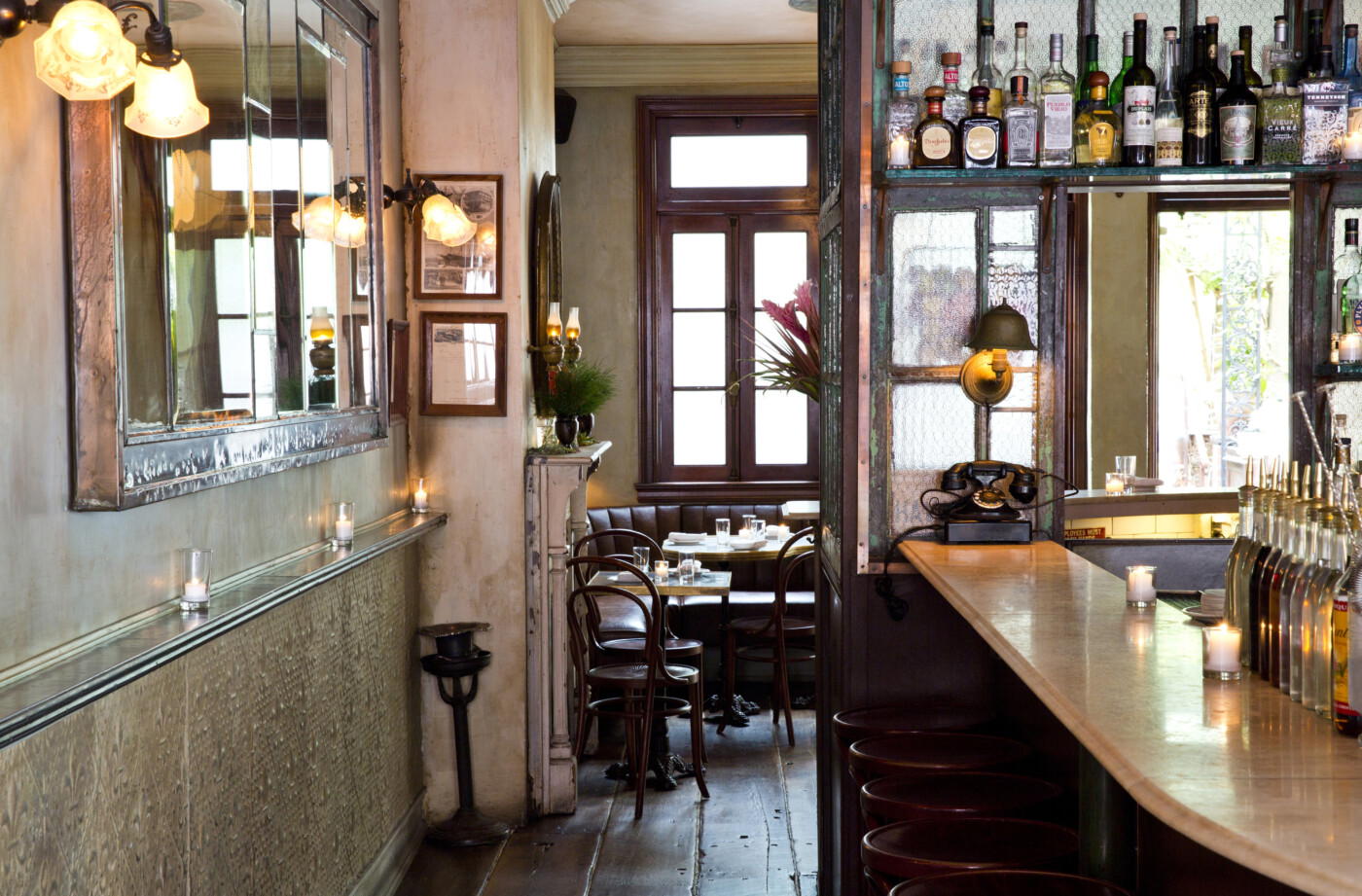
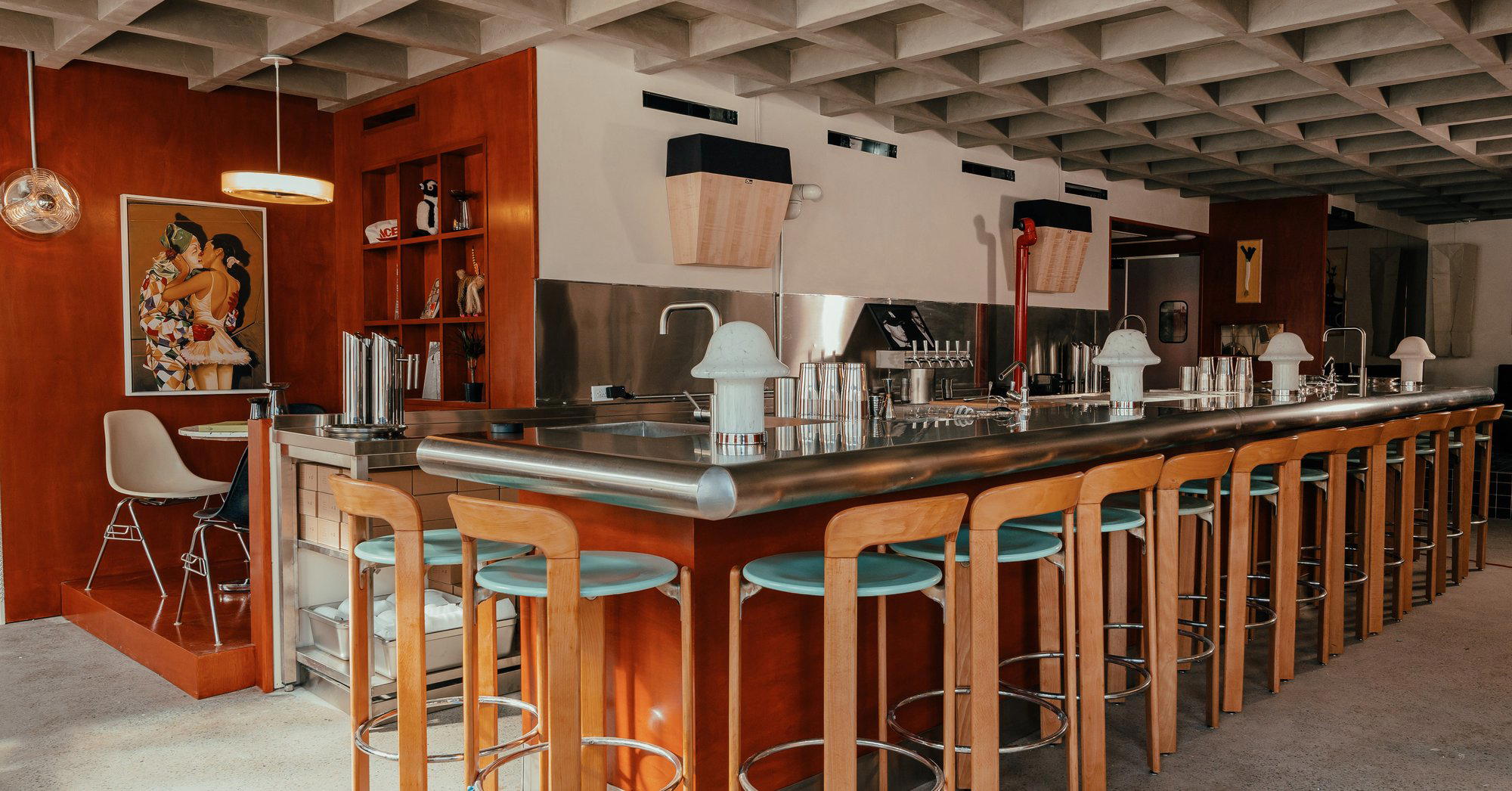
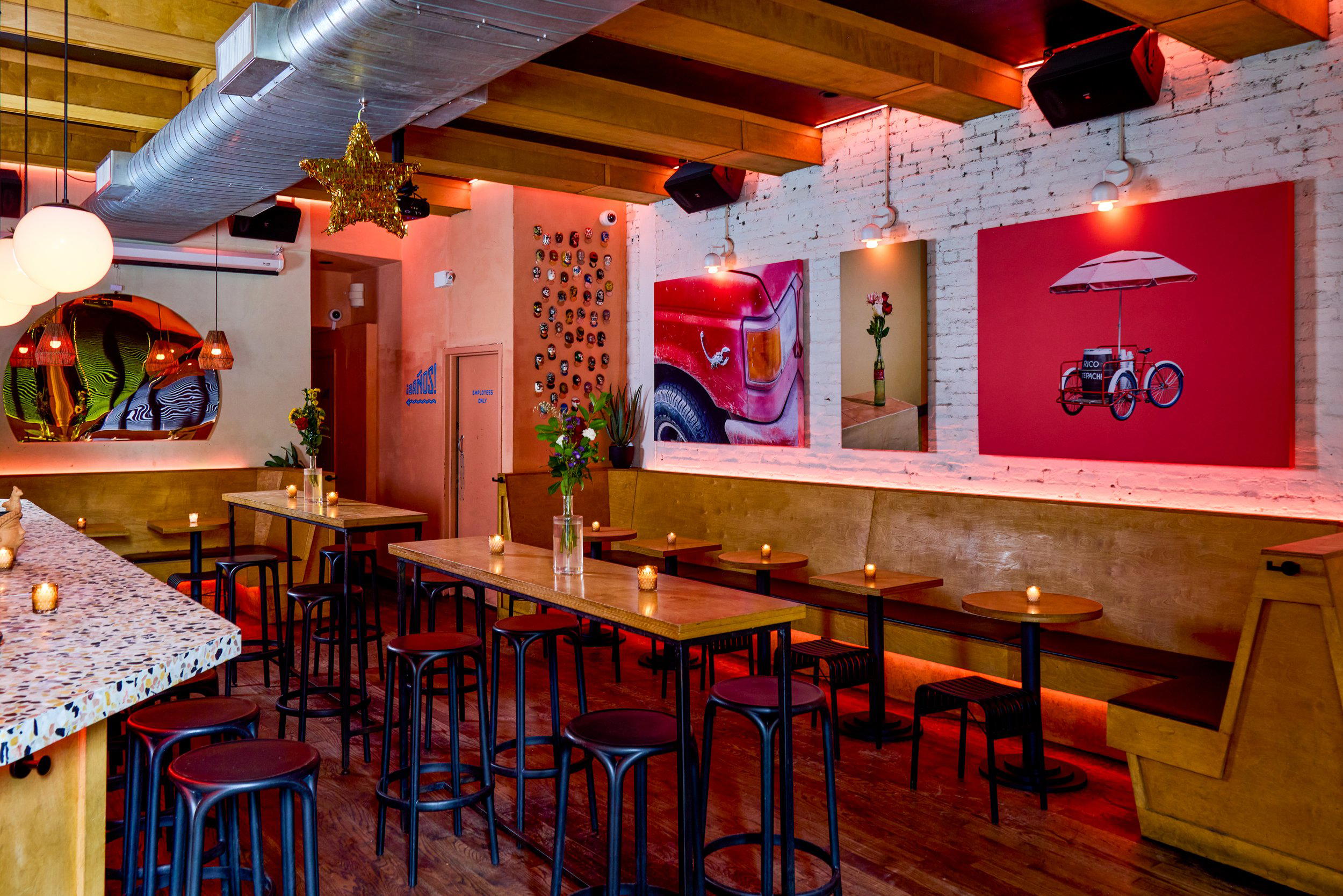
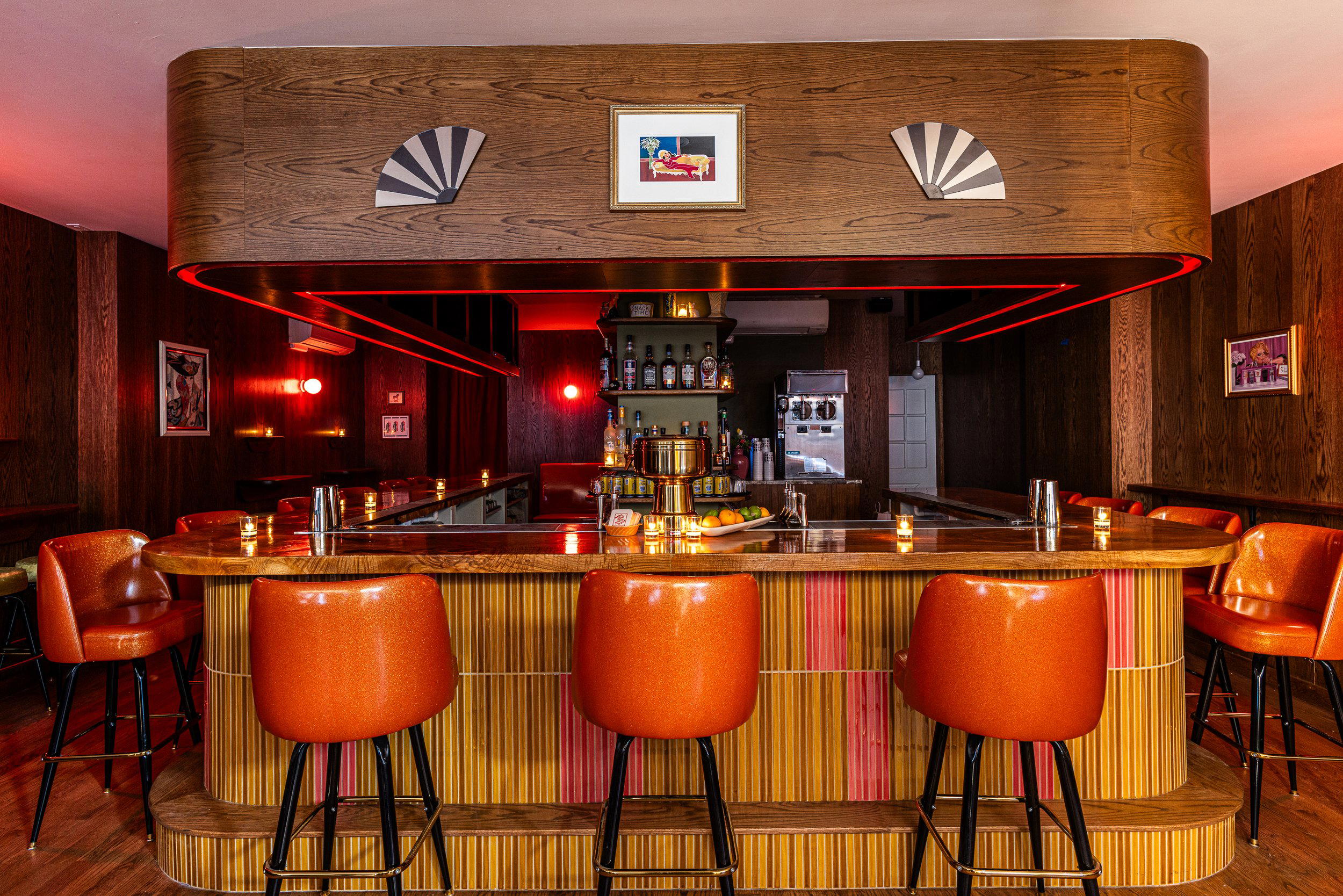
Hotels in New York City
Browse all →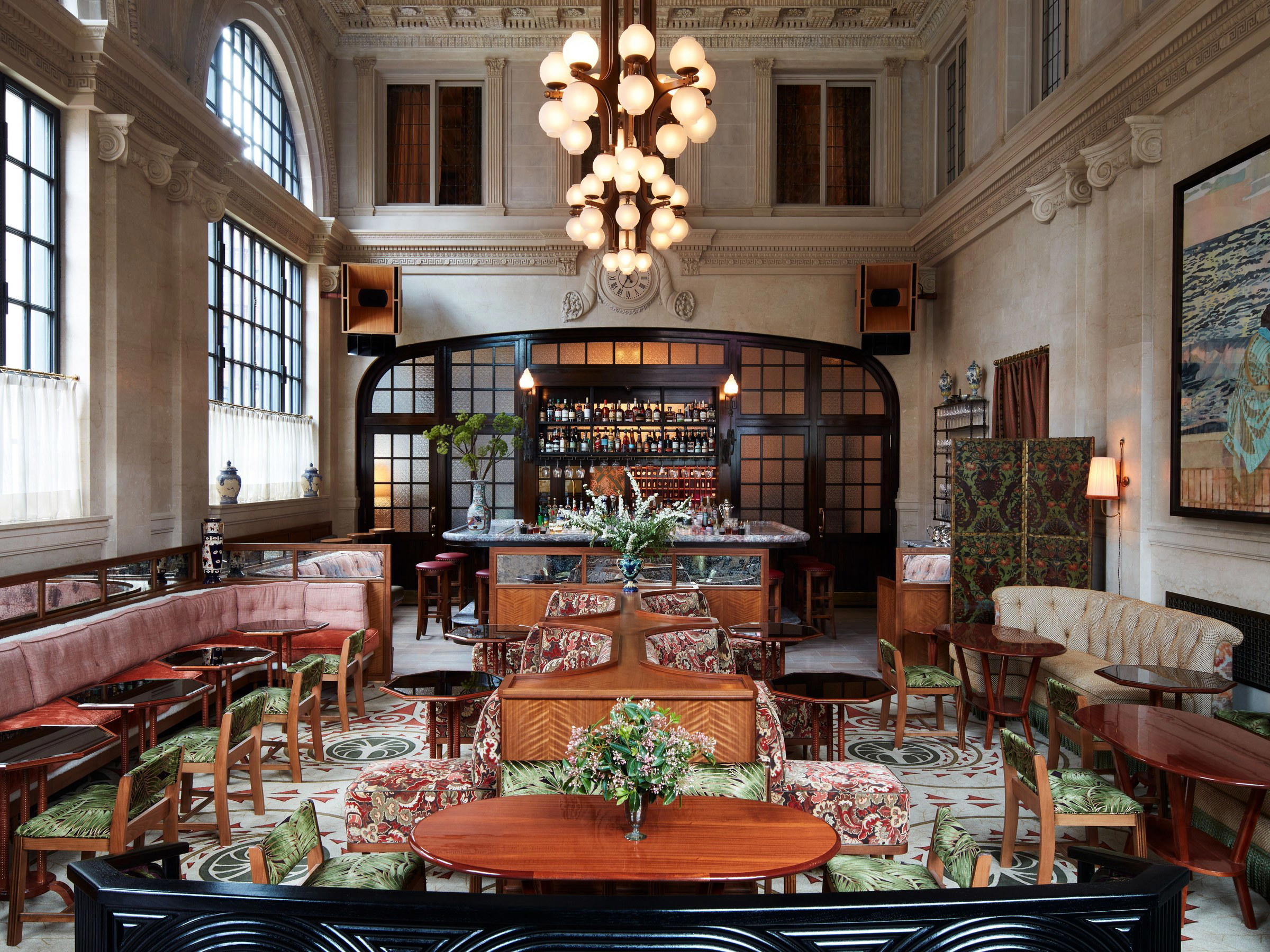
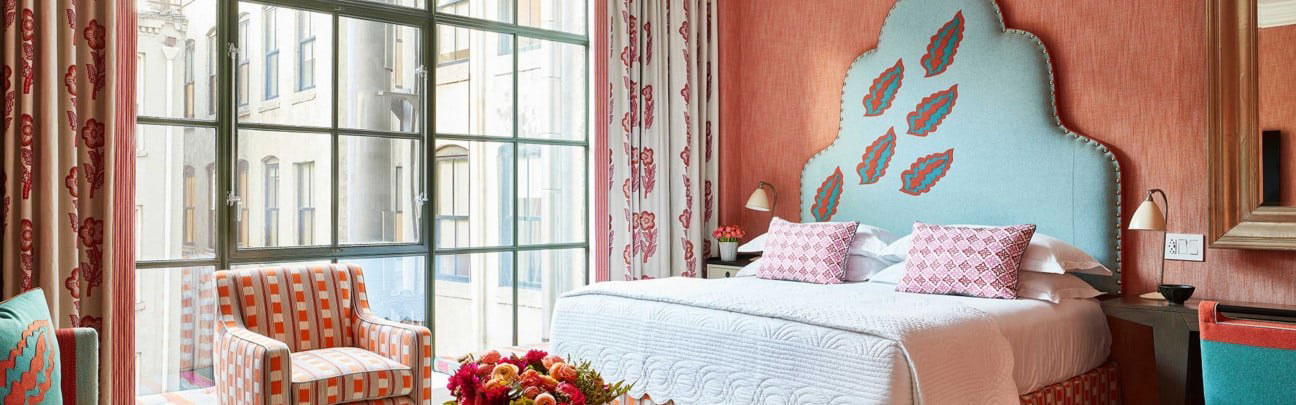




At a Glance
- Cozy
- Intimate
- Trendy
- Brunch
- Casual Hangout
- Solo
- Open Kitchen
Current opening hours
- Monday
- 8 AM–6 PM
- Tuesday
- 8 AM–6 PM
- Wednesday
- 8 AM–6 PM
- Thursday
- 8 AM–6 PM
- Friday
- 8 AM–6 PM
- Saturday
- 8 AM–6 PM
- Sunday
- 8 AM–6 PM
Hours can change for holidays and private events. Last verified .
Cozy homey atmosphere with vintage toys old pots and pans yellow rotary telephone and bright red beanies on staff creating a delightful Italian neighborhood feel.