Brumaire
Our verdict
Brumaire sits in Saint-Cloud's Domaine National, where the western edge of greater Paris meets formal parkland and a quieter register of dining. The address places it inside a tradition of destination restaurants that draw on proximity to the Île-de-France's agricultural network, positioning it as a considered alternative to the density of central Paris dining.

Pearl is the En Primeur Club membership app — saves, bookings, and concierge access live there. Same editors, same standards.
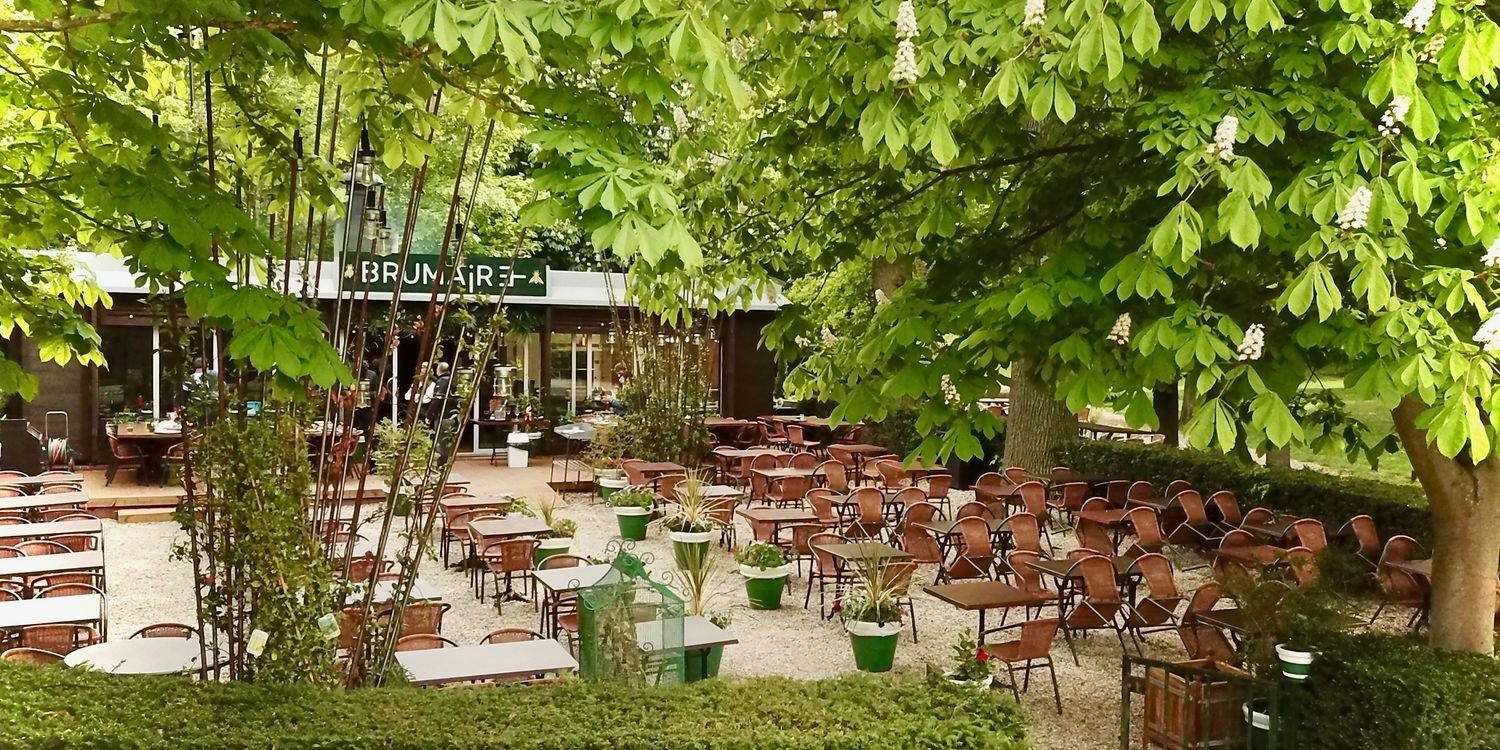
Parkland on the Edge of Paris, and What That Address Means for the Plate
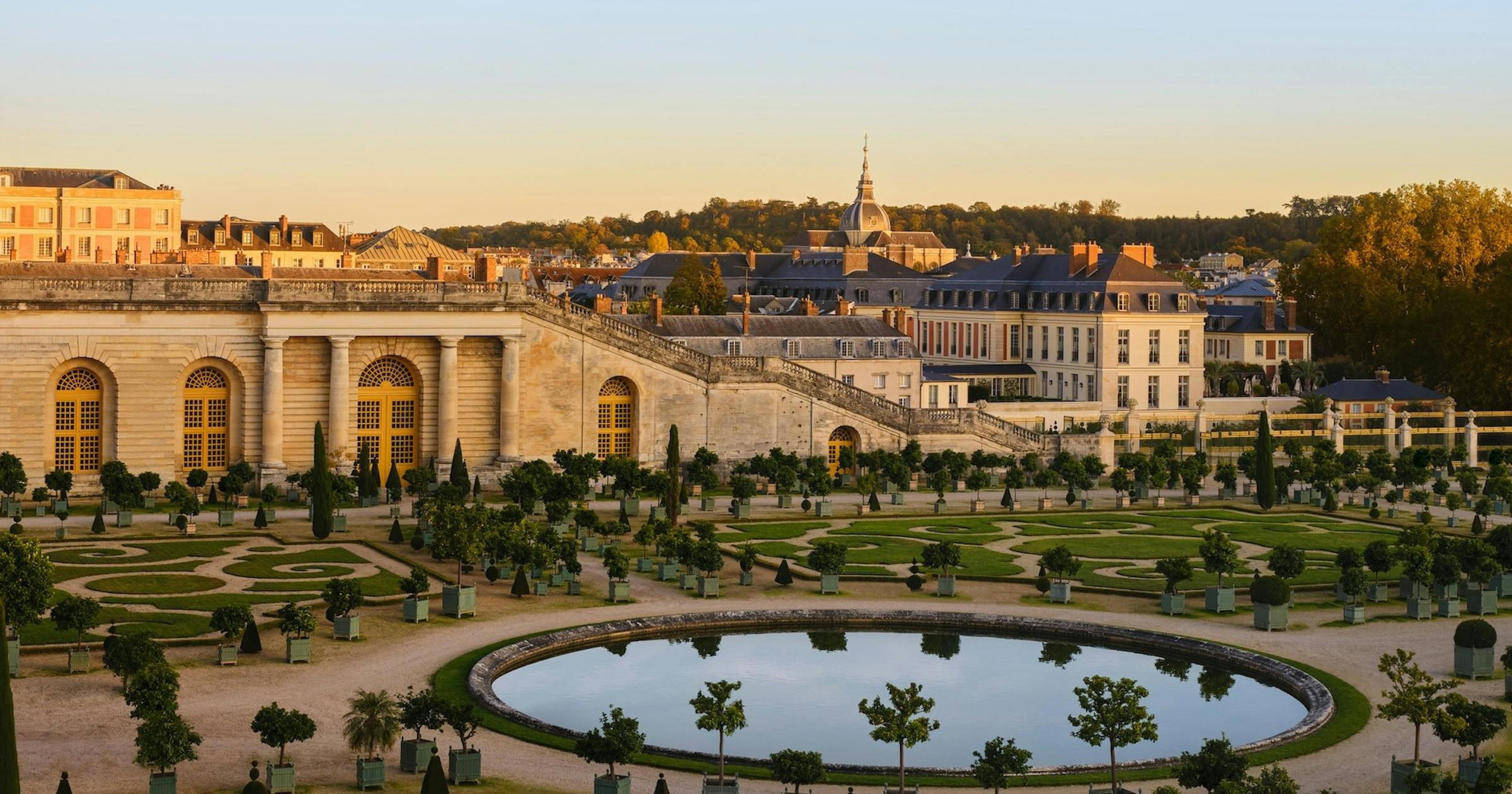
The approach to Brumaire runs through the Domaine National de Saint-Cloud, the former royal park that sits on the western heights above the Seine. That physical setting is not incidental. Restaurants that operate within or immediately adjacent to protected green estates in the Île-de-France occupy a distinct category: insulated from the pressure of street-level Parisian rents, oriented toward a clientele that has made a deliberate journey rather than stumbled in, and often shaped by the seasonal rhythms of the surrounding landscape in ways that a city-centre address rarely allows. The park's name itself, and the month after which Brumaire takes its name, refers to the foggy season in the French Republican calendar, a period running from late October into late November when the harvest is recent and root vegetables, aged cheeses, and game begin to define what serious kitchens work with. That nomenclature carries editorial intent.
Sourcing as Geography: The Île-de-France Supply Chain
France's most decorated restaurants, from Mirazur in Menton to Bras in Laguiole, have built their identities in large part around a declared relationship with a specific territory. Mirazur works the terraced gardens above the Mediterranean; Bras has documented its connection to the Aubrac plateau for decades. The pattern across French haute cuisine is consistent: the most compelling cases for ingredient-led cooking are made when a kitchen can name the valley, the farm, or the season with precision.
Saint-Cloud sits within reach of several of the Île-de-France's more productive agricultural zones, including market gardens in the Seine-et-Marne, orchards along the Marne valley, and the broader network of producers that supply the Paris basin. Restaurants in this western corridor can draw on a supply chain that feeds the capital's leading tables without being subject to the same distribution frictions that a purely urban address creates. The question for any kitchen in this position is whether that proximity to source is treated as logistical convenience or as an explicit creative frame. A name drawn from the harvest calendar suggests the latter orientation.
This puts Brumaire in an interesting comparative position relative to the grandes maisons further west and south. Auberge du Vieux Puits in Fontjoncouse operates in the Languedoc with a hyper-local sourcing model built around a remote village's immediate ecology. Les Prés d'Eugénie in Eugénie-les-Bains built Michel Guérard's cuisine minceur partly on the thermal spa town's own produce. Auberge de l'Ill in Illhaeusern has anchored itself to Alsatian terroir for generations. In each case, geography is not just backdrop but active ingredient. Brumaire's location within a protected royal domain offers comparable conditions at Paris's doorstep, which is a different proposition from either the deep countryside or the urban centre.
The Saint-Cloud Dining Context
Saint-Cloud is not a dining destination in the conventional sense that the Marais or Saint-Germain-des-Prés are. It is a Hauts-de-Seine commune with a residential character, better known for its park and its views across to the Eiffel Tower than for a restaurant scene. That relative quietness is part of what makes an address like Brumaire's meaningful. Restaurants that choose to operate in this kind of setting, rather than competing for visibility on a Parisian boulevard, are typically making a statement about pace and intentionality. The experience of driving or taking the train out to Saint-Cloud, walking through the Domaine National, and arriving at the Allée de la Grande Gerbe is structurally different from a city-centre dinner reservation. It resembles, in miniature, the logic behind destinations like Flocons de Sel in Megève or Georges Blanc in Vonnas, where the journey is part of the proposition.
For context on the broader Paris-adjacent fine dining tier, consider how the most celebrated tables in the capital itself, including Alléno Paris au Pavillon Ledoyen, operate within or adjacent to formal green spaces. The Pavillon Ledoyen sits at the edge of the Champs-Élysées gardens; the park setting is a recurring motif in French haute cuisine, perhaps because it reinforces the sense of remove from commercial pressure that ambitious cooking requires. See our full Saint-Cloud restaurants guide for broader context on where Brumaire sits within the local options.
What the Name Suggests About the Kitchen's Orientation
Brumaire, as a month in the Republican calendar, falls between Vendémiaire (the vintage month, grape harvest) and Frimaire (the frosty month). It is the month of fog, of game hung to age, of celeriac and chestnuts and the last of the autumn mushrooms. Kitchens that name themselves after a harvest-adjacent period in the French agricultural year are, at minimum, signalling an awareness of seasonal rhythm that goes beyond fashionable lip service. The most rigorous seasonal programs in French cooking, including at houses like Maison Lameloise in Chagny and Troisgros in Ouches, operate on a logic where the calendar genuinely governs the menu rather than decoration.
Planning a Visit
Brumaire is located at Allée de la Grande Gerbe, 92210 Saint-Cloud, within the Domaine National de Saint-Cloud. The park is accessible from Paris by the Transilien L line to Saint-Cloud station, after which the Domaine is a walkable distance through the park gates, though the specific allée within the estate requires some orientation. Visitors arriving by car have parking access along the park's approach roads. Given the address is within a royal domain rather than a commercial street, confirming opening hours and reservation availability directly before visiting is advisable, as the operation may follow the park's own access schedule.
For reference on French destination restaurants at the highest price tier, Le 1947 at Cheval Blanc in Courchevel, La Vague d'Or in Saint-Tropez, and L'Oustau de Baumanière in Les Baux represent the benchmark for destination dining within protected or historically significant French landscapes. International comparisons in the destination-restaurant format include Le Bernardin in New York City and Lazy Bear in San Francisco, both of which have built strong identities around a defined culinary point of view and a deliberate booking journey. Paul Bocuse at L'Auberge du Pont de Collonges and La Table du Castellet round out the picture of French destination cooking in historically resonant settings.
Frequently Asked Questions
- Would Brumaire be comfortable with kids? If the price point sits at the upper end of the Hauts-de-Seine range, the format is more likely oriented toward adult dining.
- What is the overall feel of Brumaire? If the location within the Domaine National de Saint-Cloud is the primary context, expect a quieter, more deliberate atmosphere than you would find in central Paris. Restaurants in protected park settings in the Île-de-France tend toward considered pacing rather than high-volume service. No awards data is currently confirmed, so the tier cannot be independently verified, but the address itself positions it as a destination rather than a neighbourhood table.
- What should I eat at Brumaire? The name's reference to the autumn harvest season suggests a kitchen with seasonal orientation, which in French practice typically means game, root vegetables, aged dairy, and mushrooms feature prominently in autumn menus. Visiting with that expectation rather than a specific dish request is the sensible approach until menu data is published.
- Is Brumaire connected to the Domaine National de Saint-Cloud's history? The Domaine National de Saint-Cloud was a royal estate before the Revolution and has been a public park since the late nineteenth century. Restaurants operating within or adjacent to the Domaine occupy a setting with significant historical density. Brumaire's Republican calendar name places it in deliberate dialogue with post-Revolutionary French identity, which is an unusual degree of historical self-awareness for a dining address.
Frequently asked questions
Would Brumaire be comfortable with kids?
The setting inside the Domaine National de Saint-Cloud, a former royal park with open grounds, makes the approach family-friendly in terms of space and atmosphere before and after a meal. Whether the restaurant's format and pacing suit young children depends on the kitchen's style, which appears oriented toward considered, place-led cooking rather than casual dining. Families with older children who are comfortable at a slower table would likely find it easier going than parents with toddlers.
What's the overall feel of Brumaire?
Brumaire sits at Allée de la Grande Gerbe within a national parkland domain above the Seine on the western edge of the Paris metropolitan area, which shapes its character immediately: this is not a city-centre brasserie or a neighbourhood bistro. The address in Saint-Cloud, a Hauts-de-Seine commune with a largely residential identity, signals a destination that draws on its surroundings rather than foot traffic. Expect a quieter, more deliberate atmosphere than you would find in the Marais or Saint-Germain.
Is Brumaire worth the trip from central Paris to Saint-Cloud?
Saint-Cloud is accessible from Paris by RER C, placing the Domaine National de Saint-Cloud within roughly thirty minutes of central arrondissements. Brumaire's location within the park at Allée de la Grande Gerbe, 92210 Saint-Cloud, makes it the kind of address that rewards planning rather than impulse: the surrounding parkland and the elevated position above the Seine are part of what the visit offers. For diners drawn to place-rooted seasonal French cooking outside the capital's restaurant density, that distance is part of the point.
What should I eat at Brumaire?
The kitchen's orientation, suggested by the name itself, Brumaire being the transitional month in the French Republican calendar between harvest and frost, points toward cooking that follows the Île-de-France agricultural calendar closely. That framing places autumnal and late-season produce at the centre of the menu.
| Venue | Cuisine | Price | Awards | Notes |
|---|---|---|---|---|
| BrumaireThis venue — the venue you are viewing | Modern French Brasserie | $50–100 | Not listed | Not listed |
| Mirazur | Modern French Fine Dining | $300–500 | 3 Michelin Stars · World's 50 Best #1 | Modern French, Creative |
| Alléno Paris au Pavillon Ledoyen | Modern French Fine Dining | $150–200 | 3 Michelin Stars · World's 50 Best #79 | Creative |
| Kei | Modern French with Japanese Influences | $300–500 | 3 Michelin Stars · World's 50 Best #93 | Contemporary French, Modern Cuisine |
| L'Ambroisie | Classic French Haute Cuisine | $300–500 | 2 Michelin Stars · World's 50 Best #23 | French, Classic Cuisine |
| Le Cinq - Four Seasons Hôtel George V | Modern French Fine Dining | $300–500 | 3 Michelin Stars · World's 50 Best #24 | French, Modern Cuisine |
Continue exploring
More in Saint Cloud
Restaurants in Saint Cloud
All restaurants in Saint Cloud →

Bars in Saint Cloud
Browse all →



Details
- Scenic
- Cozy
- Elegant
- Quiet
- Family
- Group Dining
- Casual Hangout
- Celebration
- Terrace
- Garden
- Garden
- A La Carte
- Vegetarian Friendly
Current opening hours
- Monday
- Closed
- Tuesday
- Closed
- Wednesday
- 10:30 AM–5:30 PM
- Thursday
- 10:30 AM–5:30 PM
- Friday
- 10:30 AM–5:30 PM
- Saturday
- 10:30 AM–6:30 PM
- Sunday
- 10:30 AM–6:30 PM
Hours can change for holidays and private events. Last verified .
Calm and refreshing park setting with pleasant terrace dining, cozy indoor fireplace, and relaxing natural atmosphere.