




A former Bonapartist palace in the 16th arrondissement, Paris holds Monument Historique status and a 2014 Palace designation, placing it among a small tier of Parisian grand hotels where architectural pedigree and Asian hospitality standards operate in the same building. With 100 rooms, two restaurants including the Cantonese Shang Palace, and direct Eiffel Tower sightlines, it occupies a distinct position in the city's luxury hotel market.
Pearl is the En Primeur Club membership app — saves, bookings, and concierge access live there. Same editors, same standards.
- Address
- 10 Av. d'Iéna, 75116 Paris
- Phone
- +33 1 53 67 19 98
- Website
- shangri-la.com
- Directions
- Get directions
 Saves & bookings on Pearl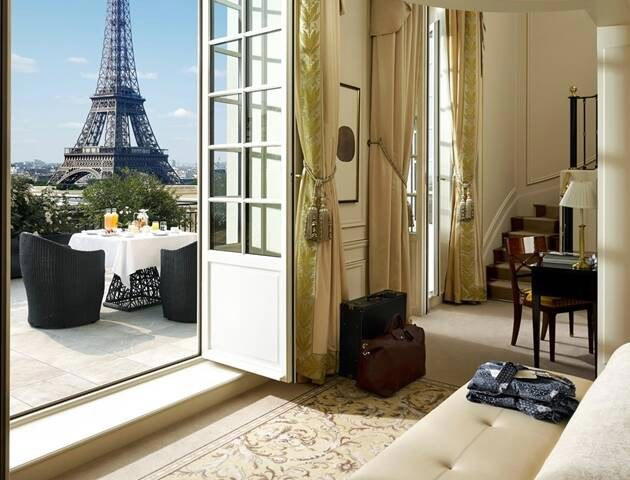
A Bonaparte Residence in the 16th
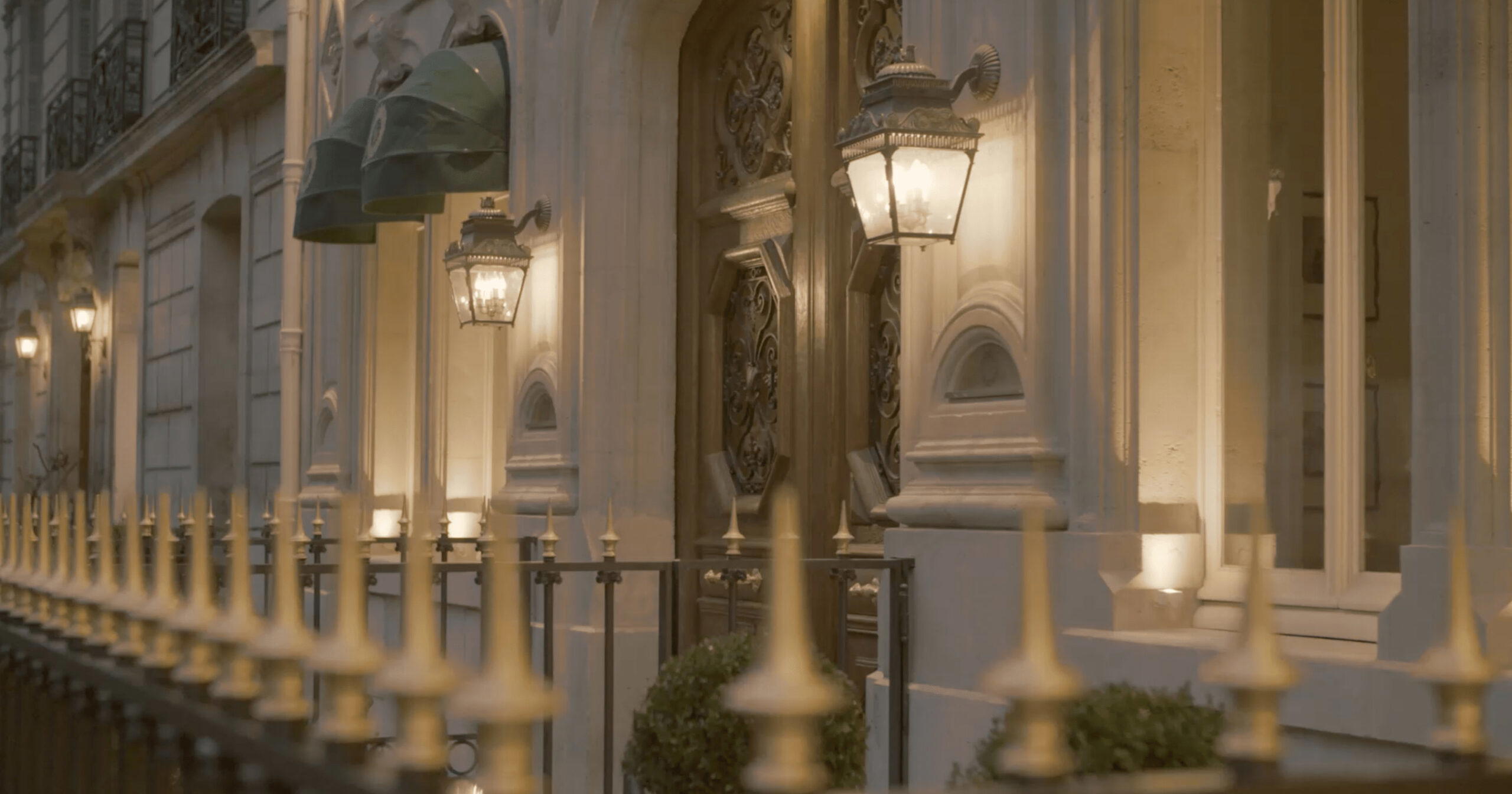
The 16th arrondissement has always housed a particular kind of institutional grandeur: embassies, private museums, the kind of apartment buildings where discretion is structural. Avenue d'Iéna belongs to this fabric, and the building at number 10 has a biographical footnote that most Paris hotels cannot approach. Prince Roland Bonaparte, nephew of Napoleon III, commissioned and inhabited this late 19th-century hôtel particulier before it passed through decades of diplomatic use. When Four Seasons George V or Le Bristol Paris trace their origins, they do so through hotel history. Shangri-La Paris traces its through a family whose surname defined an era of French power.
That lineage is not merely decorative. The French government listed the building in the Monuments Historiques registry in 2009, a designation that constrains and disciplines any restoration work. Where other luxury openings in Paris have involved significant interior reconstruction, Shangri-La Paris's renovation had to work within documented historical fabric. The result is a building that reads as genuinely 19th-century in its proportions and plasterwork, rather than a contemporary hotel dressed in period references.
Palace Status and What It Signals
France's Palace classification, awarded by Atout France, goes to properties that meet criteria covering architectural distinction, service scope, food and beverage quality, and cultural contribution. As of 2014, Paris holds that designation, joining a small cohort that includes Hotel Plaza Athénée, Hôtel de Crillon, and Le Meurice. The classification matters because it places these properties in a formally defined competitive tier rather than a loosely applied marketing category.
The Michelin 2 Keys recognition in 2024 and a 97-point score on the La Liste Leading Hotels ranking for 2026 layer additional independent assessment onto the Palace status. Gault and Millau's Exceptional Hotel designation at 5 points in 2025 adds French gastronomic credibility alongside the architectural and service credentials. For a hotel that opened under a Hong Kong-headquartered group, that accumulation of French institutional recognition is a meaningful signal about how the property has been received domestically.
Rates from approximately $1,000 per night position the property at the upper end of the Paris Palace tier, consistent with peer addresses like Cheval Blanc Paris and La Réserve Paris, which similarly operate in the segment where room count stays low and nightly rate reflects both location and heritage asset.
The Rooms and the View
The property runs 100 rooms and suites across the original Bonaparte residence and a modern wing. The split matters for guests who prioritise historical atmosphere over contemporary scale: rooms in the original building sit within genuine 19th-century envelopes, with ceiling heights and window proportions that reflect the building's aristocratic origins rather than hotel efficiency logic. The modern wing offers more predictable geometry.
Most rooms in both sections are positioned to capture Eiffel Tower sightlines, which on Avenue d'Iéna is a function of pure geography. The tower sits less than a kilometre to the southwest, and the building's upper floors face it across the Trocadéro approach. For guests for whom that view is a primary criterion, the Tower Suite and upper-floor Eiffel rooms are the relevant categories, booked well in advance particularly across spring and summer.
Food and Drink Across Three Formats
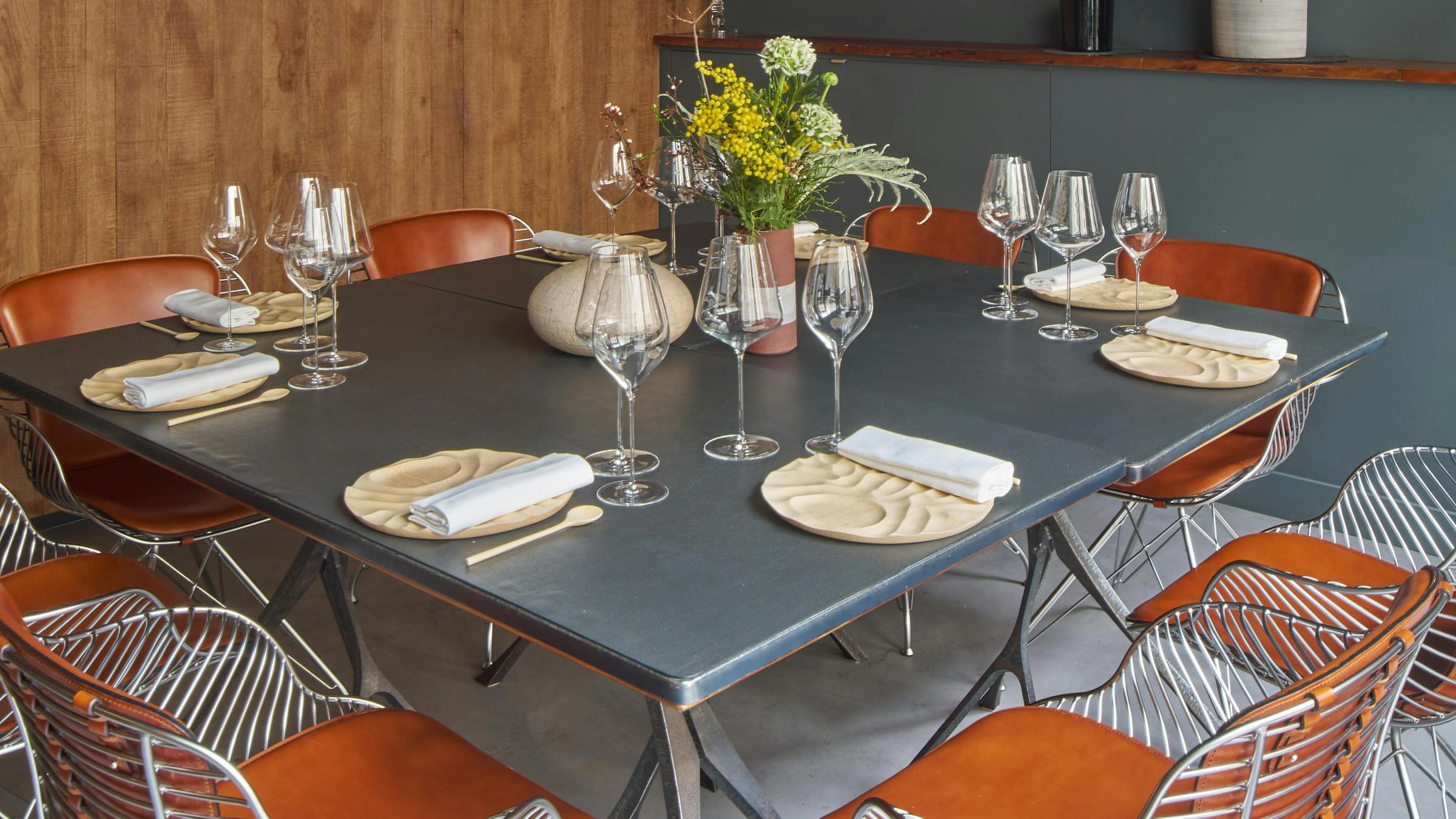
Shangri-La Paris runs two restaurants under one roof, an arrangement that effectively gives the property distinct identities for different dining occasions. Shang Palace operates as a Cantonese restaurant, a format the group has developed across multiple properties in Asia and Europe with consistent critical attention. Its presence in a Bonaparte-era Parisian palace is a particular kind of cultural counterpoint: Cantonese technique and ingredient logic inside a room designed for 19th-century French entertaining. For guests working through our full Paris restaurants guide, Shang Palace belongs to a small set of hotel dining rooms in Paris where the food merits a reservation independent of hotel stay.
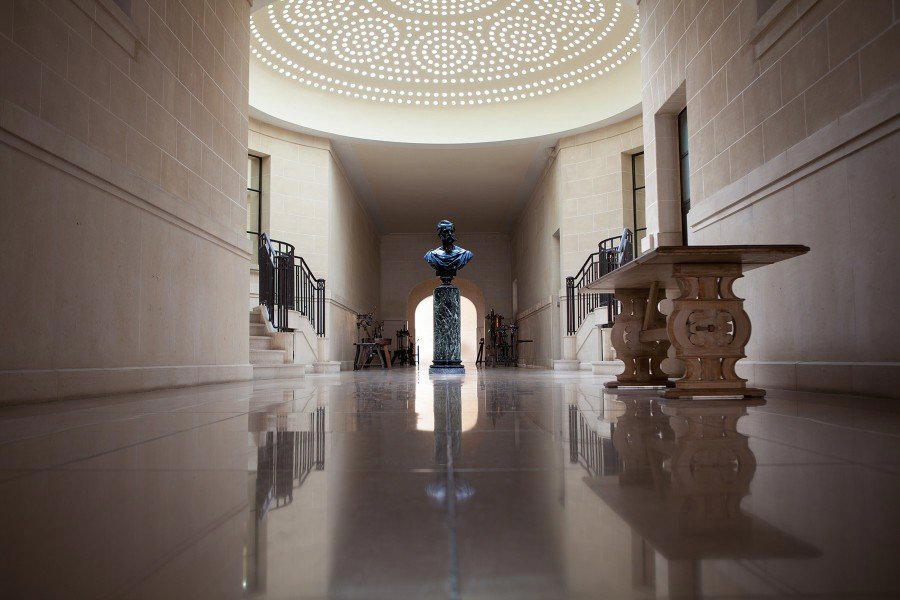
La Bauhinia operates under the hotel's grand glass cupola, a structural feature that defines the room's character as much as any decorative decision. A glass roof in a 19th-century Parisian building admits the particular grey-white Paris daylight that no artificial lighting system replicates. The evening shift at La Bauhinia, with the cupola lit from below, positions the space differently again.
Le Bar Botaniste completes the food and drink picture as a cocktail lounge calibrated for the kind of unhurried evening encounter that Parisian hotel bars at this level are specifically designed to sustain. Empire-style detailing and a botanical theme give it a distinct identity from the main restaurant spaces.
The Spa and the Pool
CHI, The Spa, operates with a 15-metre pool lit by natural daylight, a feature that is architecturally harder to achieve in dense urban hotel buildings than the description suggests. Most central Paris hotels with pools work around limited natural light through design workarounds. The daylit pool at is a product of the original building's courtyard geometry. The spa programme incorporates The Organic Pharmacy treatments, a specific product partnership rather than a generic in-house offering.
Location and Getting There
Avenue d'Iéna places the hotel within walking distance of the Champs-Élysées and Avenue Montaigne, the latter being the address of choice for French fashion houses. The Trocadéro is effectively across the road. For guests arriving by air, Charles de Gaulle connects via RER B to central Paris in approximately 35 minutes, with the hotel accessible from there by taxi or private transfer. Orly connects via the Orlyval and RER B interchange. The nearest metro station is Iéna on Line 9.
The 16th arrondissement is quieter than the 1st or 8th after dark, which is either an advantage or a limitation depending on how a guest intends to use the neighbourhood. The hotel's food and drink programming is comprehensive enough that evenings need not extend far beyond the building.
Paris Palace Hotels: Where Sits
Paris has developed a Palace hotel tier that now includes properties from both legacy French hospitality groups and international chains. Shangri-La Paris sits in an interesting position within that tier: it brings Asian group infrastructure and service training to a building with French Monument Historique credentials, producing a combination that none of its immediate peers replicate. Hôtel de Crillon and Le Meurice are rooted in French institutional tradition. Cheval Blanc Paris brings LVMH's design and retail logic. Four Seasons George V operates on American group scale. 's specific identity, a Hong Kong-headquartered group operating a Bonaparte palace with Cantonese dining, French art de vivre, and a Monument Historique designation, does not duplicate any of those positions.
For travellers comparing the Paris Palace tier against properties elsewhere in France, the contrast is instructive. Hotel Du Cap-Eden-Roc in Cap d'Antibes or La Réserve Ramatuelle trade on landscape and seasonality in ways that Paris Palace hotels, operating year-round in an urban context, do not need to. The Paris model is about density of cultural asset and service consistency across 365 days, which is the hotel has positioned itself to serve.
Know Before You Go
- Address: 10 Av. d'Iéna, 75116 Paris
- Hotel Group: Hotels and Resorts
- Rooms: 100 rooms and suites
- Rate from: Approximately $1,521 per night
- Recognition: Michelin 2 Keys (2024); French Palace status (2014); Monument Historique (2009); La Liste 97pts (2026); Gault and Millau Exceptional Hotel 5pts (2025)
- Restaurants: Shang Palace (Cantonese), La Bauhinia (French, glass cupola)
- Bar: Le Bar Botaniste (Empire-style cocktail lounge)
- Spa: CHI, The Spa with 15-metre daylit pool
- Nearest Metro: Iéna (Line 9)
- Proximity: Minutes from Champs-Élysées, Avenue Montaigne, and Trocadéro
Compact Comparison
Comparable venues nearby, for context on price, style, and recognition.
| Venue | Price | Notes |
|---|---|---|
| Shangri-La ParisThis venue — the venue you are viewing | $$$$ | Not listed |
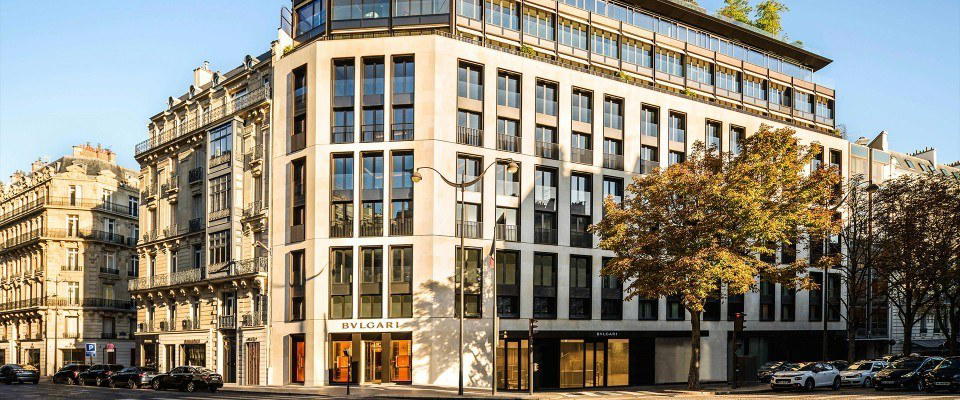
| Bulgari Hôtel Paris | $$$$ | Golden Triangle, Contemporary Italian luxury with Roman heritage influences, blending timeless elegance with state-of-the-art modern amenities in a prestigious Parisian setting. |
| J.K. Place Paris | $$$$ | Left Bank, luxury residential-style boutique |
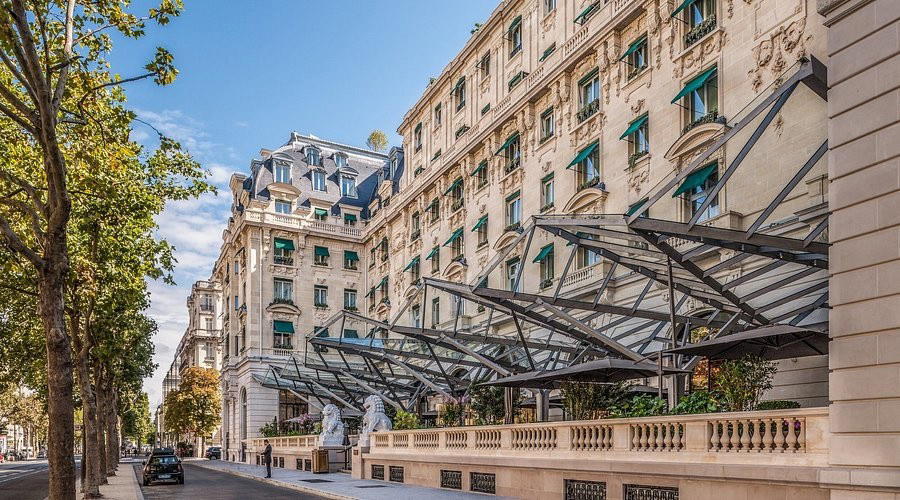
| The Peninsula Paris | $$$$ | 16th arrondissement, Haussmannian palace with modern luxury |
| Nolinski | $$$$ | 1st arrondissement, Boutique luxury with private apartment-style rooms |
| Mandarin Oriental, Paris | $$$$ | Place Vendôme, Contemporary palace blending Parisian sophistication with Asian heritage in a 1930s Art Deco building. |
Recognition history
Dated appearances from independent guides and award organizations, with the underlying list record or original source where available.
Forbes 5-Star
Forbes
La Liste Top Hotels
La Liste
Virtuoso Luxury Hotel Partner
Virtuoso
Gault & Millau Exceptional Hotel
Gault & Millau
Michelin 1 Key
Michelin
Michelin 2 Keys
Michelin
Continue exploring
More in Paris
Hotels in Paris
Browse all →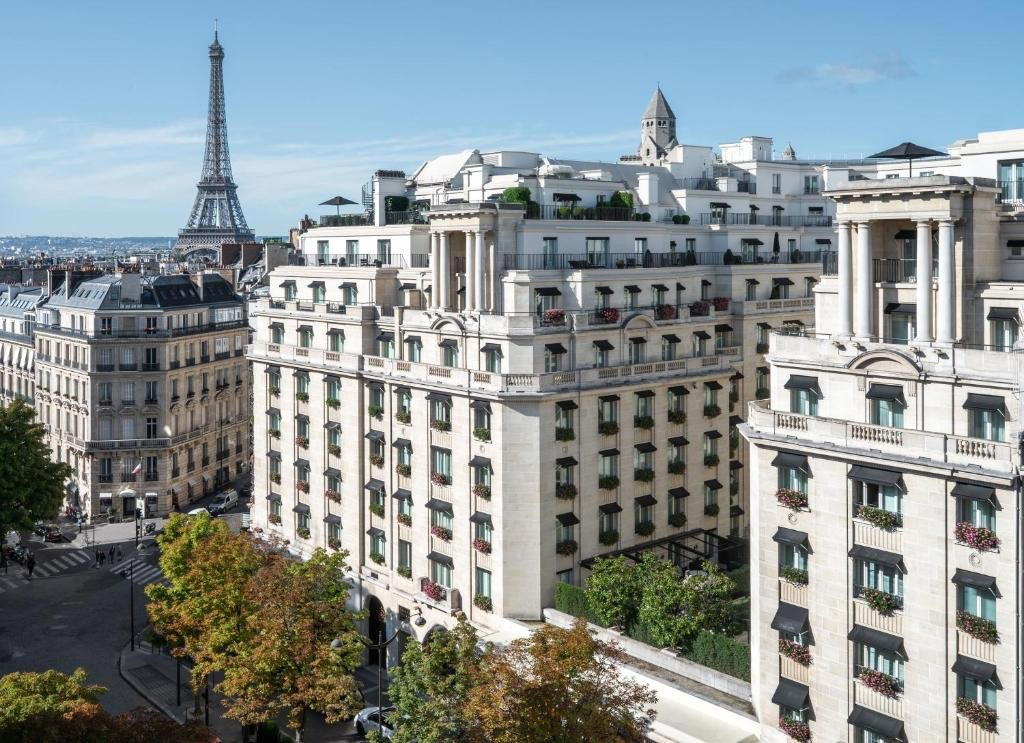
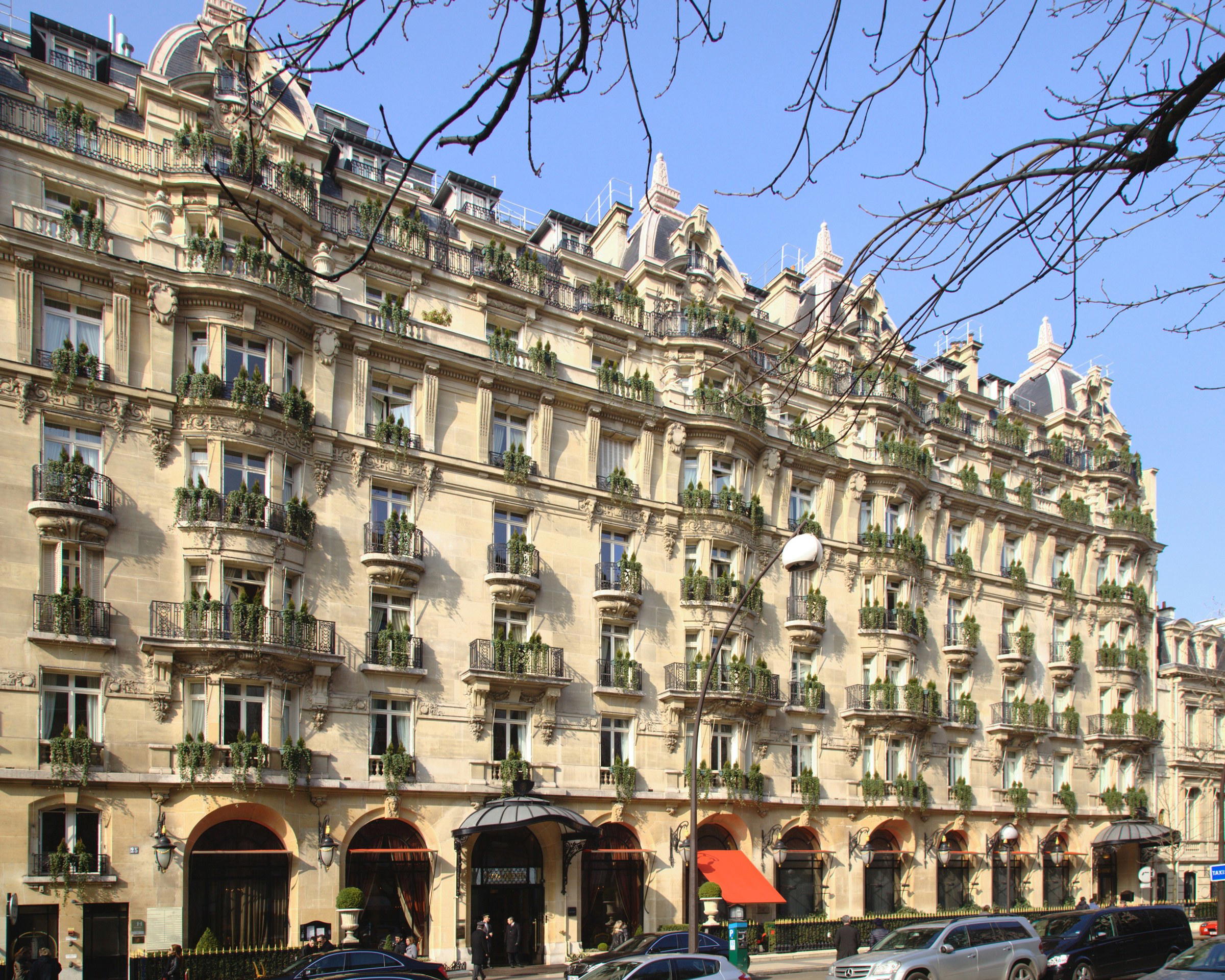
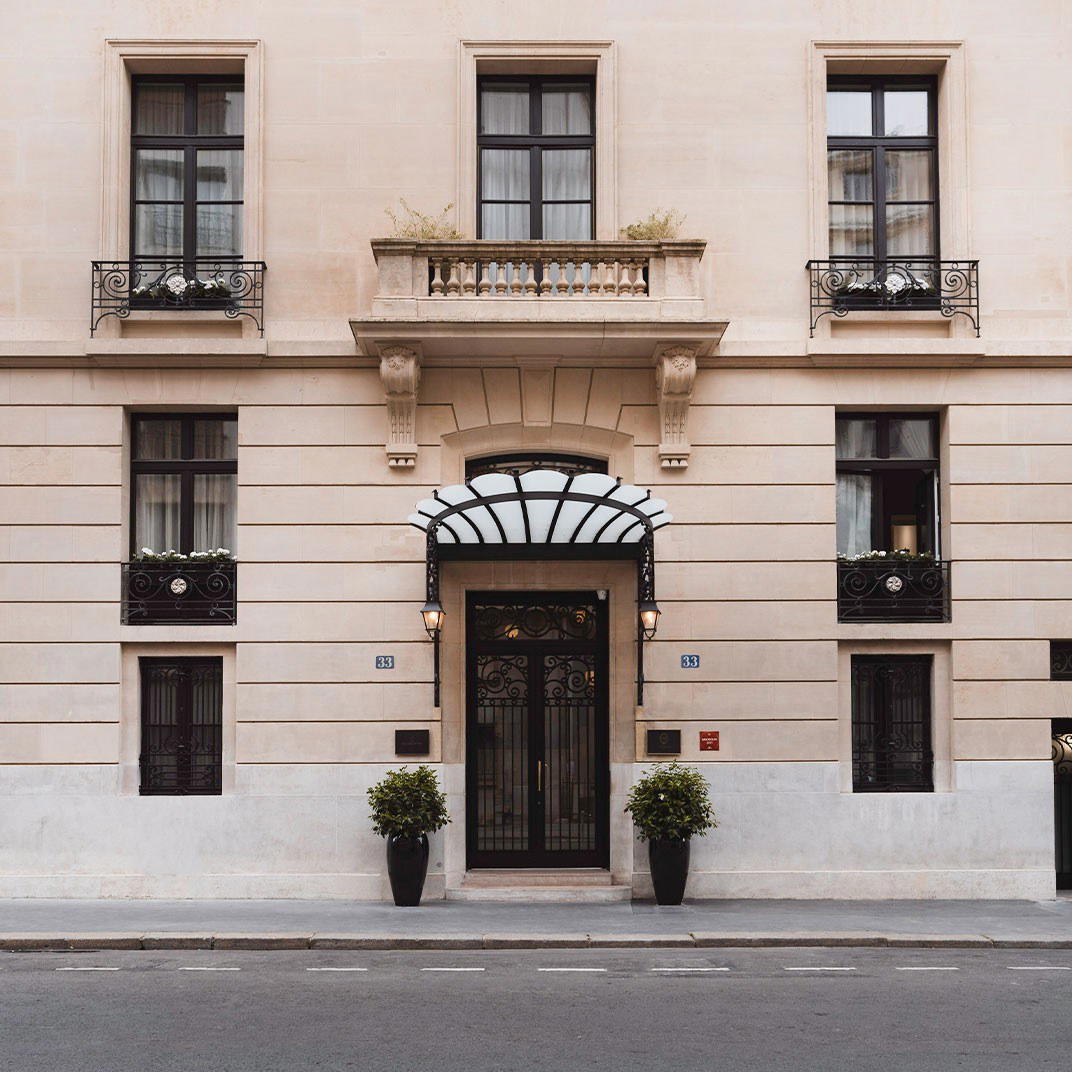
Bars in Paris
Browse all →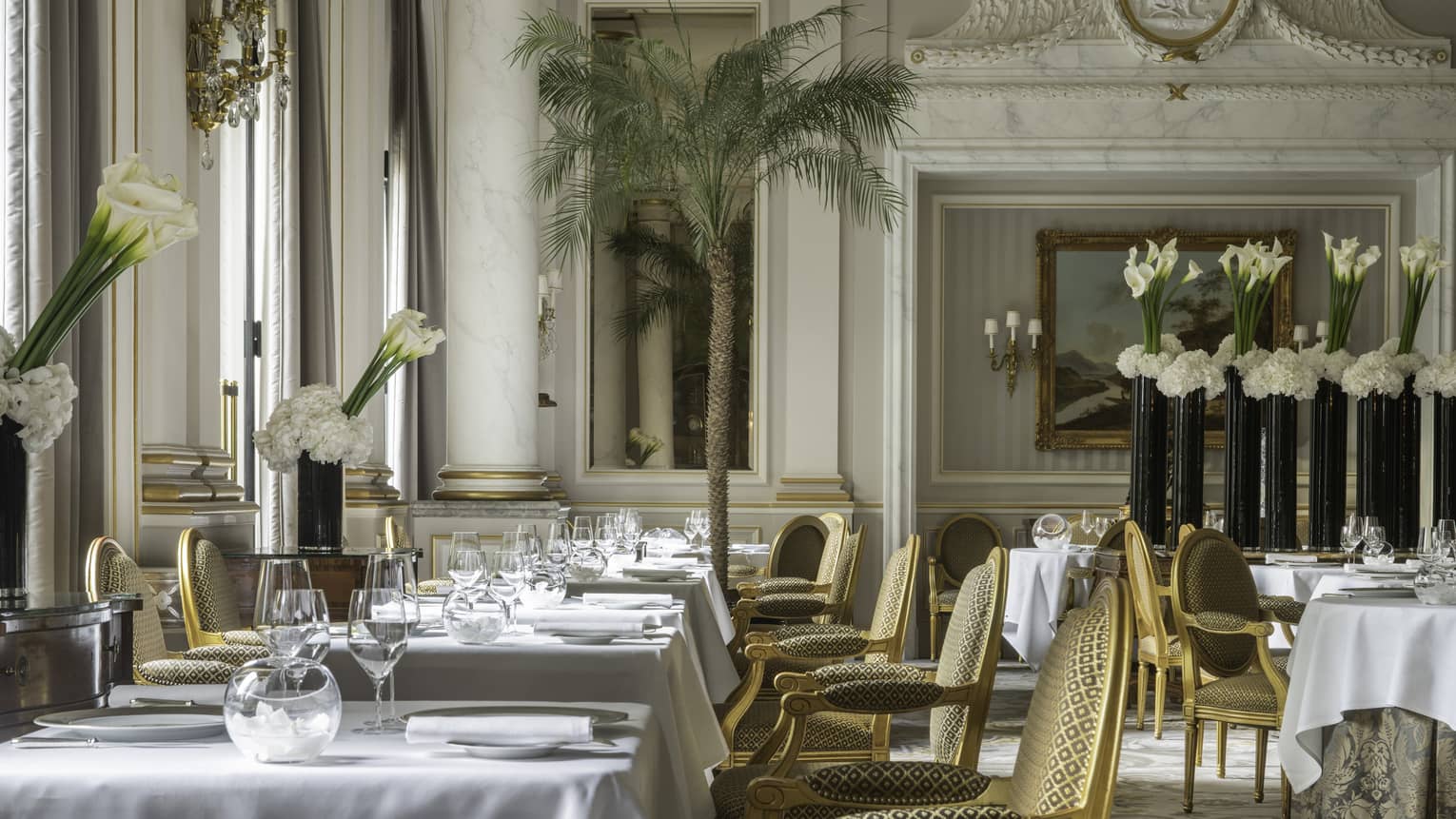
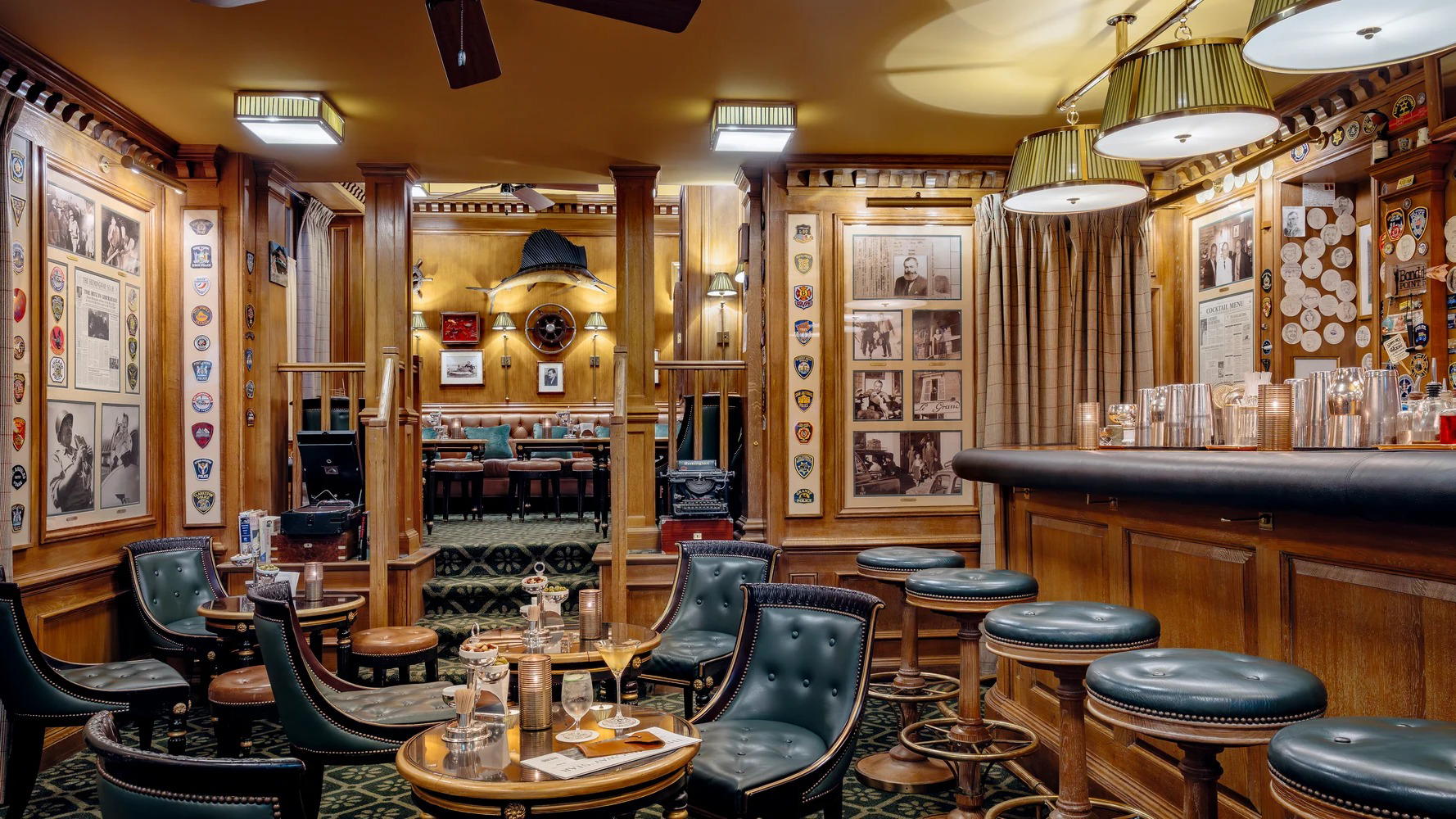
Restaurants in Paris
Browse all →




At a Glance
- Elegant
- Romantic
- Sophisticated
- Ornate
- Classic
- Romantic Getaway
- Honeymoon
- Anniversary
- Historic Building
- Panoramic View
- Terrace
- Pool
- Spa
- Fitness Center
- Room Service
- Concierge
- Business Center
- Valet Parking
- Wi Fi
- Skyline
- Garden
- Pool
- Spa
- Fitness Center
- Room Service
- Concierge
- Business Center
- Valet Parking
- Wi Fi
Elegant palace-like atmosphere with sophisticated decor, soft rococo pastels, and calming French-Asian fusion lighting.