Nonos & comestibles occupies a quiet address on Rue Boissy d'Anglas in Paris's 8th arrondissement, a street that sits at the junction of political Paris and the city's most formal retail corridor. The address places it within walking distance of Place de la Madeleine's specialist food purveyors and the grand hotel dining rooms of the 8th, making it part of a neighbourhood with a long, layered history around food and commerce.
Pearl is the En Primeur Club membership app — saves, bookings, and concierge access live there. Same editors, same standards.
- Address
- 6 Rue Boissy d'Anglas, 75008 Paris, France
- Phone
- +33144711517
- Website
- rosewoodhotels.com
- Directions
- Get directions
 Saves & bookings on Pearl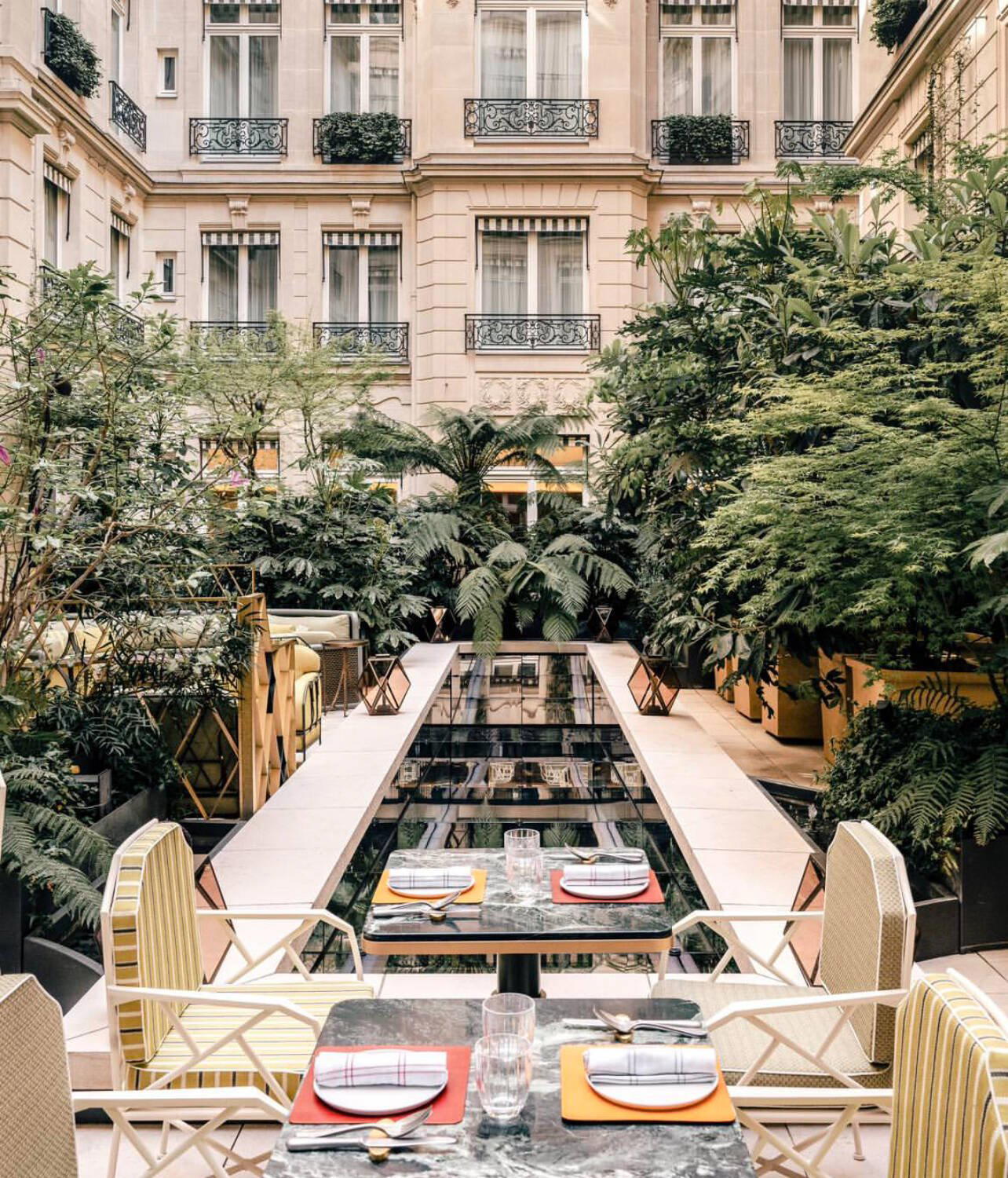
A Street With History, a Name That Signals Intent
Rue Boissy d'Anglas runs south from the Madeleine toward the Place de la Concorde, threading through an arrondissement that has housed French institutional power, grand hotel kitchens, and some of the country's most formal dining rooms for well over a century. The 8th has always been a territory of contrasts: ministries beside luxury shops, brasseries beside three-Michelin-starred addresses. It is in this neighbourhood that Nonos & comestibles has taken its place, at 6 Rue Boissy d'Anglas, 75008 Paris, France.
The name itself carries a signal. "Comestibles" is a French word with old-fashioned commercial weight, it appears on the painted facades of century-old épiceries and specialist food shops across the country. Pairing it with the informal "nonos" creates a deliberate tension between the traditional and the relaxed, a framing device that is increasingly common in Paris's mid-tier dining scene, where the formality of the 8th is being renegotiated from within.
The 8th Arrondissement's Dining Register
To understand where Nonos & comestibles sits, it helps to map the 8th's dining spectrum. At the leading end, addresses like Le Cinq at the Four Seasons Hôtel George V and Alléno Paris au Pavillon Ledoyen operate at €€€€ price points with multi-course tasting menus and the full architecture of grand French service, sommelier teams, trolley service, tableside preparations. These are rooms where the dining experience is as much about the ceremonial as the culinary. Then there is the neighbourhood's quieter register: smaller addresses, shorter menus, wine-led formats that draw a local clientele rather than an international one.
Nonos & comestibles, based on its address and name, reads as belonging to that second category. The word "comestibles" suggests a focus on ingredient sourcing and market-driven produce rather than elaborate tasting structures, a fit for a modern French brasserie and grill. This positions it closer in spirit to the wave of Paris épicerie-restaurants that have proliferated since the mid-2010s, where the shop counter and the dining table share the same space and the same logic.
Design as Argument: What Small Paris Spaces Say
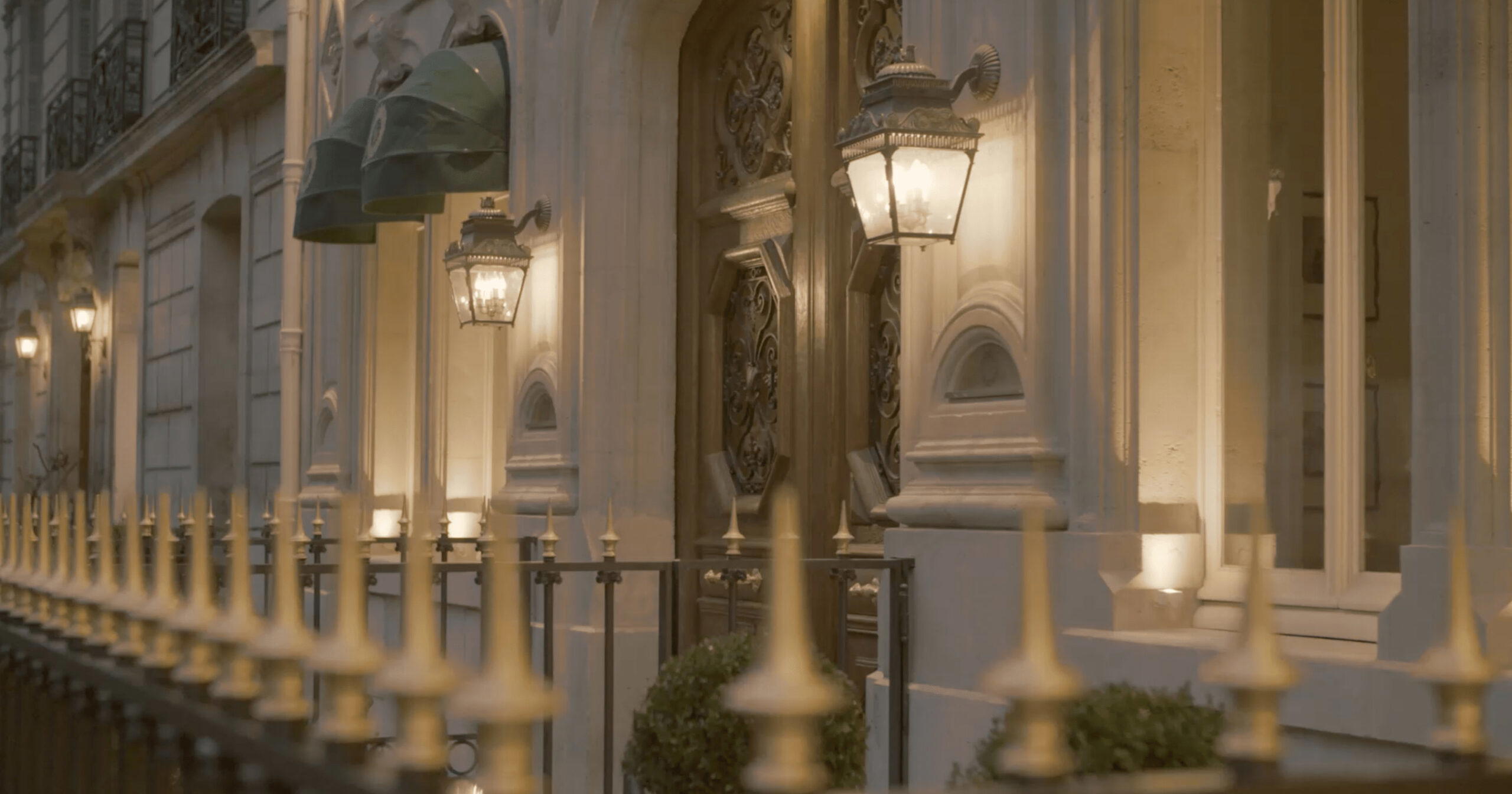
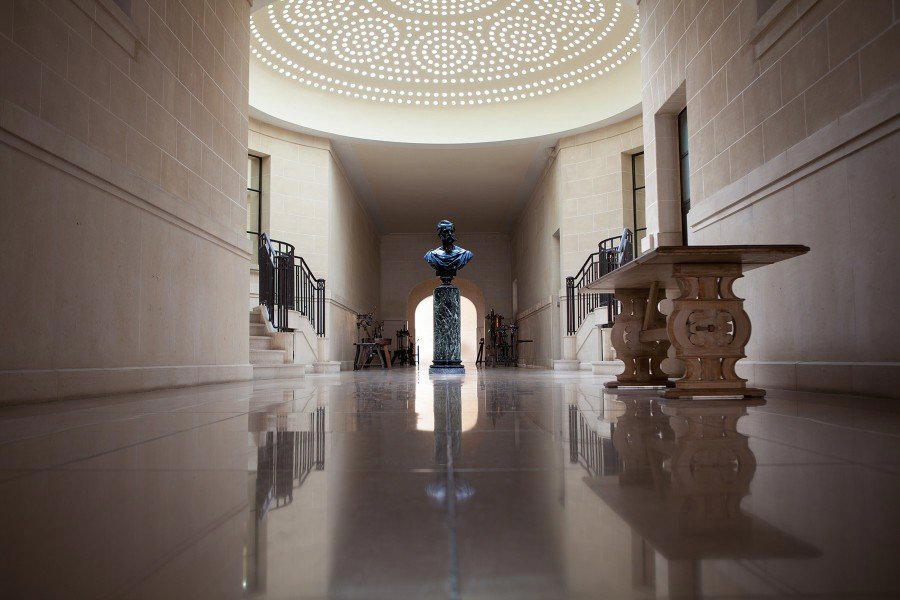
In a city where square meters carry enormous financial weight, the physical container of a restaurant communicates its priorities before the menu arrives. The addresses along the Boissy d'Anglas corridor tend toward tight, high-ceilinged rooms, Haussmann-era buildings with tall windows, limestone details, and proportions that reward modest, considered interiors rather than grand decorative gestures.
The épicerie-restaurant format, which Nonos & comestibles appears to reference through its name, typically organises space around a hybrid logic: shelving for retail product sits alongside tables for dining. The effect is less a restaurant with a shop attached and more a coherent environment where the sourcing philosophy of the kitchen is made visible in the room. Jars, bottles, and dry goods become part of the interior design rather than merchandising. This is a space-design approach that asks the visitor to read the room as a statement of values.
Paris has seen this format gain serious ground in the last decade, particularly in the 9th and 10th arrondissements, but its arrival in the more formal 8th carries a different charge. Placing a comestibles-inflected concept on Rue Boissy d'Anglas, steps from the grand hotel palaces and the city's most established luxury retail, is a mild but legible provocation. It says that the 8th's dining identity is wider than its Michelin addresses suggest.
For context on how French regional fine dining handles space with equal intentionality, Bras in Laguiole and Flocons de Sel in Megève both demonstrate how architectural decisions and physical surroundings can do as much editorial work as the plate. In Paris's grander tier, L'Ambroisie and Kei show how the city's most celebrated rooms use their interiors to anchor an entire dining philosophy.
The Comestibles Tradition in Paris
The word "comestibles" has a lineage in French food culture that predates the current wave of concept restaurants by generations. It was the standard term for a specialist food merchant, the person who selected, stored, and sold notable dry goods, preserved products, and seasonal ingredients. Fauchon on Place de la Madeleine, a few hundred metres from this address, built its entire identity around that word and that tradition. The 8th arrondissement is, in this sense, natural territory for a name that reaches back to the épicerie de luxe tradition.
What modern Paris has done with that tradition is transform it from a retail format into a dining format. The sourcing seriousness once associated with the specialist grocer now drives restaurant menus: producers named on the menu, regional provenance flagged for individual ingredients, seasonal rotations that track market availability rather than chef preference. Addresses across the country from Auberge de l'Ill in Illhaeusern to Mirazur in Menton have made ingredient provenance central to their identity, each in different registers and price tiers.
For Paris readers tracking the broader French scene, the full picture extends to addresses like Troisgros in Ouches, Assiette Champenoise in Reims, AM par Alexandre Mazzia in Marseille, Auberge du Vieux Puits in Fontjoncouse, Au Crocodile in Strasbourg, and Paul Bocuse in Collonges-au-Mont-d'Or, all of which represent different facets of how France thinks about serious food outside the capital. Internationally, the ingredient-led sourcing ethos has parallels at addresses like Le Bernardin in New York City and Atomix in New York City, where what arrives at the table is inseparable from how it was sourced. And for the Paris equivalent in the creative tier, Arpège remains the city's most articulate argument for produce-first cooking at full fine-dining scale.
See our full Paris restaurants guide for a complete view of where Nonos & comestibles fits within the city's wider dining spectrum.
Know Before You Go
| Address | 6 Rue Boissy d'Anglas, 75008 Paris, France |
|---|---|
| Arrondissement | 8th (between Place de la Madeleine and Place de la Concorde) |
| Nearest Metro | Madeleine (lines 8, 12, 14) or Concorde (lines 1, 8, 12) |
| Hours | Mon to Sun: 12:00 PM to 2:30 PM, 7:00 PM to 10:30 PM |
| Reservations | Reservations are recommended |
| Price | About $80 per person |
Where It Fits
Comparable venues nearby, for context on price, style, and recognition.
| Venue | Cuisine | Price | Notes |
|---|---|---|---|
| Nonos & comestiblesThis venue — the venue you are viewing | Modern French Brasserie & Grill | $$$ | Not listed |
| Café Sud | Modern French Bistro | $$$ | 8th arrondissement (Madeleine) |
| Le Vin de Bellechasse | Classic French Bistro | $$$ | Palais-Bourbon |
| CoCo | Modern French Seasonal Cuisine | $$$ | Opéra |
| Maxan | Classic French Bistro | $$$ | 8th Arrondissement (Élysée) |
| La Coupole | Classic French Brasserie | $$$ | Montparnasse |
Continue exploring
More in Paris
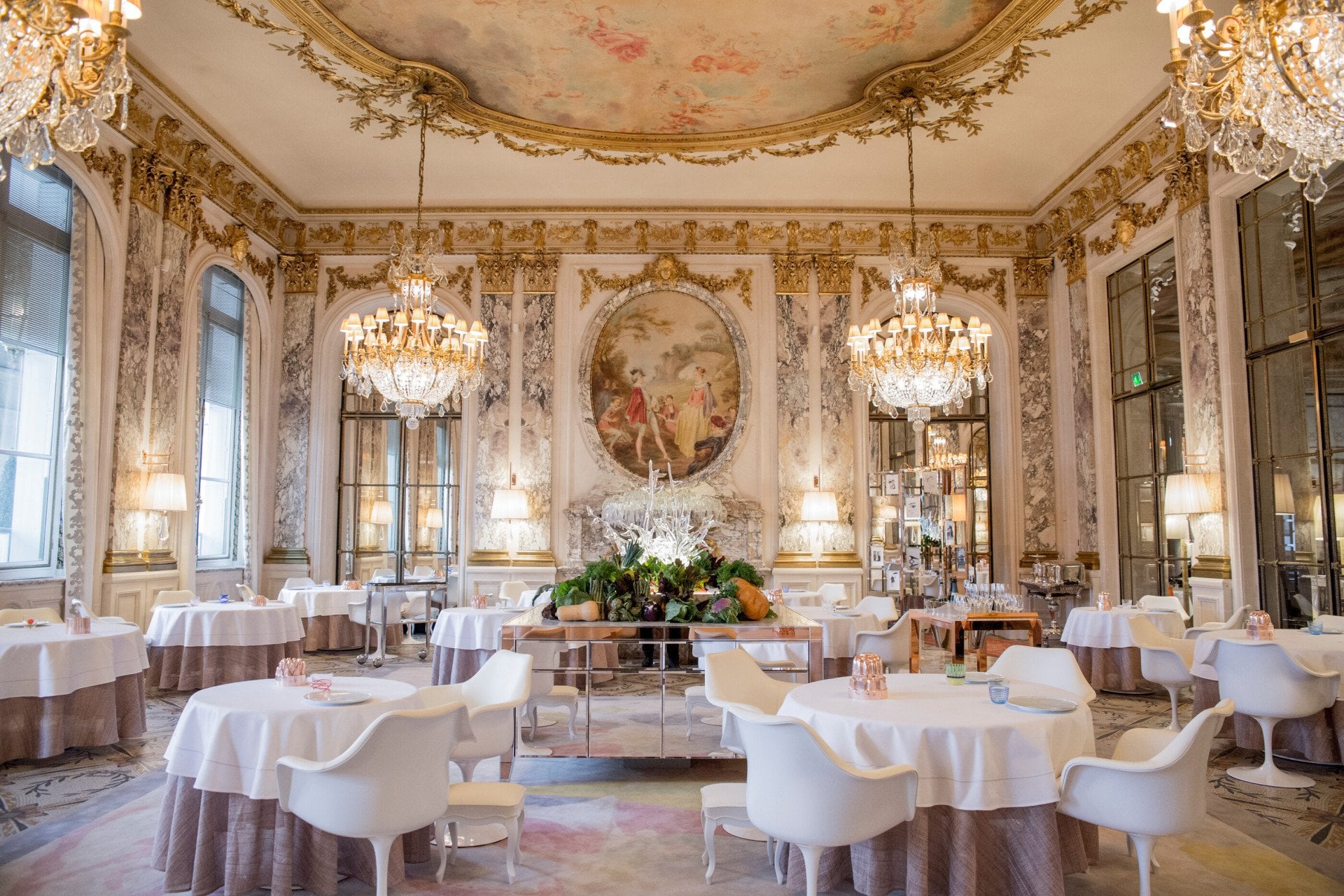
Restaurants in Paris
Browse all →
Bars in Paris
Browse all →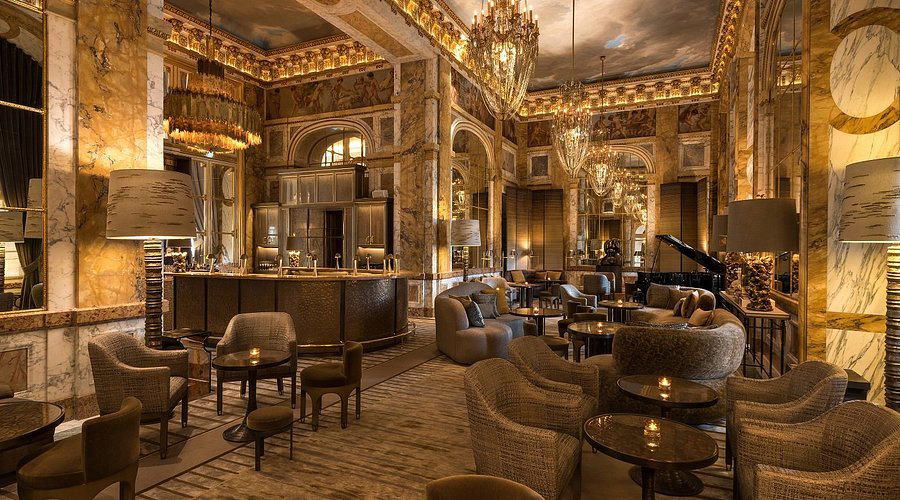
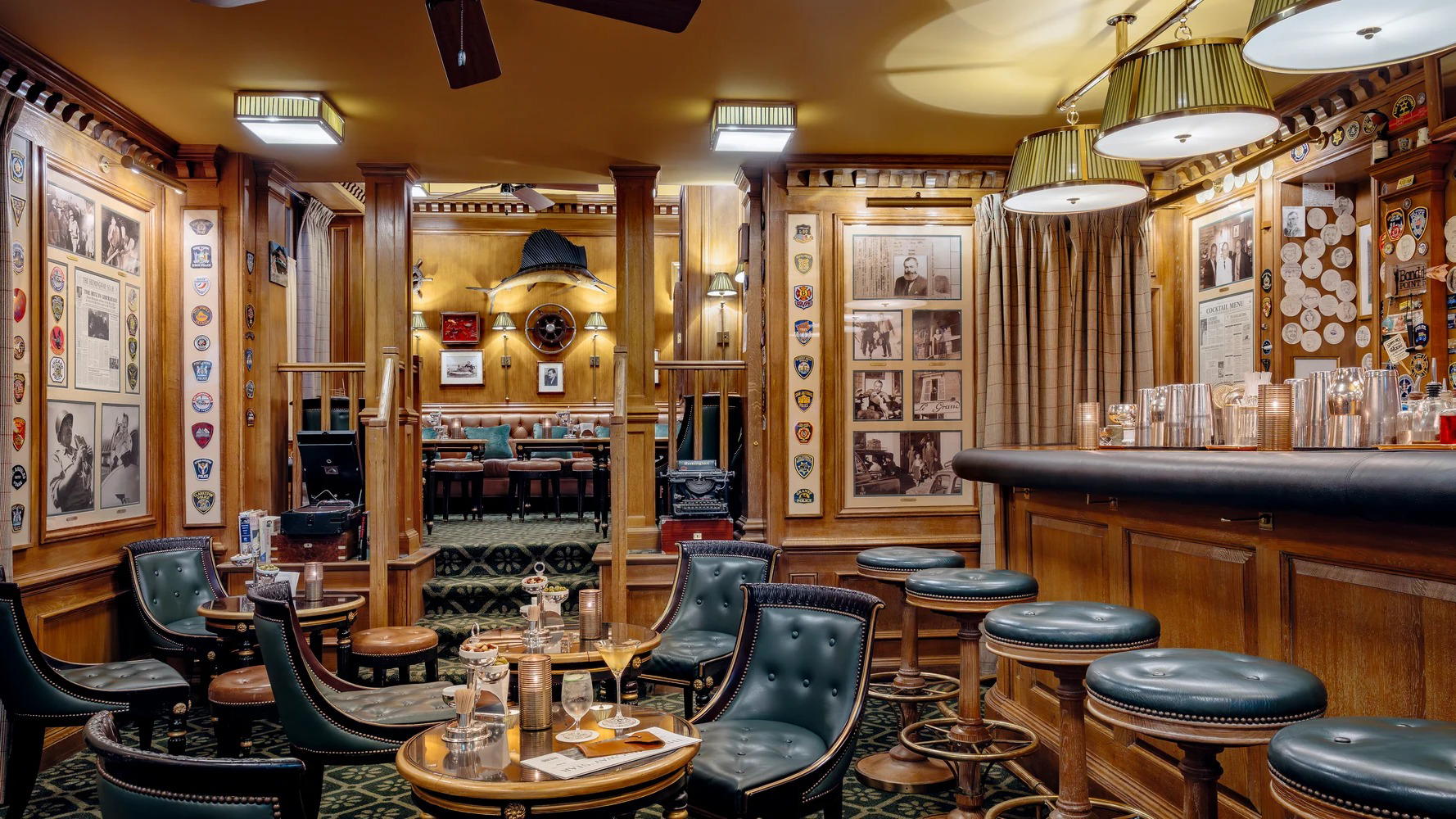
Hotels in Paris
Browse all →



At a Glance
- Lively
- Elegant
- Modern
- Business Dinner
- Special Occasion
- Group Dining
- Open Kitchen
- Hotel Restaurant
- Craft Cocktails
- Street Scene
Current opening hours
- Monday
- 12–2:30 PM, 7–10:30 PM
- Tuesday
- 12–2:30 PM, 7–10:30 PM
- Wednesday
- 12–2:30 PM, 7–10:30 PM
- Thursday
- 12–2:30 PM, 7–10:30 PM
- Friday
- 12–2:30 PM, 7–10:30 PM
- Saturday
- 12–2:30 PM, 7–10:30 PM
- Sunday
- 12–2:30 PM, 7–10:30 PM
Hours can change for holidays and private events. Last verified .
Stylish Art Deco interior with lively, upbeat atmosphere, alcove tables, and counter seating opposite the mixologist.