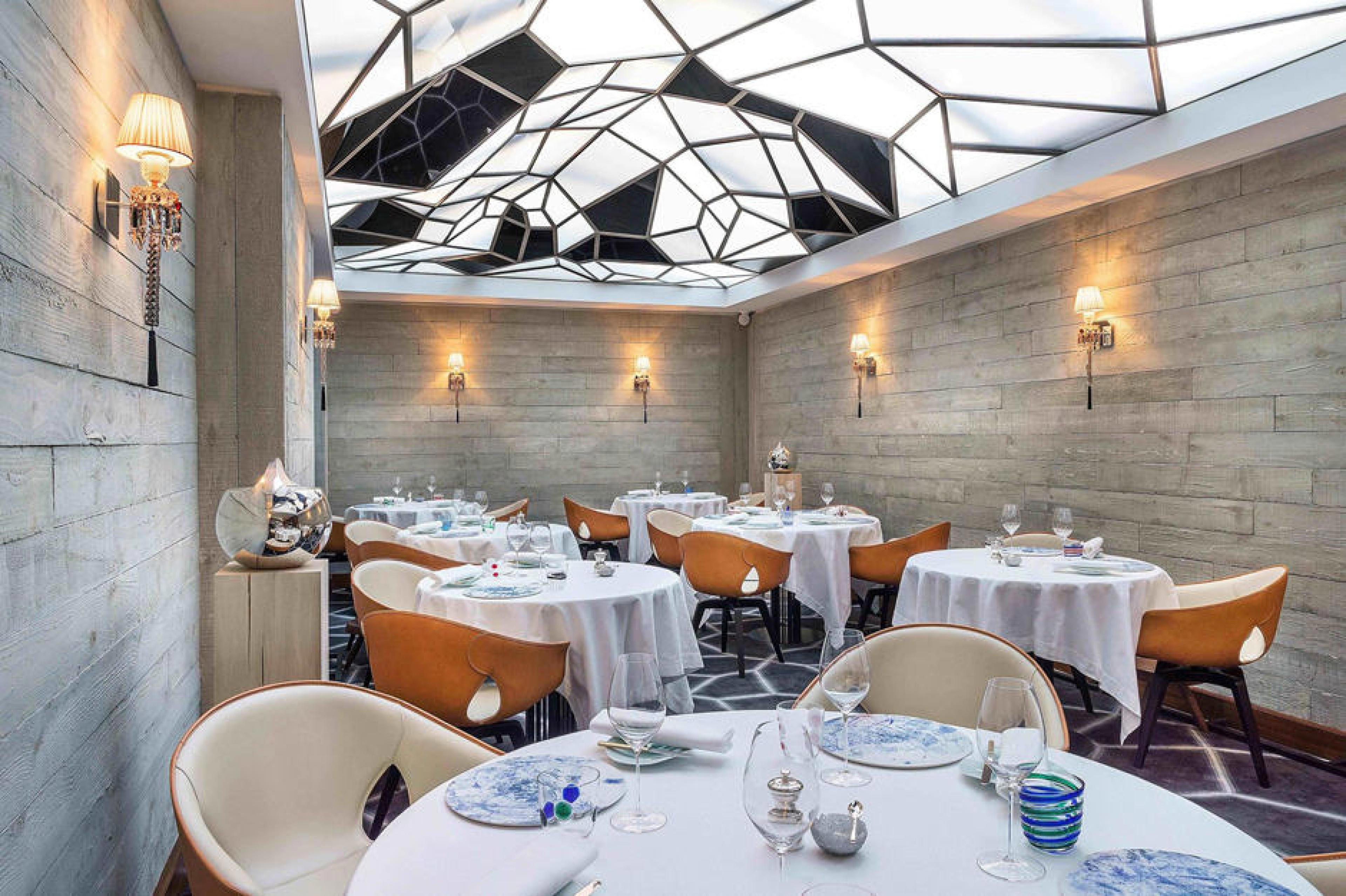
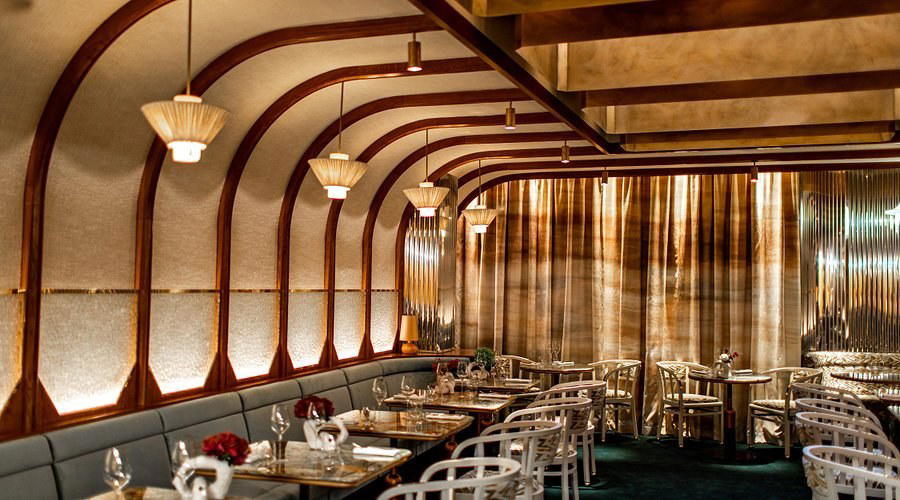
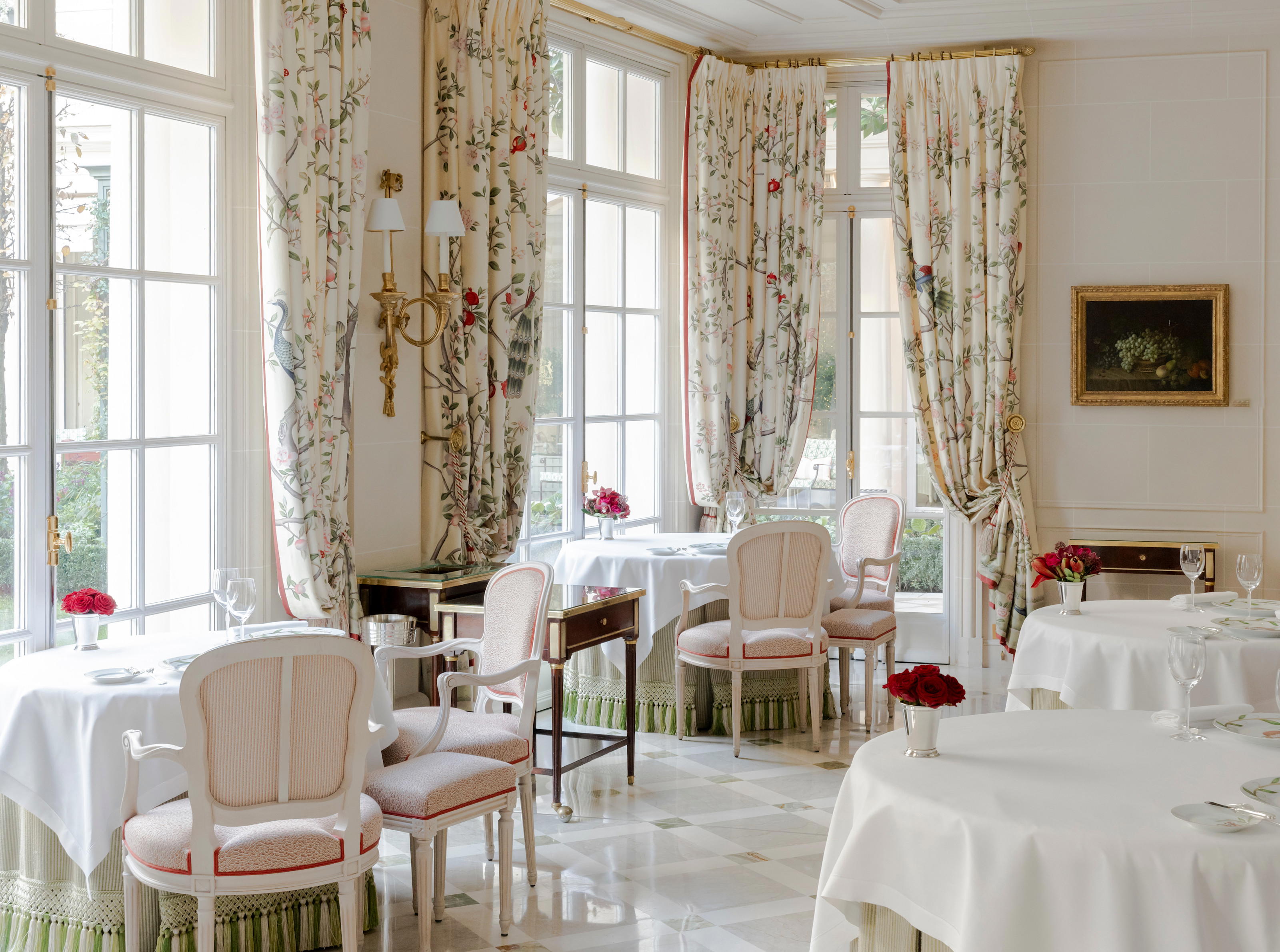
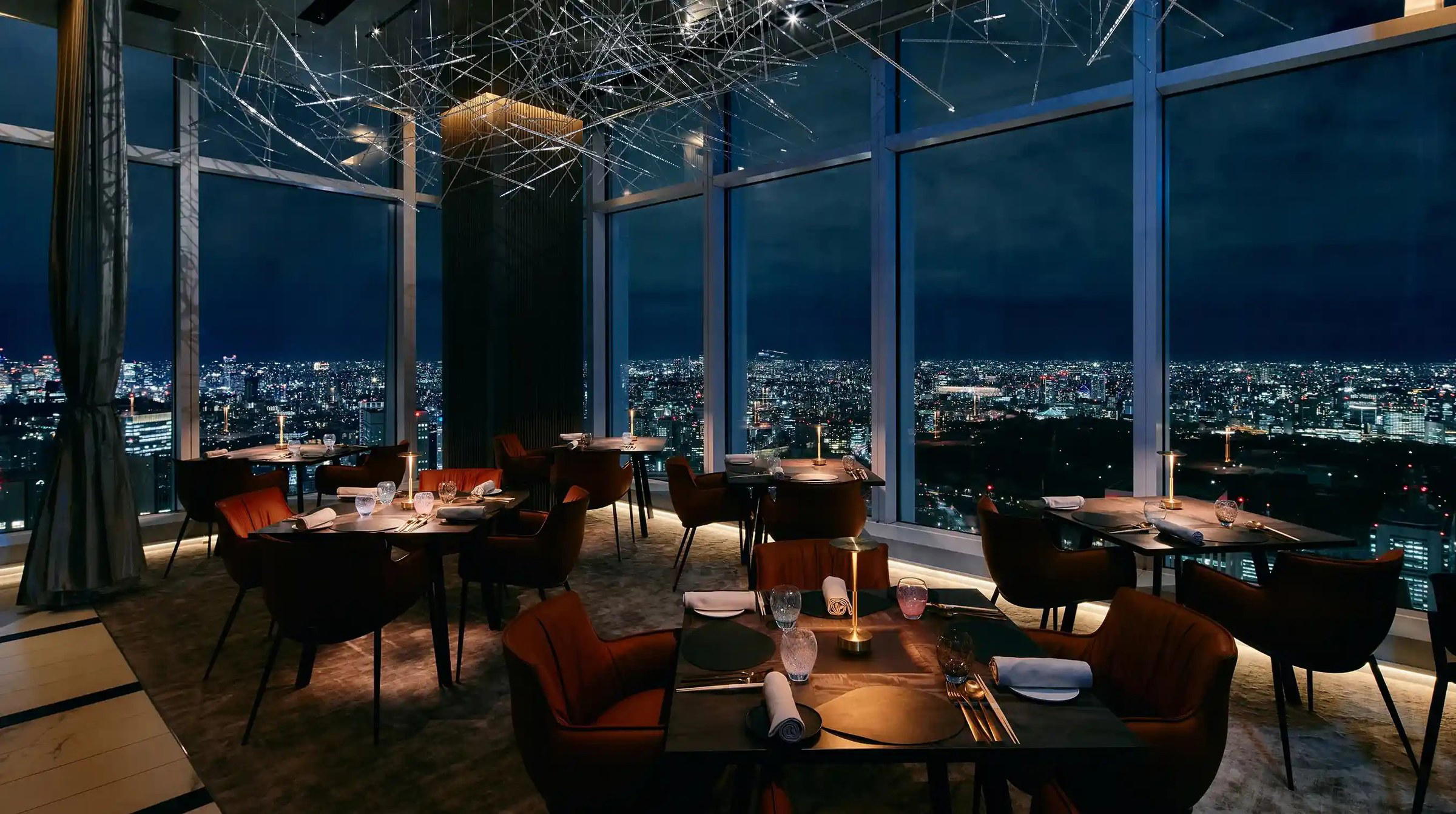
Our verdict
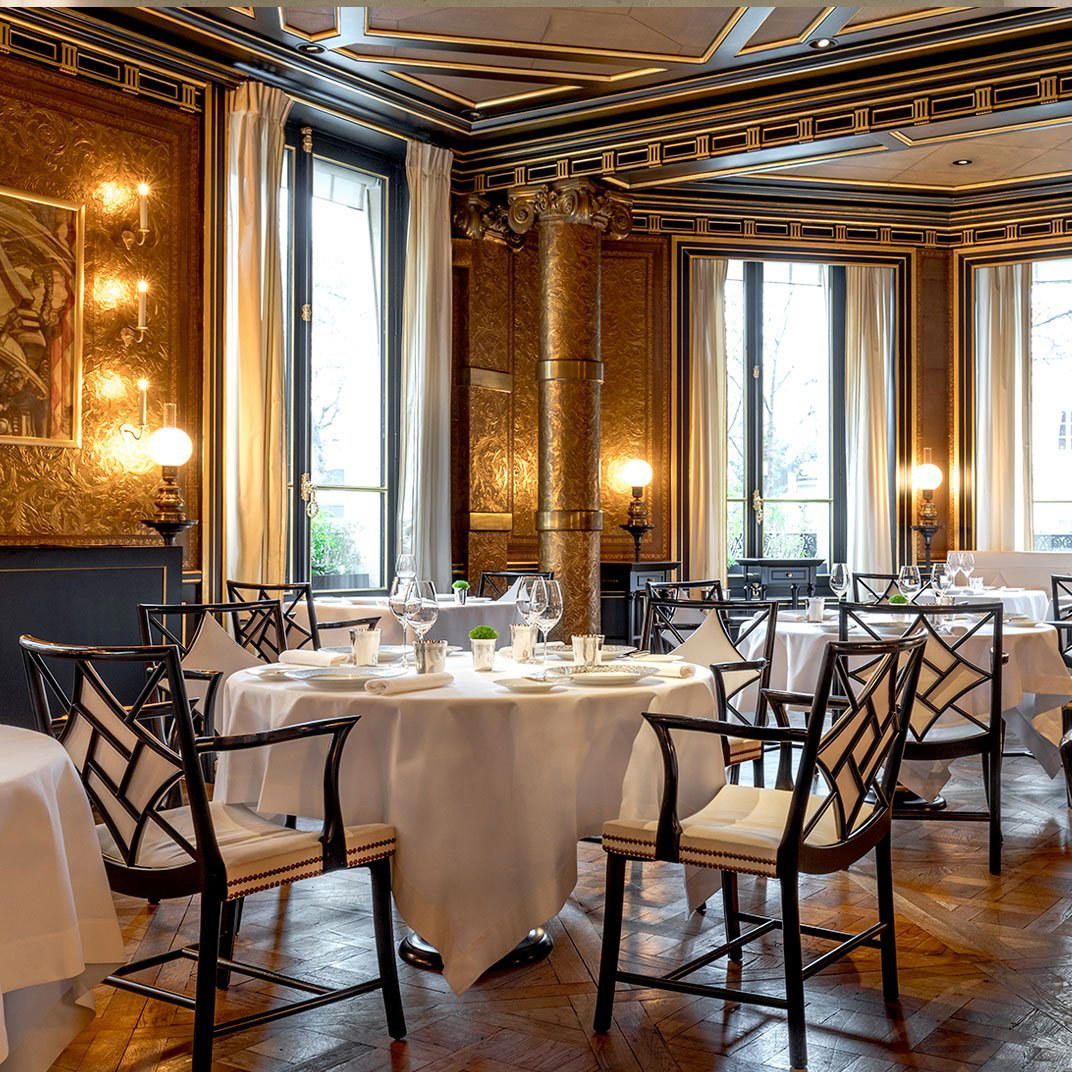
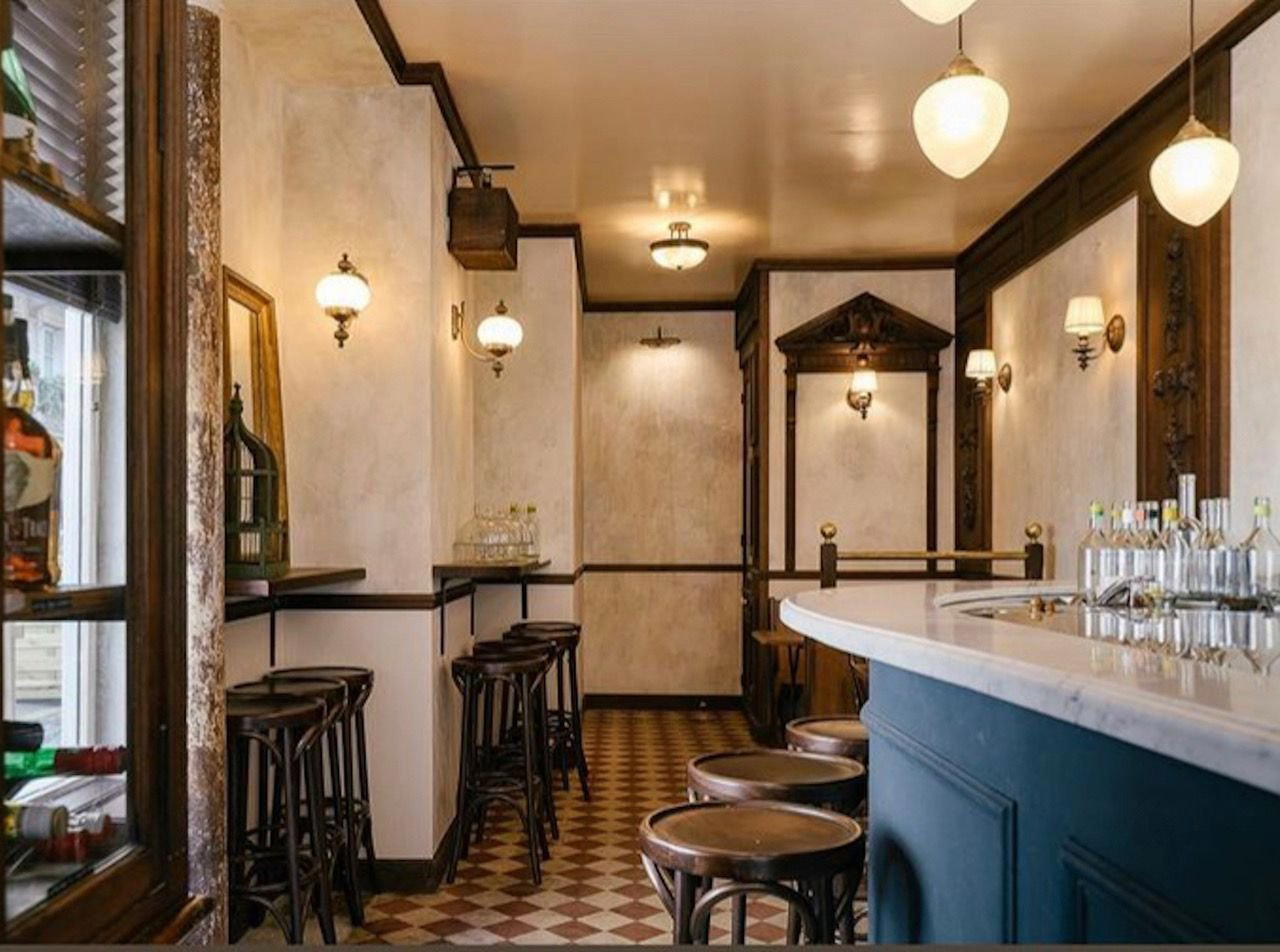
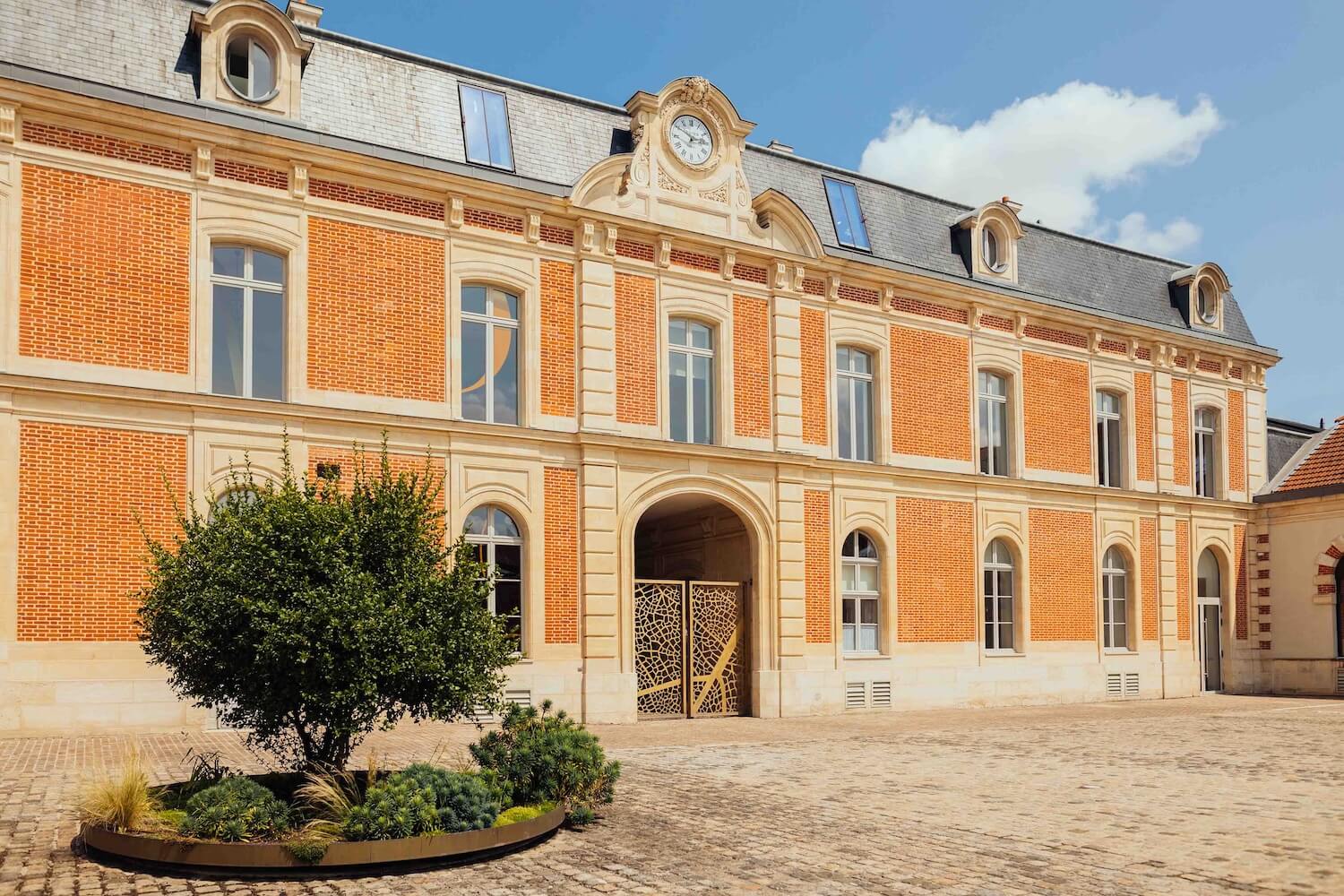
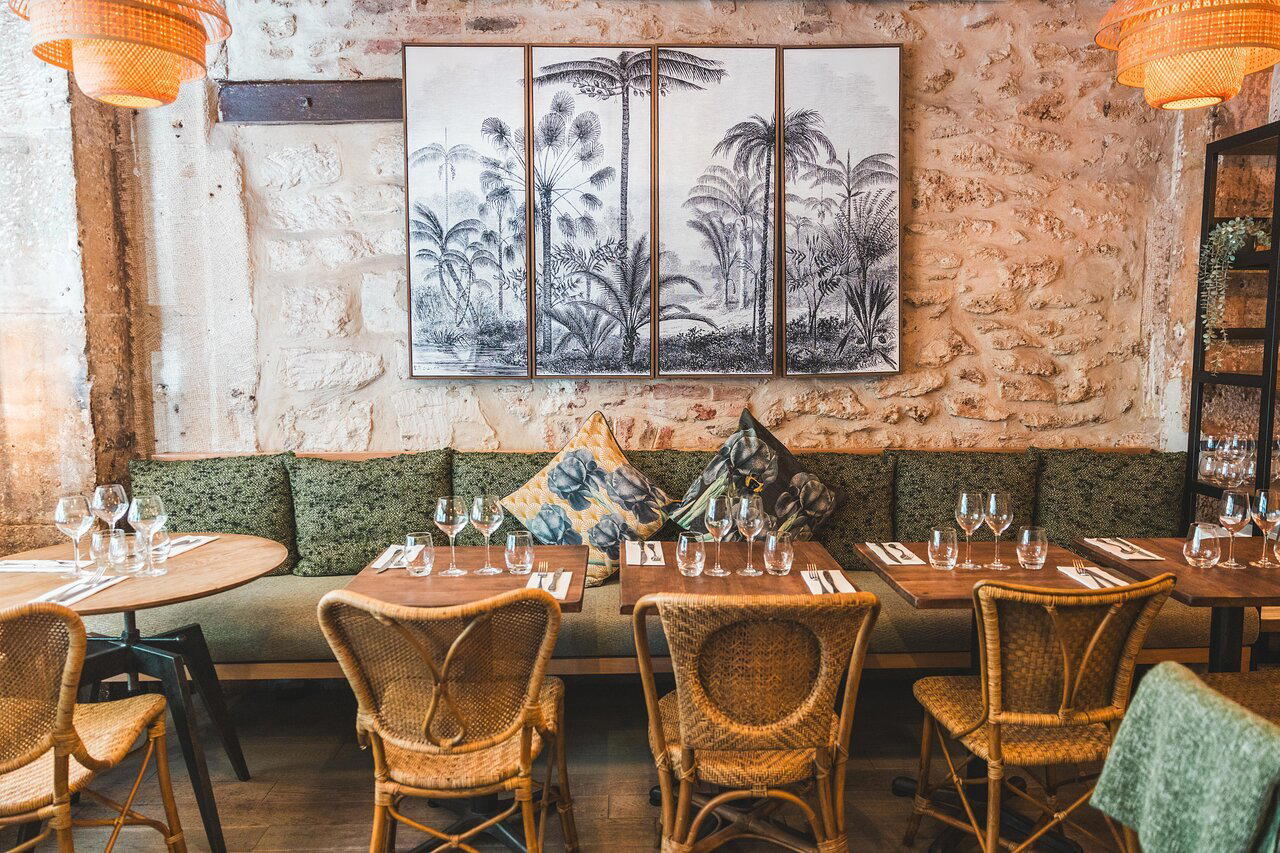
Bistro L'Olivier serves French Mediterranean bistro cooking at 88 Rue Ordener in Paris, with terrace seating and a conversational pace that fits lunch, dinner, or late night.

Pearl is the En Primeur Club membership app, where members save venues, book tables and use the concierge.
The menu
What to order
- Beef tacos
- Sea bream ceviche
- Millefeuille
- Black Angus beef fillet
The 18th Arrondissement's Approach to the Neighbourhood Bistro
The stretch of Rue Ordener that runs through the 18th arrondissement sits at some distance from the grand-occasion addresses of the 8th or the destination tables of the Left Bank. That distance is, in part, the point. Montmartre and its surrounding quartiers have long maintained a parallel dining economy: one oriented toward the neighbourhood resident rather than the visiting diner, where a bistro earns its place through repetition and reliability rather than through press cycles or award seasons. Bistro L'Olivier at 88 Rue Ordener occupies that context. It is an address in a part of Paris where the room's character, the menu's internal logic, and the consistency of execution carry more weight than any single headline dish or chef biography.
Paris's broader dining conversation in 2024 tends to cluster at two poles: the formally ambitious tables with tasting menus running north of €200 per head (see Alléno Paris au Pavillon Ledoyen, Arpège, or Le Cinq at the Four Seasons George V) and the more casual end of the spectrum, where the bistro format is sometimes used as cover for underdeveloped cooking. The neighbourhood bistro done properly occupies a more demanding middle ground: it must demonstrate genuine craft without the scaffolding of ceremony, and it must do so repeatedly, for a local clientele that has neither the patience nor the occasion for a grand production every Tuesday.
What the Menu Structure Says
The architecture of a bistro menu is itself an editorial position. At addresses like Kei or L'Ambroisie, the menu is a controlled document, a sequence the kitchen has designed as argument. The neighbourhood bistro operates under a different logic: the menu should feel permissive rather than prescriptive, allowing a diner to stop at a single course or extend through several without the structure becoming awkward. A short carte with clearly differentiated starters, plats, and desserts, built around seasonal French produce and executed with technique rather than theatre, is the format that has sustained Paris's bistro tradition for generations. The name L'Olivier, the olive tree, gestures toward a Mediterranean or Provençal influence within that French framework, a positioning that appears with some regularity among Paris bistros seeking to extend the repertoire beyond purely northern French reference points.
The Provençal thread in Parisian bistro cooking has precedent across France's culinary geography. Institutions like Les Prés d'Eugénie in Eugénie-les-Bains and Auberge du Vieux Puits in Fontjoncouse have demonstrated that southern French cooking, even at high register, carries a particular clarity of flavour built on olive oil, herbs, and a willingness to let produce lead. Translated into a Parisian bistro context, those same instincts tend to produce menus where lighter preparations and vegetable-forward plates sit alongside more classical meat and fish dishes without incongruity.
Montmartre and the 18th: Where the Bistro Still Makes Sense
18th arrondissement has undergone enough demographic and commercial change over the past two decades that it now contains several distinct dining registers within a relatively compact geography. The tourist-facing areas around the Sacré-Coeur have their own economy, one largely disconnected from the tables that serve the quartier's resident population. Rue Ordener falls into the latter category. It is a functional residential street, not a destination strip, and a bistro on this stretch depends on repeat local custom in a way that addresses on more visited corridors do not. That dependency tends to enforce a kind of discipline: the cooking has to hold up across multiple visits, and the value proposition has to be clear enough that locals will return rather than seek alternatives.
This dynamic has produced some of the more interesting dining in Paris's outer arrondissements in recent years. While the major critical and award attention flows toward the 1st, 6th, 7th, and 8th, the 18th and its neighbours have developed a secondary layer of neighbourhood-serious restaurants that operate below the media threshold but above the tourist-trap tier. For those tracing similar patterns across France, the regional institutions collected in our full Paris restaurants guide offer a useful map of how the city's dining culture distributes itself by arrondissement and by register.
French Bistro Cooking in European and Global Context
The French bistro format has been exported and adapted so widely that it is worth noting what distinguishes the Parisian original. In cities like New York, where Le Bernardin represents the high end of French technique transplanted abroad, or San Francisco, where formats like Lazy Bear have absorbed French structure into a distinctly American idiom, the reference points are always, ultimately, Parisian.
Within France itself, the spectrum runs from the foundational regional houses, Paul Bocuse's Auberge du Pont de Collonges, Troisgros in Ouches, Georges Blanc in Vonnas, Auberge de l'Ill in Illhaeusern, and Bras in Laguiole, to the high-mountain precision of Flocons de Sel in Megève and the coastal modernism of Mirazur in Menton. The Paris neighbourhood bistro sits at the other end of that register: less theatrical, more embedded in daily life, and sustained by a different kind of loyalty. Neither end of that spectrum is more French than the other, they are different expressions of the same culinary culture. And La Table du Castellet in Le Castellet offers one regional example of how serious cooking can be sustained outside the major metropolitan centres.
Planning Your Visit
Bistro L'Olivier is located at 88 Rue Ordener, 75018 Paris. The address is in the southern part of Montmartre, accessible via the Jules Joffrin metro station (lines 12) or the Lamarck-Caulaincourt station. The 18th arrondissement's bistro tier tends to be busiest Thursday through Saturday evenings; midweek lunch often provides the most direct access and the most relaxed room. As with most neighbourhood bistros of this kind, booking ahead, even a day or two in advance, is advisable for weekend evenings, when local demand concentrates. Specific hours, current pricing, and reservation methods should be confirmed directly with the venue, as these details are subject to change.
Frequently asked questions
How do I find Bistro L'Olivier?
Bistro L'Olivier is located at 88 Rue Ordener, 75018 Paris, France, Paris.
Is Bistro L'Olivier in Paris a good option for a local weekday lunch near Jules Joffrin?
Located at 88 Rue Ordener in the 18th arrondissement, L'Olivier is accessible via the Jules Joffrin metro station, placing it squarely within the southern Montmartre residential corridor rather than the tourist belt. That geography makes it a functionally sensible choice for a weekday meal in the neighbourhood, where the bistro format historically serves a lunch-led, working-week clientele. Hours are not publicly listed, so confirming service times before arrival is advisable.
What should I order at Bistro L'Olivier?
The menu at a Montmartre neighbourhood bistro like L'Olivier on Rue Ordener typically follows a classic three-course structure: starter, plat, dessert. The kitchen's focus is French bistro cooking in its residential-district form, where daily specials often reflect market availability rather than a fixed menu. Specific dish details are not published, so arriving without a fixed agenda and asking the server what arrived that morning is the approach that fits this format.
How hard is it to get a table at Bistro L'Olivier?
L'Olivier sits on Rue Ordener in the southern part of the 18th arrondissement, away from the tourist circuits around the Sacré-Cœur and the Place du Tertre. That positioning means it draws a predominantly local clientele rather than walk-in tourist traffic. Current booking policies and lead times are not published, so contacting the venue directly before your visit is the practical first step.
What has Bistro L'Olivier built its reputation on?
L'Olivier occupies a section of the 18th arrondissement that has changed considerably over the past two decades, yet the address has maintained the neighbourhood bistro model at a remove from the grand-occasion restaurants of the central arrondissements. Its standing rests on serving the local community of the 75018 rather than positioning itself as a destination address for visitors.
Comparison Snapshot
Comparable venues nearby, for context on price, style, and recognition.
| Venue | Cuisine | Price | Notes |
|---|---|---|---|
| Bistro L'OlivierThis venue (the venue you are viewing) | French Mediterranean Bistro | $30–50 | Not listed |
| Comptoir De Vie | Modern French Tasting Counter-Bar | $100–150 | 2nd Arrondissement |
| L'Ascension | Modern French Bistro | $30–50 | Saint-Georges |
| Porte 12 | Mediterranean | Not listed | 10e |
| Babille | Festive French Brasserie | $30–50 | Grands Boulevards |
| L'Absinthe | Modern French Bistro | Not listed | 1st Arrondissement |