A Casaluna occupies a quiet address on Rue de Beaujolais, steps from the Palais-Royal gardens in Paris's 1st arrondissement. The restaurant sits at an address with deep ties to the city's older dining tradition, placing it in a neighbourhood where formal French cooking and a newer, more personal style of hospitality have long coexisted. For visitors mapping the capital's mid-to-upper dining tier, it warrants close attention.
Pearl is the En Primeur Club membership app — saves, bookings, and concierge access live there. Same editors, same standards.
- Address
- 6 Rue de Beaujolais, 75001 Paris, France
- Phone
- +33142600511
- Website
- acasaluna.com
- Directions
- Get directions
 Saves & bookings on Pearl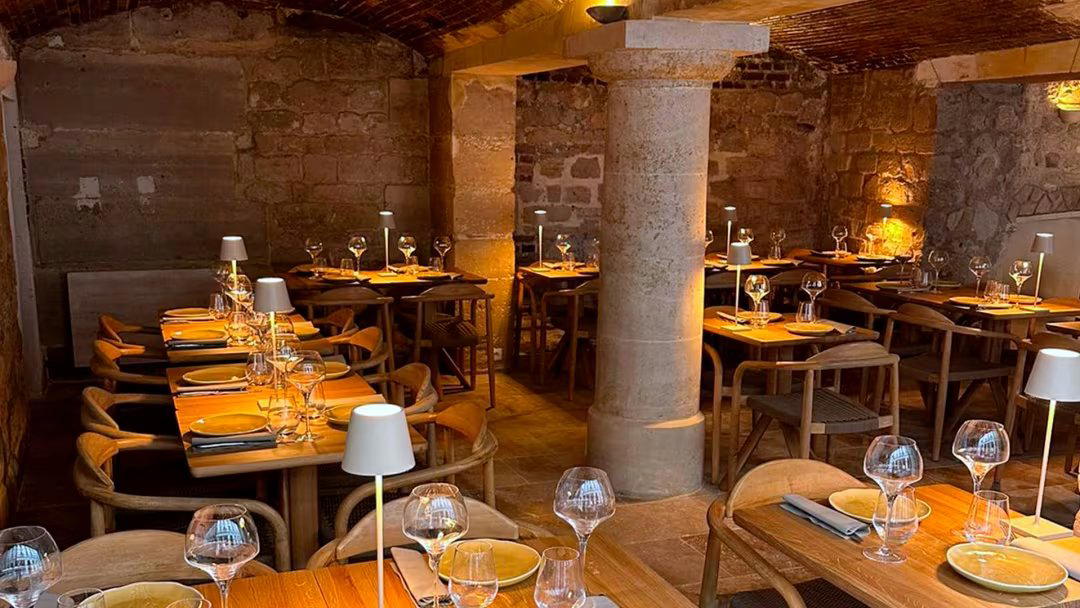
Rue de Beaujolais and the Palais-Royal Dining Tradition
The stretch of streets bordering the Palais-Royal gardens has carried serious culinary weight for well over a century. The colonnaded gardens that Louis XIV's court once used as a promenade became, by the nineteenth century, a magnet for the kind of discreet, address-conscious dining that Paris has always done better than anywhere else. That tradition did not disappear; it adapted. Today, the 1st arrondissement addresses nearest the gardens tend to attract operations that prize restraint over spectacle, smaller rooms, considered service, and kitchens focused on precision rather than volume. A Casaluna, at 6 Rue de Beaujolais, sits directly inside that geography and inherits its expectations.
In the broader Parisian dining picture, the 1st arrondissement occupies an interesting middle position. It is not the 8th, where addresses like Alléno Paris au Pavillon Ledoyen and Le Cinq at the Four Seasons George V anchor the grand-hotel and avenue-facing tier of French fine dining. Nor is it the 7th, where Arpège has spent decades redefining what a three-star kitchen can argue for. The 1st is older, quieter in its ambitions, and more likely to reward the visitor who arrives without a fixed expectation of format.
Where Collaboration Shapes the Room
In Paris's upper-mid dining tier, particularly durable operations are rarely the product of a single dominant personality. The kitchens that hold their ground across multiple seasons tend to run on a more distributed model: a kitchen lead whose cooking sets a clear direction, a sommelier whose list reinforces rather than competes with the food, and a front-of-house team coherent enough that the experience reads as deliberate from arrival to departure. This is harder to achieve than it sounds in a city where the supply of skilled dining-room talent moves frequently between addresses.
The Palais-Royal neighbourhood has historically supported this kind of team-driven model, in part because its clientele expects continuity. A restaurant at this address is not primarily serving first-time tourists working through a checklist; it is serving repeat visitors, local professionals, and travellers who have already cleared the obvious landmarks and are looking for something more calibrated. That audience notices when service is inconsistent or when the wine program feels disconnected from the kitchen's logic. It rewards operations where the three disciplines, cooking, wine, hospitality, are visibly in conversation with each other. The comparable dynamic at the regional level can be found at addresses like Flocons de Sel in Megève or Mirazur in Menton, where the coherence of the whole experience is the distinguishing factor, not any single element in isolation.
French Fine Dining at This Postcode: What the Category Implies
Paris's fine dining tier has fragmented considerably since the early 2000s. The old hierarchy, with Michelin stars as the only meaningful organising principle, has been complicated by the rise of the natural wine movement, the influence of Japanese technique at addresses like Kei, and the durability of classical French cooking at places like L'Ambroisie on the Place des Vosges. Each of these represents a different argument about what French fine dining should be in the 21st century.
The Casaluna address on Rue de Beaujolais places the restaurant in a district that has historically leaned toward the classical argument, without being doctrinaire about it. The neighbourhood's proximity to the Louvre, the Comédie-Française, and the ministry buildings of the 1st creates a customer base that knows the tradition well enough to appreciate when it is being handled with care, and knows it well enough to notice when it is being used as window dressing. That is a more demanding audience than it might appear, and it exerts a quiet discipline on any kitchen operating at this address. The same dynamic plays out at the regional level in long-established rooms like Auberge de l'Ill in Illhaeusern and Troisgros in Ouches, where the weight of expectation is itself part of the operating context.
France's broader provincial fine dining circuit provides useful comparison points for understanding what Paris's classical tier is measured against. Bras in Laguiole, Paul Bocuse in Collonges-au-Mont-d'Or, and Auberge du Vieux Puits in Fontjoncouse all operate in specific regional contexts that shape their cooking in ways unavailable to a Paris address. A Paris restaurant near the Palais-Royal does not have that kind of geographic identity to draw on; it has to make its case on the quality and coherence of the experience itself. Internationally, the standard for that kind of disciplined urban fine dining is set by rooms like Le Bernardin in New York City and Atomix, also in New York, where kitchen precision and front-of-house intelligence operate as equals.
For regional contrast within France, AM par Alexandre Mazzia in Marseille, Assiette Champenoise in Reims, and Au Crocodile in Strasbourg each show how seriously the provinces now compete with Paris on technical grounds.
Planning a Visit
Know Before You Go
- Address: 6 Rue de Beaujolais, 75001 Paris, France
- Neighbourhood: 1st arrondissement, adjacent to the Palais-Royal gardens
- Nearest Metro: Palais Royal–Musée du Louvre (Lines 1 and 7)
- Booking: Reservations are recommended.
- Seasonal note: Spring and summer evenings are the busiest period for this district; autumn and winter visits tend to offer a calmer room
Same-City Peers
Comparable venues nearby, for context on price, style, and recognition.
| Venue | Cuisine | Price | Notes |
|---|---|---|---|
| A CasalunaThis venue — the venue you are viewing | Modern Corsican | $$$ | Not listed |
| BANG | Contemporary French Bistro | $$$ | Place-Vendôme |
| Dans le Noir | Modern French Sensory Bistronomic | $$$ | Saint-Merri |
| Huguette | French Seafood Bistro | $$$ | Saint-Germain-des-Prés |
| Le Moulin de la Galette | Traditional French Bistro | $$$ | Montmartre |
| L'Officine | Traditional French Bistro | $$$ | 11th Arr. |
Continue exploring
More in Paris
Restaurants in Paris
Browse all →
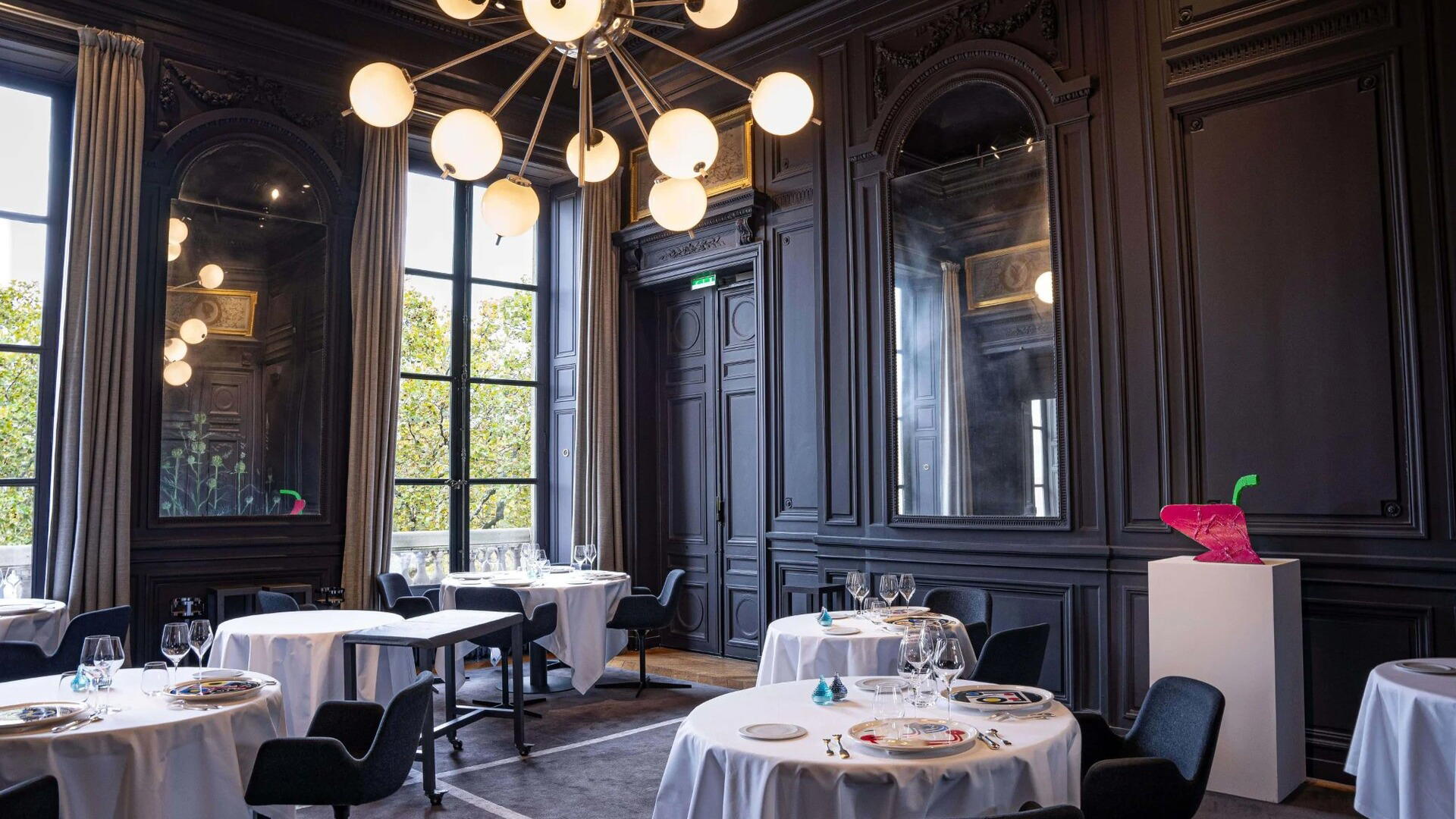
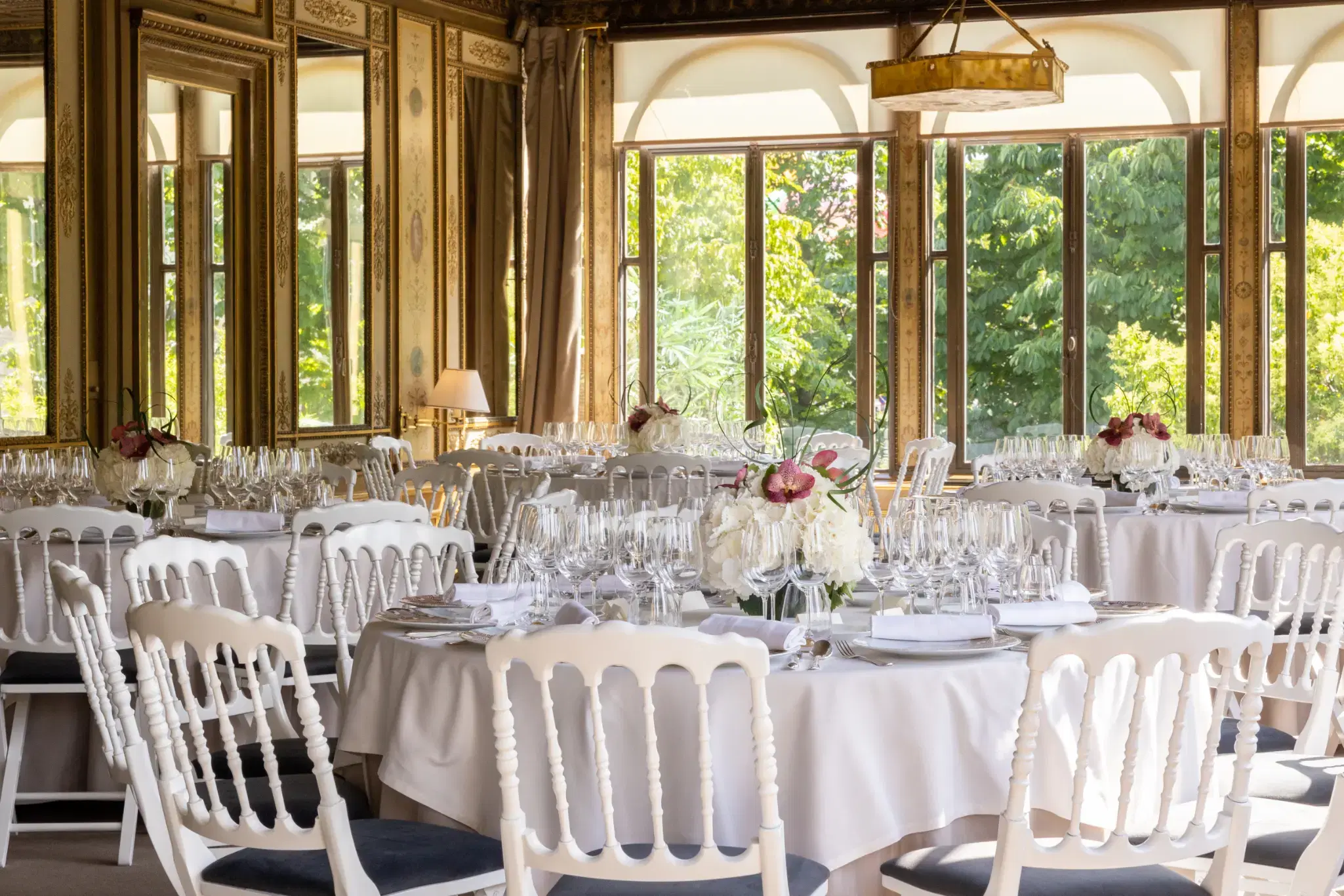
Bars in Paris
Browse all →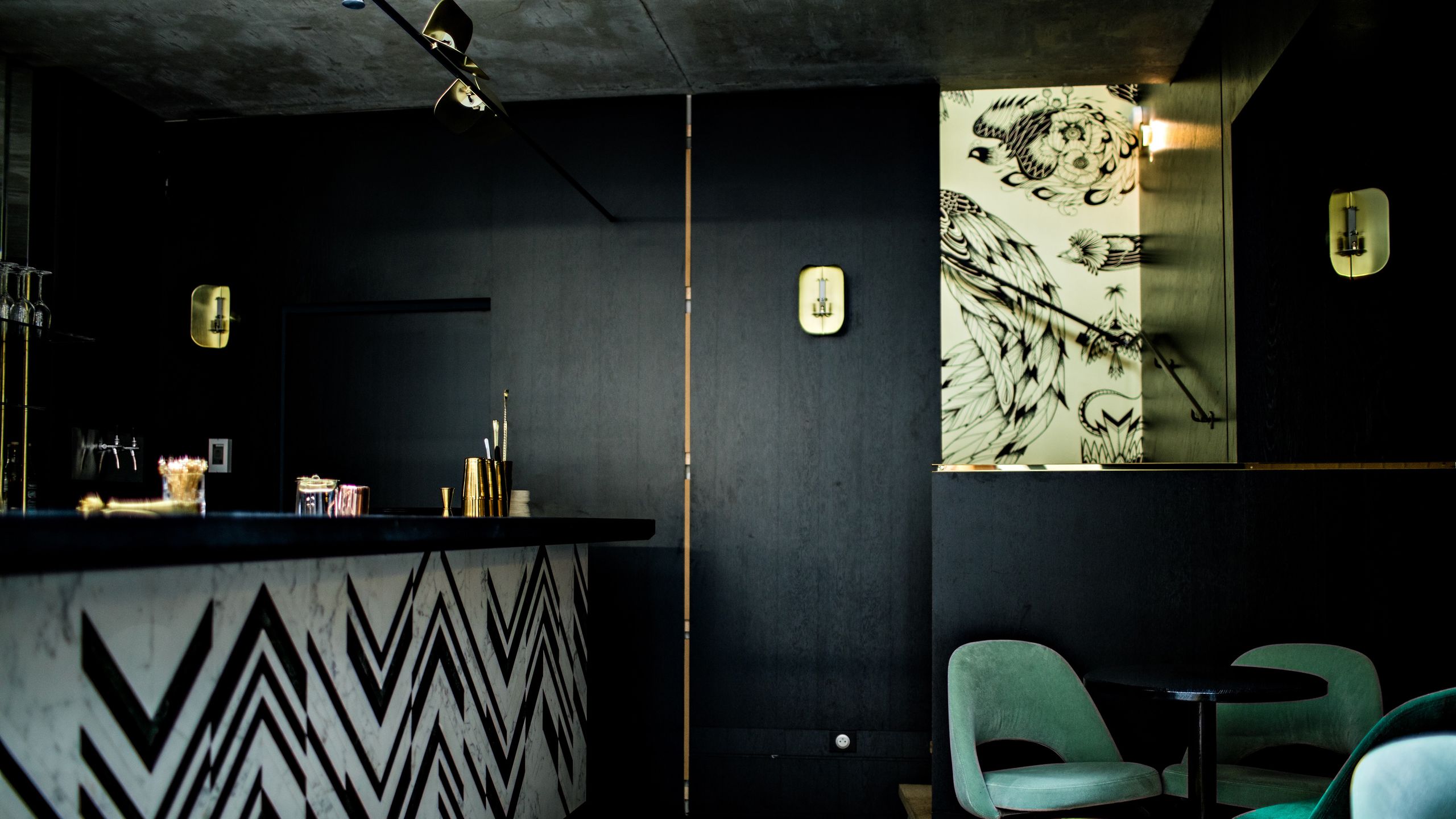
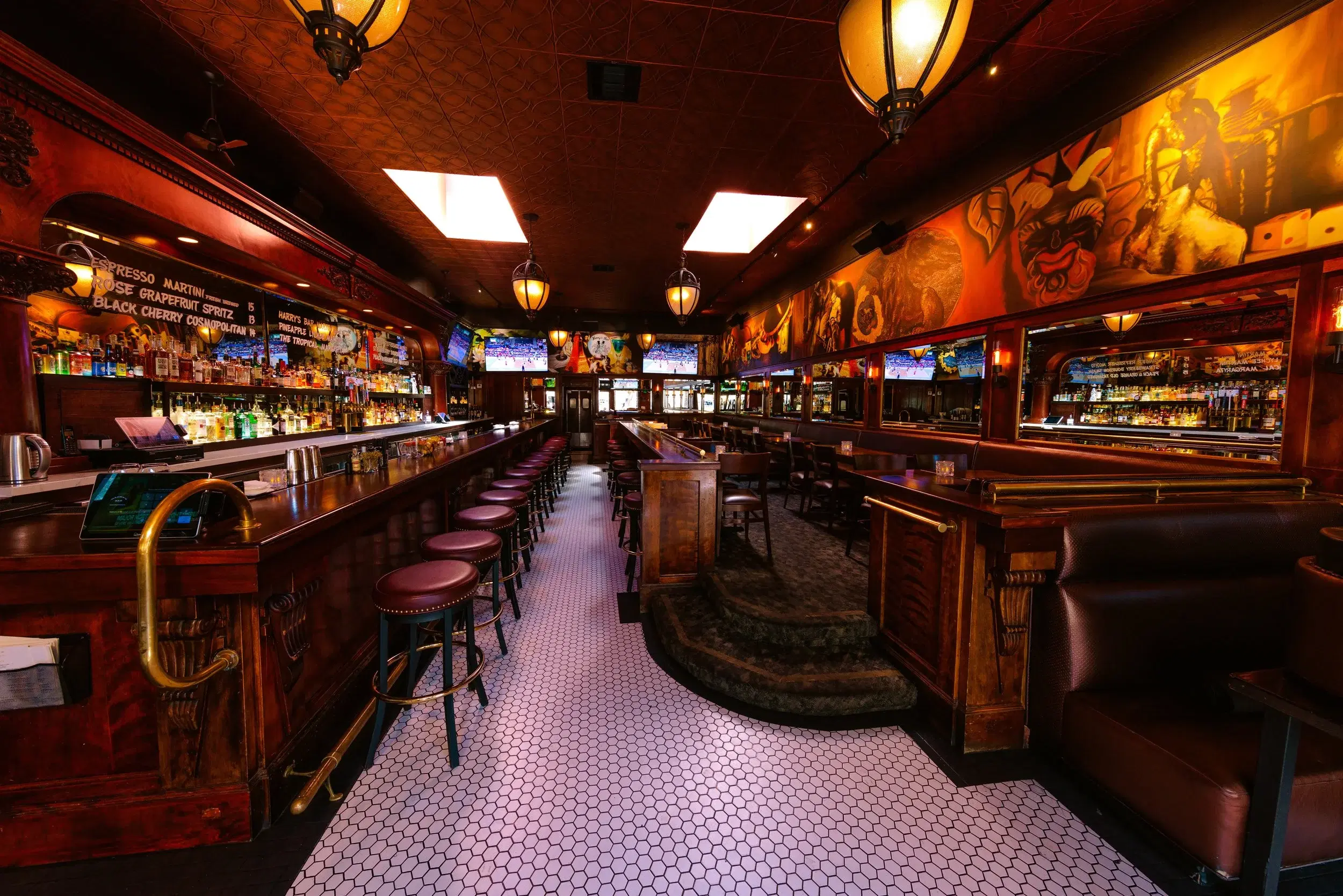
Hotels in Paris
Browse all →



At a Glance
- Cozy
- Elegant
- Rustic
- Intimate
- Classic
- Date Night
- Special Occasion
- Historic Building
- Local Sourcing
Current opening hours
- Monday
- 12:30–3 PM, 7:30–10:30 PM
- Tuesday
- 12:30–3 PM, 7:30–10:30 PM
- Wednesday
- 12:30–3 PM, 7:30–10:30 PM
- Thursday
- 12:30–3 PM, 7:30–10:30 PM
- Friday
- 12:30–3 PM, 7:30–10:30 PM
- Saturday
- 12:30–3:30 PM, 7–11 PM
- Sunday
- 12:30–3:30 PM, 7–10 PM
Hours can change for holidays and private events. Last verified .
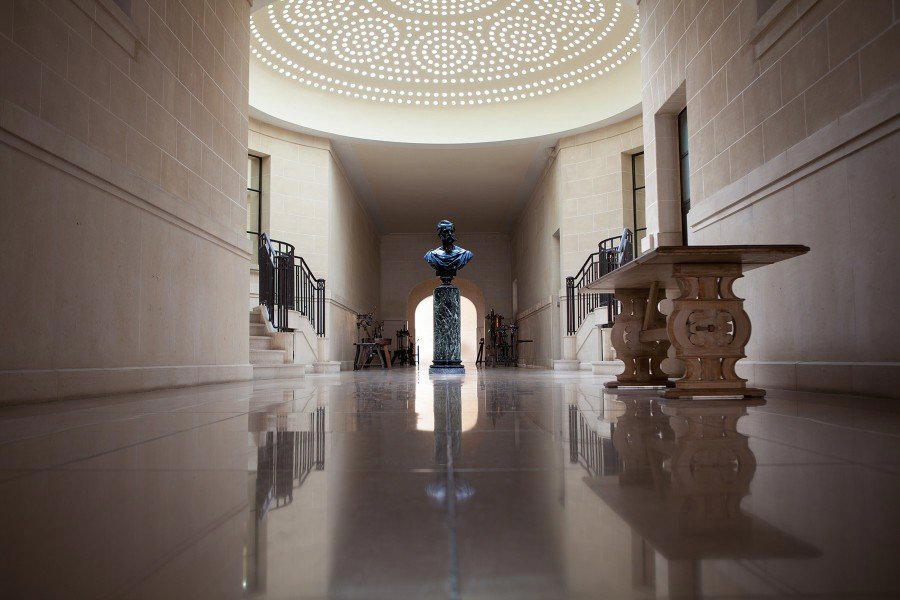
Warm, elegant rustic atmosphere with classical music in a historic setting.