Our verdict
On Boulevard Arago in Paris's 13th arrondissement, L'Auberge du Roi Gradlon occupies a corner of the city where local regulars consistently outweigh first-time visitors. The address sits within a neighbourhood more associated with everyday Parisian life than destination dining, which shapes both the atmosphere and the expectations of those who return. Confirming details directly with the venue is advisable before visiting.

Pearl is the En Primeur Club membership app, where members save venues, book tables and use the concierge.

The menu
What to order
- Kig ha farz
- Kouign-amann
- Fondant au chocolat
The 13th's Quiet Loyal Following
Paris dining splits along a familiar axis: the trophy restaurants of the 8th and 1st arrondissements, where reservation systems open months in advance and the clientele is as international as the wine lists, and then everything else. That everything else contains some of the city's most consistent tables, frequented not by visitors working through a checklist but by the same faces, week after week, who have long since stopped needing a reason to return. Boulevard Arago, running through the 13th arrondissement near the Glacière metro stop, belongs to that second Paris. It is a working residential street, flanked by the Santé prison wall on one side and modest apartment blocks on the other, not an address that draws crowds by reputation alone. Tables along this stretch are earned through proximity and repetition, not hype.
L'Auberge du Roi Gradlon occupies a position at 36 Boulevard Arago that is consistent with this neighbourhood logic. The name carries an auberge register, a word that in French implies a certain warmth and informality distinct from the colder formality of a grande salle, and that register appears to be the point. Regulars in this part of the city are not looking for the studied theatrics of a tasting menu counter. They are looking for a room that already knows them.
What Keeps Regulars Returning
The most reliable signal of a restaurant's actual quality is not its awards count but the composition of its dining room on a Tuesday evening. When a table in a non-tourist neighbourhood fills with the same local clientele across years, the case for the kitchen rests on repeat satisfaction rather than a single occasion novelty. The auberge format across French dining history has always operated this way: the inn model assumes return guests, and menus and service styles develop accordingly. The difference between an auberge designed for passing travellers and one embedded in a city neighbourhood is that the latter cannot rely on the new-guest effect. Every service is, in some sense, an ongoing audition.
This context matters when placing L'Auberge du Roi Gradlon against the wider Paris restaurant conversation. An address on Boulevard Arago competes on different terms. The question is not whether it belongs in the conversation about Le Cinq, but whether it delivers the kind of reliable, unhurried meal that a neighbourhood regular expects on a Wednesday, and whether it does so consistently enough to keep that regular from cooking at home instead.
The Auberge Tradition in a French Context
The auberge as a dining format has a longer French lineage than almost any other restaurant category. It predates the grand restaurant tradition that emerged from post-Revolutionary Paris, and it survived the rise of Michelin-starred temples precisely because it serves a different function. Where the gastronomic table demands a certain performance from its guests as much as from its kitchen, the auberge asks for less. The food tends toward the direct and the seasonal, the wine list toward the regional and the well-priced, and the pacing toward the unhurried rather than the orchestrated.
France's most celebrated auberge-format restaurants demonstrate how far the category can stretch at its upper end. Auberge de l'Ill in Illhaeusern has held three Michelin stars across multiple generations of the Haeberlin family, while Auberge du Vieux Puits in Fontjoncouse represents the format at its most rurally rooted. At the other end of that spectrum sit the hundreds of neighbourhood auberges across French cities that operate without awards and without press attention, sustained entirely by local demand. L'Auberge du Roi Gradlon sits within this broader tradition, at an address that positions it firmly in the neighbourhood-sustained category rather than the destination tier.
The comparison illuminates something useful about how French dining actually functions beyond the headline addresses. Restaurants like Bras in Laguiole, Flocons de Sel in Megève, or Troisgros in Ouches attract pilgrims willing to travel hours. The 13th arrondissement table draws from a radius measured in walking minutes. Both models are legitimate; they answer different questions.
Planning a Visit
The 13th arrondissement is not a neighbourhood that rewards vague intentions. It sits south of the Latin Quarter and east of Montparnasse, accessible from Glacière or Place d'Italie on the Metro. The area has its own residential rhythm, and the streets around Boulevard Arago feel markedly quieter than the tourist corridors of central Paris, particularly in the evenings. That quietness is, for regular visitors, one of the appeals.
Walk-in availability, current opening days, and any dietary accommodation policies are leading verified in advance rather than assumed. For a fuller picture of where this address sits within the broader Paris dining context, the EP Club Paris restaurants guide covers the city across price tiers and neighbourhood clusters.
Visitors who want to set this address within the wider arc of French fine dining might also consider what the provincial houses offer: Paul Bocuse in Collonges-au-Mont-d'Or, Assiette Champenoise in Reims, AM par Alexandre Mazzia in Marseille, and Au Crocodile in Strasbourg each represent a regional tradition with its own logic. For context on what ambitious French-inflected cooking looks like when exported, Le Bernardin in New York and Mirazur in Menton anchor opposite ends of that conversation. And for a sense of how contemporary tasting-menu formats in New York compare to their Paris equivalents, Atomix offers a useful point of contrast.
Quick reference: 36 Boulevard Arago, 75013 Paris. Nearest metro: Glacière (line 6) or Place d'Italie (lines 5, 6, 7). Confirm hours, booking method, and current menu directly with the venue before visiting.
Frequently asked questions
Where exactly is L'Auberge du Roi Gradlon?
L'Auberge du Roi Gradlon is located at î36 Bd Arago, 75013 Paris, France, Paris.
Does L'Auberge du Roi Gradlon have a connection to Brittany and Breton cuisine?
The name references Roi Gradlon, a central figure in Breton legend associated with the mythical sunken city of Ys, a cultural marker specific enough to suggest a deliberate Breton identity rather than generic French regional positioning. Breton cuisine in Paris typically centres on buckwheat crêpes, Atlantic seafood, and the salted butter tradition that separates it from other regional French tables. At 36 Boulevard Arago in the 13th, that framing places the restaurant in a small category of Paris addresses carrying an explicit Brittany connection.
Can I walk in to L'Auberge du Roi Gradlon?
Neighbourhood restaurants along Boulevard Arago in the 13th tend to run at high occupancy mid-week, where regulars hold tables without reservations being posted online. Calling ahead or arriving early in service is the lower-risk approach until a direct contact number is confirmed.
What's L'Auberge du Roi Gradlon best at?
The auberge as a French dining category has always prioritised consistency over spectacle, the same kitchen, the same sourcing relationships, the same faces in the dining room across years. At Boulevard Arago in the 13th, that format plays against a neighbourhood that self-selects for repeat visitors rather than first-night tourists. The Breton reference in the name adds a regional anchor that most Paris bistros lack.
Do they accommodate allergies at L'Auberge du Roi Gradlon?
Across Paris, the practical standard is to communicate allergy requirements at the time of booking or directly to the server before ordering, kitchens in auberge-format restaurants often have smaller brigades where mid-service adjustments carry real cost. Raise requirements early and in writing where possible.
Is a meal at L'Auberge du Roi Gradlon worth the investment?
No price range is confirmed for this address, which makes a direct value calculation impossible. What the Boulevard Arago location in the 13th arrondissement does indicate is a rent structure well below the 6th or 8th, and restaurants in this corridor historically price closer to neighbourhood reality than to tourist expectation. The auberge format itself is historically a value-forward proposition within French dining.
Cuisine and Awards Snapshot
Comparable venues nearby, for context on price, style, and recognition.
| Venue | Cuisine | Price | Notes |
|---|---|---|---|
| L'Auberge du Roi GradlonThis venue (the venue you are viewing) | Breton French Bistro | $30–50 | Not listed |
| La Rotonde | Classic French Brasserie | $50–100 | Montparnasse |
| Le Café Marly | Modern French Brasserie | $50–100 | Louvre/Palais-Royal |
| Bistrot Des Tournelles | Classic French Bistro | $50–100 | Le Marais |
| Les Antiquaires | Classic French Bistro | $30–50 | 7e Arr. - Palais-Bourbon |
| Le Minet Galant | Traditional French Bistro | $50–100 | Opéra |
Continue exploring
More in Paris
Restaurants in Paris
All restaurants in Paris →
Bars in Paris
All bars in Paris →
Details
- Cozy
- Classic
- Intimate
- Date Night
- Special Occasion
- Historic Building
- Extensive Wine List
- Local Sourcing
- A La Carte
- Vegetarian Friendly
Current opening hours
- Monday
- Closed
- Tuesday
- 12–2 PM, 7–11 PM
- Wednesday
- 12–2 PM, 7–11 PM
- Thursday
- 12–2 PM, 7–11 PM
- Friday
- 12–2 PM, 7–11 PM
- Saturday
- 12–2 PM, 7–11 PM
- Sunday
- Closed
Hours can change for holidays and private events. Hours as of .
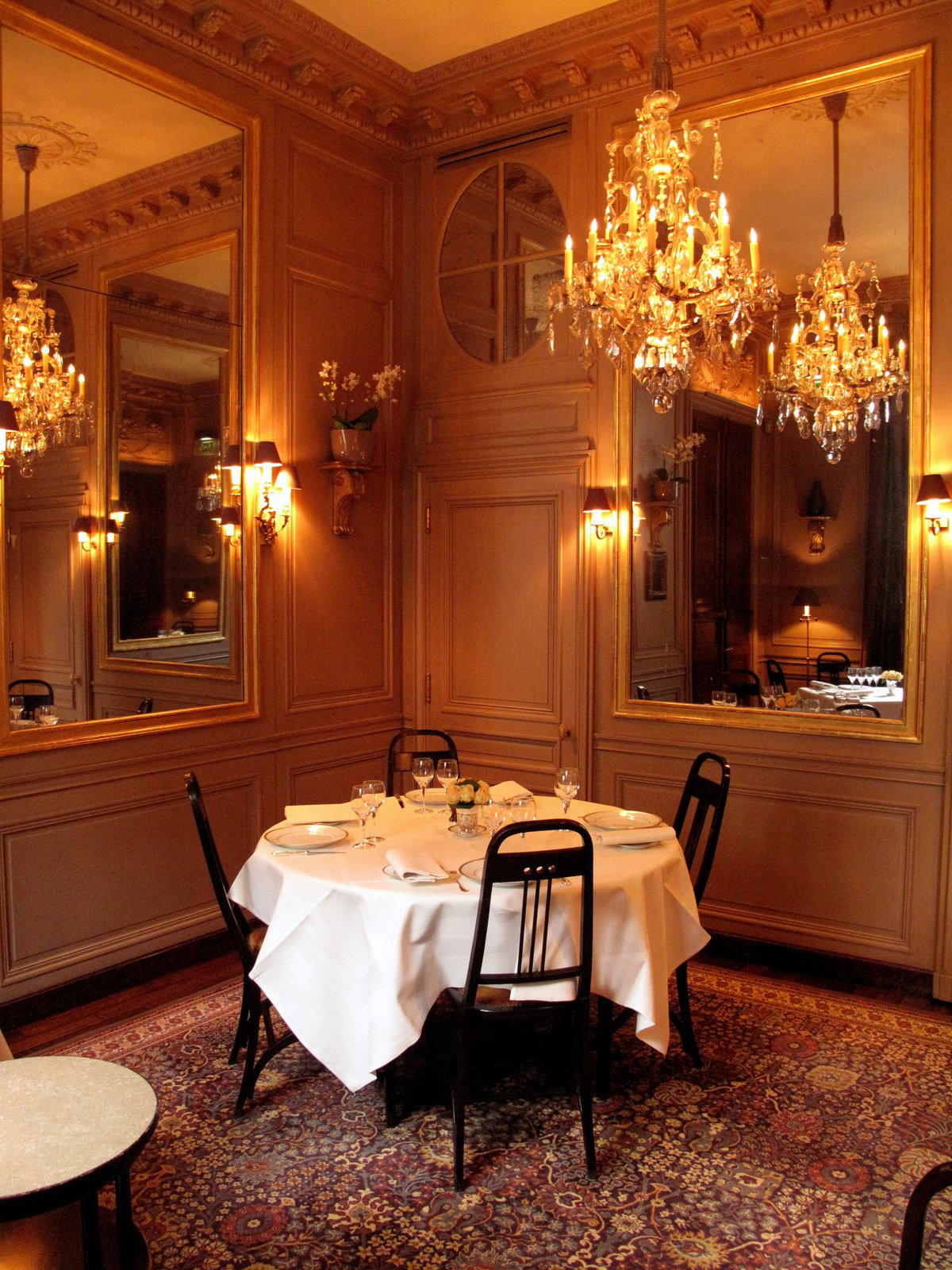
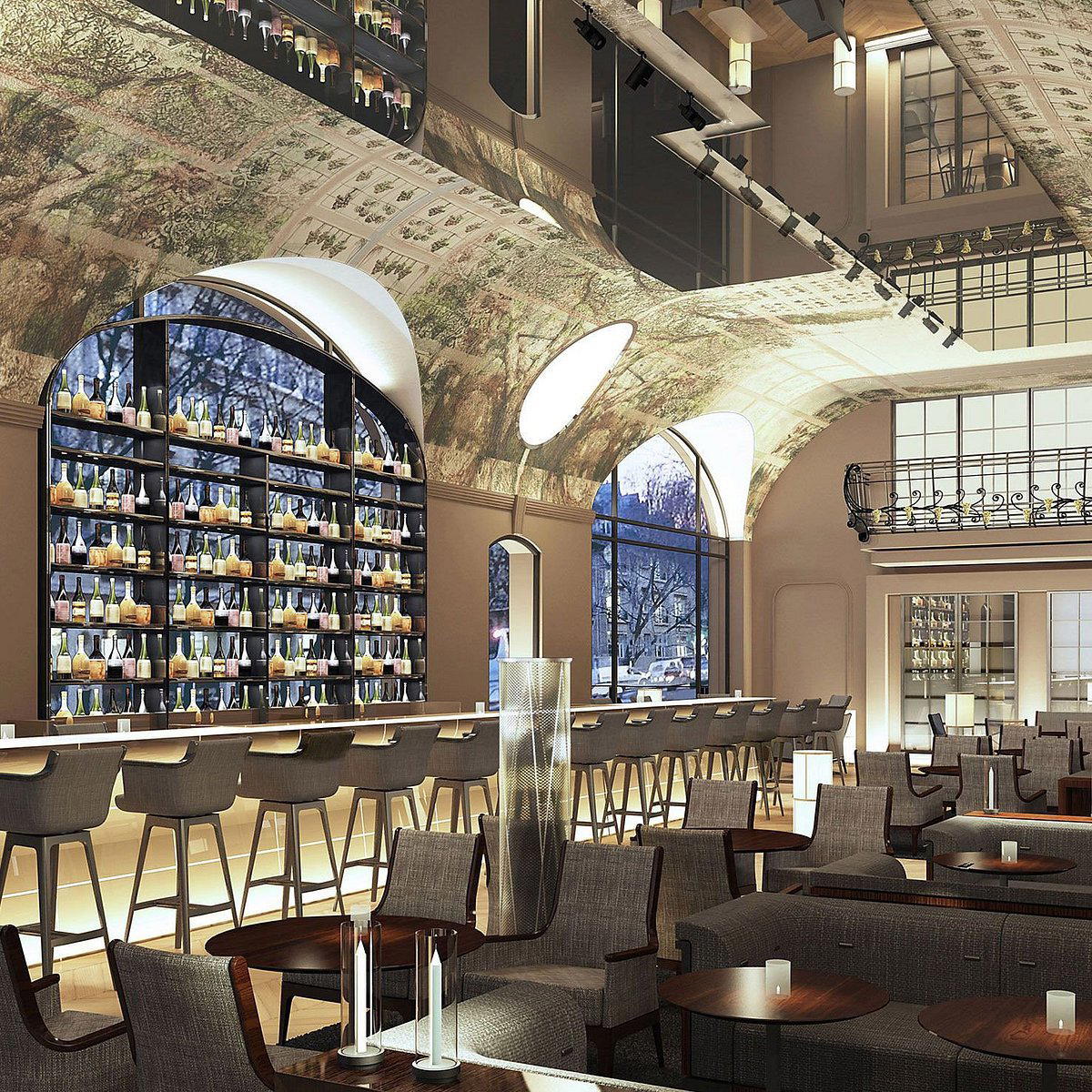
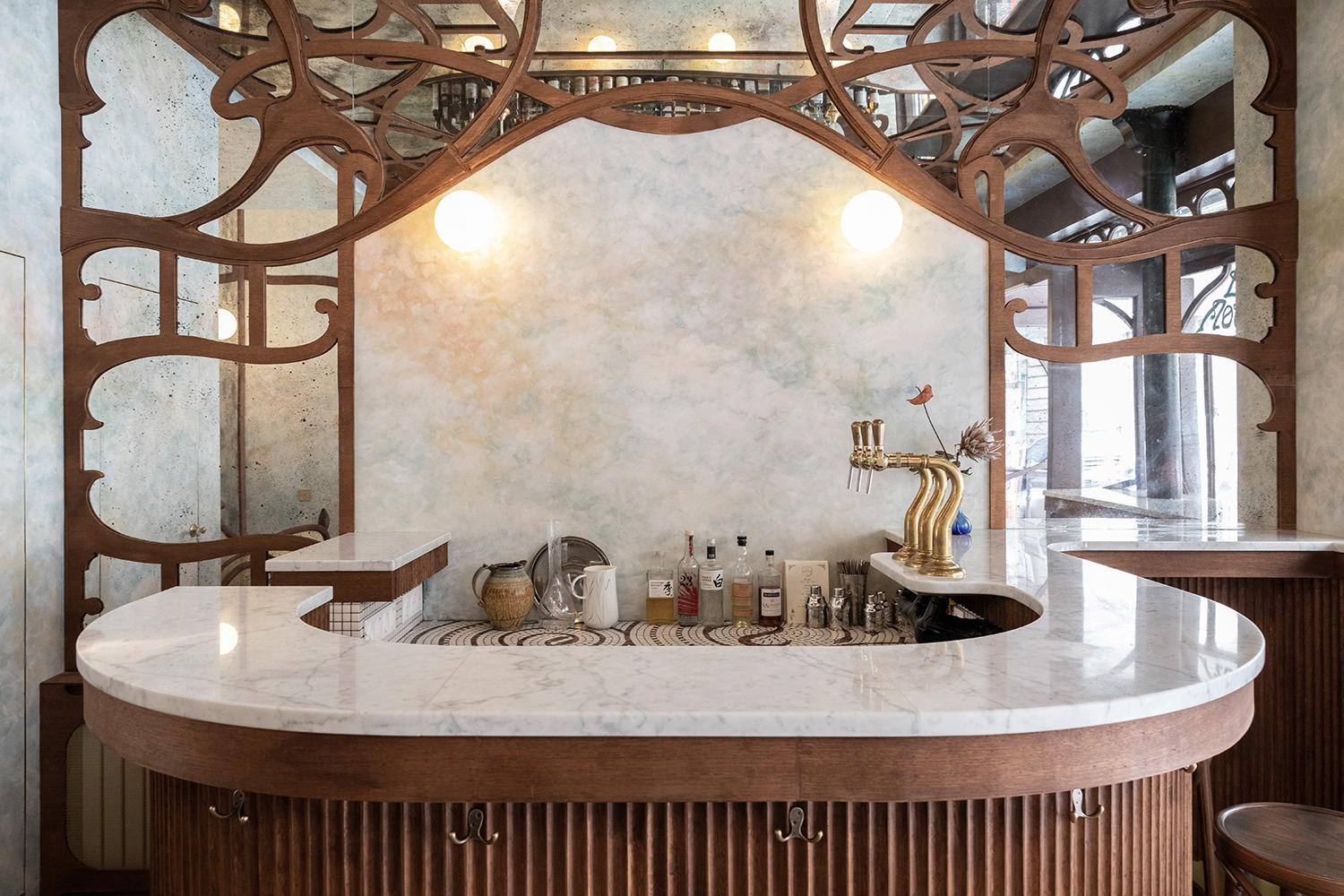
Cozy and warm with dark wood interiors evoking sea spray, in an elegant vaulted cellar.