
Brasserie Lafayette occupies a quiet corner of Chamartín, Madrid's northern residential district, where the French brasserie format has taken root in a city more associated with tapas bars and high-concept tasting menus. For diners seeking a European dining register that sits apart from Madrid's dominant Michelin circuit, it offers an alternative point of entry into the city's broader dining conversation.
Pearl is the En Primeur Club membership app — saves, bookings, and concierge access live there. Same editors, same standards.
- Address
- C. de Recaredo, 2, Chamartín, 28002 Madrid, Spain
- Phone
- +34912606912
- Website
- brasserielafayette.es
- Directions
- Get directions
 Saves & bookings on Pearl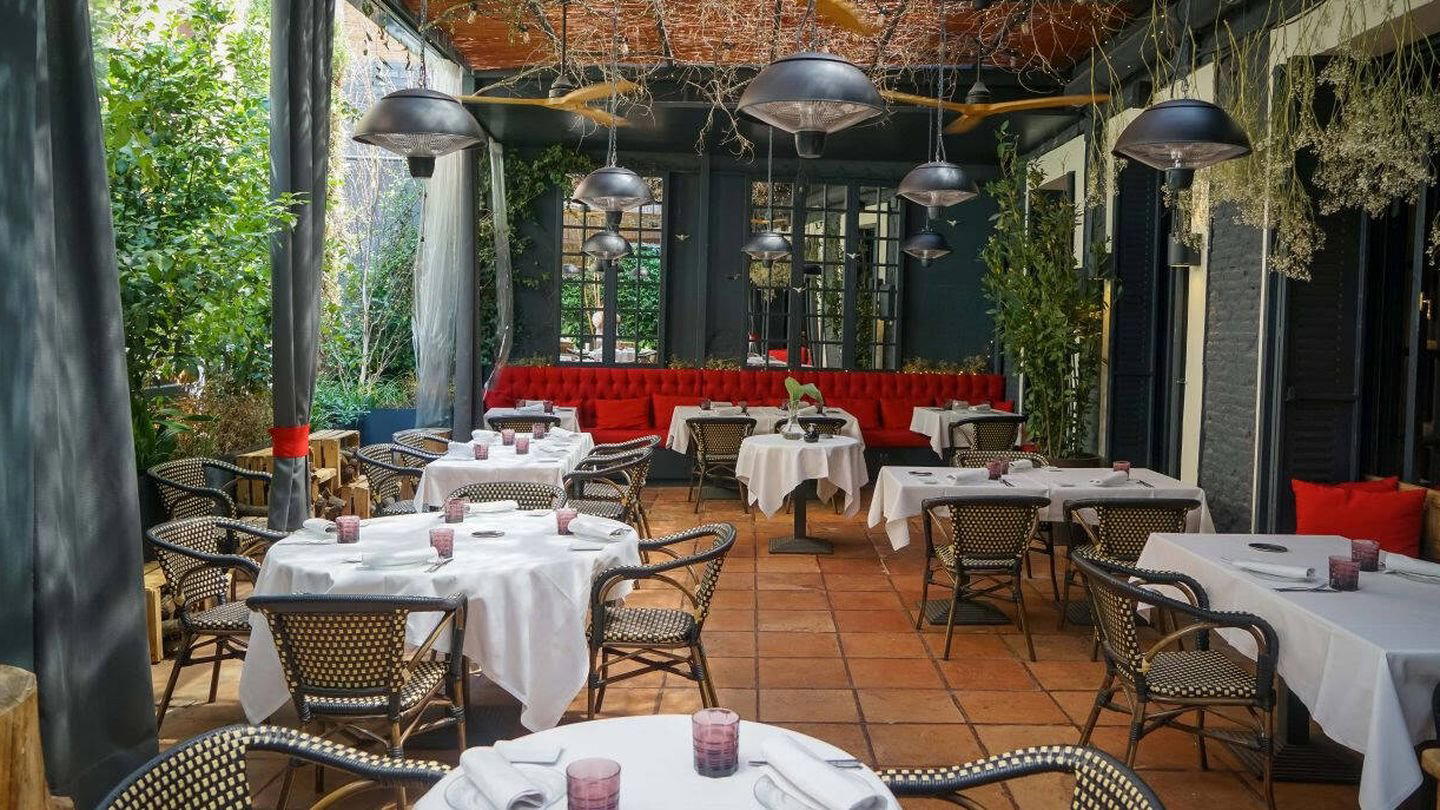
French Format in a Spanish City: Where Chamartín Fits the Brasserie Tradition
Madrid's dining identity is built, in large part, on extremes. At one end sits the city's cluster of multi-Michelin creative restaurants: DiverXO, Coque, Deessa, DSTAgE, and Paco Roncero, all operating in the €€€€ bracket with tasting menus that run two-plus hours. At the other end sits the city's deeply embedded tapas and raciones culture, neighbourhood bars that have not changed format in decades. The French brasserie occupies a middle register that Madrid has not fully absorbed into its DNA, which makes addresses like Brasserie Lafayette on Calle de Recaredo, in the Chamartín district, worth understanding on their own terms.
Chamartín itself is instructive context. The district sits north of the city centre, primarily residential, with a concentration of embassies, corporate headquarters, and long-established professional families. It does not generate the tourist footfall of Malasaña or the dining-scene heat of Chueca. What it produces instead is a local clientele that eats out regularly and values consistency over spectacle. That is the native habitat of the classic European brasserie format: reliable technique, a certain formality without stiffness, and a kitchen that does not chase trends.
The Brasserie Register and What It Asks of a Kitchen
The brasserie as a format carries specific expectations. Unlike the bistro, which implies informality and chalkboard menus, the brasserie tradition demands a kitchen capable of running a broader repertoire at volume: proteins handled correctly across multiple preparations, sauces built from proper stocks, and a dining room that can hold a table for two and a party of ten simultaneously without either feeling neglected. Paris institutionalised this format over roughly a century; cities like Brussels and Lyon absorbed it into their dining infrastructure as a middle register between street food and grand restaurant. Madrid, by contrast, developed its own middle register through the tapas bar and the traditional mesón, leaving the brasserie as an imported format that periodically arrives and asks whether the city has room for it.
That question is particularly relevant in 2024 and 2025, as European cities broadly reconsider what sustainability means for mid-scale restaurant operations. The brasserie format has a structural advantage here: its reliance on classic preparation techniques, whole-animal approaches to protein, and sauce-driven cooking aligns naturally with contemporary ethical sourcing commitments. A kitchen that builds stocks from bones, uses secondary cuts as a matter of culinary tradition rather than marketing positioning, and sources dairy and bread from established regional suppliers operates with a lower-waste footprint than a high-concept kitchen cycling through imported micro-ingredients. Spain's own supply infrastructure reinforces this: Castilian lamb, Iberian pork, and seasonal Castilian vegetables represent sourcing lines that reduce food miles without requiring a sustainability manifesto on the menu.
Spain's Fine Dining Circuit as Comparative Frame
Placing Brasserie Lafayette in Madrid's broader dining context means acknowledging how far Spain's restaurant scene extends beyond the capital. The country's most credentialled addresses span the peninsula: El Celler de Can Roca in Girona, Mugaritz in Errenteria, Arzak in San Sebastián, Martin Berasategui in Lasarte-Oria, Azurmendi in Larrabetzu, Quique Dacosta in Dénia, Aponiente in El Puerto de Santa María, Cocina Hermanos Torres in Barcelona, Ricard Camarena in València, and Atrio in Cáceres, among others. These are restaurants operating at the technical frontier, where sustainability commitments are often documented, audited, and woven into the competitive identity of the address. The brasserie format does not compete in that tier, nor should it. Its relevance is different: it serves the part of the market that wants a proper dinner without a booking made three months in advance or a fixed tasting menu that runs to fourteen courses.
Internationally, the comparison set shifts accordingly. Le Bernardin in New York City and Lazy Bear in San Francisco represent American fine dining addresses that have formalised sustainability into their sourcing and kitchen waste programmes. The French brasserie tradition, at its strongest, achieves something similar through technique rather than explicit policy: classical cookery is inherently a low-waste discipline when executed correctly.
What the Address on Calle de Recaredo Signals
The physical location on Calle de Recaredo in Chamartín places Brasserie Lafayette in a part of Madrid that rewards knowing where to look. The street sits in a neighbourhood of broad avenues and mid-century apartment blocks, removed from the restaurant density of the city centre. Addresses that survive in this context do so through repeat local custom rather than tourist discovery, which imposes a particular discipline: the kitchen cannot rely on the novelty factor that sustains many central Madrid openings through their first year. For diners arriving from outside the neighbourhood, the practical implication is that this is a destination chosen deliberately, not stumbled upon.
Chamartín addresses like this one represent the residential dining register that rarely surfaces in tourist-facing coverage.
Know Before You Go
- Address: C. de Recaredo, 2, Chamartín, 28002 Madrid, Spain
- District: Chamartín, northern residential Madrid
- Format: French brasserie register
- Booking: Reservations recommended
- Hours: Mon: 1:30–3:45 PM, 8–10:45 PM; Tue: 1:30–3:45 PM, 8–10:45 PM; Wed: 1:30–3:45 PM, 8–10:45 PM; Thu: 1:30–3:45 PM, 8–10:45 PM; Fri: 1:30–3:45 PM, 8–10:45 PM; Sat: 1:30–3:45 PM, 8–10:45 PM; Sun: 11:30 AM–3:45 PM
- Getting There: Chamartín is served by Metro lines 4 and 10 (Avenida de América and surrounding stations); the address sits in the northern residential belt above the M-30
Comparable Spots, Quickly
Comparable venues nearby, for context on price, style, and recognition.
| Venue | Cuisine | Price | Notes |
|---|---|---|---|
| Brasserie LafayetteThis venue — the venue you are viewing | Classic French Brasserie | $$$ | Not listed |
| Chez Madrid | French-Spanish Bistro | $$$ | Cortes |
| Otoro Jukusei | Modern Japanese Omakase Sushi | $$$ | Chamberí |
| Restaurante Ten Con Ten | Modern Spanish Cosmopolitan | $$$ | Recoletos |
| Soy | Asian-Spanish Fusion | $$$ | Almagro |
| ZÍNGARA MADRID | Modern Vegetarian Fusion | $$$ | Justicia |
Recognition history
Dated appearances from independent guides and award organizations, with the underlying list record or original source where available.
Macarfi 7.5 Food Rating
Macarfi
Continue exploring
More in Madrid
Restaurants in Madrid
Browse all →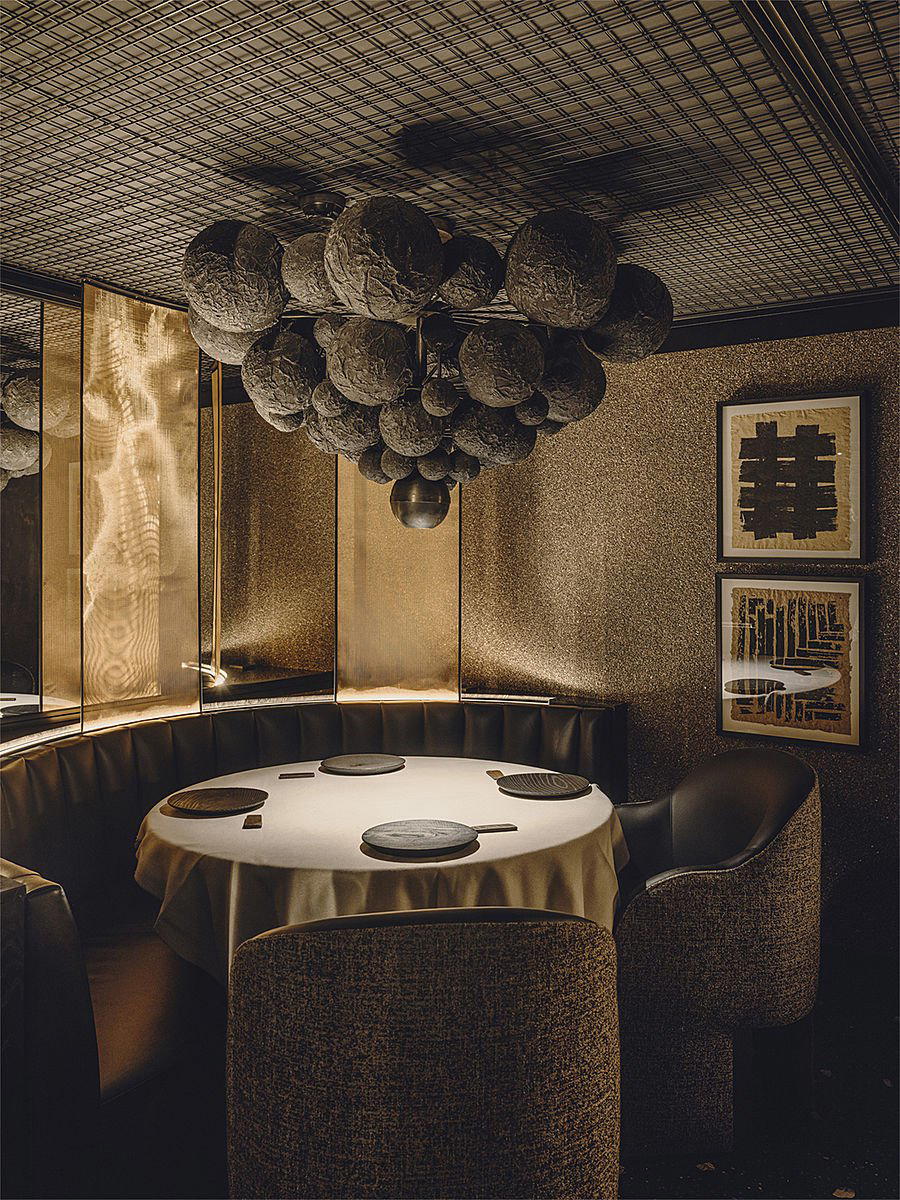


At a Glance
- Romantic
- Cozy
- Elegant
- Intimate
- Classic
- Date Night
- Special Occasion
- Terrace
- Extensive Wine List
- Garden
Current opening hours
- Monday
- 1:30–3:45 PM, 8–10:45 PM
- Tuesday
- 1:30–3:45 PM, 8–10:45 PM
- Wednesday
- 1:30–3:45 PM, 8–10:45 PM
- Thursday
- 1:30–3:45 PM, 8–10:45 PM
- Friday
- 1:30–3:45 PM, 8–10:45 PM
- Saturday
- 1:30–3:45 PM, 8–10:45 PM
- Sunday
- 11:30 AM–3:45 PM
Hours can change for holidays and private events. Last verified .
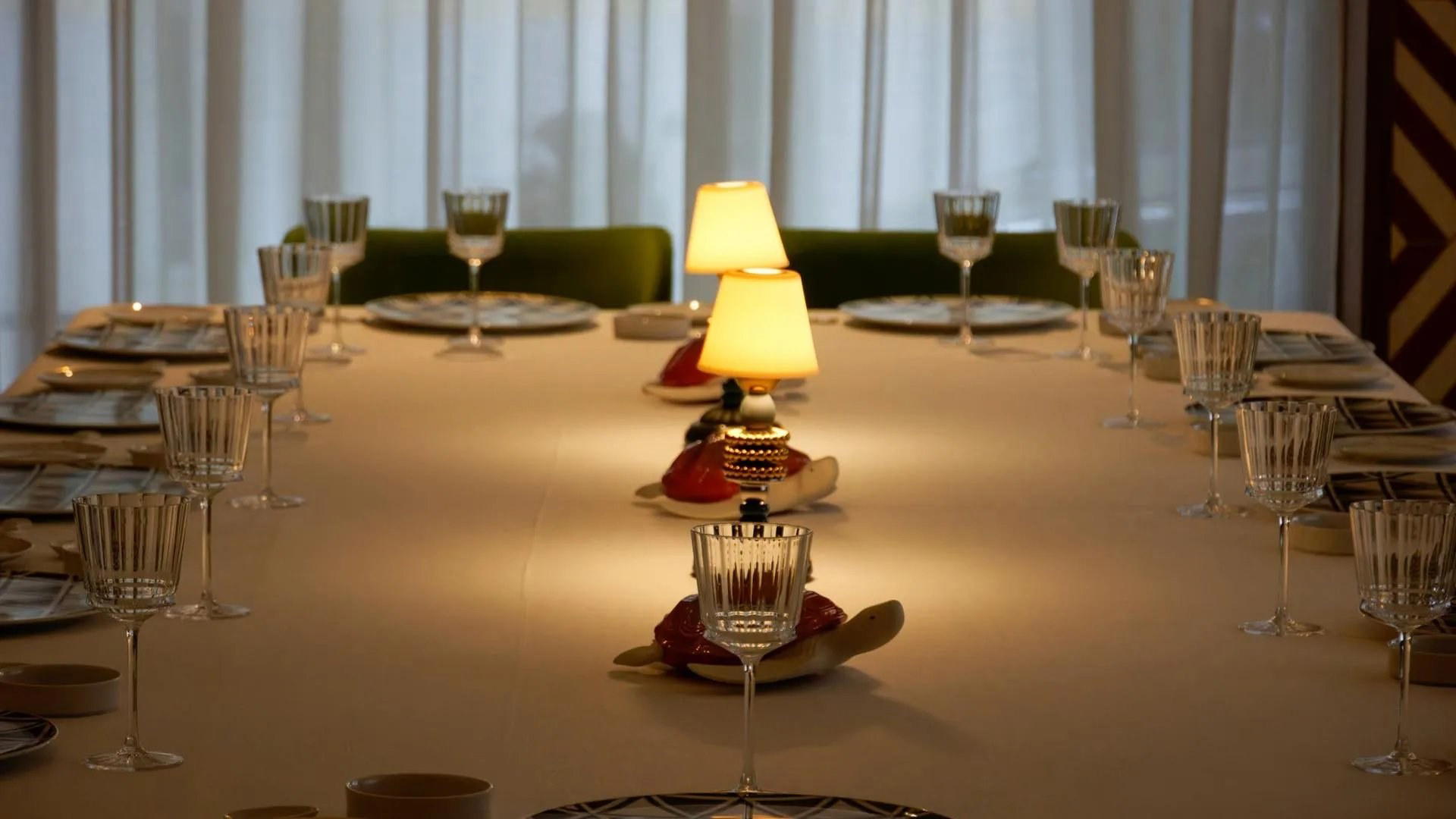
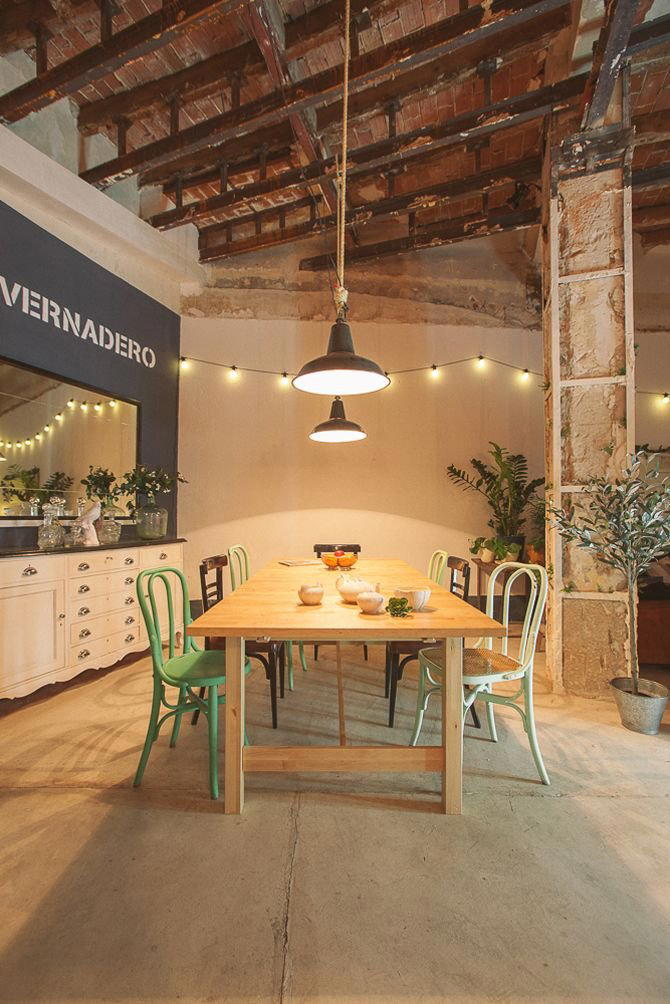
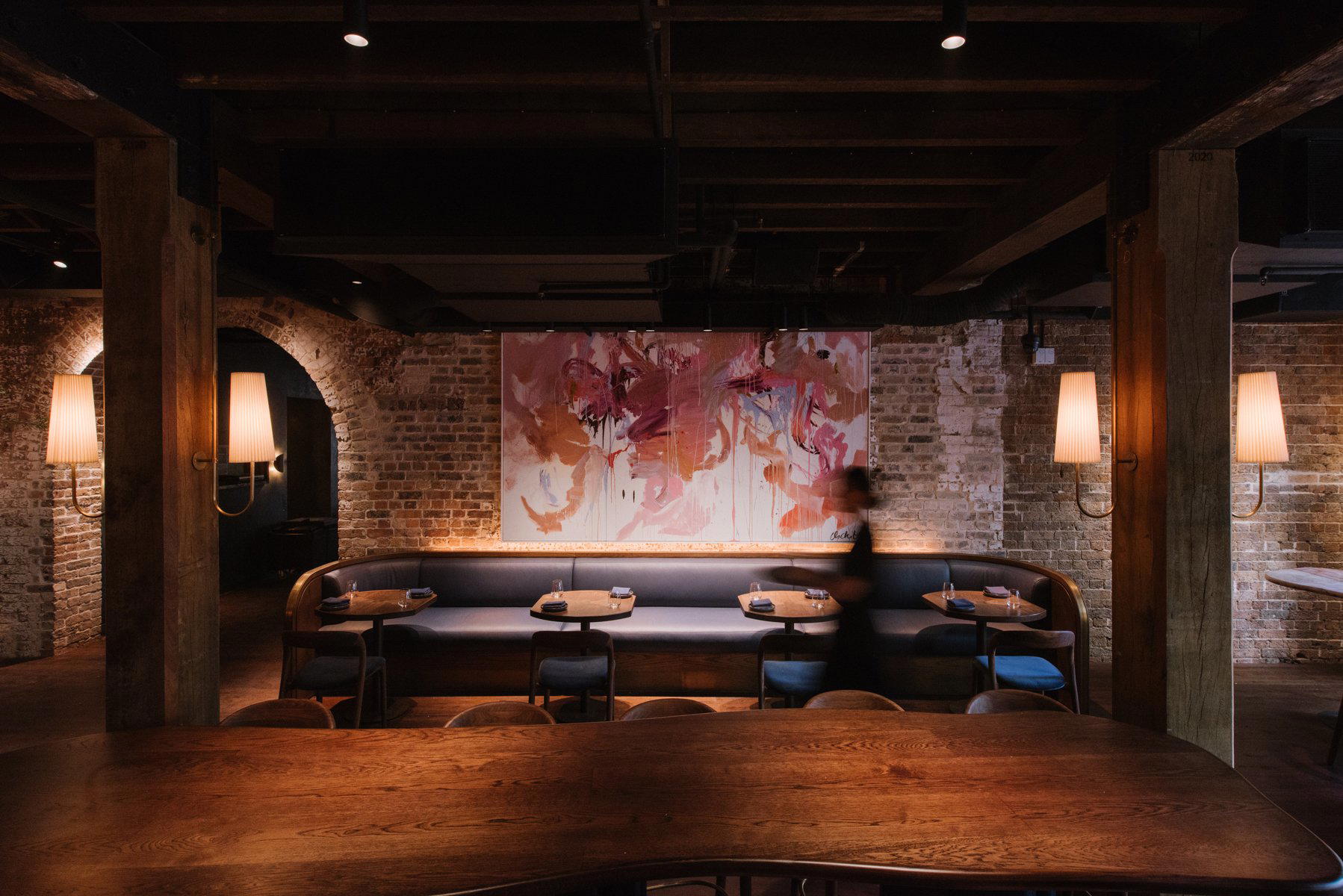
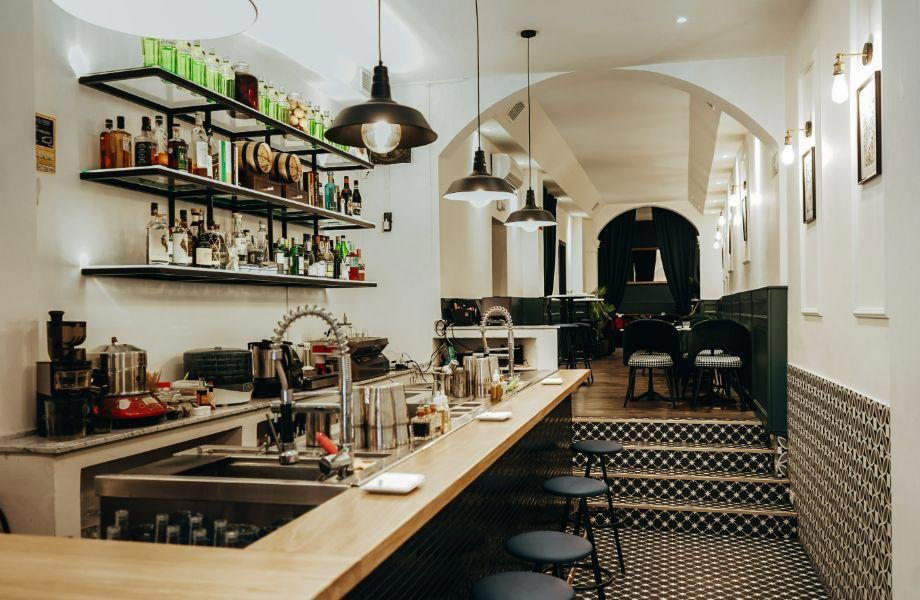
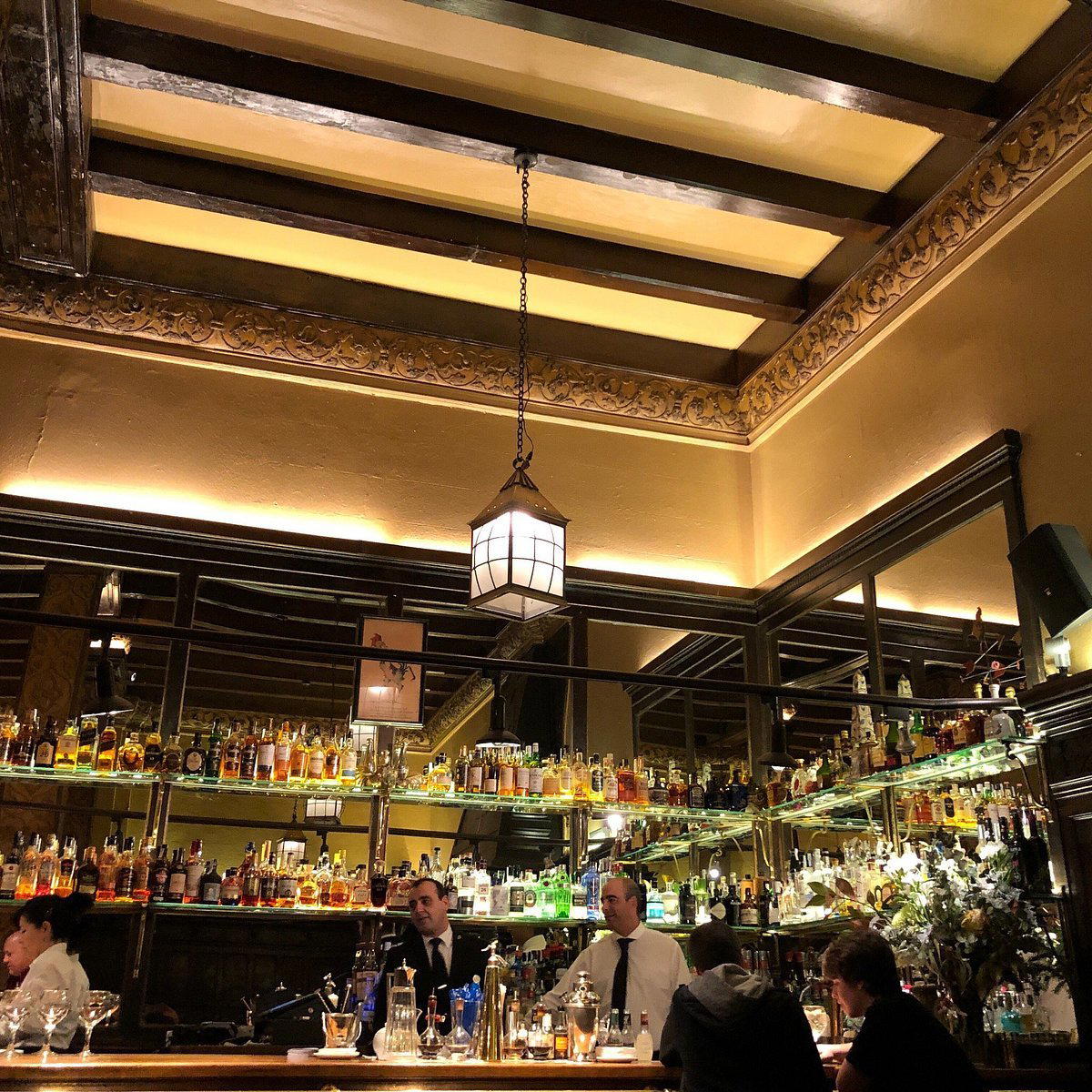
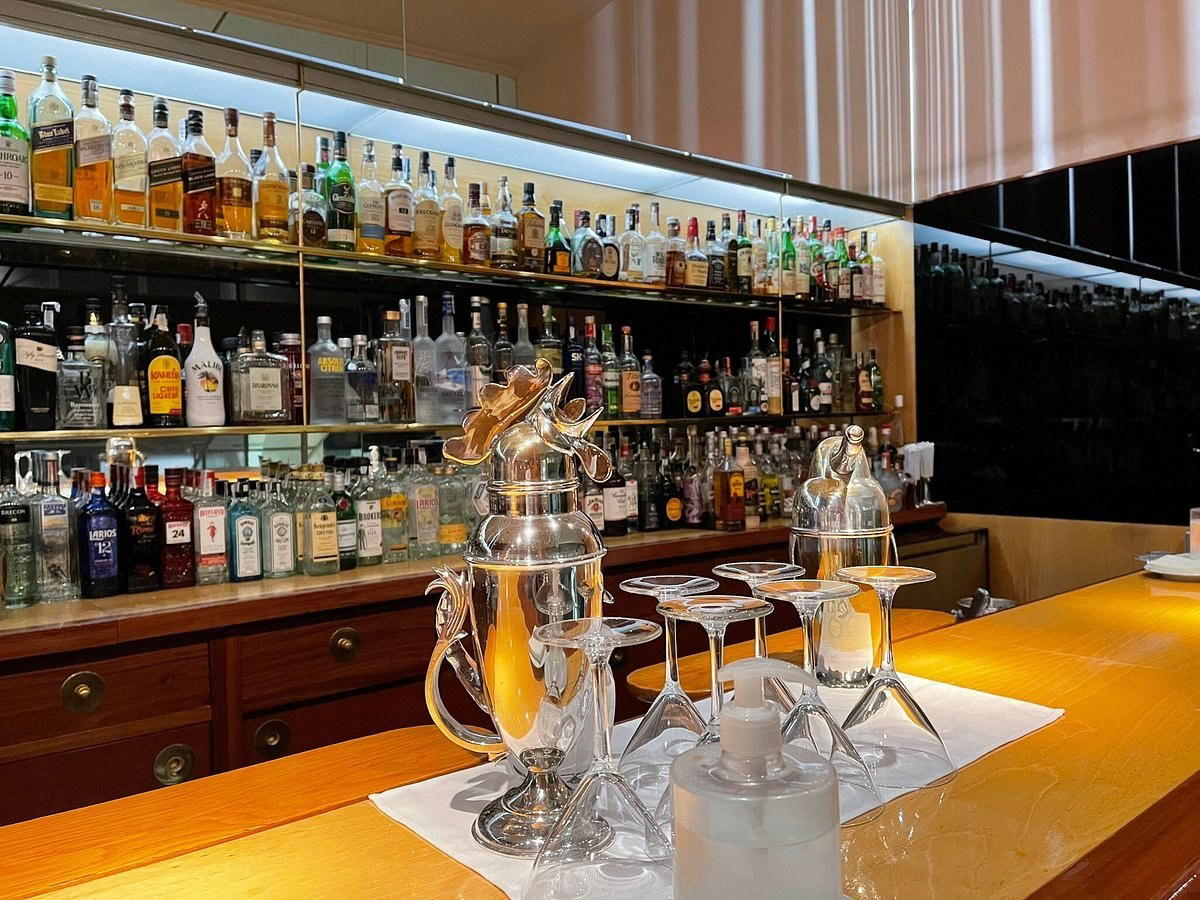
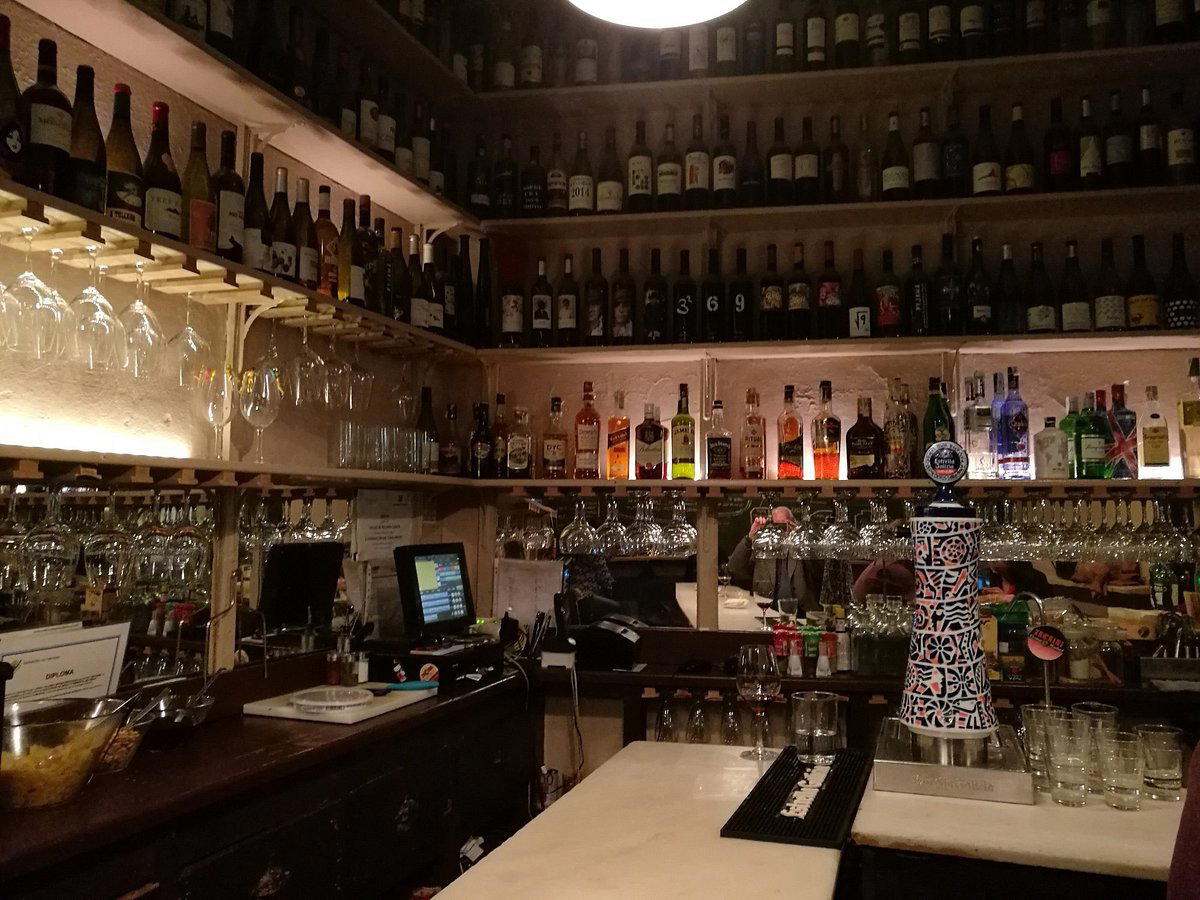
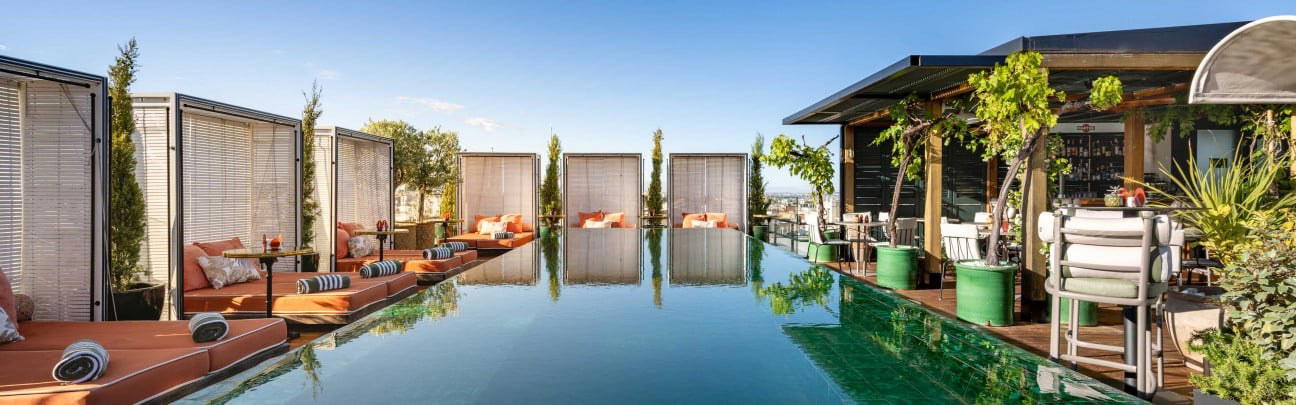
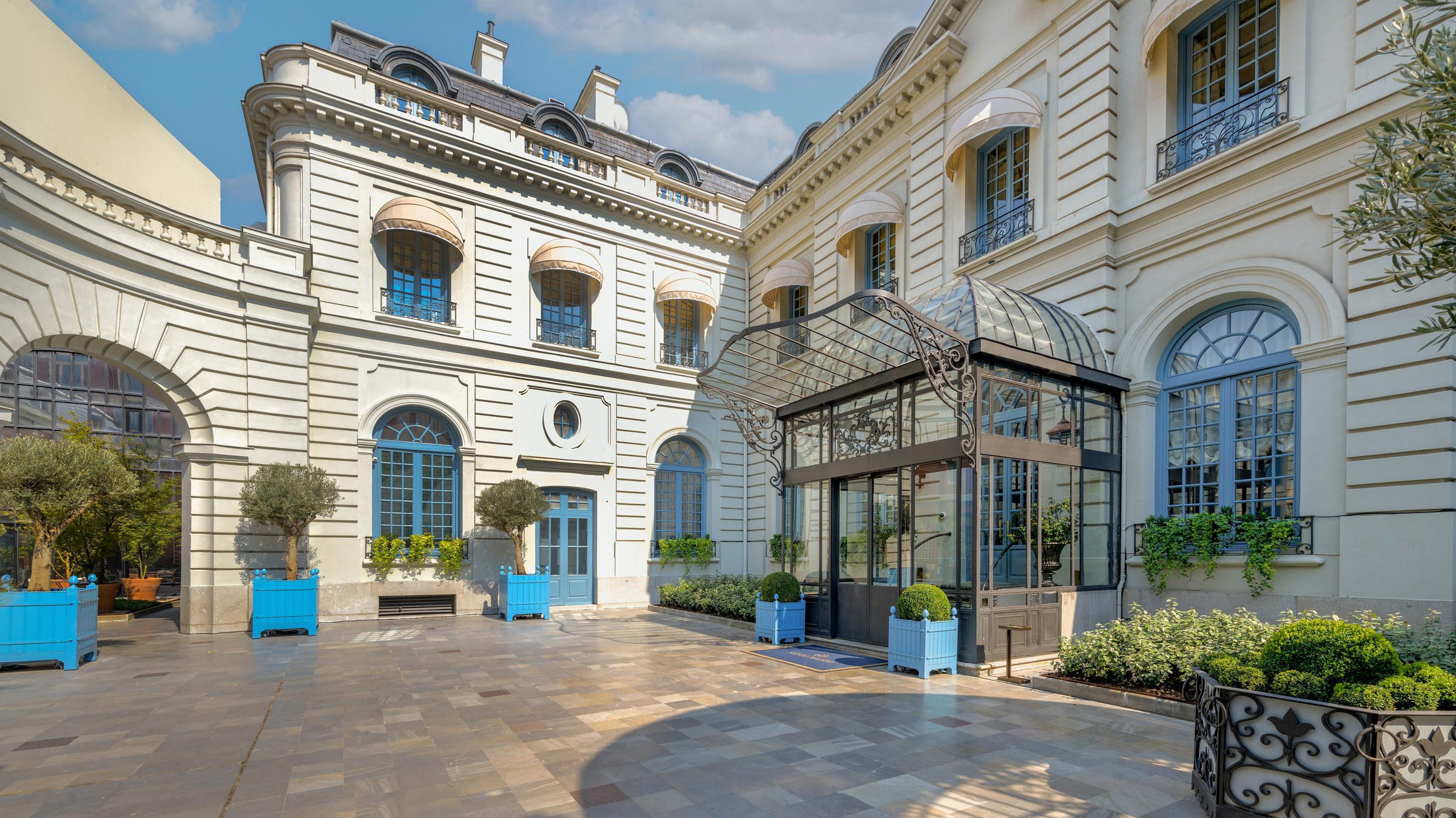
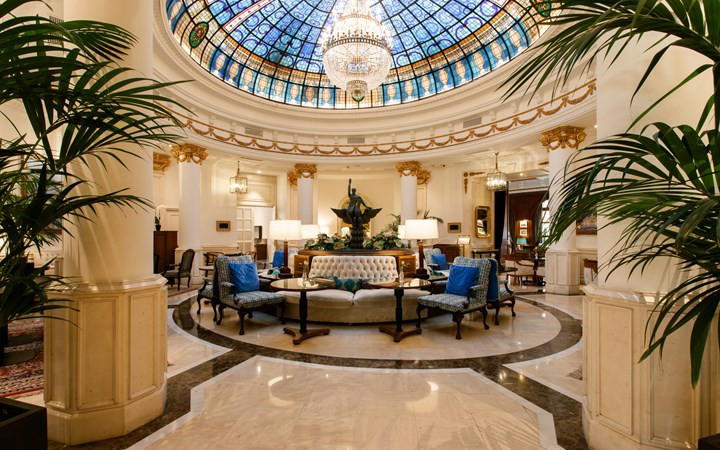
Cozy, romantic, and elegant with high ceilings, red curtains, industrial beams, warm lighting, and French jazz music creating an intimate Parisian bistro atmosphere.