
Brasserie Colette Tim Raue brings classic French brasserie cooking to Berlin's Charlottenburg district, earning consecutive Michelin Plate recognition in 2024 and 2025. Positioned at the accessible end of the city's fine-dining spectrum, it occupies a distinct space between neighbourhood bistro informality and the technical rigour the Tim Raue name signals. A reliable address for well-executed French cuisine in a city whose restaurant scene skews heavily towards modern European and creative formats.
Pearl is the En Primeur Club membership app — saves, bookings, and concierge access live there. Same editors, same standards.
- Address
- Passauer Str. 5-7, 10789 Berlin, Germany
- Phone
- +49 30 21992174
- Website
- brasseriecolette.de
- Directions
- Get directions
 Saves & bookings on Pearl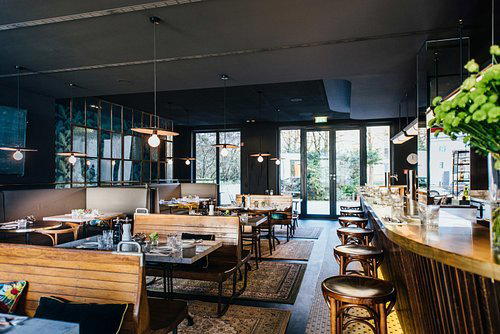
French Brasserie Tradition in a City That Rarely Stands Still
Berlin's dining culture has spent the past decade moving towards the avant-garde. The city's most-discussed restaurants, from the three-Michelin-starred Rutz to the inventive dessert-led format at CODA Dessert Dining, operate at price points and conceptual registers that require commitment from the diner. Against that backdrop, a French brasserie carrying Michelin Plate recognition two years running represents something the city's upper-middle dining tier actually needs: a room where the cooking is technically grounded, the cultural reference is clear, and the bill doesn't require advance budgeting. Brasserie Colette Tim Raue is a Modern French Brasserie in Berlin's Charlottenburg district, with Michelin Plate recognition in 2024 and 2025 and an approximate price of $100 per person. It occupies that position with reasonable confidence.
The French brasserie is one of Europe's most durable dining formats precisely because it makes almost no promises it cannot keep. It does not ask the diner to interpret the menu or understand a philosophy. It offers a canon: rich stocks, butter-finished sauces, proteins treated with patience rather than novelty, and a room designed to feel like it has been there longer than you have. That format travels well, and in cities with strong French culinary influence, including Berlin, it has historically found loyal audiences among both local professionals and visitors who arrive with a clear idea of what they want to eat.
What the Michelin Plate Signals About the Room
The Michelin Plate, awarded in 2024 and 2025, is a recognition worth reading carefully. It does not indicate star-level ambition or cutting-edge technique. What it does signal is consistent quality in cooking: food prepared with care and skill, reviewed and re-confirmed across two guide cycles. In a city where Berlin's Michelin constellation includes two-star addresses like FACIL and Horváth, the Plate places Brasserie Colette Tim Raue in the tier below star-level ambition but clearly above the neighbourhood bistro median. For a brasserie operating at the €€ price range, that consistency across guide editions is the meaningful credential.
Tim Raue brand in Berlin is more commonly associated with the restaurant that carries his name directly. Restaurant Tim Raue operates at a significantly higher price point and with a different culinary identity, rooted in Asian technique. Brasserie Colette represents the other register of that name: an accessible, French-coded dining room that brings technical discipline to a format most diners find immediately legible. The two addresses serve entirely different functions within Berlin's dining map, and conflating them misreads both.
Charlottenburg and the Case for French Cooking in West Berlin
Passauer Strasse sits in the western arc of Charlottenburg, a neighbourhood with a different energy from the Mitte-to-Kreuzberg corridor that dominates much restaurant coverage of Berlin. Charlottenburg's dining culture tends toward the established rather than the experimental. The area has long supported French-leaning tables, including addresses like Brasserie Lamazère and Diekmann, and the clientele has historically included embassy staff, long-term western Berlin residents, and visitors staying in the district's large hotel stock. That audience has a genuine appetite for the brasserie format, and Colette reads as a considered response to where demand actually sits in this part of the city.
French brasserie cooking in Germany occupies a specific cultural position. It carries connotations of a certain mid-century European cosmopolitanism, a dining register that pre-dates the Nordic influence, the New Nordic hangover, and the current obsession with fermentation and foraging. In a city where particularly celebrated restaurants actively reject classical European reference points, a room that takes those reference points seriously and executes them cleanly offers a different kind of value proposition. For diners who find Berlin's creative-cooking tier occasionally exhausting, the brasserie format is a corrective rather than a compromise.
Where Colette Sits in Berlin's Broader Fine-Dining Map
Berlin's Michelin-recognised tier is broader than most visitors expect. The city holds multiple starred addresses including Rutz at three stars, alongside two-star and one-star tables spread across neighbourhoods. The German restaurant scene more broadly hosts significant French-influenced cooking at high levels: Schwarzwaldstube in Baiersbronn and Vendôme in Bergisch Gladbach both demonstrate how deeply French classical technique has embedded itself in Germany's fine-dining tradition. Aqua in Wolfsburg and JAN in Munich similarly reflect the national breadth of that influence. Restaurant Haerlin in Hamburg occupies a comparable register in the north. Within that national context, Brasserie Colette holds its position as a Berlin-specific expression of French cooking at an accessible price point, rather than an aspirant to the starred tier.
Internationally, the French brasserie format has proven its resilience across different culinary cities. Hotel de Ville Crissier in Crissier represents the apex of Swiss-French fine dining, while L'Effervescence in Tokyo shows how French culinary logic transplants across cultures without losing its structural coherence. ES:SENZ in Grassau brings a contemporary lens to the Alpine edge of German-French cooking. These comparisons are useful because they establish the range within which French-coded restaurants operate across Europe and beyond. At the €€ tier, Brasserie Colette is not attempting to compete with that starred cohort; it is serving a different need with discipline.
Similar Picks
Comparable venues nearby, for context on price, style, and recognition.
| Venue | Cuisine | Price | Notes |
|---|---|---|---|
| Brasserie Colette Tim RaueThis venue — the venue you are viewing | Modern French Brasserie | $$$$ | Not listed |
| BRIKZ | Modern German Gourmet | $$$$ | Charlottenburg |
| Brasserie Lamazère | French Brasserie | $$$ | Charlottenburg |
| Café Frieda | Modern European Bistro with Natural Wine Focus | $$$$ | Prenzlauer Berg |
| Golden Phoenix | French-influenced Chinese Fusion | $$$ | Wilmersdorf |
| Jolie Bistrot | Modern French Bistro | $$$ | Prenzlauer Berg |
Recognition history
Dated appearances from independent guides and award organizations, with the underlying list record or original source where available.
Michelin Plate
Michelin
Michelin Plate
Michelin
Michelin Plate
Michelin
At a Glance
- Elegant
- Cozy
- Classic
- Sophisticated
- Date Night
- Business Dinner
- Special Occasion
- Hotel Restaurant
- Extensive Wine List
Current opening hours
- Monday
- 12–3 PM, 6–11 PM
- Tuesday
- 12–3 PM, 6–11 PM
- Wednesday
- 12–3 PM, 6–11 PM
- Thursday
- 12–3 PM, 6–11 PM
- Friday
- 12–3 PM, 6–11 PM
- Saturday
- 12–3 PM, 6–11 PM
- Sunday
- 12–3 PM, 6–11 PM
Hours can change for holidays and private events. Last verified .
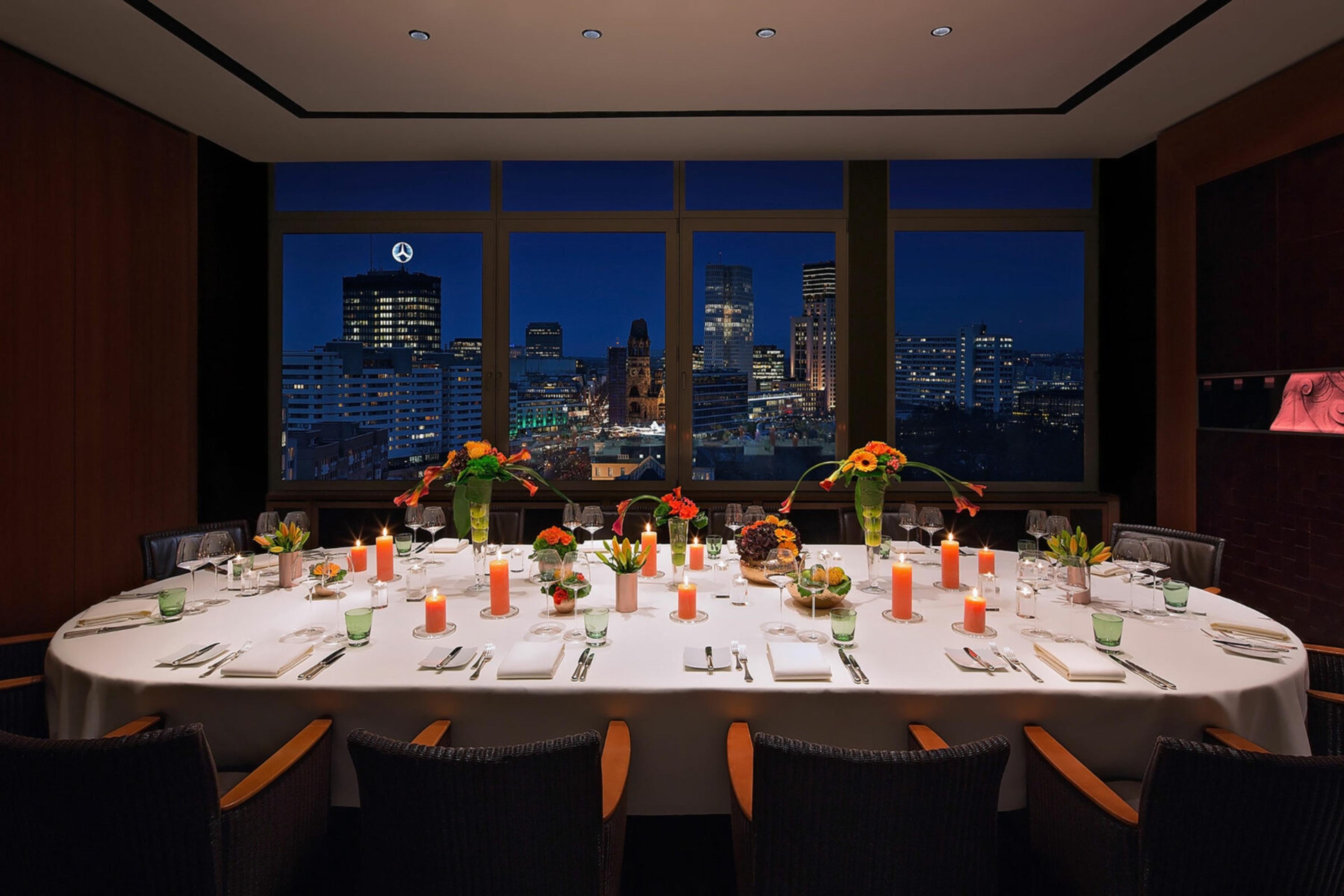
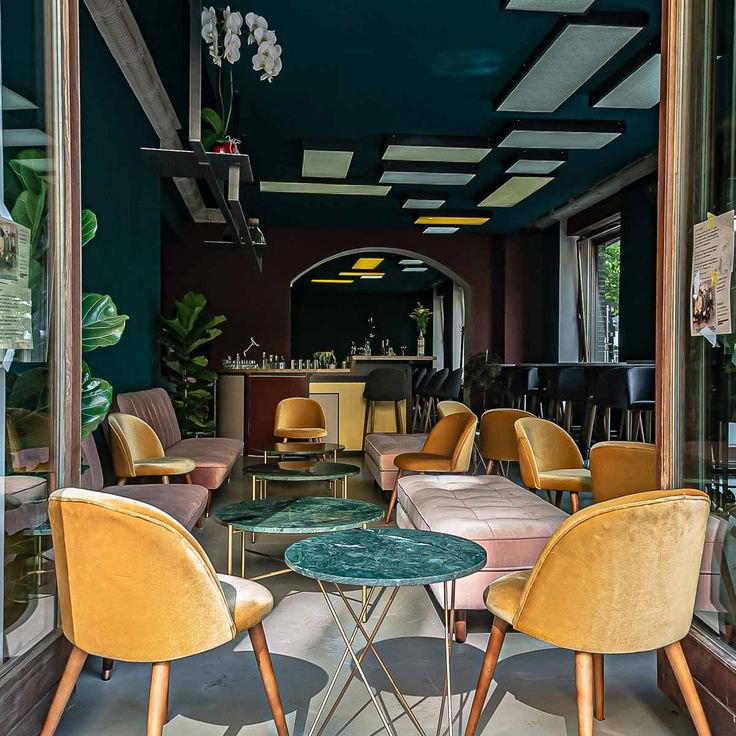
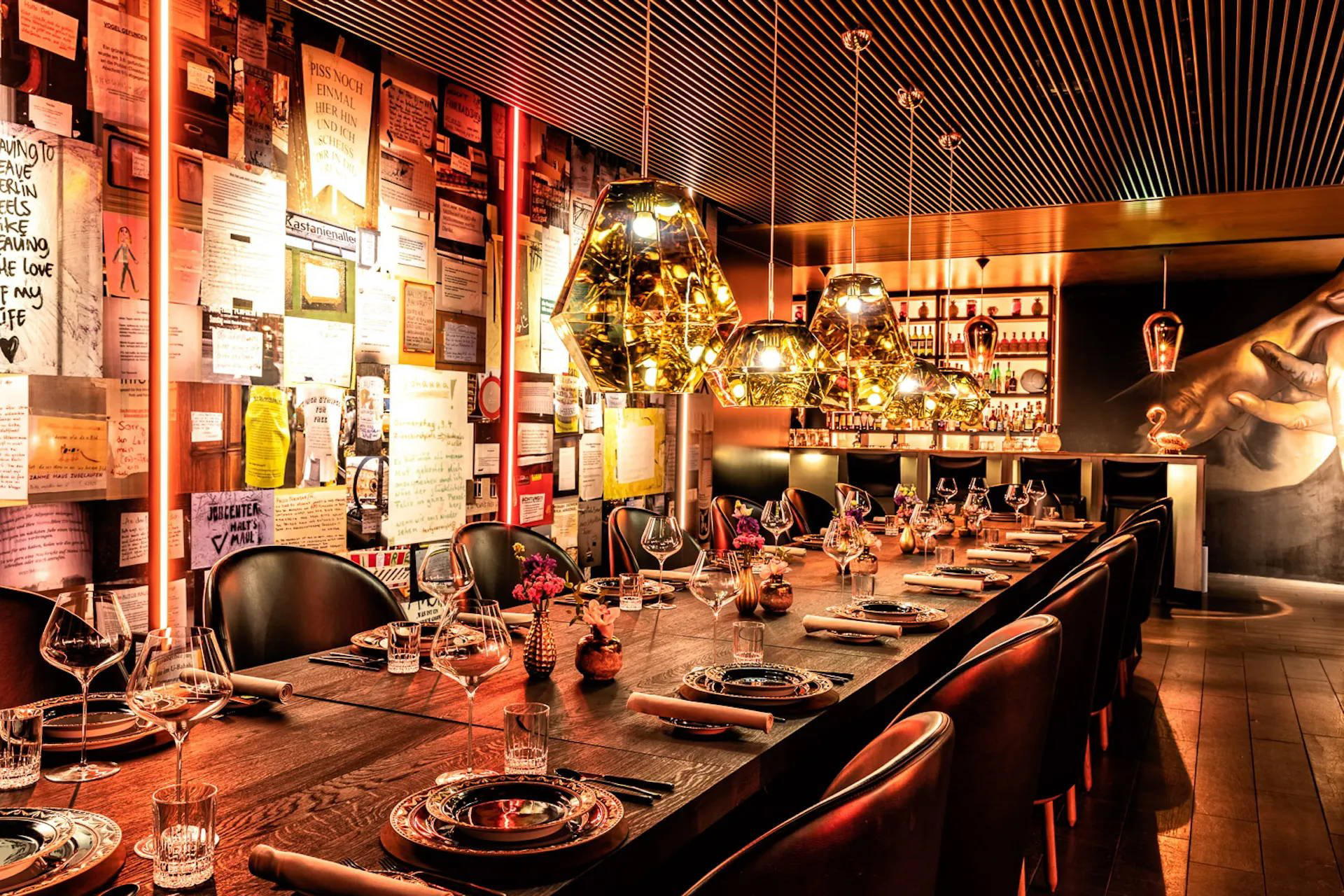
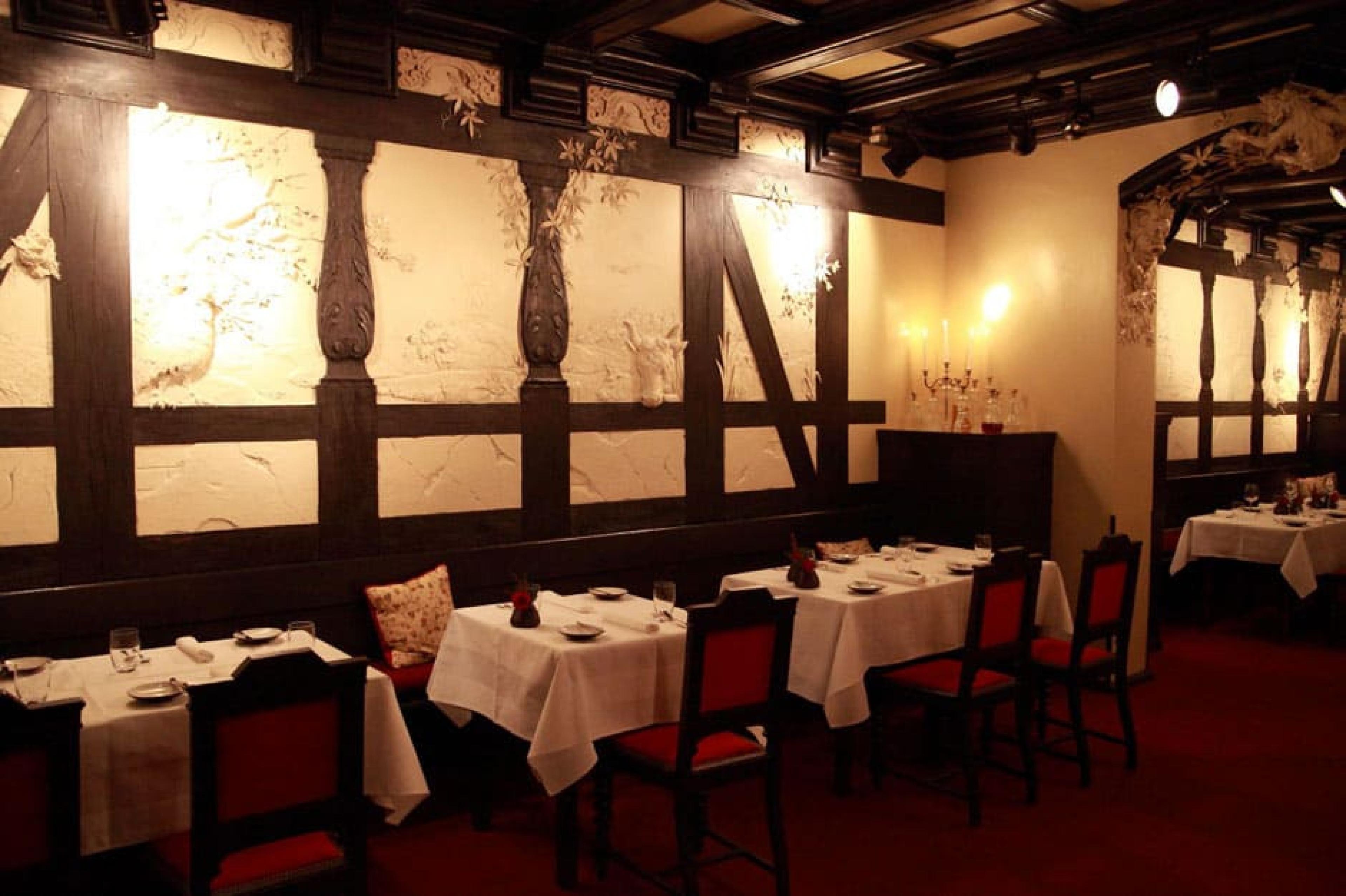
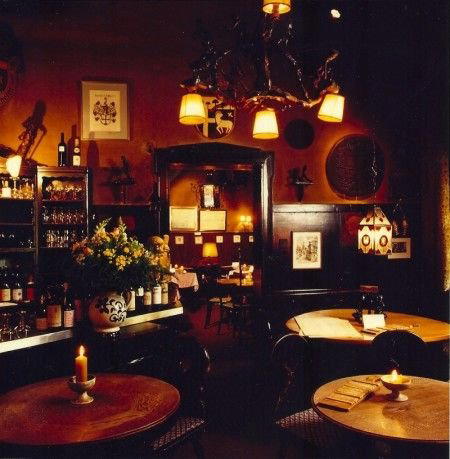
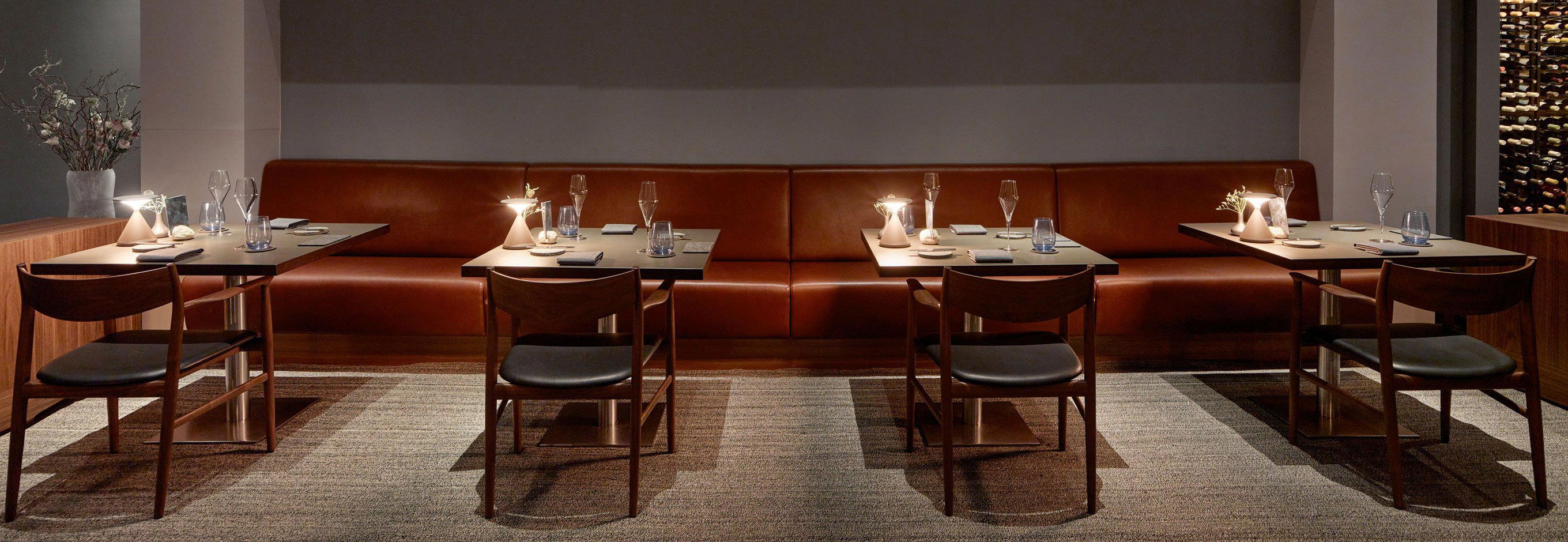
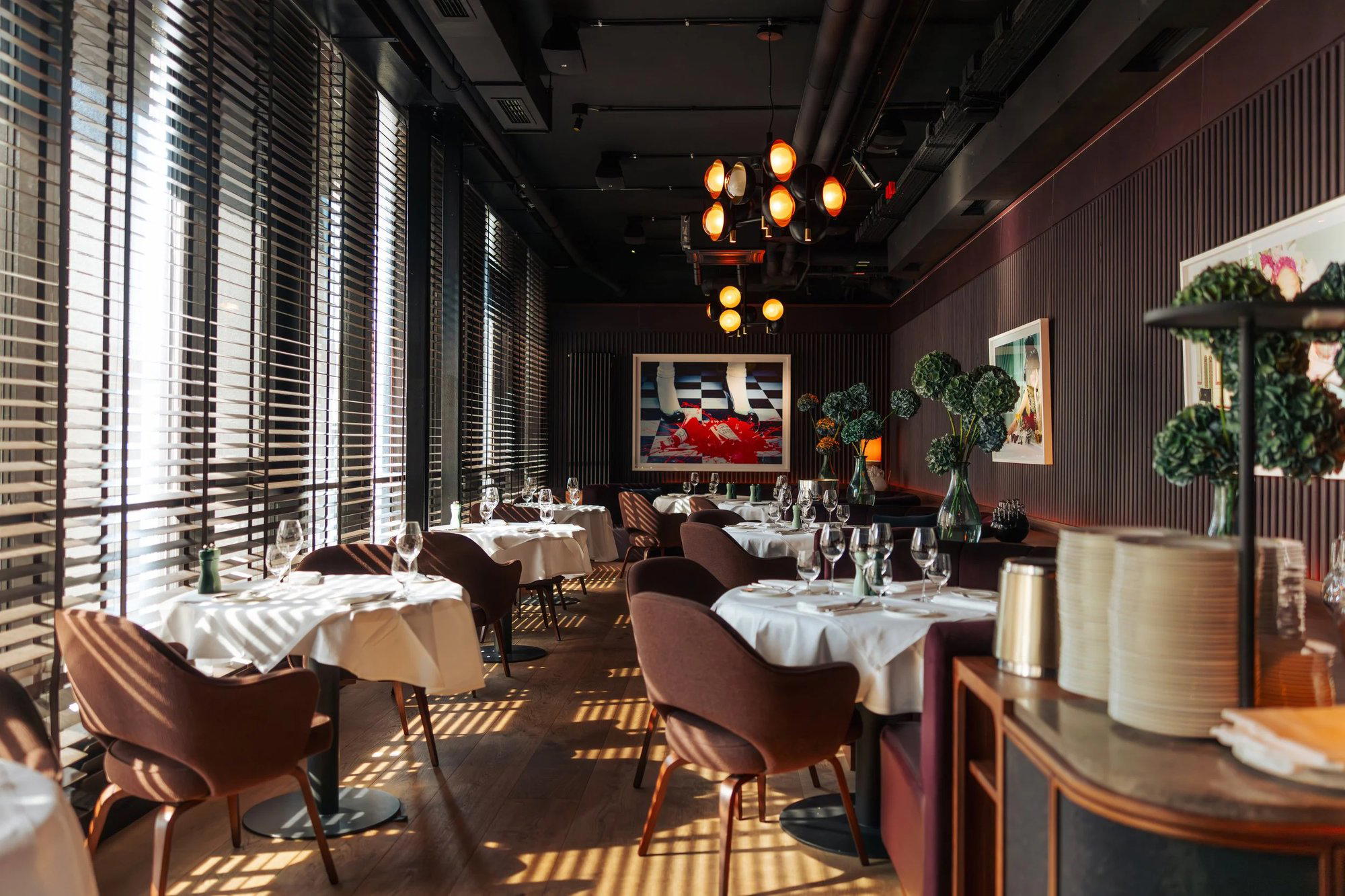
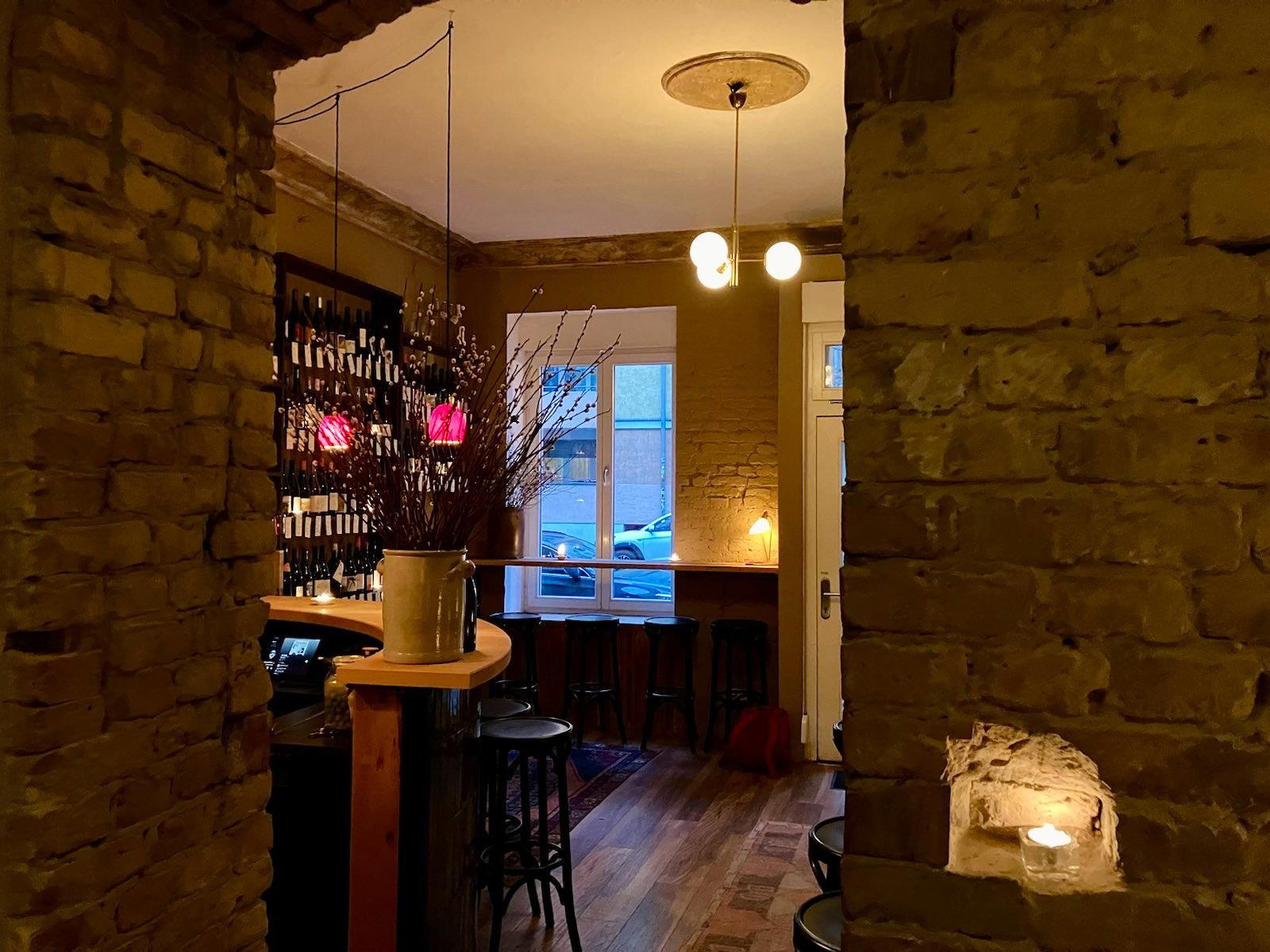
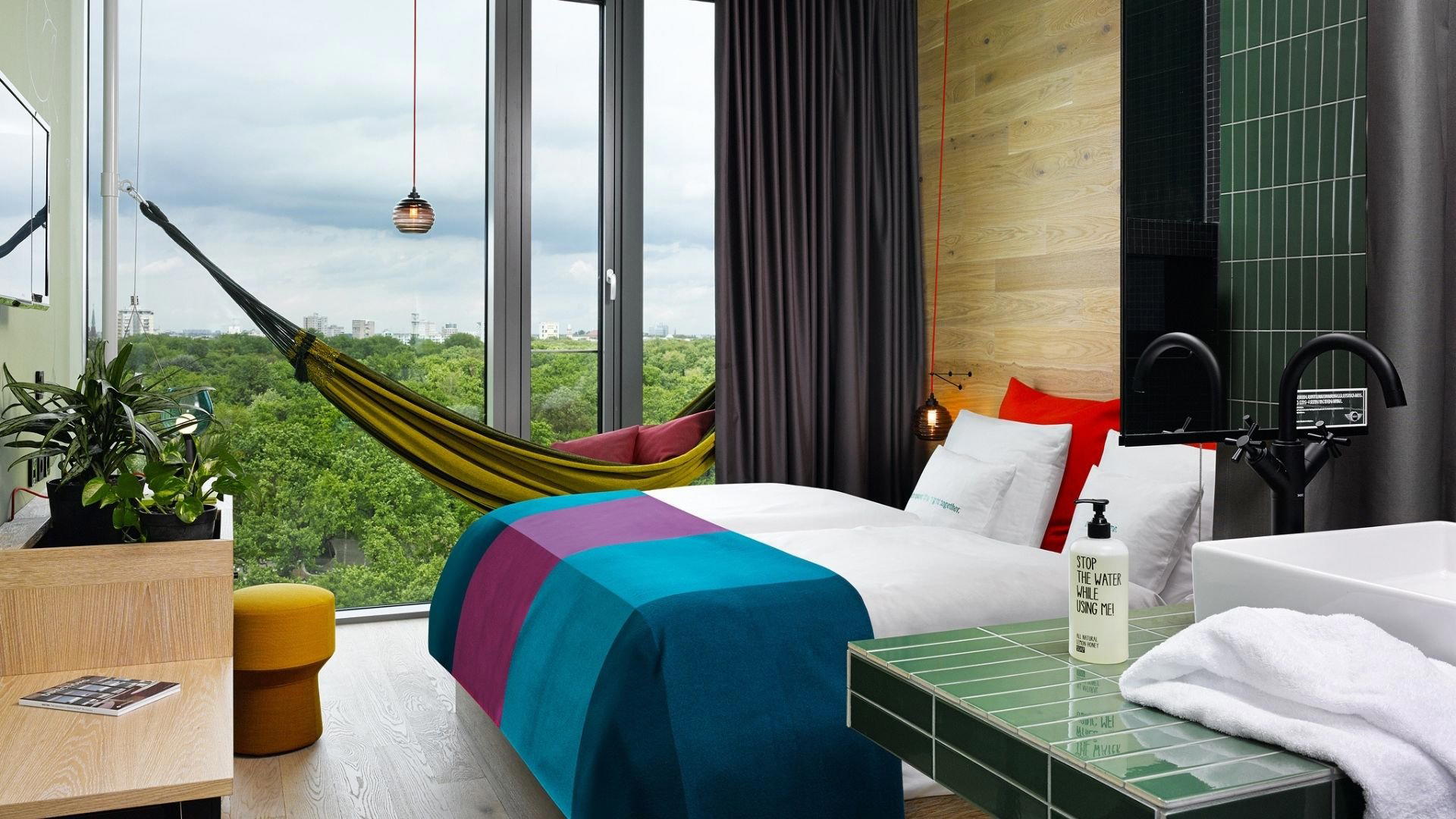
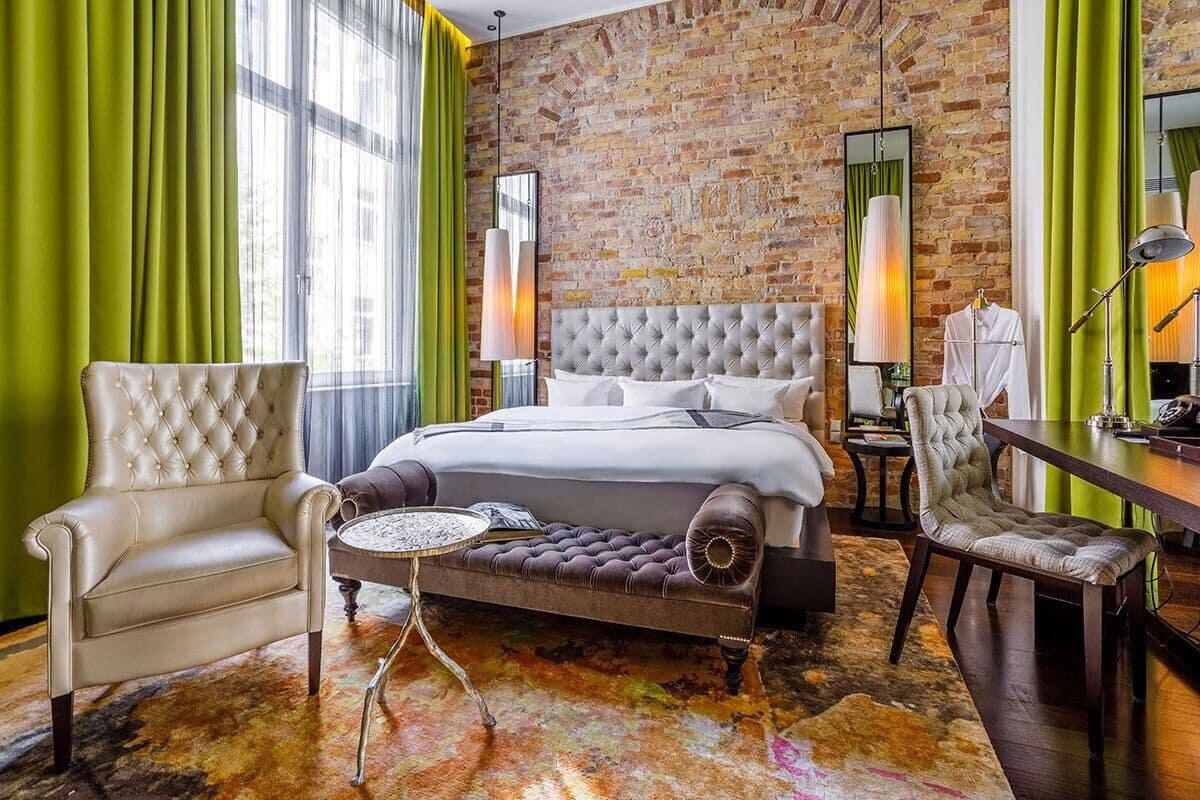
Cozy bistro-inspired with Parisian brasserie elements, dim lighting, small marble tables, relaxed and welcoming atmosphere.