

BRIKZ occupies a confident position in Berlin's farm-to-table tier, where Chef Arne Anker applies European technique to rigorously sourced ingredients. Holding a Michelin Plate in both 2024 and 2025, and ranked #406 in the Opinionated About Dining European list, it draws a loyal crowd to Charlottenburg's Grolmanstraße for cooking that treats provenance as architecture rather than decoration.
Pearl is the En Primeur Club membership app — saves, bookings, and concierge access live there. Same editors, same standards.
- Address
- Grolmanstraße 53/54, 10623 Berlin, Germany
- Phone
- +49 30 31803780
- Website
- restaurantbrikz.com
- Directions
- Get directions
 Saves & bookings on Pearl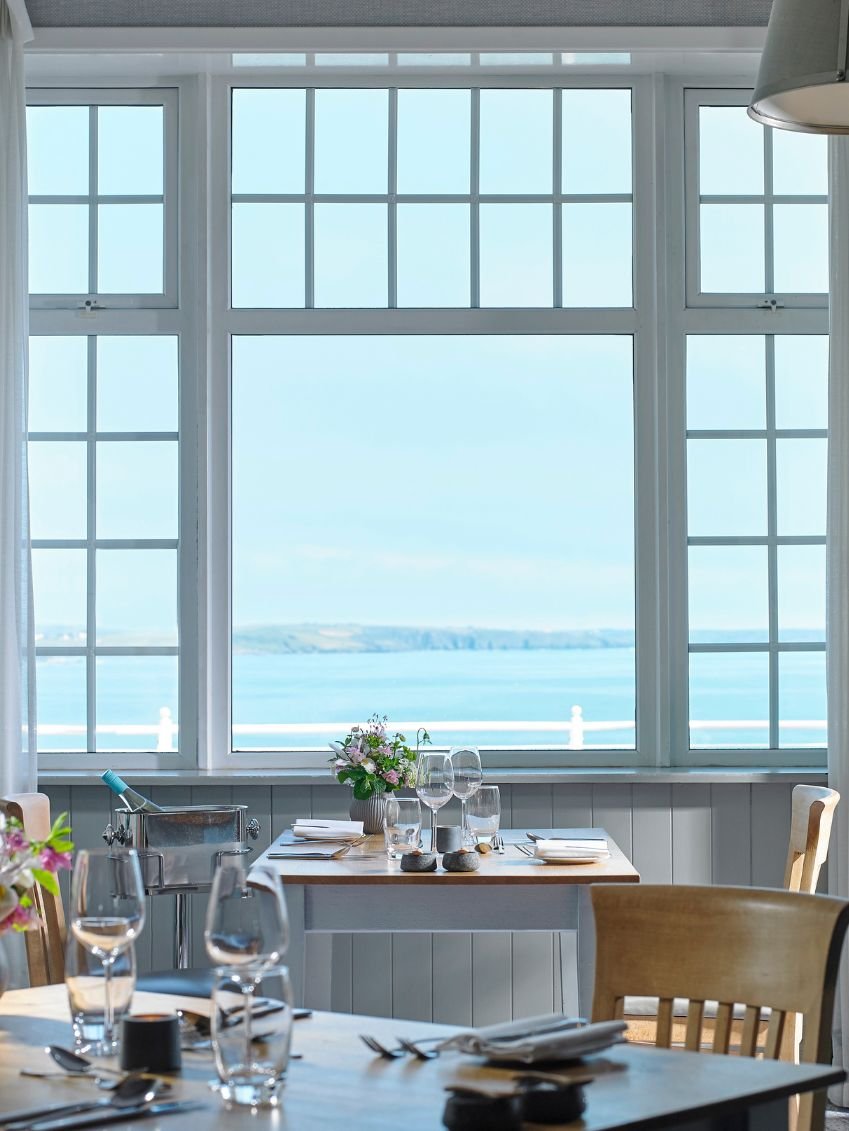
Charlottenburg's Farm-to-Table Argument
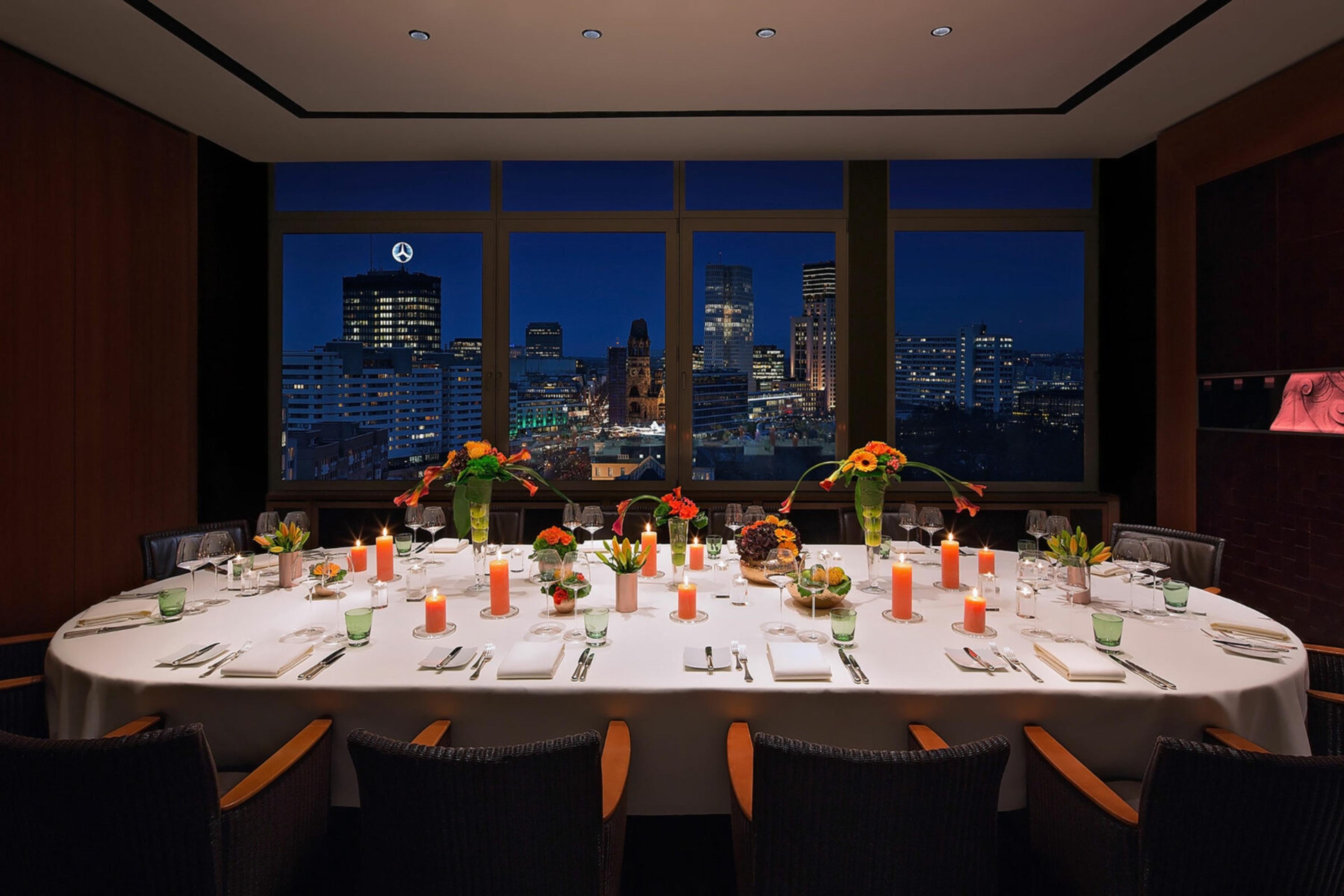
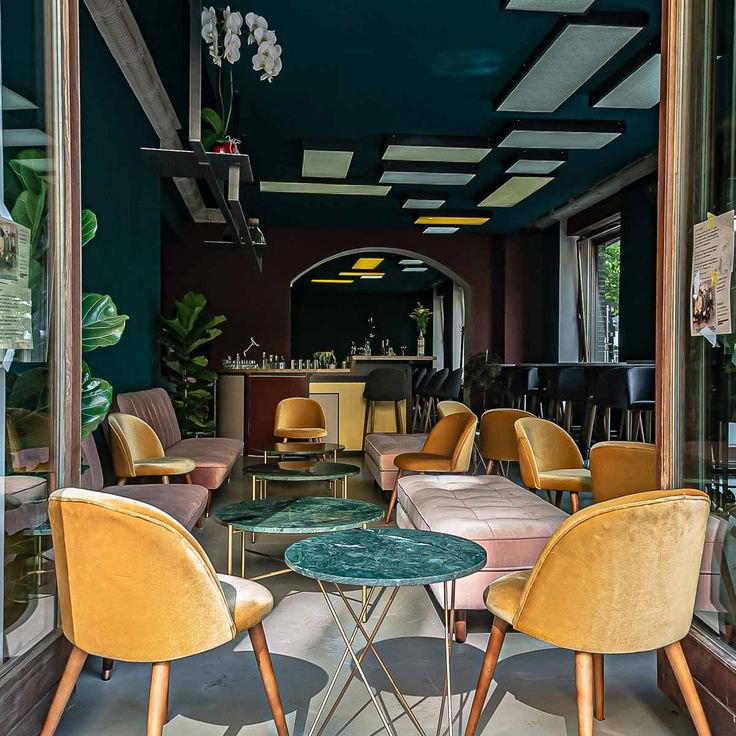
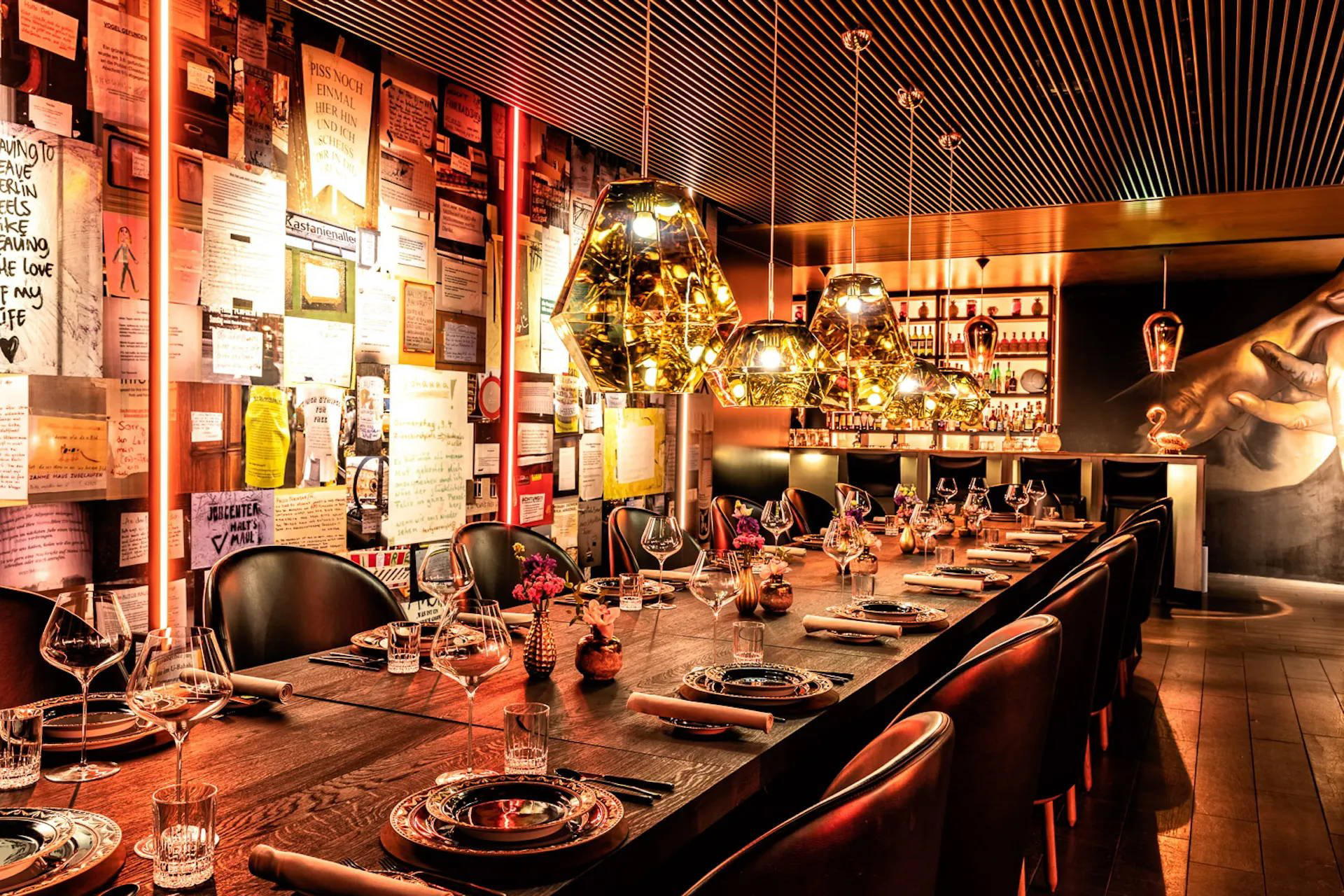
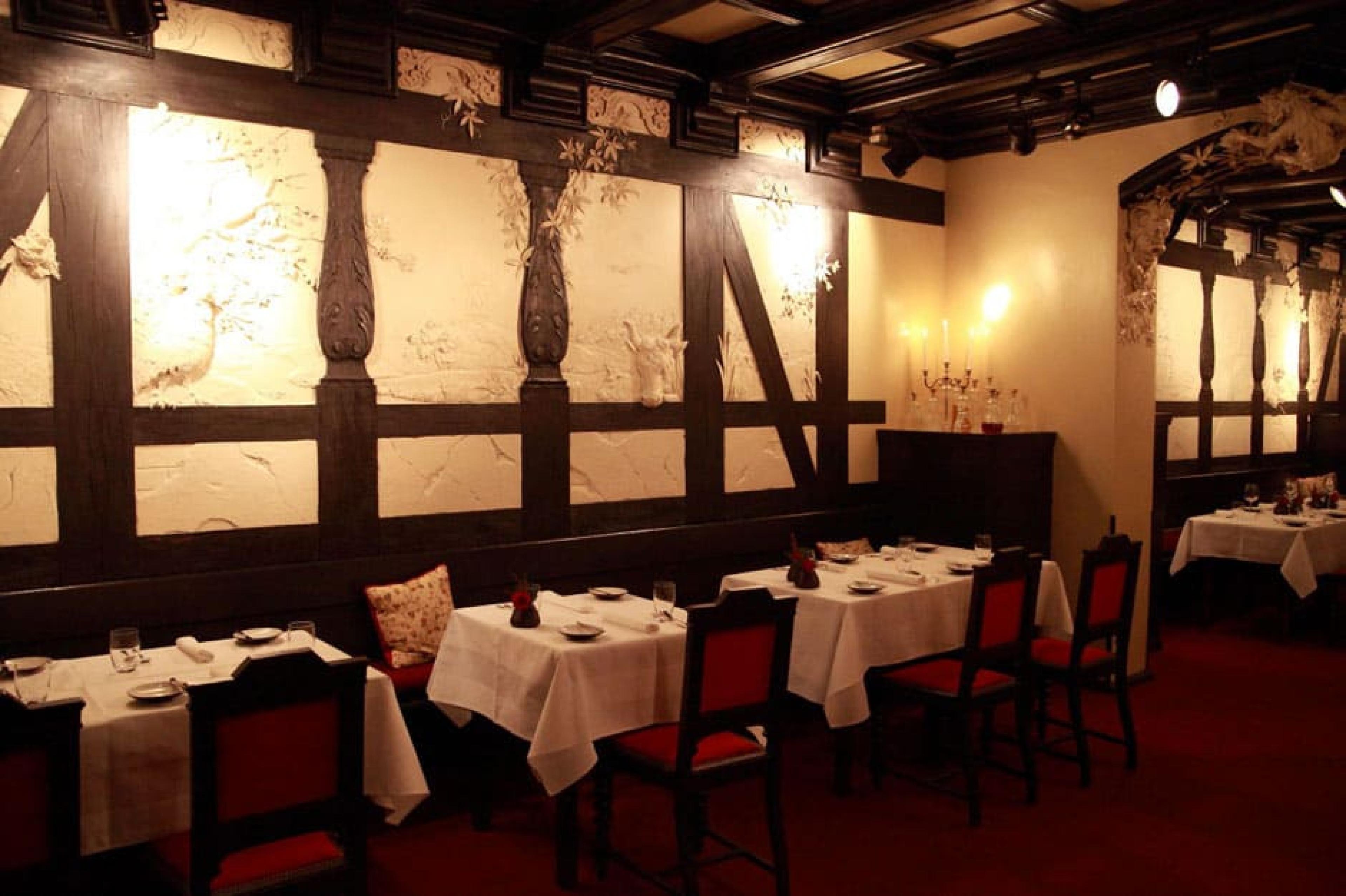
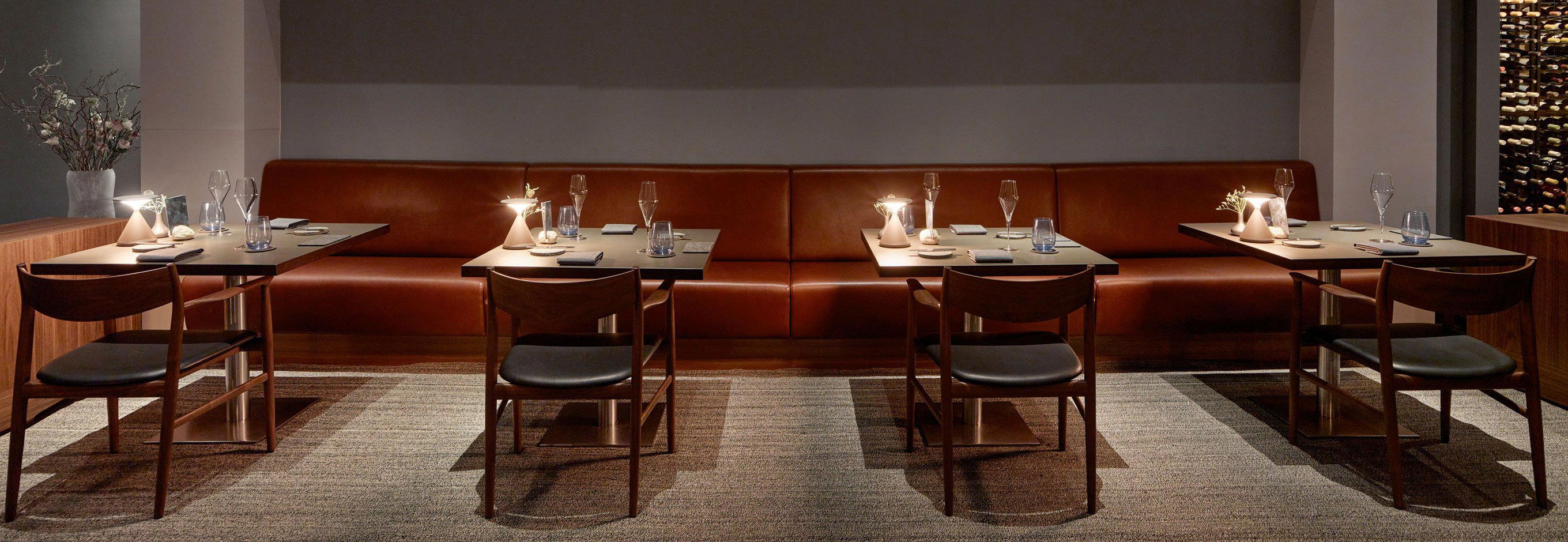
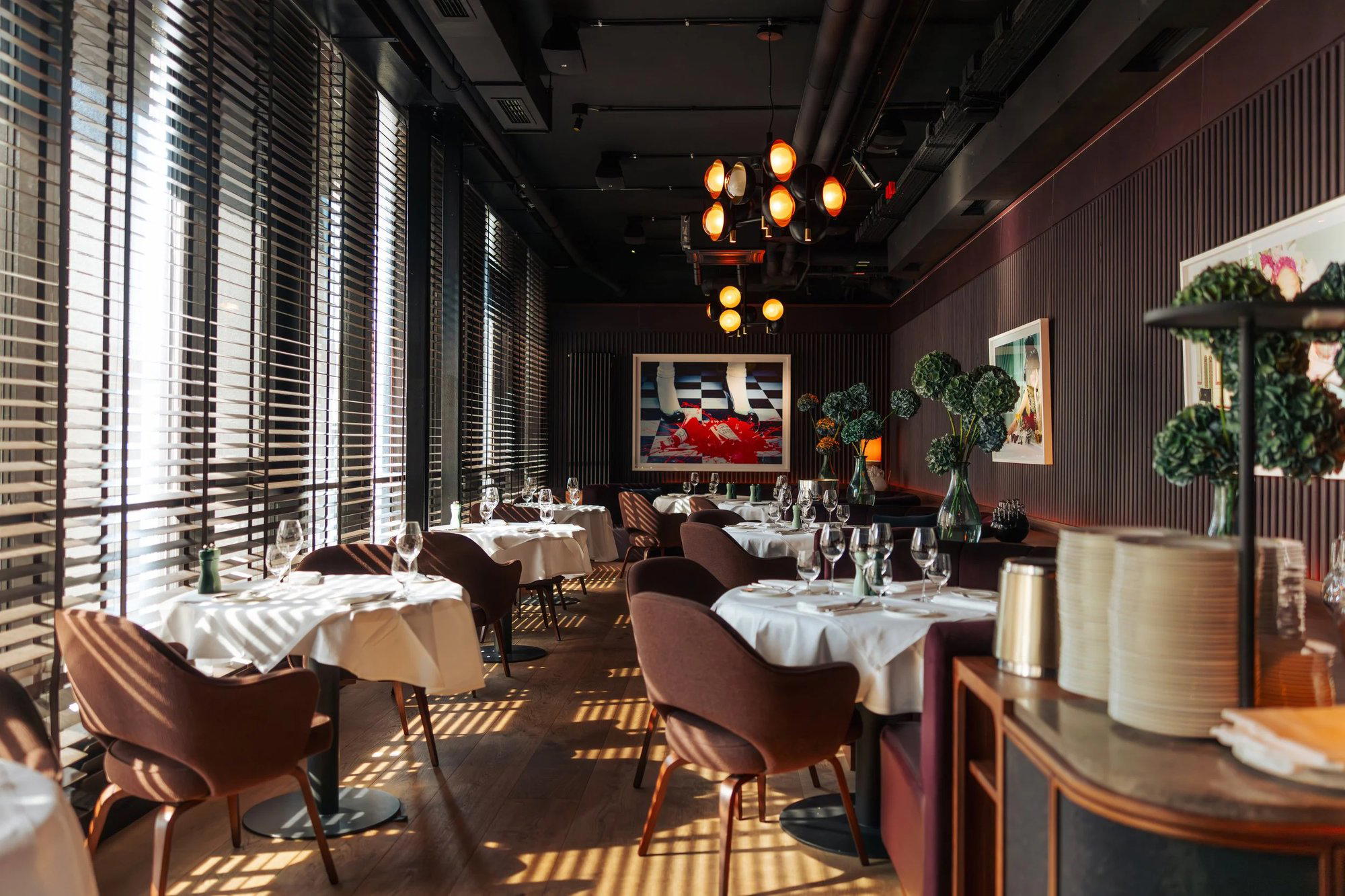
BRIKZ is a restaurant in Charlottenburg, Berlin, known for Modern German Gourmet cooking under Chef Arne Anker. The street-level approach is low-key by design: no marquee branding, no theatrical entrance. What you register first is the interior's restraint, materials that suggest deliberate choice rather than neutral decoration, and a room scaled to conversation rather than to Instagram geometry.
That physical register matters because it prepares you for the cooking's logic. Farm-to-table as a category has been diluted by overuse, applied to everything from supermarket ready meals to Michelin-contending tasting menus. At its most serious, though, it describes a specific discipline: the kitchen works from the ingredient outward, and technique exists to clarify rather than to transform. BRIKZ operates at that more demanding end of the category, which is what separates its Michelin Plate recognition, consistent across both 2024 and 2025, from the casual invocation of the term elsewhere in the city.
Where European Technique Meets Regional Supply
The editorial angle worth dwelling on at BRIKZ is the way European culinary method gets applied to the specific character of German and regional produce. Chef Arne Anker brings a technical framework that reads as Continental in its rigour: precision in temperature and timing, respect for classical sauce structure, awareness of how acidity and fat behave against each other. What changes is the input. Brandenburg's sandy-soil vegetables, northern German dairy, and seasonal game from the surrounding region carry different flavour profiles than the southern French or northern Italian produce those same techniques were often built around.
This intersection of imported method and indigenous product is where Berlin's more interesting farm-to-table kitchens are finding their identity. The city lacks the long-established fine dining tradition of Hamburg or Munich, where restaurants like Restaurant Haerlin in Hamburg or JAN in Munich operate inside a more settled culinary establishment, and that relative freedom has allowed Berlin's kitchens to negotiate their own relationship between technique and terroir. BRIKZ is one of the cleaner expressions of that negotiation.
At one end, you have kitchens like Schwarzwaldstube in Baiersbronn or Vendôme in Bergisch Gladbach, where produce sourcing is embedded in a starred framework with decades of institutional weight. BRIKZ occupies the serious middle tier: committed to the discipline without the full apparatus of a multi-starred production kitchen, which gives it a different kind of directness.
BRIKZ in Berlin's €€€€ Tier
At the €€€€ price point, BRIKZ sits in direct company with Berlin's ambitious tables. The comparison set is informative: Rutz, CODA Dessert Dining, and Nobelhart & Schmutzig all sit in different parts of the city's fine-dining conversation. BRIKZ's Michelin Plate, a recognition of quality cooking that falls below star level but signals consistent merit, places it in a distinct tier within that company: ambitious, technically capable, but operating without the star-system validation that drives table bookings at Rutz or CODA.
That positioning has a practical consequence worth understanding. The Opinionated About Dining ranking (#406 in Europe for 2025) reflects a different critical lens than Michelin. A restaurant can hold a Michelin Plate and still rank meaningfully on OAD if the kitchen's output earns consistent respect from a community of engaged eaters. BRIKZ's presence on that list suggests it has built exactly that kind of following, separate from the award-circuit calculus that drives attention toward higher-starred neighbours.
Within Charlottenburg's dining scene, BRIKZ occupies a specific niche. The neighbourhood's restaurant culture runs toward established middle-European cooking on its main arteries, but Grolmanstraße and its surrounds have developed a quieter cluster of serious tables. Oh Panama and Freilinger Wirt represent adjacent registers in the area's more considered dining layer, each operating with a distinct identity but collectively signalling that this part of the city rewards exploration beyond the obvious Mitte-and-Prenzlauer-Berg circuit.
The Reader's Practical Read
BRIKZ is at Grolmanstraße 53/54, 10623 Berlin, in Charlottenburg, well-connected by S-Bahn and U-Bahn to the rest of the city, with Savignyplatz the natural reference point for the immediate neighbourhood. The €€€€ pricing signals a committed spend: this is dinner as a deliberate occasion, not a casual drop-in.6 across 217 reviews is a meaningful signal at this price tier, where the gap between expectation and execution tends to produce either sharp praise or pointed disappointment. The consistency implied by that score, at this level, suggests the kitchen delivers reliably across the service variables that often trip up ambitious farm-to-table operations: ingredient availability, seasonal transition, the particular challenge of making a restrained cooking style feel generous rather than spare.
For planning purposes, BRIKZ fits leading into an evening dedicated to it rather than as one stop on a longer itinerary. The neighbourhood has enough around it, wine bars, the Savignyplatz cafe circuit, that you can build an evening in Charlottenburg without moving far. Also worth exploring for ambitious cooking elsewhere in Germany: Aqua in Wolfsburg and ES:SENZ in Grassau, both operating at the starred tier with their own approaches to regional produce and European technique.
What BRIKZ Is Famous For
BRIKZ is recognised primarily for its farm-to-table cooking under Chef Arne Anker, which applies European culinary technique to rigorously sourced German and regional produce. The kitchen's reputation rests on the consistency and coherence of its seasonal menu, reflected in consecutive Michelin Plate awards in 2024 and 2025 and an Opinionated About Dining ranking of #406 in Europe for 2025. The approach, technique in service of ingredient, not over it, is what distinguishes it from farm-to-table operations where provenance is asserted but cooking discipline is uneven.
Cuisine Lens
Comparable venues nearby, for context on price, style, and recognition.
| Venue | Cuisine | Price | Awards | Notes |
|---|---|---|---|---|
| BRIKZThis venue — the venue you are viewing | Modern German Gourmet | $$$$ | Michelin Plate | Not listed |
| TISK | Modern German Bistronomic | $$$ | Michelin Plate | Neukolln |
| POTS | Modern German | $$$ | Michelin Plate | Tiergarten |
| INDIA CLUB | Modern North Indian Rustic Cuisine | $$$$ | Michelin Plate | Mitte |
| aerde | Modern Regional Foraging & Fermentation | $$$ | Michelin Plate | Schoneberg |
| GRACE | Asian-Californian Fusion | $$$$ | Michelin Plate | Charlottenburg |
Recognition history
Dated appearances from independent guides and award organizations, with the underlying list record or original source where available.
Michelin Plate
Michelin · 2026 Michelin Plate
Michelin Plate
Michelin
Opinionated About Dining Top Restaurants in Europe Ranked #406
Opinionated About Dining
Michelin Plate
Michelin
Continue exploring
More in Berlin
More from Chef Arne Anker
Browse all →
Restaurants in Berlin
Browse all →
Bars in Berlin
Browse all →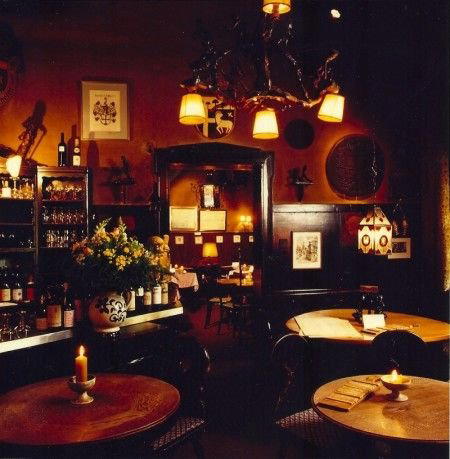
At a Glance
- Modern
- Cozy
- Trendy
- Intimate
- Date Night
- Special Occasion
- Open Kitchen
- Extensive Wine List
- Farm To Table
- Local Sourcing
Current opening hours
- Monday
- Closed
- Tuesday
- 6–11 PM
- Wednesday
- 6–11 PM
- Thursday
- 6–11 PM
- Friday
- 6–11 PM
- Saturday
- 6–11 PM
- Sunday
- Closed
Hours can change for holidays and private events. Last verified .
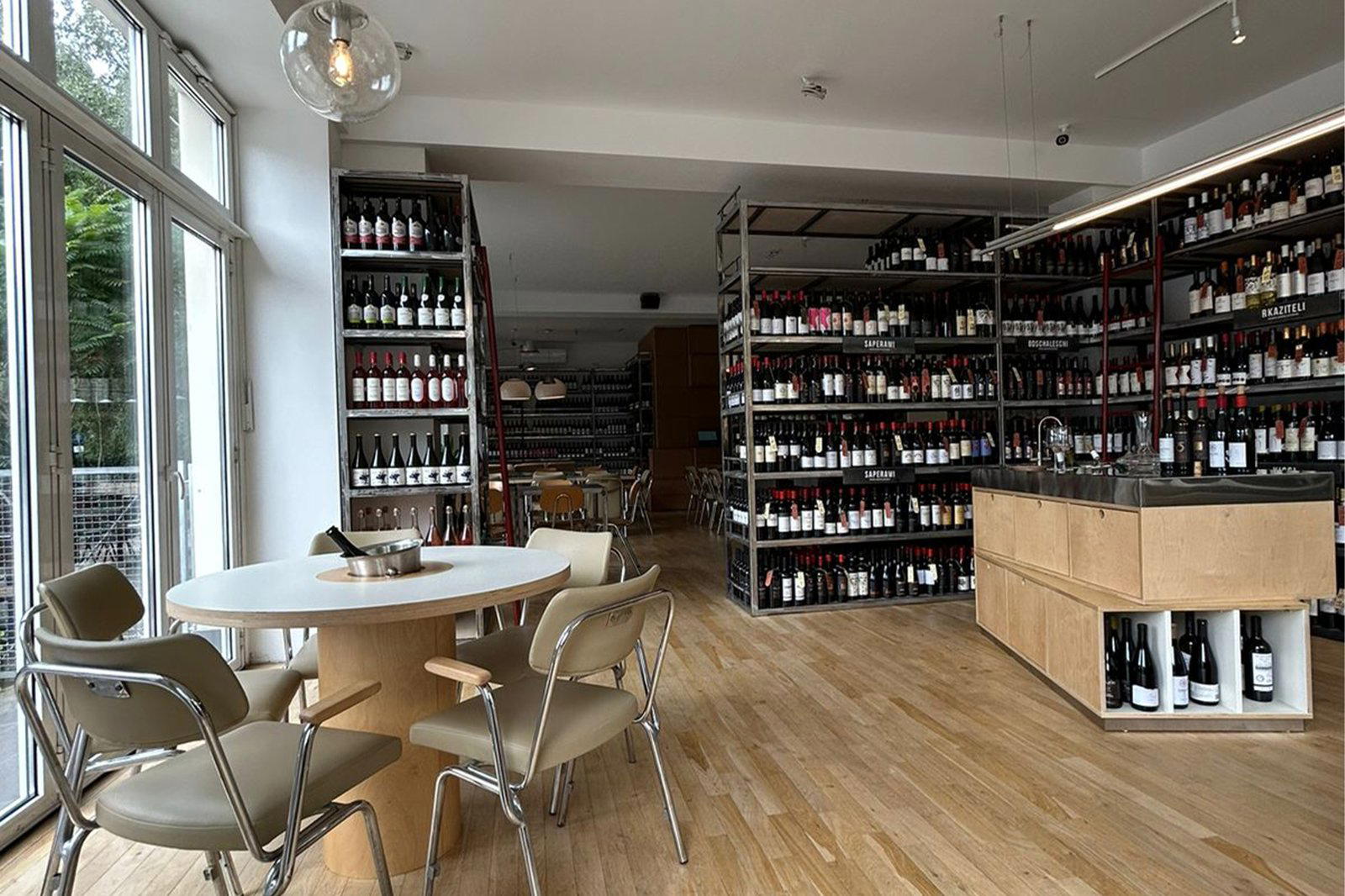
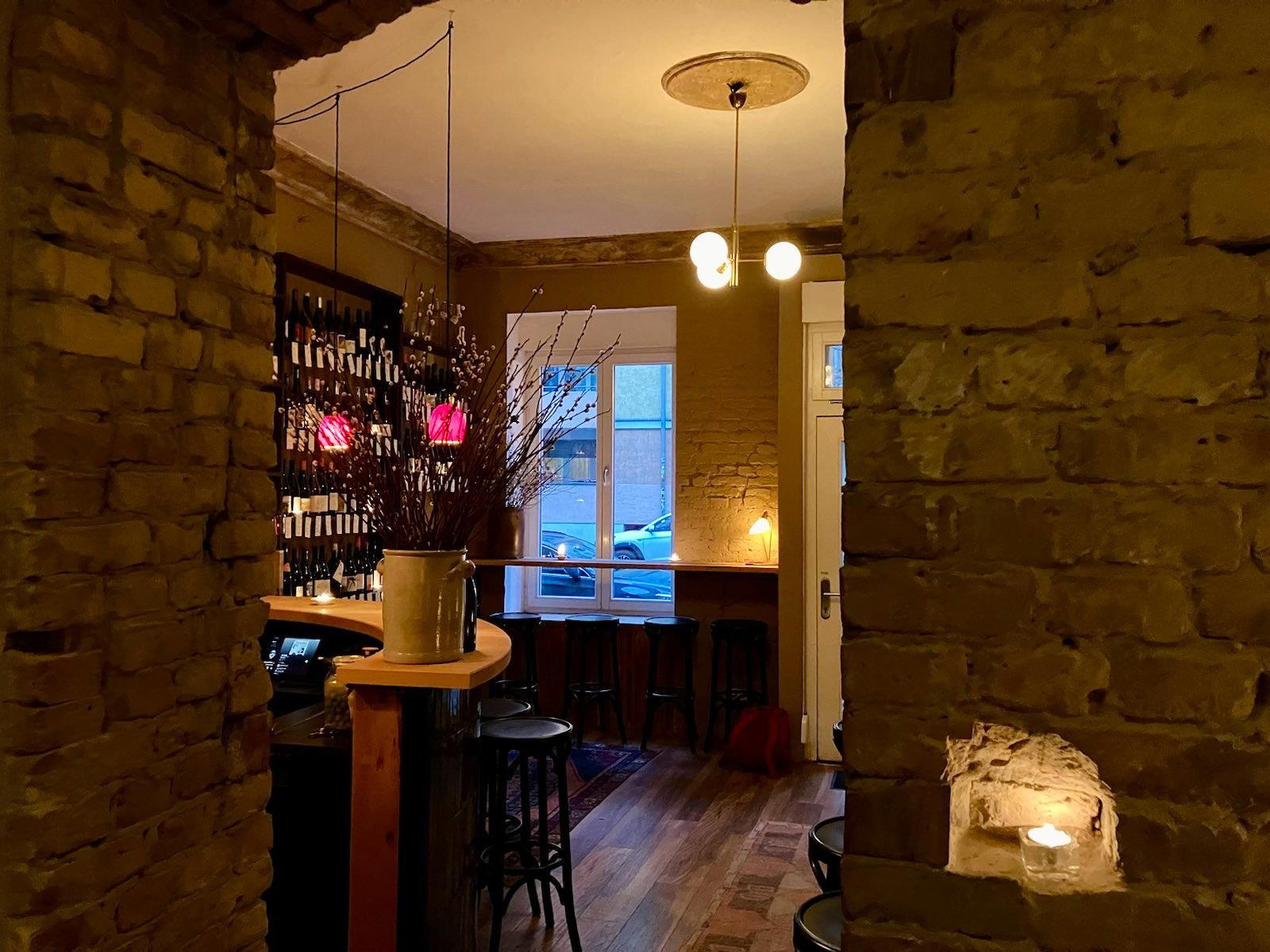
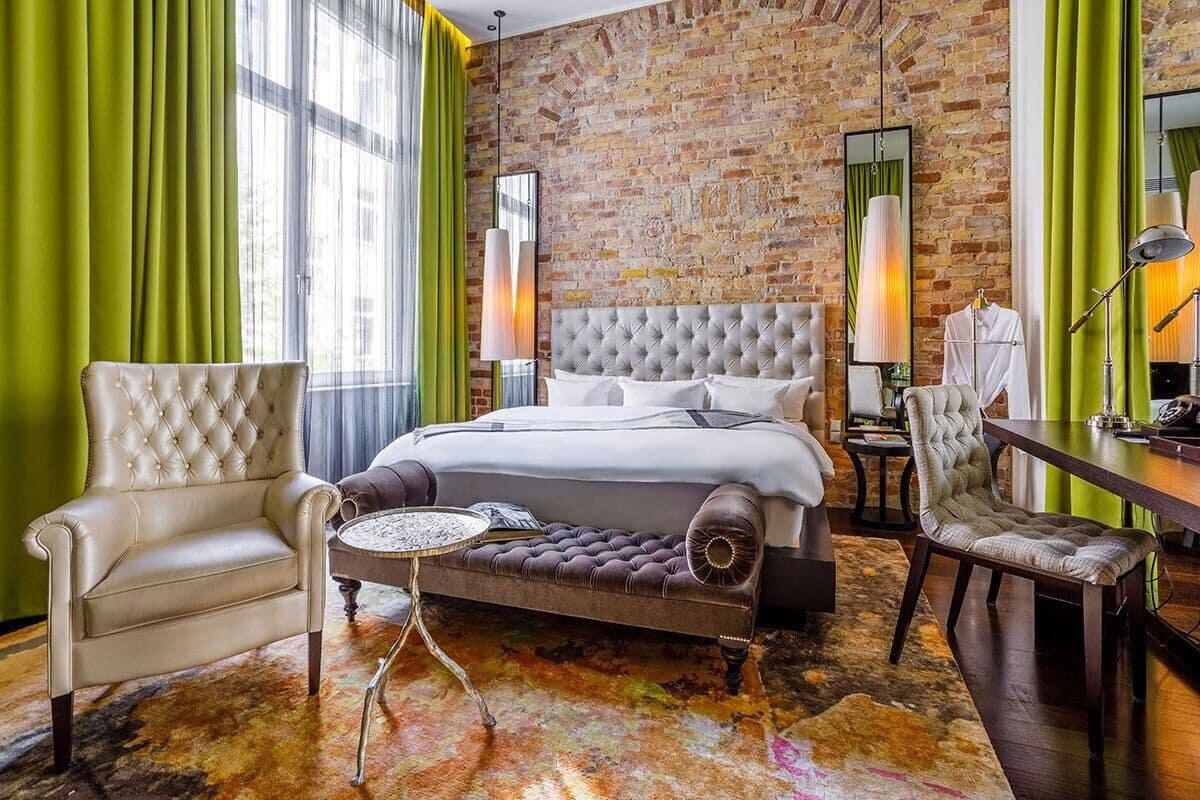
Relaxed and cozy atmosphere with dimmed lighting, modern stylish interior, exposed brick walls, and artistic details creating an intimate and welcoming feel.