Branie
On Ten Katestraat in Amsterdam's Oud-West, Branie occupies a neighbourhood that has quietly become one of the city's more interesting addresses for serious eating. The surrounding Kinkerbuurt brings a local, non-tourist crowd, and the restaurant sits comfortably inside that scene, a destination worth tracking for those working through Amsterdam's mid-to-upper dining tier.
- Address
- Ten Katestraat 26a hs, 1053 CG Amsterdam, Netherlands
- Phone
- +31203419756
- Website
- branieamsterdam.com
- Directions
- Get directions
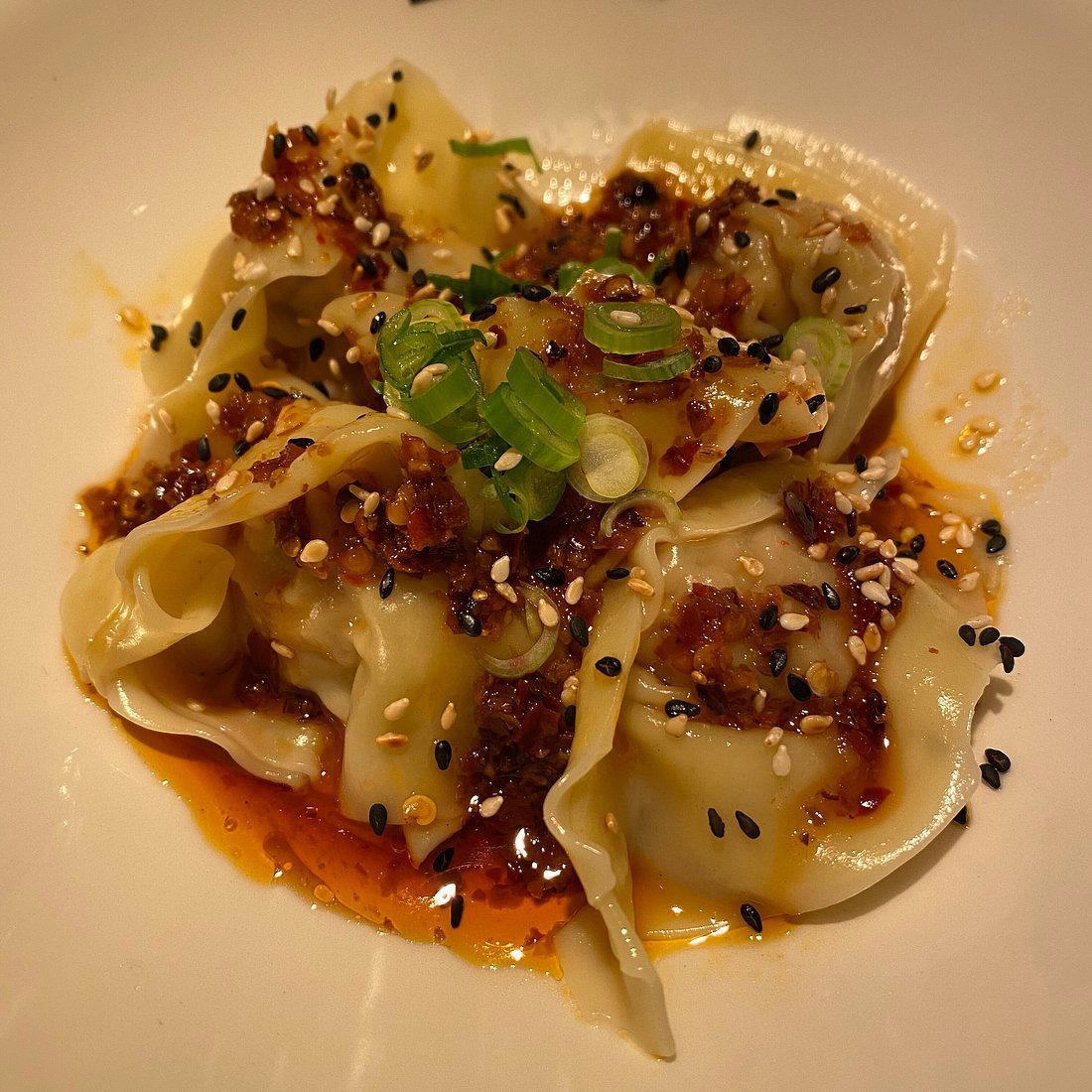
Ten Katestraat and the Quiet Rise of Oud-West
Amsterdam's dining attention tends to cluster around the canal belt and the De Pijp neighbourhood, where restaurant density and tourist footfall reinforce each other. Oud-West operates differently. The area around Ten Katestraat and the Kinkerbuurt market has developed a restaurant culture that draws primarily from within the city rather than from hotel concierge lists, and that local composition shapes what places there feel like at the table. Branie, at Ten Katestraat 26a hs, is a restaurant serving Asian Fusion Small Plates in Amsterdam and sits inside that dynamic. The address puts it within walking distance of the Ten Kate Markt, a daily street market that gives the immediate block a lived-in, non-curated character that contrasts sharply with the more stage-managed feel of venues in the tourist core.
This matters for how the dining room reads. In neighbourhoods like Oud-West, where a restaurant's survival depends on repeat local trade rather than one-time visitors, the relationship between kitchen and guest tends to be less formal and more iterative. The room earns its crowd through consistency and word of mouth rather than PR campaigns, and that pressure produces a different kind of hospitality than you encounter in the canal-side fine-dining corridor.
Where Branie Sits in Amsterdam's Dining Structure
Amsterdam's restaurant scene has stratified considerably over the past decade. At the leading end, two-Michelin-star houses like Ciel Bleu, Flore, Spectrum, and Vinkeles occupy a narrow, expensive tier with set-menu formats and advance booking requirements that place them closer in rhythm to international fine dining than to neighbourhood restaurants. Below that, places like Bistro de la Mer at the €€€ level serve a more accessible but still considered version of the city's food culture.
Branie's Ten Katestraat location places it outside the formal fine-dining circuit without placing it in the casual end of the spectrum. Oud-West has produced a number of restaurants that operate in this middle register: serious about sourcing and technique, but not structured around the formal rituals of tasting menus and sommelier-led wine pairings. That positioning attracts a particular kind of diner, one who has already worked through the Michelin tier and now prefers the lower ambient pressure of a neighbourhood room with cooking that holds its own on quality.
For context on the broader Dutch fine-dining map, the country's most decorated kitchens sit outside Amsterdam: De Librije in Zwolle, Inter Scaldes in Kruiningen, and De Nieuwe Winkel in Nijmegen represent the country's highest Michelin concentrations. Within the city, Amsterdam diners who want that level of formality have clear options. Branie's appeal, by contrast, appears to rest on something different: a neighbourhood proposition that is easier to repeat and easier to recommend to a range of guests than a €€€€ tasting menu format.
The Oud-West Neighbourhood as Context for the Experience
Oud-West's food culture has been shaped partly by the area's demographic mix and partly by the Ten Kate Markt, which brings a density of ingredient supply and food-adjacent commerce to the immediate streets. The market tradition in this part of Amsterdam has historically supported a more ingredient-led style of cooking in the surrounding restaurants, simply because proximity to good produce at reasonable prices makes that approach viable in a way it isn't in more expensive commercial streets.
The neighbourhood also benefits from being genuinely residential. Unlike the Jordaan, which retains residential architecture but functions largely as a leisure district for visitors, Oud-West around Ten Katestraat still reads as a place where people live and eat regularly rather than occasionally. For a restaurant, that audience demands a different kind of consistency: the cooking has to hold up on a Tuesday in November, not just on a Friday in summer.
This neighbourhood dynamic connects Branie to a broader pattern visible in cities like New York and San Francisco, where neighbourhood-anchored restaurants with strong local followings often outlast more ambitious, formally positioned operations. The neighbourhood restaurant as a format has demonstrated resilience in post-pandemic urban dining precisely because it builds relationships rather than occasions. Lazy Bear in San Francisco and Le Bernardin in New York City represent different ends of the ambition spectrum, but both have built their durability through a consistent relationship with a defined audience rather than through novelty cycles.
The Wider Dutch Restaurant Context
The Netherlands has a dense and geographically distributed fine-dining culture for a country of its size. Beyond the Amsterdam addresses, destinations like De Lindenhof in Giethoorn, Tribeca in Heeze, De Groene Lantaarn in Staphorst, Brut172 in Reijmerstok, De Lindehof in Nuenen, De Bokkedoorns in Overveen, and De Treeswijkhoeve in Waalre collectively demonstrate that Dutch Michelin-level cooking is not a metropolitan phenomenon. That distribution means Amsterdam's own restaurant scene operates in competitive dialogue with the provinces in a way that isn't true of, say, London or Paris, where the capital dominates the national conversation.
For visitors to Amsterdam planning a broader eating itinerary, this context is practically useful: the decision to stay in the city or travel out for a meal involves a genuine trade-off between neighbourhood character and formal culinary ambition. Branie's Oud-West address represents one answer to that question, stay local, eat well, and let the neighbourhood do part of the work.
Quick Comparison
Comparable venues nearby, for context on price, style, and recognition.
| Venue | Cuisine | Price | Notes |
|---|---|---|---|
| BranieThis venue — the venue you are viewing | Asian Fusion Small Plates | $$ | Not listed |
| Bakers & Roasters | New Zealand-Brazilian Fusion Brunch | $$ | Frans Halsbuurt |
| CatuaBar Amsterdam | South American & South African Fusion | $$ | Oosterparkbuurt Noordwest |
| Terpentijn | Frans-Aziatische Fusion | $$ | Nes e.o. |
| Nomad | Global Fusion Tasting Experience | $$$ | Westerdokseiland |
| Canvas | Dutch & International Rooftop | $$ | Weesperzijde Midden/Zuid |
Continue exploring
More in Amsterdam
Restaurants in Amsterdam
Browse all →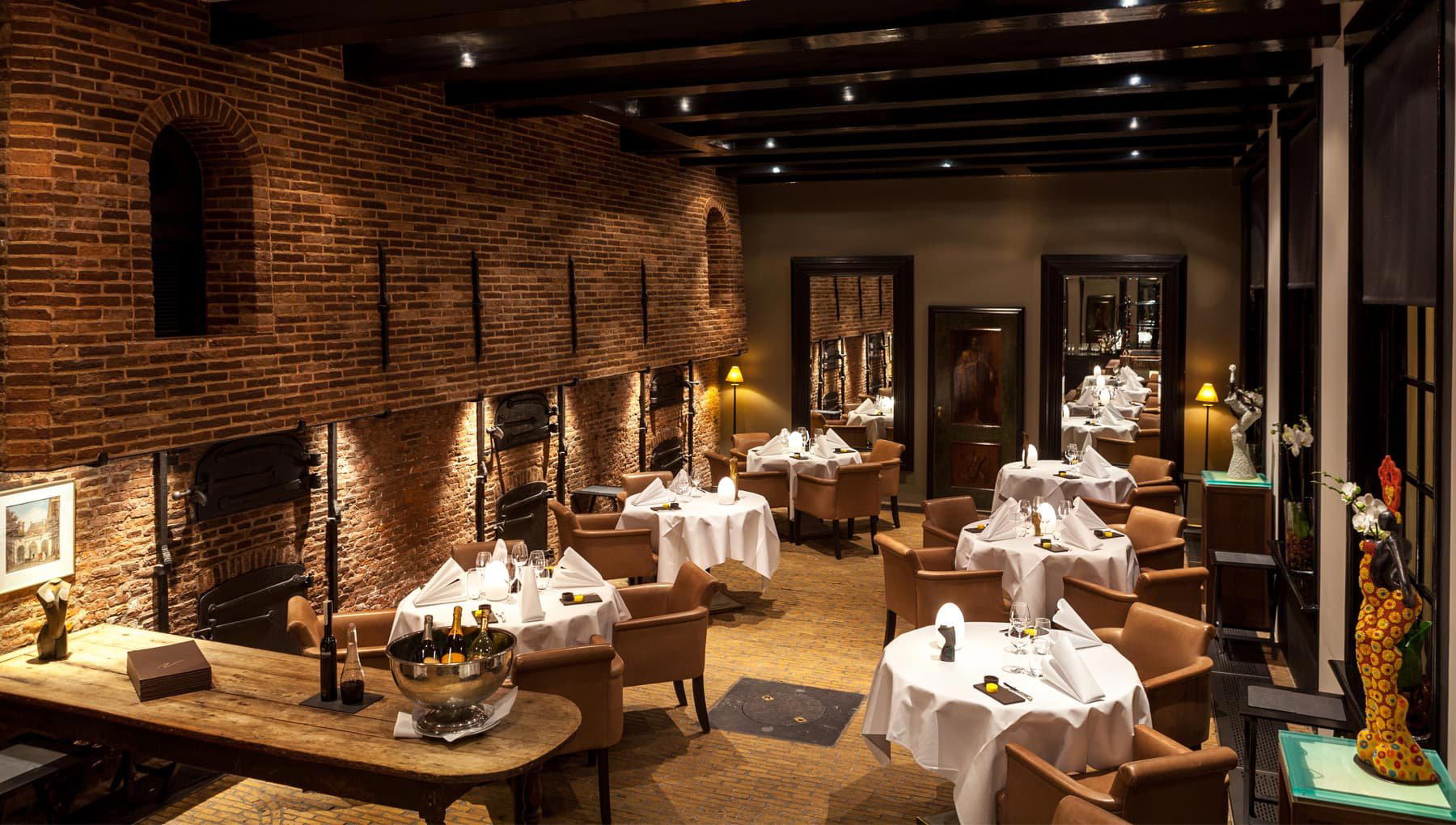
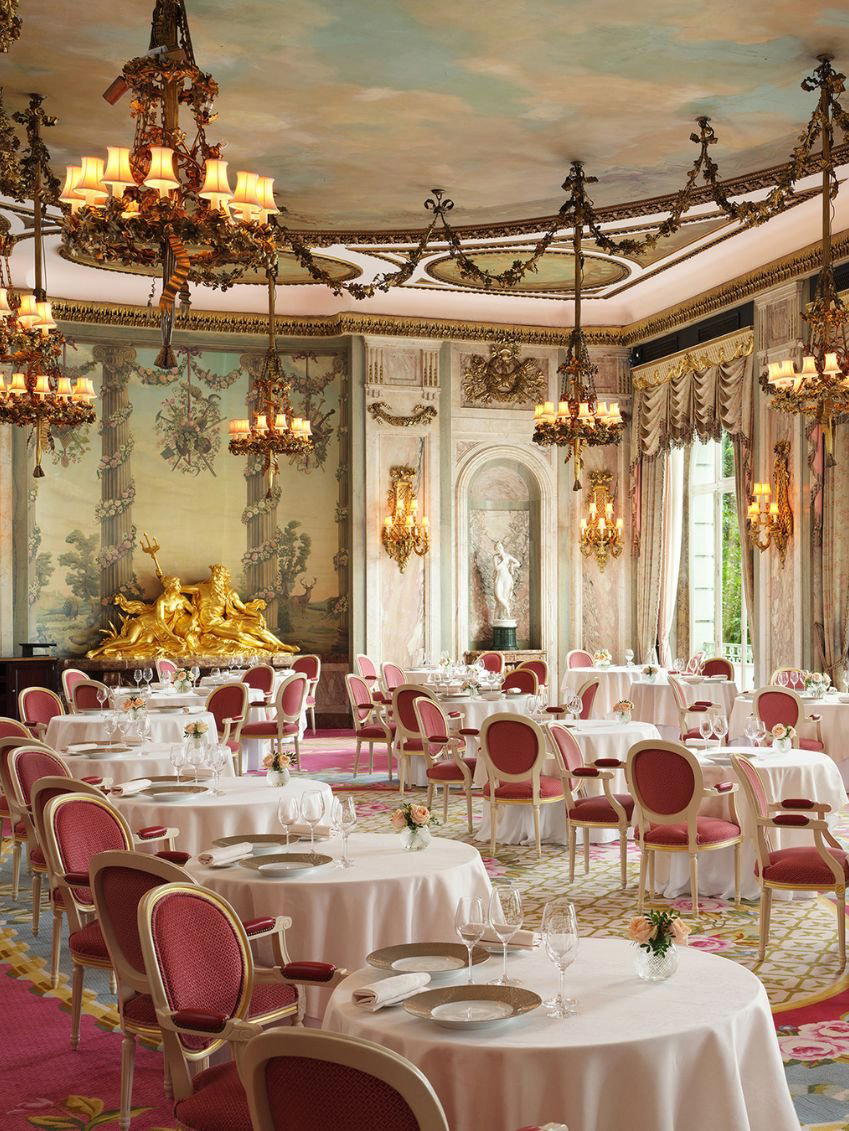
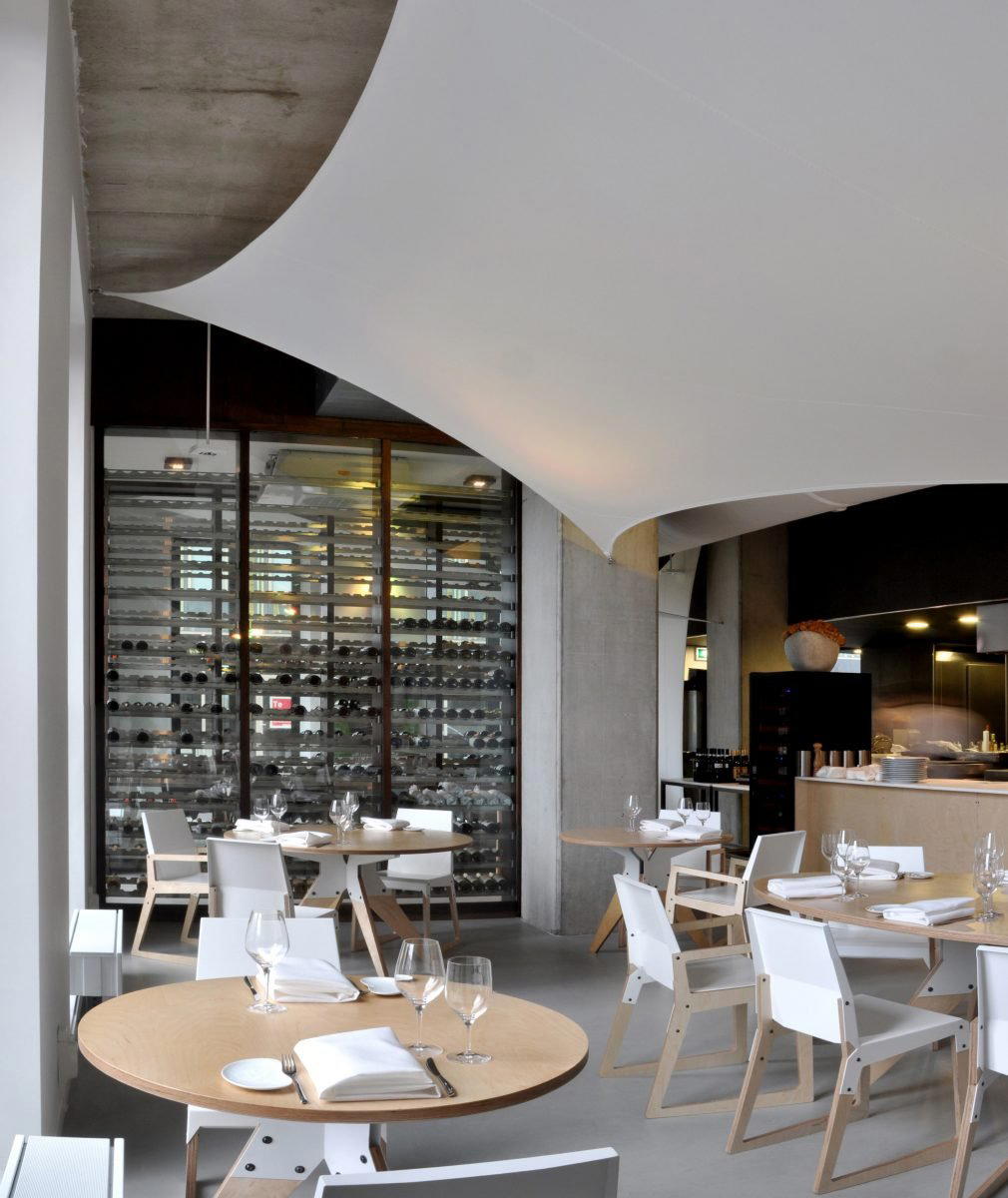
Bars in Amsterdam
Browse all →
Hotels in Amsterdam
Browse all →
Wineries in Amsterdam
Browse all →
At a Glance
- Cozy
- Trendy
- Lively
- Date Night
- Group Dining
- Casual Hangout
- Terrace
- Craft Cocktails
- Street Scene
Cozy and inviting with casual comfortable interior and delightful street terrace for people-watching.