Nomad

At IJdok 87, Nomad is Amsterdam's plant-forward creative table where Chef Denisa Kacirkova builds entirely vegan menus from ingredients spanning Portugal to Norway and the USA to China. The 100% plant menu moves through courses that challenge the category, with a plant-based salmon that has drawn particular attention. Book ahead: tables at a restaurant this specific in its focus fill quickly.
Pearl is the En Primeur Club membership app — saves, bookings, and concierge access live there. Same editors, same standards.
- Address
- IJdok 87, 1013 MM Amsterdam, Netherlands
- Phone
- +31 20 776 6173
- Website
- nomadaanhetij.nl
- Directions
- Get directions
 Saves & bookings on Pearl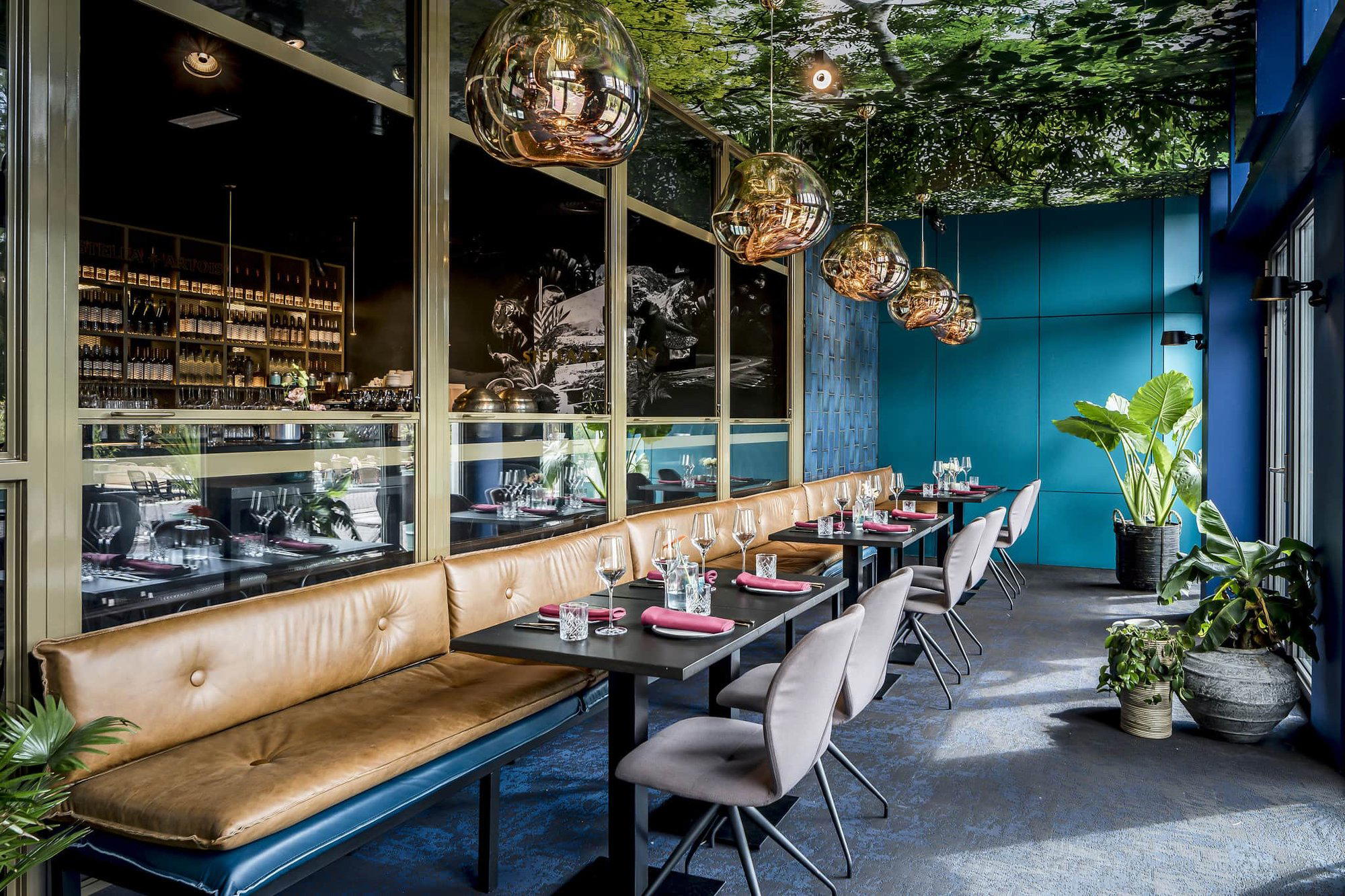
Where the IJ Sets the Mood
Nomad is a restaurant in Amsterdam, Netherlands, at IJdok 87, serving a 100% plant menu. IJdok 87 sits along the IJ waterfront, a stretch of Amsterdam that has traded its post-industrial ambiguity for a quieter, more considered kind of dining. The water is visible, the light changes with the season, and the approach to the building carries none of the canal-house theatre that defines eating in the Grachtengordel. This is a different Amsterdam, one that tends to attract restaurants making deliberate choices about what they want to be.
Nomad is one of those restaurants. Its proposition is specific: a 100% plant menu that draws ingredients and reference points from across the globe, from Portuguese coastline to Norwegian fjord country, from the American South to the Chinese interior. It is the structural logic of the menu, and it shapes every course from arrival to close.
The Architecture of a Global Plant Menu
Amsterdam's more ambitious plant-forward restaurants have spent the past several years working out how to build a multi-course progression without the proteins that conventional tasting menus use as structural anchors. The solution, where it works, is ingredient sourcing treated as drama, and technique borrowed freely across culinary traditions. Nomad operates in that mode.
Chef Denisa Kacirkova leads the kitchen. Her approach treats the plant menu as a genuinely global document rather than a European vegetable-forward exercise with occasional Asian accents. The distinction matters. A menu built on Portuguese and Norwegian reference points alongside Chinese and American ones is constructing something closer to a world cuisine framework, the same territory that Amsterdam peers like Wils work in, but filtered entirely through plant ingredients.
The tasting progression at Nomad follows a logic you can feel as the meal moves forward. Early courses tend to establish the geographic range: something bright and acid-led from a southern European frame, something cured or cold-smoked in a Scandinavian register. The middle of the menu is where the kitchen commits to technique, where the more demanding preparations appear and where the plant-based salmon earns its reputation.
The Plant-Based Salmon: A Benchmark Preparation
Within Amsterdam's plant-forward dining conversation, certain preparations become reference points. Nomad's plant-based salmon has achieved that status. Replicating the specific gravity of cured or raw salmon, its fat content, its silky resistance, its colour, is among the harder technical problems in plant cuisine. Kacirkova's version draws attention in a city that takes this category seriously. For readers tracking the state of plant-based technique across European fine dining, it is the dish to assess here.
The later courses tend to move toward richer, warmer preparations. A menu that has built geographic breadth in its opening movements typically resolves in something more grounded, earthier, denser, more aligned with the Chinese or American references in the restaurant's stated range. The effect, when the sequencing works, is a meal that has genuinely moved through somewhere, rather than simply presenting a collection of plant dishes in succession.
Where Nomad Sits in Amsterdam's Dining Picture
Amsterdam's fine dining tier has a well-established creative track: Ciel Bleu at the summit of the price bracket with two Michelin stars, Spectrum and Vinkeles occupying the creative €€€€ tier, and Bolenius working a Modern Dutch framework with strong seasonal credentials. Nomad does not compete directly with any of them. Its 100% plant commitment places it in a narrower specialist category where the relevant comparison is not price tier but philosophical clarity.
The more useful comparison is the mid-range creative plant table, restaurants that have decided the format itself is the product. In Amsterdam, that niche remains underserved relative to the city's broader appetite for creative dining. Nomad's waterfront address and global menu architecture give it a distinct position within it.
For readers who arrive in Amsterdam after experiences at restaurants like Aan de Poel in Amstelveen or want to extend their Netherlands dining circuit toward De Librije in Zwolle or De Bokkedoorns in Overveen, Nomad offers a genuinely different register. The comparison is not scale or prestige: it is specificity of vision. Nomad's commitment to plant cuisine as a complete creative framework rather than a dietary accommodation gives it a coherent identity that holds up in any company.
Beyond the Netherlands, the global plant menu as a fine dining format has parallels elsewhere. The approach to seafood-adjacent plant preparations has some lineage in the precision cooking tradition at places like Le Bernardin in New York City, where technique applied to a single category of ingredient defines the restaurant's identity. Nomad works smaller and in a fully plant context, but the underlying logic, build the menu around mastery of a constrained ingredient set, shares a structural kinship.
Planning Your Visit
Nomad is located at IJdok 87, 1013 MM Amsterdam, on the IJ waterfront. The restaurant operates a 100% plant menu, meaning there is no partial accommodation for omnivore preferences: the format is fixed. For visitors travelling the wider Dutch restaurant circuit, the IJ waterfront location pairs naturally with an afternoon in the NDSM area or an evening that begins at one of the city's better-positioned bars.
Given the specificity of the concept and the restaurant's reputation for its plant-based salmon preparation, booking ahead is advisable. Amsterdam's creative plant table tier is small enough that the handful of restaurants operating at this level fill consistently. If your visit is oriented around plant-forward dining specifically, Nomad should be a first-call reservation rather than a fallback. For accommodation that fits a waterfront-adjacent itinerary, our Amsterdam hotels guide covers options across the city's distinct neighbourhoods. Readers building a broader Amsterdam itinerary can also consult Amsterdam restaurants, experiences, and wineries guides.
Peers in This Market
Comparable venues nearby, for context on price, style, and recognition.
| Venue | Cuisine | Price | Notes |
|---|---|---|---|
| NomadThis venue — the venue you are viewing | Global Fusion Tasting Experience | $$$ | Not listed |
| KID | Asian Fusion Comfort Food | $$$ | Frederik Hendrikbuurt Noord |
| Corners Store | French-Asian Fusion | $$$ | Papaverweg e.o. |
| Bottleshop Amsterdam | Natural Wine Bar with Fusion Small Plates | $$ | Weesperzijde Midden/Zuid |
| MOMO | Modern Asian Fusion | $$$$ | Leidsebuurt Zuidoost |
| Bonboon | Vegan Fine Dining | $$$ | Elandsgrachtbuurt |
Recognition history
Dated appearances from independent guides and award organizations, with the underlying list record or original source where available.
We're Smart World 2 Radishes
We're Smart World
Continue exploring
More in Amsterdam
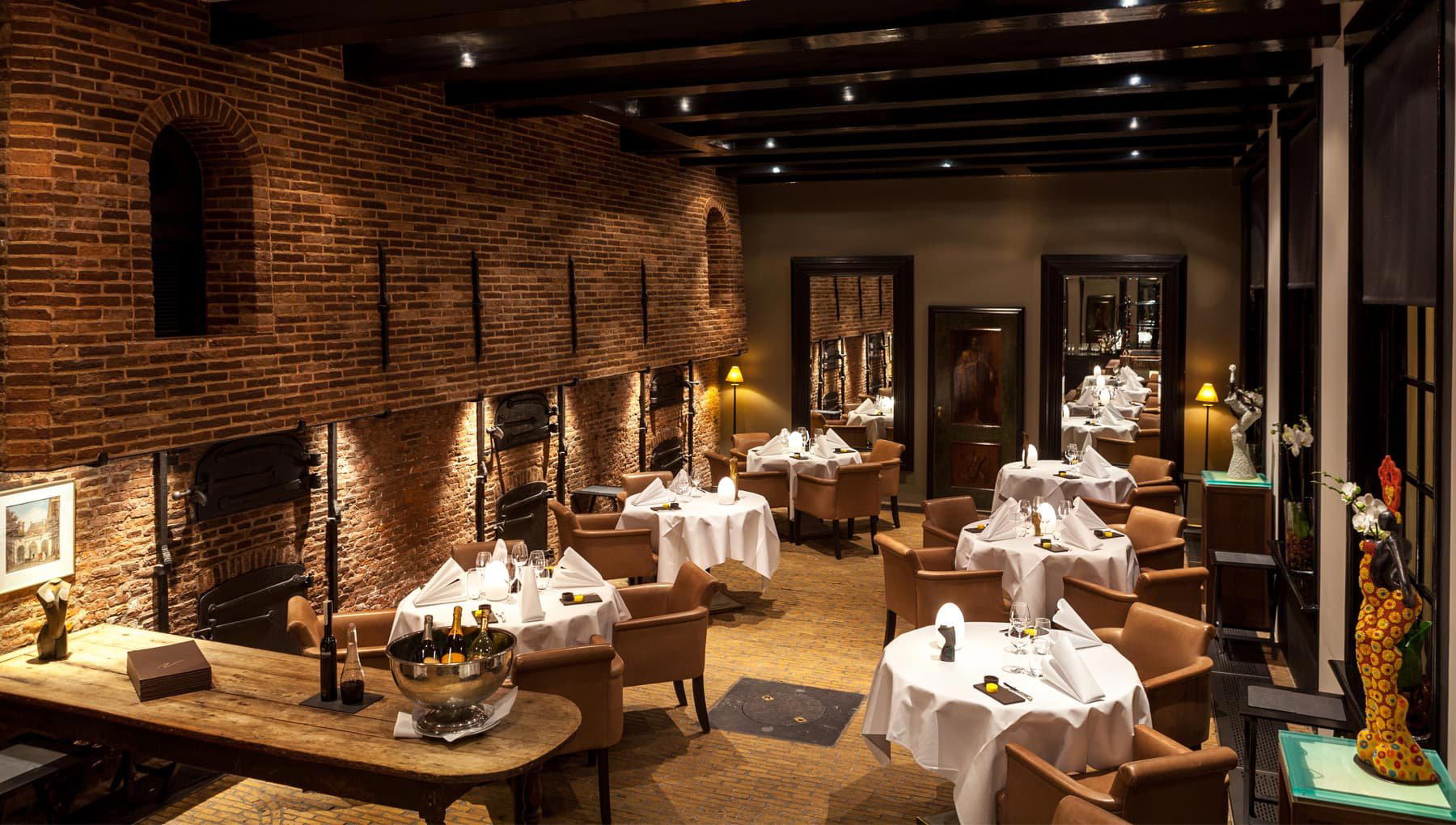
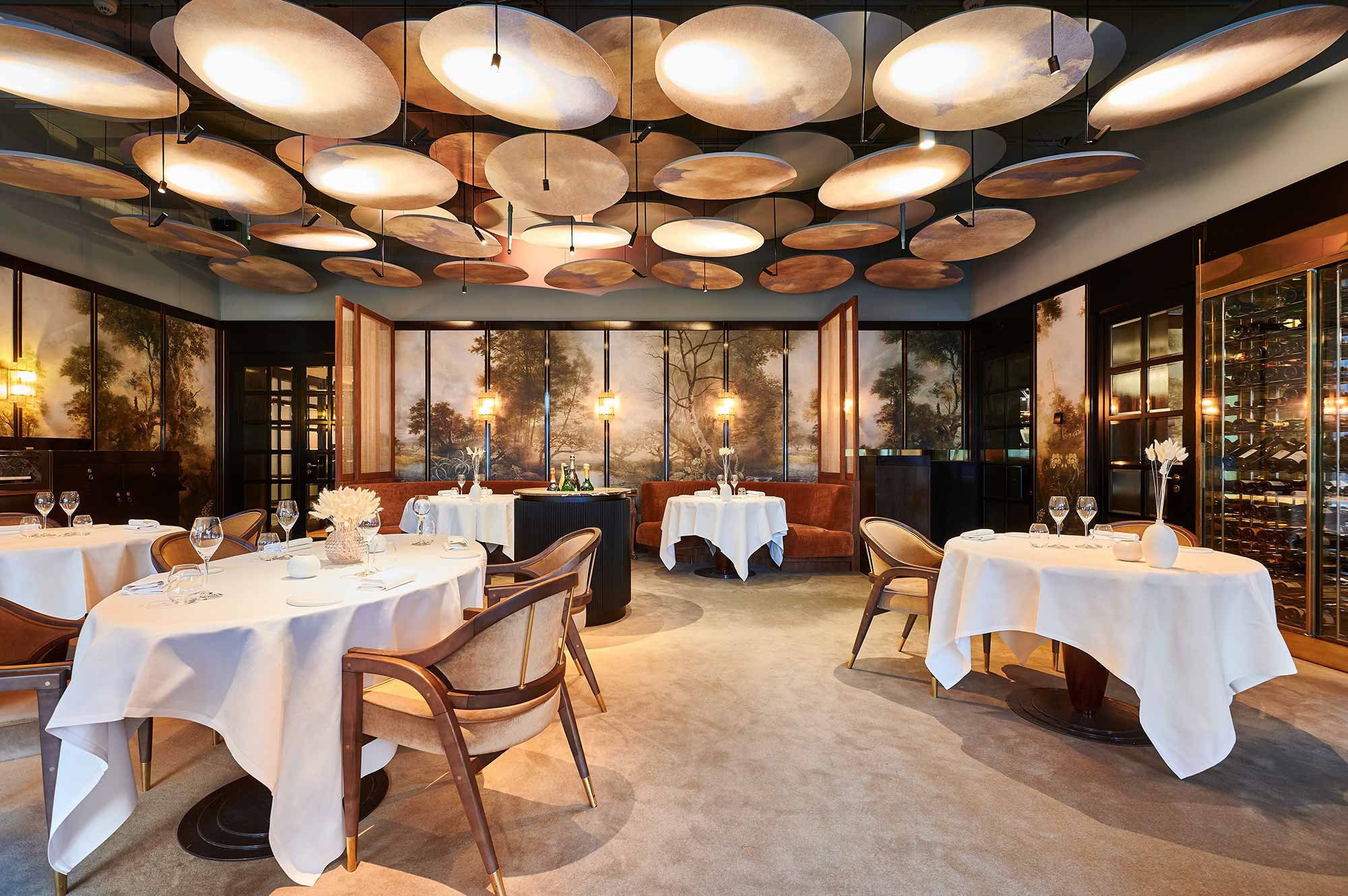
Restaurants in Amsterdam
Browse all →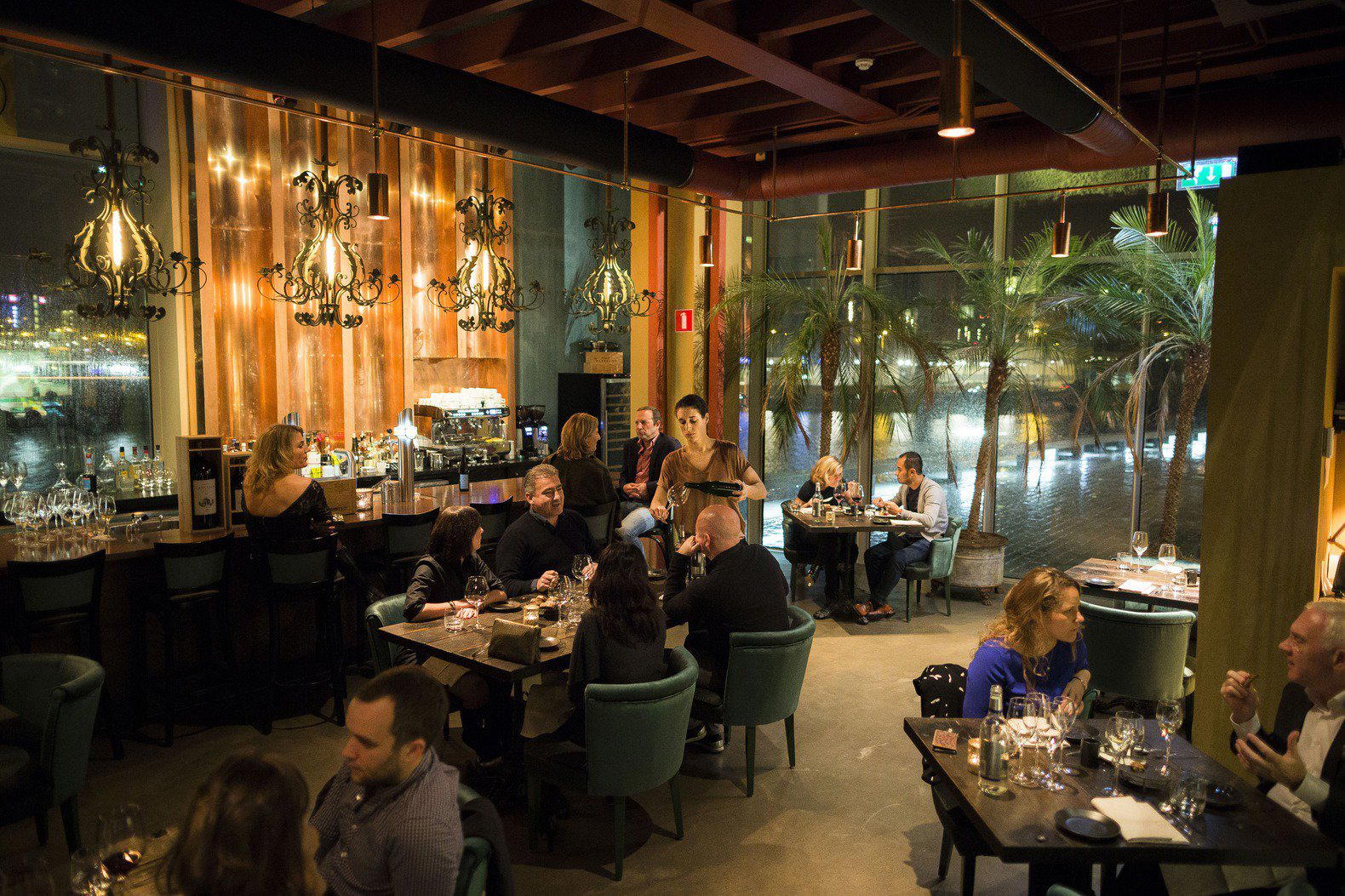
Bars in Amsterdam
Browse all →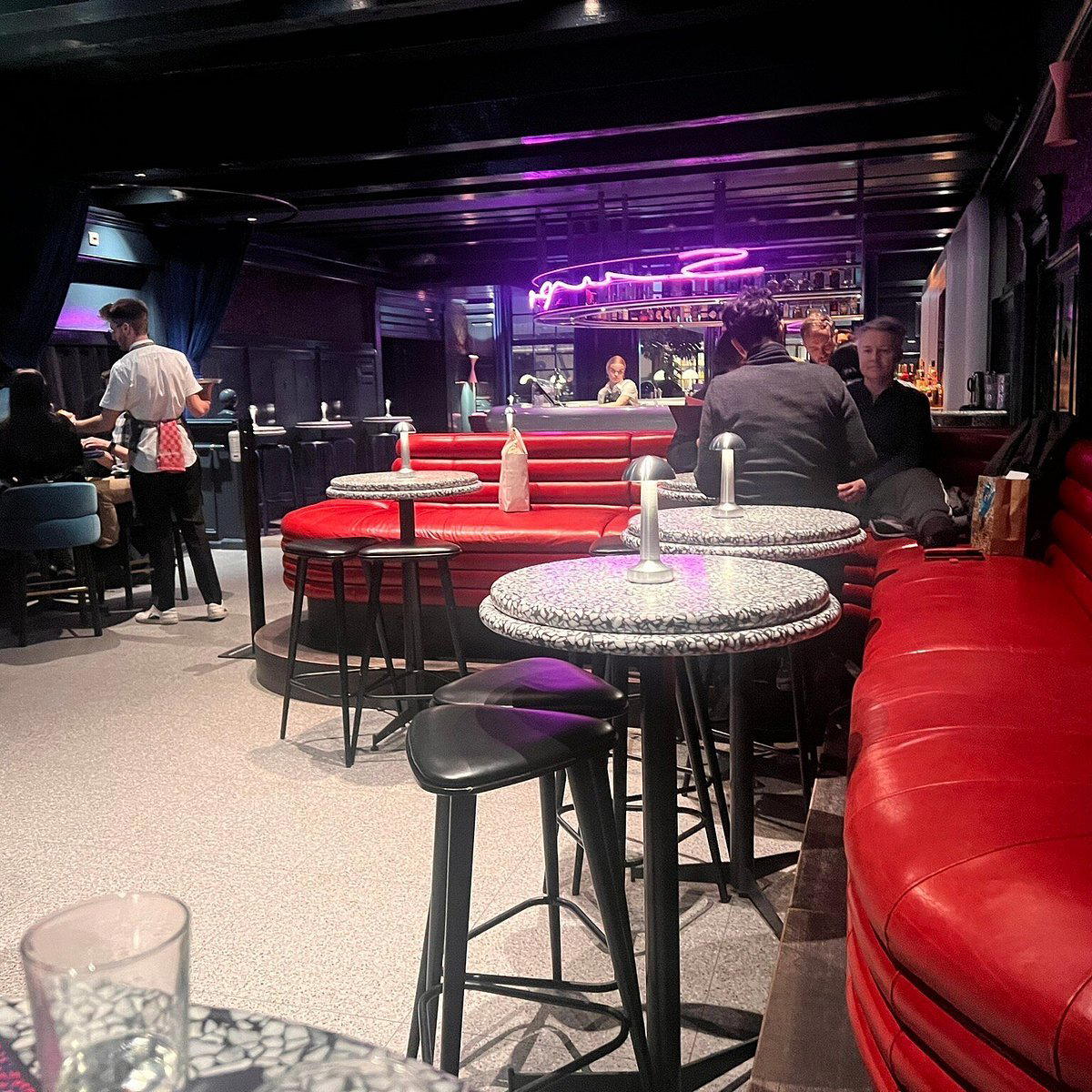
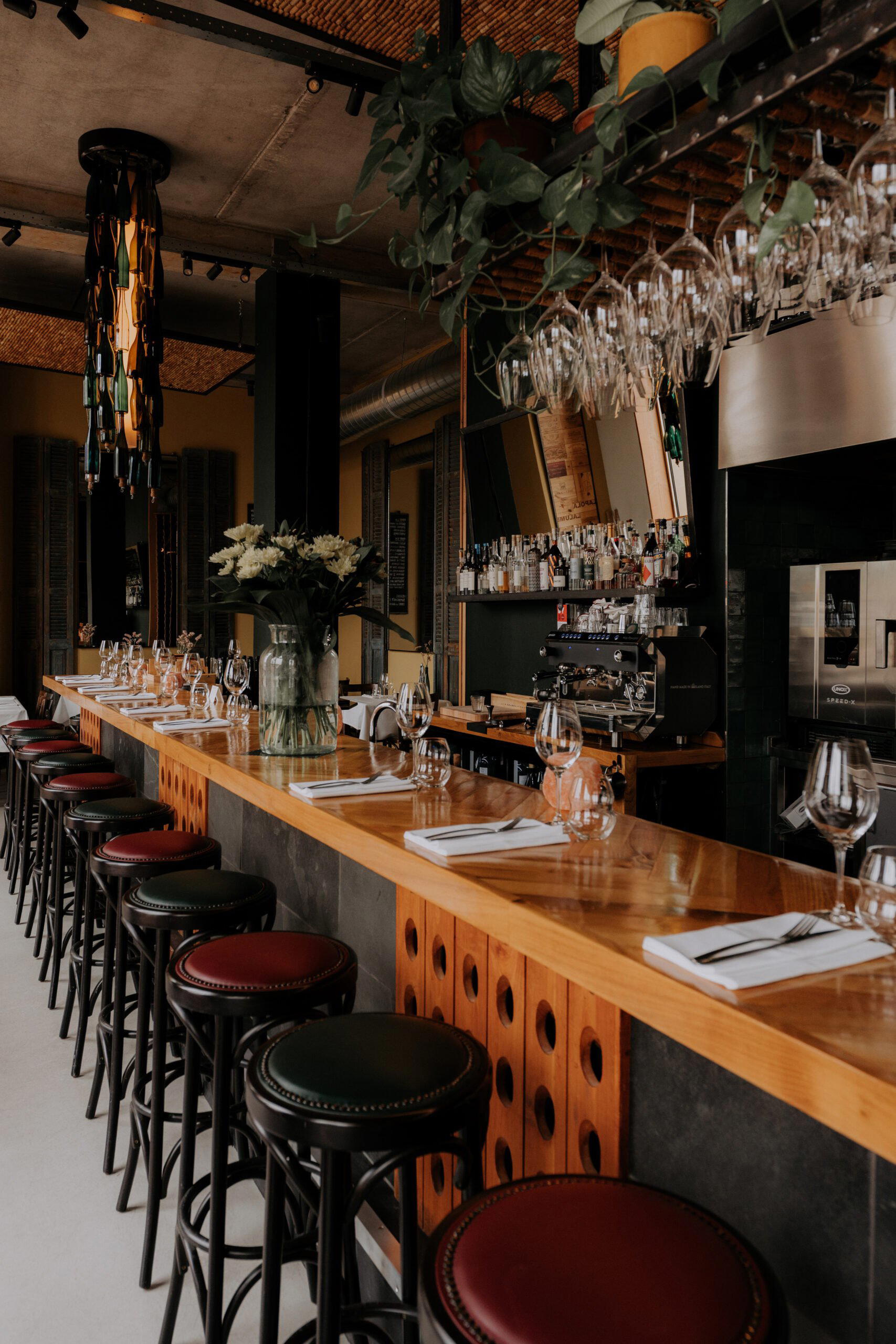
Hotels in Amsterdam
Browse all →
Wineries in Amsterdam
Browse all →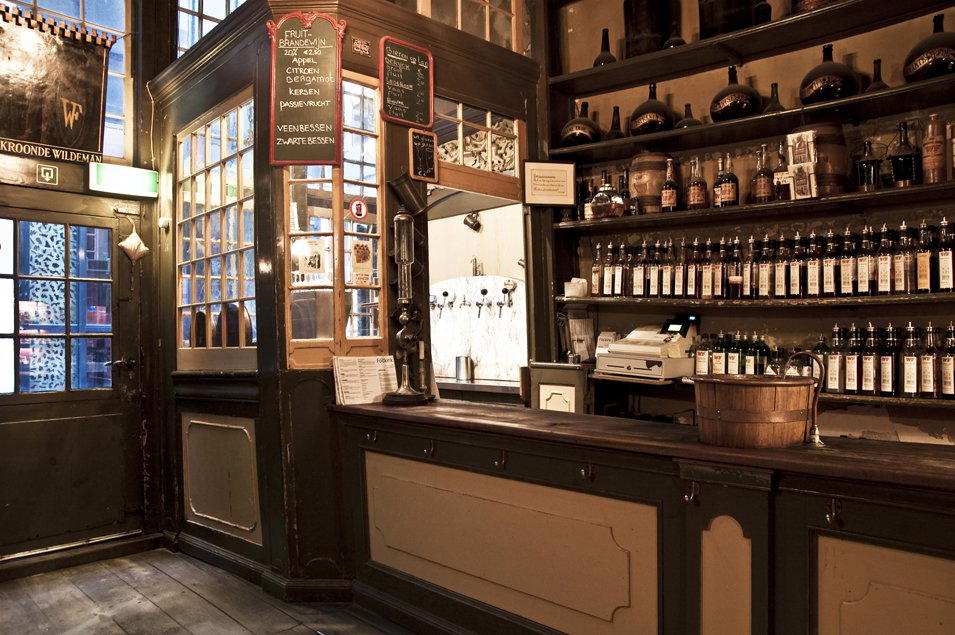
At a Glance
- Warm
- Cozy
- Sophisticated
- Relaxed
- Date Night
- Special Occasion
- Group Dining
- Waterfront
- Terrace
- Open Kitchen
- Extensive Wine List
- Craft Cocktails
- Waterfront
Current opening hours
- Monday
- Closed
- Tuesday
- Closed
- Wednesday
- 6–11:30 PM
- Thursday
- 6–11:30 PM
- Friday
- 6–11:30 PM
- Saturday
- 6–11:30 PM
- Sunday
- 6–11:30 PM
Hours can change for holidays and private events. Last verified .
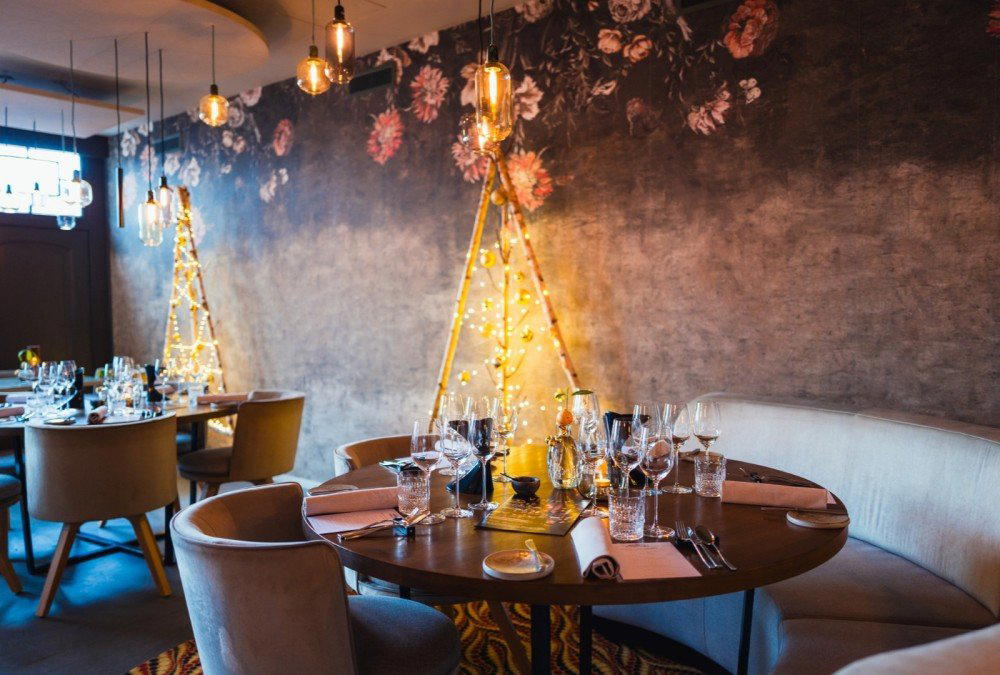
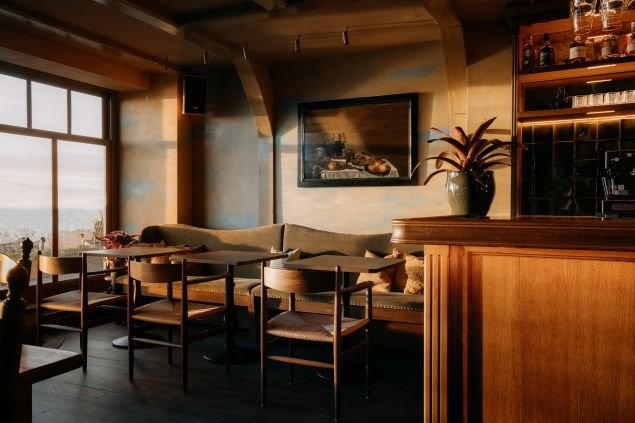
Warm, atmospheric interior with large windows offering dramatic river views, creating a cozy and sophisticated dining environment.