Bourgondisch Kruis sits on Brugsesteenweg in Kuurne, a quiet town in West Flanders where Belgian table culture runs deep. The name itself, translating roughly to 'Burgundian Cross,' signals an allegiance to generous, ingredient-led cooking, the kind rooted in regional produce and unhurried hospitality that defines stronger examples from Flemish dining tradition. For context on the wider local scene, see our full Kuurne restaurants guide.
Pearl is the En Primeur Club membership app — saves, bookings, and concierge access live there. Same editors, same standards.
- Address
- Brugsesteenweg 400, 8520 Kuurne, Belgium
- Phone
- +3256702455
- Website
- het-bourgondisch-kruis.be
- Directions
- Get directions
 Saves & bookings on Pearl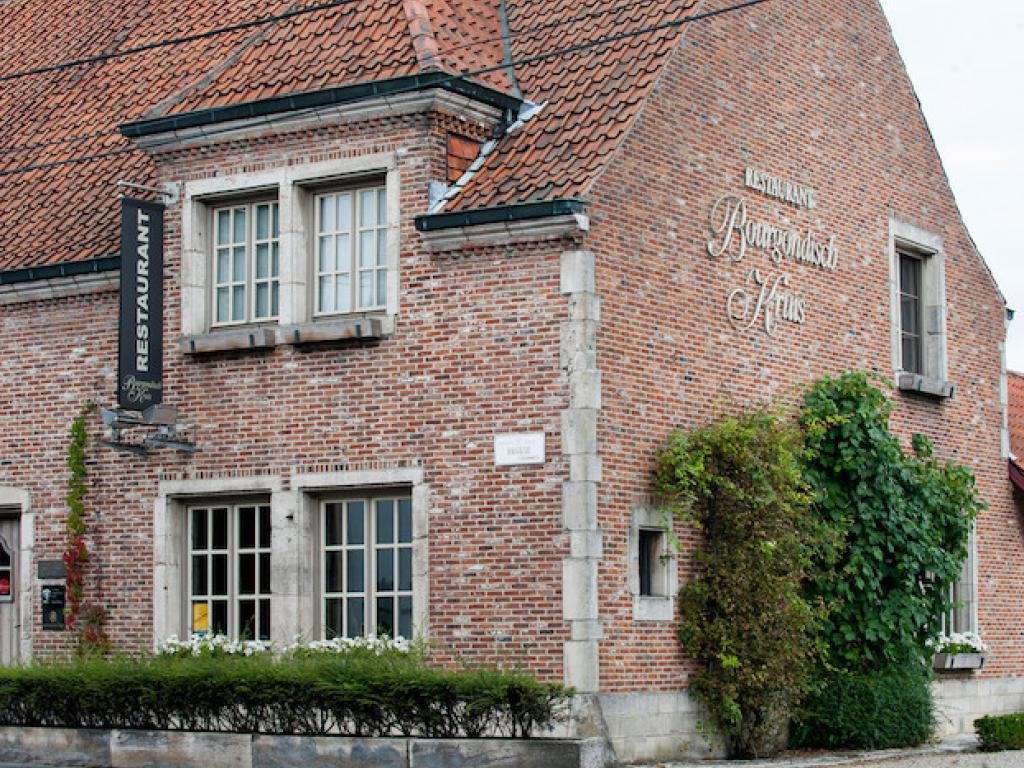
West Flanders at the Table: Where Kuurne Fits in the Flemish Dining Picture
Belgian fine dining has long operated on two axes: the French-influenced formalism of Brussels and the produce-driven directness of Flanders. In West Flanders specifically, towns like Roeselare, Kortrijk, and Kuurne sit within one of Belgium's most agriculturally fertile corridors, where proximity to coastal suppliers, polderland farms, and centuries of bourgeois cooking culture have produced a dining scene that punches well above its population weight. Restaurants here tend to anchor their menus in what the surrounding land and sea provide rather than in imported prestige.
Bourgondisch Kruis, on Brugsesteenweg 400 in Kuurne, carries a name that makes its position clear before a dish is served. 'Bourgondisch' in Flemish usage doesn't refer literally to Burgundy, it signals a cultural posture: generous, pleasure-forward, rooted in good ingredients treated with respect. It's a word Belgians use to describe their own leading table traditions, and choosing it as a restaurant name is a declaration of alignment with that ethos rather than with any particular technique or trend.
The Ingredient Logic of Flemish Cooking
Understanding why ingredient sourcing matters so much in this part of Belgium requires a short detour into geography. West Flanders sits between the North Sea coast and the Flemish Ardennes, with the Leie and Scheldt river valleys threading through agricultural land that has fed urban tables for centuries. The coastal towns supply grey shrimp, turbot, and sole; the interior farms contribute white asparagus in spring, chicory through winter, and some of the country's most serious beef and poultry. A restaurant operating inside this supply network has different raw material to work with than one importing from further afield, and the culinary traditions of the region evolved to showcase exactly that proximity.
This is the context in which places like Boury in Roeselare and De Jonkman in Sint-Kruis built their reputations, not through ingredient exoticism but through precision applied to what the region already does well. At the higher end of the Flemish table, Hof van Cleve in Kruishoutem and Zilte in Antwerp represent what that philosophy looks like when pushed to its most refined expression. Kuurne sits in a more accessible register, but the underlying logic of sourcing from nearby and cooking with seasonal discipline is the same.
The Setting on Brugsesteenweg
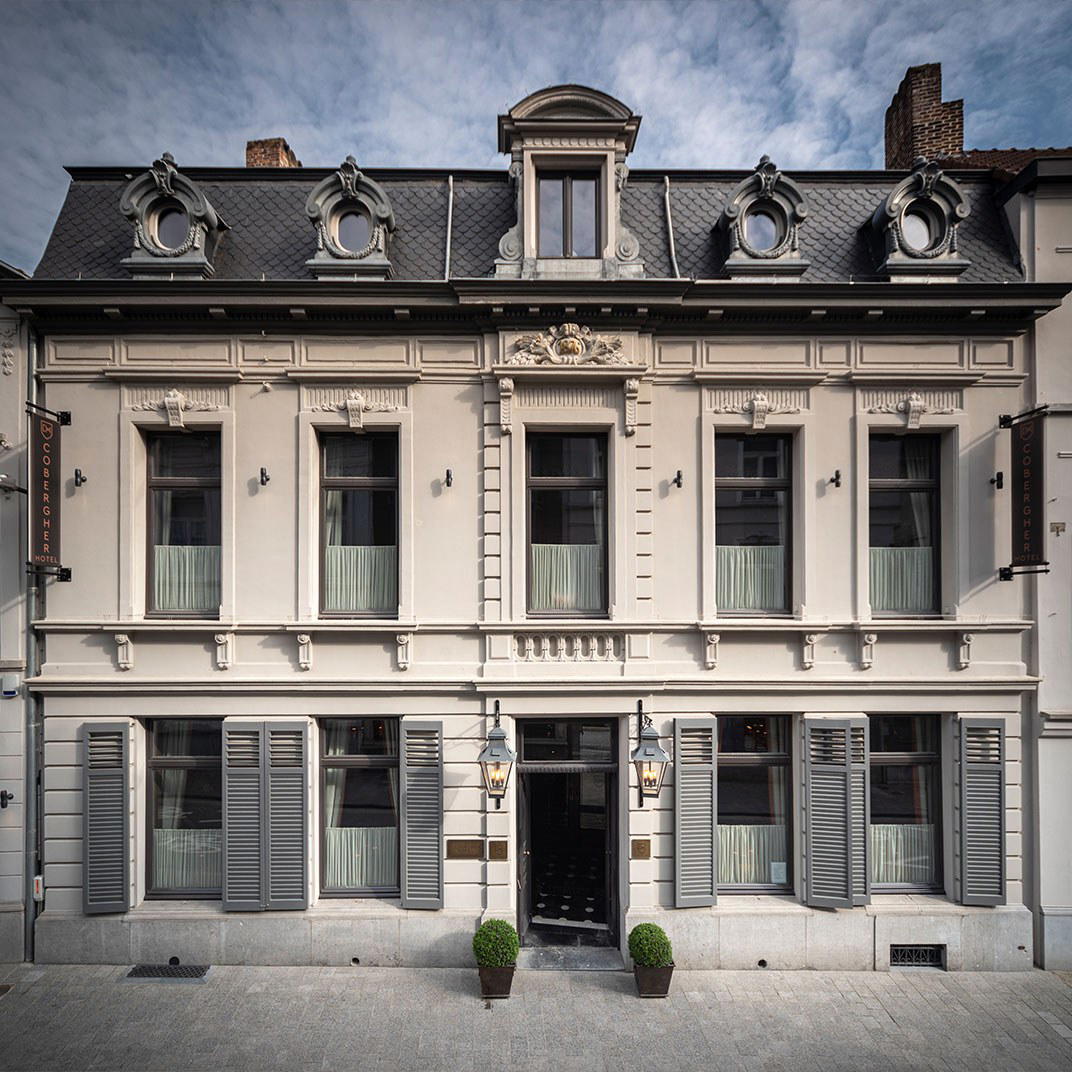
The Brugsesteenweg is the arterial road connecting Kuurne to Bruges, running through a stretch of suburban West Flanders that is more functional than picturesque. Arriving at a restaurant on a road like this in Belgium is a familiar dynamic: the exterior gives little away, and that deliberate modesty is often the point. Belgian dining rooms in this register tend to reserve their character for the inside, where the table, the glassware, and the first bread course do the communicating that a Parisian restaurant might leave to its facade. The approach suits the 'bourgondisch' ethos, comfort and quality over display.
Comparable dynamics play out at addresses elsewhere in the Belgian interior. La Durée in nearby Izegem operates in a similar register, as does Vrijmoed in Gent, where the creative French-Flemish format favours substance over architectural statement. For readers accustomed to London or New York restaurant theatre, the West Flanders approach can read as understatement; regulars treat that understatement as a feature, not a limitation.
Placing Bourgondisch Kruis in the Regional comparable set
At the leading, Michelin-decorated addresses command tasting menu pricing that aligns with Paris or Copenhagen. Below that sits a substantial middle tier, serious, often family-run restaurants where the cooking is technically accomplished and the pricing remains at a level that locals can sustain as a regular habit rather than a special occasion. This middle tier is where Belgian dining culture is most itself: confident enough to charge fairly for good work, unpretentious enough not to perform.
Against the comparison set of Boury, Vrijmoed, La Durée, and Cuchara, all operating at the €€€€ level with modern creative formats, Bourgondisch Kruis occupies a different register. Its name signals classical Flemish hospitality rather than progressive tasting menus. That distinction matters for how a reader should approach a booking: the expectation here aligns more closely with generous, produce-centred cooking in the Belgian bourgeois tradition than with the kind of architectural plating and foraging-led menus that define the creative tier.
For readers who want a broader comparative frame, the contrast with Bozar Restaurant in Brussels or Le Chalet de la Forêt in Uccle is instructive. Both operate in an urbane, French-influenced mode that suits Brussels. Kuurne's offering is more grounded in Flemish domestic tradition, closer in spirit, if not in prestige, to what Willem Hiele in Oudenburg does with coastal produce, or what Ralf Berendsen in Neerharen achieves in the Limburg countryside.
Planning Your Visit
Kuurne is accessible from Kortrijk in under ten minutes by car and sits approximately 25 kilometres from Bruges along the Brugsesteenweg axis. Reservations are recommended, and the restaurant follows smart casual dress. For visitors based in Ghent or Brussels, a day trip or evening booking is practical, particularly given Kortrijk's rail connections. As with most serious Belgian restaurants outside the major cities, advance booking is advisable, restaurants of this character in West Flanders maintain a loyal local following that can fill covers quickly on weekends. Visitors combining the area with nearby addresses such as Castor in Beveren or La Table de Maxime in Our will find the region rewards a structured itinerary rather than a casual drop-in approach.
For international context, readers who enjoy the produce-anchored philosophy at addresses like Le Bernardin in New York City or the community-rooted format at Lazy Bear in San Francisco will recognise the underlying logic here: where food comes from is not incidental to how it tastes. Additional Belgian comparisons are available through d'Eugénie à Emilie in Baudour, Cuchara in Lommel, and La Paix in Anderlecht.
At-a-Glance Comparison
Comparable venues nearby, for context on price, style, and recognition.
| Venue | Cuisine | Price | Notes |
|---|---|---|---|
| Bourgondisch KruisThis venue — the venue you are viewing | Classic French-Belgian | $$ | Not listed |
| Maison Noire | Classical French-Belgian with Eastern Touches | $$ | Izegem |
| The Phlox | French-Belgian Brasserie | $$ | Brakel |
| Le Coq Wallon | Traditional French-Belgian with Moroccan influences | $$ | Saint-Symphorien |
| Coeur d'Amis | French-Belgian Bistro | $$ | Zwevezele |
| La Route | Modern French Bistro | $$ | Ruisbroek |

At a Glance
- Classic
- Cozy
- Elegant
- Romantic
- Date Night
- Business Dinner
- Special Occasion
- Wine Cellar
- Extensive Wine List
Current opening hours
- Monday
- 12–2 PM
- Tuesday
- 12–2 PM
- Wednesday
- Closed
- Thursday
- 12–2 PM
- Friday
- 12–2 PM, 7–8:30 PM
- Saturday
- 7:30–8:30 PM
- Sunday
- 12–2 PM
Hours can change for holidays and private events. Last verified .
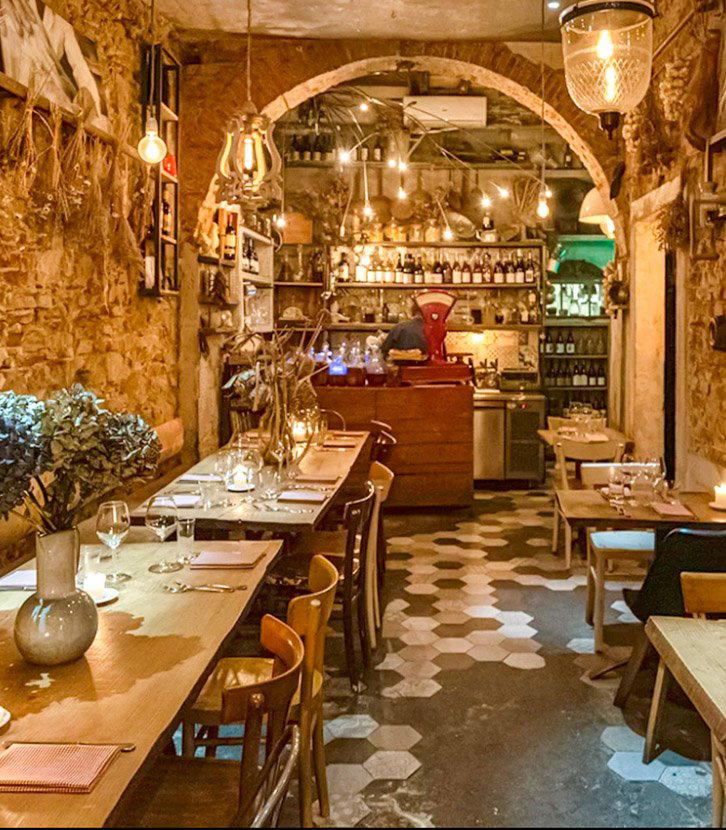
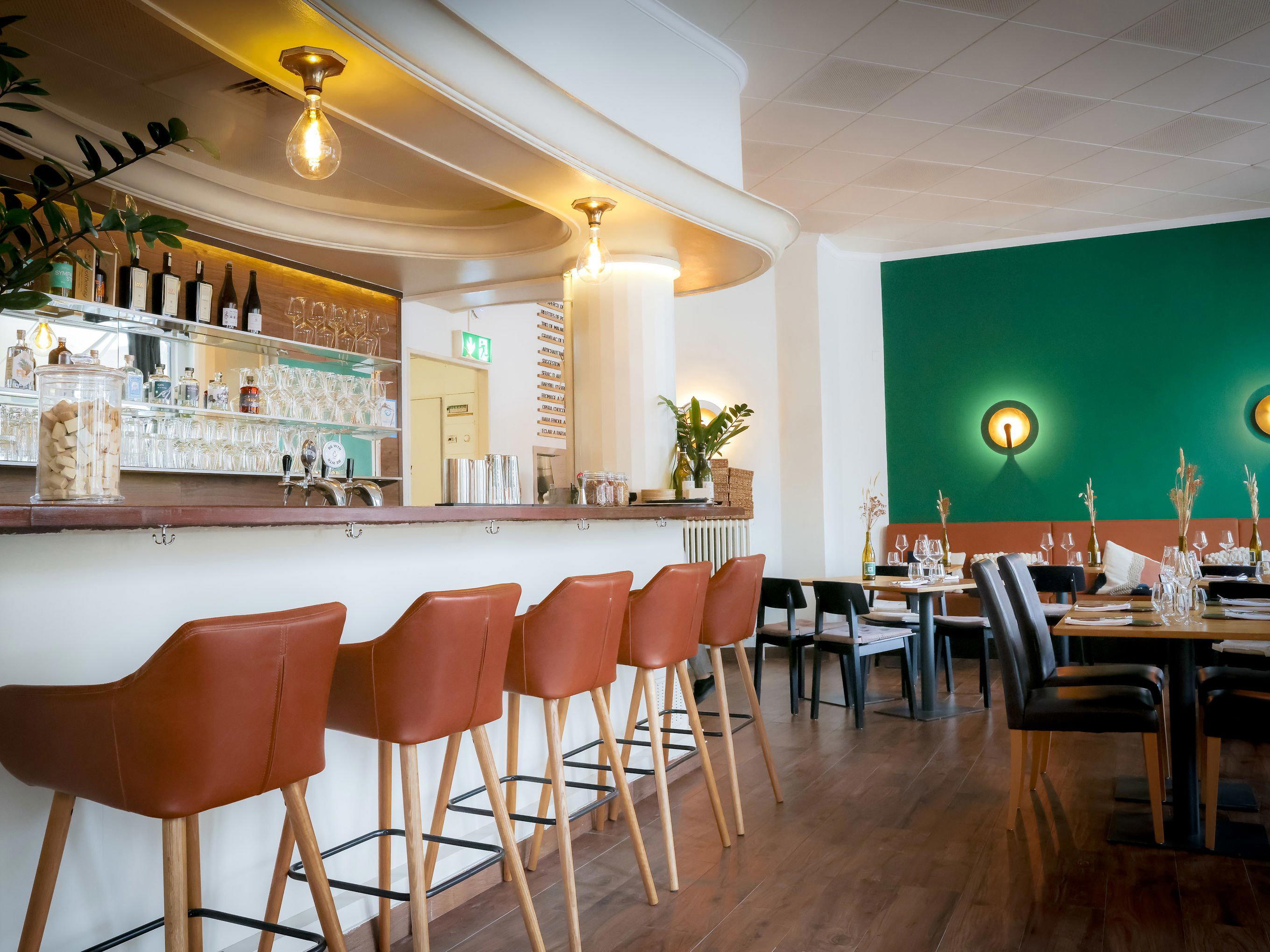
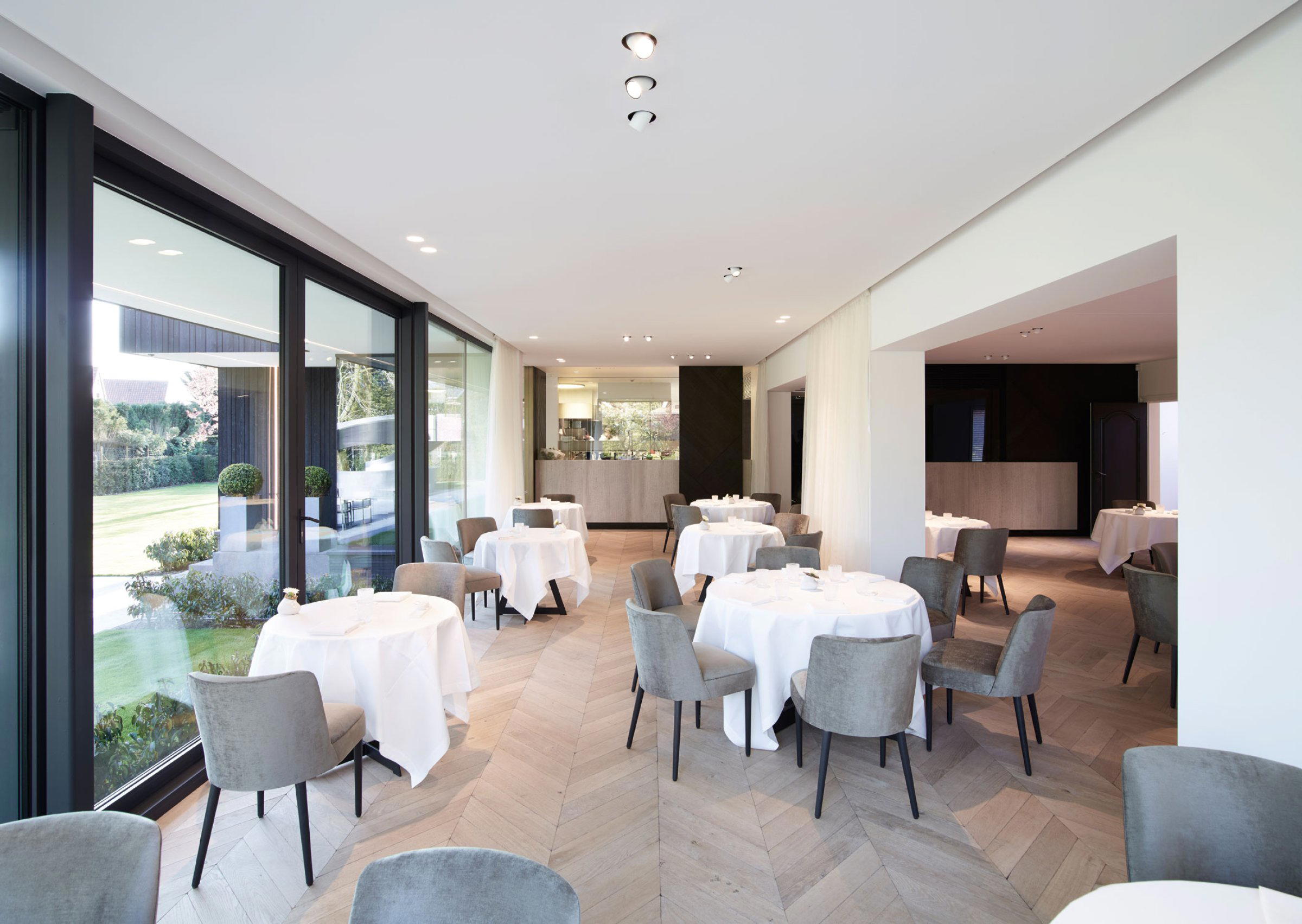
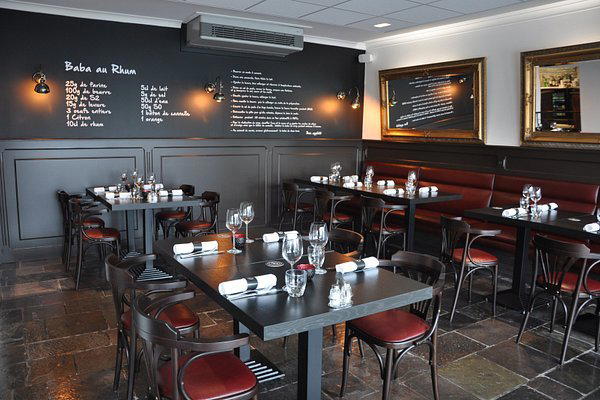
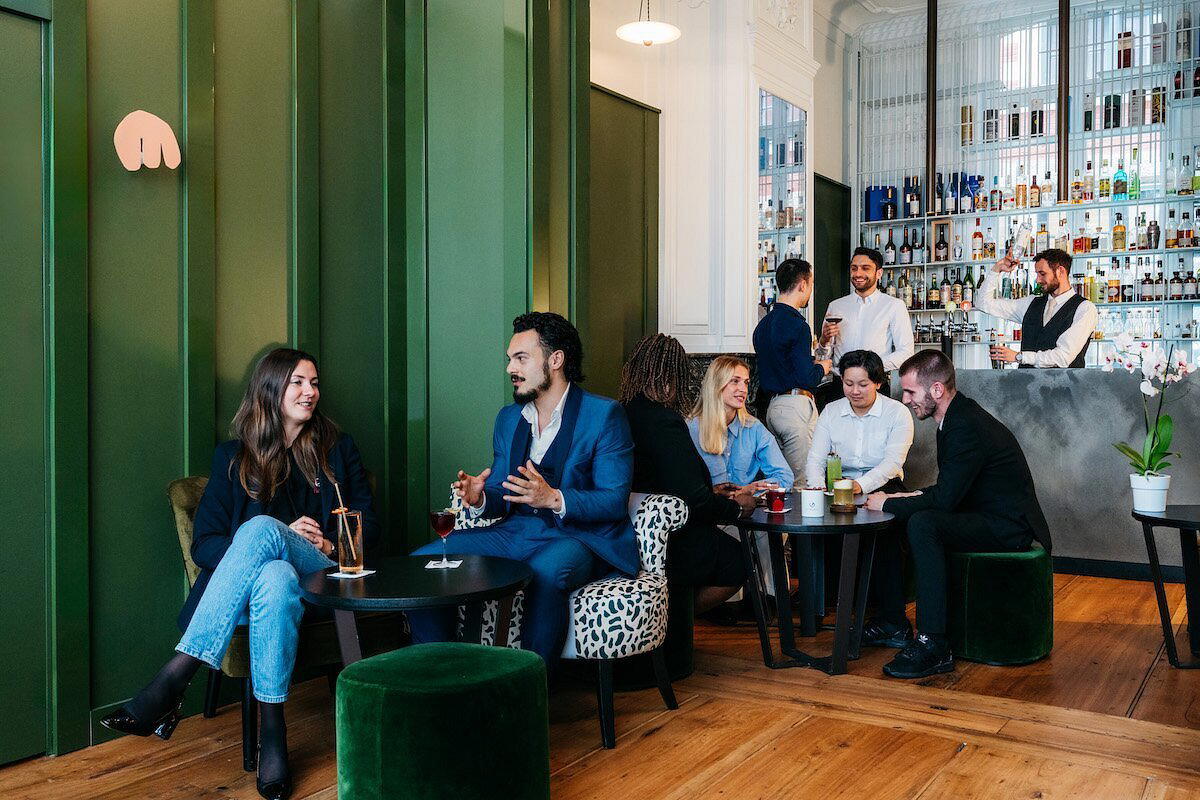
Cozy interior with warm welcome, smooth service, and an appeasing wine cellar atmosphere.