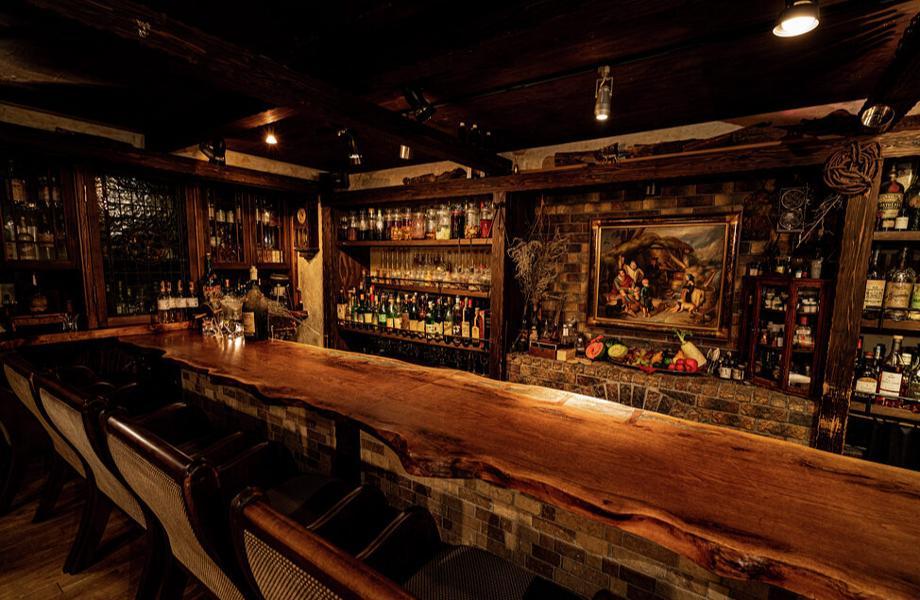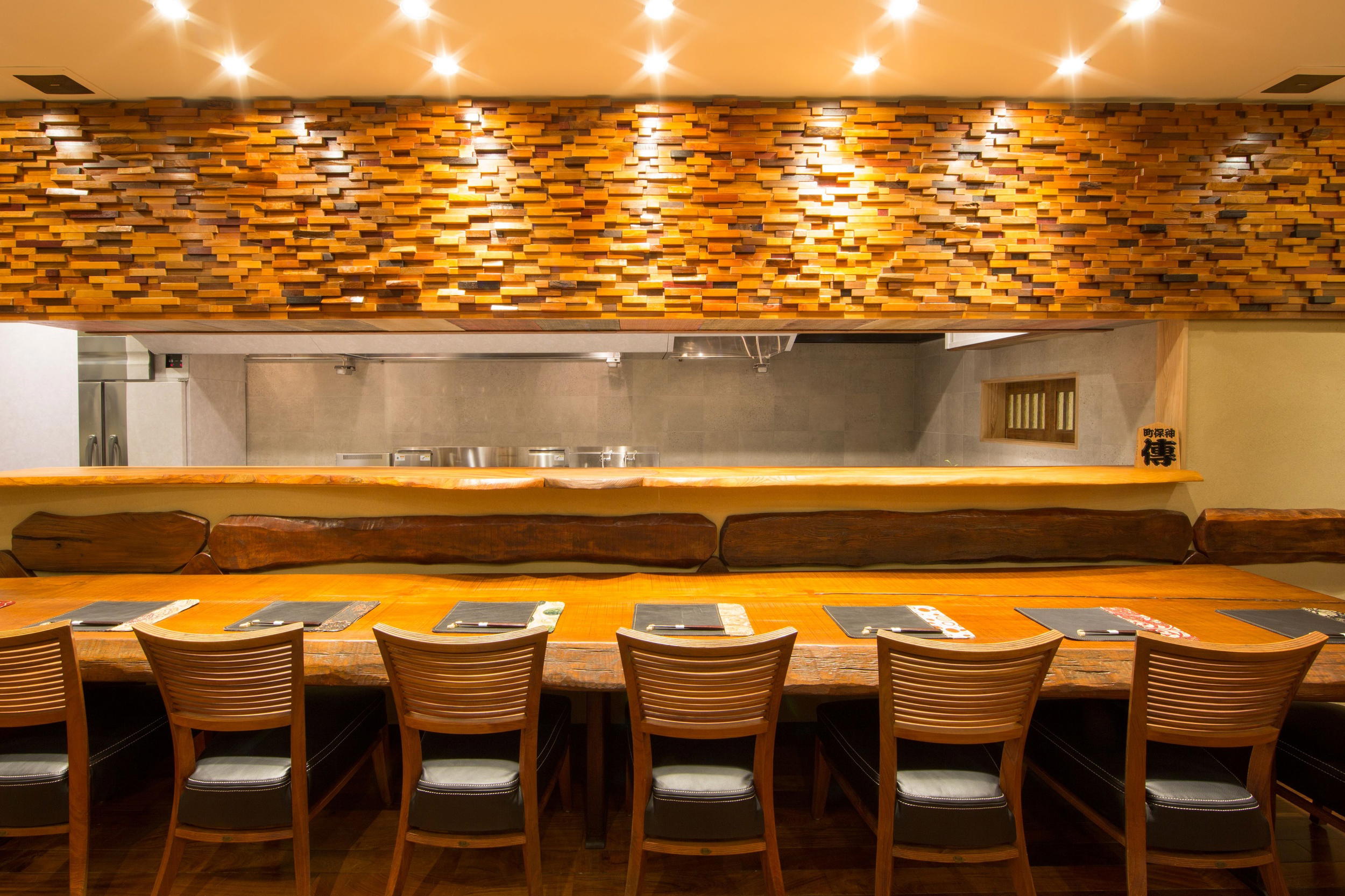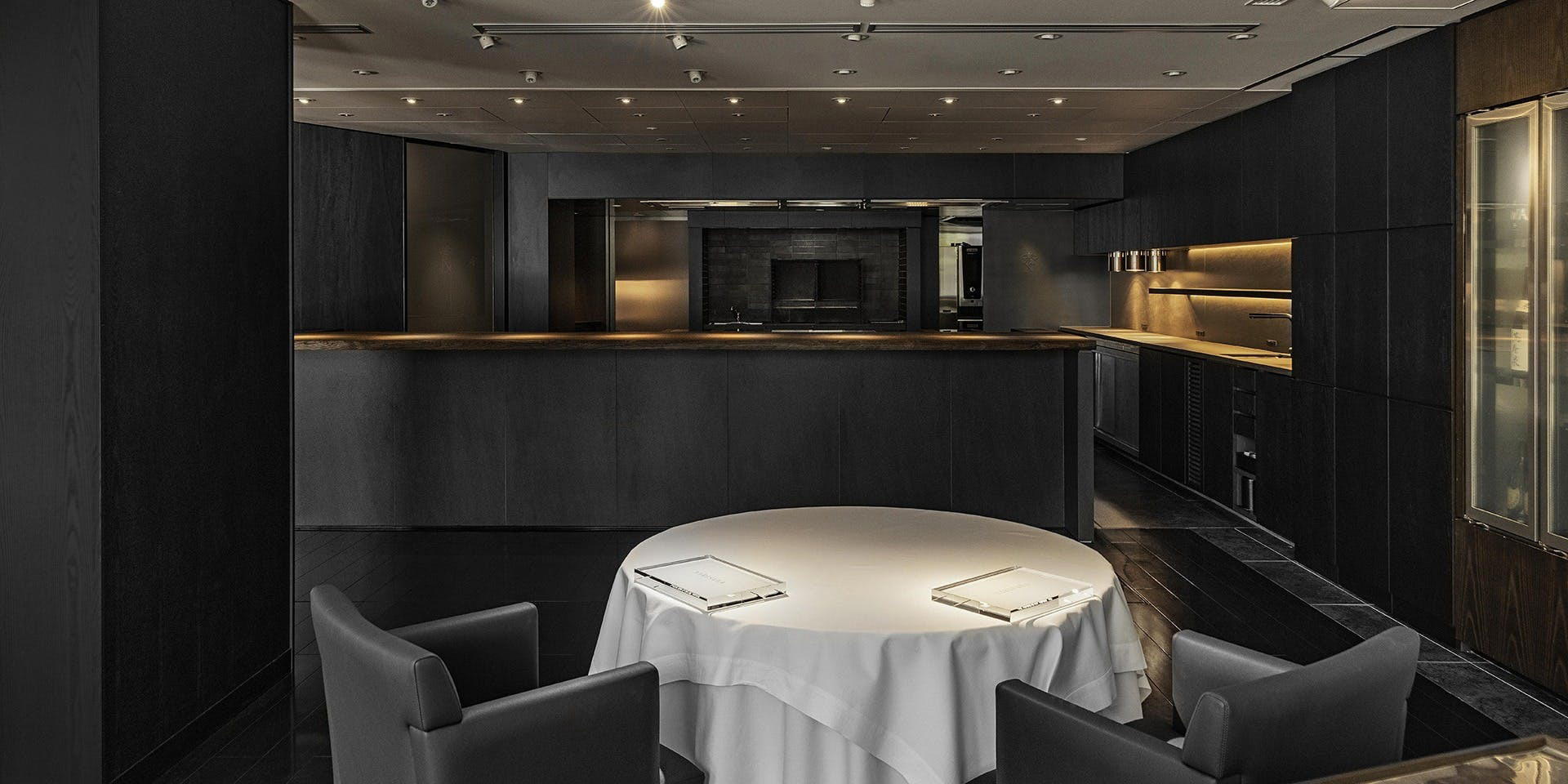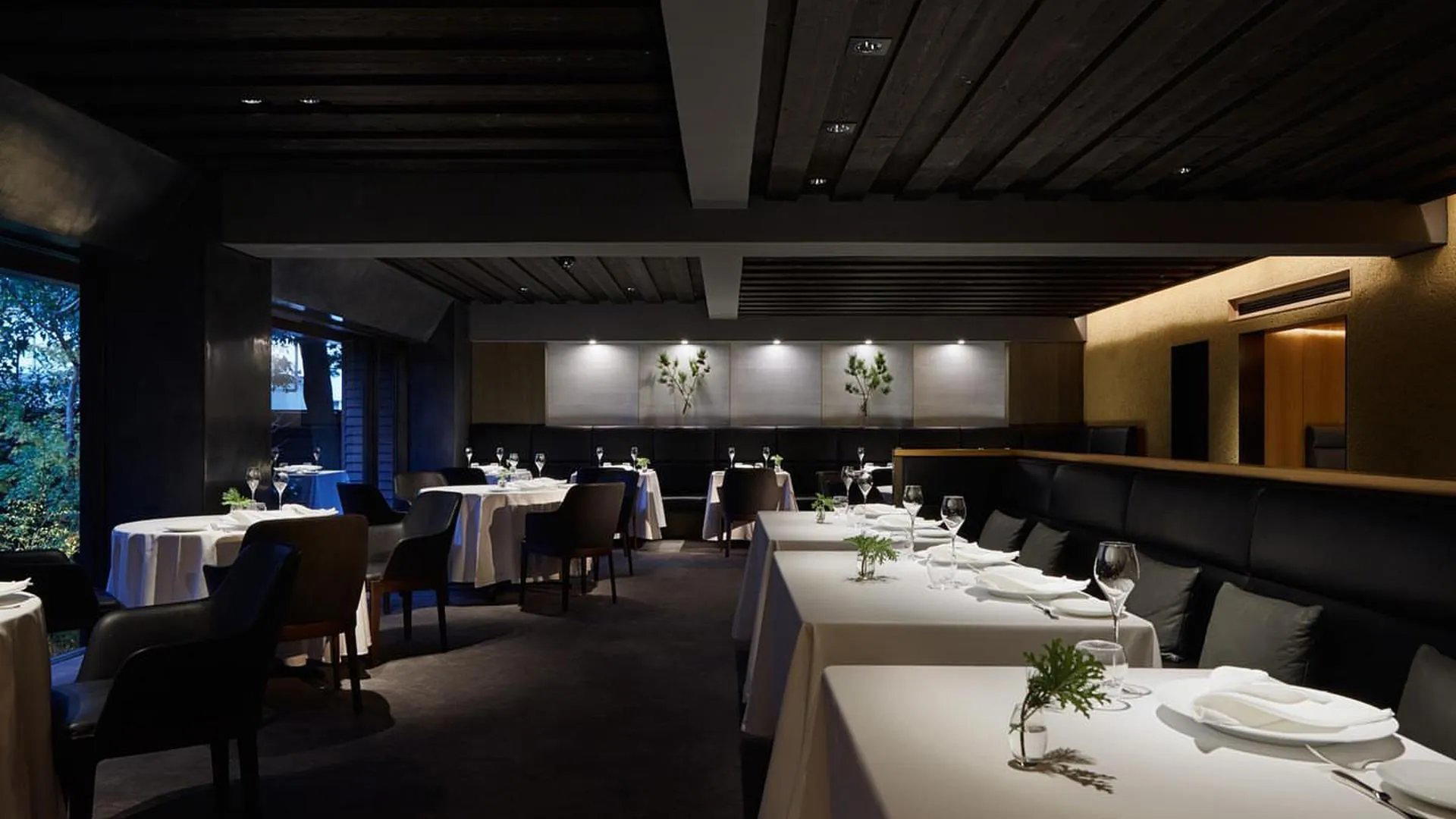
Tabelog Silver #11
Our verdict
Bon.nu belongs to Tokyo’s small, ritual-driven French dining tier, where the meal is less about breadth than control: limited seating, reservation-only service, wine, and a restaurant-patisserie format. Its Tabelog Award 2026 Silver status, Tabelog score of 4.25, and 2026 OAD Japan ranking place it in a serious local conversation rather than a casual French category.

Pearl is the En Primeur Club membership app, where members save venues, book tables and use the concierge.
The menu
What to order
- Lobster Bisque
- Mishima Wagyu Steak
- Sardine Soup Noodles
- Mushroom Risotto
- Basque Cheesecake
Approaching Yoyogi’s quieter restaurant pockets changes a meal before any plate arrives. Away from hotel dining rooms and Ginza counters, Tokyo’s small-format French restaurants trade spectacle for compression: fewer seats, tighter pacing, and service that asks diners to submit to the room. Bon.nu fits that custom: a French restaurant and patisserie where ritual begins with restraint.
Tokyo French spans grand hotel lineage, wine-led bistros, counter dégustation, and rooms where French technique is filtered through Japanese expectations of sequence, silence, and service choreography. Serious meals in this lane depend on portioning, timing, temperature discipline, and willingness to follow a fixed cadence.
French dining in Yoyogi, read through ritual rather than spectacle
The Shibuya-Yoyogi location matters. This is neither Ginza’s dense restaurant grid nor Ebisu nightlife spill. Yoyogi and nearby Sangubashi have a quieter residential tempo, suited to controlled entry, limited covers, and narrower occasions. Guests arrive for a planned sitting, not a drop-in evening.
Bon.nu’s public recognition gives the intimate format weight. It was named a Tabelog Award 2026 Silver winner, holds a Tabelog score of 4.25, appears at number 108 in the 2026 OAD Top Restaurants in Japan Ranked list, and was selected for Tabelog French TOKYO 100 in 2025. In Japan, these signals matter because local restaurant culture treats repeat confidence, consistency, and category precision as seriously as international guidebook visibility.
The category listing, French, steak, and cake, is revealing. Tokyo French at this level absorbs specialist product logic: meat with steakhouse focus, dessert with patisserie seriousness, wine as part of the meal rather than decoration. That does not make the format casual; it makes it narrower, and in Tokyo narrowness is often where discipline sits.
For readers mapping the city, this is far from an all-purpose restaurant hunt. Our full Tokyo restaurants guide is the broader starting point; Bon.nu belongs to the subset where a reservation defines the evening and structure matters as much as cuisine label. Read it beside Tokyo’s other specialist formats, from yakitori at 124. KAGURAZAKA (Yakitori) to curry at 3 Chome no Curry Ya San, because the city’s seriousness often appears through focus rather than scale.
A 12-seat room and the discipline of a planned meal
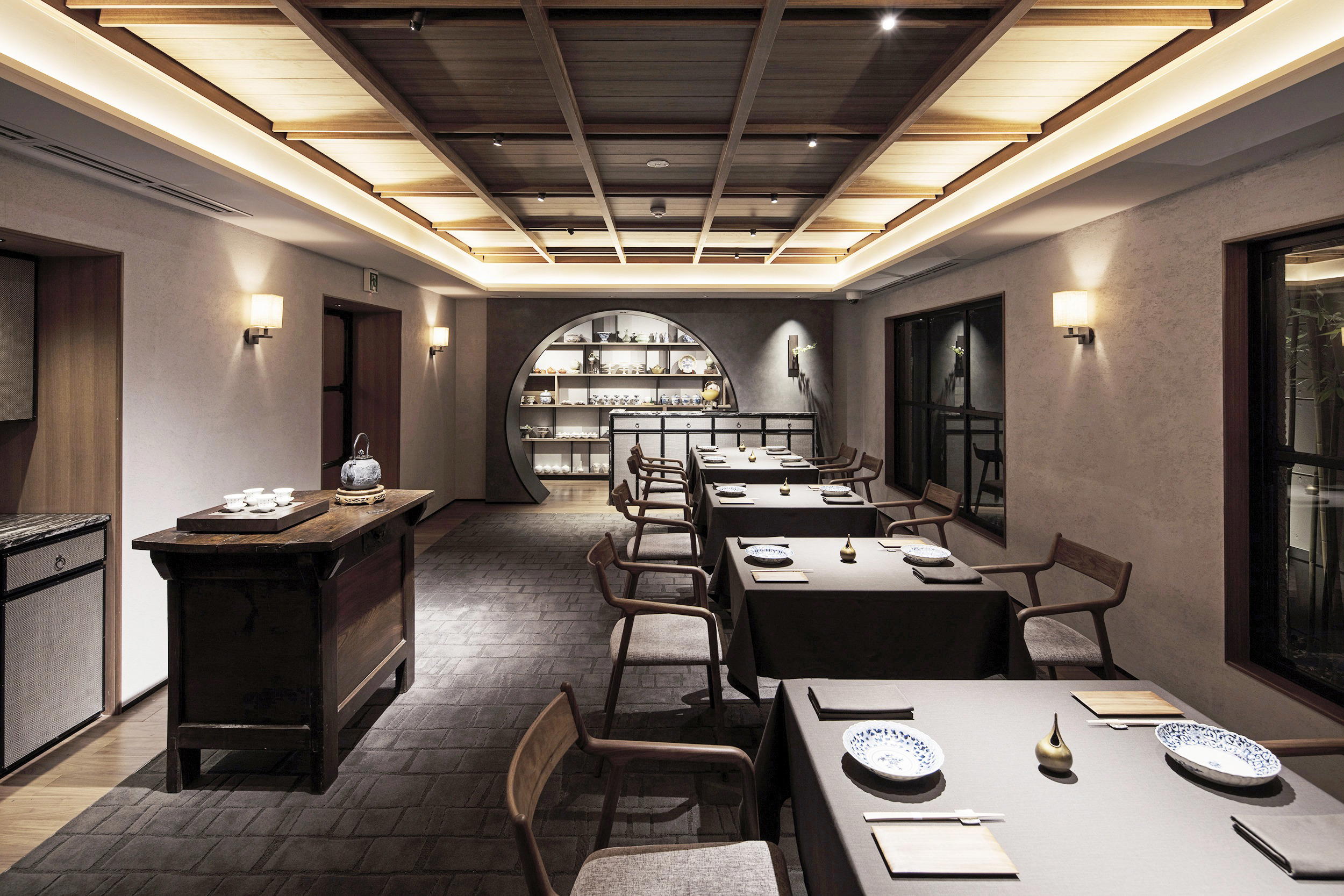
Capacity shapes etiquette. With 12 seats and service limited to three groups per day, the room operates closer to a private appointment than a conventional restaurant floor. Punctuality, clear party size, and comfort with a composed sequence are not incidental. In a city where high-end sushi counters have trained diners to respect a sitting’s rhythm, small French rooms ask for similar attention.
The seating structure reinforces this. A table for eight and a private room for four mean parties shape atmosphere more than in a large dining room. Groups of three or more are seated at a table, larger parties require consultation, and the experience is less about choosing a seat than fitting the restaurant’s operating logic. The private room has a separate fee, making it deliberate, not an incidental upgrade.
The restaurant-patisserie identity adds ritual. Tokyo patisserie culture has its own codes: precision, gifting, reservation discipline, and tolerance for advance planning. Here, the patisserie is reservation-only, and orders are limited to guests who have previously visited after consultation. Dessert and cake culture belong to the same controlled ecosystem as dinner, not a casual retail counter attached to a restaurant.
This fits a wider Tokyo pattern. Premium dining increasingly separates into large-format rooms designed for accessibility and small rooms designed for commitment. The latter reward diners who accept constraints as value. A meal at this level is best read as compact ceremony, with French technique, wine, and patisserie discipline inside a limited-capacity room.
Comparison within the supplied Tokyo set sharpens the point. Kinoshita is a French reference at a different price tier, Orchestra points to Italian dining at a higher listed tier, and Bon.nu’s recognition and format place it in a concentrated, reservation-led French lane. RAJA, with a far lower listed spend, is a separate dining decision. The useful comparison is not cuisine alone, but how much structure the diner buys into.
Who should choose this style of Tokyo French
This suits diners who enjoy Tokyo’s formal dining customs: fixed timing, limited seating, and the expectation that a meal has a set internal order. It is less suited to flexible family dinners, spontaneous patisserie stops, or long à la carte evenings. The format asks for commitment before arrival, which is part of its editorial appeal.
Payment and policy details signal the audience. Credit cards are accepted; electronic money and QR code payments are not. The restaurant is non-smoking and has no parking. Cancellation terms apply within the final week before the reservation date, including guest-number changes. None of this is unusual in Tokyo’s small high-end tier, but the meal should be treated as a fixed plan, not a tentative hold.
For a Tokyo itinerary, place this on a restaurant-led evening, not after heavy sightseeing. Visitors pairing dinner with the wider hospitality scene can use Our full Tokyo hotels guide, Our full Tokyo bars guide, Our full Tokyo wineries guide, and Our full Tokyo experiences guide to keep the schedule coherent. Do not stack the evening with too much movement. A small room benefits from a clean run-in and quiet exit.
Within EP Club’s wider Japan and international dining map, Bon.nu shows how specific Tokyo can be. The city can move from seafood and flame at. 鮪と炭火焼き うお炭 秋葉原店 to Shinjuku dining at 12/10 Shinjuku ten and graphic café culture at 2D Cafe. Regional contrasts are instructive: -Grilled beef Sukiyaki- KAMAKURA TANUKIAN 鎌倉 たぬき庵 in Kamakura.cafe in Osaka.know in Kumamoto, (Shoku) Vietnam in Kawasaki, [Curry Senmon Ten] Maruyama Kyoju. in Sapporo, and [ki:] in Kyoto show how category, city, and occasion change a meal’s meaning. Overseas references such as Jōdo Saké Bar in Los Angeles and Onigiri Time in Pasadena underline the same point: Japanese dining culture travels, but Tokyo’s reservation-led small rooms keep their strict grammar.
The editorial case for Bon.nu is not merely that it is an awarded French restaurant. It is a study in Tokyo’s disciplined scarcity: recognized room, narrow capacity, patisserie dimension, and a meal best approached as ritual with rules. Diners who value that structure will understand the appeal before the first course arrives.
Frequently asked questions
Is Bon.nu suitable for children?
It is a better fit for older children who can handle a quiet, reservation-only meal in Tokyo’s Yoyogi area. The 12-seat room and fixed lunch and dinner entry times make it a less natural choice for younger diners.
What should I expect atmosphere-wise at Bon.nu?
Expect a compact room with 12 seats, counter seating and service limited to three groups per day. In practice, it reads more like a planned appointment than a walk-in dinner, with the formality that comes with a Tabelog Silver-winning address in Tokyo.
What days is Bon.nu closed?
Hours at Bon.nu: ■Business hoursLunch: 12:00 - 13:00 (last entry)Dinner: 17:00 - 20:00 (last entry)*Lunch is available by reservation for groups of 6 or more only.12:00 - 18:00*Both the restaurant and patisserie operate on a reservation-only basis.*Orders for the patisserie can only be made after consultation for those who have visited before.■Closed onNot fixed.
What is Bon.nu known for?
Bon.nu is primarily known for its core concept and execution in Tokyo.
Comparable venues nearby, for context on price, style, and recognition.
| Venue | Cuisine | Price | Awards | Notes |
|---|---|---|---|---|
| Bon.nuThis venue (the venue you are viewing) | Modern French Minimalist Tasting Menu | $300–500 | Tabelog Silver #11 | Not listed |
| Ode | Modern French Omakase with Japanese Ingredients | $200–300 | Not listed | Shibuya |
| Nouvelle Epoque | Contemporary French-Japanese Fine Dining | $150–200 | Forbes 4-Star | Minato |
| レフェルヴェソンス | Modern French with Japanese Influences | $200–300 | 3 Michelin Stars · World's 50 Best #69 | Minato |
| ラトリエ ドゥ ジョエル・ロブション | Modern French Fine Dining | $150–200 | 1 Michelin Star · La Liste Top Restaurants | Minato |
| エクアトゥール | Innovative French | Not listed | Not listed | Minato |
Recognition history
Dated appearances from independent guides and award organizations, with the underlying list record or original source where available.
Opinionated About Dining Top Restaurants in Japan Ranked #108
Opinionated About Dining
Tabelog Silver #11
Tabelog
Full recognition history (4 entries)
Tabelog 100 #57 · No. 57
Tabelog · Tabelog 100 - French - TOKYO - 2025
Tabelog Silver
Tabelog