On Avenida Angamos Oeste in Miraflores, Restaurant Oriental Wa Lok has long been a reference point for chifa, Lima's Chinese-Peruvian culinary tradition, in a city where that tradition runs deeper than almost anywhere else in the Americas. The dining room holds to the measured pace and shared-table format that defines serious chifa eating, making it a reliable marker for understanding how Lima absorbed Cantonese immigration and made it its own.
Pearl is the En Primeur Club membership app — saves, bookings, and concierge access live there. Same editors, same standards.
- Address
- Av. Angamos Oeste 700, Miraflores 15074, Peru
- Phone
- +51 984 123 645
- Directions
- Get directions
 Saves & bookings on Pearl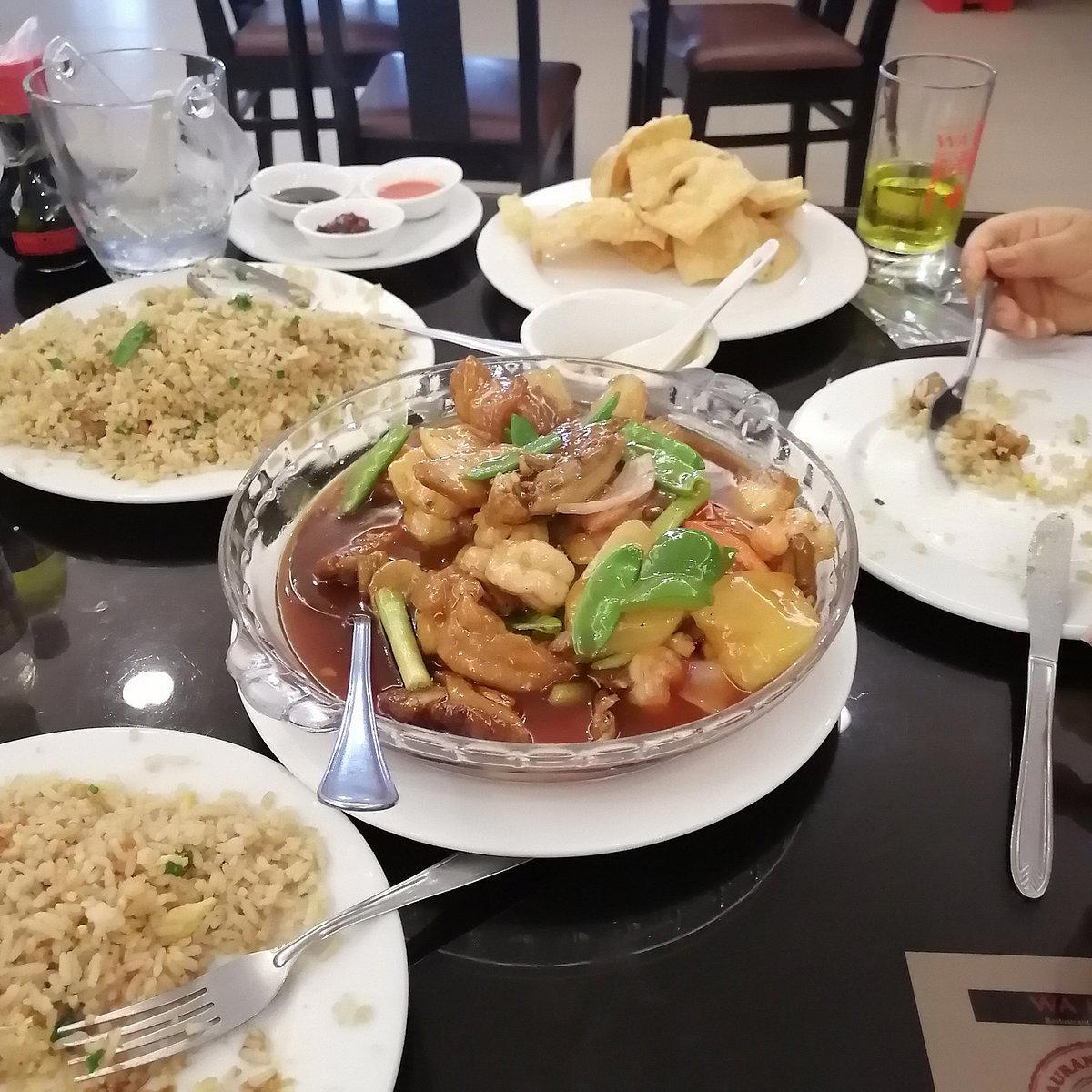
Where Chifa Becomes a Dining Language
Miraflores, the residential district that sits between Lima's financial centre and the Pacific cliffs, has spent the past decade accumulating serious restaurant credentials. Astrid & Gastón (Modern Peruvian) anchors one end of the ambition spectrum; the neighbourhood's chifa houses anchor something older and, in many ways, more structurally interesting. Restaurant Oriental Wa Lok on Avenida Angamos Oeste sits within that second category, a large-format, family-style dining room where the ritual of the meal matters as much as any single dish.
Chifa is not a fusion concept in the contemporary marketing sense. It is the product of over 150 years of Cantonese immigration to Peru, beginning with the contract labourers who arrived in the mid-nineteenth century and gradually transformed Lima's food culture from the inside. The term itself derives from the Cantonese phrase for cooked rice, and the cuisine that emerged from that community absorbed Andean ingredients, coastal seafood, and Peruvian seasoning into a Cantonese structural grammar. By the mid-twentieth century, chifa had become one of Lima's defining eating traditions, with restaurants operating at every price point from market-side counters to large ceremonial dining rooms. Wa Lok belongs to the larger, more formal end of that spectrum.
The Structure of the Meal
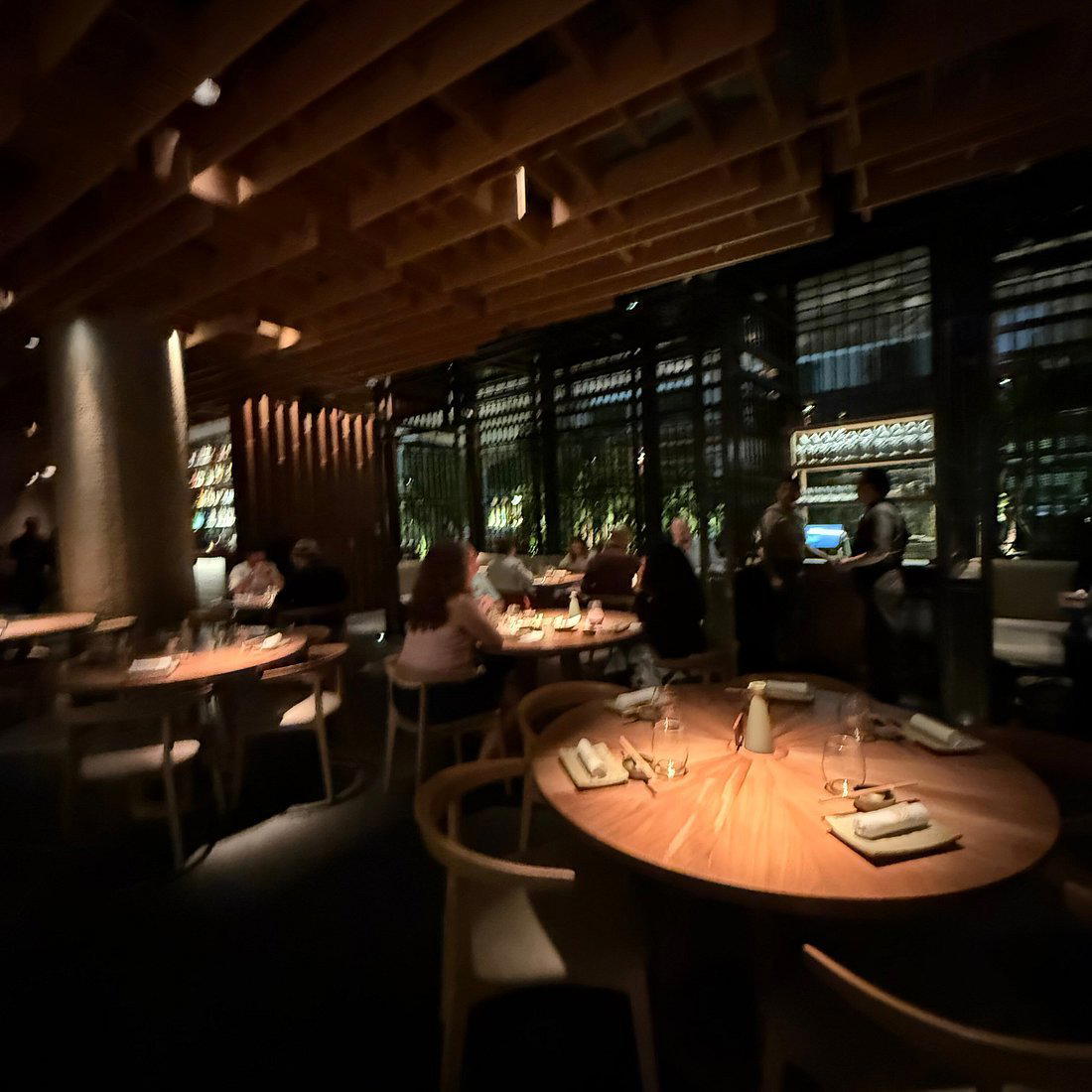
Walking into a room like Wa Lok's, the first thing a first-time visitor notices is the scale. Large chifa dining rooms are designed for groups, for extended family lunches, for the kind of eating that unfolds across two hours and eight shared plates rather than three courses in sequence. The pacing is deliberate: dishes arrive as they are ready, the table accumulates flavour over time, and no one rushes. This is the dining ritual that defines serious chifa eating, and it differs meaningfully from the faster, more individual-portion model that dominates Lima's modern Peruvian scene.
The core chifa vocabulary includes dim sum formats, wonton preparations, rice and noodle dishes cooked in woks over high heat, and roasted proteins, duck and pork in particular, that carry Cantonese technique into a Peruvian ingredient context. Sauces in this tradition tend toward depth and balance rather than heat or brightness, and portion architecture rewards sharing rather than solo ordering. A table of four ordering for the centre rather than for themselves will eat substantially better than the same four people ordering individually.
For context on how Lima's dining culture handles this kind of shared-table ritual across different traditions, Maido (Nikkei) offers a useful parallel: the Japanese-Peruvian tradition it represents also absorbed an immigrant culinary grammar into Peruvian ingredients, but resolved it through a tasting-menu format rather than a family-style one. The contrast illuminates how different the two immigrant food traditions became, even as they share a broadly similar origin story.
Wa Lok in the Chifa comparable set
Lima's chifa scene divides roughly into three tiers. The first is the everyday neighbourhood chifa, found on side streets across every district, serving affordable plates quickly. The second is the mid-range family restaurant that occupies larger premises and extends the menu into more complex preparations. The third tier, where Wa Lok operates, is the full-service, large-format dining room that functions almost as a ceremonial space, associated with celebrations, Sunday family lunches, and business entertaining.
Within that upper tier, Wa Lok has maintained a consistent reputation over decades. That longevity is itself a form of credential in Lima's restaurant culture, where neighbourhood loyalties run deep and long-established addresses carry a different kind of authority than newer openings. The address on Angamos Oeste places it within easy reach of Miraflores' residential core, which means its primary audience is the district's multigenerational families and the city visitors staying in the area's hotels rather than the international dining circuit that gravitates toward Central (Progressive Peruvian) or Kjolle (Modern Peruvian).
That distinction matters editorially. Wa Lok does not compete with Lima's progressive Peruvian scene, it occupies a different function in the city's food culture, one that predates the international attention Lima has received since the 2010s and would persist if that attention disappeared tomorrow. For readers building a broader understanding of Lima's dining character, chifa is not optional context. It is structural.
Reading Lima Through Its Chinese-Peruvian Tradition
Peru has the largest Chinese diaspora community in Latin America in terms of culinary integration, and Lima's chifa restaurant count, estimated in the thousands across the metropolitan area, reflects that depth. No other Latin American capital has absorbed Cantonese cooking as completely into its mainstream food culture. The huancaína sauce and the wonton coexist here without tension because they have coexisted for generations.
Visitors who approach Lima only through its modern Peruvian fine-dining circuit, however strong that circuit has become, with references from Central Restaurante to Mil Centro in Moray, are reading an edited version of the city's food culture. The chifa tradition represents a parallel story of equal depth and considerably longer local residence. For completeness, it deserves at least one serious meal. Wa Lok offers a version of that meal at the more formal end of the spectrum.
The restaurant sits within a broader Miraflores dining ecosystem that also includes Insumo Rooftop in Miraflores for a different register of the neighbourhood's contemporary output. Those comparing Lima's immigrant-influenced dining traditions to analogous developments elsewhere might find interest in the structural parallels with Atomix in New York City, where Korean technique has similarly been refined into a high-formality dining context. The mechanisms differ, but the cultural dynamic, an immigrant food tradition reaching upward into serious restaurant culture, is recognisable across both cities.
Planning a Visit
Wa Lok's address is Avenida Angamos Oeste 700, Miraflores 15074, Lima. The neighbourhood is central, well-served by taxi and app-based transport, and walkable from most Miraflores hotels. For a chifa meal of this scale, a group of four or more makes the shared-table format work most effectively, solo diners or couples may find the menu better navigated by ordering across more dishes in smaller quantities. Sunday lunch is the traditional peak for large-format chifa dining in Lima, both in terms of atmosphere and in terms of the full menu being in operation. Booking ahead for groups is advisable. The restaurant is recommended for reservations and operates daily, with lunch and dinner service throughout the week.
Cuisine and Awards Snapshot
Comparable venues nearby, for context on price, style, and recognition.
| Venue | Cuisine | Price | Notes |
|---|---|---|---|
| Restaurant Oriental Wa LokThis venue — the venue you are viewing | Chifa - Chinese-Peruvian Fusion | $$ | Not listed |
| Chifa TITI | Chinese-Peruvian Chifa | $$ | San Isidro |
| Alegrîa Picantería Piurana | Traditional Piuran Peruvian Picantería | $$ | Miraflores |
| Cevichería Chicho | Authentic Peruvian Cevicheria | $$ | Chorrillos |
| El Rincón Que No Conoces | Traditional Peruvian Criolla | $$ | Lince |
| Jirón de la Unión 926 | Traditional Peruvian Bar & Tapas | $$ | Lima |
Continue exploring
More in Lima
Restaurants in Lima
Browse all →
Hotels in Lima
Browse all →
Wineries in Lima
Browse all →
At a Glance
- Lively
- Well Known
- Classic
- Group Dining
- Family
- Celebration
- Casual Hangout
- Standalone
Current opening hours
- Monday
- 12–9:30 PM
- Tuesday
- 12–9:30 PM
- Wednesday
- 12–9:30 PM
- Thursday
- 12–9:30 PM
- Friday
- 12–9:30 PM
- Saturday
- 12–9:30 PM
- Sunday
- 12–8:30 PM
Hours can change for holidays and private events. Last verified .
Lively and bustling atmosphere reflecting its popularity, with spacious facilities designed for celebrations and group gatherings.