Our verdict
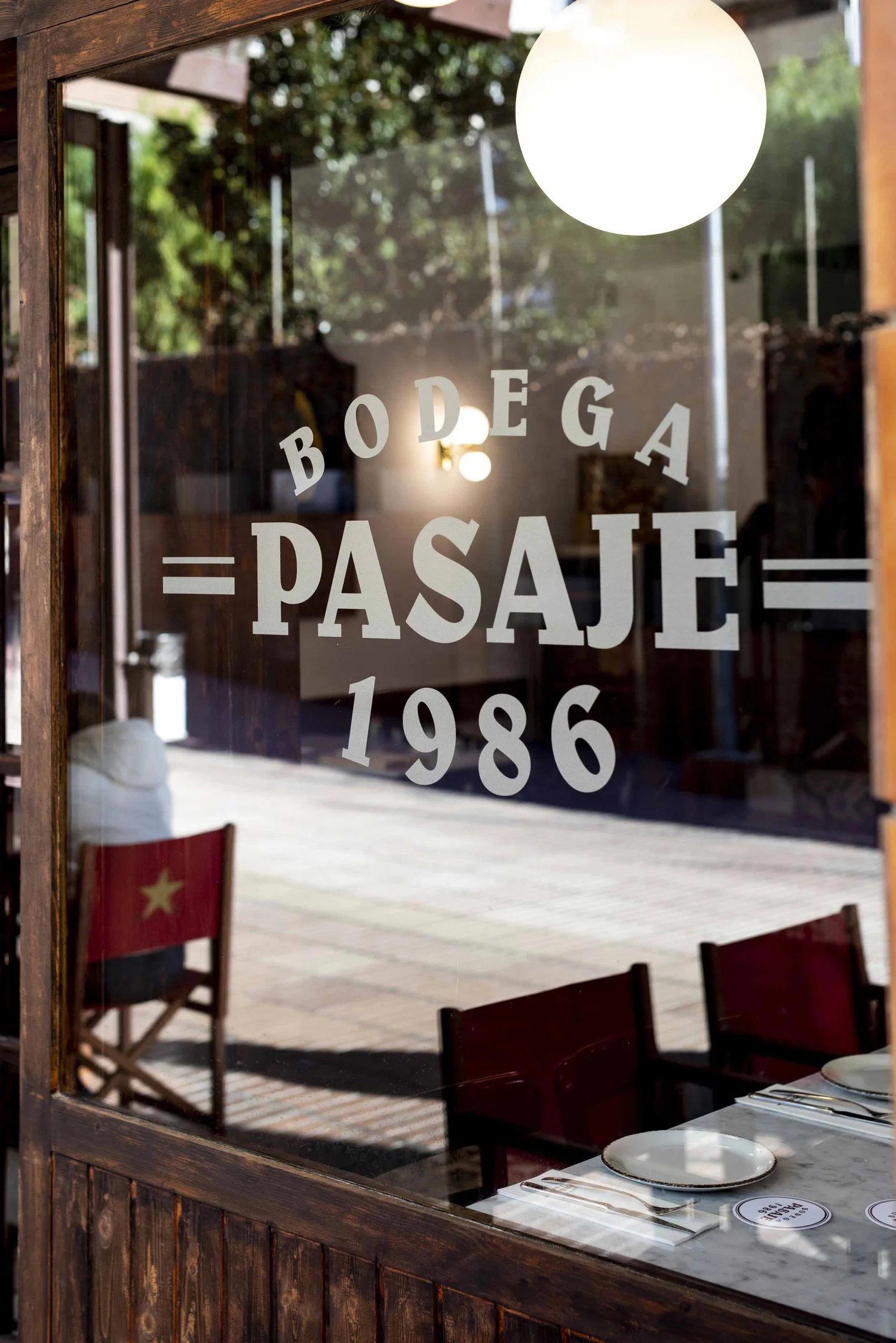
Tucked inside the Galeries La Campana arcade on Gran Via in Sants-Montjuïc, Bodega Pasaje 1986 occupies a position that Barcelona's wine-bar circuit has largely kept to itself. The 1986 in the name anchors a lineage that regulars treat as a point of pride rather than nostalgia. For those willing to move past the neighbourhood's tourist-facing perimeter, it functions as a reliable neighbourhood anchor with deep local roots.

Pearl is the En Primeur Club membership app, where members save venues, book tables and use the concierge.
The menu
What to order
- Grilled Razor Clams
- Tuna Belly with Tomato
- Ham Croquette
- Cocochas de Bacalao al Pil Pil
Inside the Arcade: What the Address Tells You
Barcelona's wine bars split into two broad types: the tourist-visible bottles-in-the-window operations along Las Ramblas and the Born, and the neighbourhood bodega that survives on repeat local trade rather than footfall. Bodega Pasaje 1986 belongs to the second category. It sits in Local 32 Interior of the Galeries La Campana arcade on Gran Via de les Corts Catalanes 162, in the Sants-Montjuïc district, a location that filters out visitors who haven't done the work of finding it. The interior passage setting means you arrive through a commercial arcade rather than off a main street, which shapes the room's atmosphere before you've ordered anything. Sants-Montjuïc is a working district: dense, residential, not reliant on high-end dining tourism the way Eixample or the Gothic Quarter is. That context matters when you're trying to read what a venue like this actually is.
The year 1986 embedded in the name is a founding date rather than a stylistic gesture, and in Barcelona's bodega culture, longevity of that kind carries specific meaning. A wine bar that has operated through the city's economic cycles, its Olympic transformation in 1992, its subsequent real-estate pressures, and the recent explosion of premium wine-bar concepts in Eixample and Gràcia has either adapted intelligently or survived on the loyalty of a clientele that genuinely prefers it to newer alternatives. At Bodega Pasaje 1986, the evidence points toward the latter.
The Regulars' Logic
In Barcelona's bodega circuit, the venues that develop a loyal local following tend to share a set of characteristics: wine lists that reward return visits rather than first-time exploration, a physical space that accommodates conversation rather than performance, and a pricing structure that allows regulars to drink well without the occasion carrying the weight of a special event. The distinction matters because it shapes what you'll find in the room. At venues that have built that kind of repeat clientele over decades, the unwritten menu, the wine poured without much consultation because the person behind the counter knows what you drink, is as real as anything on a printed list.
This regulars' dynamic is more pronounced in Sants-Montjuïc than in the city's more tourist-facing districts. The neighbourhood's dining and drinking culture operates at a different register than what you find around Passeig de Gràcia or even the Raval's cocktail corridor. Residents here aren't comparing the bodega to whatever opened last month in the Eixample; they're comparing it to itself across years of visits. That creates a different kind of institutional knowledge, both in the people who work there and in the customers who return.
Barcelona's Bodega Tradition in Context
To understand where Bodega Pasaje 1986 sits in the city's wine scene, it helps to map the broader range. At one end, Barcelona now has a cluster of internationally recognised creative restaurants, Disfrutar (Progressive, Creative), Cocina Hermanos Torres (Creative), ABaC (Creative), Lasarte (Progressive Spanish, Creative), and Enigma (Creative), all operating at the €€€€ tier with tasting menus and Michelin recognition. Spain's wider fine-dining circuit extends this further: El Celler de Can Roca in Girona, Quique Dacosta in Dénia, Arzak in San Sebastián, Azurmendi in Larrabetzu, Martin Berasategui in Lasarte-Oria, Aponiente in El Puerto de Santa María, DiverXO in Madrid, Mugaritz in Errenteria, Ricard Camarena in València, and Atrio in Cáceres represent the range of what serious Spanish dining looks like beyond the city.
Bodega Pasaje 1986 operates in an entirely different register. The traditional bodega format, wine bought by the glass or carafe, food that supports rather than competes with the drinking, a room defined by accumulated history rather than designed atmosphere, is one of Barcelona's most durable hospitality formats. These aren't restaurants with wine programs; they're wine spaces with food. The distinction shapes everything from how you arrive to how long you stay. For visitors more accustomed to the precision and ceremony of operations like Le Bernardin in New York City or the collaborative tasting format of Lazy Bear in San Francisco, the bodega operates on different terms, less structured, more contingent on what's open and who's behind the counter.
The Sants-Montjuïc Setting
Sants is primarily a transit district, the city's main rail terminus is here, but the residential streets around Gran Via carry a density of everyday commerce that the more curated neighbourhoods lack. The arcade format of Galeries La Campana places Bodega Pasaje 1986 in a physical context that European cities do well and newer commercial developments rarely replicate: a semi-public interior passage lined with small businesses, offering the street's social function in a covered space. It is a format with deep roots in Barcelona and across Mediterranean Europe, and a bodega operating within one has an ambient character that a standalone shopfront or a restaurant dining room doesn't.
Gran Via in this stretch is broad and functional rather than scenic, which makes the turn into the arcade a small act of local knowledge. First-time visitors who find it typically do so because someone who knows the area sent them. That word-of-mouth mechanism is how the bodega tradition sustains itself, not through press cycles or social media campaigns, but through the slow accumulation of recommendations from people who drink there regularly. See our full Barcelona restaurants guide for broader context on the city's drinking and dining districts.
When to Go
Barcelona's bodega culture peaks in the cooler months, when the city's residents return from summer habits and the evening ritual of wine and conservas or charcuterie reasserts itself. October through March is when neighbourhood spots like this operate at their most comfortable register, the room is full but not overwhelmed, and the interaction between regulars and occasional visitors has a different quality than the summer months when the city's tourist volume compresses everything. Spring evenings, particularly in April and May before the high season fully arrives, offer a similar quality. The Galeries La Campana arcade location means the venue isn't exposed to the street in the way that terrace-dependent bars are, so the seasonal variation is less dramatic than at many comparable spots.
Know Before You Go
- Address: Galeries La Campana, Gran Via de les Corts Catalanes, 162, Local 32 Interior, Sants-Montjuïc, Barcelona 08038
- District: Sants-Montjuïc, residential and commercial, not a tourist-circuit neighbourhood
- Access: The venue is inside the Galeries La Campana arcade; enter from Gran Via and follow to Local 32 Interior
- Phone: Not listed
- Website: Not listed
- Booking: Contact details not currently available; walk-in advised
- Nearest transport: Sants-Estació is the main rail hub in the district; multiple metro and bus lines serve Gran Via
Frequently asked questions
Is Bodega Pasaje 1986 okay with children?
Bodega Pasaje 1986 is a working neighbourhood bodega in Sants-Montjuïc, operating inside an arcade on Gran Via de les Corts Catalanes. The format is built around wine and local regulars, not family-facing programming. Children are not excluded by policy, but the environment is a wine bar first, and the experience is calibrated accordingly.
What's the overall feel of Bodega Pasaje 1986?
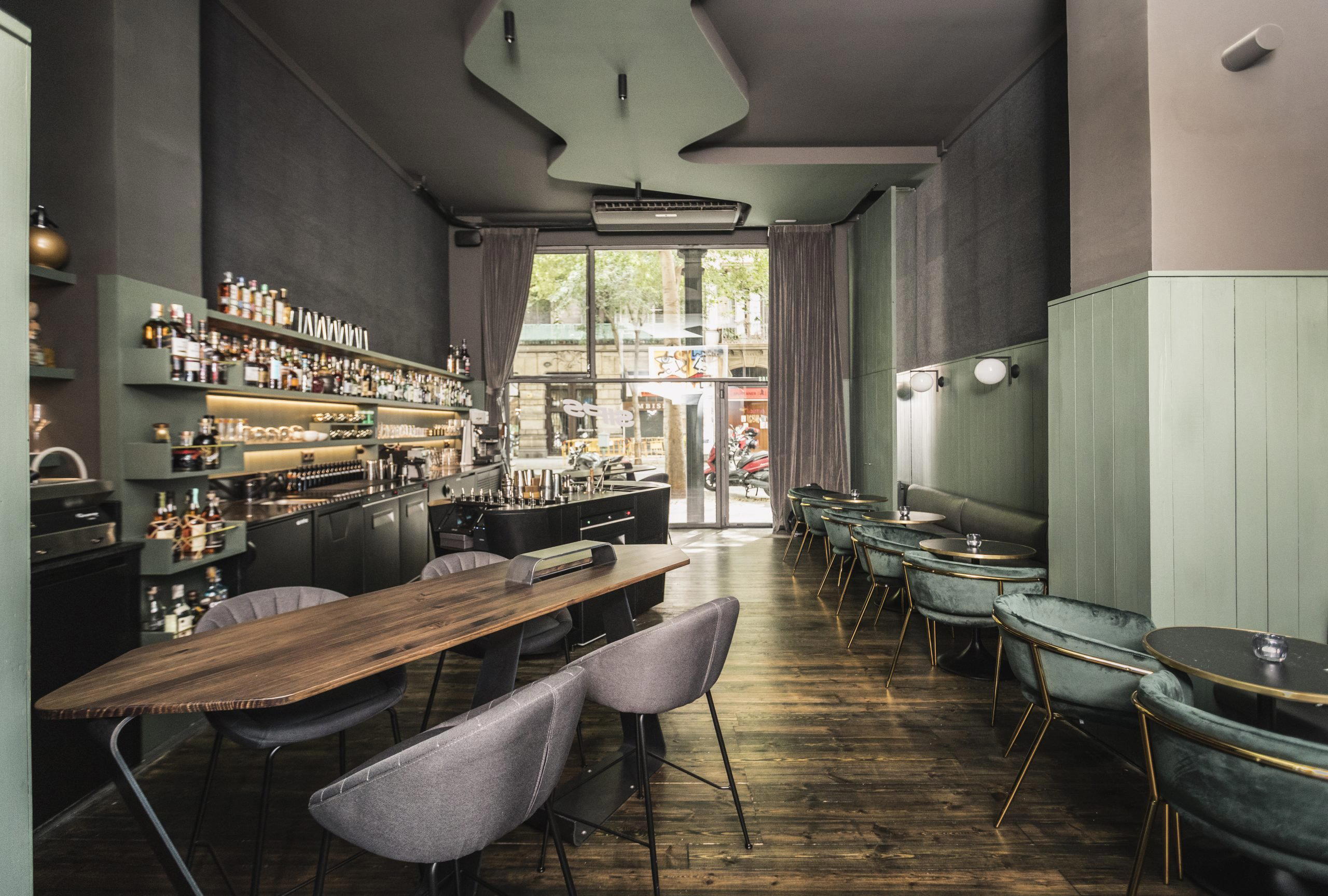
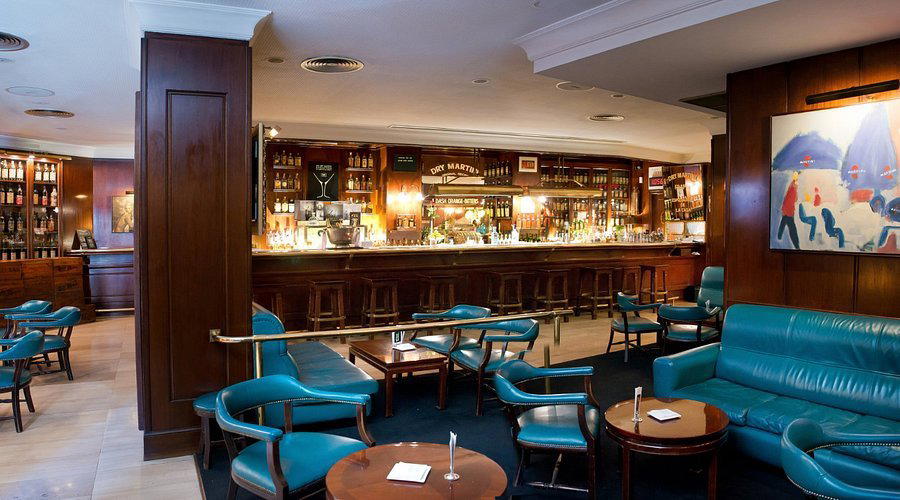
The address inside Galeries La Campana places this bodega in an arcade interior rather than a street-front position, which filters out foot traffic and sets a local-facing tone from the moment you arrive. This is Sants-Montjuïc rather than Eixample, so the register is residential and unhurried. Expect a bodega that has earned its regulars over decades rather than designed for them.
Is Bodega Pasaje 1986 inside a shopping arcade, and does that affect the atmosphere?
Yes, the address at Local 32 Interior, Galeries La Campana on Gran Via de les Corts Catalanes places it within an arcade rather than on a standalone street frontage. That positioning is part of what keeps the clientele local: visitors searching for a conventional wine-bar shopfront tend to walk past. The interior setting reinforces a Sants neighbourhood character that has been consistent since the bodega opened in 1986.
What do people recommend at Bodega Pasaje 1986?
In Barcelona's traditional bodega circuit, wine is the primary agenda rather than the kitchen, and venues operating at the neighbourhood level in Sants-Montjuïc earn their reputation through the bottle list and the pour. Conservas and simple plates typically accompany the wine in this format. Arrive with that priority order and you'll read the venue correctly.
Peers Worth Knowing
| Venue | Cuisine | Price | Awards | Notes |
|---|---|---|---|---|
| Bodega Pasaje 1986This venue (the venue you are viewing) | Traditional Spanish Tapas Bodega | $30–50 | Not listed | Not listed |
| Cocina Hermanos Torres | Modern Spanish Fine Dining | $300–500 | 3 Michelin Stars · World's 50 Best #69 | Creative |
| Disfrutar | Avant-Garde Catalan Fine Dining | $300–500 | 3 Michelin Stars · World's 50 Best #1 | Progressive, Creative |
| Lasarte | Modern Basque-Mediterranean Fine Dining | $300–500 | 3 Michelin Stars · La Liste Top Restaurants | Progressive Spanish, Creative |
| Cinc Sentits | Modern Catalan Fine Dining | $150–200 | 2 Michelin Stars · La Liste Top Restaurants | Modern Spanish, Creative |
| Enoteca Paco Pérez | Modern Mediterranean Seafood | $200–300 | 2 Michelin Stars · La Liste Top Restaurants | Modern Spanish, Modern Cuisine |
Continue exploring
More in Barcelona
Restaurants in Barcelona
All restaurants in Barcelona →
Bars in Barcelona
All bars in Barcelona →

Details
- Classic
- Cozy
- Rustic
- Casual Hangout
- Group Dining
- Terrace
- Extensive Wine List
- Local Sourcing
- Small Plates
- A La Carte
- House Vermouth
- Vegetarian Friendly
- Gluten Free Options