On Carrer de Sants in Barcelona's working-class Sants-Montjuïc district, TXALAPARTA operates at a remove from the tourist circuit that feeds the city's better-known creative dining rooms. The address alone signals something about the restaurant's orientation: toward a local clientele and a neighbourhood identity rather than the Eixample-and-beyond circuit that defines Barcelona's Michelin tier.
Pearl is the En Primeur Club membership app — saves, bookings, and concierge access live there. Same editors, same standards.
- Address
- Carrer de Sants, 146, 152, Sants-Montjuïc, 08028 Barcelona, Spain
- Phone
- +34934092019
- Website
- restaurantetxalaparta.com
- Directions
- Get directions
 Saves & bookings on Pearl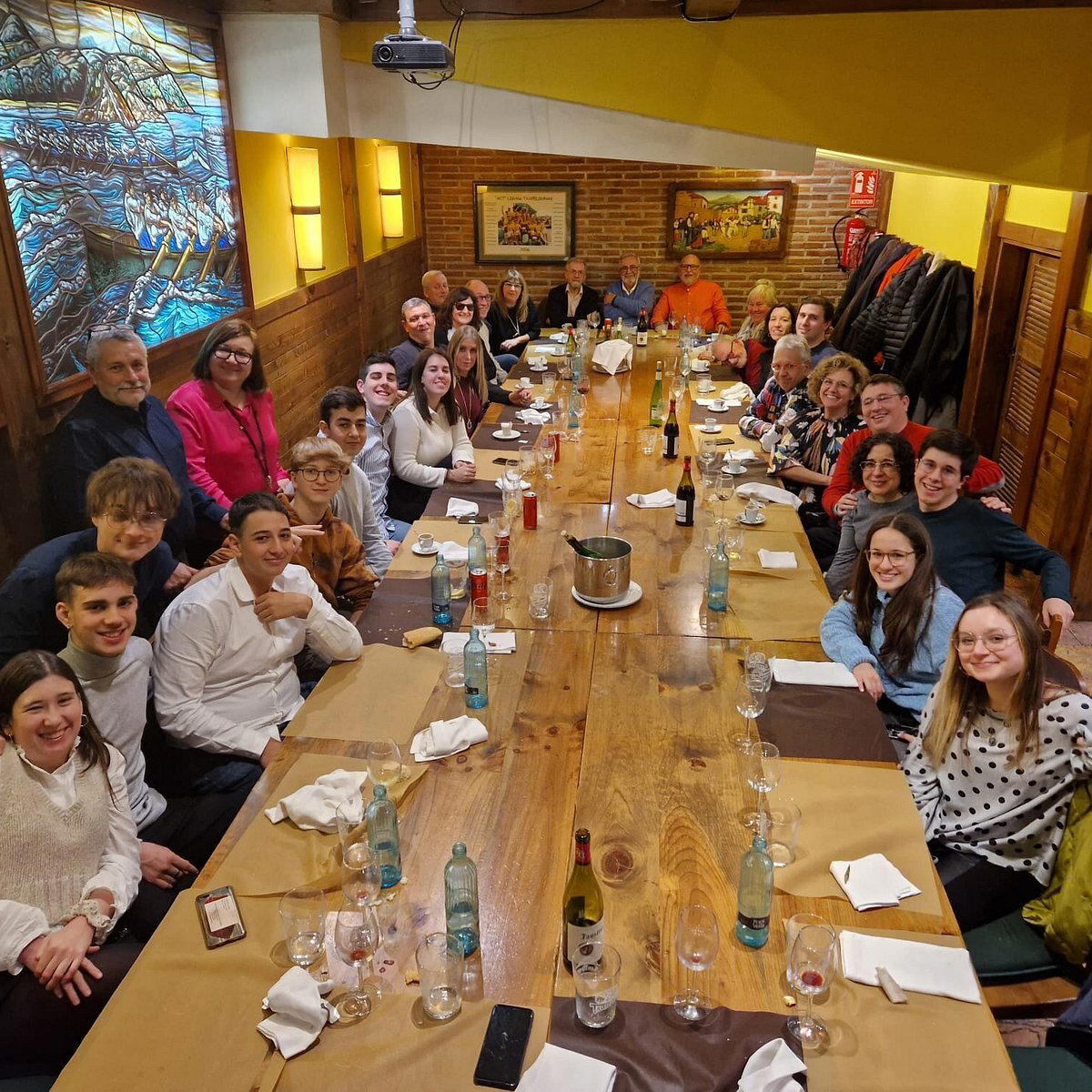
A Neighbourhood Address with a Distinct Positioning
Barcelona's creative dining scene concentrates heavily in the Eixample and along the Diagonal corridor, where addresses like Disfrutar, Lasarte, and ABaC draw an international clientele willing to pay €€€€ for tasting menus built on technical ambition. TXALAPARTA is an authentic Basque tapas and pintxos restaurant in Barcelona, on Carrer de Sants in the Sants-Montjuïc district, sits outside that gravitational pull. The street is long, commercial, and decidedly local, the kind of address where a restaurant's survival depends on repeat custom from the neighbourhood rather than destination traffic from visiting critics or tourists.
That positioning shapes everything about how a place like this reads on the Barcelona dining map. Where the city's headline creative rooms position menus as formal propositions with paired wine programmes and pre-set tasting formats, restaurants rooted in working districts tend to offer something closer to the Basque tradition from which the name TXALAPARTA itself draws: a direct relationship between kitchen and table, with the structure of the meal emerging from what is available and what the kitchen does well, rather than from a fixed conceptual architecture.
What the Name Signals
Txalaparta is a Basque percussion instrument, traditionally played by two people striking a wooden board in alternating rhythms. Its use as a restaurant name in Barcelona is not accidental. The Basque Country's influence on Spain's serious dining culture is well-documented, Arzak in San Sebastián, Martin Berasategui in Lasarte-Oria, and Mugaritz in Errenteria collectively represent one of the densest concentrations of multi-starred kitchens in Europe, and Basque culinary identity carries weight as a cultural signal in Spanish gastronomy broadly. A restaurant in Barcelona choosing this name is making a statement about lineage, or at minimum about affiliation with a particular tradition of directness and craft.
That tradition, at its roots, prizes product quality and technical honesty over baroque plating or conceptual theatre. It sits in contrast to the maximalist creativity of a room like Enigma or the laboratory ambition of Cocina Hermanos Torres, both of which operate in a register defined by transformation and surprise. Whether TXALAPARTA fully inhabits the Basque-inflected restraint the name implies is a question the menu itself answers.
Menu Architecture and What It Reveals
Spanish restaurants outside the formal tasting-menu tier typically organise their offer in one of two ways: as a carta (à la carte) with a logic that moves through cold starters, warm starters, fish, and meat in a sequence that allows guests to construct their own meal, or as a shorter, more fixed proposition that functions like a condensed tasting menu without the ceremony. The distinction matters because it tells you what the kitchen prioritises. A full carta at this kind of address suggests confidence in breadth, in the ability to execute across a range of techniques and produce types simultaneously. A tighter, more directed format suggests a kitchen that knows its depth lies in concentration rather than variety.
On Carrer de Sants, where rents and foot traffic patterns differ substantially from the Eixample, a restaurant needs to be legible to its neighbourhood. That legibility usually means a format that locals can return to repeatedly without feeling locked into a single expensive ritual. The leading neighbourhood restaurants in Barcelona's outer districts, and there are several worth knowing, tend to run lean menus with clear seasonal logic, where the same dish might anchor the offering for two months and then disappear when the produce dictates. That kind of discipline, which the Basque culinary tradition also prizes, is harder to sustain than it looks.
For comparison, consider how the broader Spanish creative scene structures its offer at different price tiers. At the summit, places like El Celler de Can Roca in Girona or Quique Dacosta in Dénia operate with tasting menus that function as complete artistic statements, priced accordingly and booked months ahead. One tier below, restaurants like Aponiente in El Puerto de Santa María or Ricard Camarena in València build strong regional identities around specific ingredient philosophies. TXALAPARTA, operating in a residential district of Barcelona, occupies a different register entirely, closer to the city's everyday serious dining than to destination gastronomy.
Sants-Montjuïc as a Dining District
Sants-Montjuïc is Barcelona's largest district by area and one of its most heterogeneous. The Sants neighbourhood itself, through which Carrer de Sants runs as its main commercial artery, has a long history as a working-class industrial zone that has accumulated a genuine local food culture over decades. It is not a district that attracts culinary tourism in the way that El Born or Gràcia does, which means the restaurants that succeed here do so on the strength of their offer to residents rather than on visibility to visitors.
That context places TXALAPARTA in a cohort of Barcelona restaurants that serious local diners know but that rarely appear in international dining press focused on the city's formal creative tier. For readers planning a Barcelona trip primarily around the Michelin circuit, Disfrutar, ABaC, Lasarte, this address represents a different kind of research: the kind that requires asking locals or following Spanish-language food media rather than consulting the standard English-language guides. See our full Barcelona restaurants guide for a broader map of where the city's dining sits across tiers and neighbourhoods.
The metro connection is practical: Sants Estació, one of Barcelona's main rail hubs, is within walking distance of Carrer de Sants 146-152, making the address more accessible than its off-centre reputation might suggest. For visitors already navigating Barcelona's transport grid, the Sants corridor is not difficult to reach from the centre.
Where TXALAPARTA Fits in a Broader Spain Context
Spain's serious restaurant culture is unusually distributed geographically. Unlike France, where Paris dominates fine dining, or the United States, where New York and a few coastal cities set the agenda, Spain's leading kitchens are spread across the country in a pattern shaped by regional identity and ingredient availability. Azurmendi in Larrabetzu, DiverXO in Madrid, and Atrio in Cáceres each represent distinct regional poles. For international diners accustomed to cities where serious restaurants cluster in predictable luxury districts, as Le Bernardin or Atomix do in New York, the Spanish pattern of neighbourhood-embedded serious kitchens operating outside the formal hotel-and-trophy-address circuit can require a recalibration of expectations.
TXALAPARTA's Carrer de Sants address is one expression of that pattern: a restaurant that positions itself through neighbourhood belonging rather than destination signalling, drawing on a cultural name with Basque resonance in a Catalan city where both traditions have deep culinary currency.
Planning Your Visit
Carrer de Sants 146-152 is the confirmed address, in the Sants-Montjuïc district of Barcelona (postal code 08028). Given the absence of confirmed booking platform data, contacting the restaurant directly is one reliable approach for reservations. For a neighbourhood restaurant of this type in Barcelona, midweek lunch often offers relaxed access; weekend dinner in any serious local restaurant in the city tends to fill with regulars well in advance. The restaurant is recommended for reservations and is open Monday through Saturday from 1 PM to 12 AM, with Sunday service from 1 to 4 PM.
Just the Basics
Comparable venues nearby, for context on price, style, and recognition.
| Venue | Cuisine | Price | Notes |
|---|---|---|---|
| TXALAPARTAThis venue — the venue you are viewing | Sants, Authentic Basque Tapas & Pintxos | $$ | Not listed |
| Tramendu El caliu de la brasa | la Bordeta, Traditional Catalan Grill | $$ | Not listed |
| Las Palmeras - Casino Seat | la Marina de Port, Traditional Spanish | $$ | Not listed |
| Bodegó del Pop | Not listed | $$ | el Putxet i el Farro, Traditional Spanish Tapas |
| Casa Lola | Not listed | $$ | la Dreta de l'Eixample, Modern Spanish Tapas |
| La Taberna De La Ronda | Not listed | $$ | la Dreta de l'Eixample, Authentic Spanish Tapas & Paella |
Continue exploring
More in Barcelona
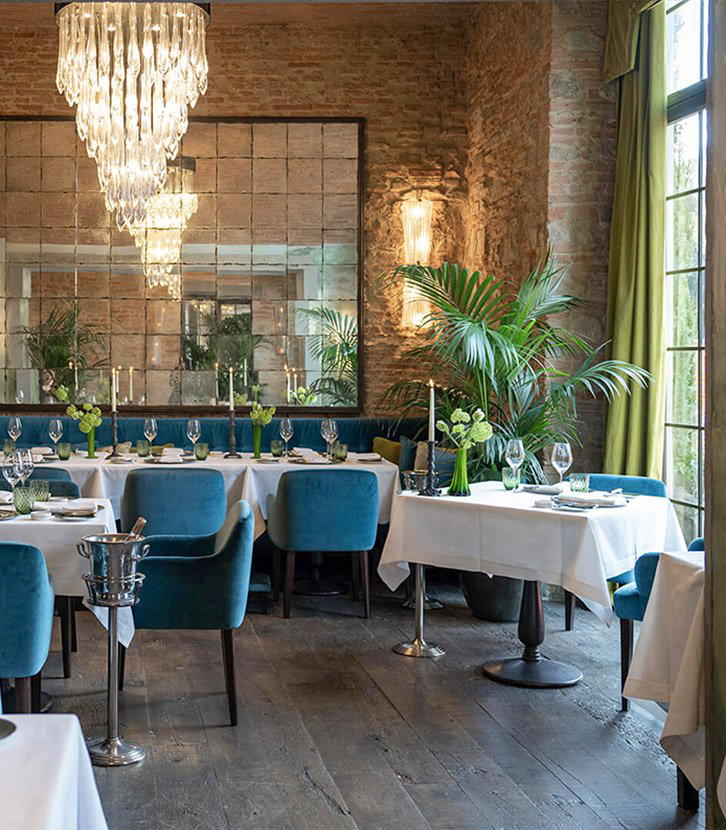
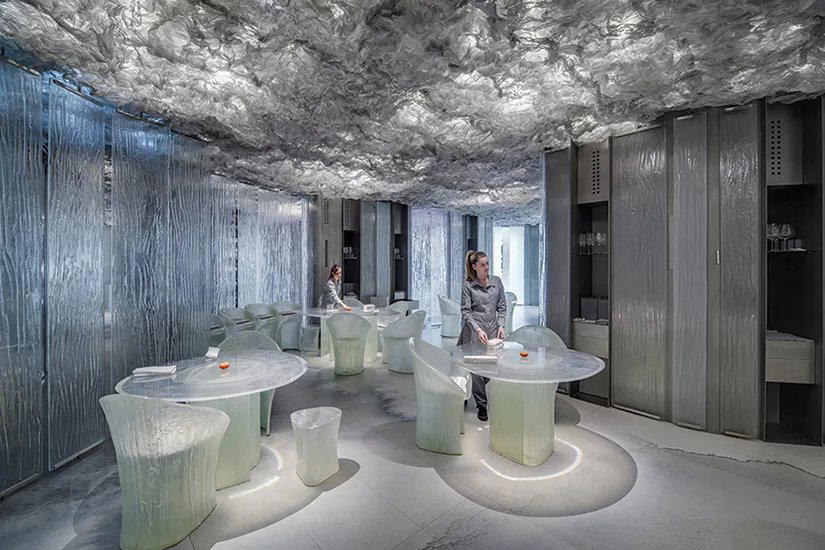
Restaurants in Barcelona
Browse all →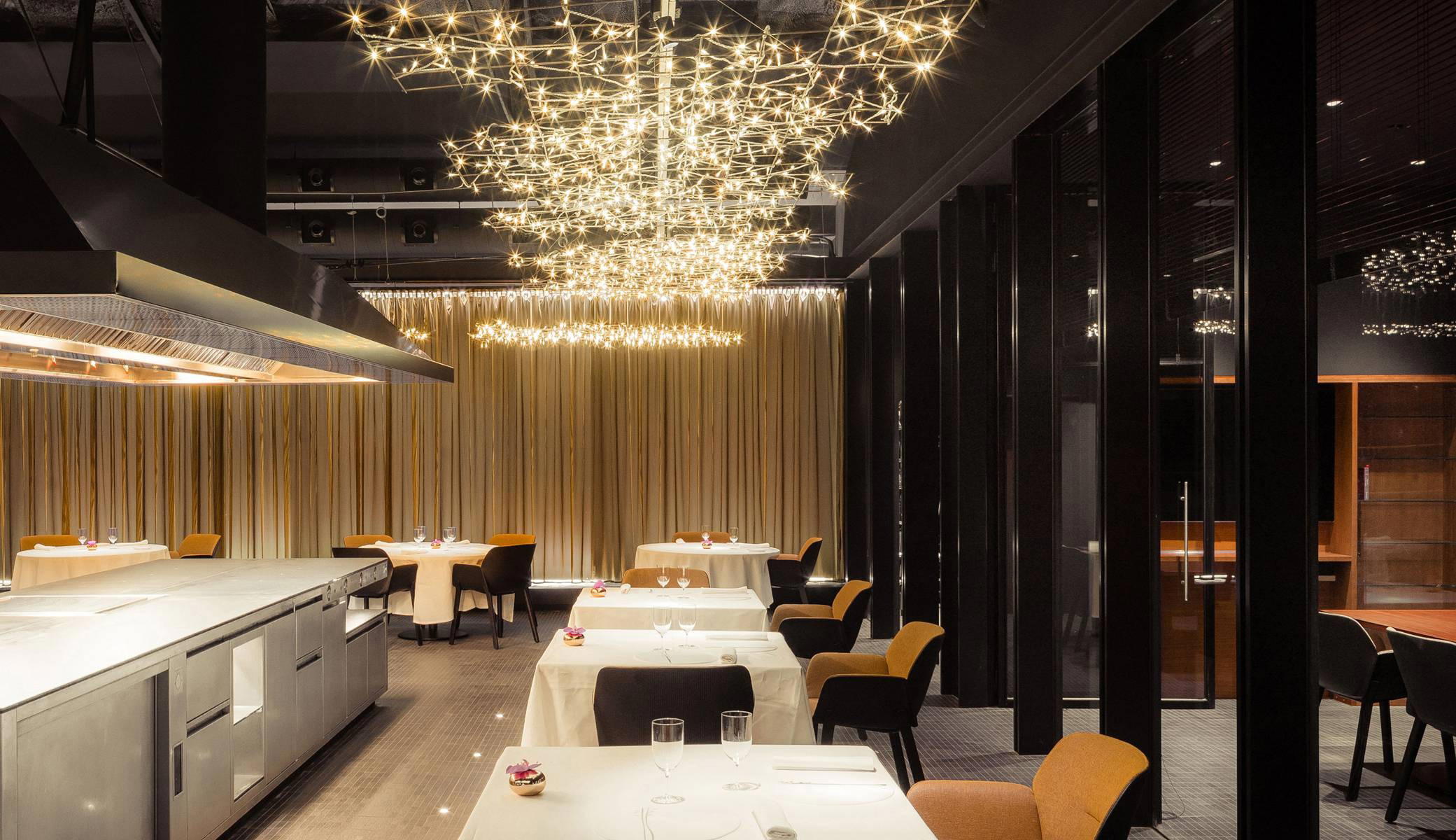
Bars in Barcelona
Browse all →
Hotels in Barcelona
Browse all →

At a Glance
- Rustic
- Classic
- Cozy
- Casual Hangout
- Group Dining
- Open Kitchen
Current opening hours
- Monday
- 1 PM–12 AM
- Tuesday
- 1 PM–12 AM
- Wednesday
- 1 PM–12 AM
- Thursday
- 1 PM–12 AM
- Friday
- 1 PM–12 AM
- Saturday
- 1 PM–12 AM
- Sunday
- 1–4 PM
Hours can change for holidays and private events. Last verified .
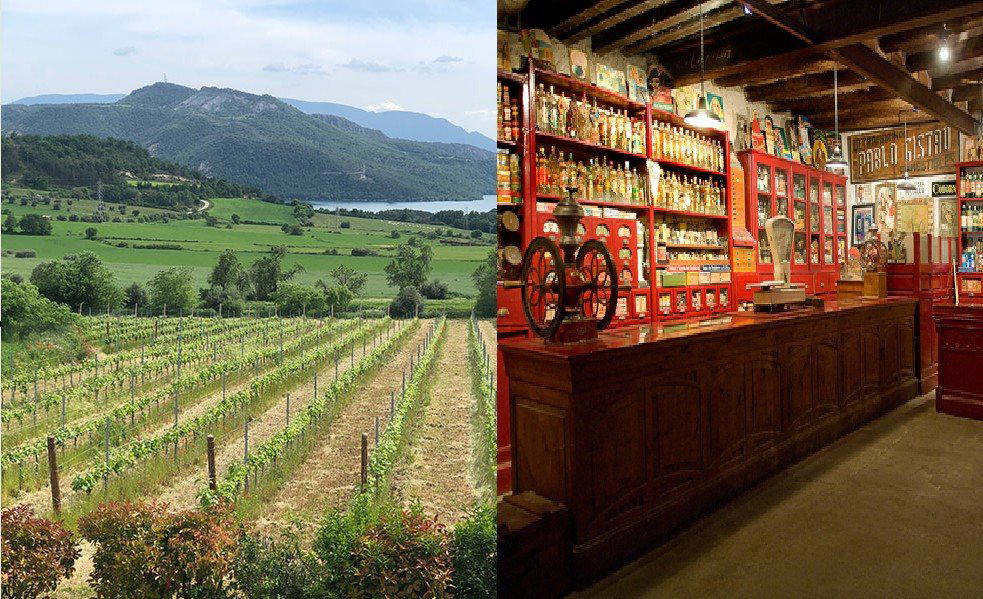
Rustic wooden decor evoking Basque tavern charm with warm, traditional lighting and inviting atmosphere.