Our verdict
A neighbourhood fixture on Tengstraße in Munich's Maxvorstadt, Bodega Dali draws a loyal local crowd who return not for spectacle but for consistency. The address sits within walking distance of the city's museum quarter, placing it in a district where regulars move between cultural institutions and well-worn dining rooms with equal familiarity. For those who track a city through its returning clientele rather than its opening seasons, Bodega Dali is worth understanding.

Pearl is the En Primeur Club membership app — saves, bookings, and concierge access live there. Same editors, same standards.
- Address
- Tengstraße 6, 80798 München, Germany
- Phone
- +498927779696
- Hours
- Mon–Sat 5 PM–12 AMSun Closed
- Website
- bodega-dali.de
- Directions
- Get directions
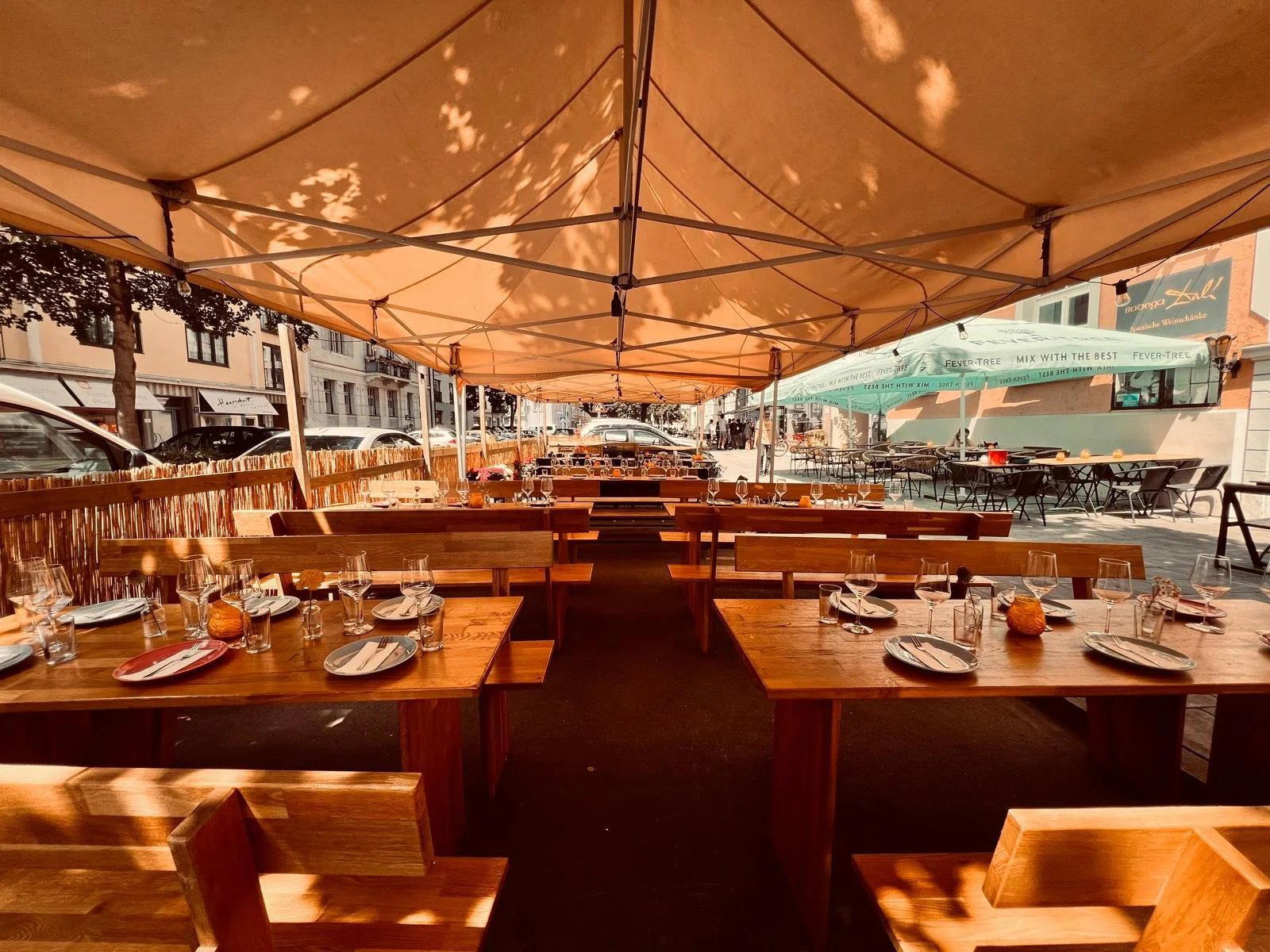
A Room That Rewards Repetition
Maxvorstadt is not Munich's most photographed dining district. That distinction belongs to the Altstadt's grander addresses or the polished rooms along the Isar. But the neighbourhood running north from the Pinakotheken toward Schwabing has always sustained a different kind of restaurant: one where the clientele arrives with a regular's ease, greets staff by name, and orders from memory rather than from the menu. Tengstraße 6 sits inside that pattern. Bodega Dali is the kind of address that functions less as a destination and more as a constant, the sort of place a district relies on and rarely replaces.
The name suggests Iberian reference, a reading that fits the broader German appetite for Spanish-inflected wine bars and tavern formats that has grown steadily through the past decade. Whether Bodega Dali leans hard into that register or uses it as loose framing, the address on Tengstraße has built its following through the mechanics all regulars' venues share: reliable execution, recognisable faces, and a room where returning feels easier than arriving for the first time.
What the Regulars Know
The defining characteristic of a regulars' venue is not what it serves but how it serves. Menus at places like this are rarely the point. The point is the accumulated knowledge of a returning guest: which table sits away from the draught, which dishes are better at lunch than dinner, what the kitchen does well on a Tuesday. That institutional knowledge takes months to acquire and is the real product these rooms sell, even if they never list it anywhere.
Munich's dining scene at the upper end is well-documented. Tantris occupies its position as the city's benchmark French-contemporary address. JAN operates in the creative register with the kind of tasting-menu discipline that attracts the city's most committed diners. Tohru in der Schreiberei and Alois have established their own followings in the creative fine-dining tier, while Atelier continues to represent the French-creative strand at the top of the market. These are all rooms where the booking window, the ceremony, and the price point announce the occasion before anyone sits down.
Bodega Dali operates in a different register, one that sits below that fine-dining ceiling and is arguably more useful for understanding how a city actually eats. The regulars' tier, where a room functions as an extension of the neighbourhood's social fabric, is harder to document precisely because it resists the markers critics and guides use to locate significance. There are no star counts to cite, no tasting-menu formats to annotate. What there is, is a room that fills reliably and an address that Maxvorstadt residents navigate toward without needing a reason beyond habit.
The Maxvorstadt Context
The neighbourhood carries a particular character. Bounded by the Englischer Garten to the east and Ludwig-Maximilians-Universität to the south, Maxvorstadt mixes institutional weight with a quieter residential rhythm. The museum quarter brings a daytime cultural footfall that converts into evening dining traffic, but it is the residential streets further north, toward Schwabing, where the more durable neighbourhood restaurants tend to settle. Tengstraße sits in that transitional zone, close enough to the cultural corridor to benefit from its proximity, far enough to operate as a local room rather than a tourist-facing one.
That positioning matters for regulars. Venues that sit too close to high-footfall cultural attractions tend to develop a transient clientele that prevents the kind of familiarity regular guests require. Tengstraße 6 is accessible without being exposed, which is close to the ideal configuration for a neighbourhood address.
For context on what the broader German dining scene sustains at higher price points, addresses such as Schwarzwaldstube in Baiersbronn, Aqua in Wolfsburg, and Vendôme in Bergisch Gladbach illustrate the formal end of the spectrum. Elsewhere, CODA Dessert Dining in Berlin and Victor's Fine Dining by Christian Bau in Perl show the range of formats that Germany's serious dining scene sustains outside its three largest cities. Regional addresses such as ES:SENZ in Grassau, Schanz in Piesport, Waldhotel Sonnora in Dreis, Restaurant Haerlin in Hamburg, and Bagatelle in Trier further map a country where serious cooking is distributed across geography rather than concentrated in capital-city postcodes. Bodega Dali sits outside all of those tiers, which is not a criticism. It occupies a different position in the dining ecosystem, one that cities need and that regular guests value more than they tend to articulate.
Planning a Visit
Bodega Dali is located at Tengstraße 6, 80798 München, in the Maxvorstadt district. The address is reachable by U-Bahn via Josephsplatz or Theresienstraße, both within comfortable walking distance. As a neighbourhood room rather than a destination with significant external demand, walk-in visits are plausible during quieter service periods, though arriving with some advance knowledge of the room's patterns is the approach regulars would recommend. Current hours, reservation options, and contact details are best confirmed directly, as this type of address often operates with more flexibility than a formal booking system would suggest. For a broader orientation to where Bodega Dali sits within Munich's full dining range, the EP Club Munich restaurants guide maps the city across price tiers and cuisine types. For those building a trip around dining at a different scale, international reference points such as Le Bernardin in New York City and Lazy Bear in San Francisco show what the regulars' communal-format model looks like when it migrates into a fine-dining price tier.
Frequently asked questions
What do people recommend at Bodega Dali?
Because Bodega Dali's menu details are not comprehensively documented in published sources, specific dish recommendations require visiting with an open brief. The most consistent guidance from neighbourhood regulars points toward the kitchen's Iberian-inflected range and the wine list, which in venues of this type tends to anchor the experience as much as the food. Arriving with flexibility and asking staff what is performing well that week is the approach that tends to produce the most satisfying result.
Can I walk in to Bodega Dali?
As a Maxvorstadt neighbourhood address without significant tourist-facing demand, walk-in visits are more likely to succeed here than at Munich's heavily booked fine-dining rooms. Midweek and earlier service windows carry better odds. That said, the address has a loyal local following, and popular evenings may fill without a reservation. Confirming availability in advance, even informally, reduces the risk of an unnecessary trip.
What makes Bodega Dali worth seeking out?
The case for Bodega Dali is not built on awards or tasting-menu ambition. It is built on what neighbourhood regulars in Maxvorstadt have demonstrated through consistent return visits: that the room reliably delivers what it promises, operates at a price point accessible to habitual dining, and sits in a part of the city where the social fabric around a table matters as much as what is on it. In a city whose upper dining tier is well-served by addresses like Tantris and JAN, the mid-register neighbourhood room performs a function those venues cannot.
Is Bodega Dali a good option for Spanish wine in Munich's Maxvorstadt?
The Bodega format, as a naming convention, typically signals an Iberian wine and tavern emphasis, and in Munich's neighbourhood dining circuit this positions an address toward the growing local interest in Spanish and Portuguese wine programs. Maxvorstadt has relatively few dedicated wine-bar formats compared to the city's more commercial districts, which makes an address operating in this register more legible to regulars seeking that specific combination of approachable food and considered wine. Specific list details are best confirmed with the venue directly.
Comparable Venues
Comparable venues nearby, for context on price, style, and recognition.
| Venue | Cuisine | Price | Notes |
|---|---|---|---|
| Bodega DaliThis venue — the venue you are viewing | Authentic Spanish Tapas | $30–50 | Not listed |
| Grill im Künstlerhaus | Premium Grilled Steaks & Seafood | $50–100 | Isarvorstadt |
| Cevicheria Pez | Peruvian Cevicheria | $50–100 | Schwabing |
| LìXì Restaurant | Modern Vietnamese Fusion | $30–50 | Theresienwiese |
| USHI | Modern Japanese Omakase Sushi & Ramen | $30–50 | Denning |
| The Lonely Broccoli | Modern Bavarian Steakhouse | $50–100 | Freimann |
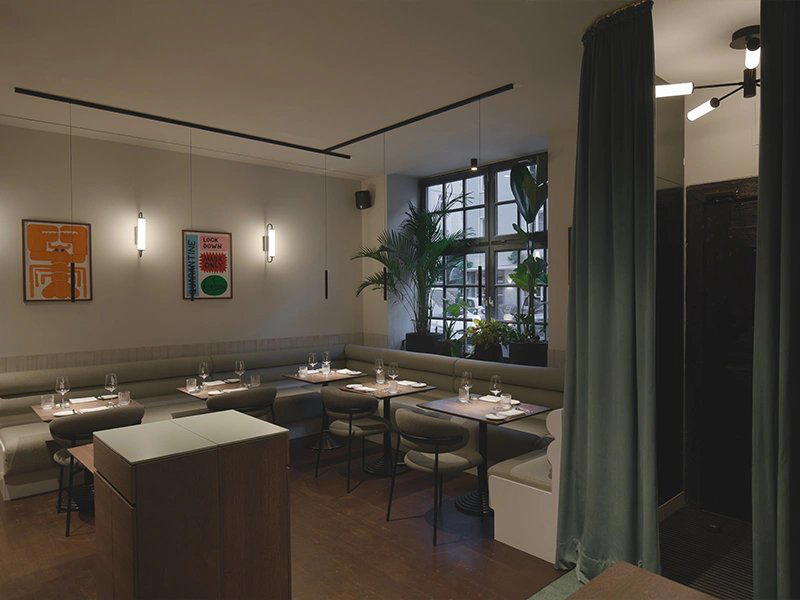
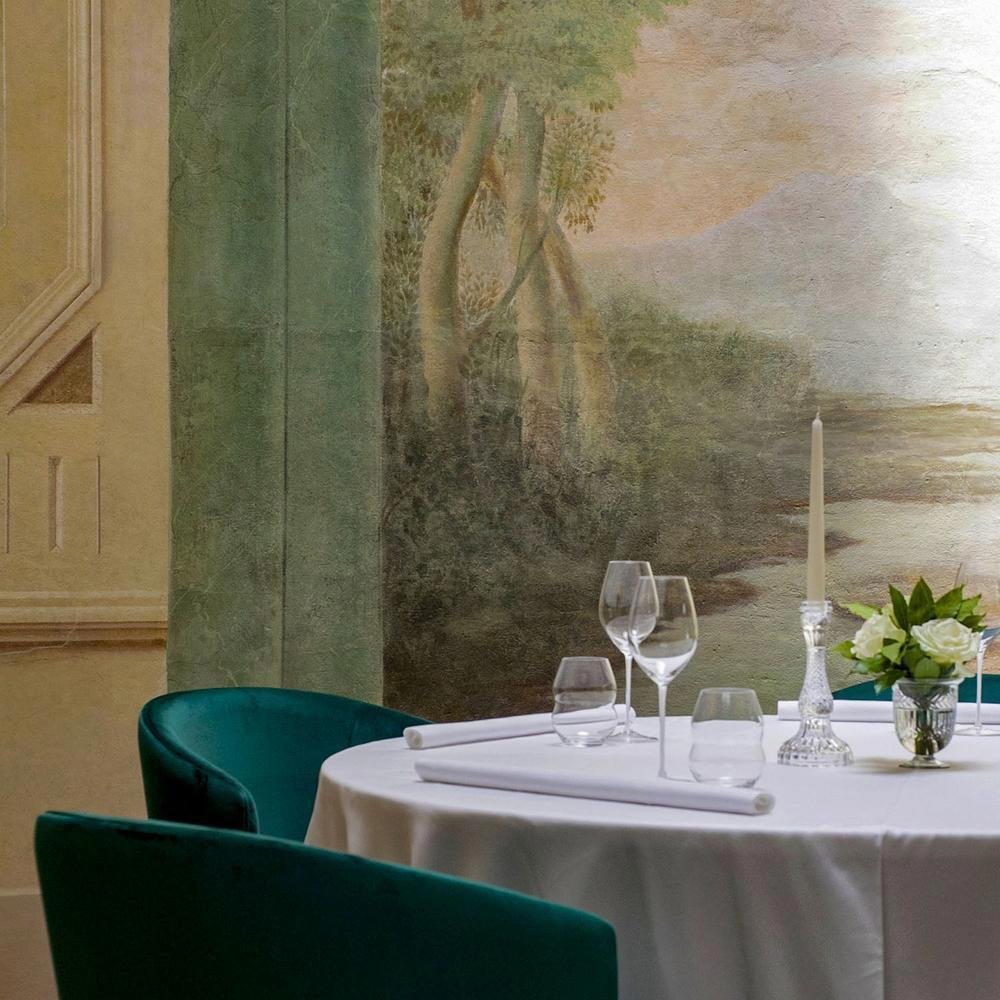
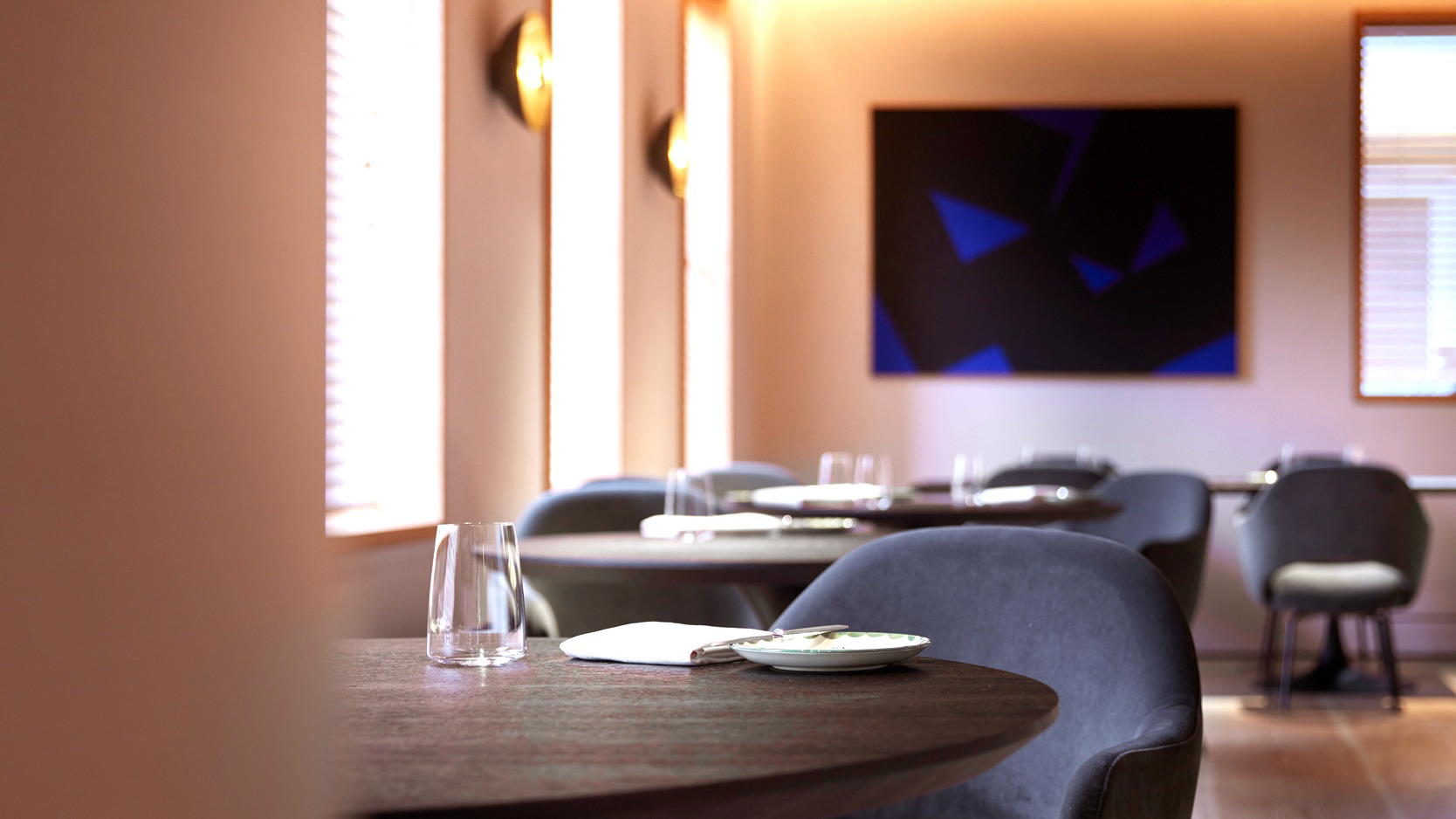
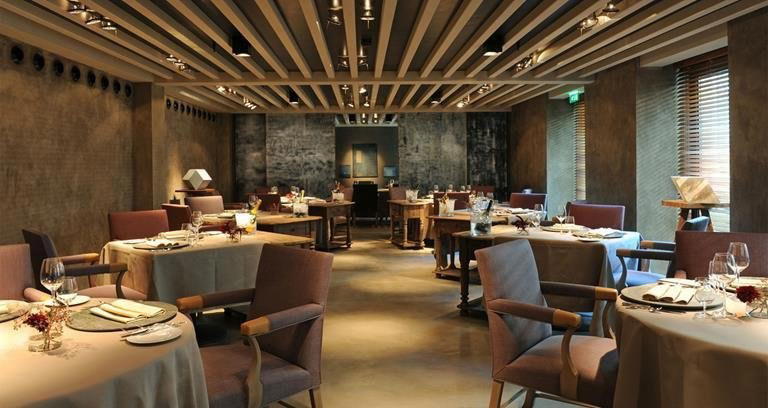
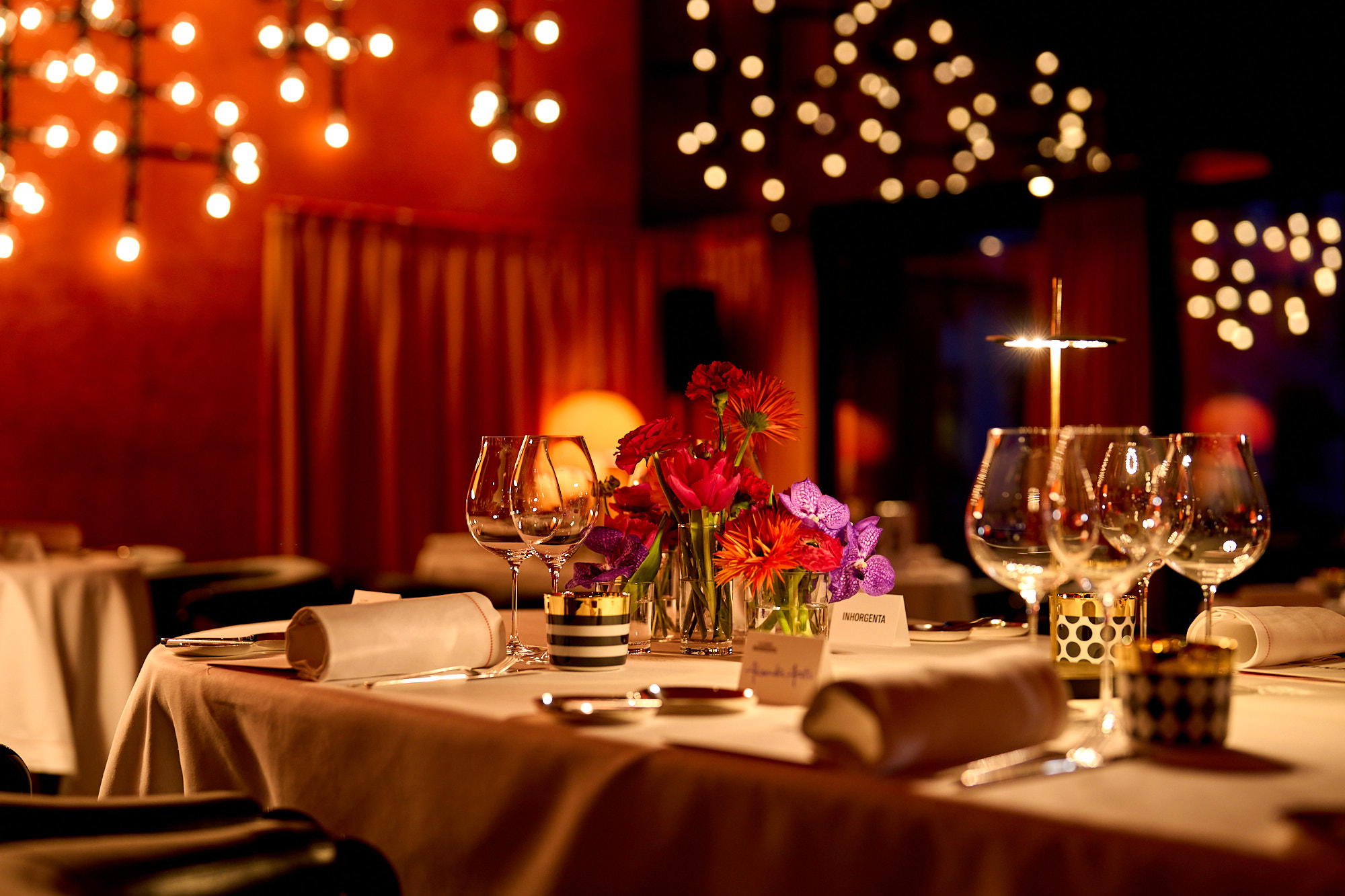
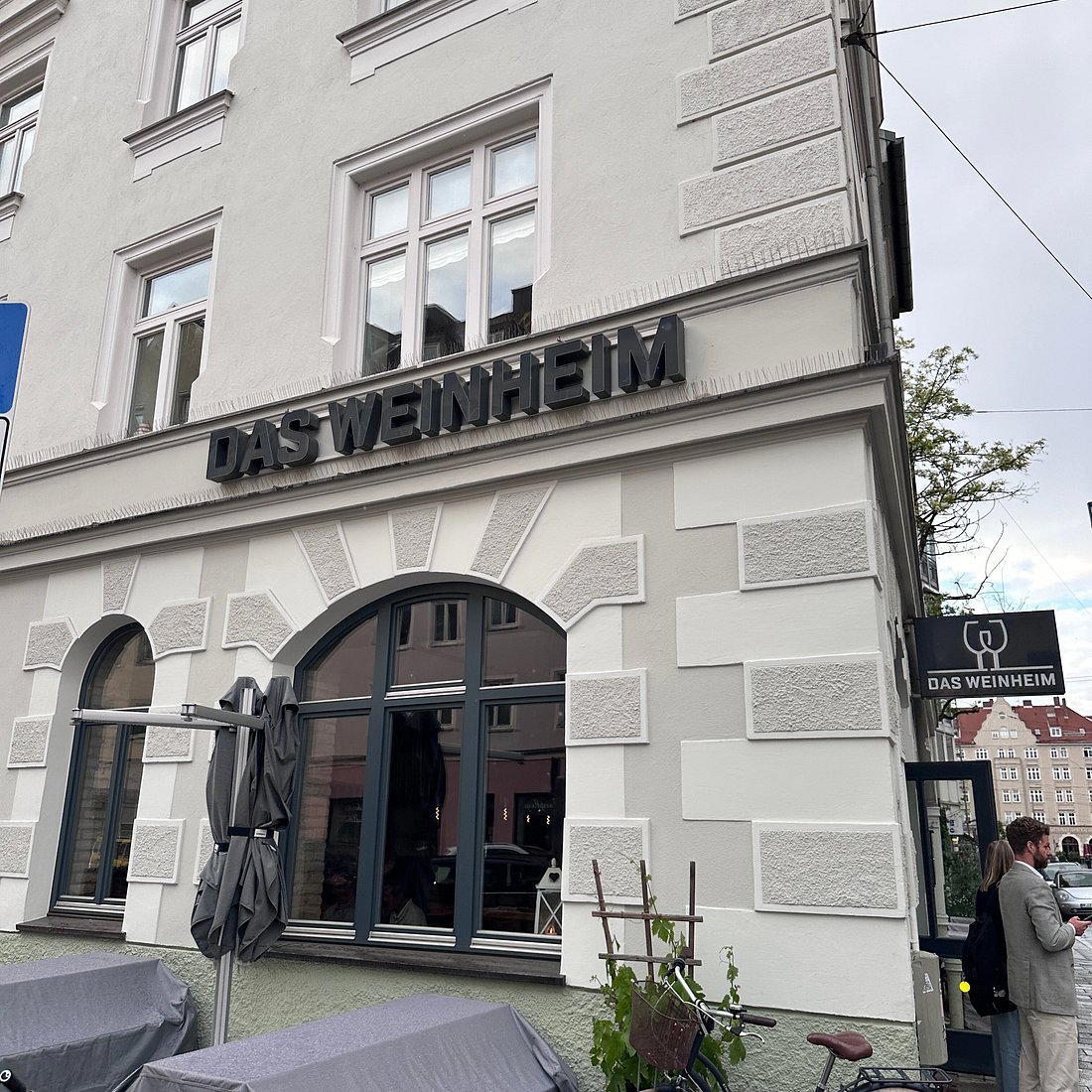
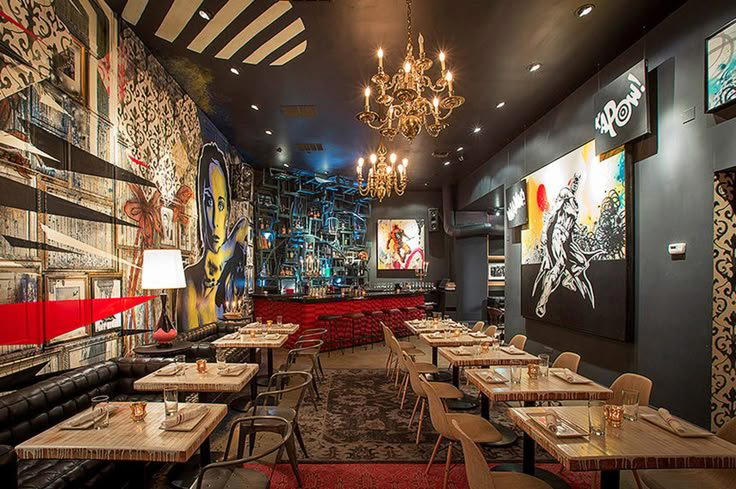
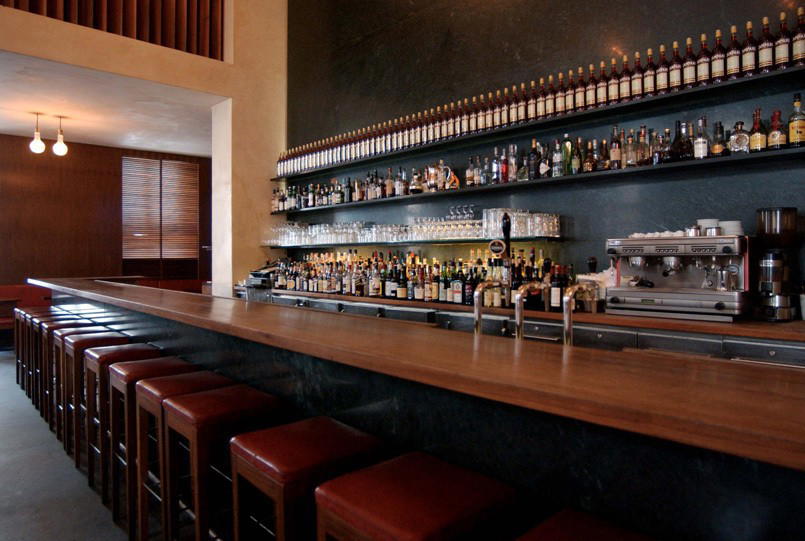
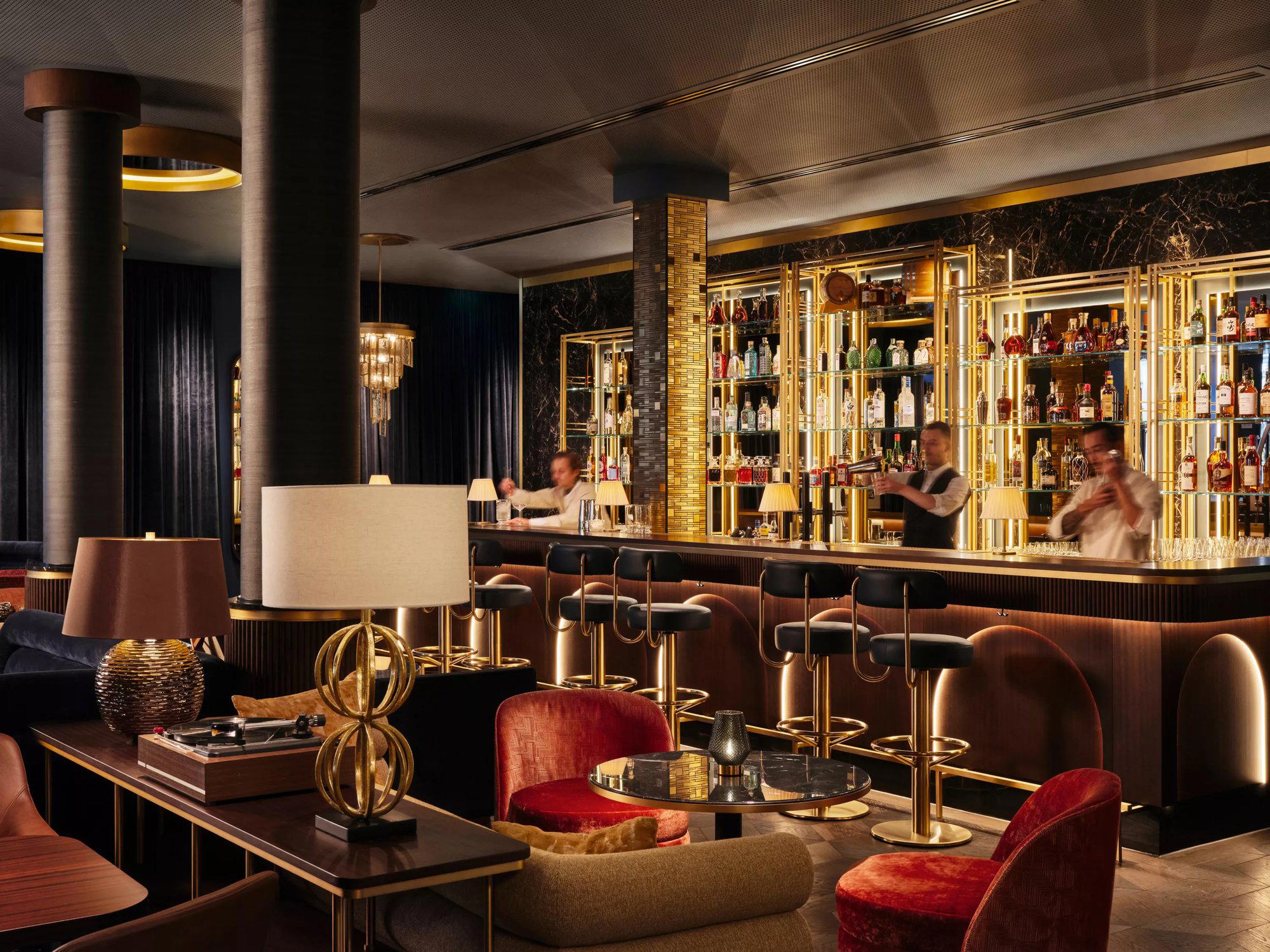
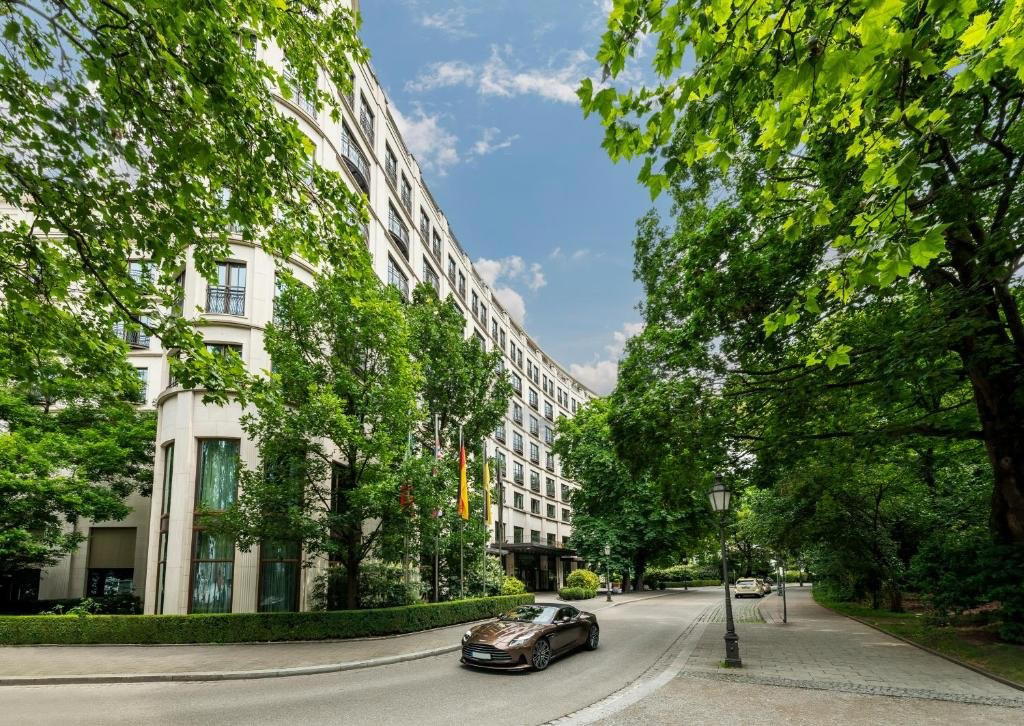
Bodega Dali
The wine
- Wine program
- Curated wine list
- Extensive wine list
Details
- Cozy
- Intimate
- Romantic
- Date Night
- Late Night
- Historic Building
- Extensive Wine List
- Small Plates
- Vegetarian Friendly
Current opening hours
- Monday
- 5 PM–12 AM
- Tuesday
- 5 PM–12 AM
- Wednesday
- 5 PM–12 AM
- Thursday
- 5 PM–12 AM
- Friday
- 5 PM–12 AM
- Saturday
- 5 PM–12 AM
- Sunday
- Closed
Hours can change for holidays and private events. Last verified .
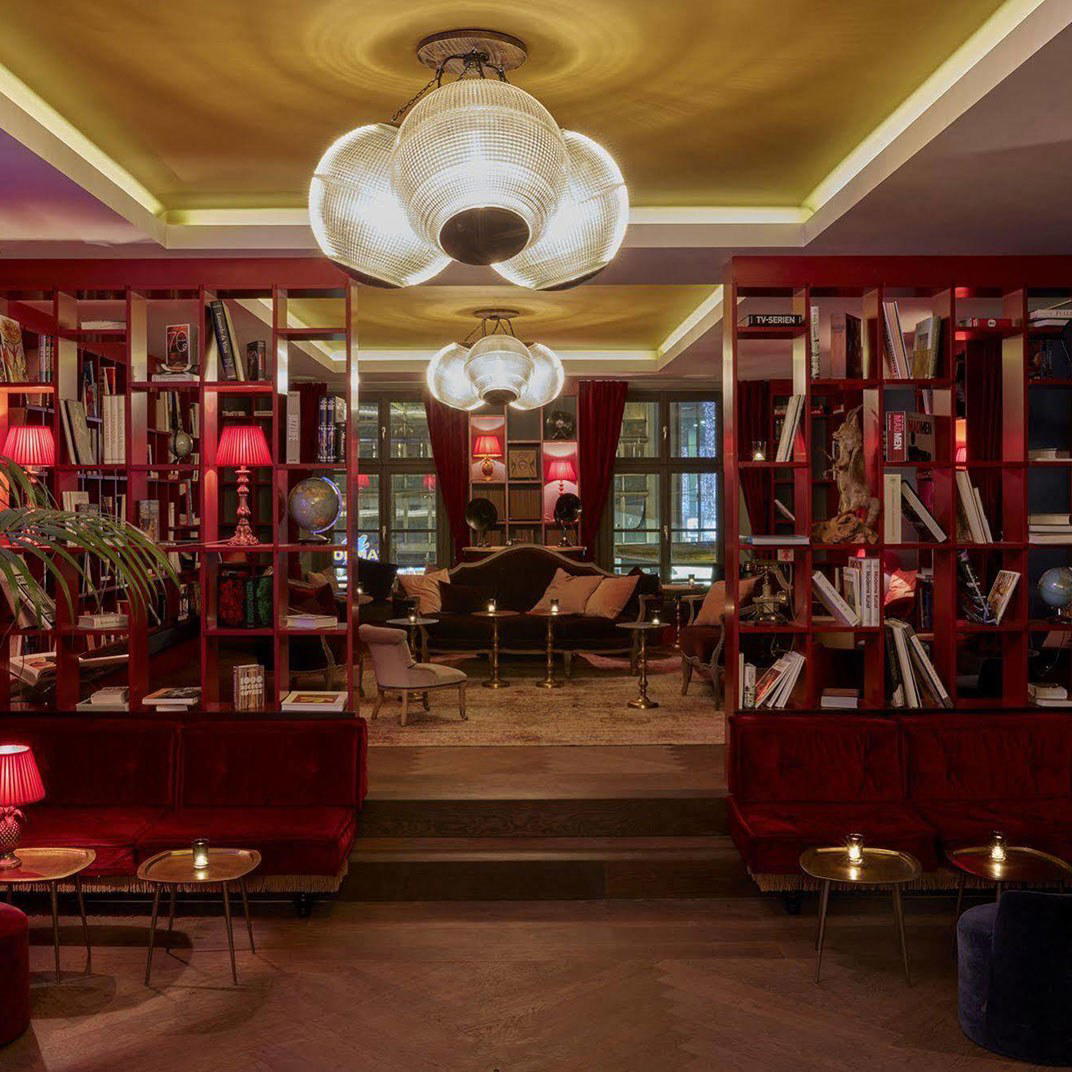
Cozy underground setting with candlelight creating an intimate and romantic atmosphere.