Cevicheria Pez brings Peruvian-inflected seafood to Schwabing, a neighbourhood better known for its Bavarian bourgeois dining rooms than for ceviche. The address on Occamstraße 26 places it within walking distance of the Englischer Garten, making it a useful anchor for a quarter that is slowly accumulating a more cosmopolitan restaurant mix. For Munich diners looking beyond the city's dominant fine-dining register, it operates in a distinct and underserved niche.
Pearl is the En Primeur Club membership app — saves, bookings, and concierge access live there. Same editors, same standards.
- Address
- Occamstraße 26, 80802 München, Germany
- Phone
- +498982969652
- Website
- speisekartenweb.de
- Directions
- Get directions
 Saves & bookings on Pearl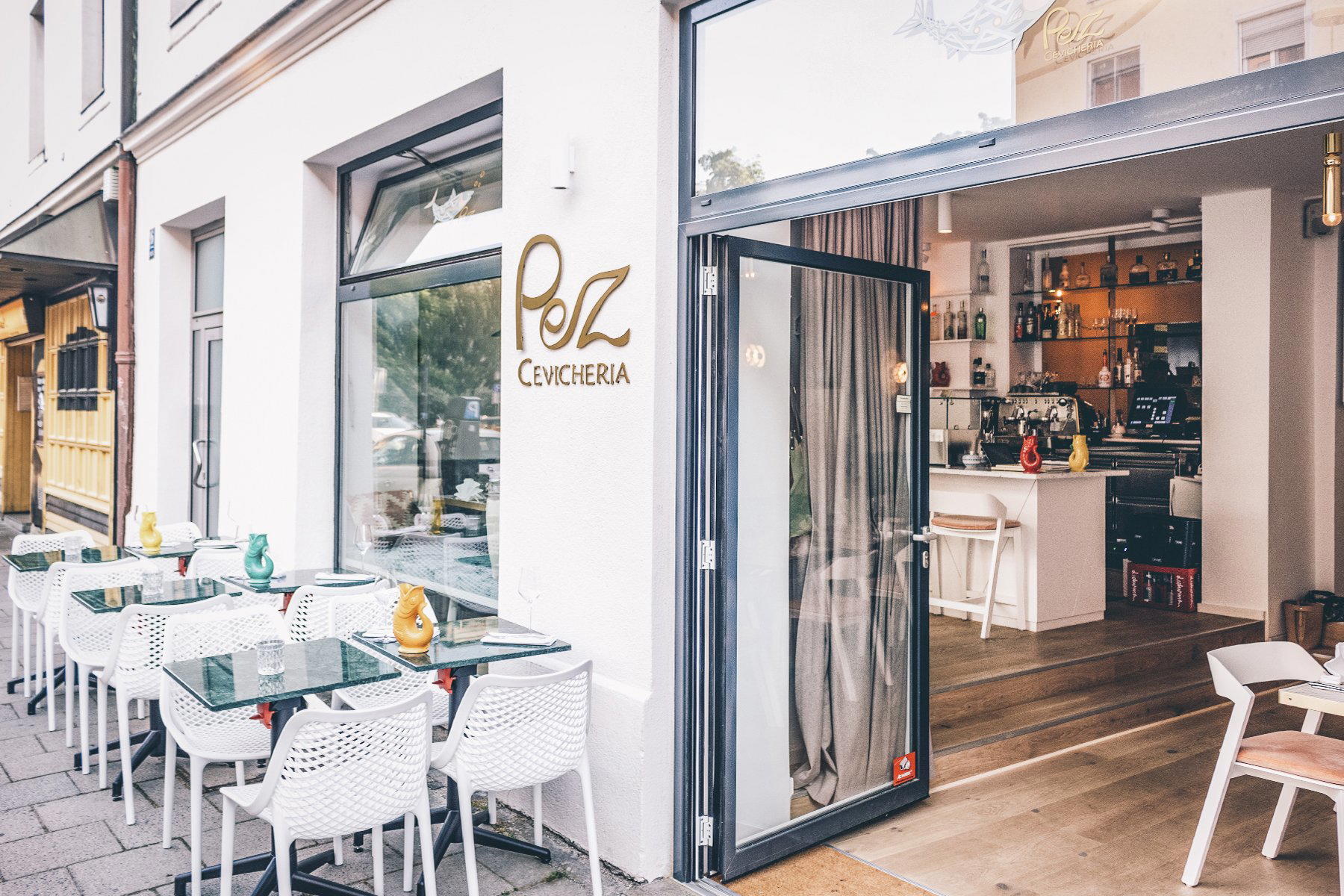
Schwabing's Quiet Shift Toward Coastal Cuisine
Munich's Schwabing district has long defined itself through a particular kind of confident, bourgeois dining: white tablecloths, Bavarian game, and wine lists weighted toward the Rhine and Mosel. That template has been durable, but the neighbourhood around Occamstraße has begun to absorb a different register of cooking, one driven less by regional tradition and more by the sourcing logic of coastal and Latin American kitchens. Cevicheria Pez, at Occamstraße 26, sits at the edge of that shift. In a city where the dominant fine-dining conversation centres on places like Tantris and Atelier, a dedicated cevicheria occupies genuinely uncommon ground.
The name alone carries intent. Pez is Spanish for fish, and a cevicheria is not a fusion concept or a coastal-inspired menu bolted onto a European framework. It is a format with a specific culinary logic: raw or lightly cured seafood, citrus-based marinades, and a set of Peruvian building blocks, aji amarillo, leche de tigre, canchita, that are difficult to approximate and harder still to source well in a landlocked Central European city. That sourcing problem is where the editorial interest lies.
The Sourcing Challenge That Defines the Format
Ceviche's quality ceiling is set almost entirely by ingredient provenance. In Lima, where the dish operates as a cultural institution, the fish arrives from Pacific waters hours before service. That chain collapses over distance, and a cevicheria in Munich must solve a logistics problem that its Peruvian counterparts never face. Particularly credible European operators in this format have addressed it through dedicated supply relationships, airfreight for specific proteins, and a tight seasonal rotation that acknowledges what European waters can reliably deliver at a given time of year.
The acid-to-protein balance in a well-executed leche de tigre is unforgiving. Fish that has spent an extra day in transit reads differently under citrus than fish pulled that morning, and experienced diners in this format notice the difference immediately. What distinguishes the better European cevicherias from the merely competent ones is not the recipe itself but the discipline around sourcing windows and the willingness to restrict the menu to what the supply chain can actually support. Germany's seafood infrastructure still adds handling time that places real constraints on the format.
For context, particularly technically rigorous seafood-focused kitchens in Germany, including Restaurant Haerlin in Hamburg, which has direct access to North Sea product, operate with sourcing advantages that Munich kitchens cannot replicate. Further afield, the seafood programs at Aqua in Wolfsburg and Vendôme in Bergisch Gladbach reflect what three-Michelin-star budgets can do with procurement. A neighbourhood cevicheria operates in a different economic register entirely, which makes the sourcing decisions more constrained and, in some ways, more revealing about what the kitchen actually prioritises.
The Peruvian Format and Its European Footprint
Peruvian cooking has established a serious European presence over the past fifteen years, driven in large part by the global recognition of Lima's restaurant scene through the World's 50 Best rankings and by diaspora communities in Spain, Italy, and the UK. The format has since fragmented into several tiers: high-concept Nikkei-influenced dining at the upper end, mid-market cevicherias and ceviche bars in the middle, and fast-casual iterations at the bottom. Munich sits within a German market that has been slower than London or Madrid to absorb the middle tier, which makes a dedicated cevicheria here an earlier-stage proposition than the same concept would be in a city with an established Peruvian dining culture.
The comparison points in Munich's broader dining scene are instructive. The city's most-discussed restaurants, JAN, Tohru in der Schreiberei, Alois - Dallmayr Fine Dining, operate in the creative fine-dining tier, where tasting menus, wine pairings, and Michelin recognition set the terms of evaluation. A cevicheria competes on entirely different axes: ingredient freshness, acid calibration, textural precision, and the coherence of a cuisine tradition that most Munich diners encounter rarely. The full Munich restaurants guide gives a sense of how concentrated that fine-dining tier is, and how much space remains in the middle.
For readers who have encountered Peruvian cooking at its most technically demanding elsewhere, at a place like Le Bernardin in New York for the seafood standard, or the tasting-menu precision of Atomix for what a culturally specific format can achieve at altitude, the question with any neighbourhood cevicheria is always the same: does the sourcing discipline match the format's requirements?
Planning a Visit
Cevicheria Pez is at Occamstraße 26 in Munich's Schwabing district, within easy reach of the Münchner Freiheit U-Bahn station and a short walk from the northern edge of the Englischer Garten. The address puts it in a residential stretch of Schwabing rather than a high-footfall dining corridor, which typically signals a local-repeat model rather than a tourist-capture operation. The restaurant is recommended for reservations and is open daily from 5 to 11 PM. Given the format, lunch service is where ceviche formats traditionally perform: the fish is freshest, the acid is brighter, and the dish reads as it is meant to. If the kitchen runs lunch hours, that is the window to prioritise.
Germany's broader restaurant scene has several reference points for what serious sourcing at different price tiers can look like: Schwarzwaldstube in Baiersbronn, ES:SENZ in Grassau, Schanz in Piesport, Waldhotel Sonnora in Dreis, Victor's Fine Dining by Christian Bau in Perl, Bagatelle in Trier, and CODA Dessert Dining in Berlin each demonstrate different answers to the question of how seriously a kitchen takes its primary ingredients. At the neighbourhood level, Cevicheria Pez is asking a version of that same question within a tighter budget and a constrained supply environment.
Side-by-Side Snapshot
Comparable venues nearby, for context on price, style, and recognition.
| Venue | Cuisine | Price | Notes |
|---|---|---|---|
| Cevicheria PezThis venue — the venue you are viewing | Peruvian Cevicheria | $$$ | Not listed |
| Gandl | Mediterranean Bistro with Italian and French Influences | $$$ | Lehel |
| Brusko Grill | Creative Greek Grill | $$$ | Feldmoching |
| Beef Room 61 | Modern Steakhouse Grill | $$$ | Schwabing |
| KLIMENTI'S Restaurant | Modern Mediterranean with Fresh Seafood & Grilled Specialties | $$$ | Lehel |
| Chez Fritz | Classic French Brasserie | $$$ | Haidhausen |

At a Glance
- Cozy
- Elegant
- Intimate
- Trendy
- Date Night
- Special Occasion
- Celebration
- Open Kitchen
- Craft Cocktails
- Beer Program
- Sustainable Seafood
Current opening hours
- Monday
- 5–11 PM
- Tuesday
- 5–11 PM
- Wednesday
- 5–11 PM
- Thursday
- 5–11 PM
- Friday
- 5–11 PM
- Saturday
- 5–11 PM
- Sunday
- 5–11 PM
Hours can change for holidays and private events. Last verified .
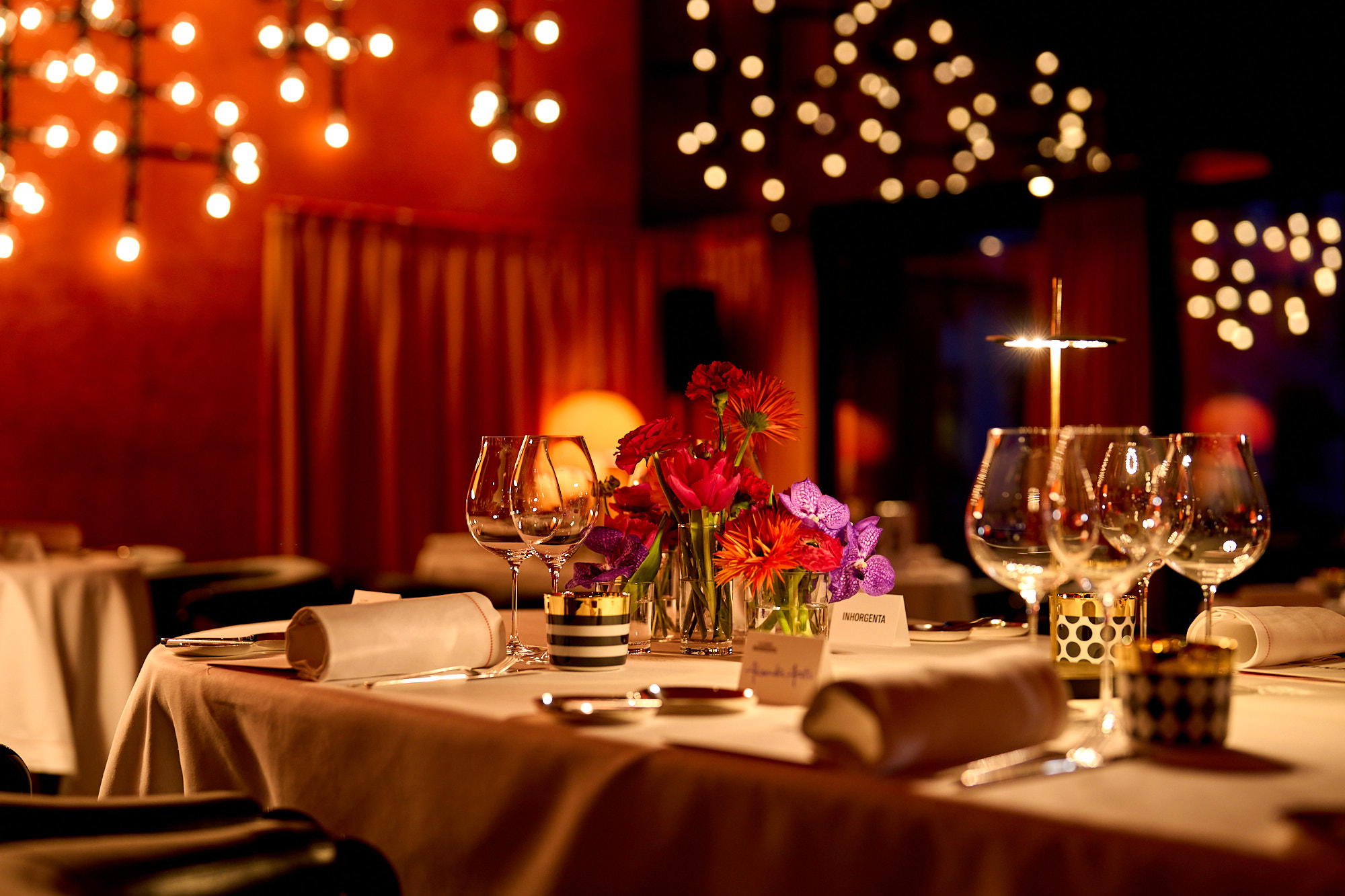
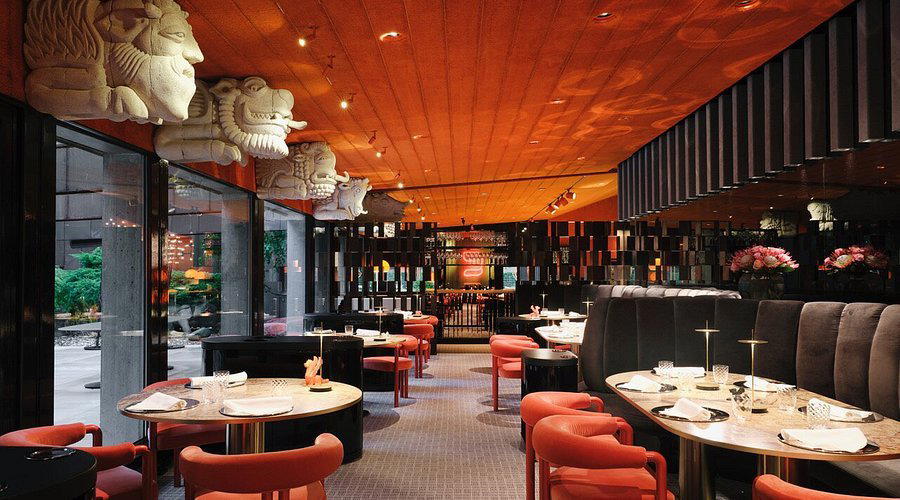
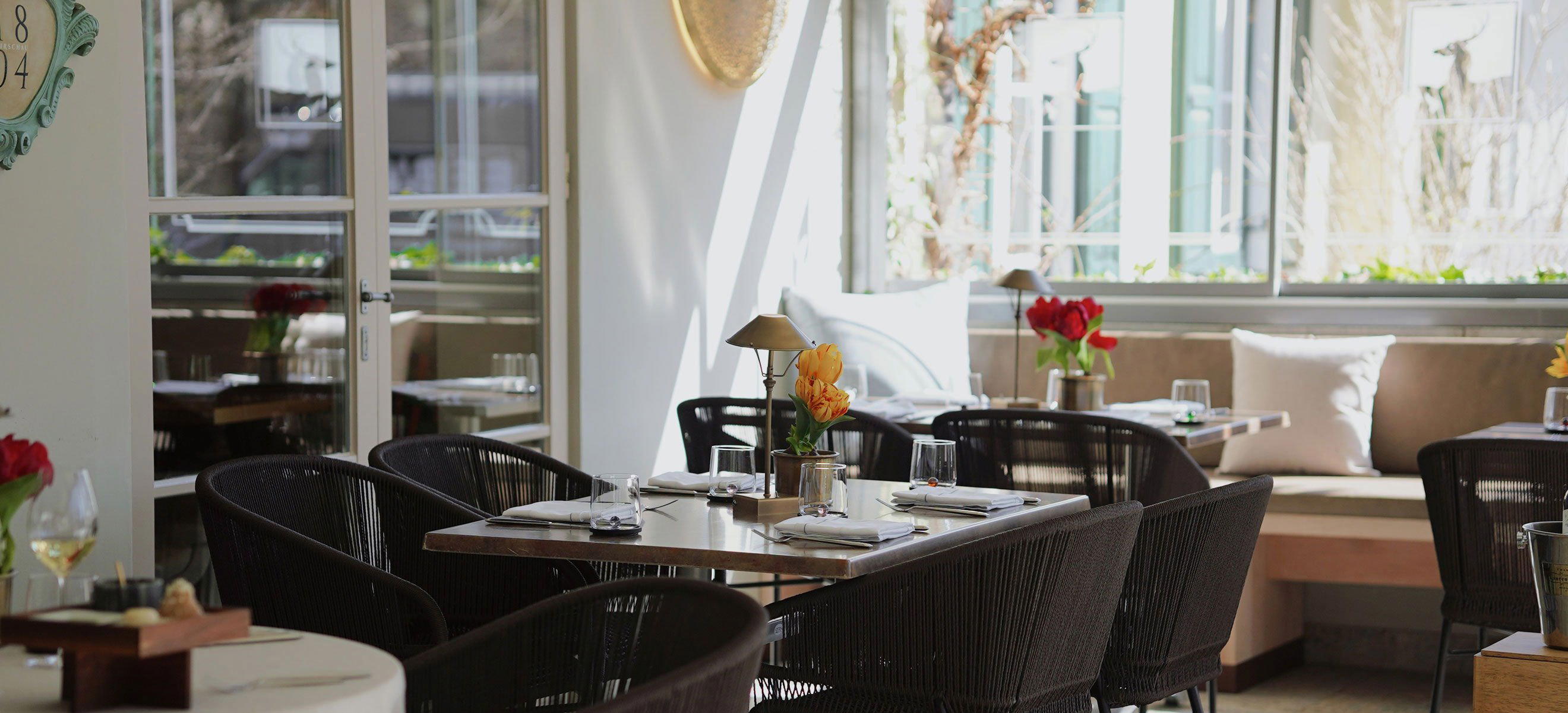
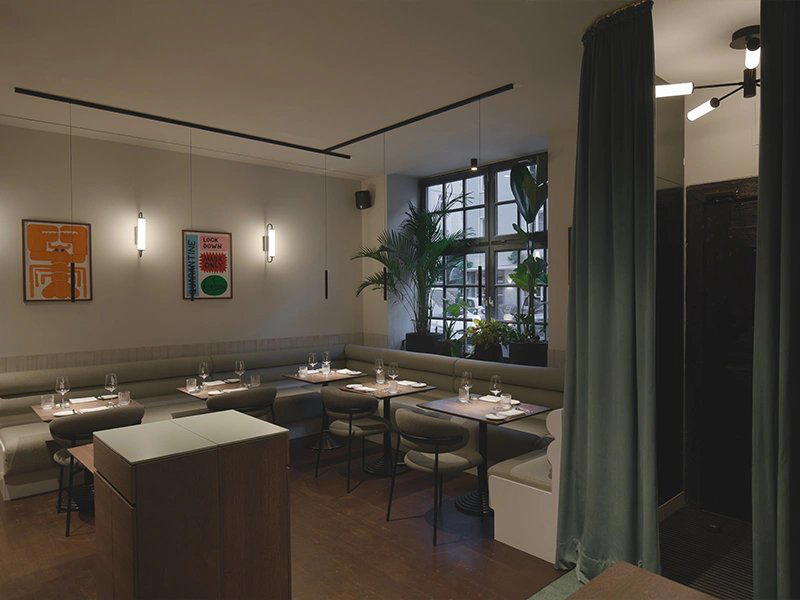
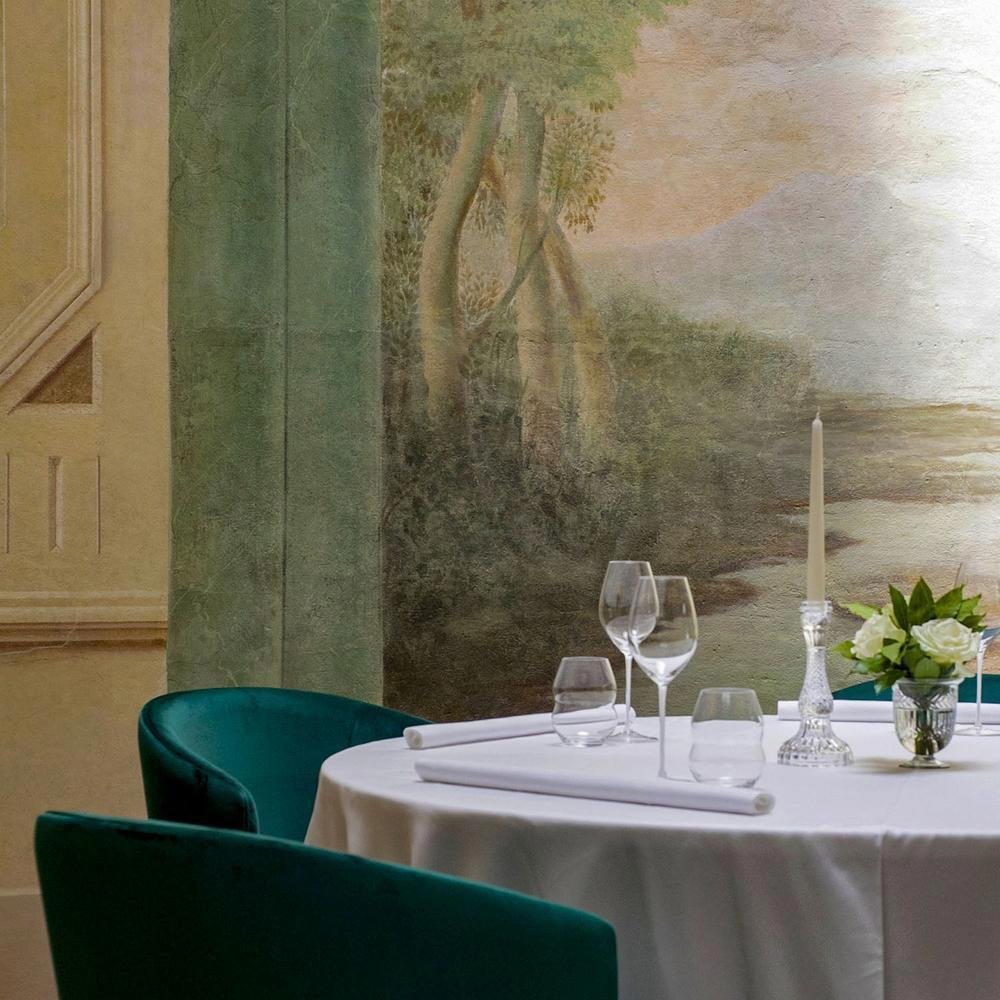
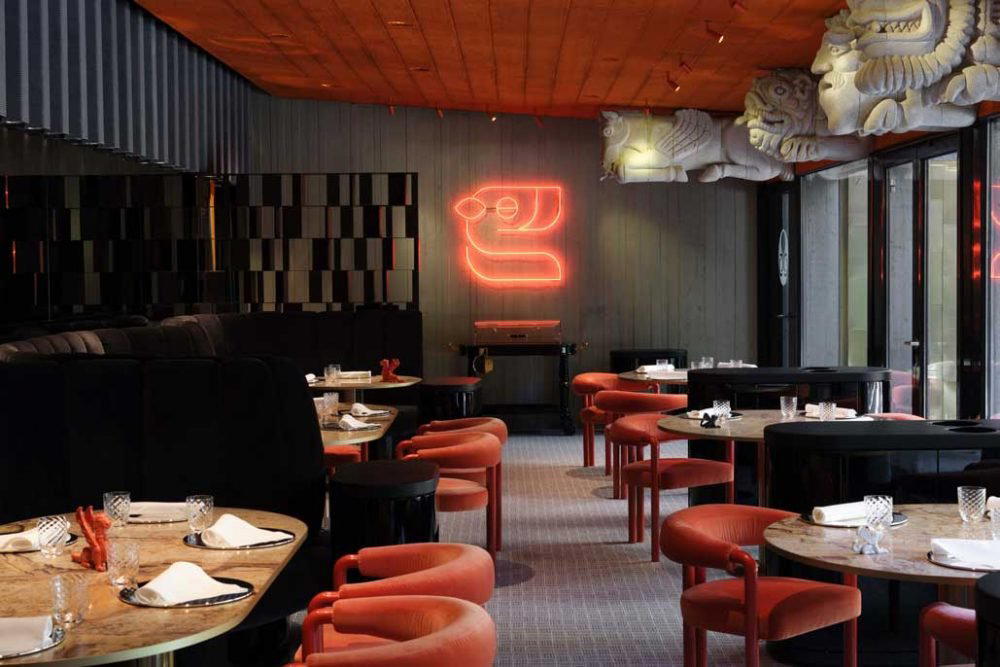
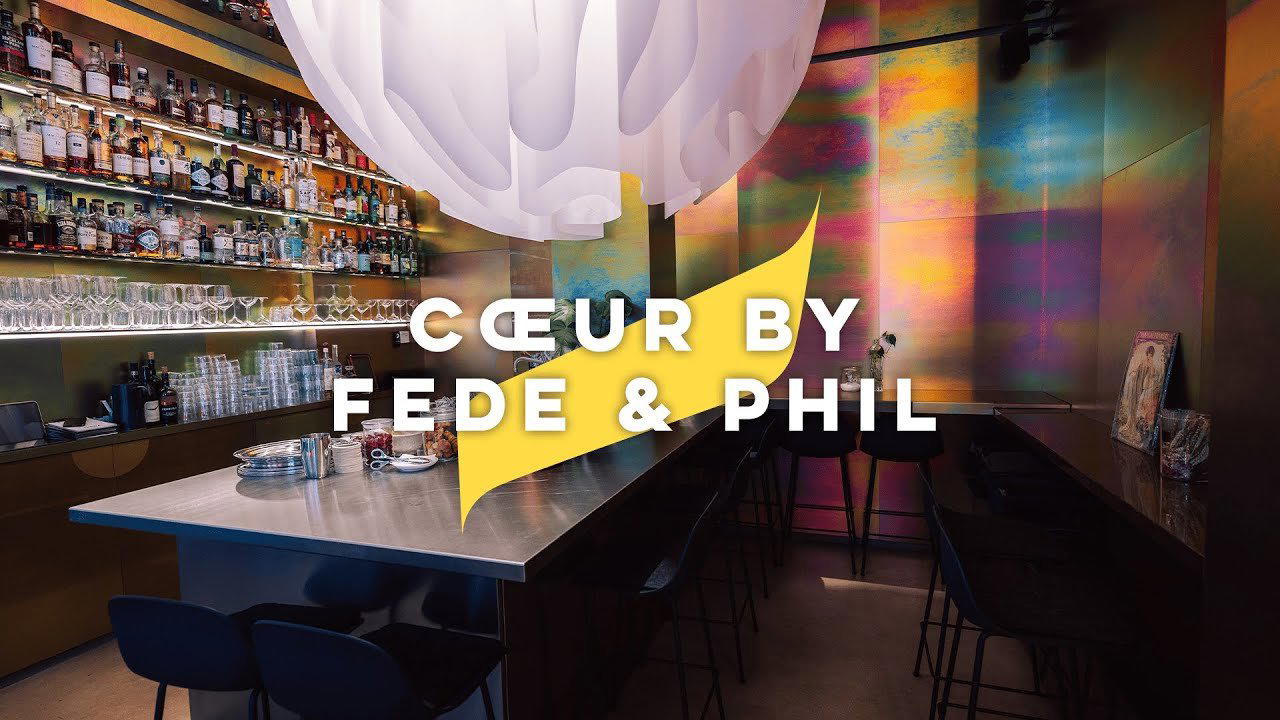
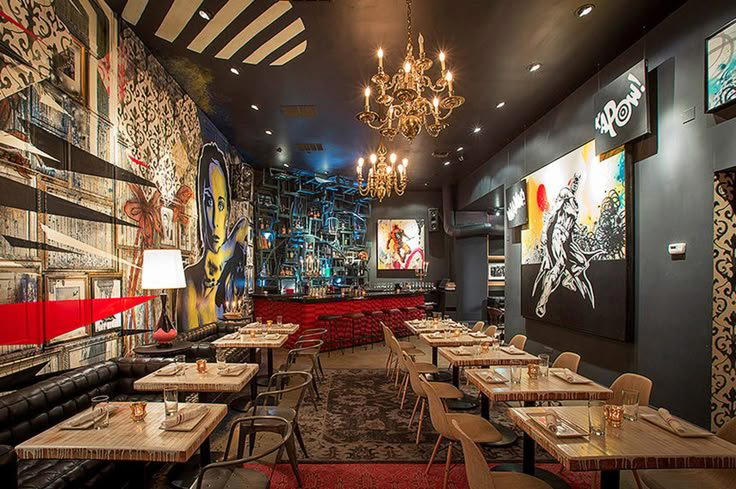
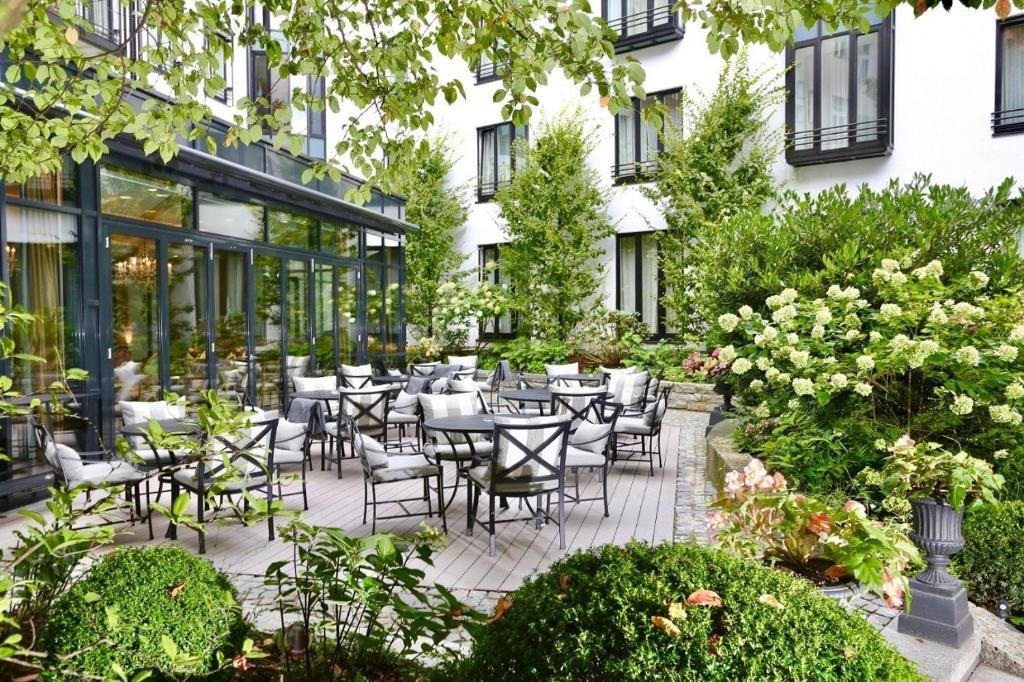
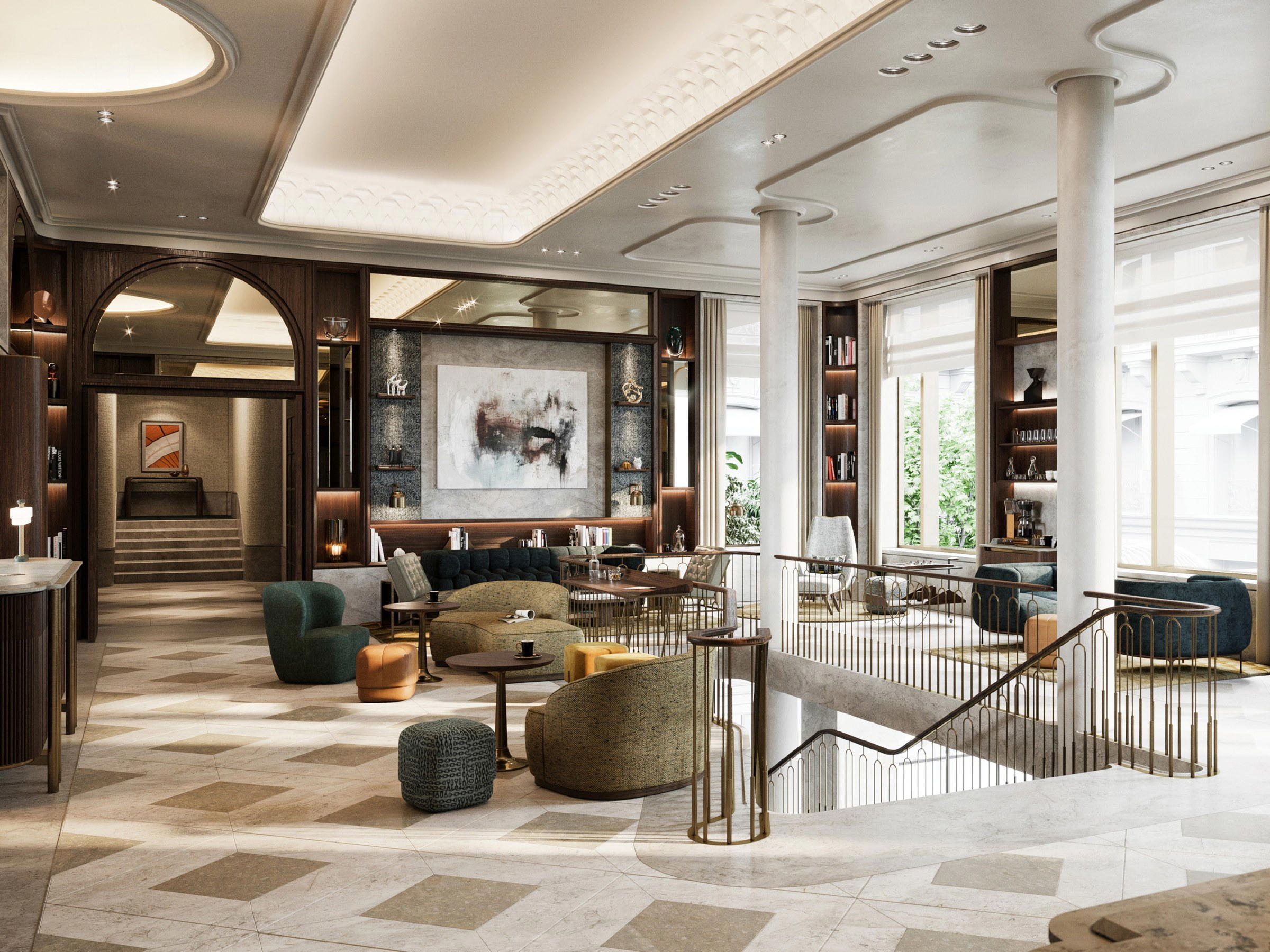
Cozy upscale ambience with elegant and comfortable decor, open kitchen, and a warm welcoming atmosphere.