Boccalino
Our verdict
Positioned in Jongno District along Saemunan-ro, Boccalino brings a European dining sensibility to one of Seoul's most historically layered neighbourhoods. The address places it within easy reach of the Gwanghwamun cultural corridor, where the city's appetite for considered, ingredient-led dining has grown steadily alongside its Michelin-recognised restaurant scene. For visitors tracking Seoul's evolution beyond Korean fine dining, Boccalino represents a quietly serious alternative worth attention.

Pearl is the En Primeur Club membership app, where members save venues, book tables and use the concierge.
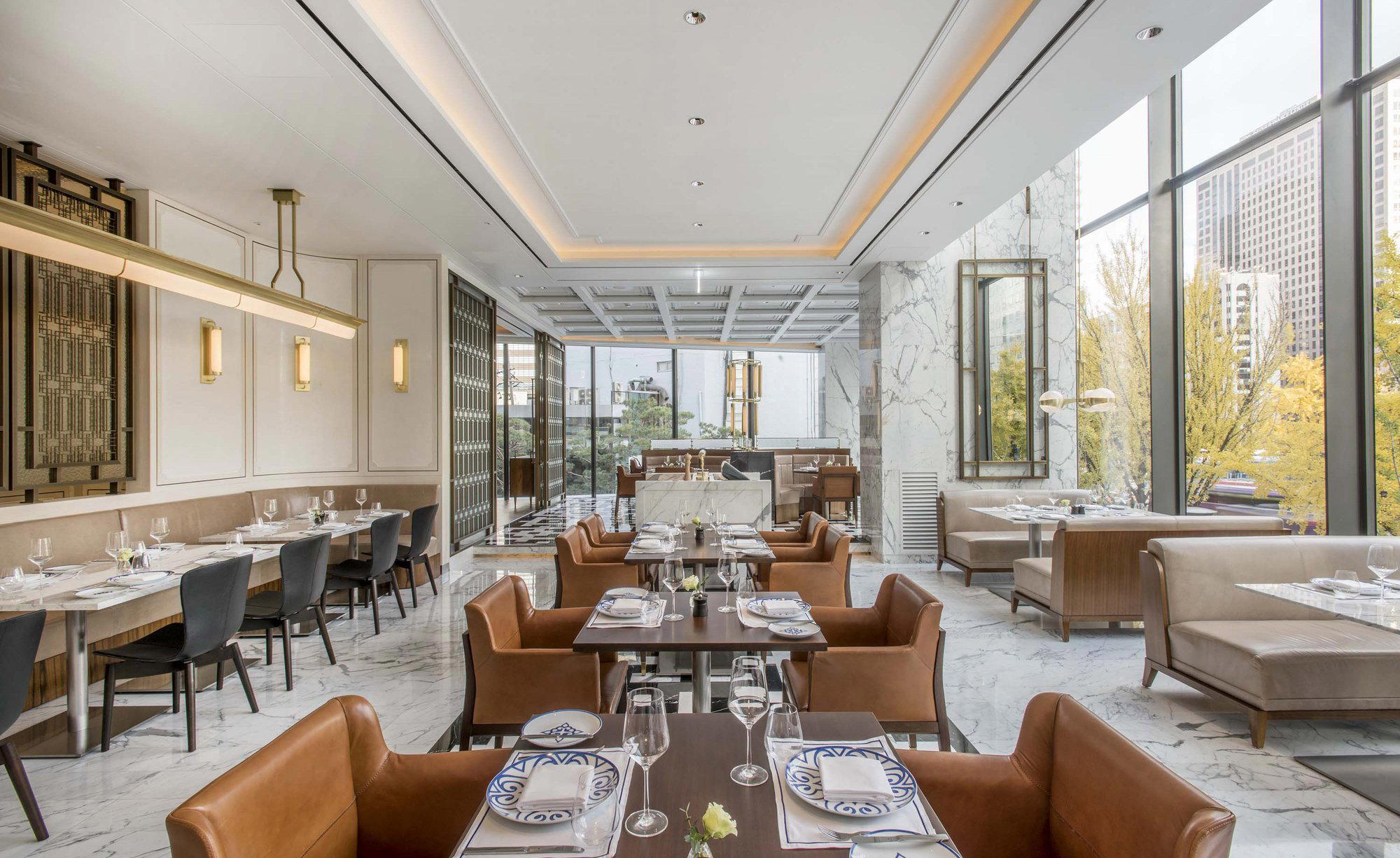
The menu
What to order
- Pistacchio Pizza
- Spaghettoni Vongole
- Slow Braised Short Rib
- Lobster Saffron Risotto
Jongno's Quiet Shift Toward Ingredient-Led Dining
Seoul's Jongno District has long carried the weight of the city's historical identity, home to palaces, traditional markets, and the civic architecture that defines central Seoul. But the neighbourhood around Saemunan-ro has undergone a quieter transformation over the past decade, one less visible than Gangnam's restaurant boom or Itaewon's international-facing dining corridor. Here, a smaller group of restaurants has emerged that prioritises sourcing transparency and restraint over spectacle. Boccalino, at 97 Saemunan-ro, sits within this pattern: a European-inflected address in a district not typically associated with that register, positioned close to the Gwanghwamun cultural zone where foot traffic skews toward office workers, museum visitors, and residents with time to seek out less obvious options.
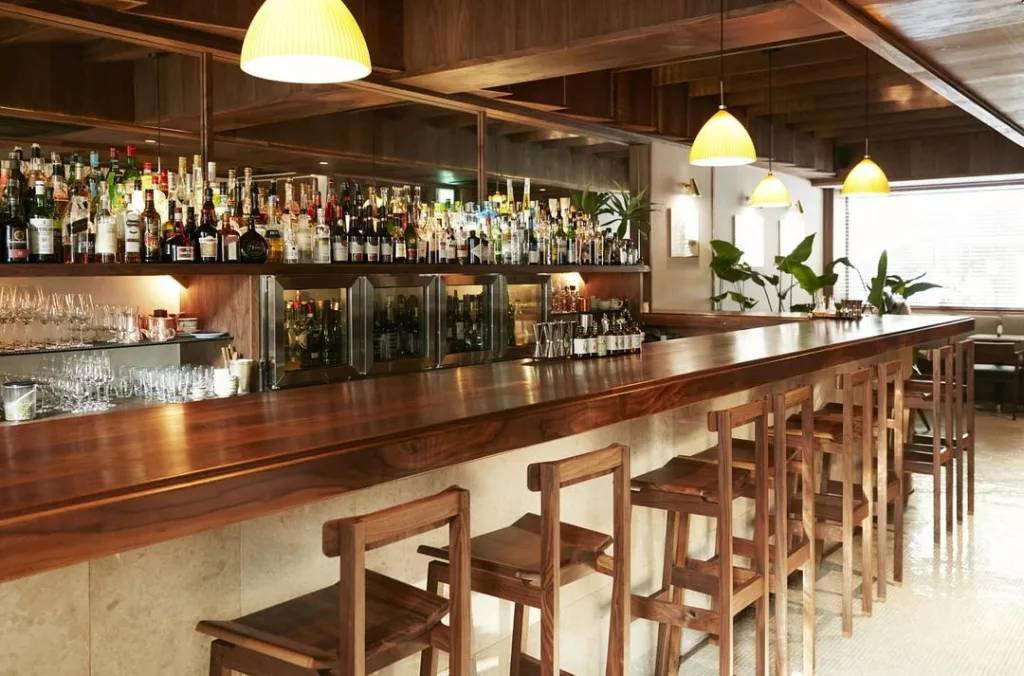
The physical approach matters. Saemunan-ro is a broad arterial road flanked by institutional buildings and older commercial blocks, which means restaurants along it tend to carve out their identity through interior atmosphere rather than streetside drama. In this context, the more considered dining rooms in the area rely on materials, light, and acoustics to signal their seriousness, following a pattern common across Seoul's mid-century and newer dining spaces alike, where the exterior gives little away and the interior does the communicating.
Seoul's European Dining Tier and Where Sourcing Fits
Within Seoul's broader restaurant ecosystem, European cuisine occupies a specific and contested position. The city's fine dining conversation is anchored by Korean-led formats: contemporary Korean tasting menus at places like Mingles and Kwonsooksoo, avant-garde Korean-adjacent work at venues such as Soigné and alla prima, and the internationally recognised contemporary format of Jungsik. European restaurants in Seoul operate within that context, often drawing diners who want a specific register of cooking: slower-paced, produce-anchored, and less concerned with the theatrical elements that define some of the city's most discussed tasting-menu formats.
The sustainability angle has become increasingly central to how Seoul's serious kitchens differentiate themselves, and this is particularly pronounced in European-style dining rooms that import the sourcing ethics common in Scandinavian and French natural-wine adjacent restaurants. Across the city's higher-end dining tier, there is growing pressure to trace proteins and produce, reduce kitchen waste, and maintain supplier relationships that go beyond commodity purchasing. This is not simply trend adoption: Seoul's urban density and supply chain complexity make ethical sourcing a genuine operational challenge, which means restaurants that do it credibly tend to build loyalty among diners who track these signals. Comparison venues like Eatanic Garden and Zero Complex have both drawn attention partly on the basis of their sourcing discipline and environmental positioning, which establishes a peer context for any European-inflected address aiming at similar credibility.
The Sourcing Conversation in Seoul's Restaurant Culture
South Korea's relationship with food provenance has deepened considerably over the past several years, driven by a combination of high-profile food media coverage, increased travel literacy among diners, and the influence of globally trained chefs returning to Seoul with European sourcing frameworks intact. The farm-to-table language that became overworked in American and British dining has arrived in Seoul in a more pointed form: here, the conversation is often about specific regional producers, seasonal Korean ingredients used within non-Korean frameworks, and the ethics of imported versus domestic sourcing. For a restaurant operating in a European culinary mode, this creates a productive tension: how much of the kitchen's ingredient logic is locally rooted, and how much relies on the imported pantry that defines the reference cuisine?
This question is not unique to Boccalino, but it is the right lens through which to assess any European-style restaurant in Seoul operating above the casual tier. Across the city, the most discussed addresses in this space have resolved the tension differently. Some lean into Korean produce as the primary ingredient with European technique as the organising grammar. Others maintain a more classically European pantry while sourcing proteins and aromatics locally wherever viable. Both approaches have credibility when executed with consistency; the weakness appears in kitchens that claim sourcing integrity without the supplier relationships or seasonal menu movement to support it. Seoul's more attentive dining community, concentrated in Gangnam and increasingly spreading into areas like Jongno and Mapo, notices the difference.
Beyond Seoul, South Korea's regional dining scene has matured enough to create genuine sourcing networks for city kitchens. Restaurants like Mori in Busan, Double T Dining in Gangneung, and more rural operations such as Injegol in Inje County and Doosoogobang in Suwon have contributed to a national network of small producers that city-based restaurants can draw from. The temple food tradition, represented by places like Baegyangsa Temple in Jangseong-gun, has also reinforced a cultural appreciation for ingredient minimalism and seasonal discipline that filters into urban dining expectations. For a restaurant like Boccalino, positioned in central Seoul and operating in a European culinary idiom, this national context provides both an opportunity and a benchmark.
Practical Considerations for Planning a Visit
Boccalino's address at 97 Saemunan-ro places it in Jongno District, accessible via Gwanghwamun Station on Seoul Metro Line 5, which makes it a practical stop for visitors spending time in the central cultural corridor before or after a meal. The neighbourhood is densest with visitors and office workers at lunchtime and early evening, so the quieter dining window tends to be mid-evening on weekdays. Broader Seoul restaurant planning, including peer-level venues across multiple neighbourhoods, is covered in our full Seoul restaurants guide.
Diners who track sourcing-conscious European restaurants internationally may find useful comparison in how North American kitchens have handled similar positioning: Lazy Bear in San Francisco built its identity around communal format and hyper-local produce, while Le Bernardin in New York City demonstrates how a European-rooted format can maintain discipline and longevity in a non-European urban market. Seoul's version of this conversation is younger but moving quickly, and Jongno addresses like Boccalino are part of its next chapter.
Additional Korea-based dining worth tracking for regional context: Market Café in Incheon, Cheon Jee in Jeju, and The Flying Hog in Seogwipo each represent different expressions of the country's evolving dining culture beyond the capital. For Gangnam-district Korean fine dining specifically, Kwon Sook Soo provides a useful reference point, and 에버리움펜션 in Cheoin offers a rural counterpoint for those extending their trip beyond Seoul's core.
Frequently asked questions
What part of town is Boccalino in?
Boccalino is located at 97 Saemunan-ro, Jongno District, Seoul, South Korea, Seoul.
Is Boccalino a good choice for European dining in Seoul's Jongno District compared to the city's broader fine dining scene?
Seoul's European fine dining conversation is anchored largely in Gangnam and Itaewon, which makes Boccalino's Jongno address, at 97 Saemunan-ro, a less conventional choice and a more neighbourhood-integrated one. Jongno has been moving gradually toward ingredient-conscious dining, and a European kitchen operating in that context sits closer to local food culture than the district's older tourist-facing restaurants. For visitors already spending time around Gyeongbokgung or Gwanghwamun, it removes the need to cross the city for a considered European meal.
What's the best thing to order at Boccalino?
Visiting with an open approach to the day's offerings is the more practical strategy. Contacting the venue directly before arrival will give you the clearest picture of what's currently on the menu.
What's the best way to book Boccalino?
Boccalino is located at 97 Saemunan-ro in Seoul's Jongno District, accessible via Gwanghwamun Station on Metro Line 5. Given Jongno's growing restaurant profile, reserving ahead is advisable for dinner.
What's the standout thing about Boccalino?
Boccalino's address in Jongno District places it within one of Seoul's most historically layered neighbourhoods, where European restaurants occupy a distinct and competitive tier. Its focus on ingredient sourcing aligns with a broader shift across Seoul's restaurant culture toward food provenance as a primary value. That combination of location and culinary orientation distinguishes it from the city's more convention-driven European dining rooms.
Can Boccalino adjust for dietary needs?
The standard practice at ingredient-focused European kitchens in Seoul is to flag requirements at the time of booking rather than on arrival. Contacting the restaurant directly in advance gives the kitchen the clearest opportunity to prepare alternatives.
A Tight Comparison
Comparable venues nearby, for context on price, style, and recognition.
| Venue | Cuisine | Price | Awards | Notes |
|---|---|---|---|---|
| BoccalinoThis venue (the venue you are viewing) | Modern Italian with Local Korean Influences | $100–150 | Not listed | Not listed |
| 쵸이닷 - Choi Dot | Modern Japanese Kaiseki | Not listed | Michelin Plate · La Liste Top Restaurants | 압구정동, Modern Italian-Korean Fine Dining |
| Pizzeria O | Authentic Neapolitan Pizza | $20–30 | Not listed | 혜화동, Authentic Neapolitan Pizza |
| ìµê°ë¤ì¤ë¸ë²ì¯ì¹¼êµì ì±ìì§ìì | Edomae Sushi Omakase | $100–150 | Not listed | 응봉동, Edomae Sushi Omakase |
| ê°ë¯¼ì² ë ì¤í ë | Modern French Fine Dining | $100–150 | 1 Michelin Star · La Liste Top Restaurants | 압구정동, Modern Japanese Omakase |
| Sushi Sora Daechi | Japanese Sushi Omakase | $50–100 | Not listed | Samseong-dong, Japanese Sushi Omakase |
Continue exploring
More in Seoul
Restaurants in Seoul
All restaurants in Seoul →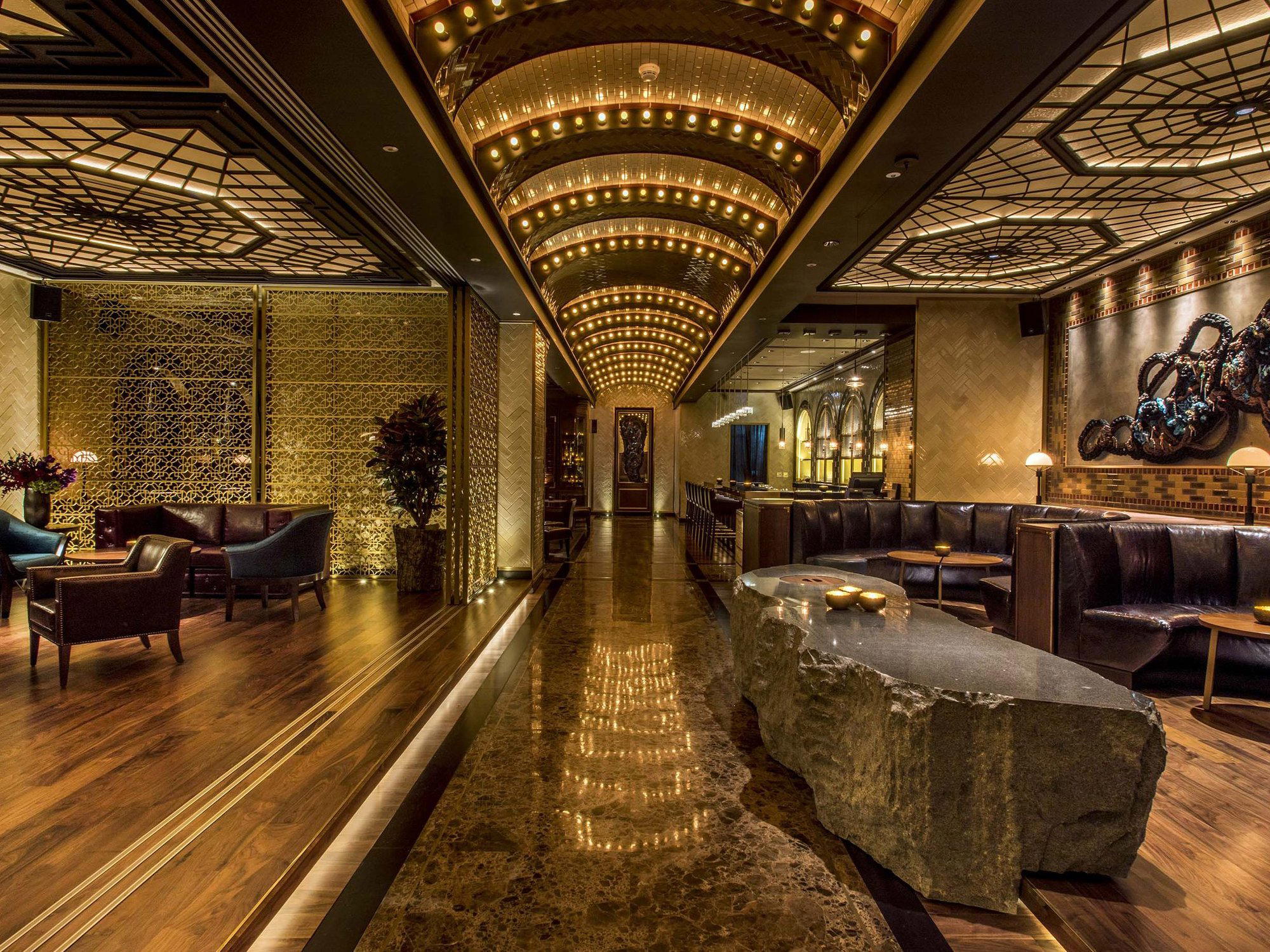
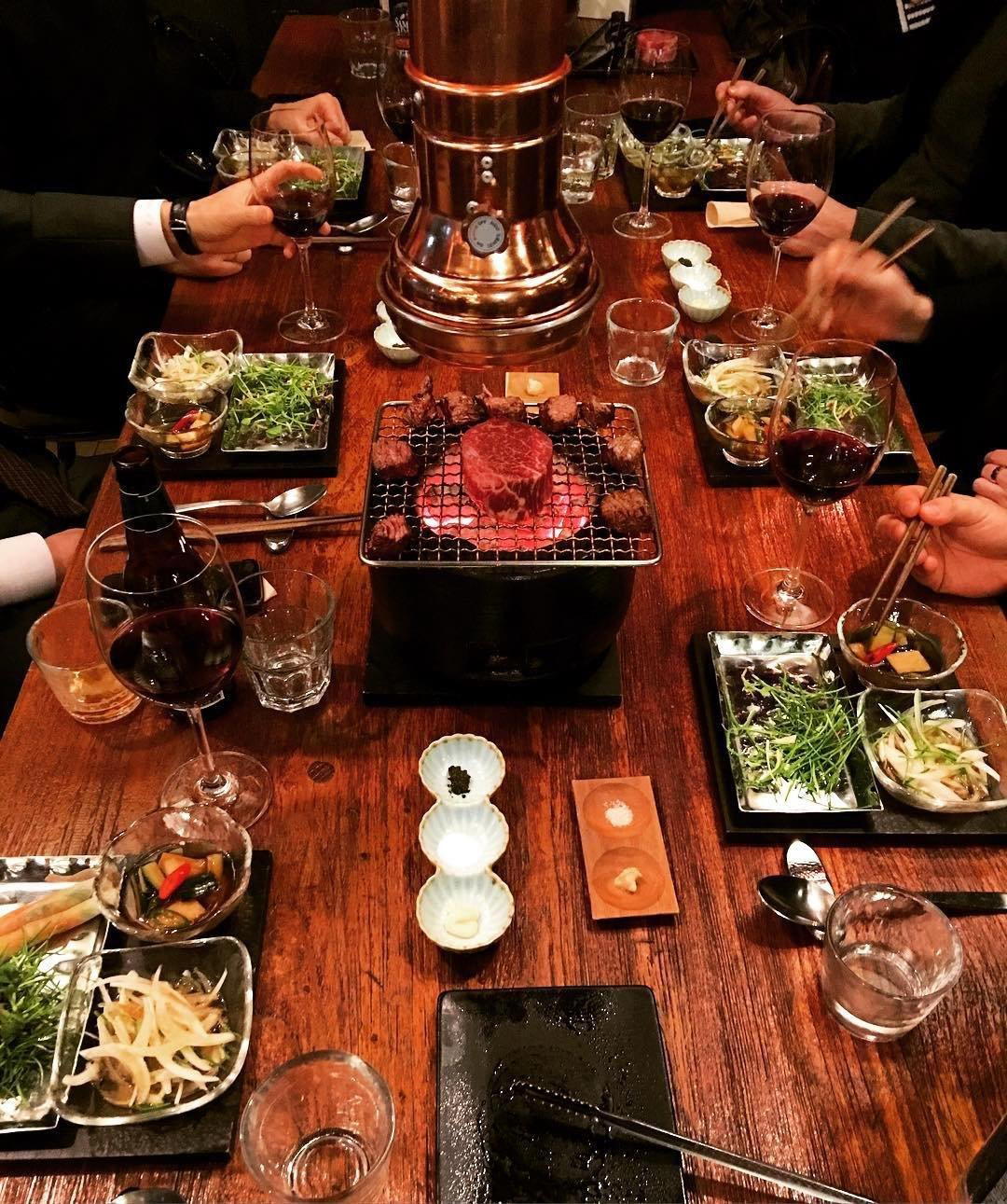
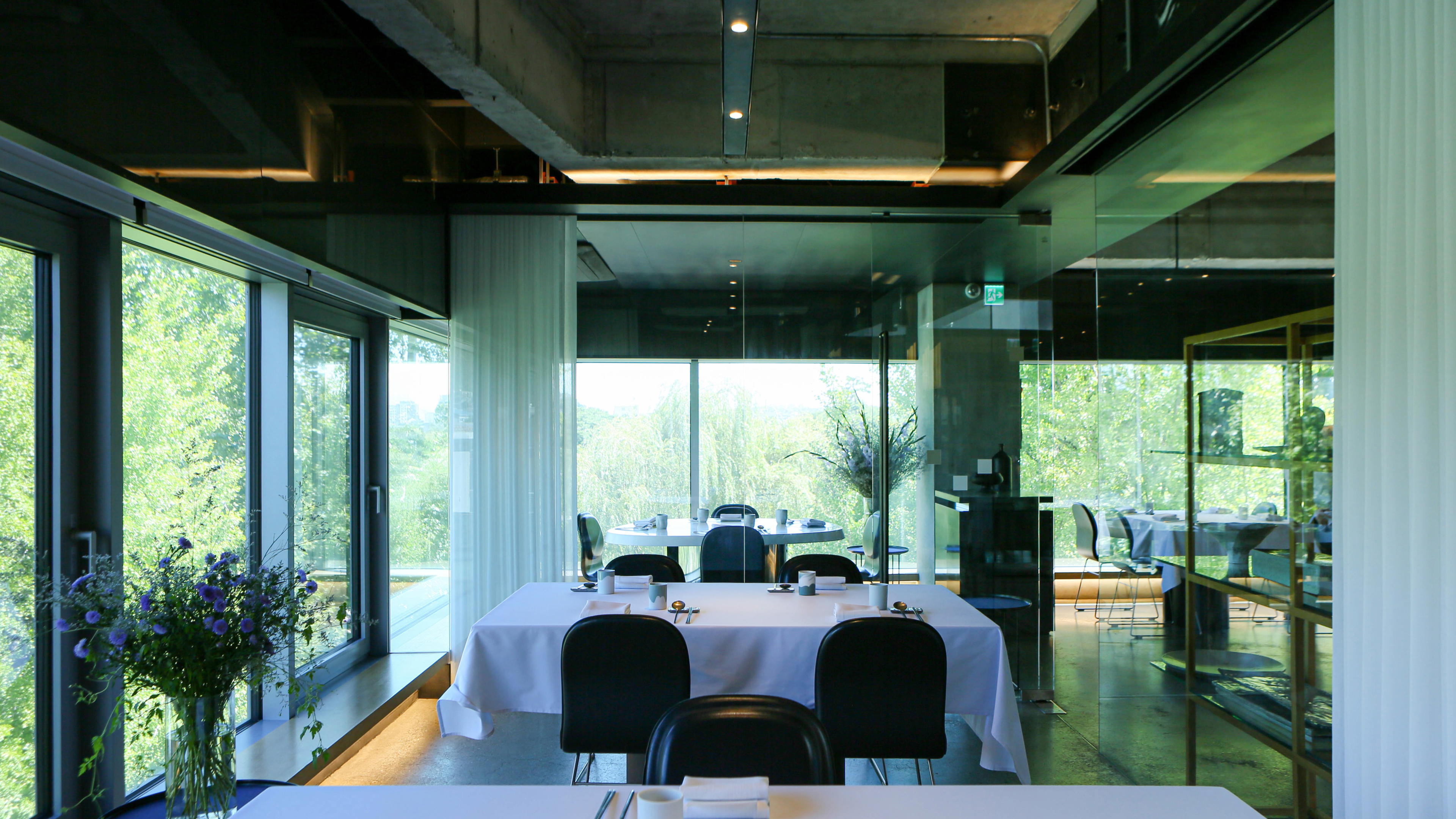
Bars in Seoul
All bars in Seoul →
Details
- Elegant
- Sophisticated
- Modern
- Cozy
- Date Night
- Business Dinner
- Special Occasion
- Open Kitchen
- Extensive Wine List
- Local Sourcing
- Street Scene
- A La Carte
- Tasting Menu
- Vegetarian Friendly
- Vegan Options
Current opening hours
- Monday
- 11 AM–2:30 PM, 5:30–9:30 PM
- Tuesday
- 11 AM–2:30 PM, 5:30–9:30 PM
- Wednesday
- 11 AM–2:30 PM, 5:30–9:30 PM
- Thursday
- 11 AM–2:30 PM, 5:30–9:30 PM
- Friday
- 11 AM–2:30 PM, 5:30–9:30 PM
- Saturday
- 11 AM–2:30 PM, 5:30–9:30 PM
- Sunday
- 11 AM–2:30 PM, 5:30–9:30 PM
Hours can change for holidays and private events. Hours as of .
Sunny light-filled space with sun-drenched marble walls, gleaming metal accents, cognac leather banquettes, and sparkling chandelier over a sleek communal table.