LIMON sits on Mühlenkamp 18 in Hamburg's Winterhude district, a neighbourhood where local dining runs more residential than destination. The restaurant draws a committed following from around the city, positioning itself within Hamburg's mid-to-upper casual dining register rather than the formal fine-dining tier occupied by three-star operations like The Table Kevin Fehling. Plan ahead: word-of-mouth venues at this address level tend to fill faster than their profiles suggest.
Pearl is the En Primeur Club membership app — saves, bookings, and concierge access live there. Same editors, same standards.
- Address
- Mühlenkamp 18, 22303 Hamburg, Germany
- Phone
- +494068878784
- Website
- tasty-hamburg.de
- Directions
- Get directions
 Saves & bookings on Pearl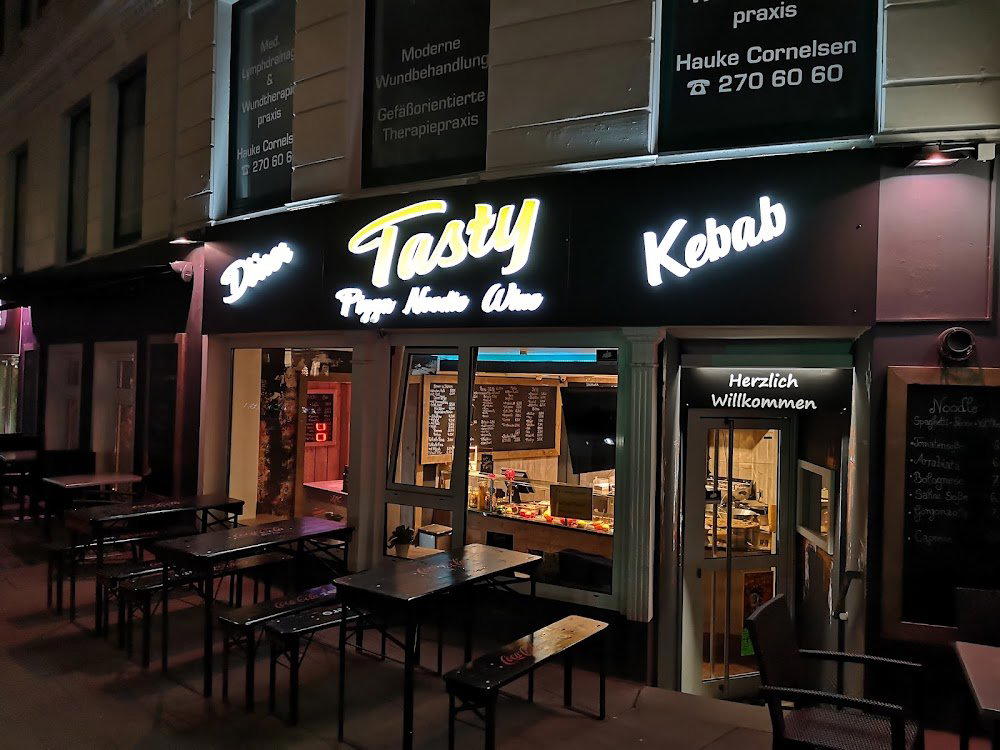
Winterhude Before the Room
Mühlenkamp is one of those Hamburg streets that functions as a neighbourhood high street for Winterhude residents rather than a draw for cross-city dining tourists. The canal-adjacent quarter sits north of the Alster lakes, and its dining culture runs toward the committed local rather than the trophy-hunting visitor. Walking along Mühlenkamp, the rhythm is residential: independent shops, a bakery or two, restaurants whose longevity depends on repeat custom rather than review cycles. LIMON occupies number 18 in that context, which tells you something about who it is for and how it expects to be found.
Hamburg's dining geography tends to sort itself into distinct registers. At the leading sit the formal tasting-menu operations: Restaurant Haerlin and The Table Kevin Fehling operate in the city's Michelin-starred bracket, where booking windows stretch months ahead and price points push well into the €€€€ tier. Below that sits a mid-range of neighbourhood-anchored restaurants that Hamburg locals use regularly and visitors often overlook. LIMON sits closer to that second register, which means it operates on different logic: the room fills through local loyalty, the booking window is harder to read from outside the neighbourhood, and the experience is shaped less by formal ceremony than by genuine repetition of use.
The Booking Reality
The editorial angle for any Winterhude restaurant in this bracket is logistics. Hamburg's well-regarded neighbourhood spots do not always behave like destination restaurants in terms of advance booking requirements, but they can fill just as completely. The difference is that their booking patterns are driven by regulars rather than algorithm-surfacing, which makes them harder to read for first-time visitors.
This is not unusual for smaller neighbourhood operations in German cities, where owner-run restaurants sometimes maintain a lighter digital footprint than their reputation would suggest. The practical implication: do not assume a walk-in will work on a Friday or Saturday evening. Winterhude's residential density generates consistent weeknight demand at the better local tables.
Visitors planning Hamburg itineraries around fine dining should build their framework around the confirmed-availability operations first: 100/200 Kitchen and bianc both publish booking systems and operate in Hamburg's more visible upper tier. Lakeside similarly sits in the €€€€ bracket with clearer advance planning infrastructure. LIMON works well as an intentional add, planned with local knowledge rather than as a spontaneous drop-in.
Where LIMON Sits in Hamburg's Wider Picture
Hamburg competes seriously as a fine-dining city within Germany's broader premium restaurant geography. The country's three-star and two-star operations spread across a wide range of cities and regions: Aqua in Wolfsburg, Schwarzwaldstube in Baiersbronn, Waldhotel Sonnora in Dreis, and Vendôme in Bergisch Gladbach all sit at the top of the national awards hierarchy. Hamburg's own contribution includes The Table Kevin Fehling and Restaurant Haerlin. Within that national context, LIMON operates at a different altitude, serving a function that awarded destination restaurants cannot: the reliable, neighbourhood-rooted meal that a city's own residents return to across seasons.
That function matters. Germany's most awarded operations, from Victor's Fine Dining by Christian Bau in Perl to ES:SENZ in Grassau to Schanz in Piesport, are destination-journey restaurants by design. You travel to them. LIMON is the opposite category: a restaurant the neighbourhood comes to, repeatedly, which is a different kind of durability and a different kind of proof.
For comparison outside Germany, the category logic is the same one that separates Le Bernardin in New York City from a strong West Village neighbourhood table, or Atomix in New York City from a Koreatown regular. Both categories are worth seeking out; neither replaces the other.
Cuisine and What to Expect
LIMON's name signals citrus, lightness, and Southern European or Latin American register, though the specific cuisine type is not confirmed in current records. In Hamburg's neighbourhood dining context, names in this register often correspond to Mediterranean or South American-influenced menus, the kind that have grown across German cities over the past decade as alternatives to the dominance of French-technique fine dining and traditional German cuisine. Whether LIMON fits that pattern precisely requires direct confirmation from the venue.
What the Winterhude address does confirm is the likely format: a mid-capacity room, an owner-operator dynamic, and a menu built for repeat visits rather than one-occasion tasting experiences. That format rewards different behaviour from the diner. Ordering broadly, returning for different parts of the menu across visits, and asking the room what moves fastest on a given evening will produce better results than approaching it like a destination tasting menu.
Comparable neighbourhood-anchored operations in Hamburg, like Heimatjuwel in its German creative register, operate on a similar logic: the kitchen's consistency across a regular menu is the proof point, not a single spectacular set piece. For visitors, this means the first visit is genuinely exploratory rather than confirmatory.
Planning a Hamburg Itinerary Around LIMON
The most sensible approach for non-Hamburg visitors is to anchor the itinerary on the restaurants with clear advance booking infrastructure and treat LIMON as a priority secondary target rather than a primary one. Secure a table at one of Hamburg's formally bookable operations through the standard channels, then pursue LIMON through local contact methods. Hamburg's full restaurant scene covers a wide enough range that building a two-or-three-night itinerary with complementary registers is direct.
Winterhude itself rewards an afternoon on foot before an evening table. The Alster promenade is accessible from the neighbourhood, and Mühlenkamp's independent retail strip provides the kind of pre-dinner context that tells you something about who eats in the area. Arriving without a reservation to assess the room and secure contact details is a reasonable first step if the digital footprint remains limited at the time of your visit.
Diners with confirmed allergies or specific dietary requirements should pursue direct contact with the restaurant before visiting, as is standard practice at owner-run operations where menu flexibility varies by service and staffing. Do not assume allergy accommodation without direct confirmation: smaller kitchens in this category manage dietary needs on a case-by-case basis rather than through standardised alternatives. See also CODA Dessert Dining in Berlin and JAN in Munich for examples of how owner-run German restaurants at different points in the recognition spectrum handle the planning conversation with guests. And for a longer view of how neighbourhood dining sits within the regional tradition, Bagatelle in Trier offers a useful parallel from a different German city.
Continue exploring
More in Hamburg
Restaurants in Hamburg
Browse all →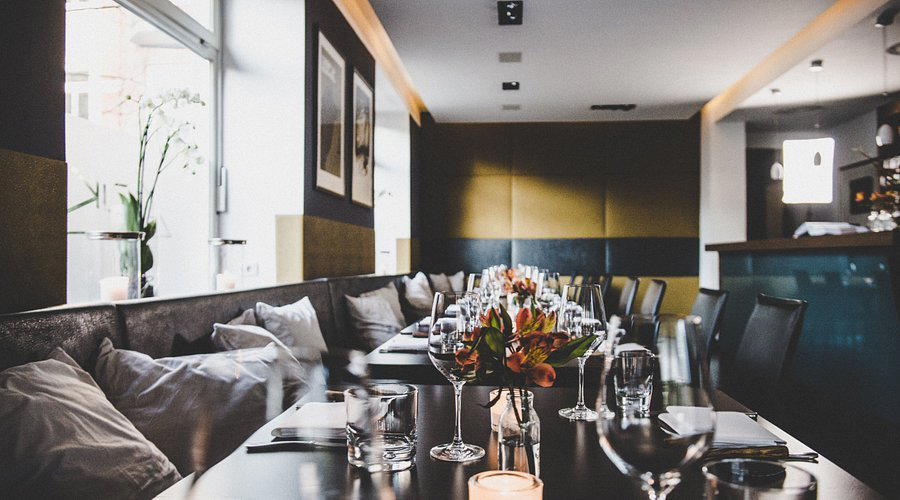
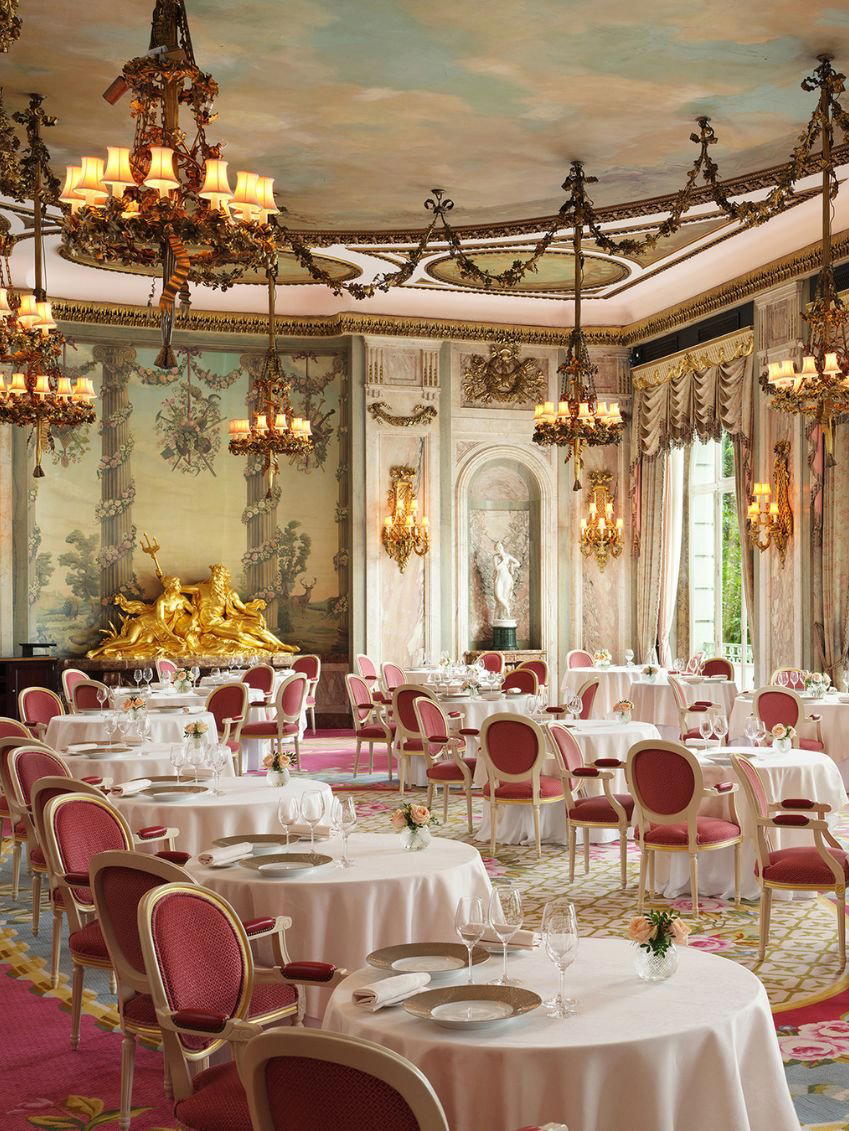
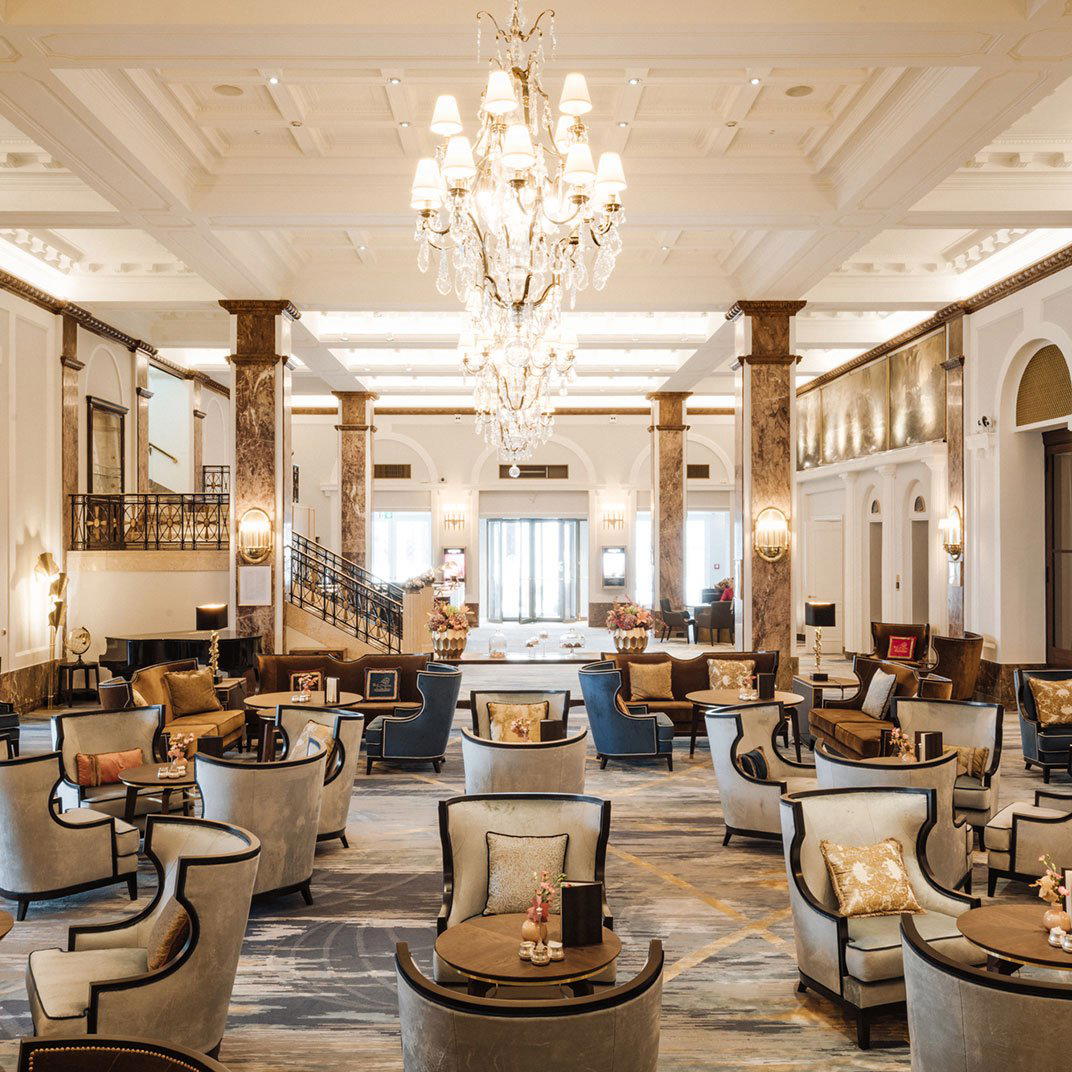
Bars in Hamburg
Browse all →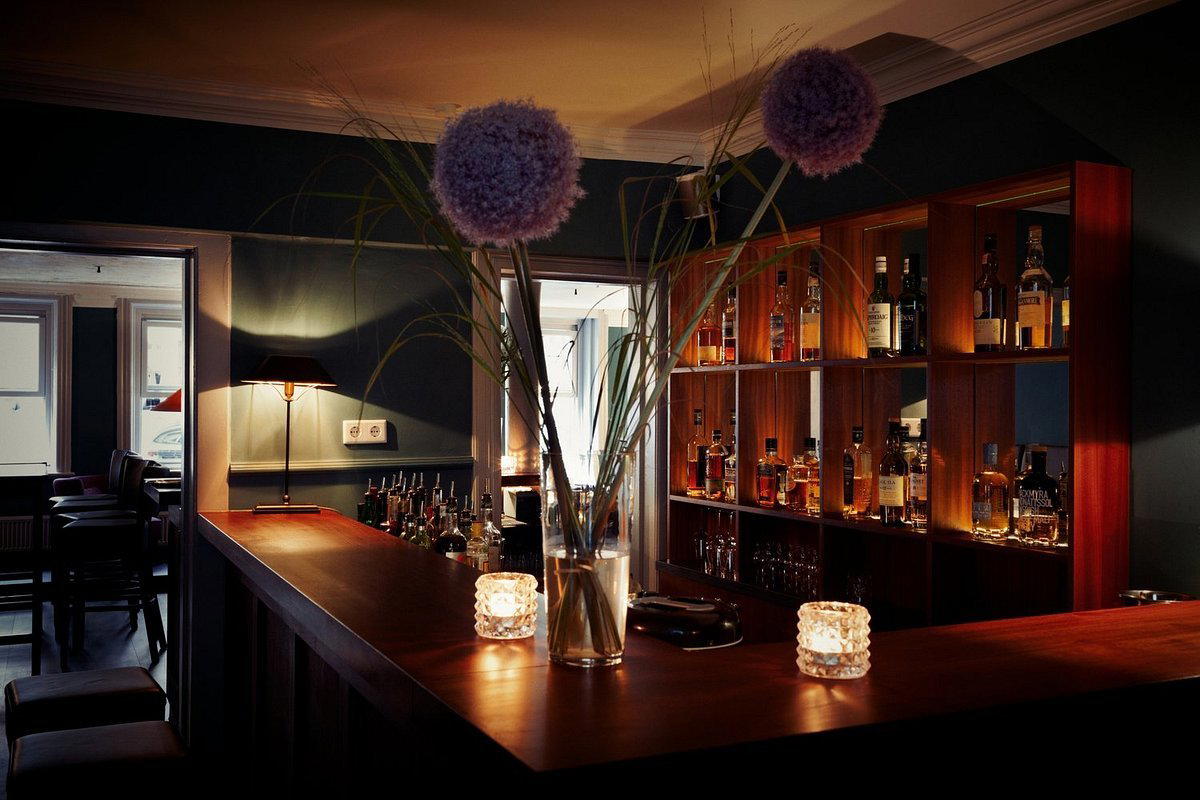
Hotels in Hamburg
Browse all →
Wineries in Hamburg
Browse all →
At a Glance
- Modern
- Elegant
- Intimate
- Date Night
- Special Occasion
- Open Kitchen
- Extensive Wine List
- Local Sourcing
Current opening hours
- Monday
- 7 AM–12 AM
- Tuesday
- 7 AM–12 AM
- Wednesday
- 7 AM–12 AM
- Thursday
- 7 AM–12 AM
- Friday
- 7 AM–12 AM
- Saturday
- 7 AM–12 AM
- Sunday
- 7 AM–12 AM
Hours can change for holidays and private events. Last verified .
Modern, chic, contemporary atmosphere with fresh decor, great music, quiet and laid-back vibe.
Know Before You Go
- Getting there
- Mühlenkamp 18, 22303 Hamburg, Germany