brasserie TORTUE occupies a considered position in Hamburg's mid-to-upper dining tier, where the brasserie format meets a level of kitchen and floor discipline more commonly associated with formal tasting-menu rooms. Located at Stadthausbrücke 10 in central Hamburg, it draws on the French brasserie tradition while operating in a city increasingly defined by ambitious, internationally framed cooking.
Pearl is the En Primeur Club membership app — saves, bookings, and concierge access live there. Same editors, same standards.
- Address
- Stadthausbrücke 10, 20355 Hamburg, Germany
- Phone
- +4940334414023
- Website
- tortue.de
- Directions
- Get directions
 Saves & bookings on Pearl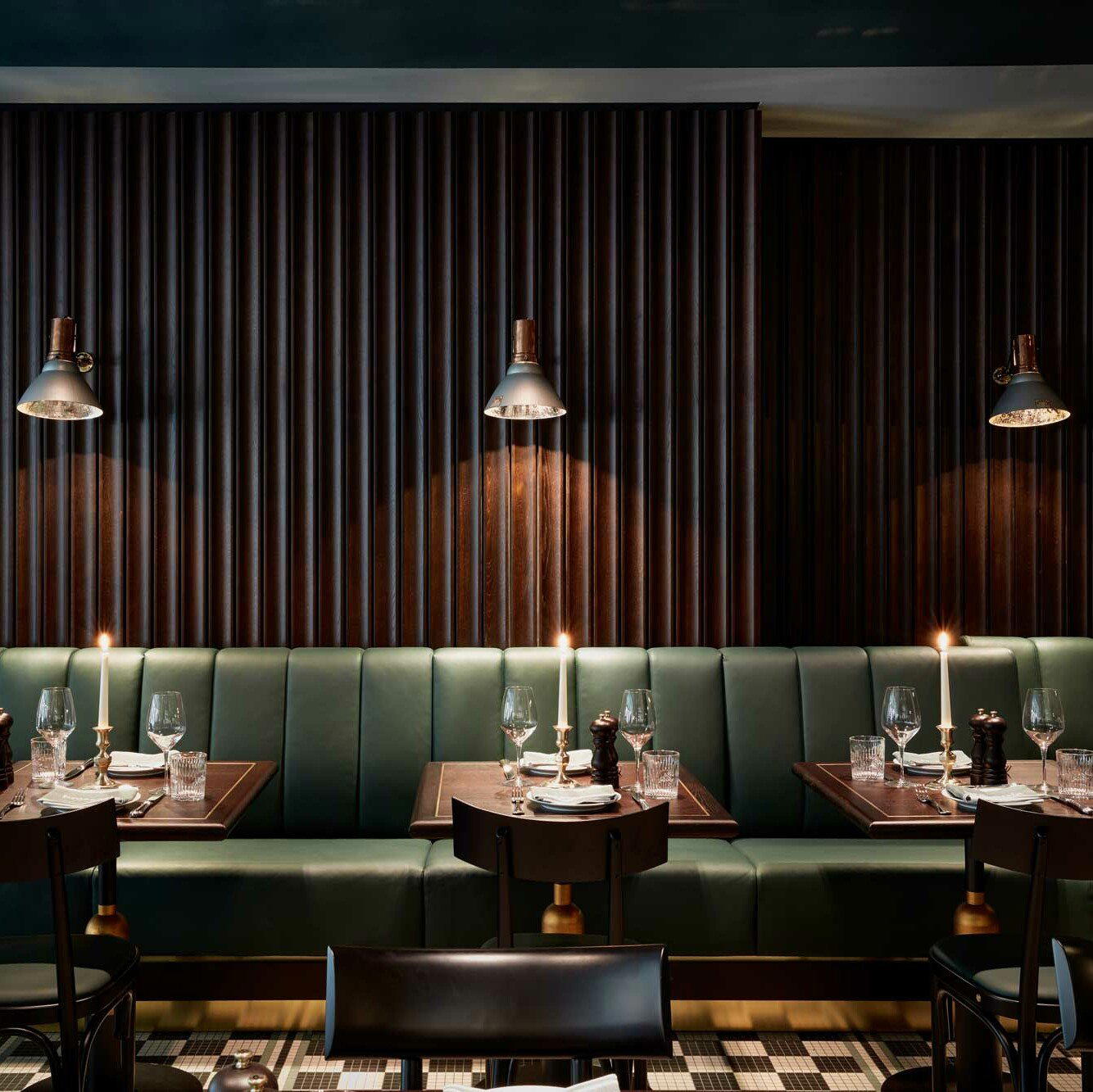
Where the Alster Canal Shapes the Room
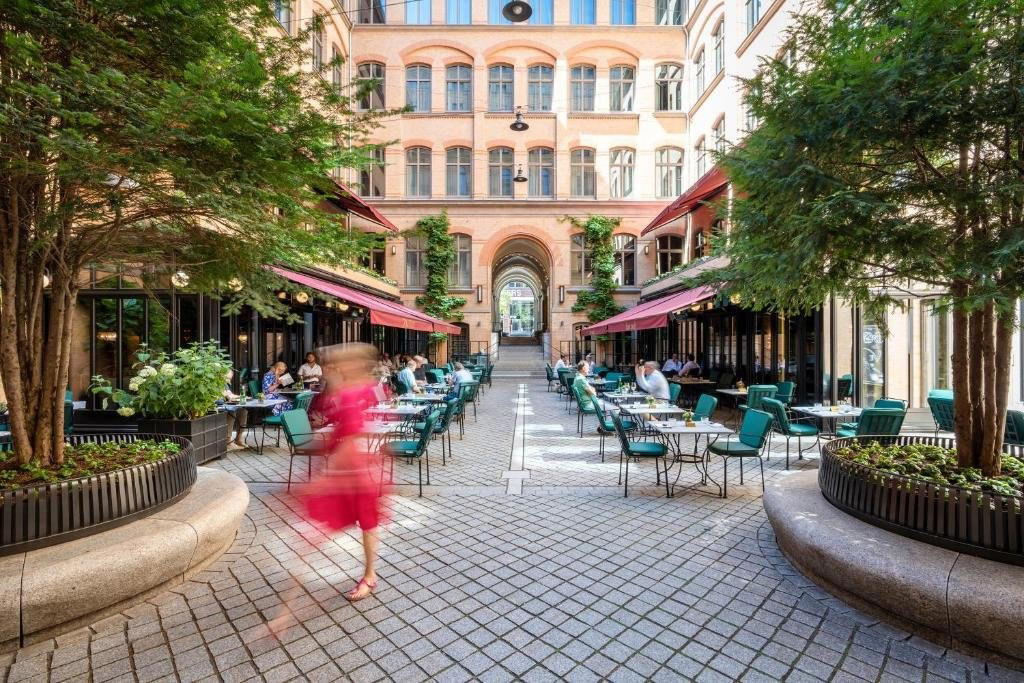
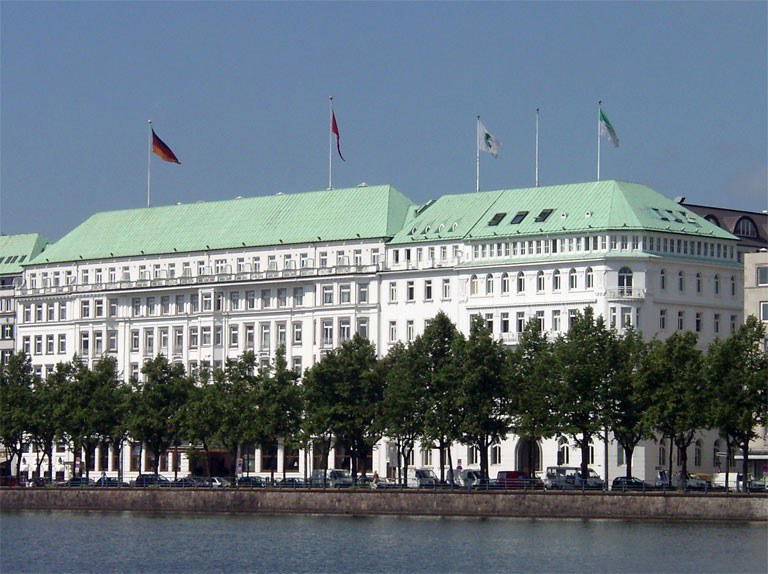
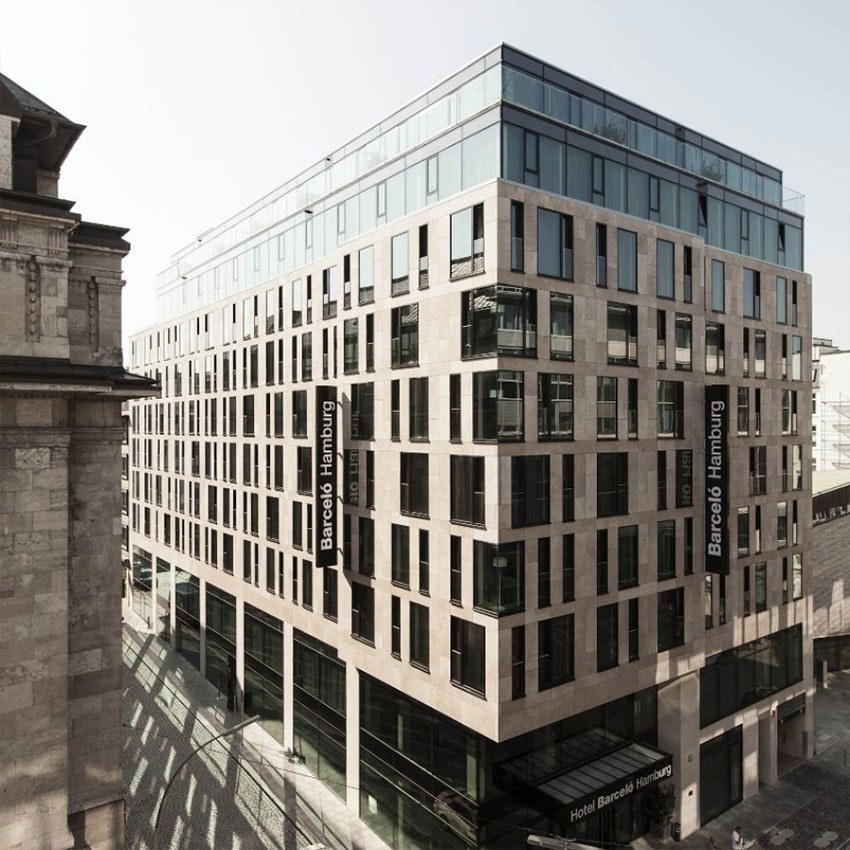
This stretch of the city carries a particular character: not the dense restaurant clustering of the Portugiesenviertel or the scene-forward energy of Ottensen, but a more composed, civic kind of streetscape where a well-pitched brasserie can hold attention across lunch service, early evening, and late dinner without recalibrating its identity each time. The building's position beside the canal sets the physical context before the guest even enters, and in Hamburg, where waterfront sightlines are taken seriously, that arrival matters.
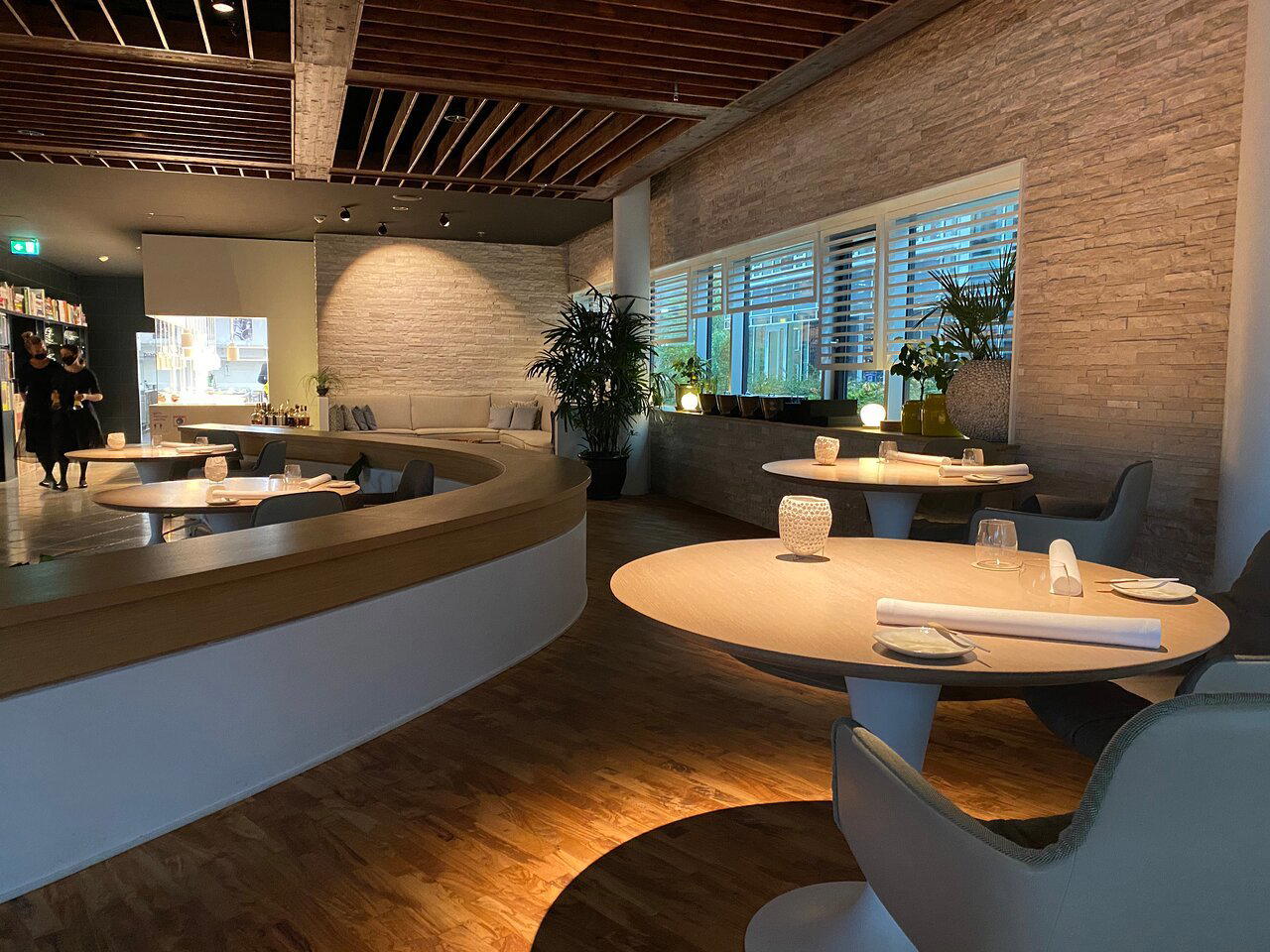
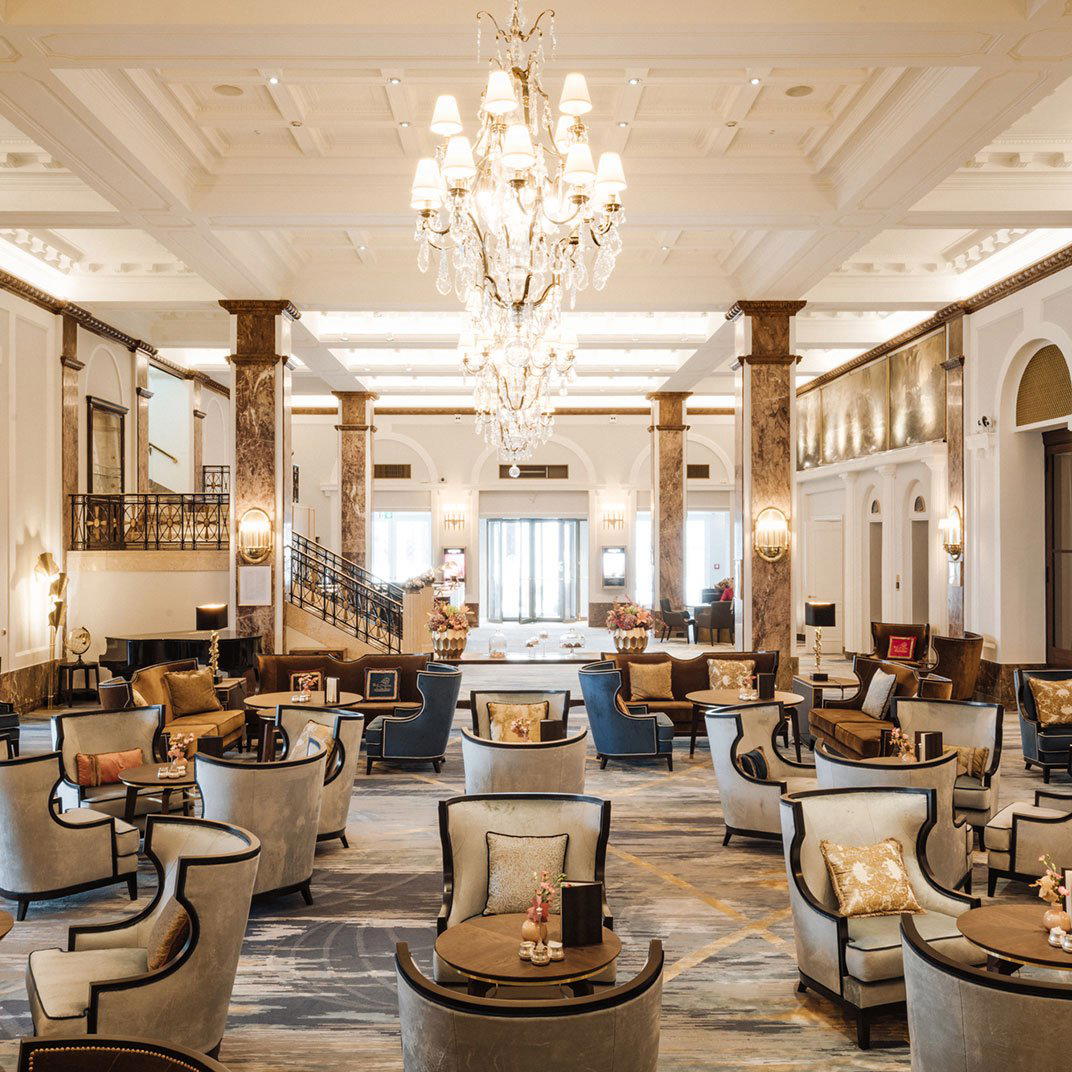
Inside, the brasserie format does specific work. Unlike Hamburg's dedicated tasting-menu rooms, which tend toward compact counters and dim, concentrated atmospheres, a brasserie by definition allows for more spatial generosity: longer tables, a broader range of seating configurations, the ambient noise of a room that is genuinely occupied. The city's premium brasserie tier occupies a distinct niche between the high-formality restaurants such as Restaurant Haerlin and the technically adventurous creative formats like The Table Kevin Fehling. brasserie TORTUE positions itself in that middle register, where the format is approachable but the execution is not casual.
The Collaborative Architecture of a Brasserie Floor
In France's most durable brasserie institutions, the organisational logic has always been relational: the kitchen sets the register, the sommelier interprets it for the table, and front-of-house acts as the connective tissue that keeps the experience from fragmenting across a larger, more varied room than a chef's counter allows. The format demands a different kind of collaboration than an omakase or a prix-fixe tasting menu, because guests are not all following the same path through the meal.
Hamburg's dining room culture has absorbed this logic through a number of routes. The city's proximity to Scandinavian service models, combined with an older German tradition of structured floor management, produces front-of-house teams that tend toward precision rather than theatricality. At brasserie TORTUE, the brasserie setting makes the team dynamic visible in a way that highly scripted tasting-menu formats do not: when a sommelier has to navigate a table ordering across three different appetite registers simultaneously, or a floor manager has to pace a room with guests at different stages, the internal communication of the operation becomes part of what the guest experiences, even without noticing it directly.
This kind of coordination is one reason the leading European brasseries have proved more resilient than some predicted when formal dining contracted after 2008. The format tolerates variance. It can carry a solo diner at the bar, a two-leading on a first-visit anniversary, and a table of six on a work dinner within the same service window, without the kitchen or floor needing to recalibrate entirely. Hamburg's position as a major European port city means that kind of flexibility carries practical weight: the guest base is genuinely mixed, and a room that can only perform at one register will underperform across much of the week.
Situating TORTUE in Hamburg's Fine-Casual Tier
Hamburg's restaurant tier that sits just below the city's highest-formality rooms has become increasingly interesting in recent years. Properties like bianc, which applies Mediterranean framing at the leading price point, and Lakeside, which leans into the German lakeside idiom at a comparable spend, both signal that Hamburg diners are prepared to commit to a full evening at this level without requiring the ceremony of white-tablecloth formalism. brasserie TORTUE belongs to this same appetite shift, though through a French-lineage format rather than a regional one.
Germany's brasserie culture has its own reference points, and they are worth naming. The country's most serious French-inflected kitchens, from Schwarzwaldstube in Baiersbronn to Vendôme in Bergisch Gladbach, have sustained a tradition of French technique adapted to German produce and pacing. Brasserie as a format is the less formal end of that lineage, but it draws on the same technical inheritance. When it works, it means a kitchen that can execute classic preparations with real accuracy, not the loosened approximation that often passes for brasserie cooking in hotel dining rooms.
Hamburg's international frame of reference also matters here. The city's position as a trading port means its food culture has absorbed influences that give the brasserie format different connotations than it carries in, say, Munich or Stuttgart. Compare Hamburg's French-influenced dining tier to the ambition operating in cities like JAN in Munich or the structured formality of Aqua in Wolfsburg, and it becomes clear that Hamburg's approach privileges hospitality warmth and room atmosphere alongside kitchen precision, rather than subordinating the dining room to the menu.
Seasonal Timing and the Brasserie Calendar
Brasseries track the seasons more openly than tasting-menu restaurants, where the kitchen absorbs seasonal change into a structured arc. In a brasserie, the menu's relationship to the calendar is visible at the table: the shift from cold-weather proteins and heavier preparations toward spring produce and lighter treatments happens in real time on the printed card. Hamburg's position on the North Sea coast means that the city's seasonal rhythm is pronounced, and autumn and winter service windows tend to draw a different audience than the long-light evenings of June and July, when outdoor dining elsewhere in the city competes for attention. The Stadthausbrücke setting gives brasserie TORTUE a year-round urban anchor that performs consistently across both periods.
For visitors arriving from other European cities with serious brasserie cultures, the comparison points are obvious. The gap between a first-tier Paris brasserie and a well-run Hamburg equivalent has narrowed considerably over the past decade, partly because kitchens have become more mobile, and partly because guests in northern German cities now arrive with more detailed reference points. The same shift is visible in Berlin at venues like CODA Dessert Dining, which operates in a completely different format but reflects the same broader maturation of the German dining-out culture.
Planning Your Visit
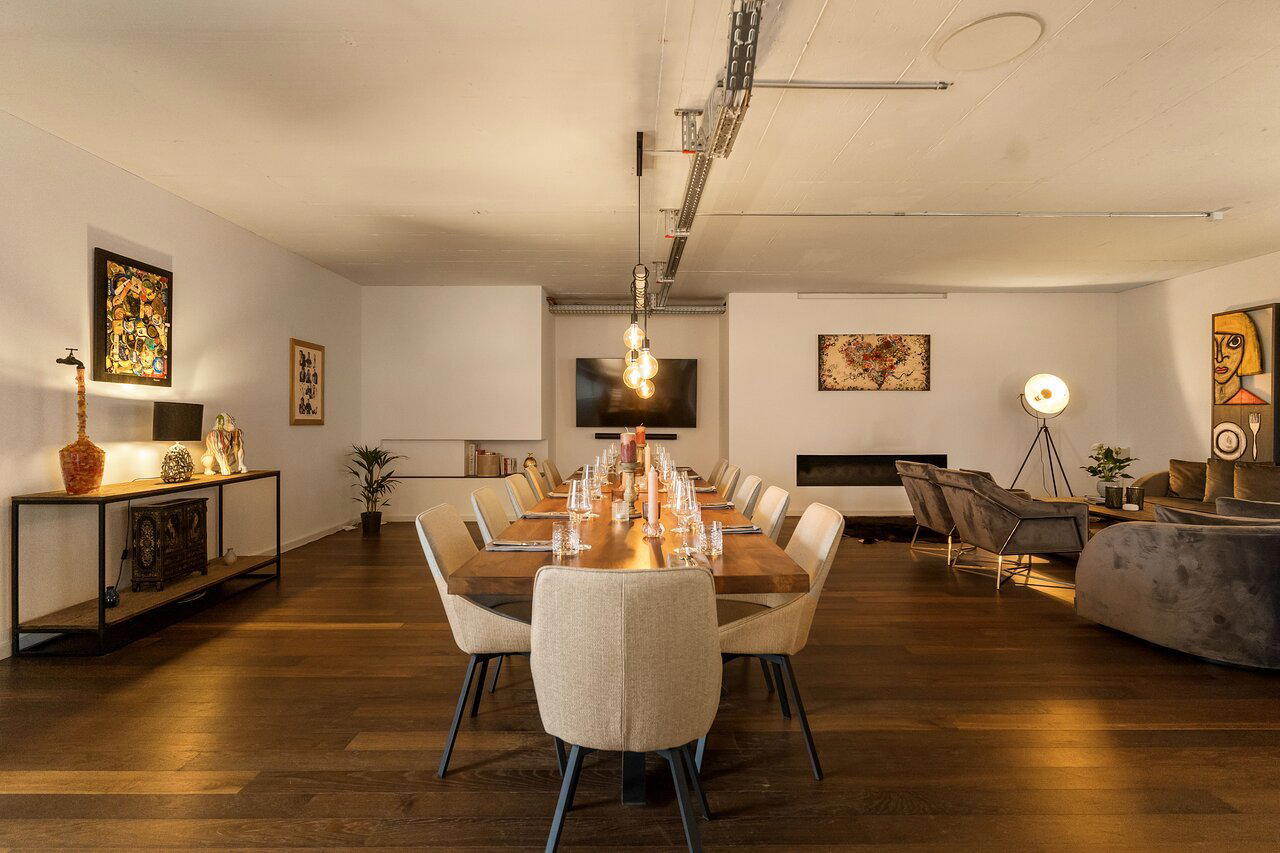
The restaurant sits at Stadthausbrücke 10 in central Hamburg, accessible from the main U-Bahn network via Rödingsmarkt or Rathaus, both within a short walk. The central address means it functions logically as a pre- or post-theatre option, or as an anchor for an evening that starts with a walk along the Alster. For those building a Hamburg dining itinerary across multiple nights, the brasserie format makes it a natural complement to higher-formality rooms: it does not ask for the same preparation or commitment, but it rewards guests who bring attention to the meal.
Comparable Spots
Comparable venues nearby, for context on price, style, and recognition.
| Venue | Cuisine | Price | Notes |
|---|---|---|---|
| brasserie TORTUEThis venue — the venue you are viewing | German-inspired French Brasserie | $$$ | Not listed |
| Restaurant la légère & Private Dining | Modern French Nouvelle Cuisine | $$$$ | Neu Lokstedt |
| Bistro Carmagnole | Classic French Bistro | $$$ | Sternschanze |
| Casse Croute | French-German Bistro | $$ | Neustadt |
| Hummer Pedersen | German Seafood & Lobster | $$$ | Altona-Altstadt |
| CARLS Brasserie an der Elbphilharmonie | French Brasserie with North German Accents | $$$ | HafenCity |
Continue exploring
More in Hamburg
Restaurants in Hamburg
Browse all →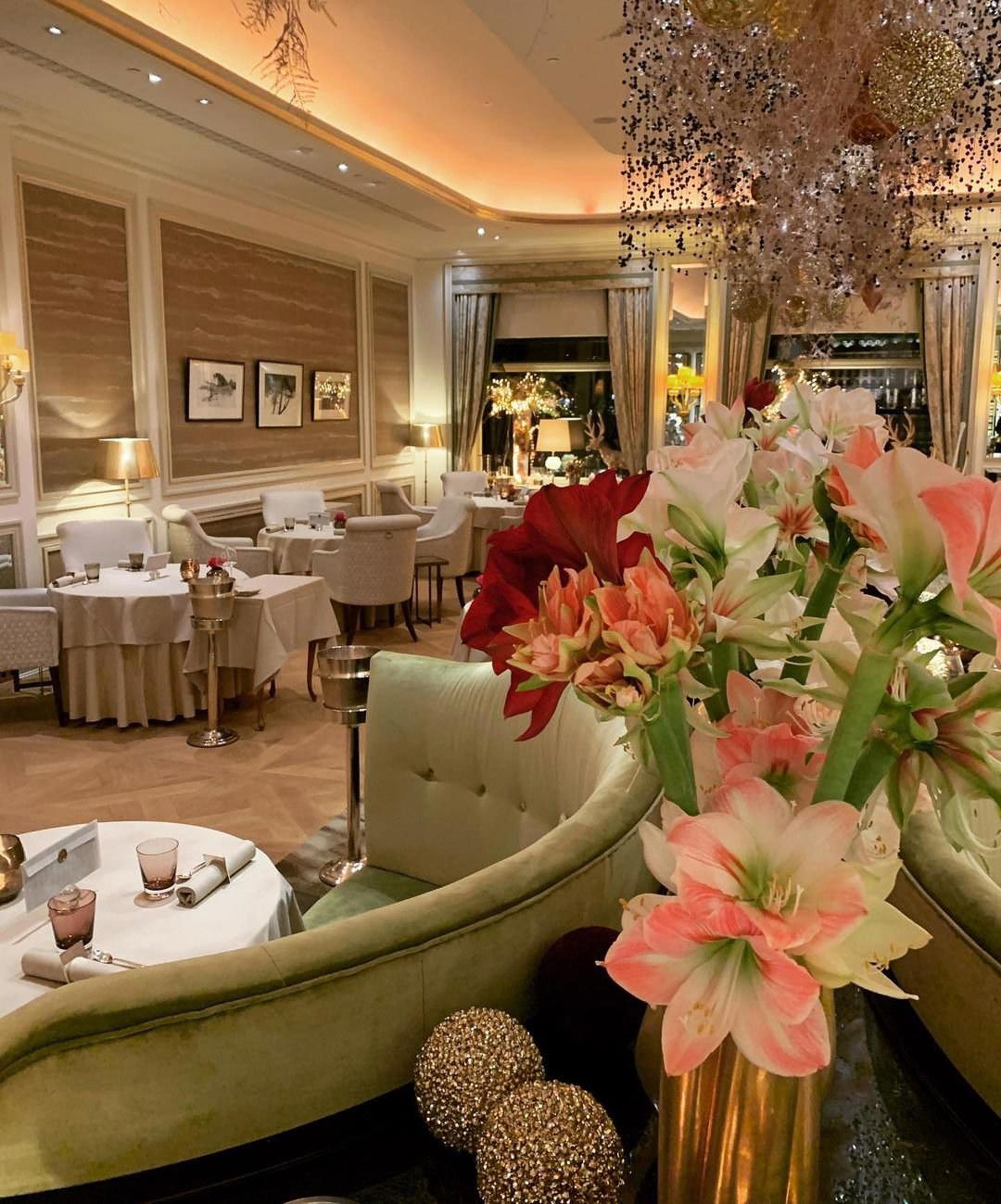
At a Glance
- Classic
- Elegant
- Cozy
- Date Night
- Business Dinner
- Special Occasion
- Brunch
- Open Kitchen
- Hotel Restaurant
- Extensive Wine List
Current opening hours
- Monday
- 7–11 AM, 12 PM–12 AM
- Tuesday
- 7–11 AM, 12 PM–12 AM
- Wednesday
- 7–11 AM, 12 PM–12 AM
- Thursday
- 7–11 AM, 12 PM–12 AM
- Friday
- 7–11 AM, 12 PM–12 AM
- Saturday
- 7 AM–1 PM, 2 PM–12 AM
- Sunday
- 7 AM–1 PM, 2–11 PM
Hours can change for holidays and private events. Last verified .
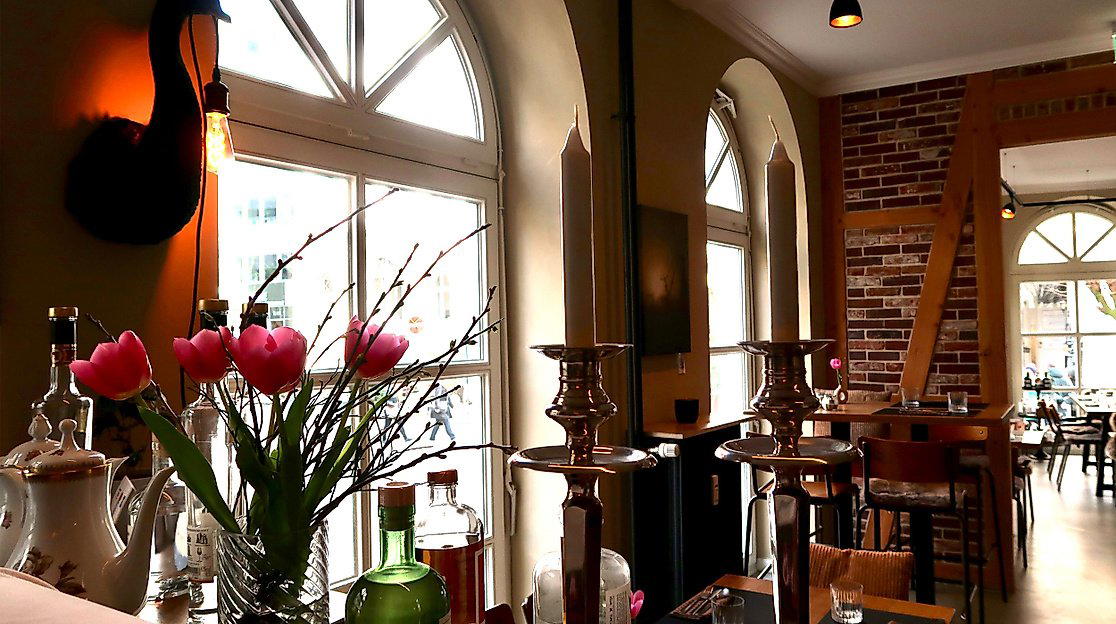
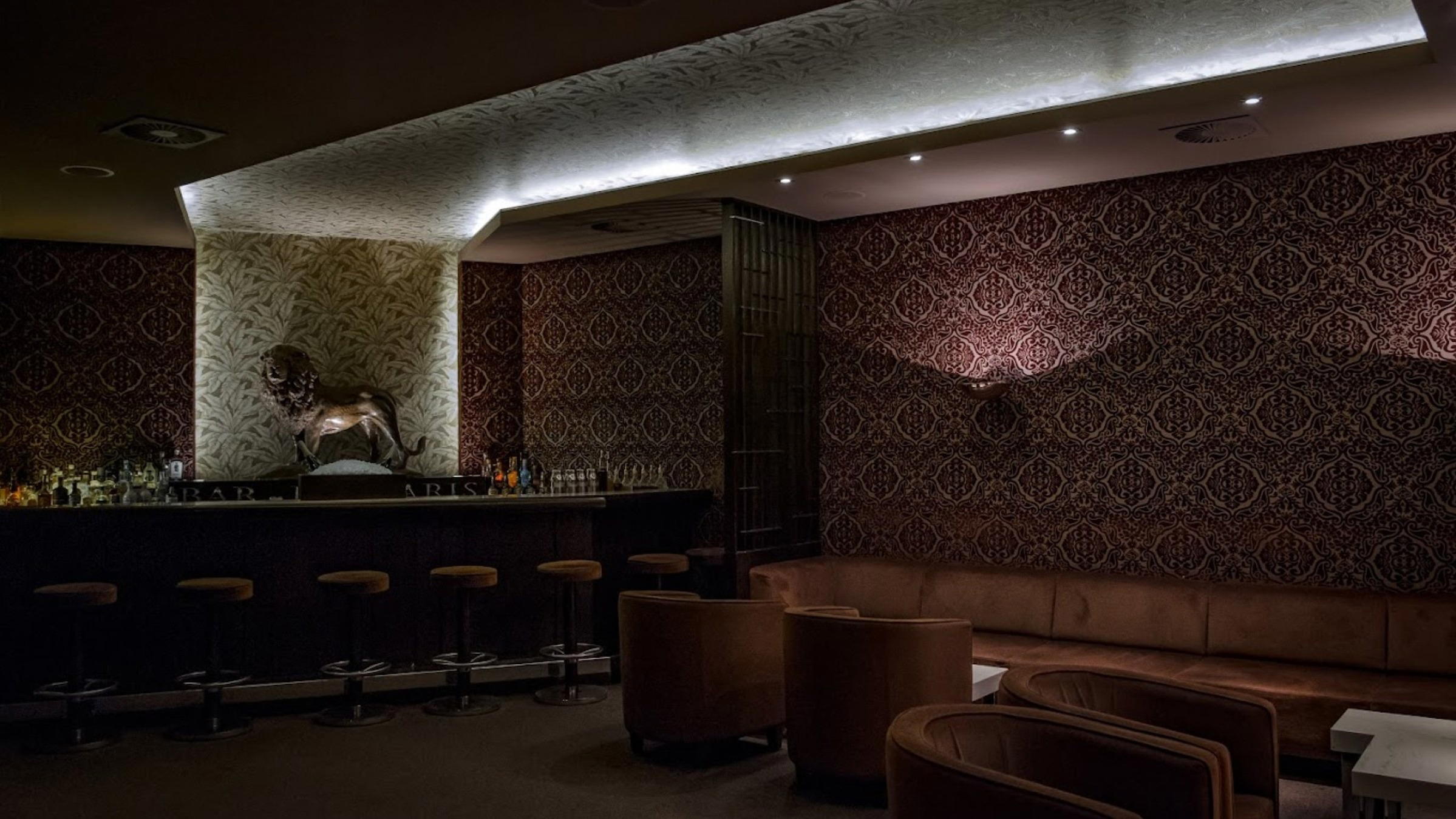
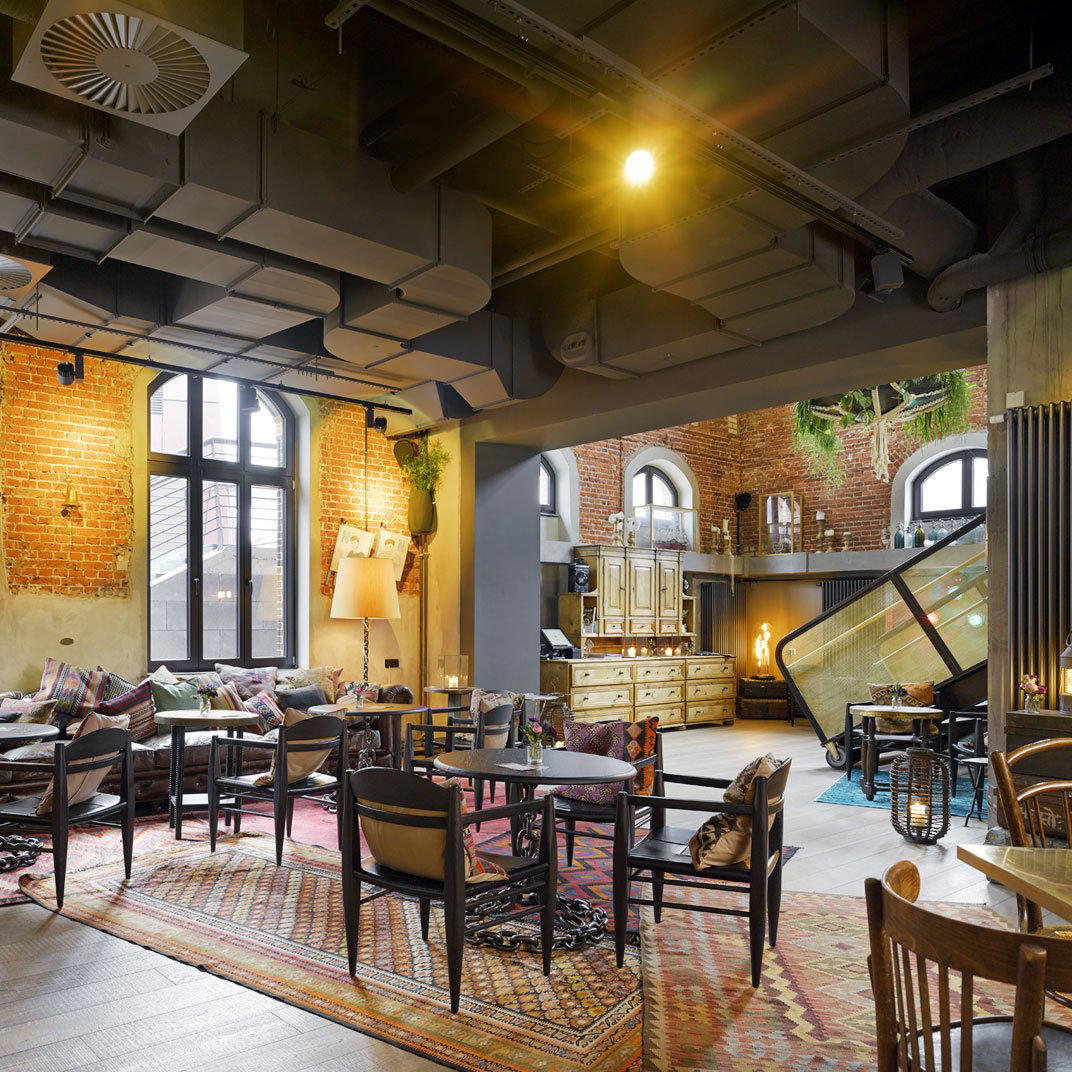
Pleasant typical brasserie atmosphere with open kitchen, cozy design, courteous service, and a mix of classic elegance and modern comfort.